There is something ironic about rushing tea.
We order it to relax. We call it calming. We describe it as grounding. And yet, more often than not, we drink it the same way we drink everything else — between emails, between meetings, between scrolling.
Tea has become background noise.
A mug beside the laptop. A thermos in the car. A takeaway cup clutched while walking to the MRT. It is present, but rarely noticed.
And that feels like a loss.
Tea was never meant to compete for attention. It was meant to hold it. The warmth in your hands. The first rise of steam. The subtle shift in flavour from the first steep to the second. These are small details, yes. But they are the point.
Somewhere along the way, we started treating tea like coffee’s quieter sibling. Functional. Efficient. A mild alternative.
But tea is not an alternative.
It is a ritual.
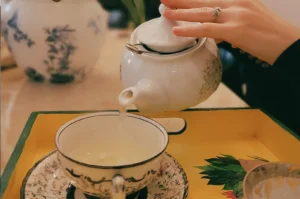
Even in its simplest form, tea asks for patience. Water must cool slightly. Leaves need time to unfurl. You cannot rush infusion without changing the result. When we hurry tea, we flatten it.
And perhaps we flatten ourselves in the process.
In Singapore, life moves quickly. Efficiency is admired. Multitasking is expected. It makes sense that our tea habits have adapted. But not everything needs to follow that rhythm.
What if tea remained the one thing we refused to rush?
What if, instead of sipping absentmindedly, we allowed a few quiet minutes before returning to the noise?
Tea does not demand ceremony in silk robes. It does not require perfection. It simply asks for presence.
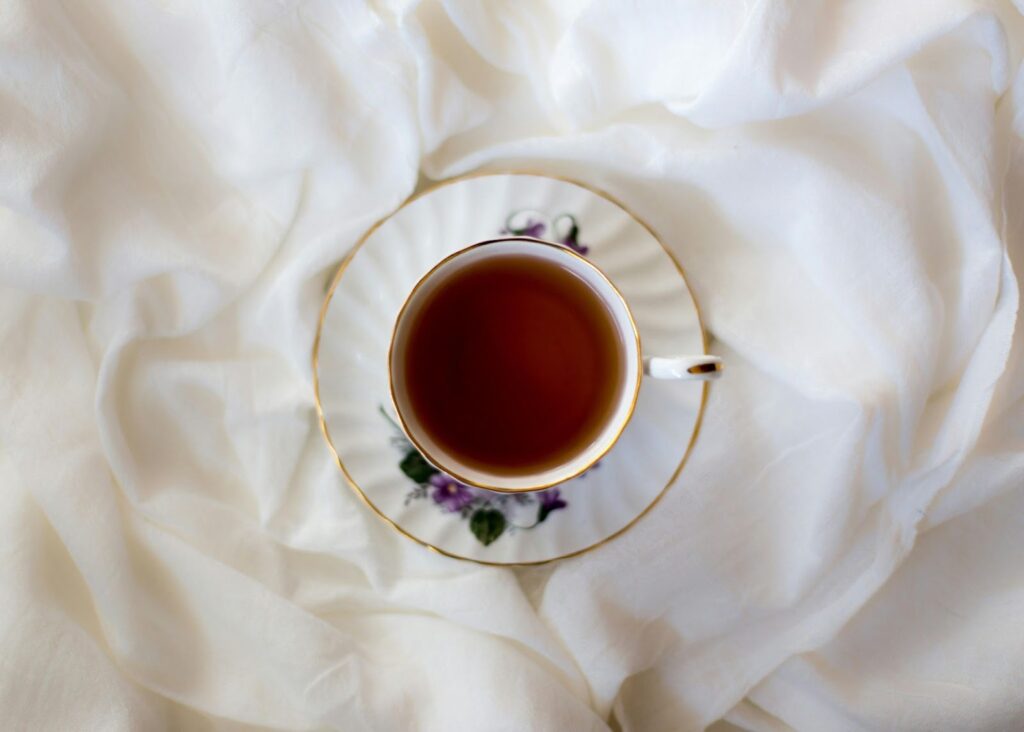
The next time you brew a cup, let it sit for a moment. Notice the colour. Taste it before adding anything. Let the second steep surprise you.
You might find that tea tastes different when you give it time.
And maybe so do you.
— Maria Tan

Maybe Your Favourite Tea Is Not Your Best Tea
I have a tea sitting in my cupboard that I would never call my “best” tea. It is not the rarest. It is not the most expensive. It does not come with an impressive story about ancient tea trees, remote mountains, or a limited harvest. And yet, I drink it more often than almost anything…
-
Clipper Tea Review: Does the Packaging Match the Pour?
There’s a box of Clipper Tea that’s lived in my cupboard longer than most of my mugs. I didn’t plan to buy it. I was standing in the tea aisle, tired, half-decided on something familiar, when the colour caught me. Bright, cheerful, a little hand-drawn looking. So I brought it home. And I’ve been drinking…
-
Hear Me Out, Tea Does Not Need to Be Serious All the Time
There is something I have noticed about tea culture. We take tea very seriously. Perhaps too seriously. We discuss origins, processing methods, brewing temperatures, and the history behind every leaf. We debate whether a tea should be enjoyed in a certain way. We carefully consider the correct vessel, the right water, and the ideal environment….
-
Red Bush Tea: The Tea That Does Not Need to Shout
There is a red pot in my mother’s kitchen that only comes out in the evening. By then the coffee has done its work and gone quiet. The day has loosened. She fills the kettle, drops in a spoonful of something the colour of dried autumn, and lets it sit while she tidies the last…
-
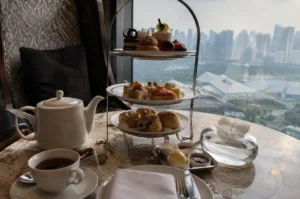
Hear Me Out: High Tea Is Overrated
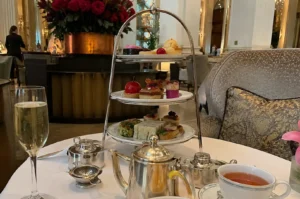
Hear me out: high tea is one of the most convincing ways we have found to make snacking feel important. I understand the appeal. The room is polished, the cups are delicate, and everything arrives in miniature. There is something satisfying about sitting down in the middle of the afternoon and behaving as though time…
-
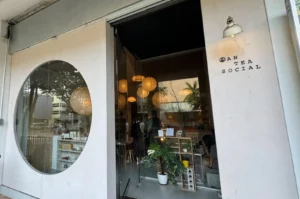
Where Tea Is Given Time to Speak: Anteasocial Review
I almost walked past it. Owen Road Singapore doesn’t announce much. A quiet stretch, low buildings, the kind of road you pass through on the way to somewhere louder. Then there it was, unassuming, just numbers on a wall: 117. Anteasocial is a contemporary Oriental specialty teahouse in Singapore, and if you’re looking for a…
-
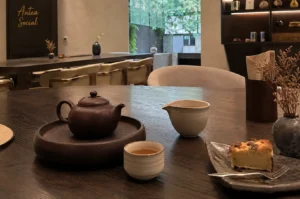
A Table Set for Stillness: Inside Antea Social’s Quiet Tea Ritual
Luxury usually announces itself before we have time to question it. It arrives through marble lobbies, silver stands and tiny sandwiches placed in strict formation. Antea Social offers a quieter argument. This is not afternoon tea in the familiar hotel sense. There is no grand procession of pastries or waiter lifting a polished lid. Instead,…
-
9 High Tea in Orchard Places for Scones, Tea, and a Quiet Afternoon
There is a particular kind of tiredness that comes from Orchard Road. Not the tiredness of a hard day, but the softer sort, the ache of too many shopfronts, too much bright glass, too many people moving faster than you feel like moving. And somewhere in the middle of all that, if you know where…
-
High Tea Orchard: Why the City Still Does It Best
It is easy to dismiss high tea in Orchard as an expensive pause between shopping bags. The tiered stands are photogenic, the hotel lounges polished, and the prices increasingly difficult to defend. ome scones arrive dry. Some savouries feel like banquet food made miniature. Some desserts are designed more for cameras than appetite. Still, Orchard…
-
McDonald’s Queensway Ridout Tea Garden Review: What It Is Like Dining in a Heritage Setting
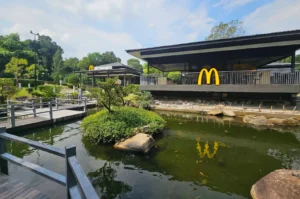
I did not expect to find quiet at a McDonald’s Queensway Ridout Tea Garden outlet. But there I was, standing outside the McDonald’s outlet at 580 Queensway, listening to the water instead of the traffic. A much loved pond sat just beyond the glass, surrounded by stone lanterns and trees leaning over it. Somewhere behind…