I have never believed that a good tea shop needs to impress me.
Beautiful shelves are pleasant. Carefully arranged teaware can be lovely. And there is something reassuring about a shopkeeper who knows the difference between a young sheng Pu-erh and one that has spent twenty years ageing.
But none of these things tells me whether I will feel comfortable staying.
I think that matters more than we sometimes admit.
Tea shops can be intimidating places. There are unfamiliar names, complicated descriptions, and prices that seem to suggest certain teas belong to a more knowledgeable class of drinker.
I understand why expertise matters. Tea has histories and traditions worth studying, and I would never ask someone to diminish that knowledge.
But expertise should open a conversation.
Not close one.
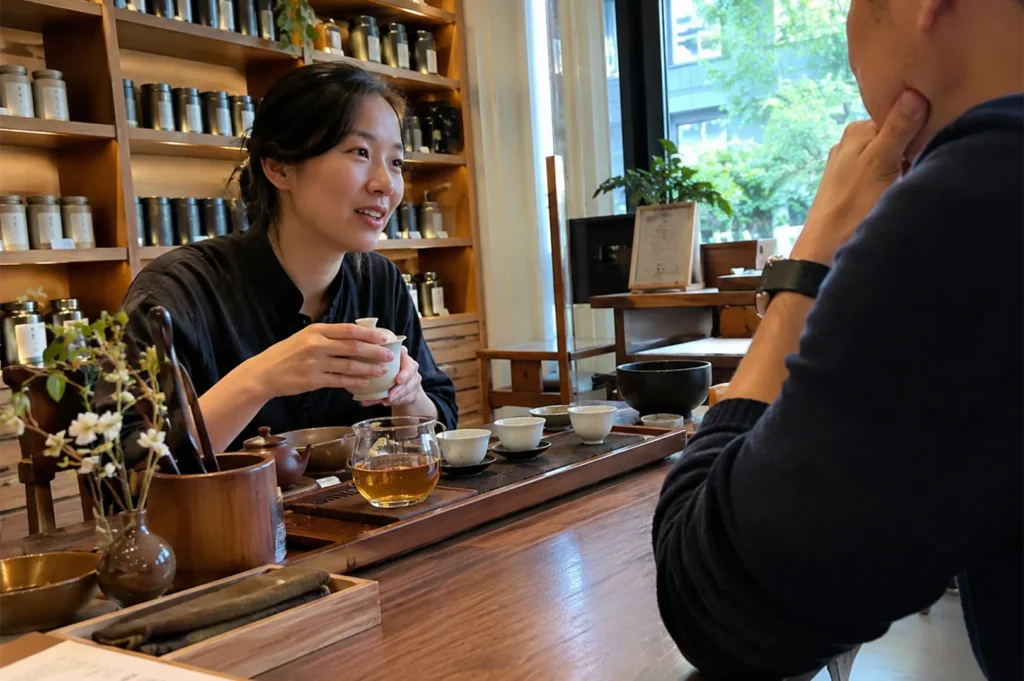
What I want from a tea shop is a certain generosity of spirit. Someone willing to explain without making the question seem foolish. Someone who understands that curiosity does not always arrive with the correct vocabulary.
I want to be able to say that I enjoy a particular tea simply because I like its taste.
And have that be enough.
There is also something to be said for the pace of a place.
I do not expect every tea shop to become a sanctuary of silence. Some are lively, practical businesses where customers come and go throughout the afternoon.
That is perfectly reasonable.
Still, I appreciate spaces where attention is not immediately turned into a sales opportunity. Where a conversation about tea can remain a conversation, even if nothing is purchased.
Perhaps this sounds idealistic.
A tea shop must survive as a business, and good tea deserves fair prices. Hospitality does not remove those realities.
But I believe commerce and genuine welcome can exist together.
The finest tea in the world becomes less appealing when I feel I must prove myself worthy of drinking it.
An ordinary cup, offered with patience and sincerity, can leave a far deeper impression.
In the end, I do not need a tea shop to make me feel like an expert.
I would rather it remind me why I became interested in tea at all.
With quiet regard,
N. P. Lim

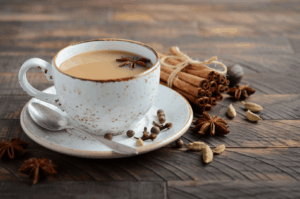
Masala Chai Origins: The Cultural Evolution of India’s Spiced Tea Tradition
The rhythmic clanging of metal kettles echoes through narrow lanes as steam rises from countless chai stalls across India. The intoxicating aroma of cardamom, cinnamon, and fresh ginger mingles with robust black tea, creating an olfactory symphony that has captivated souls for centuries. This is masala chai-not merely a beverage, but a cultural phenomenon that…
-
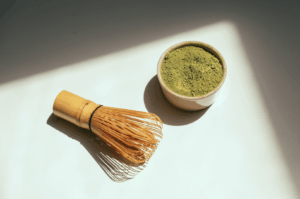
Matcha Tea: The Versatile Japanese Green Tea Powder
The vibrant green powder that transforms simple hot water into liquid jade has captivated tea enthusiasts worldwide. Matcha tea represents more than just a trendy beverage-it’s a bridge connecting ancient Japanese traditions with modern culinary innovation. This unique form of powdered green tea offers endless possibilities, from meditative ceremonial drinking to creative kitchen applications that…
-
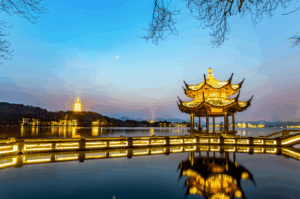
The Dragon Well Legacy: Exploring China’s Legendary Longjing Tea
Among the world’s most revered green teas, few carry the prestige and cultural significance of China’s legendary Dragon Well. This premium tea has captivated tea enthusiasts for centuries, earning its place as an imperial favourite and modern icon alike. From its mystical origins at West Lake to its meticulous processing methods, Longjing represents the pinnacle…