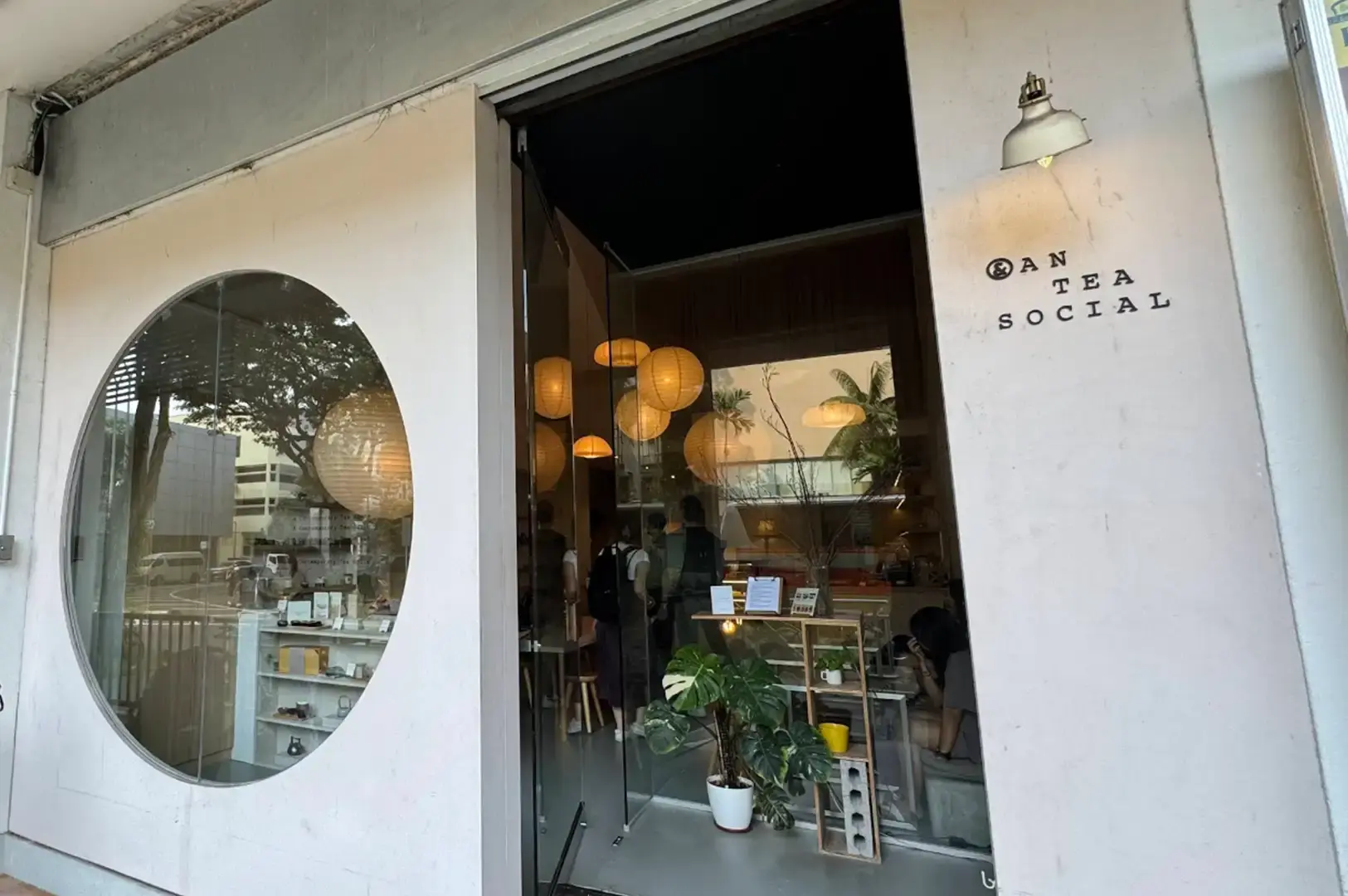
I almost walked past it. Owen Road Singapore doesn't announce much. A quiet stretch, low buildings, the kind of road you pass through on the way to somewhere louder. Then there it was, unassuming, just numbers on a wall: 117.
Anteasocial is a contemporary Oriental specialty teahouse in Singapore, and if you're looking for a calm, thoughtful place to drink tea rather than rush through another café stop, that's exactly what it offers. I visited on a Tuesday, a little after noon, mostly because I wanted the place before it filled. I pushed the entrance open expecting a café or teahouse. What I found was slower than that: an intimate, cosy room where tea is served with craft and care, and where tea lovers are gently asked to pause.
There's a particular kind of quiet in a room built around tea. Not silence, exactly. Just the sense that nobody here is in a hurry, and that you shouldn't be either. The space felt personal, a craft of calm amidst the city bustle, which is what makes Anteasocial stand out for anyone in Singapore who wants to savour specialty tea with more intention.
First Impressions of Anteasocial: A Brand of Soul and Craft
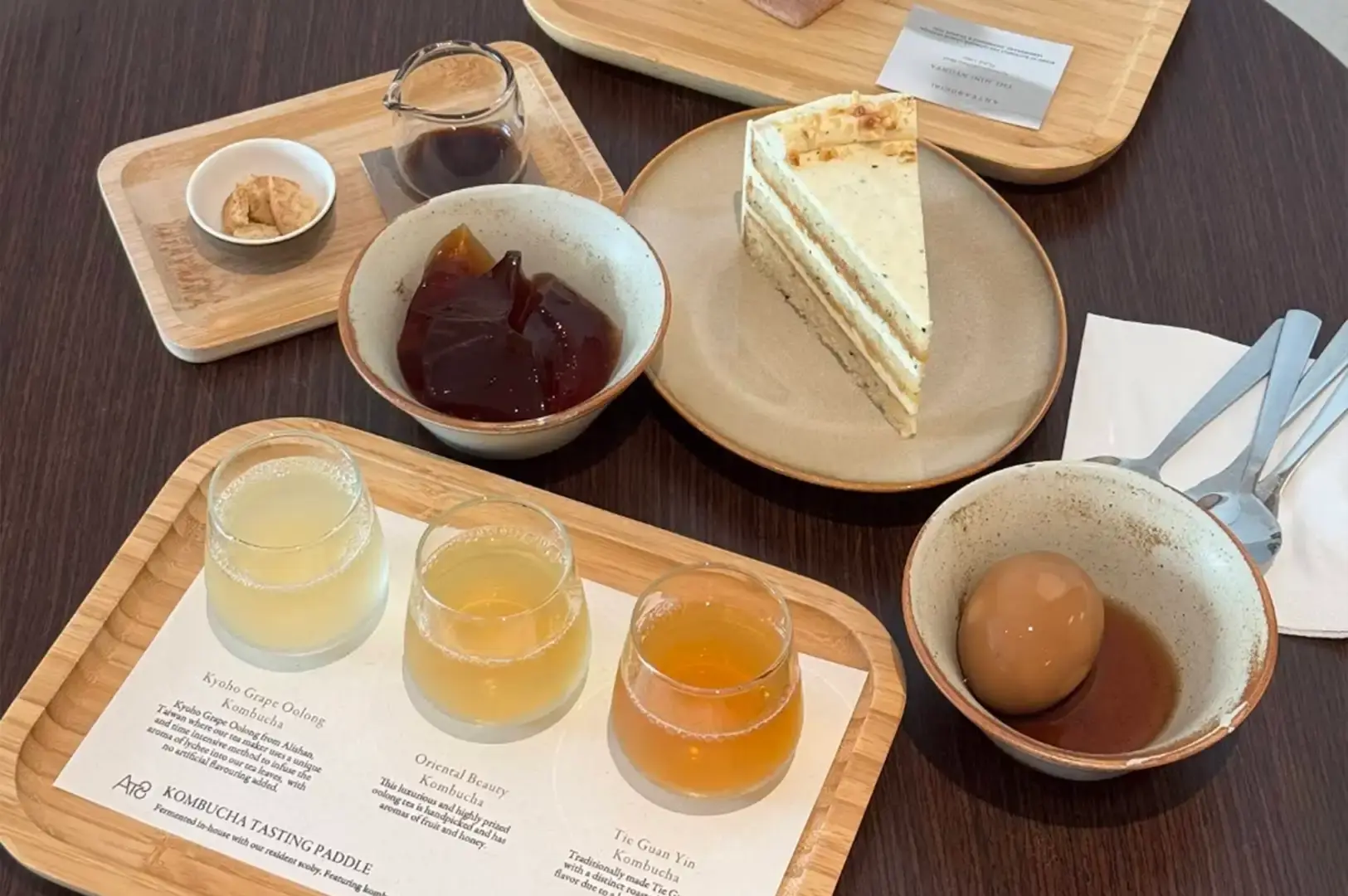
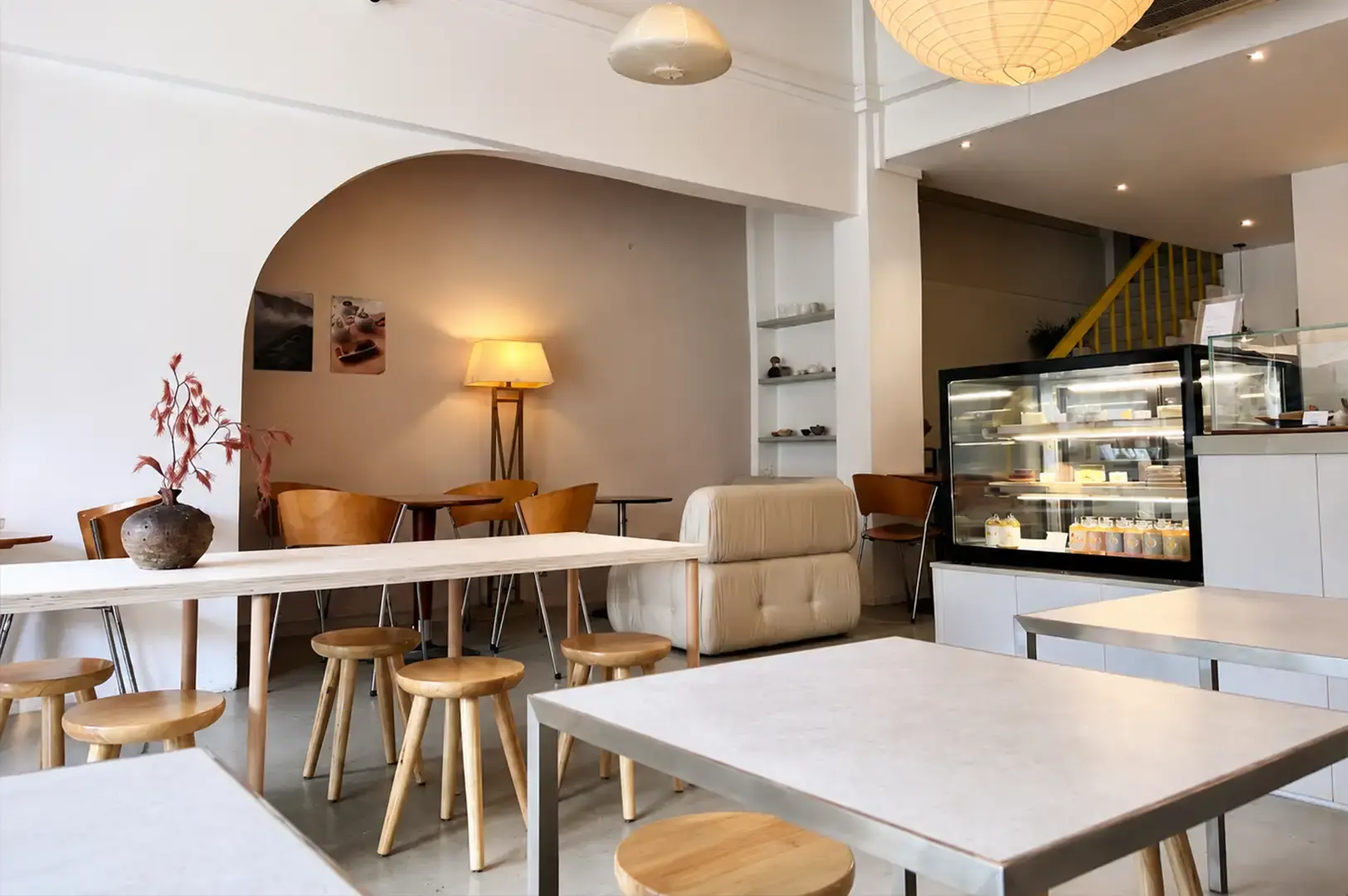
Anteasocial, or Antea Social as some call it, describes itself as a contemporary Oriental specialty teahouse. That sounds grander than the room feels. In person, it's pared back, wood and soft light, the kind of interior that steps aside so the tea leaves and aroma can be the thing you notice.
I found a seat easily on a weekday afternoon, though I noticed how few there were. This is a compact tea house Singapore locals would call intimate, and I'd call honest. You won't find rows of tables. You'll find a handful, close enough that a full house would change the mood entirely.
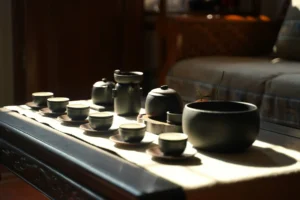
The temperature sat comfortable, not the aggressive chill some cafés default to. The sound level was low, a soft clink of crystal glassware and tea dyed coasters, the occasional murmur. No music fighting for attention, just the gentle pour of hot tea and the sun casting light through the windows, warming the polished wooden surfaces.
It struck me as a place for one person and a book, or two guests who actually want to talk. The subtle scent of steeping leaves mingled with the faint earthy aroma of aged wood, inviting calm. Less suited to a group catching up loudly, or anyone hoping to squeeze a quick coffee-run pace out of it. That isn't the point here.
The Warm Tea Flight and Selection: Exploring Honey Earl Grey Hazelnut, Floral Notes and More
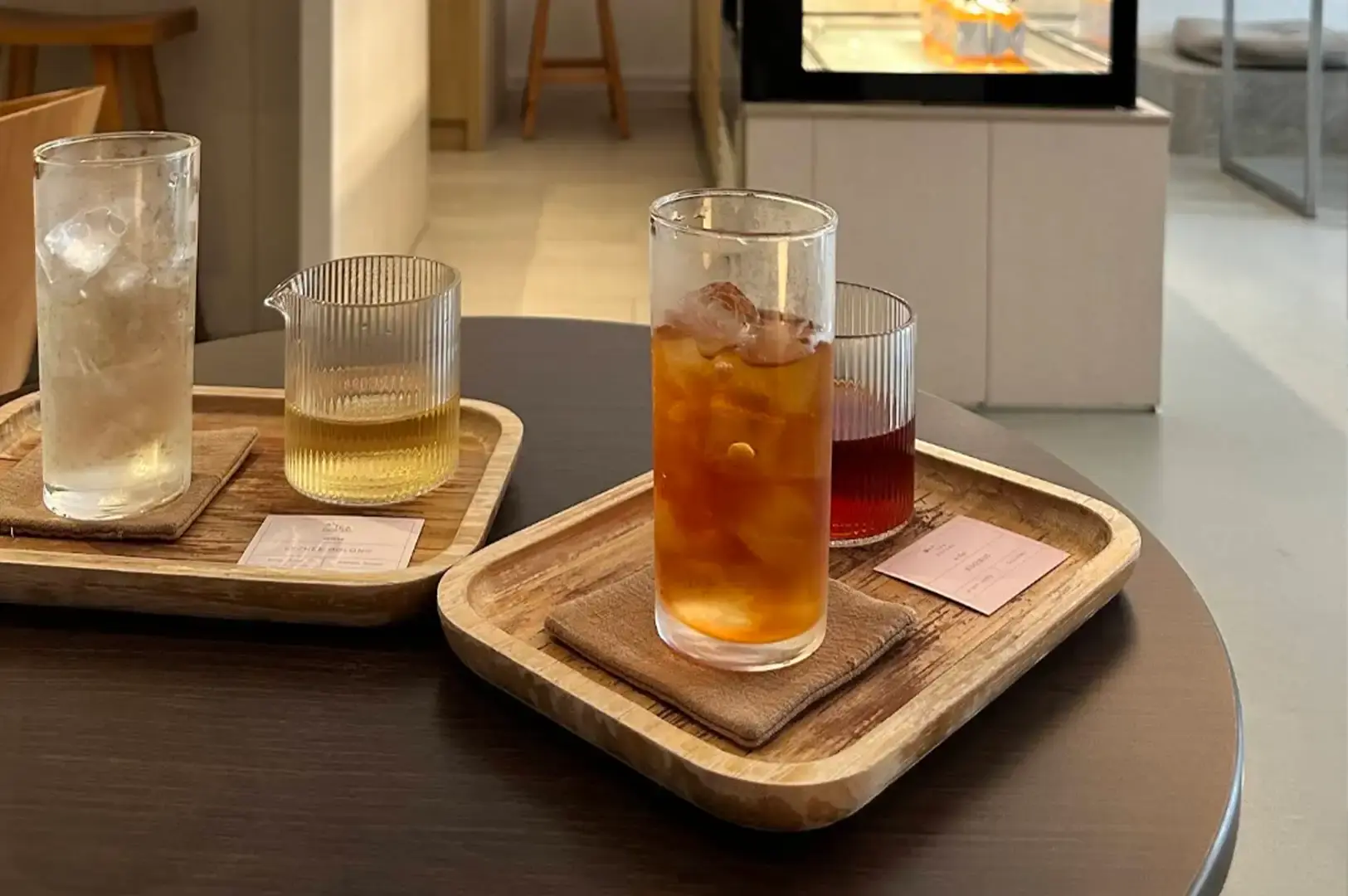
This is where the visit slowed down, and where it earned its name.
The menu leans into specialty tea Singapore drinkers will recognise as a curated selection rather than an overwhelming one. Fewer choices, more intention. I appreciated that. A long menu often means nothing is truly cared for. A short one, done well, tells you someone made decisions with inspiration.
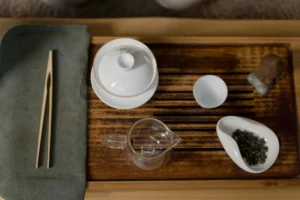
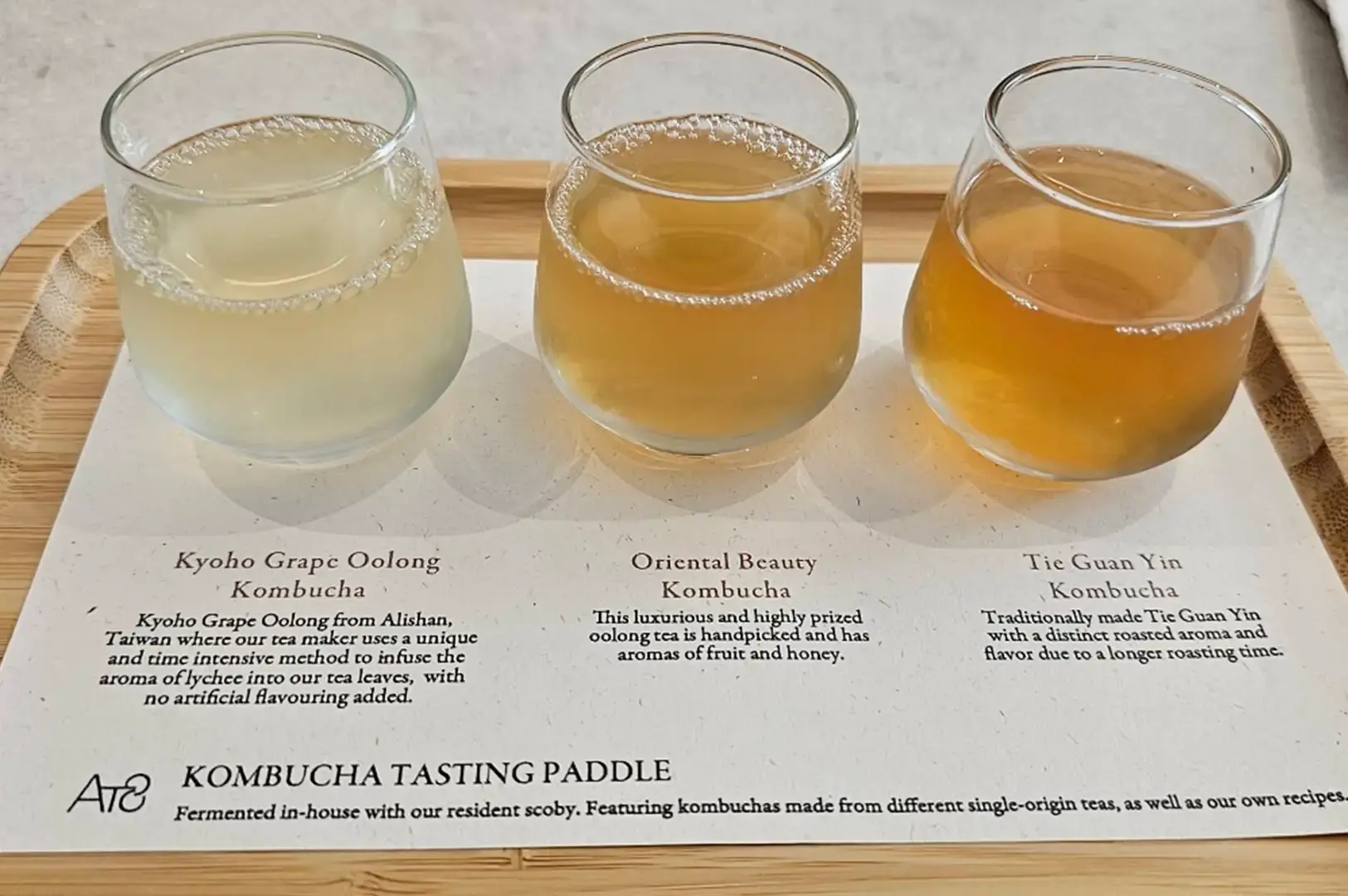
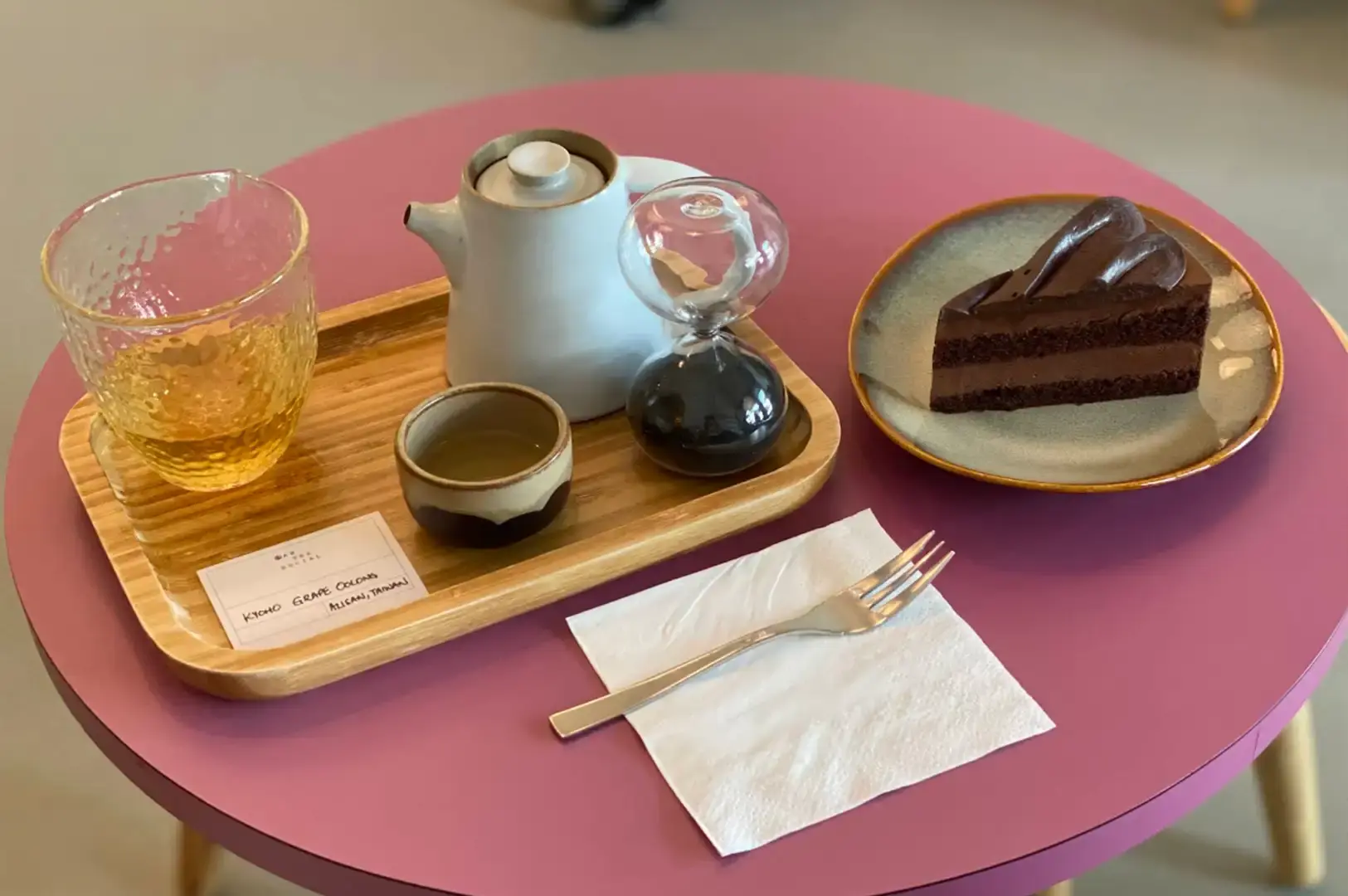
I ordered the warm tea flight, which included honey earl grey hazelnut, green tea, oolong, rooibos, and kombucha. This flight was an exceptional way to taste the characteristics and hints of each tea, served in delicate glassware that enhanced the aroma and flavour.
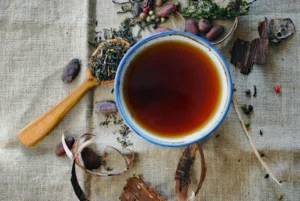
The first cup, honey earl grey hazelnut, opened gentle with floral notes and soft sweetness. The aroma was inviting, a perfect moment to steep and savour. The green tea was clean and fresh, with a slight grassy undertone that deepened through multiple steeps. Oolong offered a stronger body, with roasted hints balancing the floral. Rooibos brought a warm earthiness, while the kombucha finished the flight with a lively, effervescent touch.
Each tea was served with care, the pour precise, inviting me to slow down and enjoy the complete experience. The staff, knowledgeable about the tea leaves and craft, guided me through the tasting without rush, embodying the soul of the brand.
Food and Ambience: Sliced Cakes and More from Independent Makers
You can eat here, though I'd frame it as company for the tea, not a meal in itself.
The menu carries freshly made sliced cakes and small tea snacks, many sourced from independent makers. I ordered a slice of cake alongside the warm tea flight, curious whether the food would compete with the tea or sit beside it.
The cakes were light, not too rich, perfectly complementing the tea's evolving taste. The onigiri and snacks are also available for those who prefer a savoury bite. The food supports the experience rather than becoming it, fitting the cosy vibe of the teahouse.
What I Liked Most: A Place for Tea Lovers to Bring Yourself and Join the Moment
The pacing, more than anything, stood out.
We've grown used to tea as a transaction. Order, receive, leave. Anteasocial does the opposite, and it does it without lecturing you about it. The slowness isn't a gimmick printed on a wall. It's built into how the tea is served and how the space is arranged.
I liked that the staff knew their items and were willing to talk about them but didn't hover. I liked that the room trusted me to sit for an hour without checking my watch. The subtle aroma of steeping tea leaves mingled with the soft warmth of natural wood and the gentle clink of glassware created a calming atmosphere. For anyone drawn to a mindful tea experience in Singapore 207528, that trust is rare and worth seeking out.
Mostly, I liked leaving with the taste still on my tongue and the sense that I'd actually been somewhere, not just refuelled.
What Could Be Better: Planning Your Next Visit to Jalan Besar’s Quiet Teahouse in Jalan Besar
Honesty matters, so here's the fuller picture.
The no-reservations policy is the first thing to flag. Anteasocial takes walk-ins only, which is fine on a quiet weekday but a real gamble on weekends or over a public holiday. With so few seats, a small crowd fills the room fast, and there's no table waiting with your name on it.
The seating itself is limited and close. Lovely when the room is calm, less so when it's full. If you value privacy for a serious conversation, timing becomes everything.
The menu is niche, and I mean that plainly rather than as praise. A first-time tea drinker might find the short, specialty-led list unfamiliar, even a little intimidating. There's no long roster of sweetened, milky, easy options to fall back on. That's a strength for tea lovers and a hurdle for beginners.
And the hours are tight: closed Mondays, with a short window from Thursday to Saturday, including Friday, and the doors shut at 7pm, so this isn't an evening spot. Plan your visit later in that stretch to join the quiet moment.
None of these are dealbreakers. They're just the honest shape of a small, focused teahouse rather than flaws to fix.
Practical Tips Before You Visit Anteasocial on Owen Road Singapore
A few things I'd tell a friend before they went:
- Go on a weekday if you can. With walk-ins only and limited seating, a quiet afternoon is your best chance at a table and the calm the place is built for.
- Check the hours. Tuesday to Sunday, 11:30am to 7pm, closed Mondays. It's a daytime visit, not a dinner one.
- Don't come starving. The sliced cakes, onigiri, and snacks are companions to the tea, not a full meal.
- Order a warm tea flight on your first visit, then sit with it. Let the teas change across infusions rather than rushing through.
- Bring a book, or bring one person. This suits solo visits and quiet catch-ups far more than groups.
- Ask the staff. If the menu feels unfamiliar, let them point you somewhere. That conversation is part of the experience.
The address, for the record, is 117 Owen Road, Singapore 218923, close to Farrer Park and Jalan Besar stations, and you can call ahead on 6493 0120 to check the day's situation.
Final Thoughts: Anteasocial and the Art of Enjoying Tea in the City’s Hustle
I think it depends on what you're looking for, and I mean that as a compliment to the place.
What stayed with me wasn't a single dramatic flavour. It was the rhythm of the visit. The way one cup, steeped again and again, gave me a reason to sit still on an ordinary Tuesday. Anteasocial earns its name because it gives tea the time to say something, and then lets you listen.
If that's the kind of afternoon you've been missing, go find it. Sit with a pot. Let the second steep surprise you. Some places you visit for the food. This one, you visit for the pause.
And on your next visit, consider bringing a gift from their store, tea dyed coasters or items crafted by independent makers, to keep the inspiration and soul of Anteasocial with you long after the

Pek Sin Choon vs Modern Teaware Shops: Two Tea Traditions in Singapore
Walking through Chinatown’s Mosque Street, you encounter two distinct tea traditions that embody Singapore’s rich heritage and evolving culture. Pek Sin Choon, one of the oldest tea merchants in Singapore, stands as a living root of Chinese tea culture, while modern teaware shops offer a fresh perspective on tea appreciation through design and brewing systems….
-
Why I Stopped Saving My “Good Tea” for Special Occasions
For the longest time, I treated my favorite teas like they needed a reason. I would buy something beautiful, maybe a delicate oolong or a tea that smelled faintly floral the moment I opened the tin, then immediately start rationing it in my head. I’ll save this for guests. For weekends. For days that feel…
-
Teapot Set: How It Shapes the Tea Experience
On certain afternoons in Singapore, when rain softens the edges of the day, I find myself lingering before the water reaches its boil. The teapot rests nearby, waiting. There is always a moment like this before tea (quiet, unhurried) when the world seems willing to pause with you. A teapot set belongs to these moments….
-
The Quiet Difference Between Drinking Tea Alone and With Someone
There are days when I reach for tea just to sit with myself for a while. No distractions, no need to fill the silence. Just the slow rhythm of pouring, waiting, sipping. When I’m alone, tea feels almost like a pause button. The kind that lets the day settle a little before continuing. But tea…
-
Is a Yixing Teapot Worth It? A Singapore Tea Guide
In many Singapore teaware shops, a Yixing teapot immediately draws attention. This iconic piece of Yixing pottery is crafted from unique purple clay found only in the Yixing region of China, west of Taihu Lake in Jiangsu Province. Yixing has a rich heritage in Chinese art and pottery, with production dating back to the Neolithic…

Tea Gift Sets: Curating Meaningful Moments, One Steep at a Time
Tea has long been associated with care, connection, and quiet intention. Across cultures, it is shared during moments of reflection, conversation, and celebration. Offering tea gift sets carries this meaning forward, creating a gesture that feels both personal and considered. Unlike many conventional gifts, tea sets invite time. They are not rushed or consumed all…
-
The Last Sip of Tea and What It Teaches
There is a moment in every cup that arrives quietly. The last sip. It comes softer than the first. The tea has given almost everything it holds. The warmth lingers, the flavour has softened, and only a gentle echo of the leaves remains. We lift the cup, tilt it slowly, and suddenly the moment feels…
-
Teaware Shop 101: A Beginner’s Guide to Tea Ware, Sets, and What You Actually Need
Stepping into a traditional teaware shop in Singapore’s Chinatown can be overwhelming. Shelves brim with porcelain teacups, raw clay teapots, and bamboo trays, all inviting yet unfamiliar. Many people feel unsure about what matches their tea or worry about buying unnecessary items. Whether you’re looking to drink tea in style, find the perfect tea…

Tea Leaves Singapore: How to Choose and Enjoy Every Cup
Tea begins long before it reaches your cup. It starts in quiet mountain regions where climate, soil, and tradition shape every leaf. From China to Japan and Taiwan, each origin brings its own character, creating a diverse and evolving world of tea. In Singapore, tea has become both a daily ritual and a refined indulgence….
-
The Matcha Craze and Why It’s Okay to Be Skeptical
Matcha is everywhere. In smoothies, lattes, ice cream, even in brownies. It’s the trendiest ingredient right now, and it’s easy to get swept up in the hype. But is it really as magical as they say? When matcha first became popular, it was celebrated for its health benefits: antioxidants, boosting metabolism, improving focus. Suddenly, everyone…