The first time I understood Turkish tea, I was not drinking it in a café.
I was standing in a small shop, watching a man refuse to sell me the wrong thing. I had pointed at a shiny box of flavoured black tea, and he shook his head, quietly, the way someone corrects a friend rather than a customer. He reached instead for a plain paper packet of dry tea leaves, no gloss, no promises. That, he said, was authentic Turkish black tea, the essence of the word çay.
I have thought about that moment often. Because buying Turkish tea, it turns out, is less about finding tea leaves and more about learning what you are actually looking for in tea cultivation and production.
Turkish Tea: More Than a Beverage, a Core of Turkish Culture
In Turkey, tea is not just something to drink occasionally; it is the rhythm of the day and a central part of tea in Turkey’s social gatherings. From breakfast tea to afternoon cups, Turkish tea is poured in homes before anyone has fully woken, appears in offices between meetings, on ferries crossing the Bosphorus, and at market stalls. To be offered çay is to be welcomed; to refuse it gently still means something in Turkish culture.
This matters when you shop. You are not buying a product so much as buying into a habit that has quietly organized social life for generations. Understanding that changes what you reach for on the shelf.
The Word Çay and Its Place Among Other Cultures
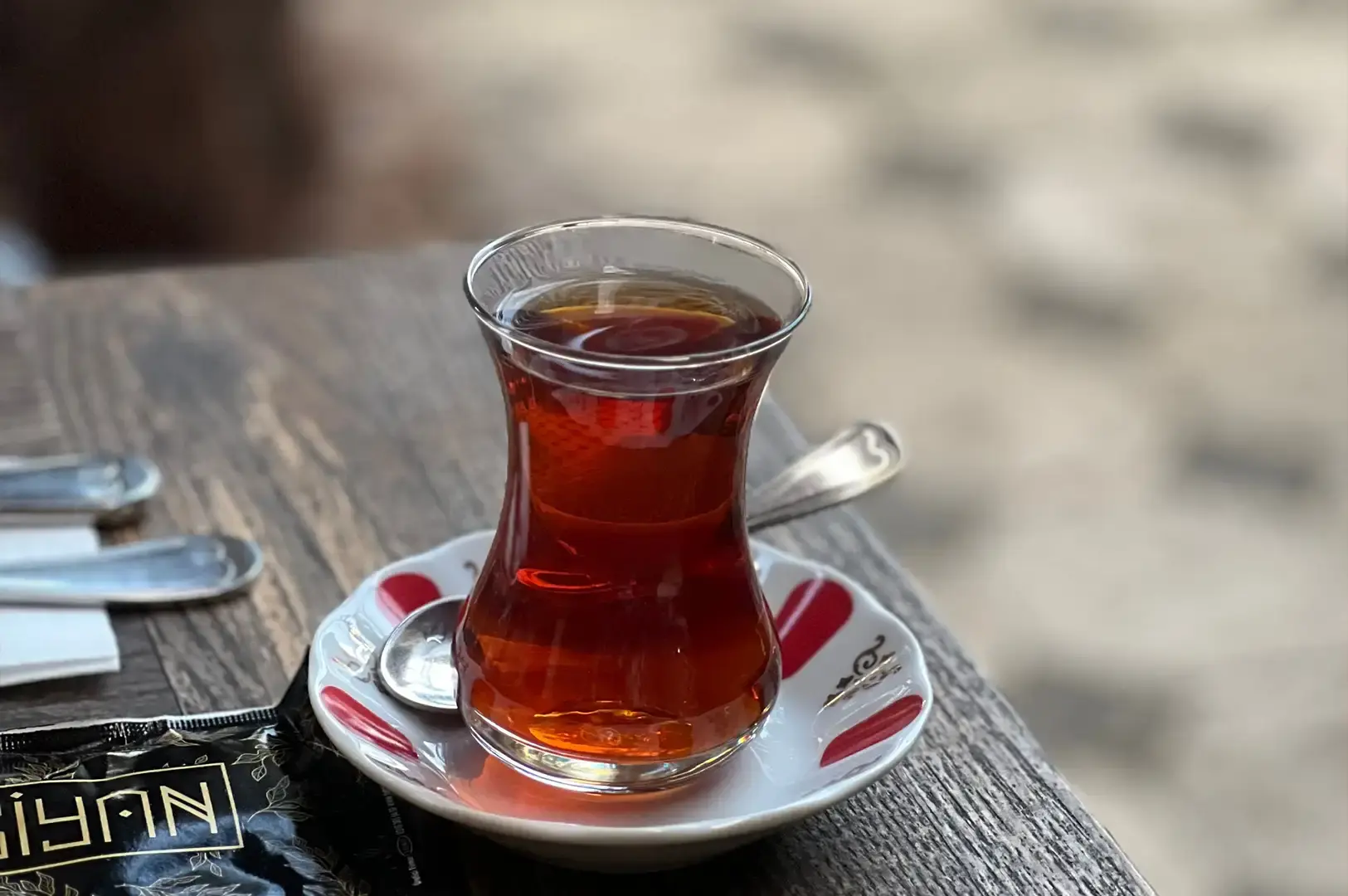
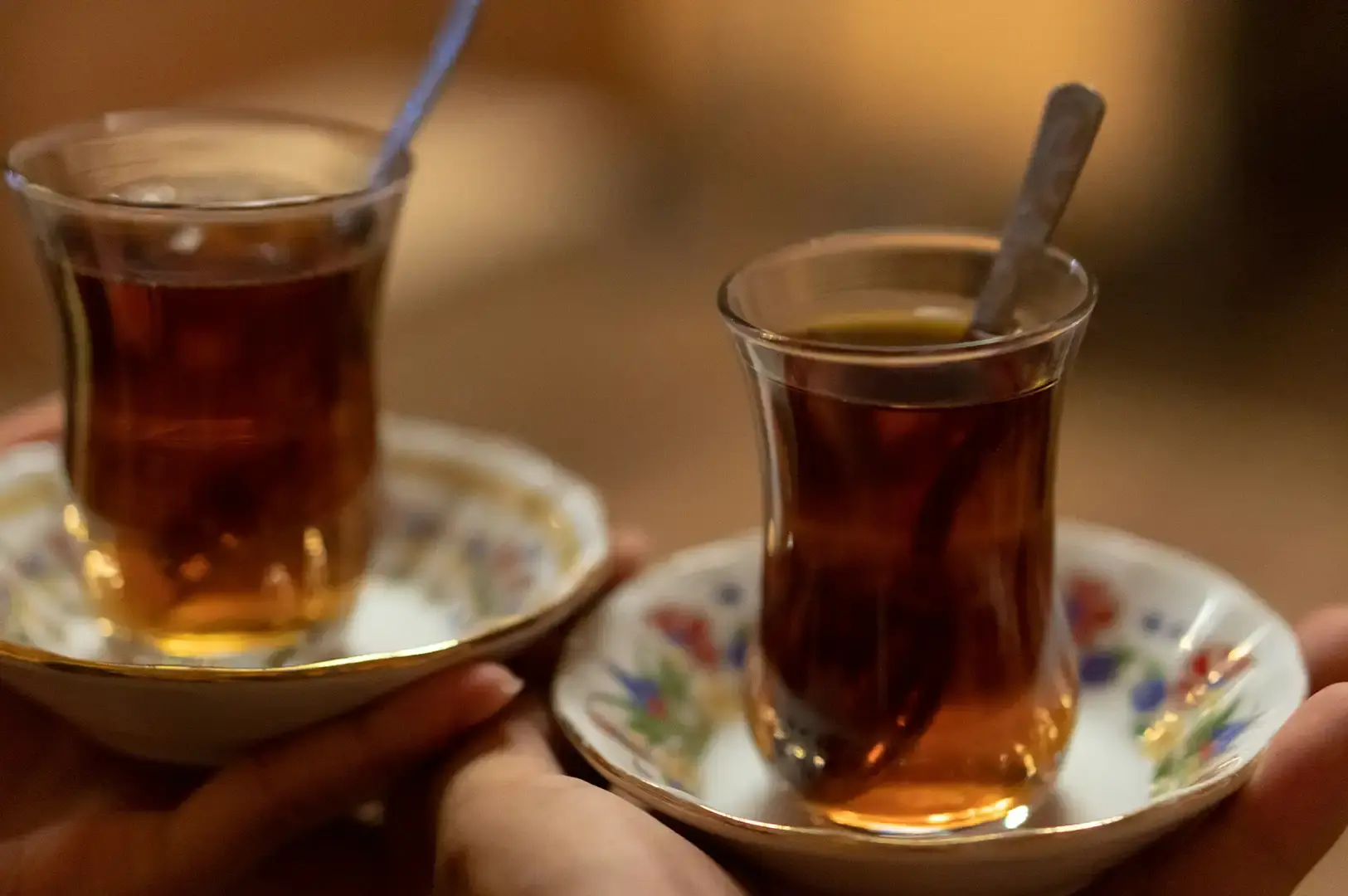
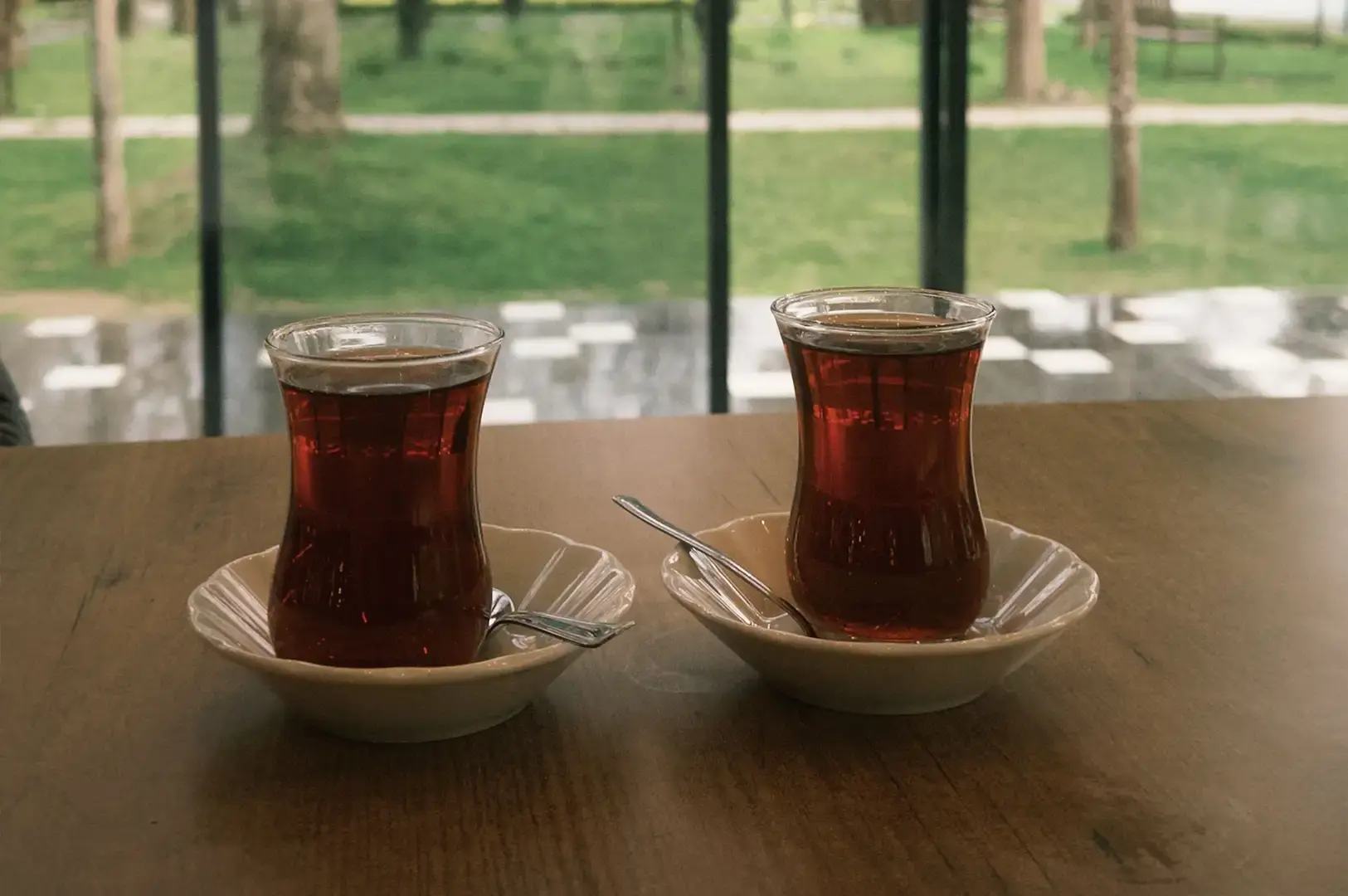
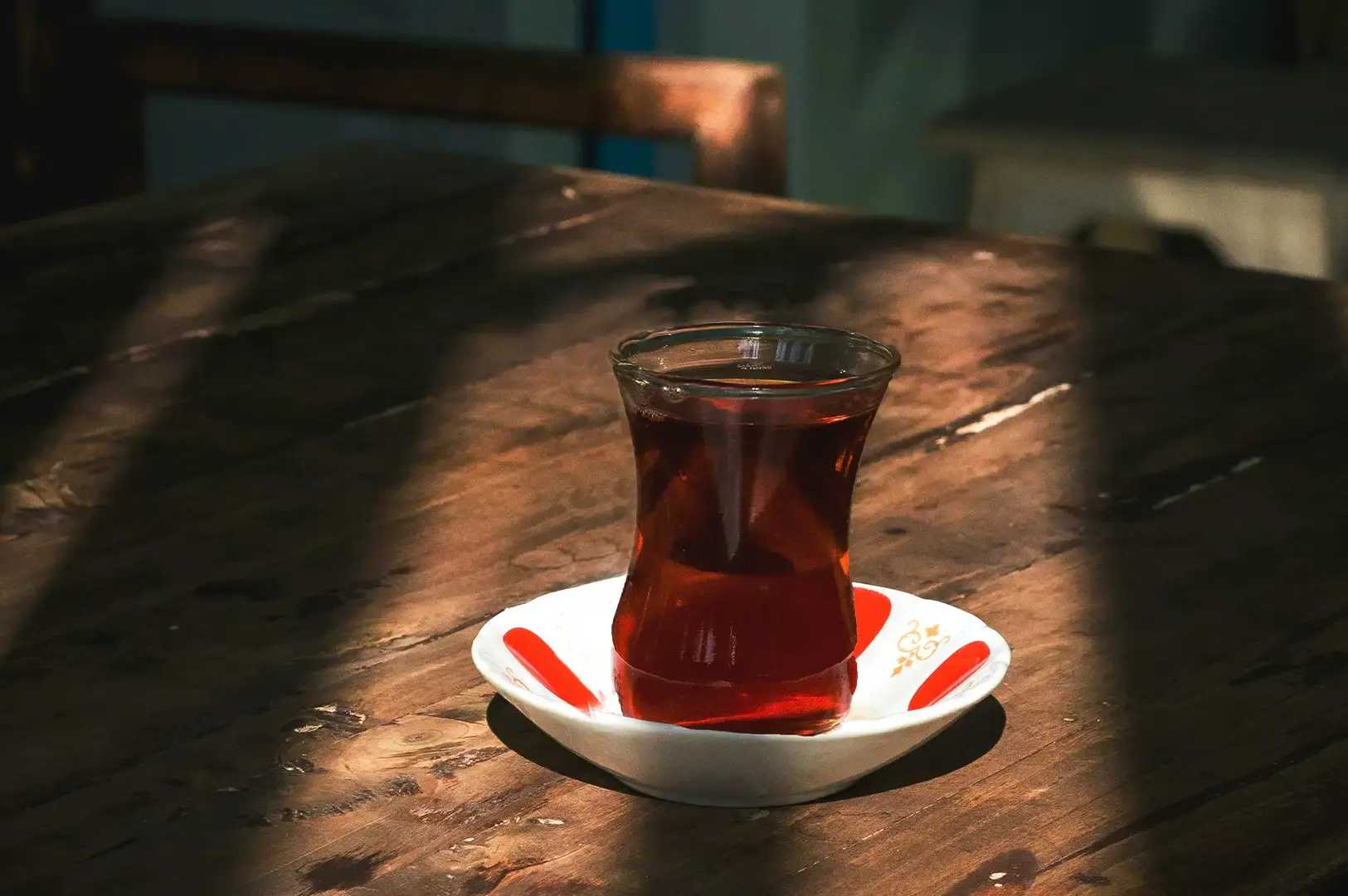
The word çay, pronounced "chai," connects Turkish tea drinking to a broader family of tea cultures stretching from China to India and Russia. While other cultures might add milk or lemon, Turkish tea is traditionally served without milk, often sweetened with sugar cubes or honey to suit the drinker's taste buds. The slim waisted (ince belli) glass cup, designed to save fingers from boiling water, is integral to the pleasure of drinking tea in Turkey.
This unique glass shape not only enhances the visual appeal of the deep amber tea but also reflects the Turkish emphasis on rest and social connection during tea time, where a hint of conversation accompanies each sip.
Black Tea and Tea Produced in the Eastern Black Sea Coast
Turkish black tea is the cornerstone of the tea industry in Turkey, with the Rize Province along the eastern Black Sea coast being the heart of tea cultivation. The region’s wet climate and fertile soil make it ideal for cultivating tea, producing high quality products with a strong flavor and smooth finish.
This black tea is distinct from other black tea varieties like Ceylon tea, offering a brisk yet less astringent taste that delights the taste buds. Innovative techniques in tea farming and processing have been adopted in recent years to enhance the quality and sustainability of production.
Despite fluctuations in harvest yields, such as the drop to over 500 thousand tonnes in 2023, Turkey remains the top consumer of tea per person globally, showcasing the cultural importance of this beverage.
Herbal Teas and Apple Tea: Expanding the Turkish Tea Palette
Alongside black tea, herbal teas hold a cherished place in Turkish tea drinking. Apple tea, or Elma Çayı, is especially popular, known for its sweet and fruity flavour and often consumed as a caffeine-free alternative.
These herbal teas complement traditional Turkish tea rituals and are commonly offered during social gatherings, adding variety to the tea industry. Other herbal infusions like rose hip and linden flower teas are also favored for their soothing properties.
The use of herbal teas often carries supposed medicinal benefits in Turkish folk medicine, reflecting a cultural blend of tradition and health consciousness.
The Double Teapot and the Art of Making Tea
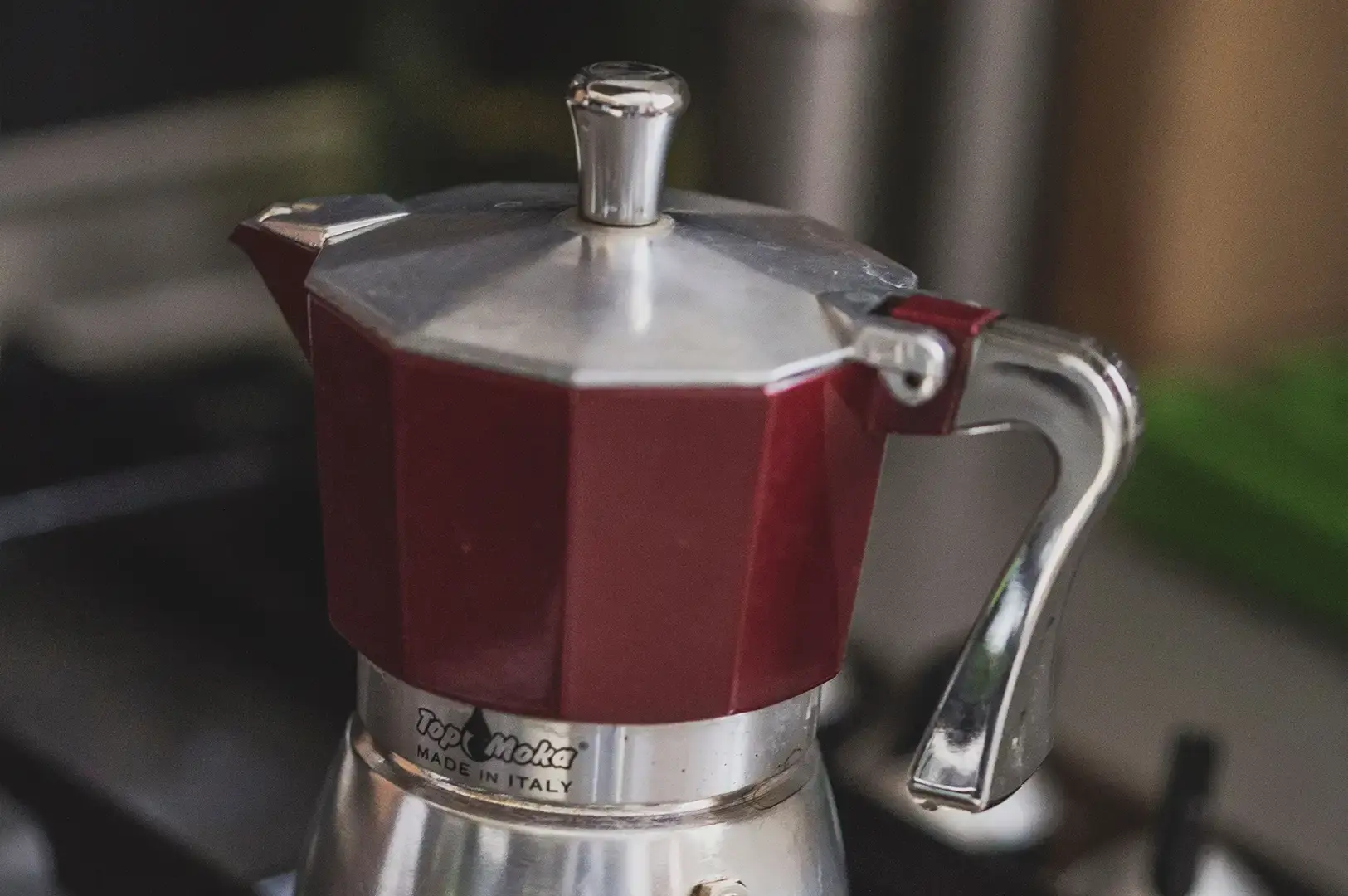
Central to making tea in Turkey is the double teapot, or çaydanlık. The lower pot is filled with boiling water, while the top pot steeps the dry tea leaves to create a strong concentrate. When serving, a small amount of this concentrated tea is poured into the glass and then diluted with hot water from the bottom pot, allowing each person to adjust the strength from strong (koyu) to light (açık) by adding more water.
This method preserves the tea’s essence and ensures a balanced taste. The ritual of brewing tea using the çaydanlık also embodies the Turkish value of rest, as it encourages taking time to enjoy the process and company, rather than rushing the experience.
Brewing Turkish Tea: The Ritual and Science of Tea Drinking
Brewing Turkish tea is as much about precision as it is about tradition. Use fresh boiling water and warm the teapot before brewing. Let the tea leaves steep fully in the top pot to develop their full flavor.
When serving, pour half the glass with tea concentrate and then add water to taste, always leaving a small space at the top of the slim waisted glass to avoid spills and burns.
Sugar cubes or honey can be added for sweetness, but milk is never traditionally used. This careful preparation ensures that each cup carries the supposed perfect balance of strength and flavor, a hallmark of authentic Turkish tea that invites relaxation and social bonding.
Breakfast Tea and the Broader Turkish Tea Culture
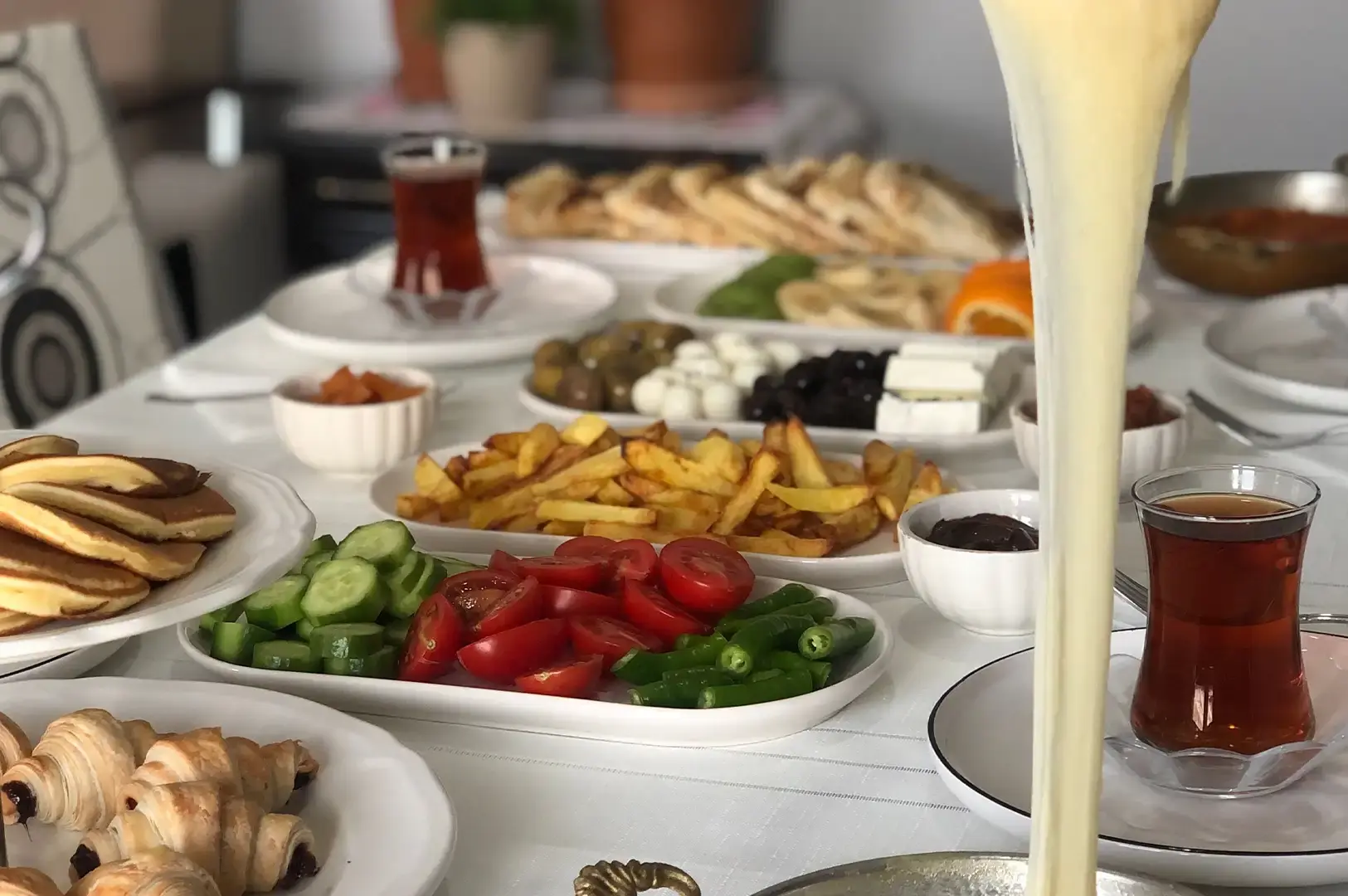
While coffee has a long history in Turkey, tea drinking has become the dominant morning beverage, cherished for its strong flavor and invigorating qualities. Turkish tea accompanies breakfast and is consumed throughout the day, reflecting the country’s deep-rooted tea culture.
The pleasure of drinking tea in Turkey is tied not only to taste but also to the social connections it fosters.
The ritual of tea drinking is supposed to provide a moment of rest and reflection amid daily activities, often accompanied by a hint of sweetness from sugar or local pastries.
Where to Buy Turkish Tea: Trusted Sources for Quality and Authenticity
Finding where to buy Turkish tea means looking beyond fancy packaging to trusted brands and high turnover shops that ensure freshness. Turkish and Middle Eastern grocers, halal supermarkets, and Mediterranean food markets often stock genuine tea produced in Rize Province.
Specialist tea shops may carry Turkish black tea alongside other varieties like green tea and Ceylon tea but always check for origin and quality.
Online marketplaces and direct-from-Turkey retailers offer the broadest selection, especially for those far from Turkish neighborhoods. When buying, look for clear labeling of country and region, preferably mentioning the Black Sea region or Rize Province, and avoid blends or flavored teas if you want authentic Turkish tea.
Brands like Çaykur are widely recognized for quality and use innovative techniques in cultivation and processing to maintain the tea’s distinctive flavor profile.
The Last Pour: Embracing the Essence of Turkish Tea
The hunt for authentic Turkish tea is not about the rarest leaf or the fanciest brand but about embracing a beverage that embodies Turkish culture and hospitality. It is about the double teapot, the boiling water, the slim waisted glass, and the act of offering tea that brings people together. Brew it slowly, pour it carefully, and savor the strong flavor and warmth that make Turkish tea a daily pleasure across Turkey and beyond.
Go looking. Ask the questions. Then put the pot on and enjoy the timeless ritual of tea drinking in Turkey.
Visit Tea Manor Singapore for a more profound knowledge and insights on tea varieties and rituals.

The Tea We Drink for No Reason
Tea is often praised for its ritual, its mindfulness, its ability to transform ordinary moments into quiet ceremonies. And I appreciate all of that. I really do. But there is another kind of tea, one that rarely gets mentioned in articles or recommended in guides. The tea we drink for no reason at all. I…
-
A Tea Lover’s Map to Elegant Finds in the City Teaware Shop
There is a particular quiet that settles when you pour hot water over tea leaves in a pot you chose with care. The weight of the clay in your hand. The porcelain capacity that holds just the right amount of warmth. A small ritual, repeated, until it becomes yours. Singapore knows tea in many languages….
-
Why We Pretend Every Tea Moment Should Be Peaceful
There is a quiet expectation we place on tea that I’m not sure we talk about enough. We expect it to calm us. To slow us down. To make everything feel a little more intentional, a little more put together, a little more peaceful than whatever came before it. But I’ve started to wonder if…
-
The Discipline of Grace in Every Bowl: Tea Ceremony in Japan
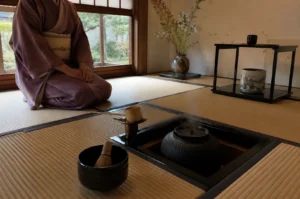
Water begins to move in a small iron kettle. The sound is faint, almost like wind through pines, and in a quiet room lined with tatami mats, it is enough to fill the silence. A host kneels in the tea room. A guest waits. Nothing is said, yet something has already begun. This is where…
-
The Tea I Keep Drinking When I Don’t Feel Like Myself
There are days when tea feels unnecessary. Not because I stop liking it, but because I don’t feel like the version of myself who usually drinks it slowly, thoughtfully, and with attention. On those days, I still make tea anyway. Not out of ritual, but out of habit. It is never the elaborate kind of…
-
Tea Ceremony Kyoto: A Slow Dance of Bowls and Breath
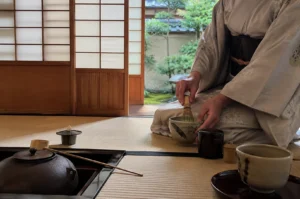
The room is quiet enough to hear water. Somewhere beyond the paper screens of this traditional tea ceremony venue, a garden drips after morning rain. Inside a tea house on a tatami mat worn soft by years of kneeling, a tea master lifts a bamboo whisk and begins tea making. There is no rush in…
-
Why We Keep Romanticising Tea Moments That Never Happened
I sometimes wonder if we are drinking tea or remembering something that never really happened. A quiet morning that feels softer in memory than it ever was in real life. A perfect cup by the window that somehow always looks better in hindsight. A tea moment that feels cinematic, even though it probably lasted only…
-
Masala Chai Tea Origins: The Cultural Evolution of India’s Spiced Tea Tradition
There is a sound that belongs to mornings across India: the hiss of milk rising in a battered pot, the clink of a spoon against metal, the low murmur of a tea seller calling out to passing crowds. Before the first sip, there is the scent. Cardamom pods, fresh ginger, and cinnamon stick curling into…
-
We Are Turning Tea Into Something It Was Never Meant to Be
There is something quietly strange happening in tea culture. The more popular the tea becomes, the more it starts to resemble everything it once stood apart from. Speed. Branding. Productivity. Performance. Tea, which once belonged to unhurried moments, is increasingly being asked to do more. To energize. To optimize focus. To replace coffee. To support…
-
Sencha Green Tea vs. Matcha Powder: Understanding the Differences in Japanese Green Tea
Two tins of tea powder sit side by side on a shelf. Both hold a fine green powder. Both promise the taste of authentic Japanese tea. To the eye, they look almost identical, and that is precisely where the confusion begins. One is matcha powder, often used in matcha lattes and desserts. The other is…