I used to think a good tea was supposed to be smooth.
No bitterness. No sharp edges.
Nothing that made me pause and wonder whether I was doing something wrong.
It seemed logical. We naturally gravitate toward things that are easy to enjoy. A tea that is sweet, gentle, and immediately comforting feels like a safe choice.
But over time, I started to question something.
When did we decide bitterness was something we needed to avoid completely?
Somewhere along the way, “no bitterness” became a sign of quality. A smooth tea was considered refined. A tea with a stronger edge was treated as something flawed.
But I think we are missing something.
Bitterness is not always a mistake. Sometimes, it is part of the character.
Think about some of the teas we love. A green tea can have a slight vegetal sharpness. A strong black tea can carry a pleasant astringency. Certain oolongs have a deeper roasted quality that creates complexity.
These flavours give tea personality.
Without them, everything starts to taste the same.
I have had teas that were incredibly smooth but completely forgettable. They were easy to drink, but I had no desire to return to them.
Then there were teas that challenged me at first.
They were slightly unfamiliar. Maybe a little stronger than I expected. Maybe not immediately comforting.
But after spending more time with them, I began to understand what made them special.
Perhaps this is true beyond tea as well.
The things we appreciate most are not always the things that please us instantly. Sometimes they ask us to slow down.
To pay attention.
To meet them halfway.
Of course, bitterness can also mean a tea was poorly made. Over-steeping, incorrect brewing, or lower-quality leaves can create unpleasant flavours. Not every bitter cup is secretly brilliant.
But removing all bitterness from tea should not be the goal.
Because tea without character is simply tea without a story.
The interesting teas are often the ones that reveal themselves gradually. The ones that make you think about the next sip.
So now, when I drink a tea with a little bitterness, I do not immediately assume something has gone wrong.
Sometimes, that little edge is exactly what makes the tea memorable.
Maybe the question is not whether a tea is completely smooth.
Maybe it is whether the flavour gives us something worth noticing.
— Maria Tan
On tea, culture, and everyday rituals.

Masala Chai Origins: The Cultural Evolution of India’s Spiced Tea Tradition
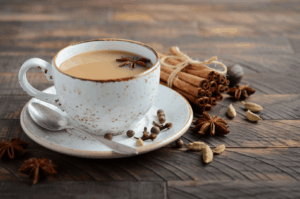
The rhythmic clanging of metal kettles echoes through narrow lanes as steam rises from countless chai stalls across India. The intoxicating aroma of cardamom, cinnamon, and fresh ginger mingles with robust black tea, creating an olfactory symphony that has captivated souls for centuries. This is masala chai-not merely a beverage, but a cultural phenomenon that…
-
Matcha Tea: The Versatile Japanese Green Tea Powder
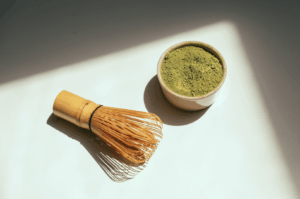
The vibrant green powder that transforms simple hot water into liquid jade has captivated tea enthusiasts worldwide. Matcha tea represents more than just a trendy beverage-it’s a bridge connecting ancient Japanese traditions with modern culinary innovation. This unique form of powdered green tea offers endless possibilities, from meditative ceremonial drinking to creative kitchen applications that…
-
The Dragon Well Legacy: Exploring China’s Legendary Longjing Tea
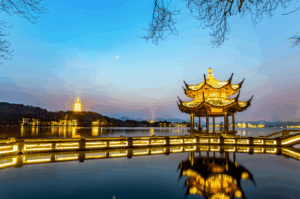
Among the world’s most revered green teas, few carry the prestige and cultural significance of China’s legendary Dragon Well. This premium tea has captivated tea enthusiasts for centuries, earning its place as an imperial favourite and modern icon alike. From its mystical origins at West Lake to its meticulous processing methods, Longjing represents the pinnacle…