I’ve always found it strange how a café can spend so much time perfecting its coffee and then serve tea that tastes like someone briefly introduced a teabag to hot water.
You know the kind.
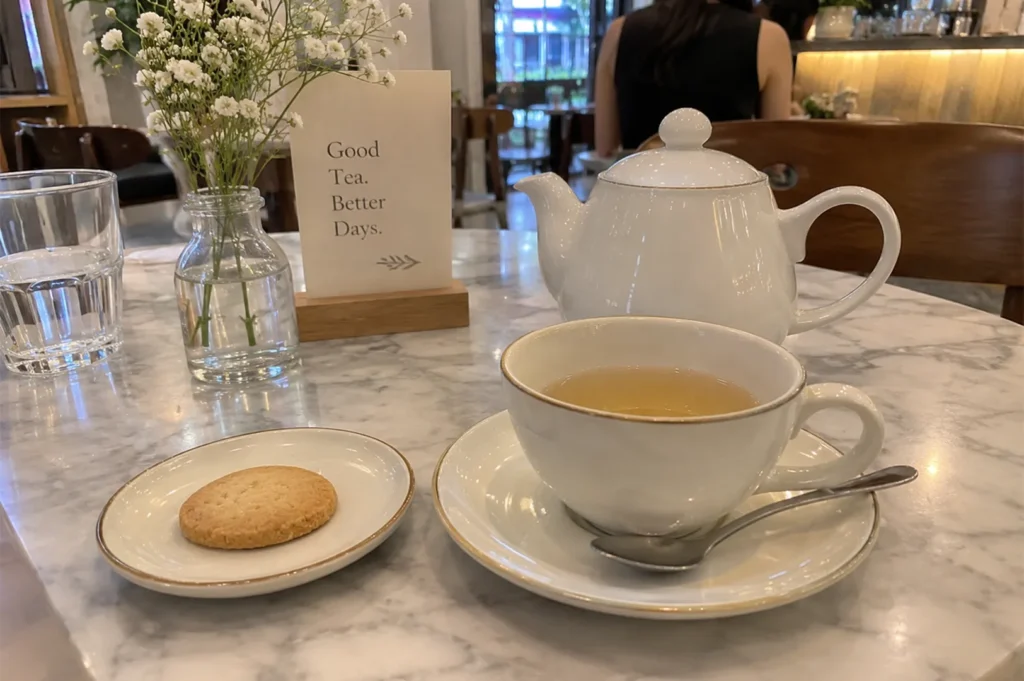
Beautiful cup. Lovely presentation. Maybe even a little biscuit on the side.
And then you take a sip.
Nothing much happens.
I don’t expect every café to become a specialist tea house. But when you’re paying café prices for a cup of tea, I think it’s reasonable to expect something more than vaguely flavoured water.
What bothers me is how often tea feels like an afterthought.
Coffee gets carefully selected beans, calibrated grinders, and baristas who understand extraction. Tea sometimes gets a generic teabag, water at whatever temperature is available, and instructions to let it sit for a few minutes.
And somehow, we’re supposed to accept the difference.
Of course, not every café operates this way. Some take their tea selections seriously, and I appreciate that.
But I wonder how many cafés have actually tasted the tea they’re serving.
Because good tea doesn’t necessarily require expensive equipment or an elaborate ceremony.
A decent Assam should have character. A jasmine green tea should offer more than a faint floral smell. Even a straightforward English Breakfast blend can be satisfying when it’s prepared thoughtfully.
These aren’t unreasonable expectations.
I think part of the problem is that tea drinkers are sometimes treated as customers who simply don’t want coffee, rather than people who genuinely enjoy tea.
And that’s a missed opportunity.
Imagine if cafés gave their tea menus even a fraction of the attention they give their espresso offerings. Better leaves, sensible brewing methods, and staff who can explain what each tea actually tastes like.
Nothing particularly complicated.
Just care.
I don’t think every café knowingly serves disappointing tea. Sometimes it’s a matter of training, cost, or simply never questioning how things have always been done.
But that’s exactly why I think the conversation matters.
If a café can recognise the difference between a good and bad espresso, surely it can learn to recognise a disappointing cup of tea.
Tea doesn’t need to compete with coffee.
I’d just like it to stop being treated as the drink nobody notices.
Because some of us do.
— Maria Tan
On tea, culture, and everyday rituals.

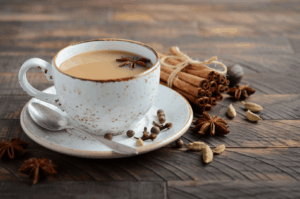
Masala Chai Origins: The Cultural Evolution of India’s Spiced Tea Tradition
The rhythmic clanging of metal kettles echoes through narrow lanes as steam rises from countless chai stalls across India. The intoxicating aroma of cardamom, cinnamon, and fresh ginger mingles with robust black tea, creating an olfactory symphony that has captivated souls for centuries. This is masala chai-not merely a beverage, but a cultural phenomenon that…
-
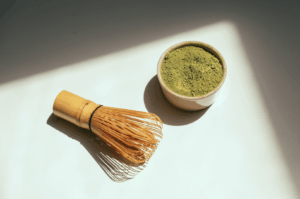
Matcha Tea: The Versatile Japanese Green Tea Powder
The vibrant green powder that transforms simple hot water into liquid jade has captivated tea enthusiasts worldwide. Matcha tea represents more than just a trendy beverage-it’s a bridge connecting ancient Japanese traditions with modern culinary innovation. This unique form of powdered green tea offers endless possibilities, from meditative ceremonial drinking to creative kitchen applications that…
-
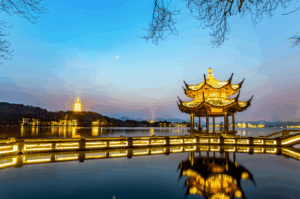
The Dragon Well Legacy: Exploring China’s Legendary Longjing Tea
Among the world’s most revered green teas, few carry the prestige and cultural significance of China’s legendary Dragon Well. This premium tea has captivated tea enthusiasts for centuries, earning its place as an imperial favourite and modern icon alike. From its mystical origins at West Lake to its meticulous processing methods, Longjing represents the pinnacle…