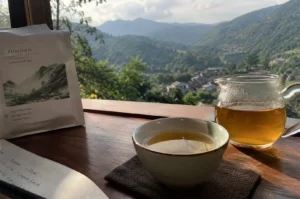
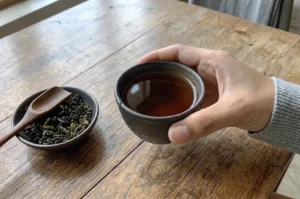
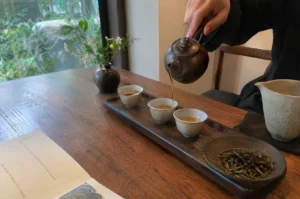
Long before green tea became Japan’s iconic beverage, mugicha barley tea—a golden, nutty roasted barley tea—has refreshed Japanese families for centuries. Unlike traditional tea from Camellia sinensis leaves, mugicha is a naturally caffeine free herbal tea made by steeping roasted barley grains in hot water. This traditional barley tea has evolved from an imperial luxury during the Heian period to Japan’s most popular summer drink, prized for its refreshing taste and great health benefits.
Whether you want a caffeine-free alternative to coffee or sugary drinks, or are exploring Japanese culture, this guide covers everything about mugicha barley tea—from its origins to where to buy authentic mugicha tea bags in Singapore.
What is Mugicha Barley Tea?
Mugicha (literally “barley tea” in Japanese) is a traditional barley tea made by steeping roasted, unhulled barley grains in hot water. The resulting brew is golden-amber with a distinctive toasty taste, rich and nutty, unlike the grassy notes of green tea. Mugicha is naturally caffeine free, making it a great alternative for children, the elderly, or anyone sensitive to caffeine.
Since the 1950s, refrigeration has allowed mugicha to shift from a hot beverage to the quintessential cold summer drink in Japan. It is so beloved that June 1st marks the barley harvest and the start of summer’s mugicha season. Convenience stores and supermarkets stock bottled cold mugicha and tea bags for home brewing, reflecting its enduring popularity.
The Distinctive Flavour Profile of Roasted Barley Tea
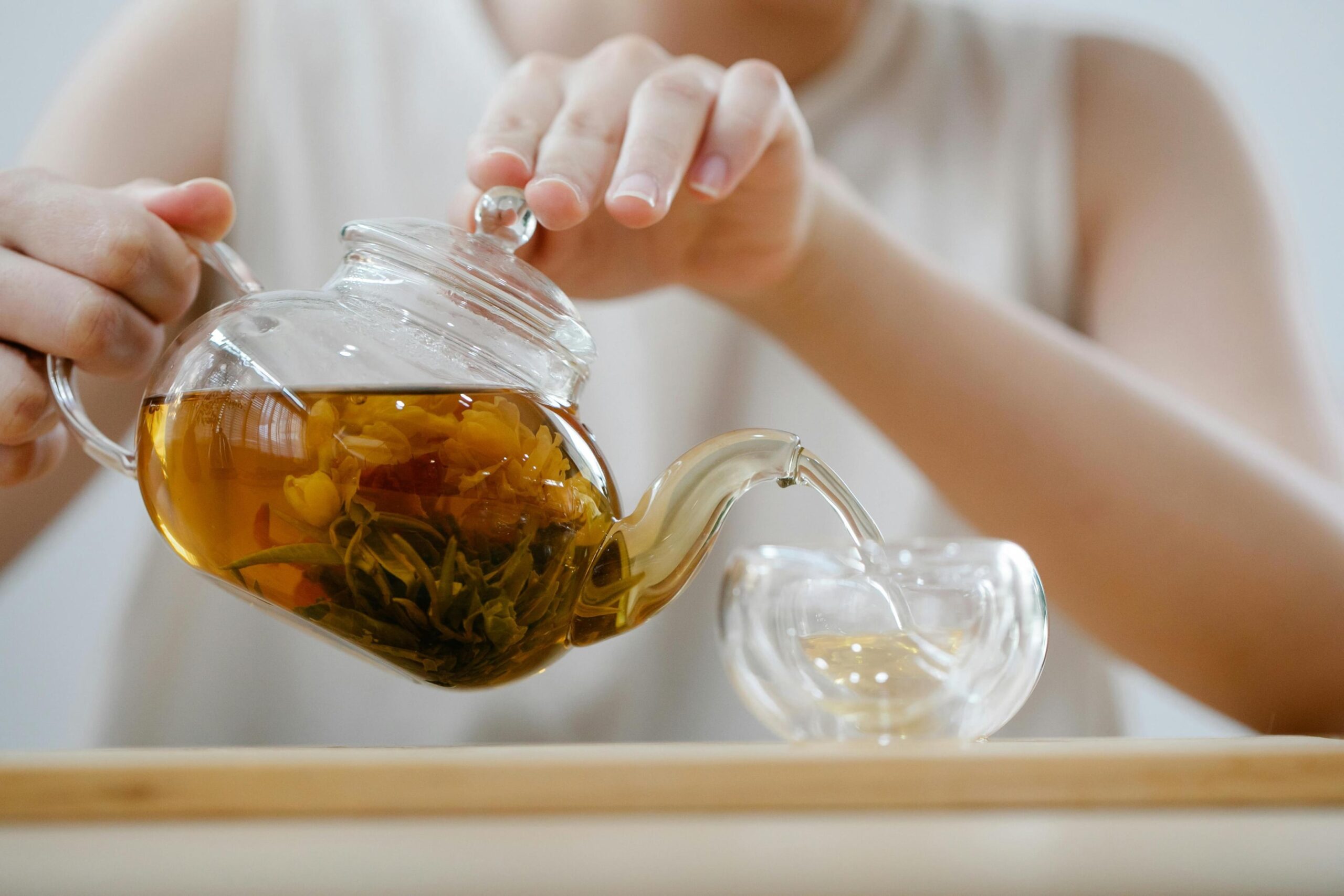
The flavor of mugicha barley tea arises from roasted barley grains releasing their rich, toasty aromas when steeped in hot water. Unlike green tea’s grassy or black tea’s astringent notes, mugicha offers a smooth, nutty taste with subtle natural sweetness and a gentle earthiness that cleanses the palate.
Roasting level affects flavour: lightly roasted barley yields a delicate, mildly sweet tea, while darker roasting produces deeper, chocolatey notes. Hot mugicha emphasizes warming qualities, while cold mugicha highlights its refreshing, naturally sweet character. Most drinkers enjoy it without sweeteners, appreciating its complex flavour as a delicious, caffeine-free summer drink.
Cultural Origins and Significance of Japanese Barley Tea
Mugicha’s history dates back over 1,300 years, predating green tea in Japan. Barley cultivation began during the Jomon period (300-200 BCE), but mugicha emerged as a luxury in the Heian period, reserved for imperial courts. It was documented in the Heian dictionary Wammyouruijujou as a barley preparation stirred into hot water.
During the Warring States period, samurai embraced mugicha for hydration without caffeine’s sleep disruption. The Edo period brought widespread barley cultivation and “Mugiyu-ten” barley tea shops, making mugicha a popular summer refreshment. Skilled artisans roasted unhulled barley kernels in sand ovens, creating regional flavour variations.
Japanese summer streets once glowed with “Mugiyu” lanterns, symbolizing refreshment and social connection. Today, families brew large pitchers of mugicha barley tea to store in the fridge, making it a daily staple and cultural tradition.
Mugicha in East Asian Countries
While mugicha barley tea is deeply embedded in Japanese culture, many East Asian countries enjoy similar roasted barley teas. Korea’s boricha is consumed year-round with a stronger flavour profile, often brewed longer with added grains. Both cultures store mugicha in airtight containers and prepare fresh batches every 2-3 days to maintain flavour and safety, as mugicha lacks the antibacterial properties of caffeinated teas.
Health Benefits of Drinking Mugicha Barley Tea
Mugicha offers impressive health benefits beyond hydration, all while being naturally caffeine free and sugar-free. It contains potassium, B vitamins, biotin, and antioxidants that support cardiovascular health, skin vitality, and digestion.
Digestive Health and Natural Antacid Properties
Mugicha acts as a natural antacid, helping relieve painful heartburn and acid reflux. Its dietary fiber supports gut health by promoting regular bowel movements and feeding beneficial bacteria. Traditional medicine recognizes its anti-inflammatory effects on stomach cramps and nausea, making it a gentle remedy for digestive discomfort.
Hydration and Skin Benefits
The mineral content, especially potassium, helps maintain fluid balance and enhances hydration more effectively than plain water, ideal for hot climates. Antioxidants protect skin from free radical damage, supporting elasticity and reducing inflammation. The cooling effect of cold mugicha helps regulate body temperature and prevent heat-related skin irritation.
Sleep and Relaxation Support
Mugicha contains small amounts of melatonin, aiding relaxation and sleep quality without caffeine’s disruptive effects. Drinking warm mugicha in the evening can become a calming ritual to reduce stress and promote restful sleep.
How to Brew Mugicha Barley Tea

Mastering mugicha brewing balances tradition and convenience. Whether hot or cold brewed, proper technique ensures delicious flavour and maximum health benefits.
Hot Brewing Method
Bring one quart (about one liter) of fresh cold water to a boil, then cool slightly to about 203°F. Place mugicha tea bags or 2-3 tablespoons of roasted barley grains in hot water and steep for 3-5 minutes (tea bags) or 5-7 minutes (loose barley). Avoid over-steeping to prevent bitterness.
Remove tea bags or strain barley immediately. Cool quickly in an ice water bath, then transfer to a large pitcher and store mugicha in the fridge. Consume within 2-3 days due to lack of antibacterial properties.
Cold Brewing Method
Place mugicha tea bags or roasted barley grains in one quart of cold water. Steep in the refrigerator for 4-8 hours. Remove tea bags or strain barley to avoid over-extraction and sediment. Cold brewing yields a smoother, naturally sweeter flavour, perfect for hot summer days.
Tips for Brewing Perfection
For those who prefer to simmer mugicha for a richer taste, gently simmer the roasted barley in water for 20-30 minutes before straining. This method intensifies the toasty flavour and extracts more antioxidants.
To decrease quantity for smaller servings, simply adjust the amount of barley or tea bags proportionally while maintaining steeping times.
For convenience, many use mugicha tea bags which allow easy packet steep preparation, ideal for busy lifestyles.
Selecting and Storing Quality Mugicha Barley Tea
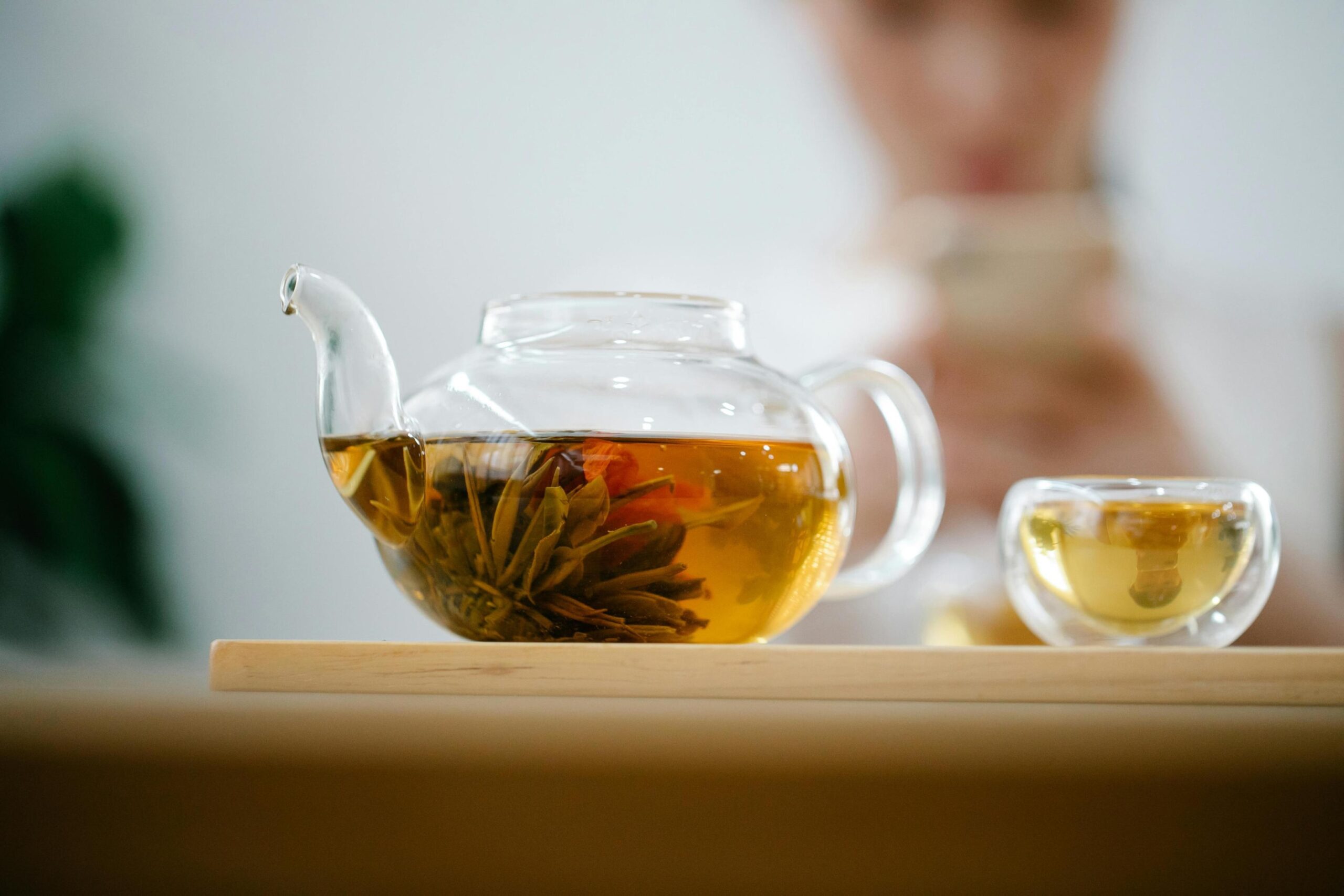
Premium mugicha barley tea features uniformly roasted barley grains with a rich, nutty aroma. Avoid stale or unevenly roasted products. Mugicha tea bags offer convenience, while loose roasted barley allows personal preference in flavour strength.
Store dry mugicha barley tea in an airtight container in a cool, dry place away from sunlight and strong odors. Brewed mugicha must be refrigerated and consumed within 2-3 days to ensure safety and freshness.
Where to Buy Mugicha Barley Tea in Singapore
Singapore offers many options to purchase authentic mugicha barley tea. Japanese specialty stores in Orchard Road and Chinatown stock premium mugicha tea bags and loose barley. Korean supermarkets in Tanjong Pagar and Bugis provide boricha varieties for comparison.
Major Asian grocery chains like Don Don Donki and Meidi-Ya and online platforms such as Amazon Singapore and RedMart offer convenience and variety. Specialty tea shops like Tea Manor Singapore provide expert guidance and curated selections for tea enthusiasts.
For more information, visit retailer websites in a new window to explore product details and customer reviews.
Incorporating Mugicha Barley Tea into Daily Life
Mugicha’s versatility suits many lifestyles. Replace sugary drinks or coffee with mugicha for hydration without caffeine or sugar. Brew large pitchers to store mugicha in the fridge for workdays, workouts, or family gatherings.
Serve cold mugicha over ice for a refreshing summer drink or warm it in cooler months. Sweeten with honey or a pinch of salt if desired, but many enjoy its natural toasty taste plain.
Introduce mugicha to children as a fun cultural experience, encouraging lifelong appreciation. Use airtight containers to store brewed tea and label preparation dates to ensure freshness.
Making Mugicha at Home: DIY Roasting Guide
For enthusiasts, roasting raw pearl barley at home offers control over flavour intensity. Rinse and dry barley, then roast in a wide pan over medium heat, stirring frequently to avoid burning. Roast until golden brown for a light flavour or darker for richer notes.
Store roasted barley in airtight containers in a dry place. Use freshly roasted barley for brewing to enjoy maximum flavour and health benefits.
Mugicha Barley Tea Compared to Other Herbal Teas
Mugicha barley tea stands out among other popular herbal teas such as buckwheat tea and sobacha (buckwheat tea), both cherished in East Asian countries for their unique flavors and health benefits. While buckwheat tea offers a nutty, slightly earthy taste and is also naturally caffeine free, mugicha barley tea is known for its distinctive toasty taste and cooling effect, making it especially popular as a summer drink in Japan.
Unlike many herbal teas, mugicha barley tea contains zero caffeine, making it an excellent choice for those seeking a refreshing, caffeine-free alternative to green tea or coffee. Its natural antacid properties and rich antioxidant content provide additional health benefits that complement those found in other herbal teas.
By exploring mugicha barley tea along with other traditional herbal teas, you can appreciate the rich tea culture of East Asia and enjoy a variety of delicious, healthful beverages free from caffeine and added sugars.
Conclusion: Embrace the Tradition and Health Benefits of Mugicha Barley Tea
In conclusion, mugicha barley tea is much more than just a refreshing summer drink—it is a cherished cultural tradition celebrated across many East Asian countries. This naturally caffeine free roasted barley tea offers numerous health benefits, including digestive support as a natural antacid, hydration with a cooling effect, and antioxidant-rich skin protection. Whether you prefer to brew mugicha hot or cold, using mugicha tea bags or loose roasted barley grains, it provides a delicious, toasty taste that serves as a great alternative to coffee and sugary drinks. By learning how to properly brew mugicha using hot water or cold water, store mugicha in an airtight container in a dry place, and enjoy it regularly, you can connect with centuries of Japanese culture while embracing a healthy, caffeine-free lifestyle. For those with celiac disease or gluten sensitivities, mugicha barley tea is a great gluten-free option compared to other traditional barley products. Discover authentic mugicha barley tea today, try different recipes, and savor its rich flavors and wellness benefits in every cup.
For more on caffeine-free herbal teas, read our article: The Complete Guide to Buckwheat Tea: Singapore’s Rising Caffeine-Free Wellness Beverage.

The Problem With “Single-Origin” Tea Obsession
There was a time when knowing where a tea came from was enough. Now, it sometimes feels as though we need to know everything. The mountain. The village. The garden. The harvest date. The particular plot where the leaves were grown. Single-origin tea has become a mark of quality in modern tea culture. The idea…
-
Where Singapore’s Tea Traditions Still Steep: Pek Sin Choon
The first thing I noticed was the smell. Not perfume, not incense. Something warmer and older than both. Roasted tea leaves, drifting out onto Mosque Street before I even reached the door. It’s the kind of smell that makes you slow your steps without knowing why. Pek Sin Choon has been on this corner of…
-
Not All Comfort Is Sweet: The Bitterness I Now Appreciate
I used to think comfort was supposed to be easy. A familiar drink. A familiar taste. Something that immediately made me feel better. For a long time, I gravitated towards teas that were gentle. Soft flavours. Natural sweetness. Anything that felt welcoming from the first sip. Then I started appreciating bitter teas. Not because I…
-
Understanding the Herb Behind the Refreshing Cup: Peppermint Tea
There is a moment, just after the hot water meets the fresh peppermint leaves, when the whole room seems to change. A sharp, green coolness lifts from the cup and settles somewhere behind your eyes. Drinking peppermint tea does this quietly, without fuss. It asks for nothing and offers a great deal. Most of us…
-
Why Most People Hate Oolong: Overcomplicated Advice Ruined It
I have always found it interesting that oolong tea is one of the most misunderstood teas. People often describe it as complicated. Too many varieties. Too many brewing methods. Too many rules. The leaves should be prepared this way. The water should be at this temperature. The teapot should be a certain material. The first…
-
Kempinski Singapore High Tea Review: When Afternoon Tea Feels Like an Occasion
The rain had come and gone by the time I arrived, leaving the street outside slick and quiet. I stepped in without knowing quite what I wanted from the afternoon. Only that I wanted it to be slow. The Lobby Lounge at The Capitol Kempinski Hotel Singapore does not rush you. It waits. And there…
-
Scent, Memory, and a Kettle: How Tea Anchors My Days
There are certain smells that bring us somewhere else before we even realise it. The scent of rain on warm pavement. A familiar perfume. The food someone used to make when we were younger. For me, tea belongs in that category. Sometimes, before I even take a sip, the aroma is enough to bring back…
-
The Chinese Yixing Teapot: More Than a Teapot, a Living Tea Tradition
The first time I held a Chinese Yixing teapot, I wasn’t ready for how warm it would feel. Small, reddish-brown, sitting in my palm like a river stone that had been kept somewhere warm. I’d just rinsed it with hot water, the way you’re supposed to before the first brew, and the clay drank up…
-
Your “Tea Sommelier” Might Be Selling You a Vibe, Not a Better Cup
There is a particular moment that has become increasingly familiar in modern tea culture. A tea is presented. Before the first sip, we are introduced to its story. The region. The altitude. The history. The carefully chosen words that describe its character. Perhaps there are notes of wildflowers, distant forests, roasted grains, or forgotten memories….
-
Does Tea Contain Caffeine? Understanding What’s Really in Your Tea
There’s a quiet moment many of us know well. The kettle clicks off. Steam curls up. You wrap your hands around a warm cup and feel your shoulders drop, just a little. Tea has always carried this sense of calm, of slowing down. So it can feel almost contradictory to ask: does tea contain caffeine?…