Singapore’s health-conscious community is embracing buckwheat tea, a caffeine free tea known for its rich cultural heritage, unique nutty flavor, and impressive health benefits. This traditional Asian beverage, also called soba cha in Japan, offers a soothing alternative to green tea or coffee, perfect for Singapore’s tropical climate and wellness goals. Its growing popularity reflects a broader trend toward natural, plant-based wellness drinks that support holistic health without the side effects of caffeine or sugar.
What is Buckwheat Tea (Soba Cha)?
Buckwheat tea, or soba cha, is made from roasted buckwheat grains, which are actually seeds, not true grains, making this tea naturally gluten-free. It is caffeine-free and prized for its toasty aroma and nutty flavor. Unlike caffeinated teas, soba tea can be consumed any time of day without affecting sleep or causing jitters.
Buckwheat tea’s versatility makes it a great tea for both hot winter drinks and refreshing cold summer beverages. Its natural sweetness and rich flavor mean no sweetener is needed, making it an excellent choice for those managing weight loss or aiming to regulate blood sugar levels. This makes it a good alternative for those looking to reduce caffeine intake without sacrificing flavor. Additionally, the plant-based nature of buckwheat tea appeals to vegans and those seeking gluten-free options, further broadening its appeal.
Origins and Cultural Heritage
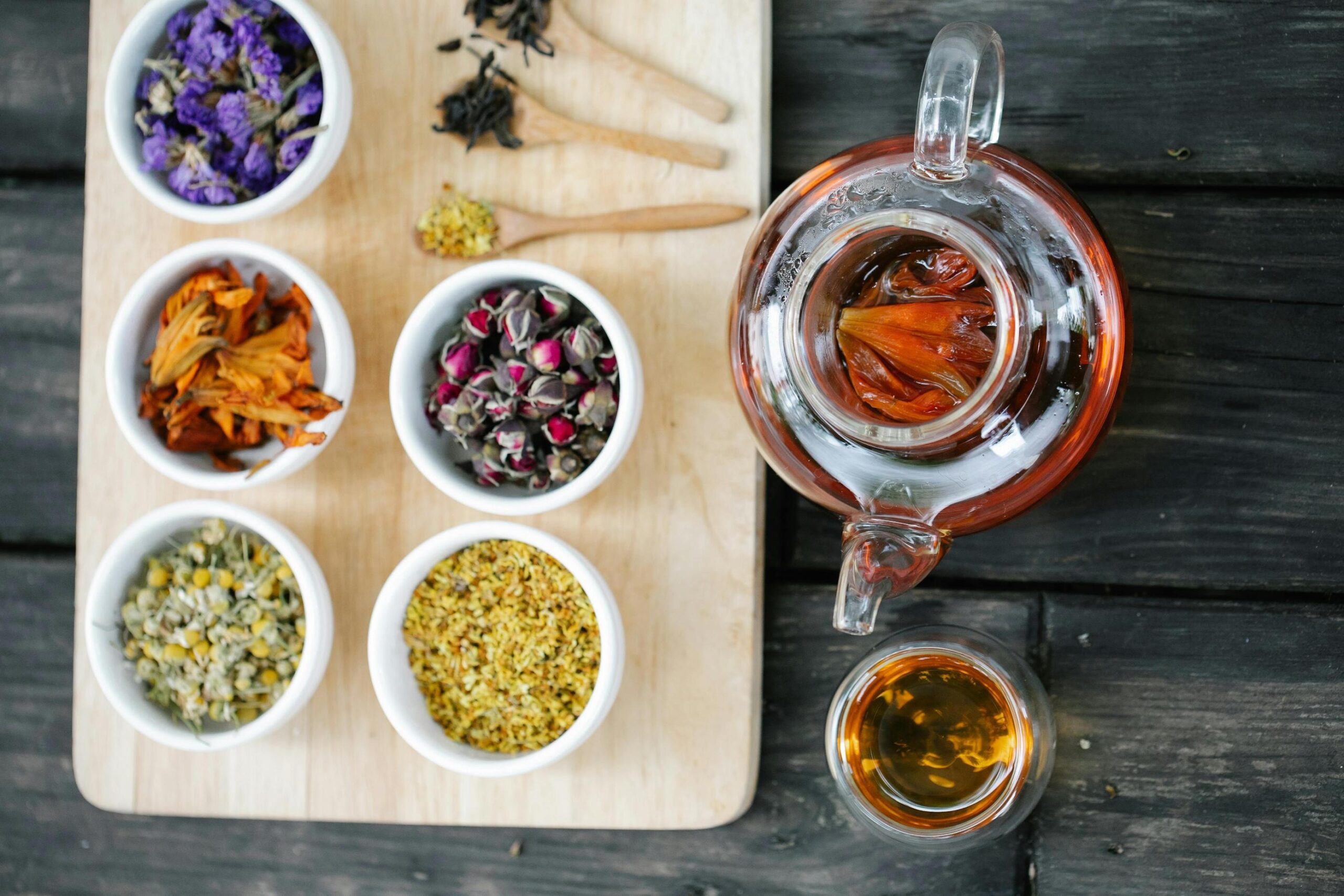
Buckwheat tea has deep roots across East Asia. In Japan, soba cha originated from the practice of drinking the nutrient-rich water used to cook soba noodles. Korea calls it memil cha, where it is valued for its health benefits and seasonal wellness uses. In China, known as kuqiao cha, it is integrated into traditional medicine for its cooling properties and digestive support.
Singapore’s multicultural tea scene embraces buckwheat tea alongside barley tea, green tea, and other traditional beverages, reflecting its broad appeal and health benefits. The adoption of soba cha in Singapore is also part of a larger appreciation for Asian teas and herbal infusions, which are valued for their unique flavors and functional health properties.
Types of Buckwheat Tea: Regular vs Tartary Buckwheat
Regular buckwheat tea is mild with a smooth nutty flavor and amber color, making it approachable for daily drinking. Tartary buckwheat tea, or Dattan buckwheat, has a lighter yellow-green color and a slightly bitter, more complex flavor. It contains up to 100 times more rutin, a powerful antioxidant that supports heart health, blood pressure regulation, and anti inflammatory properties.
While regular buckwheat tea is widely available and affordable, tartary buckwheat offers superior health benefits, especially for those focused on cardiovascular wellness or diabetes management. The higher antioxidant content in tartary buckwheat makes it particularly attractive for those seeking natural ways to support longevity and reduce inflammation.
Making Memil Cha: A Korean Twist on Buckwheat Tea
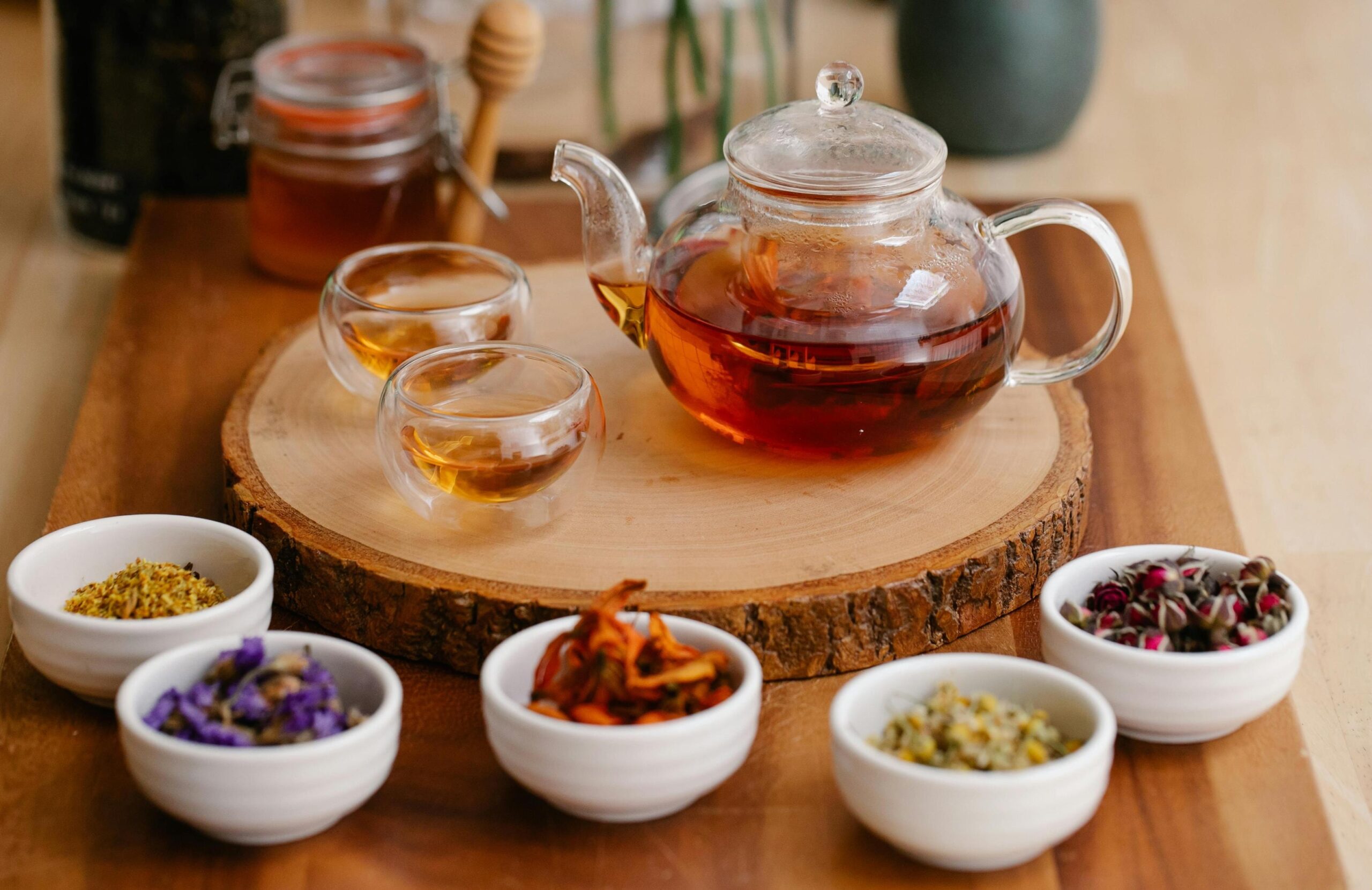
Memil cha, the Korean version of buckwheat tea, offers a unique cultural variation that adds depth to the buckwheat tea experience. Made from roasted tartary buckwheat, memil cha is prized for its rich nutty flavor and higher antioxidant content compared to regular buckwheat tea. The process of making memil cha involves carefully roasting the tartary buckwheat grains until they achieve a deep golden brown color, which enhances the toasty aroma and natural sweetness.
To prepare memil cha, simply steep the roasted grains in boiling water for 5 to 7 minutes, allowing the full flavor and nutrients to infuse into the brew. Memil cha can be enjoyed hot or cold, making it a versatile beverage for all seasons. Its robust flavor profile pairs well with traditional Korean meals as well as light snacks and desserts.
Incorporating the making of memil cha into your tea routine not only diversifies your palate but also boosts your intake of beneficial antioxidants and nutrients. This Korean take on buckwheat tea adds an exciting cultural dimension and flavor variation, enriching the overall buckwheat tea experience.
Health Benefits of Buckwheat Tea
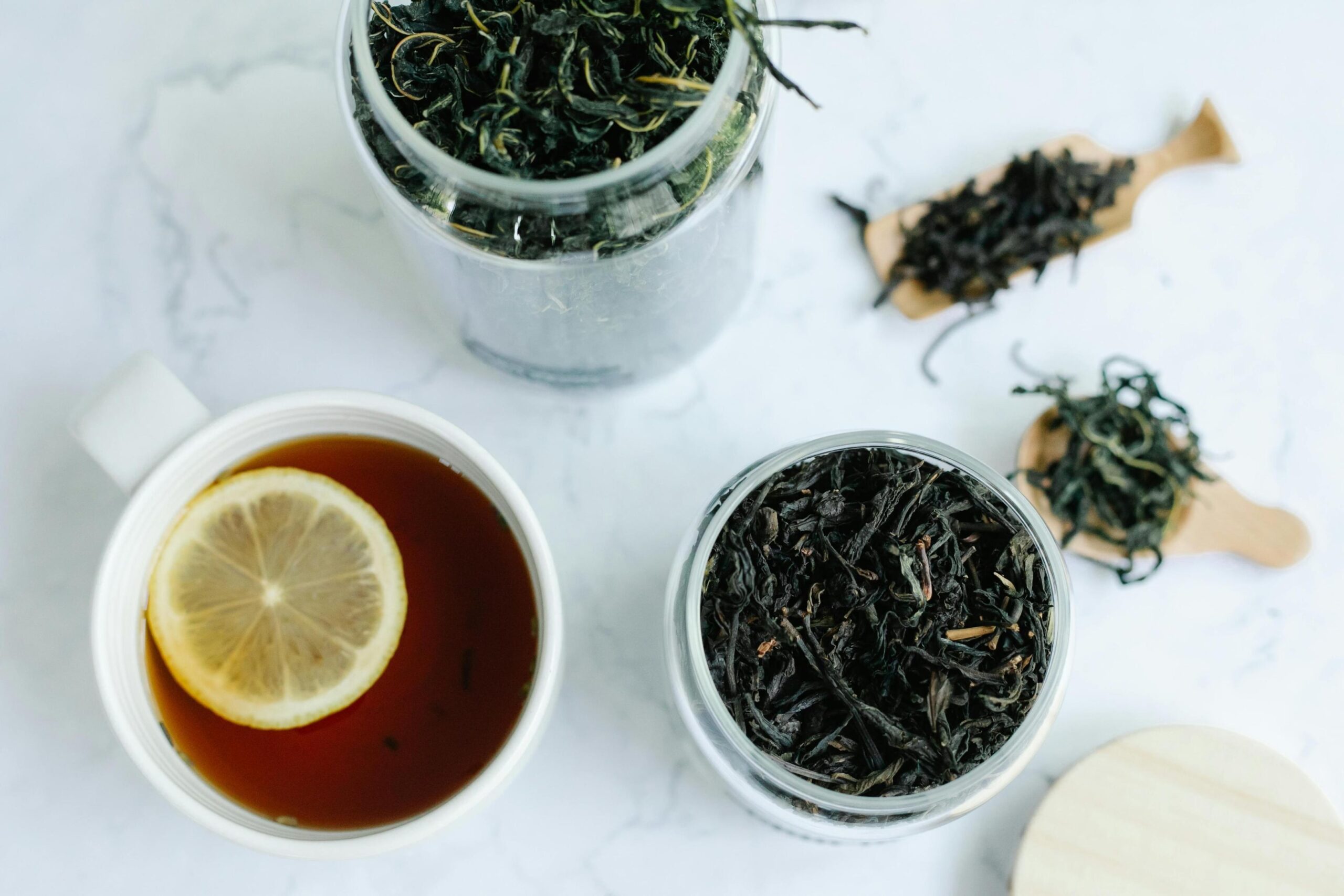
Support Heart Health and Regulate Blood Sugar Levels
The rutin and D-chiro-inositol compounds in buckwheat tea help regulate blood sugar levels and improve insulin sensitivity, making it beneficial for diabetes prevention and management. Regular drinking sobacha can also support heart health by lowering blood pressure, reducing LDL cholesterol, and improving blood vessel function. These effects contribute to a reduced risk of cardiovascular diseases, which are a leading health concern in Singapore and globally.
Anti Inflammatory Properties and Immunity Boost
Buckwheat tea’s antioxidants, including rutin, selenium, and vitamin E, provide strong anti inflammatory properties that help reduce swelling and oxidative stress. These nutrients also support immune function, making soba tea a natural ally during seasonal illnesses or stress-related inflammation. The anti inflammatory benefits extend to conditions such as arthritis and colitis, offering relief for chronic inflammatory disorders.
Digestive Health and Weight Loss
Buckwheat tea aids digestion and reduces bloating, making it a perfect after-meal drink, especially with Singapore’s rich and diverse cuisine. It is low in calories but rich in nutrients and fiber, supporting weight loss and gut health without caffeine’s digestive interference. The fiber content promotes regular bowel movements and helps maintain a healthy gut microbiome, which is essential for overall wellness.
Flavor Profile and Brewing Tips
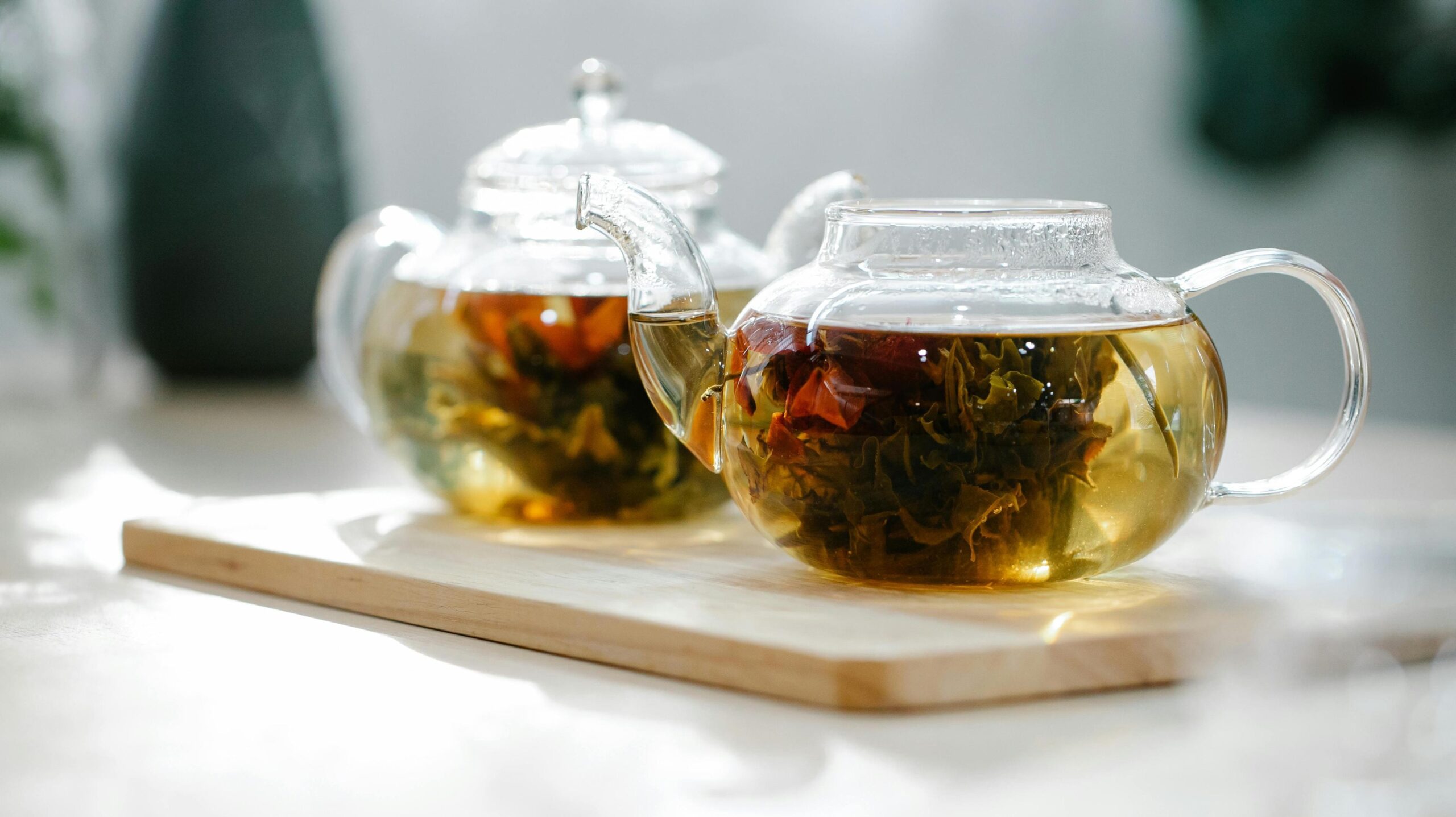
Buckwheat tea offers a rich, nutty flavor with a toasty aroma that is mild and aromatic, unlike the grassy or bitter notes of green tea. It pairs well with a variety of foods, from rice and vegetables to salads and desserts. Its smooth, comforting taste makes it a favorite for those seeking a gentle yet flavorful caffeine free tea.
Brewing with Roasted Buckwheat Grains or Tea Bags
Use 1-2 tablespoons of roasted buckwheat grains or a tea bag per cup of boiling water. Steep for 5-10 minutes for a warm, aromatic brew. For cold water brewing, steep grains or tea bags in cold water for 2-4 hours in the fridge, perfect for Singapore’s hot climate.
Buckwheat tea can be brewed multiple times from the same grains, with each infusion revealing different flavor nuances. Using a teapot enhances the experience, but simple methods with a tea bag or saucepan work well for daily convenience.
Tips for Perfect Brewing
For the best flavor, always use fresh hot water brought to a rolling boil before brewing. Avoid adding milk or sweeteners as the natural sweet and nutty flavor of buckwheat tea is best enjoyed pure. However, some people like to experiment by blending soba cha with a splash of milk or honey for a unique twist. Additionally, brewing soba cha with cold water overnight creates a smooth, refreshing iced tea that is popular during Singapore’s warm weather.
Where to Buy Buckwheat Tea in Singapore
Buckwheat tea is widely available in specialty tea stores, Japanese supermarkets like Don Don Donki, Korean grocery stores specializing in memil cha, and online retailers. Look for quality roasted buckwheat grains with a uniform golden-brown color and strong toasty aroma. Packaging that protects against humidity is important in Singapore’s climate.
Versatility and Creative Uses
Beyond drinking, the softened roasted buckwheat grains can be eaten as a nutritious snack or added to salads, rice dishes, and yogurt. Buckwheat tea also serves as a base for healthy recipes and can be blended with other teas or herbs for enhanced flavor and benefits.
Many health enthusiasts use soba cha as a base for smoothies or mix it with barley tea for a complex flavor profile. The tea’s mild sweetness and toasty aroma make it a great companion for a range of meals, from light salads to hearty winter dishes.
Buckwheat Tea in Singapore’s Wellness Scene
Buckwheat tea aligns with Singapore’s preventive healthcare focus, offering a natural, caffeine-free alternative that supports heart health, digestion, and stress management. It is embraced by fitness communities, traditional medicine practitioners, and families seeking a delicious, healthful beverage.
Fitness enthusiasts appreciate buckwheat tea as a post-workout drink due to its antioxidants and ability to aid digestion without caffeine’s dehydrating effects. Wellness centers often recommend soba cha as part of detox programs or stress relief routines. Its caffeine free nature makes it ideal for consumption at any time, including evenings, without disrupting sleep patterns.
Common Questions About Drinking Sobacha
- How many times can buckwheat grains be reused? Usually 2-3 times, with flavor gradually softening.
- Can buckwheat tea be mixed with other teas? Yes, it blends well with chamomile, ginger, or green tea.
- When is the best time to drink soba cha? Any time, especially post-meal or in the evening as a caffeine free option.
- How long can brewed tea be stored? Keep in the fridge up to 2-3 days for best flavor.
Conclusion
Buckwheat tea, or soba cha, offers a delicious, caffeine free tea option with rich nutty flavor and toasty aroma. Its health benefits include supporting heart health, regulating blood sugar levels, anti inflammatory effects, digestive aid, and weight management support. Suitable for hot or cold preparation and available in tea bag or roasted grain form, it is a great alternative to green tea or barley tea.
Singapore’s multicultural wellness scene warmly welcomes this traditional beverage, making it an accessible and enjoyable choice for anyone seeking a natural, nutritious, and aromatic tea experience. Incorporating buckwheat tea into daily routines provides a flavorful way to embrace health and wellness naturally.
For those interested in exploring more traditional wellness beverages, check out our article on Singapore Ginger Tea: A Complete Guide to Traditional Wellness in the Lion City.

The Problem With “Single-Origin” Tea Obsession
There was a time when knowing where a tea came from was enough. Now, it sometimes feels as though we need to know everything. The mountain. The village. The garden. The harvest date. The particular plot where the leaves were grown. Single-origin tea has become a mark of quality in modern tea culture. The idea…
-
Where Singapore’s Tea Traditions Still Steep: Pek Sin Choon
The first thing I noticed was the smell. Not perfume, not incense. Something warmer and older than both. Roasted tea leaves, drifting out onto Mosque Street before I even reached the door. It’s the kind of smell that makes you slow your steps without knowing why. Pek Sin Choon has been on this corner of…
-
Not All Comfort Is Sweet: The Bitterness I Now Appreciate
I used to think comfort was supposed to be easy. A familiar drink. A familiar taste. Something that immediately made me feel better. For a long time, I gravitated towards teas that were gentle. Soft flavours. Natural sweetness. Anything that felt welcoming from the first sip. Then I started appreciating bitter teas. Not because I…
-
Understanding the Herb Behind the Refreshing Cup: Peppermint Tea
There is a moment, just after the hot water meets the fresh peppermint leaves, when the whole room seems to change. A sharp, green coolness lifts from the cup and settles somewhere behind your eyes. Drinking peppermint tea does this quietly, without fuss. It asks for nothing and offers a great deal. Most of us…
-
Why Most People Hate Oolong: Overcomplicated Advice Ruined It
I have always found it interesting that oolong tea is one of the most misunderstood teas. People often describe it as complicated. Too many varieties. Too many brewing methods. Too many rules. The leaves should be prepared this way. The water should be at this temperature. The teapot should be a certain material. The first…
-
Kempinski Singapore High Tea Review: When Afternoon Tea Feels Like an Occasion
The rain had come and gone by the time I arrived, leaving the street outside slick and quiet. I stepped in without knowing quite what I wanted from the afternoon. Only that I wanted it to be slow. The Lobby Lounge at The Capitol Kempinski Hotel Singapore does not rush you. It waits. And there…
-
Scent, Memory, and a Kettle: How Tea Anchors My Days
There are certain smells that bring us somewhere else before we even realise it. The scent of rain on warm pavement. A familiar perfume. The food someone used to make when we were younger. For me, tea belongs in that category. Sometimes, before I even take a sip, the aroma is enough to bring back…
-
The Chinese Yixing Teapot: More Than a Teapot, a Living Tea Tradition
The first time I held a Chinese Yixing teapot, I wasn’t ready for how warm it would feel. Small, reddish-brown, sitting in my palm like a river stone that had been kept somewhere warm. I’d just rinsed it with hot water, the way you’re supposed to before the first brew, and the clay drank up…
-
Your “Tea Sommelier” Might Be Selling You a Vibe, Not a Better Cup
There is a particular moment that has become increasingly familiar in modern tea culture. A tea is presented. Before the first sip, we are introduced to its story. The region. The altitude. The history. The carefully chosen words that describe its character. Perhaps there are notes of wildflowers, distant forests, roasted grains, or forgotten memories….
-
Does Tea Contain Caffeine? Understanding What’s Really in Your Tea
There’s a quiet moment many of us know well. The kettle clicks off. Steam curls up. You wrap your hands around a warm cup and feel your shoulders drop, just a little. Tea has always carried this sense of calm, of slowing down. So it can feel almost contradictory to ask: does tea contain caffeine?…