In Japan, tea is not merely a drink; it is a cultural cornerstone, a spiritual discipline, and an integral part of daily life. Tea is an important part of Japanese food culture, traditional ceremonies, and daily routines, reflecting its deep-rooted presence in society. The simple act of preparing and drinking Japanese tea is imbued with centuries of history, philosophy, and artistry. While many are familiar with Japanese green teas as products, the world of tea from Japan is a rich tapestry that tells the story of a nation’s heart and soul.
This journey begins in the 9th century when Buddhist monks first brought tea from China (Chinese tea), setting in motion an evolution that would create something uniquely Japanese. This article explores the full spectrum of that journey, from ancient history to modern innovations. For readers seeking a deep dive into Japan’s iconic green teas and their specific brewing techniques, we recommend our comprehensive guide, Japanese Green Tea from Japan: Your Complete Guide to Authentic Varieties and Brewing.
The Journey of Tea from Japan and the Camellia Sinensis Plant
The story of tea from Japan is deeply intertwined with Buddhism and the cultivation of the camellia sinensis plant, the source of all true teas. Some Japanese teas, such as sencha, are grown in full sun, and this sunlight exposure plays a key role in shaping the flavor and quality of the tea leaves. While tea leaves may have arrived earlier, it was during the Heian and Kamakura periods that returning monks truly planted the seeds of a national tea culture. The Zen monk Eisai is widely credited with reintroducing tea in the 12th century, promoting it not only for its health benefits but as a valuable aid to Zen meditation.
Beyond Green Tea: The Full Spectrum of Different Japanese Teas from Japan
While green tea is the heart of Japanese tea production, the country’s artisans also craft other exceptional tea varieties. There are many different varieties of Japanese tea, ranging from traditional green teas to modern blends and infusions, each with unique flavors, ingredients, and brewing techniques.
- Japanese Black Tea (Kōcha/Wakocha – 和紅茶):

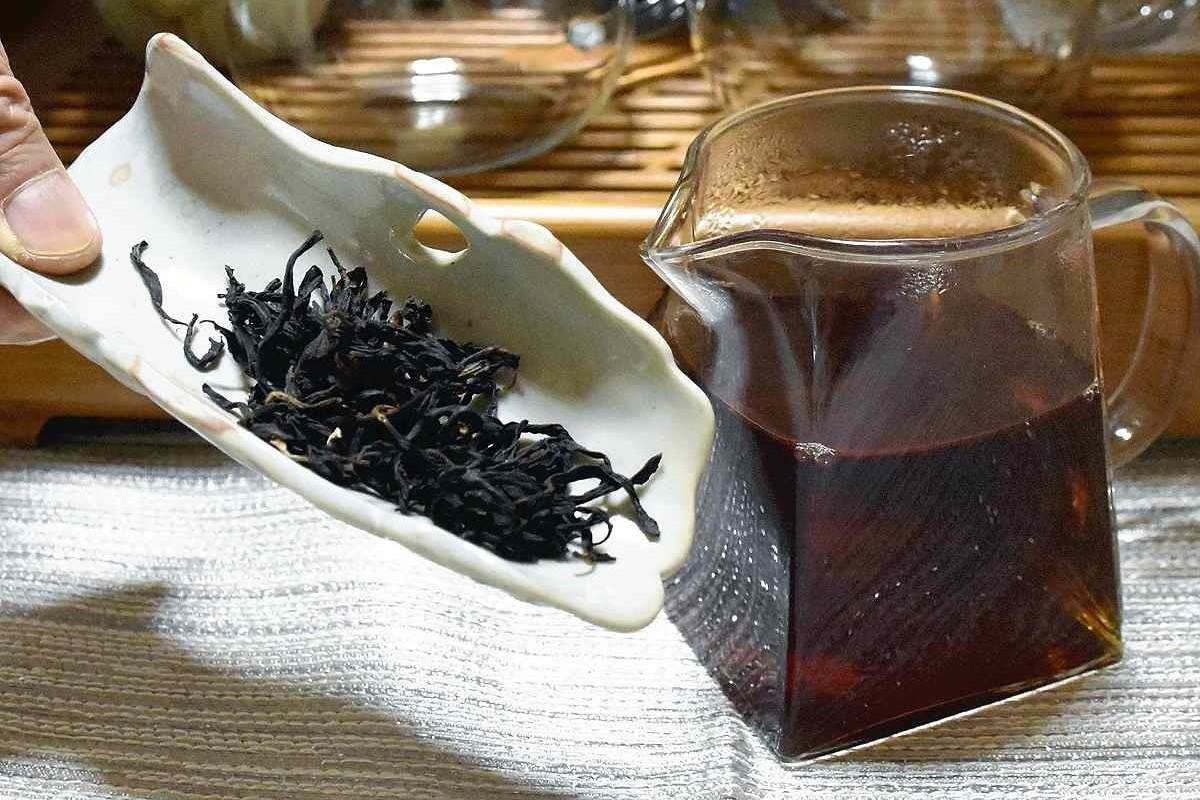
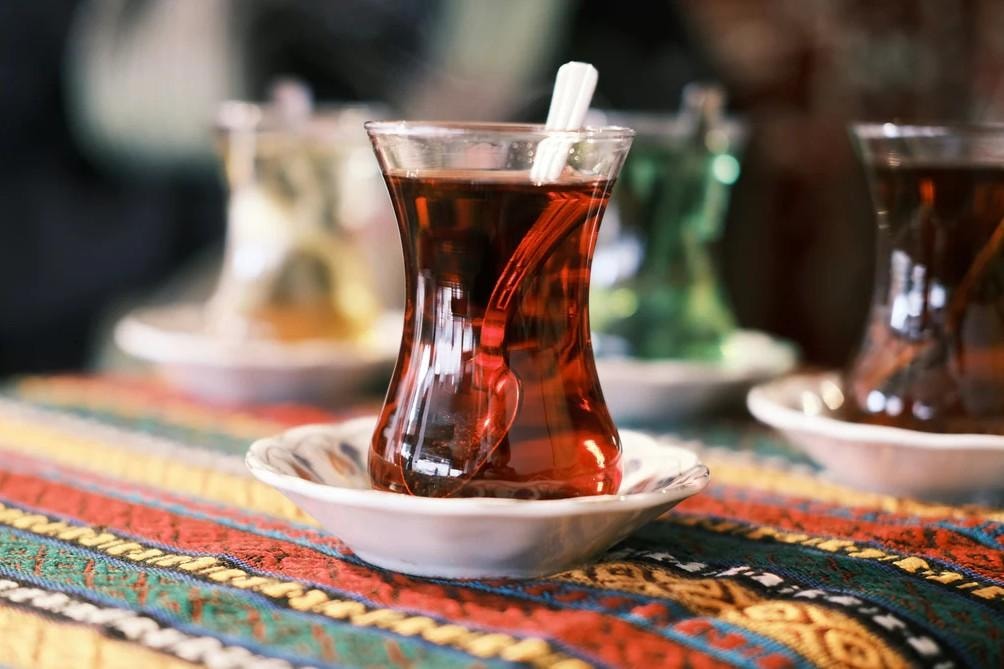
- In recent years, Japan’s domestic black tea has gained significant popularity. Unlike the bold, robust black teas from India or China, Wakocha is often lighter, more delicate, and carries naturally sweet, floral, or fruity notes. Regions like Shizuoka and Kyushu are producing remarkable small-batch black teas, known for their reddish brown color and unique sweet taste.
- Japanese Red Tea (Kocha):
- Also known as Japanese black tea, red tea is distinguished by its deep amber or reddish-brown color and smooth, sweet flavor. It is oxidized and fermented, making it distinct from green and other types of Japanese teas, and holds a special place in Japanese tea culture.
- Japanese Oolong Tea:
- While produced in smaller quantities, Japanese oolong is a testament to the nation’s craftsmanship. It tends to be lighter and less oxidized than its Chinese counterparts, offering delicate floral aromas and a smooth, clean finish.
- Fermented and Aged Teas:
- Japan has its own unique post-fermented teas. Goishicha, from Kochi Prefecture, is a rare “pickled” tea with a distinctive sour taste, showcasing the incredible diversity of regional tea traditions.
- Kombucha (Kelp Tea):
- Kombucha in Japan refers to a traditional kelp tea made from dried kombu seaweed. It is known for its umami-rich, salty taste and is enjoyed both as a beverage and as a base for dashi broth.
- Blended and Flavored Teas:
- Modern Japanese producers are innovating with creative blends that highlight local ingredients. Sakura (cherry blossom) tea, yuzu-infused sencha, and other botanical blends, sometimes including pickled plum, showcase a contemporary approach to the ancient beverage. Some Japanese teas are also made from or blended with beans, such as black soybeans or roasted buckwheat, offering unique flavors and notable health benefits.
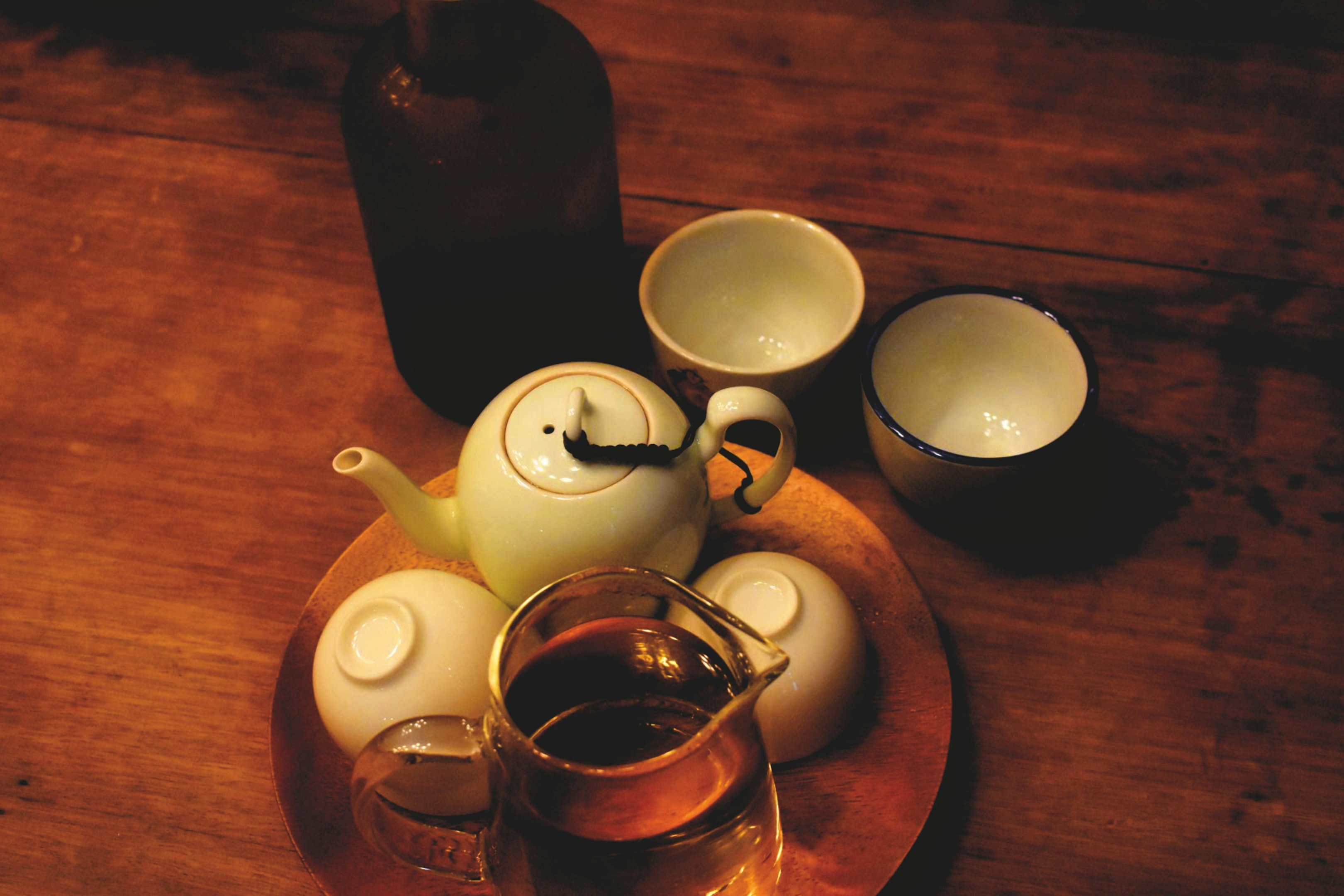
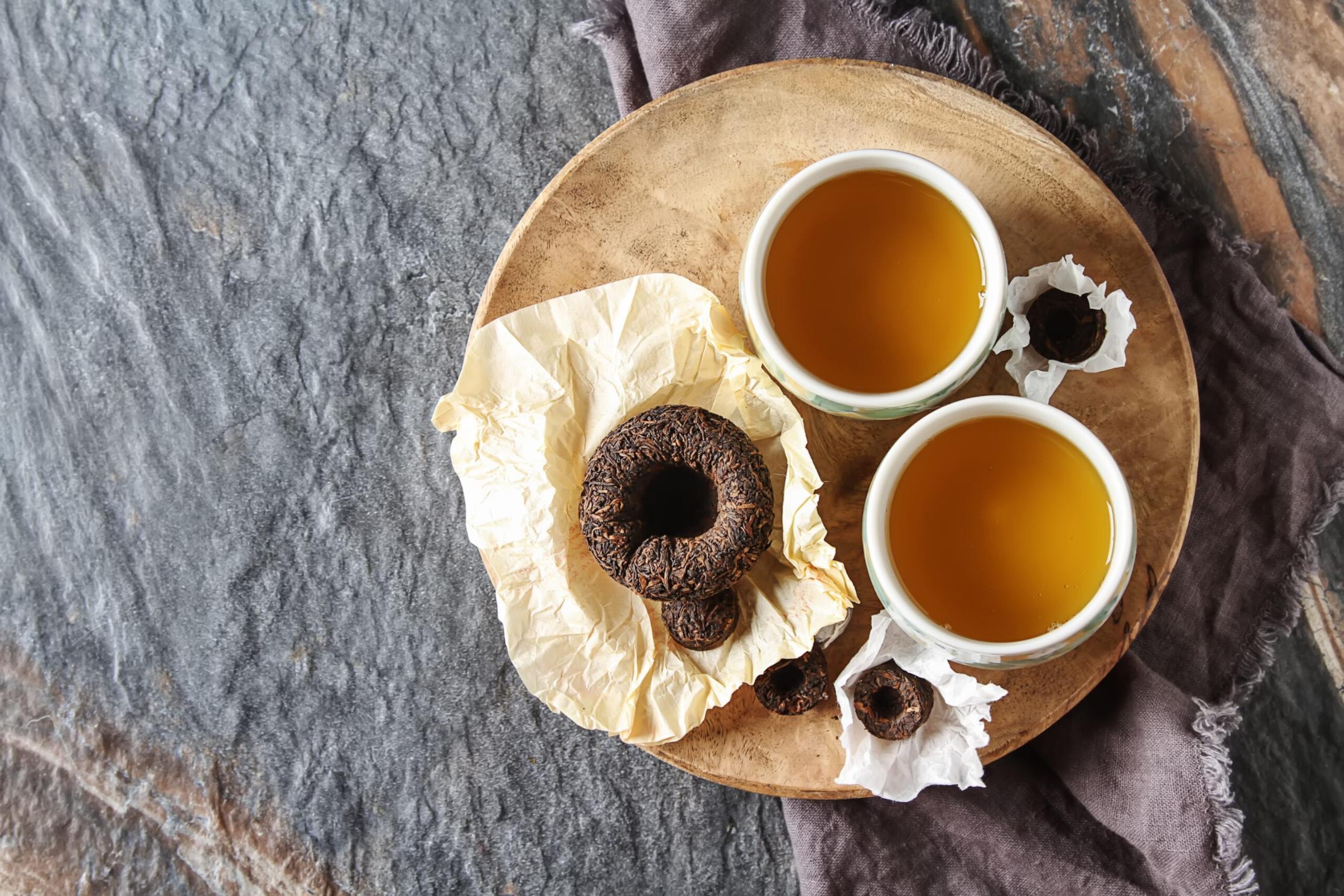

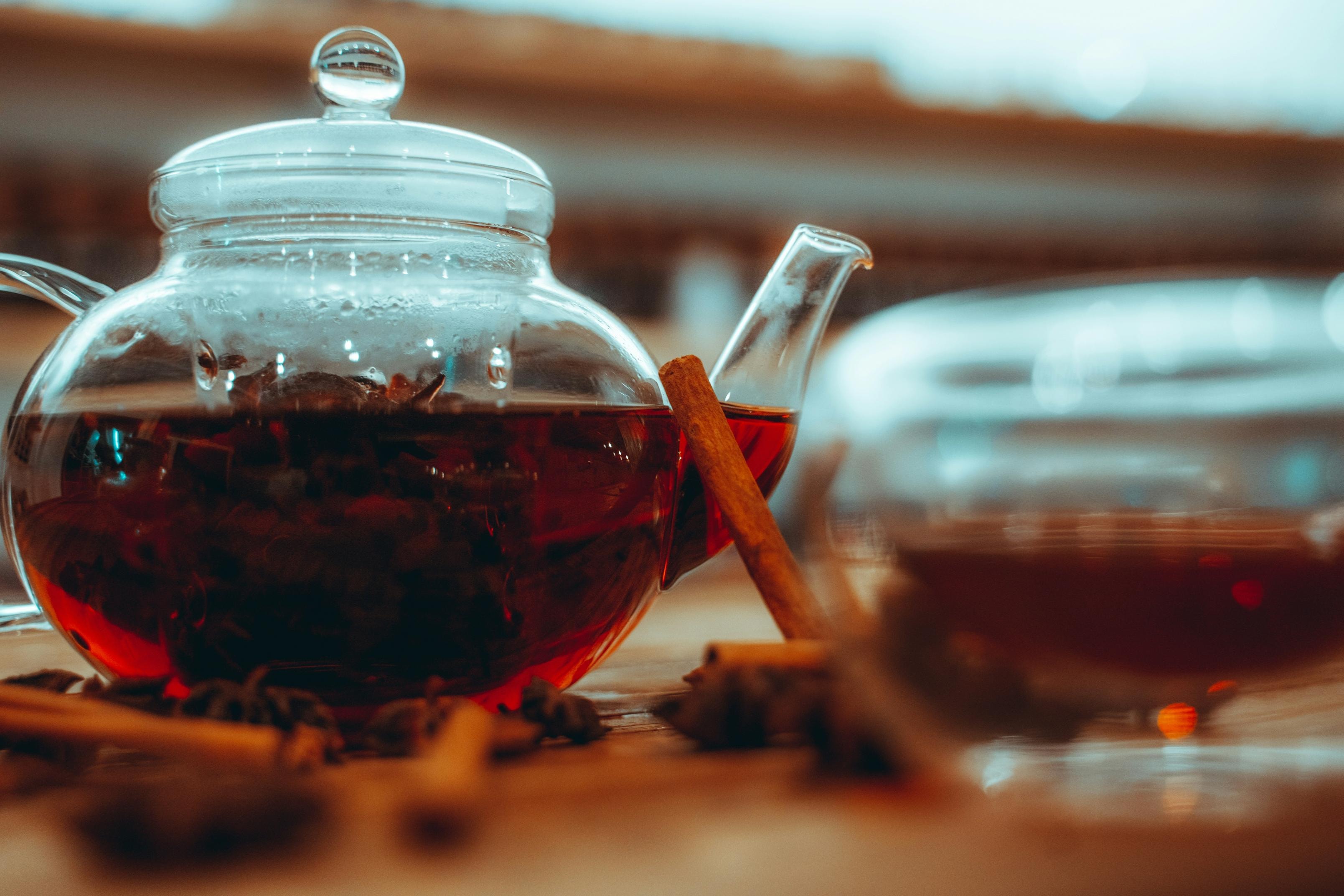
Of course, Japanese green teas represent the core of tea from Japan, encompassing dozens of distinct varieties. Alongside these, there are other green teas and other types of Japanese tea, each contributing to the remarkable diversity of Japan’s tea culture. We explore these green teas, from sencha to matcha, their regional distinctions, and proper brewing techniques in comprehensive detail in our guide: Japanese Green Tea from Japan: Your Complete Guide to Authentic Varieties and Brewing.
Tea-Growing Regions of Japan: The Source of Rich Flavor and Aroma
The character of tea from Japan is shaped by its terroir—the unique combination of climate, soil, and topography of its growing regions.
- Shizuoka Prefecture: The titan of Japanese tea, Shizuoka accounts for about 40% of the nation’s production. It’s known for producing vast quantities of high-quality sencha and for its innovative spirit in crafting black tea and roasted green tea. The first round of tea harvesting, known as the first flush, is highly prized here for producing the highest quality leaves with a notably fresh aroma and flavor. After the early harvest, ‘new tea’ (shincha) is released—this is the first tea of the season, celebrated for its fresh, delicate flavor and limited availability.
- Uji (Kyoto): This is the historic heart of premium tea. For centuries, Uji has been celebrated for producing Japan’s finest ceremonial matcha and shade-grown gyokuro, the highest grade of Japanese green teas. Its tea culture is steeped in tradition.
- Kagoshima: Located in southern Japan, Kagoshima is the country’s second-largest tea producer. Its warm climate allows for early harvests, and it’s known for producing a wide variety of teas, including bold, flavorful sencha and a growing number of organic teas. The first round of harvesting in Kagoshima yields especially fresh and vibrant teas, with the first flush leaves highly sought after for their quality. The region’s ‘new tea’ (shincha) is particularly valued for its fresh, uplifting aroma and limited seasonal availability.
- Yame (Fukuoka): This region is famous for producing some of Japan’s most prized gyokuro, thanks to its ideal growing conditions that yield a tea with intense sweetness and umami.
Tea from Japan in Modern Singapore and Global Context: Enjoy Japanese Tea Worldwide
The global fascination with Japanese culture has brought tea from Japan to Singapore and the world stage. Authentic Japanese tea can now be found in Japanese supermarkets like Don Don Donki and Meidi-ya, as well as specialty tea boutiques. The global matcha trend has served as a gateway, introducing millions to Japanese tea and paving the way for a growing interest in other varieties like hojicha (a popular roasted green tea) and genmaicha (green tea mixed with roasted brown rice and rice grains).
In Singapore’s vibrant café scene, contemporary interpretations like matcha lattes and hojicha desserts sit alongside traditional offerings in Japanese restaurants, showcasing the versatility of Japanese tea. Mugicha, a popular choice in Japan and other countries, is especially favored during the summer for its refreshing, caffeine-free qualities.
How to Select and Store Tea from Japan: Tea Bags, Freshness, and Storage Tips
When selecting tea from Japan, look for packaging that indicates the origin, tea type, and ideally, the harvest date (especially for green teas). Japanese green teas typically contain only small amounts of caffeine and other beneficial compounds, making them suitable for regular consumption. To maintain freshness in Singapore’s humid climate, proper storage is crucial. Store your tea in an airtight, opaque container in a cool, dark place, away from strong odors like spices or coffee. For delicate, high-grade Japanese green teas, refrigeration in a well-sealed container can help preserve their freshness longer. Convenience stores and vending machines in Japan also offer a wide selection of tea bags and bottled teas, providing easy access to quality tea on the go.
Brewing Tea from Japan: General Principles for Tea Enthusiasts
Making tea the Japanese way is an art form, but a few general principles apply.
- Water Quality: Use soft, filtered water or freshly boiled water to allow the tea’s delicate flavors to shine.
- Temperature: Japanese green teas are sensitive to high temperatures, which can cause bitterness. Brewing green teas with water that is too hot can make them taste bitter, so using cooler water (around 70-80°C) is recommended. Steeping for about one minute helps achieve the best flavor and prevents excessive bitterness, while roasted green tea and barley tea can handle hotter water or even boiling water.
- Brewing Vessels: A traditional side-handled teapot, or kyusu, is designed to provide the perfect pour. For teas like hojicha, a porcelain pot is often used for roasting or brewing, following traditional methods.
- Multiple Infusions: Quality Japanese teas can be steeped multiple times, with each infusion revealing a new layer of flavor. The first infusion often yields a light, fresh flavor, while subsequent infusions can bring out a grassy taste or deeper notes.
- Serving Styles: Some Japanese teas, such as mugicha and sobacha, are traditionally enjoyed cold, especially during the summer months. Mugicha is made by infusing roasted barley, giving it a unique, refreshing taste.
- Caffeine Content: Teas like hojicha, sobacha, and mugicha are naturally low in caffeine, making them suitable for those seeking caffeine-free or low-caffeine options.
Health Benefits of Tea from Japan: Antioxidants, Amino Acids, and More

Tea from Japan is a cornerstone of the Japanese concept of a balanced and healthy lifestyle. The unique steaming process used for Japanese green teas preserves a high concentration of beneficial compounds, including antioxidants like catechins and the amino acids L-theanine, which promotes a state of “calm alertness.” Traditionally, tea is consumed after meals to aid digestion and is culturally linked to Japan’s renowned longevity. Some studies also suggest that regular consumption of Japanese green teas may support weight loss and improve overall well-being.
Conclusion: A Rich Tradition to Savor in Every Cup
The world of tea from Japan is a rich and rewarding one, offering a journey through history, philosophy, and exquisite craftsmanship. It is a beverage that invites us to slow down, to be present, and to appreciate the beauty in simplicity. Exploring its diversity, from a rare Wakocha to a traditional bowl of matcha powder enjoyed in the Japanese tea ceremony, provides a deeper connection to the culture and centuries of wisdom steeped in every cup.
This educational journey is part of the pleasure of tea appreciation. For tea enthusiasts in Singapore and beyond, digital resources like Tea Manor Singapore provide a wealth of knowledge on global tea cultures, helping you deepen your understanding of the rich heritage behind every tea you drink.

The Problem With “Single-Origin” Tea Obsession
There was a time when knowing where a tea came from was enough. Now, it sometimes feels as though we need to know everything. The mountain. The village. The garden. The harvest date. The particular plot where the leaves were grown. Single-origin tea has become a mark of quality in modern tea culture. The idea…
-
Where Singapore’s Tea Traditions Still Steep: Pek Sin Choon
The first thing I noticed was the smell. Not perfume, not incense. Something warmer and older than both. Roasted tea leaves, drifting out onto Mosque Street before I even reached the door. It’s the kind of smell that makes you slow your steps without knowing why. Pek Sin Choon has been on this corner of…
-
Not All Comfort Is Sweet: The Bitterness I Now Appreciate
I used to think comfort was supposed to be easy. A familiar drink. A familiar taste. Something that immediately made me feel better. For a long time, I gravitated towards teas that were gentle. Soft flavours. Natural sweetness. Anything that felt welcoming from the first sip. Then I started appreciating bitter teas. Not because I…
-
Understanding the Herb Behind the Refreshing Cup: Peppermint Tea
There is a moment, just after the hot water meets the fresh peppermint leaves, when the whole room seems to change. A sharp, green coolness lifts from the cup and settles somewhere behind your eyes. Drinking peppermint tea does this quietly, without fuss. It asks for nothing and offers a great deal. Most of us…
-
Why Most People Hate Oolong: Overcomplicated Advice Ruined It
I have always found it interesting that oolong tea is one of the most misunderstood teas. People often describe it as complicated. Too many varieties. Too many brewing methods. Too many rules. The leaves should be prepared this way. The water should be at this temperature. The teapot should be a certain material. The first…
-
Kempinski Singapore High Tea Review: When Afternoon Tea Feels Like an Occasion
The rain had come and gone by the time I arrived, leaving the street outside slick and quiet. I stepped in without knowing quite what I wanted from the afternoon. Only that I wanted it to be slow. The Lobby Lounge at The Capitol Kempinski Hotel Singapore does not rush you. It waits. And there…
-
Scent, Memory, and a Kettle: How Tea Anchors My Days
There are certain smells that bring us somewhere else before we even realise it. The scent of rain on warm pavement. A familiar perfume. The food someone used to make when we were younger. For me, tea belongs in that category. Sometimes, before I even take a sip, the aroma is enough to bring back…
-
The Chinese Yixing Teapot: More Than a Teapot, a Living Tea Tradition
The first time I held a Chinese Yixing teapot, I wasn’t ready for how warm it would feel. Small, reddish-brown, sitting in my palm like a river stone that had been kept somewhere warm. I’d just rinsed it with hot water, the way you’re supposed to before the first brew, and the clay drank up…
-
Your “Tea Sommelier” Might Be Selling You a Vibe, Not a Better Cup
There is a particular moment that has become increasingly familiar in modern tea culture. A tea is presented. Before the first sip, we are introduced to its story. The region. The altitude. The history. The carefully chosen words that describe its character. Perhaps there are notes of wildflowers, distant forests, roasted grains, or forgotten memories….
-
Does Tea Contain Caffeine? Understanding What’s Really in Your Tea
There’s a quiet moment many of us know well. The kettle clicks off. Steam curls up. You wrap your hands around a warm cup and feel your shoulders drop, just a little. Tea has always carried this sense of calm, of slowing down. So it can feel almost contradictory to ask: does tea contain caffeine?…