Let's be honest, when you hear "Japanese green tea," your mind likely pictures a vibrant, frothy bowl of matcha. From trendy matcha lattes in every café to ice cream and desserts, matcha has become the undisputed global face of Japanese tea culture. And for good reason! It’s a delicious, versatile ingredient with numerous health benefits. But what if focusing only on matcha means you're missing out on a hidden world of other types of exquisite Japanese green tea?
There is a vast, fascinating landscape of Japanese tea waiting to be discovered, each with a unique story of its origin, processing, and flavor. This article is your personal invitation to step beyond the familiar matcha powder and explore the diverse world of authentic Japanese tea. We'll cover everything from everyday favorites to rare, premium gems, and even how to brew the perfect cup.
The Ancient Roots of Japanese Tea Culture
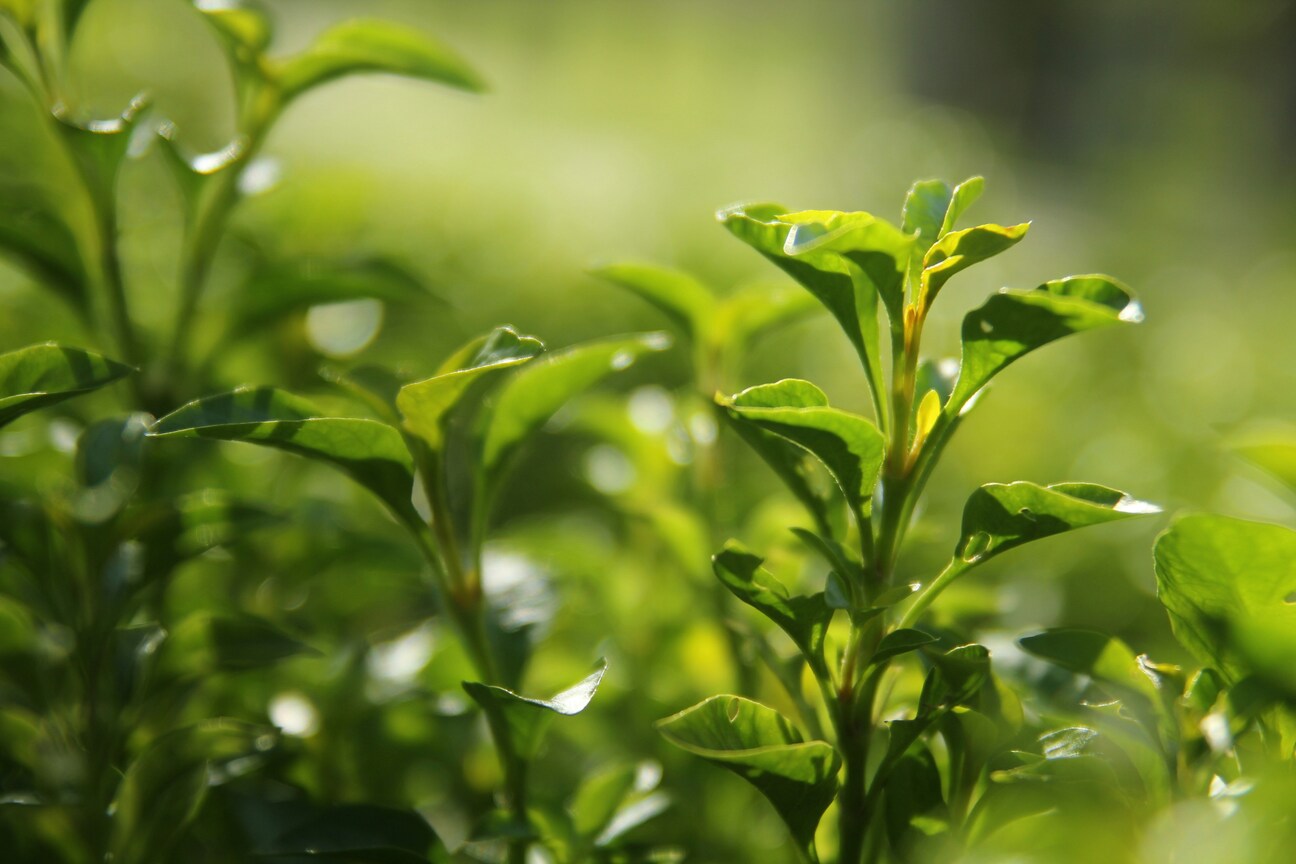
The story of tea in Japan began over a thousand years ago when Buddhist monks, returning from China, brought with them seeds from the Camellia sinensis plant. Initially, this powdered tea was a precious commodity used in religious rituals and enjoyed by the elite. Over centuries, however, tea integrated itself into the fabric of everyday life, evolving into a cornerstone of Japanese hospitality and aesthetics.
So, what makes Japanese green tea processing unique? The key difference is steam. Most Japanese tea leaves are briefly steamed after harvesting to halt oxidation. This critical "kill-green" step preserves the leaves' vibrant green color and locks in the fresh, vegetal, and sometimes marine-like flavors that tea lovers cherish. This method contrasts with many Chinese green teas, which are typically pan-fired, resulting in a toastier, nuttier profile.
This reverence for freshness is central to the Japanese tea philosophy. Terroir is also vital; a tea from the misty mountains of Uji will taste completely different from one grown in the sun-drenched fields of Kagoshima. This deep respect for the tea plant culminates in the chanoyu, the traditional tea ceremony. More than just a method of preparation, the Japanese tea ceremony is a mindful practice involving seasonal flowers and precise movements, celebrating the profound connection forged over a shared bowl of tea. Tea ceremonies are a testament to the drink's cultural significance.
Japanese Green Tea Varieties
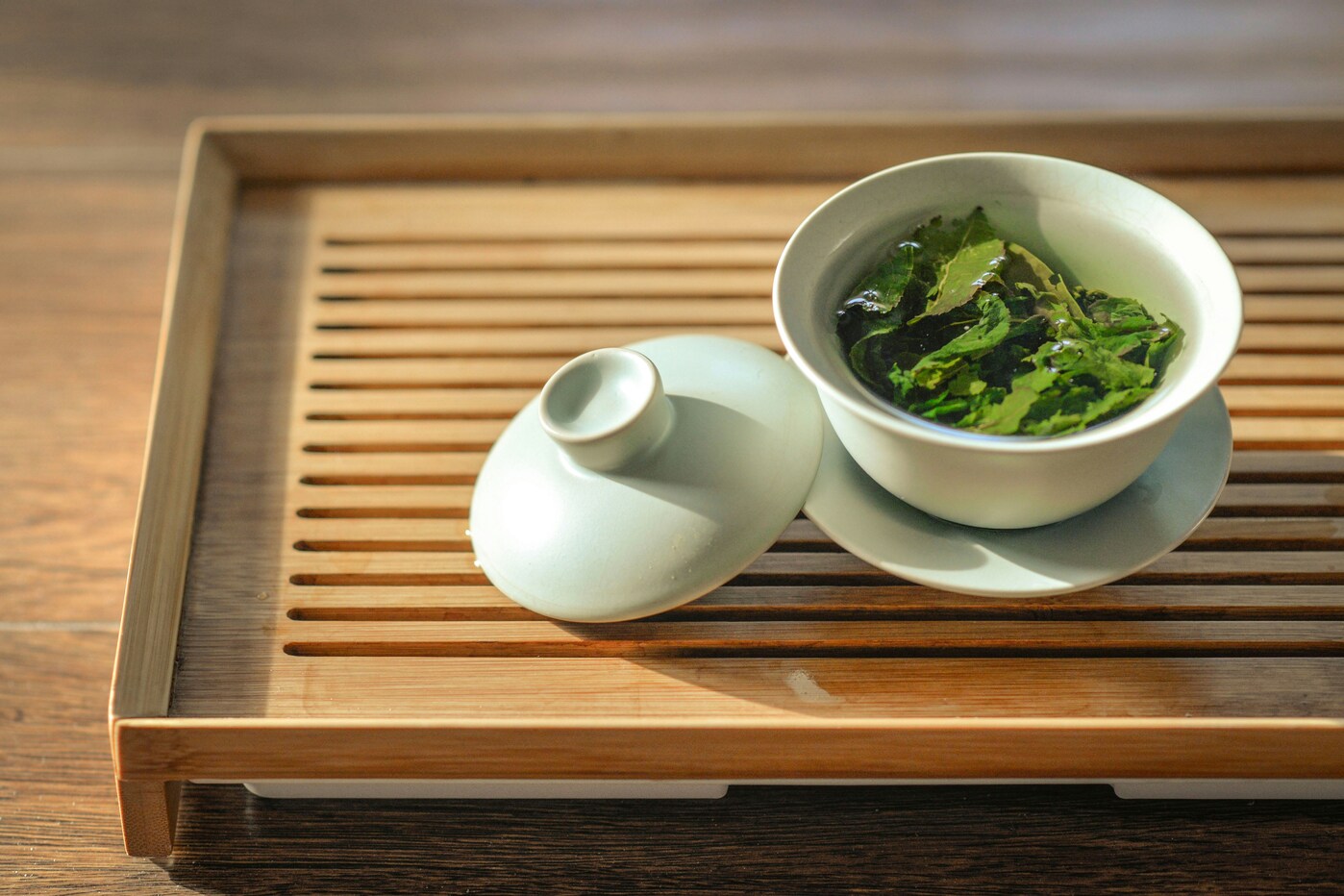
These are the workhorses of the Japanese tea world. They are enjoyed daily in homes, offices, and sushi restaurants across Japan, offering a delightful and accessible entry point for any new tea explorer looking to expand their daily routine.
Sencha: The Most Popular Green Tea
If Japan had a national beverage, sencha would be it. Accounting for the majority of tea produced in the country, this is the quintessential Japanese green drink. After the green tea leaves are steamed, they are rolled into their characteristic needle-like shape and dried. The flavor can vary greatly depending on the region and harvest time, but a good cup of sencha typically offers a refreshing taste with a balance of subtle sweetness, gentle astringency, and a savory, grassy aroma often described as umami. It's the perfect daily companion.
Bancha: The Humble Everyday Brew
Think of bancha as sencha's rustic, down-to-earth cousin. It's harvested from the same tea bushes but later in the season, resulting in larger, tougher bancha leaves. This gives the tea a more robust, earthy flavor with lower caffeine and a less delicate profile. It's a fantastic, budget-friendly choice for an everyday tea that you can drink throughout the day without a second thought.
Genmaicha: A Unique Combination of Flavors
Have you ever had a tea that tasted like popcorn? If so, you've likely tried genmaicha. This unique tea blends green tea leaves with roasted rice. Historically known as the "people's tea" because the brown rice acted as a filler to make it more affordable, it has since become a beloved classic. The result is a comforting, nutty, and savory brew with a wonderful roasted aroma that warms the soul. Its unique flavors make it an increasingly popular choice worldwide.
Hojicha: The Comforting Roasted Green Tea
Hojicha breaks all the rules of what you might expect from a green tea. Instead of just being steamed and dried, the leaves (and sometimes stems) undergo a final roasting process over charcoal. This transforms the leaves to a reddish-brown color and gives the roasted green tea a toasty, nutty, and almost coffee-like flavor with virtually no bitterness. The roasting also significantly reduces the caffeine content, making hojicha a perfect evening drink.
Discovering Premium Japanese Green Teas
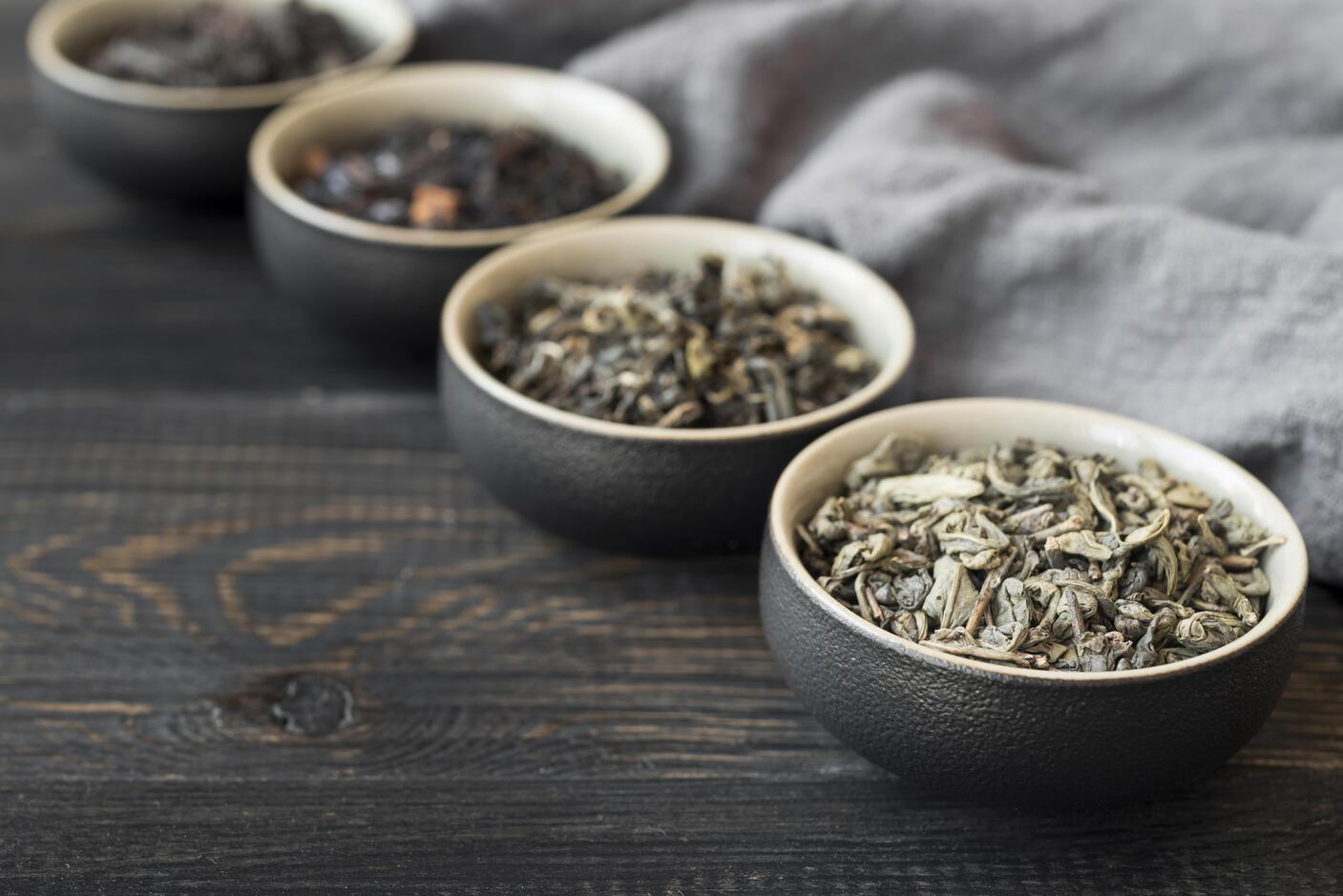
For those special moments or when you want to treat your palate, these premium aromatic teas showcase the pinnacle of Japanese craftsmanship. Their unique production methods result in extraordinary unique flavors and textures.
Gyokuro: The Shaded Jade Dew
Known as "jade dew," gyokuro is one of Japan's most prized and luxurious teas. The magic happens before the sencha leaves are even plucked. For about three weeks prior to harvest, the tea plants are shaded from direct sunlight. This forces the plant to produce more chlorophyll and L-theanine, resulting in leaves that are a deep, dark green. When brewed, gyokuro has an incredibly rich, brothy, and creamy texture with a profound, sweet umami flavor and almost no astringency. The careful process is what makes matcha and gyokuro so special.
Kabusecha: The Best of Both Worlds
If gyokuro and sencha had a child, it would be kabusecha. The name means "shaded tea," and it sits comfortably in the middle ground. The tea bushes are shaded for a shorter period than for gyokuro (usually one to two weeks). This gives the tea a wonderful balance—it has some of the savory umami of gyokuro but retains the refreshing, brisk character of a high-quality sencha.
Tamaryokucha: The Coiled Green Tea
While most Japanese green teas are rolled into straight needles, tamaryokucha stands out with its curly, comma-like shape. This shape comes from omitting the final fine-rolling step of sencha production. This minor change results in a tea that is less astringent and has a bright, citrusy, and almond-like flavor profile. It's a delightful change of pace from the classic sencha.
Shincha: The First Taste of Spring
Shincha, meaning "new tea," isn't a different type of tea but rather a celebration of the very first harvest of the year. These are the youngest, most tender leaves, packed with all the nutrients and vibrant flavor after the plant's winter dormancy. Shincha is prized for its remarkable freshness and sweet, vegetal taste. It's a seasonal treat that tea lovers eagerly await each spring. These premium teas command higher prices due to the labor-intensive cultivation and limited quantities produced.
Exploring Specialty and Regional Teas
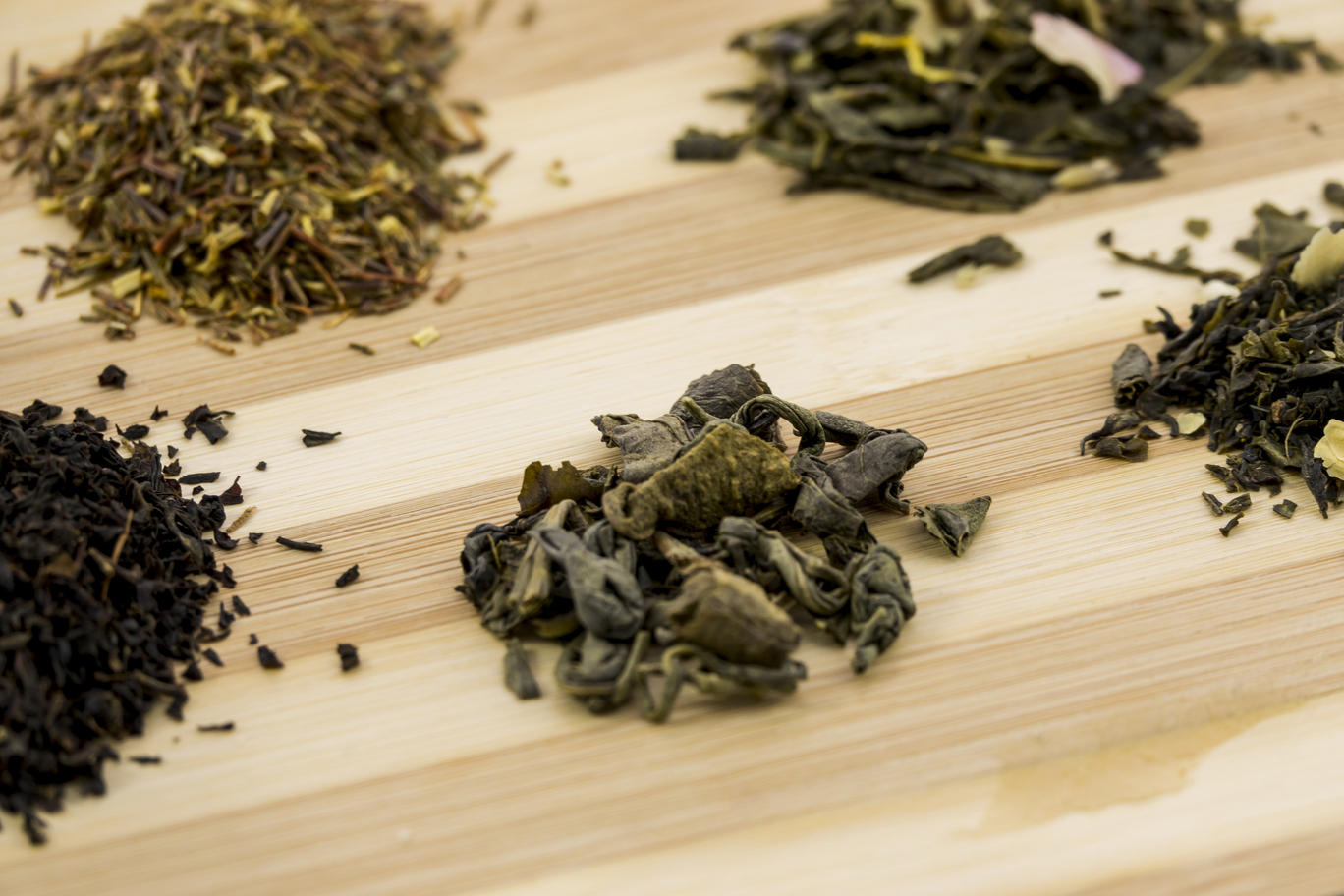
Dig a little deeper, and you'll find an incredible array of other teas that defy standard categorization.
Kamairicha and Kukicha
A rare find, kamairicha is a pan-fired Japanese green tea. Instead of being steamed, the leaves are tossed in hot iron woks, resulting in a less grassy and more roasted, nutty flavor. For a different experience, kukicha, or "twig tea," is made from the stems and leaf veins sorted out during sencha production. Naturally low in caffeine, it has a mild sweetness and creamy texture.
Regional Stars of Japanese Tea
Just like wine, Japanese tea is all about location. Here are a few key regions:
- Uji (Kyoto): Considered the historical birthplace of tea in Japan, Uji is famous for producing the highest quality matcha and gyokuro. Teas from this region are known for their elegance and deep umami.
- Shizuoka Prefecture: Situated near Mt. Fuji, Shizuoka is the largest tea-producing region. It is famous for its sencha, which has a classic, well-balanced flavor.
- Kagoshima: Located on the southern island of Kyushu, this region's warm climate allows for multiple harvests. It is known for producing a wide variety of excellent teas with a rich, full-bodied character.
You can often find these specialty and regional teas at dedicated online tea retailers that provide detailed information about the tea's origin and harvest date.
How to Brew the Perfect Cup
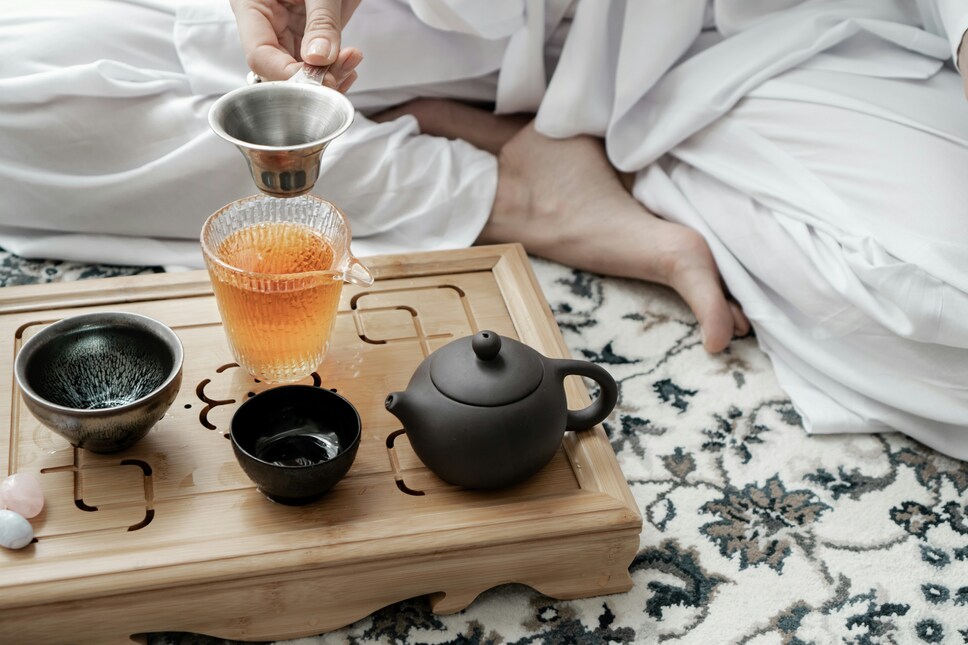
Brewing Japanese green tea is an art, but it's one you can easily master. The key is using lower water temperature and shorter steeping times. Using water that is too hot is a common mistake that will scorch the delicate leaves and make your cup bitter.
Here’s a simple guide:
- Choose Your Teaware: A small Japanese teapot, or kyusu, is ideal. For matcha, a bamboo whisk is essential to create that signature froth.
- Heat Your Water: For delicate teas like Gyokuro, use cooler hot water: 140-160°F (60-70°C). For most Sencha and Genmaicha, use 160-175°F (70-80°C). For Hojicha, you can use hotter water, around 195°F (90°C).
- Steep Smartly: For loose-leaf teas, steep for 45-60 seconds for the first infusion. For subsequent infusions, 15-30 seconds is plenty.
- Enjoy and Re-steep: High-quality Japanese teas are designed to be steeped multiple times. You'll notice the flavor evolving with each infusion.
Health Benefits and Modern Uses
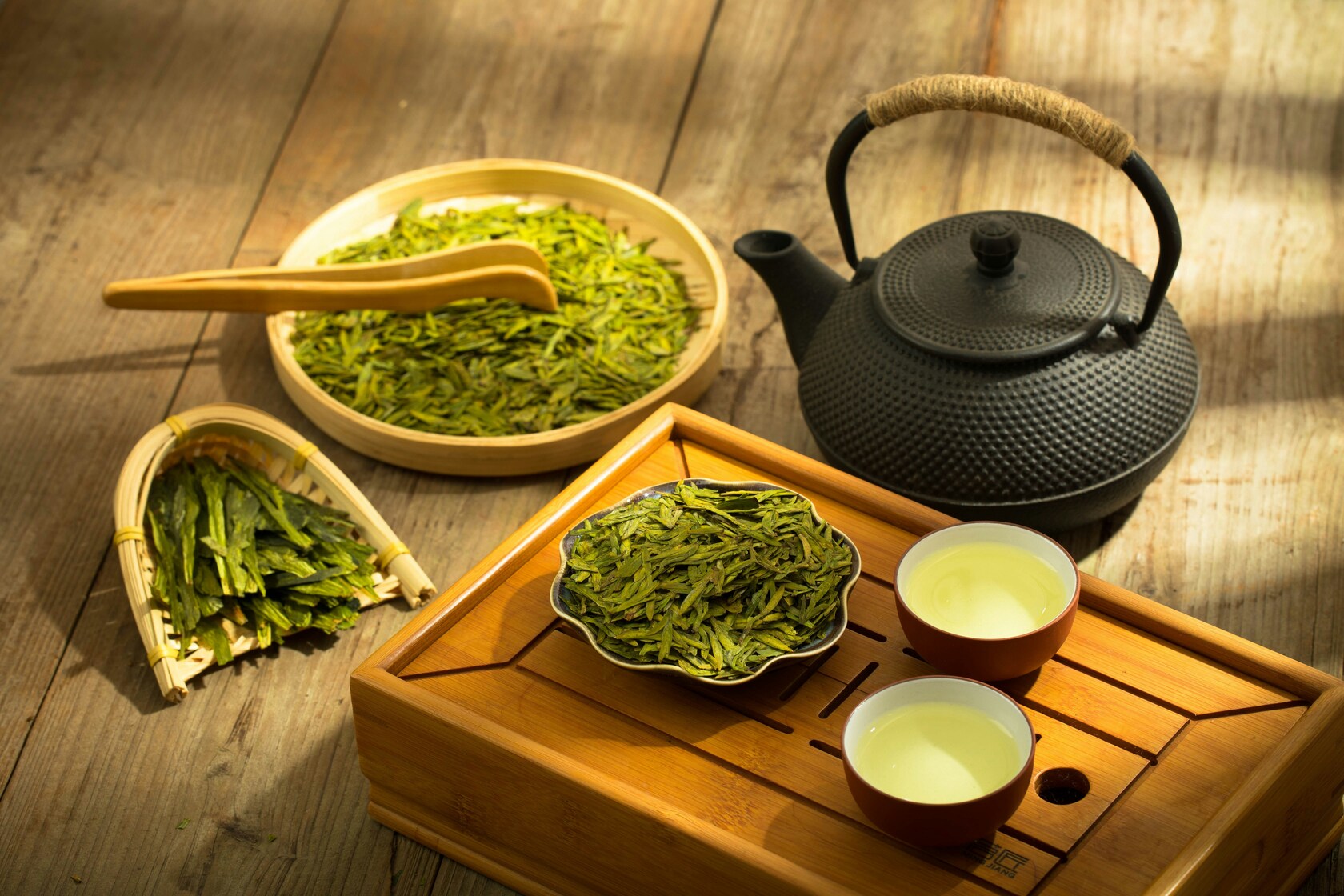
Japanese green teas are nutritional powerhouses. Because you consume the entire leaf when you drink powdered tea like matcha, you get all the nutrients. Even with steeped teas, the steaming process helps retain high concentrations of antioxidants, particularly catechins like EGCG, which are linked to benefits like improved blood circulation and support for weight loss. The shading process makes matcha and gyokuro contain even more catechins.
One of the most interesting components is L-theanine, an amino acid that promotes a state of "calm alertness." It works with caffeine to provide sustained energy without the jitters. Beyond the cup, these teas are a versatile ingredient in the kitchen, used in everything from matcha lattes to savory dishes and desserts. Even powdered sencha is gaining popularity as a culinary additive.
Ready to Expand Your Tea Horizons?
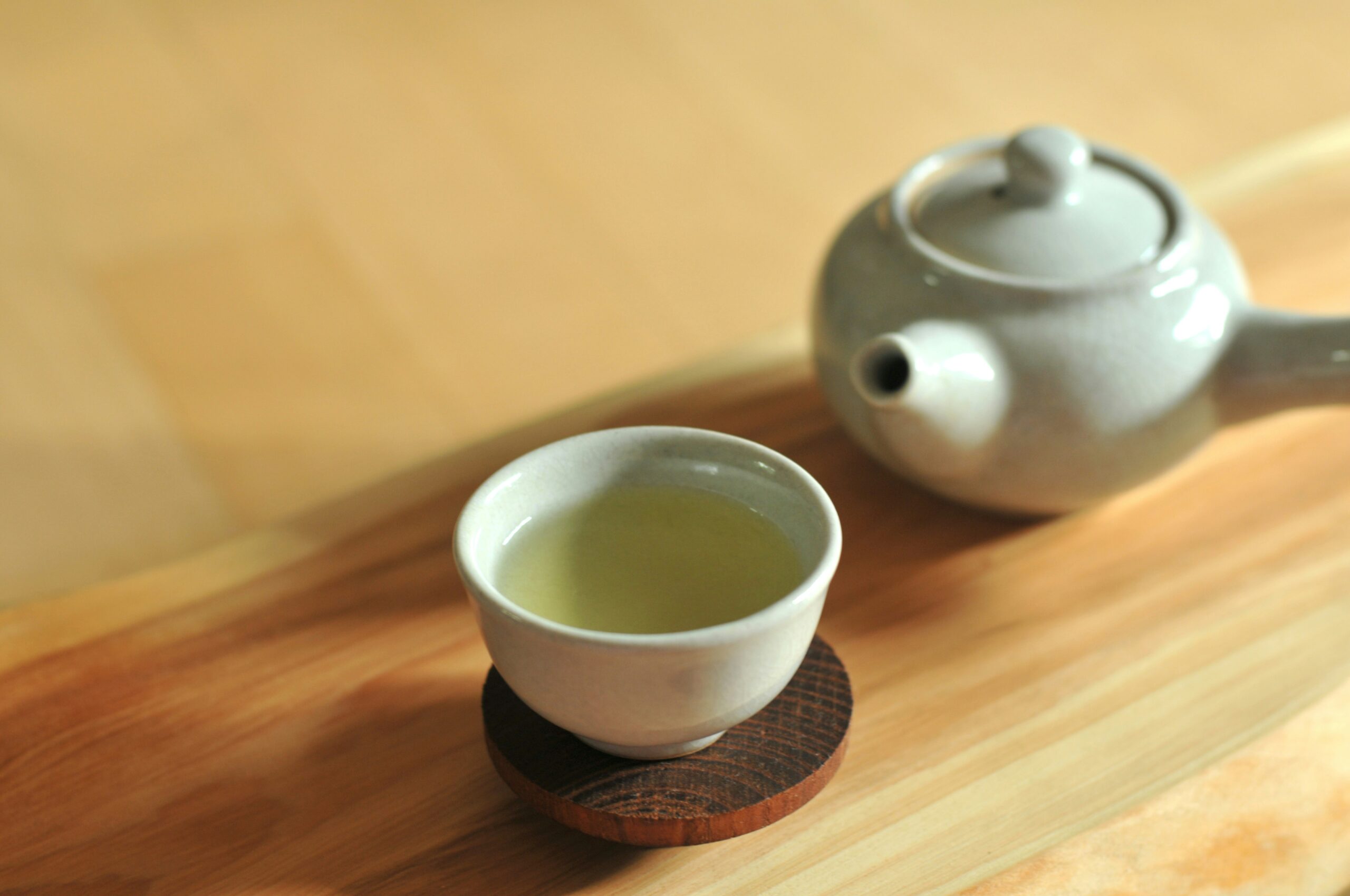
The world of Japanese green tea is a rich and rewarding one. While matcha takes the spotlight with its vibrant green color and creamy texture, it is just one chapter in a much larger story. By exploring the many Japanese green tea varieties, you connect with a deeper aspect of the country's tea culture and open your palate to an incredible spectrum of flavors.
As a starting point for your journey, try this path: begin with a comforting cup of genmaicha, then move to a quality sencha to understand the classic profile, and finally, treat yourself to gyokuro to experience umami in its purest form. Every sip is a journey, and with Japanese tea, there are so many wonderful places to go.

The Problem With “Single-Origin” Tea Obsession
There was a time when knowing where a tea came from was enough. Now, it sometimes feels as though we need to know everything. The mountain. The village. The garden. The harvest date. The particular plot where the leaves were grown. Single-origin tea has become a mark of quality in modern tea culture. The idea…
-
Where Singapore’s Tea Traditions Still Steep: Pek Sin Choon
The first thing I noticed was the smell. Not perfume, not incense. Something warmer and older than both. Roasted tea leaves, drifting out onto Mosque Street before I even reached the door. It’s the kind of smell that makes you slow your steps without knowing why. Pek Sin Choon has been on this corner of…
-
Not All Comfort Is Sweet: The Bitterness I Now Appreciate
I used to think comfort was supposed to be easy. A familiar drink. A familiar taste. Something that immediately made me feel better. For a long time, I gravitated towards teas that were gentle. Soft flavours. Natural sweetness. Anything that felt welcoming from the first sip. Then I started appreciating bitter teas. Not because I…
-
Understanding the Herb Behind the Refreshing Cup: Peppermint Tea
There is a moment, just after the hot water meets the fresh peppermint leaves, when the whole room seems to change. A sharp, green coolness lifts from the cup and settles somewhere behind your eyes. Drinking peppermint tea does this quietly, without fuss. It asks for nothing and offers a great deal. Most of us…
-
Why Most People Hate Oolong: Overcomplicated Advice Ruined It
I have always found it interesting that oolong tea is one of the most misunderstood teas. People often describe it as complicated. Too many varieties. Too many brewing methods. Too many rules. The leaves should be prepared this way. The water should be at this temperature. The teapot should be a certain material. The first…
-
Kempinski Singapore High Tea Review: When Afternoon Tea Feels Like an Occasion
The rain had come and gone by the time I arrived, leaving the street outside slick and quiet. I stepped in without knowing quite what I wanted from the afternoon. Only that I wanted it to be slow. The Lobby Lounge at The Capitol Kempinski Hotel Singapore does not rush you. It waits. And there…
-
Scent, Memory, and a Kettle: How Tea Anchors My Days
There are certain smells that bring us somewhere else before we even realise it. The scent of rain on warm pavement. A familiar perfume. The food someone used to make when we were younger. For me, tea belongs in that category. Sometimes, before I even take a sip, the aroma is enough to bring back…
-
The Chinese Yixing Teapot: More Than a Teapot, a Living Tea Tradition
The first time I held a Chinese Yixing teapot, I wasn’t ready for how warm it would feel. Small, reddish-brown, sitting in my palm like a river stone that had been kept somewhere warm. I’d just rinsed it with hot water, the way you’re supposed to before the first brew, and the clay drank up…
-
Your “Tea Sommelier” Might Be Selling You a Vibe, Not a Better Cup
There is a particular moment that has become increasingly familiar in modern tea culture. A tea is presented. Before the first sip, we are introduced to its story. The region. The altitude. The history. The carefully chosen words that describe its character. Perhaps there are notes of wildflowers, distant forests, roasted grains, or forgotten memories….
-
Does Tea Contain Caffeine? Understanding What’s Really in Your Tea
There’s a quiet moment many of us know well. The kettle clicks off. Steam curls up. You wrap your hands around a warm cup and feel your shoulders drop, just a little. Tea has always carried this sense of calm, of slowing down. So it can feel almost contradictory to ask: does tea contain caffeine?…