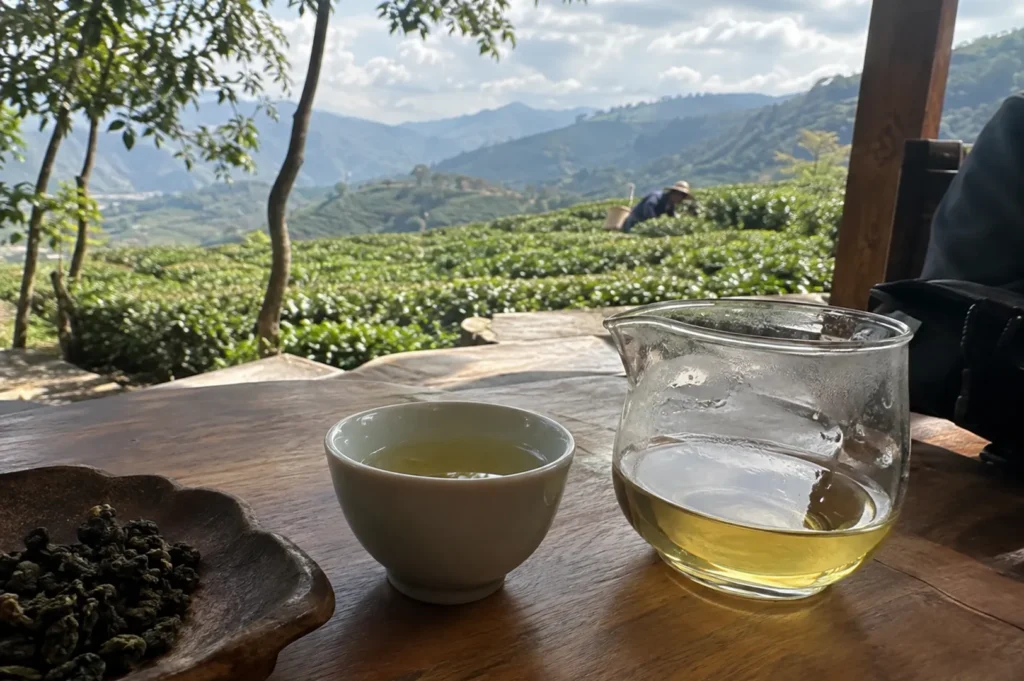
I have always been drawn to the word “artisan.”
Maybe because it creates a certain image in my mind.
Someone carefully working with their hands. Someone who knows their craft deeply. Someone preserving a tradition that has existed long before the rest of us discovered it.
When I see “artisan tea” on a label, I naturally want to believe there is a meaningful story behind it.
And often, there is.
But recently, I have found myself asking a slightly uncomfortable question.
Do we sometimes stop asking questions because the story already feels good enough?
The word “artisan” carries a lot of warmth. It makes us think of care, passion, and authenticity. It feels very different from something mass-produced.
But a beautiful story can still leave out important details.
Tea does not travel a short journey before reaching our cups.
There are farmers who grow the leaves. Workers who carefully harvest them. Producers who process and prepare them. People who package, transport, and bring them to us.
Yet when we talk about tea, we often focus on the final chapter.
The beautiful packaging.
The tasting notes.
The person introducing the tea.
We rarely think about the many hands involved before that moment.
This does not mean artisan tea is misleading. Many small tea producers are doing meaningful work. They preserve traditional methods, care deeply about quality, and deserve recognition.
But perhaps being a conscious tea drinker means looking beyond the words that make us feel comfortable.
“Small batch” sounds thoughtful.
“Handcrafted” sounds special.
“Traditional” sounds trustworthy.
But what do these words actually tell us?
Who grew the tea?
How were they supported?
Was the value of the final product shared fairly with the people who helped create it?
I think these questions do not take away from the beauty of tea. If anything, they make us appreciate it more.
Because tea is not just a story about leaves.
It is a story about people.
The farmer tending the plants. The worker handling the harvest. The producer preserving knowledge passed down through generations.
Perhaps the next time we pick up a tea with a beautiful story attached to it, we can appreciate the story while staying curious about the ones we cannot immediately see.
Because the most meaningful cups of tea are not only the ones made with care.
They are the ones connected to care at every step.
— Maria Tan
On tea, culture, and everyday rituals.

Does Diet Tea Work? Comparing Options for Safe and Effective Weight Management
The term diet tea has become one of the most searched phrases among people eager to lose weight naturally. For many, losing weight is the primary motivation behind trying these teas. Yet behind its popularity lies a maze of confusion. The market overflows with everything from authentic teas like green tea and oolong to questionable…
-
Does Green Tea Help To Lose Weight? The Role of Green Tea Extract, Drinking Green Tea, and Green Tea Preparations in Weight Management
For thousands of years, green tea has been revered in Asian cultures for its health-promoting properties. But can this ancient beverage actually help you lose weight, or is it just another overhyped health trend? The answer lies somewhere between the marketing hype and scientific reality. While green tea won’t magically melt away pounds overnight, decades…
-
Is Green Tea Caffeine? Everything You Need to Know
Green tea has long been celebrated for its health benefits and calming properties. It is a popular tea worldwide, known for its cultural significance and widespread consumption. Both green tea and black tea are made from the Camellia sinensis plant, also known as the tea plant. These teas come from the same plant, camellia sinensis,…
-
Is Green Tea Healthy? 7 Science-Backed Advantages of Green Tea
Is green tea healthy? The short answer is a resounding yes. For thousands of years, this beverage from the Camellia sinensis plant has been celebrated not only for its soothing taste but also for its numerous health benefits. Modern research continues to validate what tradition long suggested: drinking green tea regularly offers powerful advantages for…
-
The Complete Guide to Drinking Green Tea: Health Benefits, Brewing Techniques, and Cultural Traditions
For over 4,000 years, drinking green tea has been more than just a beverage choice-it’s been a pathway to wellness, mindfulness, and cultural connection. A cup of green tea offers a range of possible health benefits, supported by a growing body of scientific research exploring green tea benefits. Today, drinking green tea has become one…
-
Butter Tea Nutrition: Survival Through Tea in High Altitudes
Imagine waking up to a world where the air is thin and every breath feels like an effort. The wind outside is sharp, cutting across snow-covered peaks that stretch endlessly toward the sky. This is life at high altitudes-where the human body must constantly adapt to reduced oxygen levels, cold climatic conditions, and intense physical…
-
From Street Corners to Family Homes: The Social Geography and Cultural Significance of Indian Chai Culture
The air hangs thick with the sweet, spicy aroma of cardamom, ginger, and cloves mingling with the robust scent of boiling black tea and milk. The rhythmic clinking of glass against metal, the hiss of the gas stove, and the low hum of conversation create a familiar soundtrack. This is the sensory world of Indian…
-
Seasonal Aesthetics in the Korean Tea Ceremony: Reflecting Nature’s Rhythm and Subtle Beauty
Imagine sitting in a quiet, sunlit hanok-a traditional Korean house-its polished wooden floors warm beneath you. Before you rests a simple tea tray adorned with earthenware cups and a graceful teapot, each featuring intricate designs that showcase the detailed craftsmanship and artistry of Korean teaware. Outside, a soft breeze carries the aroma of blossoming flowers….
-
The Samovar’s Role in Russian Tea Culture: How This Unique Device Shaped Russian Tea Tradition
Picture a cozy room in the heart of a Russian winter, snow blanketing the world outside. Inside, at the center of a family table, stands a gleaming metal urn, steam gently puffing from its chimney. This is the samovar-the traditional self-boiler that has shaped Russian tea culture for centuries. More than a tool to heat…
-
The Art of Pouring: Height, Froth, and Hospitality in Moroccan Tea Service
Imagine this: you’re seated on low cushions in a Marrakech riad, surrounded by patterned tiles and the scent of spices wafting through the air. Your host approaches with a polished silver teapot, or berrad, holding it high above a small glass. A thin stream of steaming green tea flows gracefully, landing perfectly in an ornate…