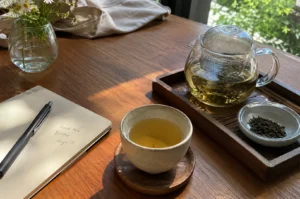
I recently saw a photograph of a tea session online that looked almost too perfect.
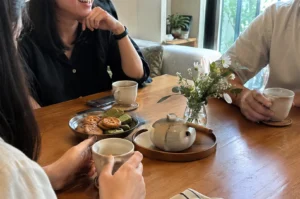
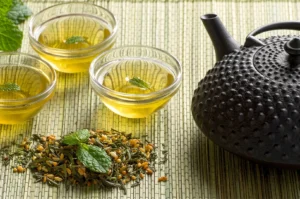
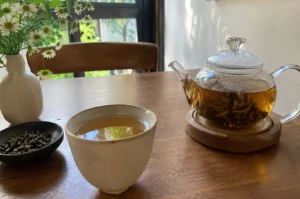
The teapot sat neatly on a polished tray. The cups were aligned in a way that suggested someone had carefully adjusted them, perhaps more than once. A small branch of flowers leaned gently toward the tea set as if it had been placed there with the camera in mind.
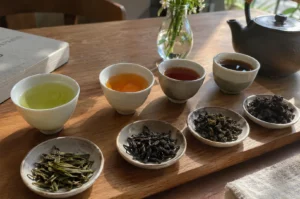
The tea itself was a luminous shade of green.
For a moment I simply admired the image. It was beautiful. Calm. Almost meditative.
And yet I caught myself wondering something slightly uncomfortable.
Did anyone actually drink the tea?
It is a strange question to ask, I know. But if you spend enough time observing modern tea culture online, you start to notice something interesting. Many tea sessions today seem designed for the photograph first, and the tea second.
The tray is arranged.
The lighting is checked.
The cups are positioned.
Then the camera comes out.
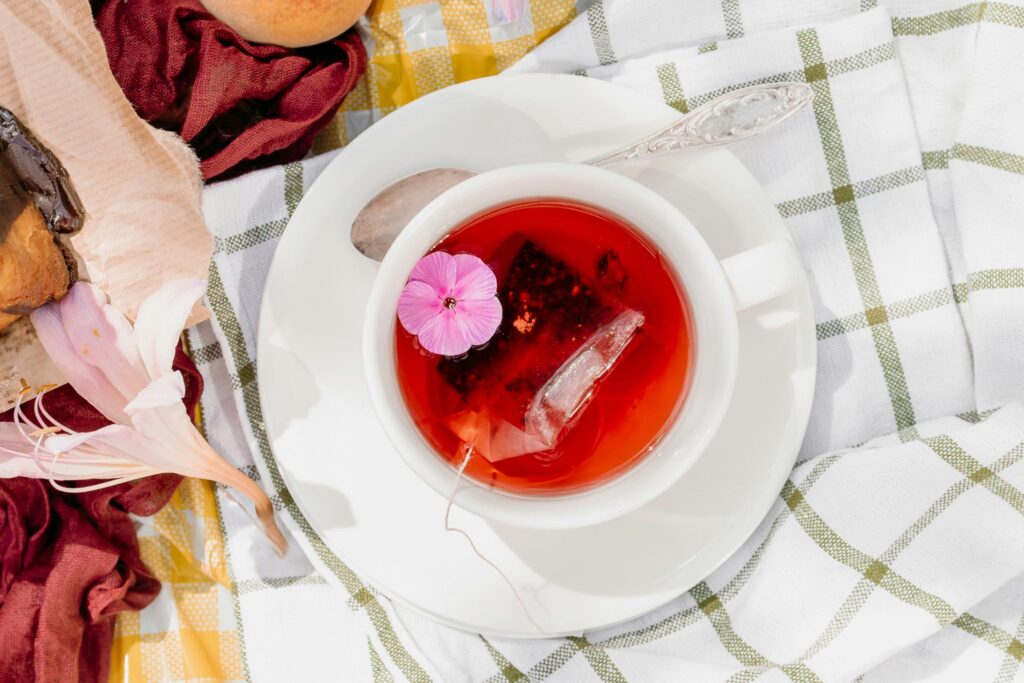
Now, I am not against beautiful tea setups. Tea has always had a visual dimension to it. In many traditional tea gatherings, the surroundings matter. A simple flower arrangement, the choice of tea ware, even the placement of the cups can influence the mood of the moment.
But those details were never the main event.
They were the background.
Tea itself was always the centre of attention.
What I find curious today is how easily the priorities can shift. A tea session begins to resemble a small performance. The tea is poured slowly, not because anyone is waiting to drink it, but because the movement looks elegant in a short video.
Sometimes the tea is poured again, and again, until the camera captures the right shot.
And only after that does anyone take a sip.
Perhaps this is simply how modern culture works. We document everything now. A meal, a sunset, a cup of tea. It feels natural to share these moments with others.
But tea has always offered something that does not translate easily through a screen.
Tea is about presence.
It is about the quiet pause between pouring and tasting. It is about the subtle shift in conversation when a warm cup appears in someone’s hands. It is about the way a room feels when people sit together with no urgency to leave.
None of those things photograph particularly well.
They are felt rather than seen.
And maybe that is the quiet charm of tea that we risk overlooking. Tea does not need to look perfect to be meaningful. In fact, some of the most memorable cups are the ones that happen without any planning at all.
A slightly mismatched cup.
A kettle that whistles louder than expected.
Tea leaves that steep a little longer than intended.
And yet the tea still tastes good.
Sometimes better, even.
So the next time we prepare tea, perhaps there is no need to worry about whether it will look beautiful enough to share online.
The tea does not care about the photograph.
It only asks that we sit down, pour the water, and take a moment to enjoy it.
— Maria Tan
On tea, culture, and everyday rituals.

Green Tea Obsession Is Overrated: The Case for Deeper, Darker Teas
I have a feeling green tea has become the tea we’re all supposed to love. It’s everywhere. Wellness conversations, morning routines, skincare trends, and those beautiful matcha drinks that somehow make an ordinary afternoon look more interesting. And honestly, I get it. Green tea can be wonderful. Fresh, grassy, sometimes sweet. But I’ve started wondering…
-
The Ginger-Laced Tea Worth Knowing: Teh Halia
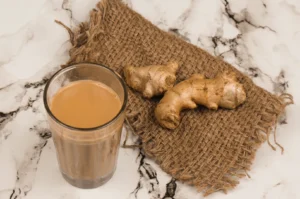
Some drinks reach you before the cup does. At a drinks stall or coffee shops across Southeast Asia, the scent of brewed loose leaf tea or tea bags and sweetened condensed milk is usually in the air. But every so often, something sharper cuts through it, warm and a little peppery, freshly grated young fresh…
-
Stop Treating Pu-erh Like Crypto: Collecting Isn’t the Same as Enjoying
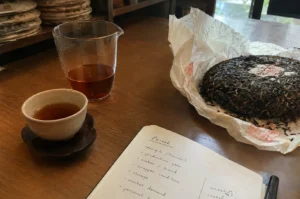
Stop Treating Pu-erh Like Crypto: Collecting Isn’t the Same as Enjoying There is something peculiar about buying tea that we have no intention of drinking. We examine its origin. We study the production year. We consider the reputation of the maker, the condition of the wrapper, and whether the tea might become more valuable in…
-
How to Order Tea in Singapore: A Quiet Guide to Kopi and Teh
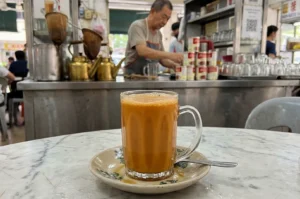
The order is often over before you notice it began. A few syllables are spoken across the counter. There is no menu consulted, no pause, no follow-up question. The drinks uncle nods, reaches for a tin, and a few moments later a glass of tea arrives: milky, sweet, and exactly what was asked for. To…
-
Tea as Hospitality: The Small Gestures That Make a Home
Tea as Hospitality: The Small Gestures That Make a Home I think we sometimes make hospitality sound more complicated than it needs to be. A beautifully arranged dining table. Matching plates. Fresh flowers. Something impressive coming out of the oven just as everyone arrives. All lovely things, of course. But when I think about the…
-
Genmaicha Green Tea: The Unexpected Marriage of Rice and Leaves in Japanese Green Tea
Some teas announce themselves before the cup reaches the lips. The water goes in, and almost at once the air changes. The scent is not grassy or floral but toasted, something like rice left a moment too long in a dry pan. Look into the cup and a few small grains may drift near the…
-
Tea Snobs Made Brewing Hard—So I’m Making It Simple Again
Tea Snobs Made Brewing Hard—So I’m Making It Simple Again There was a time when I thought I was making tea incorrectly. The water was probably too hot. The leaves were probably wrong. The pot was certainly not the right one. At least, that was what I had been led to believe. Tea culture can…
-
The Leaf That Waits in the Dark: Understanding Gyokuro Tea
Anyone who has waited at a bus stop at midday in Singapore knows how much shade matters. You step under the roof, the glare softens, and everything slows down a little. Tea plants respond to shade too, though in their own way. In parts of Japan, farmers deliberately cover their tea bushes in the weeks…
-
What “Quality” Really Means (To Me) When Choosing Tea
I used to think choosing good tea meant knowing what to look for. The right origin. A respected producer. Beautiful leaves. A good harvest. Maybe even a price tag that made me think, “This must be worth it.” Over time, I realised I was making tea shopping much harder than it needed to be. Because…
-
Tea Cocktails: The Rise of Tea-Infused Mixology in Modern Bars
Tea usually arrives quietly. Steam rising from a pot, a cup set down on a saucer, the scent of roasted tea leaves or jasmine drifting across a kitchen table. A cocktail bar keeps a different rhythm. The light is low, the glassware is chilled cocktail glass, and ice rattles sharply in a cocktail shaker. Yet…