Let's be honest, when you hear "Japanese green tea," your mind likely pictures a vibrant, frothy bowl of matcha. From trendy matcha lattes in every café to ice cream and desserts, matcha has become the undisputed global face of Japanese tea culture. And for good reason! It’s a delicious, versatile ingredient with numerous health benefits. But what if focusing only on matcha means you're missing out on a hidden world of other types of exquisite Japanese green tea?
There is a vast, fascinating landscape of Japanese tea waiting to be discovered, each with a unique story of its origin, processing, and flavor. This article is your personal invitation to step beyond the familiar matcha powder and explore the diverse world of authentic Japanese tea. We'll cover everything from everyday favorites to rare, premium gems, and even how to brew the perfect cup.
The Ancient Roots of Japanese Tea Culture
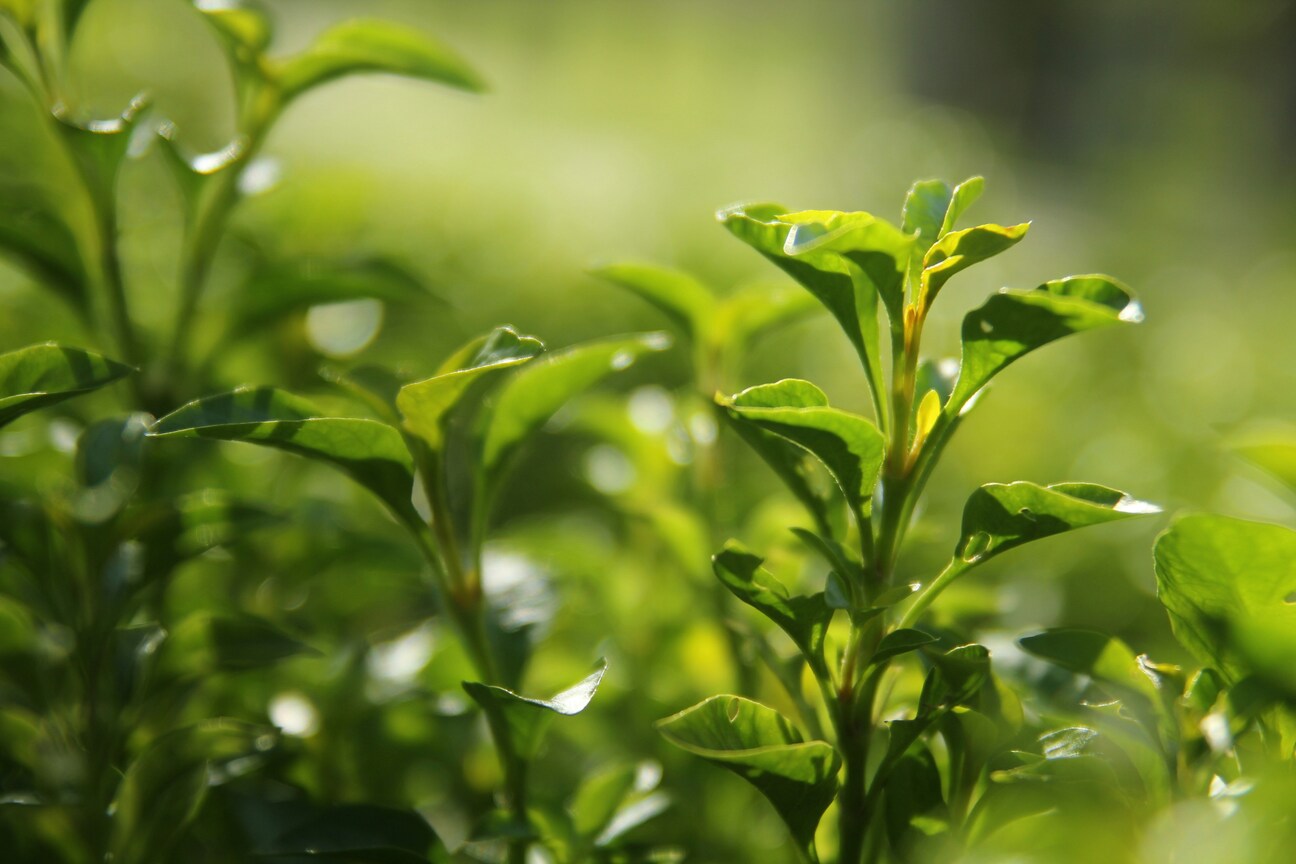
The story of tea in Japan began over a thousand years ago when Buddhist monks, returning from China, brought with them seeds from the Camellia sinensis plant. Initially, this powdered tea was a precious commodity used in religious rituals and enjoyed by the elite. Over centuries, however, tea integrated itself into the fabric of everyday life, evolving into a cornerstone of Japanese hospitality and aesthetics.
So, what makes Japanese green tea processing unique? The key difference is steam. Most Japanese tea leaves are briefly steamed after harvesting to halt oxidation. This critical "kill-green" step preserves the leaves' vibrant green color and locks in the fresh, vegetal, and sometimes marine-like flavors that tea lovers cherish. This method contrasts with many Chinese green teas, which are typically pan-fired, resulting in a toastier, nuttier profile.
This reverence for freshness is central to the Japanese tea philosophy. Terroir is also vital; a tea from the misty mountains of Uji will taste completely different from one grown in the sun-drenched fields of Kagoshima. This deep respect for the tea plant culminates in the chanoyu, the traditional tea ceremony. More than just a method of preparation, the Japanese tea ceremony is a mindful practice involving seasonal flowers and precise movements, celebrating the profound connection forged over a shared bowl of tea. Tea ceremonies are a testament to the drink's cultural significance.
Japanese Green Tea Varieties
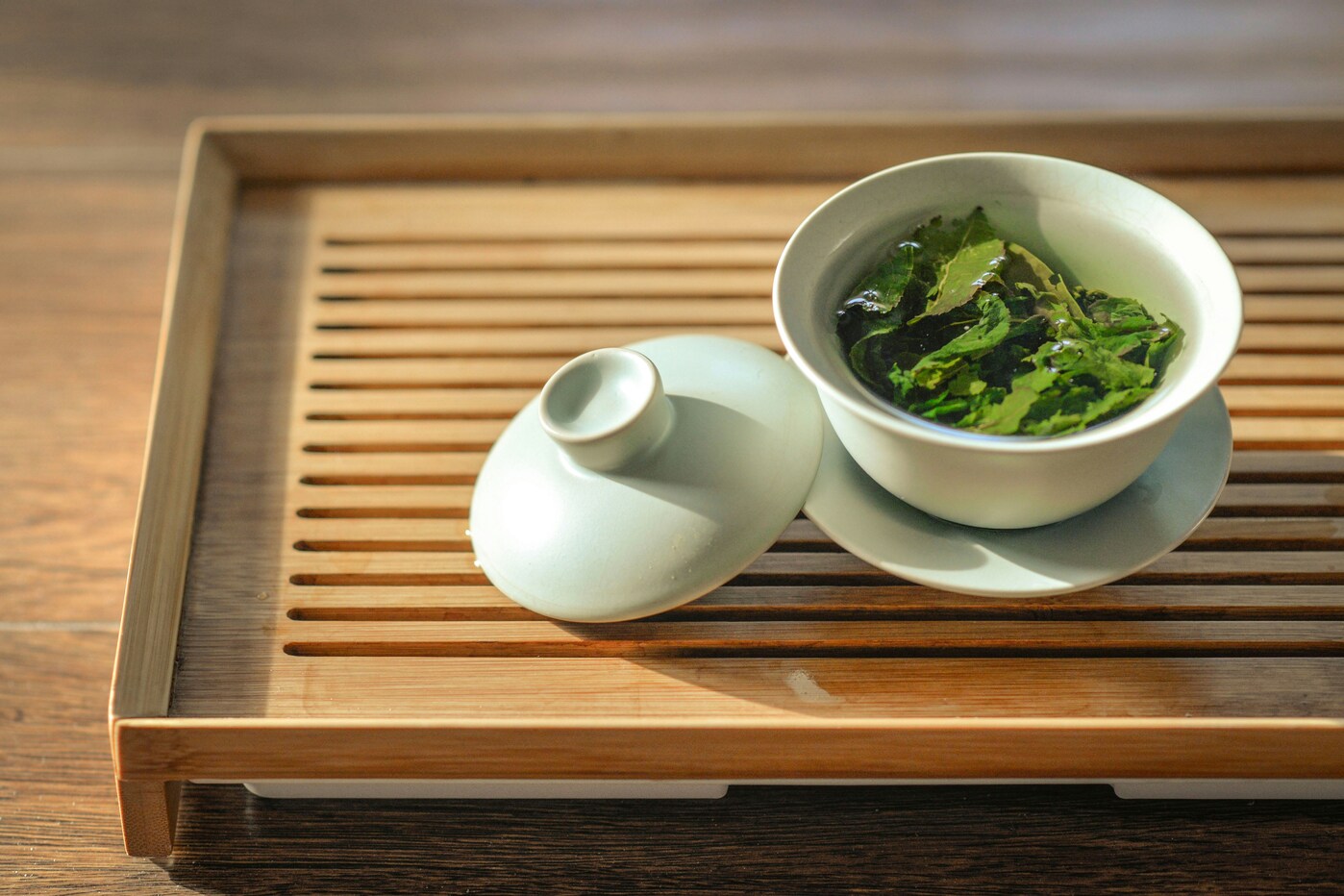
These are the workhorses of the Japanese tea world. They are enjoyed daily in homes, offices, and sushi restaurants across Japan, offering a delightful and accessible entry point for any new tea explorer looking to expand their daily routine.
Sencha: The Most Popular Green Tea
If Japan had a national beverage, sencha would be it. Accounting for the majority of tea produced in the country, this is the quintessential Japanese green drink. After the green tea leaves are steamed, they are rolled into their characteristic needle-like shape and dried. The flavor can vary greatly depending on the region and harvest time, but a good cup of sencha typically offers a refreshing taste with a balance of subtle sweetness, gentle astringency, and a savory, grassy aroma often described as umami. It's the perfect daily companion.
Bancha: The Humble Everyday Brew
Think of bancha as sencha's rustic, down-to-earth cousin. It's harvested from the same tea bushes but later in the season, resulting in larger, tougher bancha leaves. This gives the tea a more robust, earthy flavor with lower caffeine and a less delicate profile. It's a fantastic, budget-friendly choice for an everyday tea that you can drink throughout the day without a second thought.
Genmaicha: A Unique Combination of Flavors
Have you ever had a tea that tasted like popcorn? If so, you've likely tried genmaicha. This unique tea blends green tea leaves with roasted rice. Historically known as the "people's tea" because the brown rice acted as a filler to make it more affordable, it has since become a beloved classic. The result is a comforting, nutty, and savory brew with a wonderful roasted aroma that warms the soul. Its unique flavors make it an increasingly popular choice worldwide.
Hojicha: The Comforting Roasted Green Tea
Hojicha breaks all the rules of what you might expect from a green tea. Instead of just being steamed and dried, the leaves (and sometimes stems) undergo a final roasting process over charcoal. This transforms the leaves to a reddish-brown color and gives the roasted green tea a toasty, nutty, and almost coffee-like flavor with virtually no bitterness. The roasting also significantly reduces the caffeine content, making hojicha a perfect evening drink.
Discovering Premium Japanese Green Teas
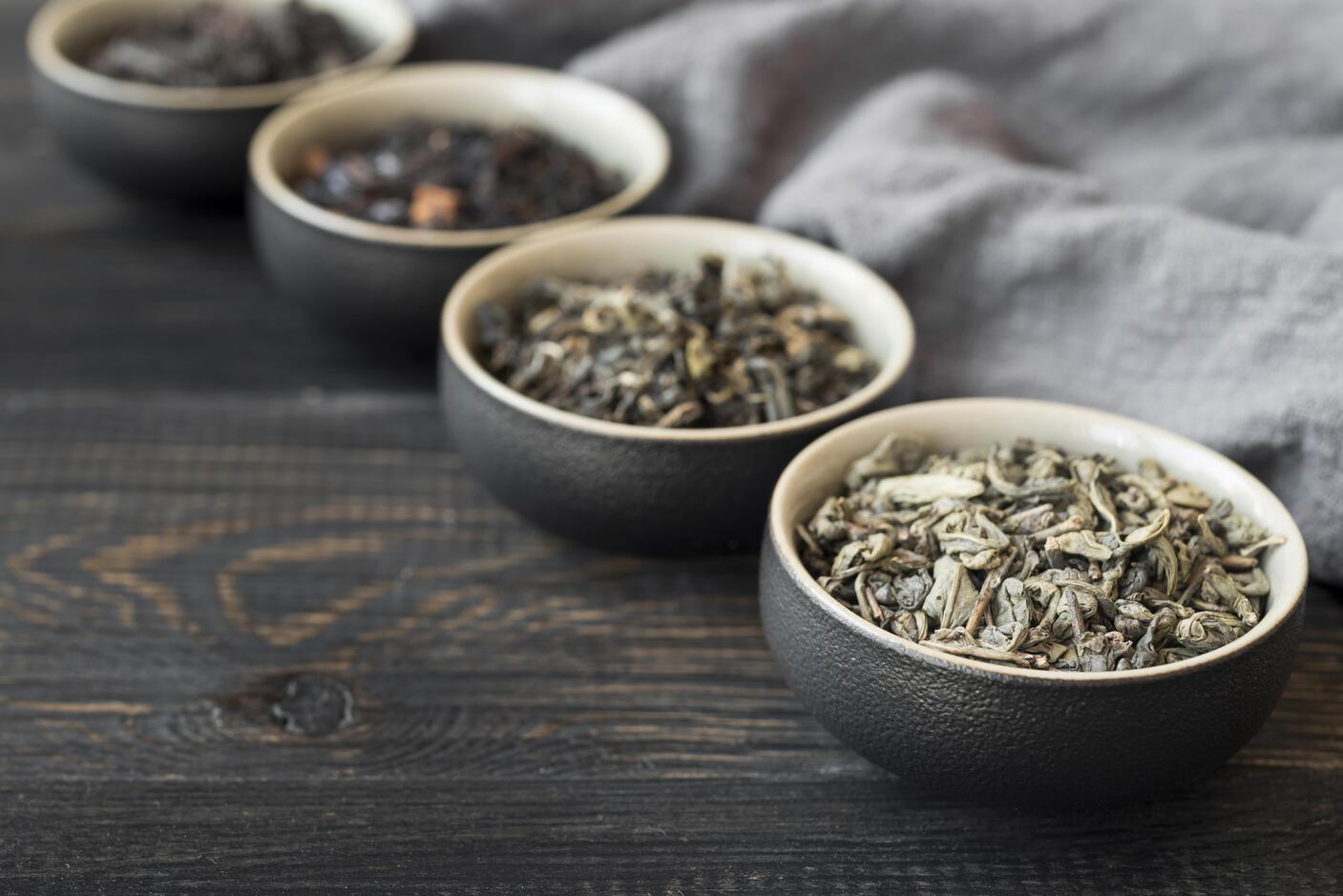
For those special moments or when you want to treat your palate, these premium aromatic teas showcase the pinnacle of Japanese craftsmanship. Their unique production methods result in extraordinary unique flavors and textures.
Gyokuro: The Shaded Jade Dew
Known as "jade dew," gyokuro is one of Japan's most prized and luxurious teas. The magic happens before the sencha leaves are even plucked. For about three weeks prior to harvest, the tea plants are shaded from direct sunlight. This forces the plant to produce more chlorophyll and L-theanine, resulting in leaves that are a deep, dark green. When brewed, gyokuro has an incredibly rich, brothy, and creamy texture with a profound, sweet umami flavor and almost no astringency. The careful process is what makes matcha and gyokuro so special.
Kabusecha: The Best of Both Worlds
If gyokuro and sencha had a child, it would be kabusecha. The name means "shaded tea," and it sits comfortably in the middle ground. The tea bushes are shaded for a shorter period than for gyokuro (usually one to two weeks). This gives the tea a wonderful balance—it has some of the savory umami of gyokuro but retains the refreshing, brisk character of a high-quality sencha.
Tamaryokucha: The Coiled Green Tea
While most Japanese green teas are rolled into straight needles, tamaryokucha stands out with its curly, comma-like shape. This shape comes from omitting the final fine-rolling step of sencha production. This minor change results in a tea that is less astringent and has a bright, citrusy, and almond-like flavor profile. It's a delightful change of pace from the classic sencha.
Shincha: The First Taste of Spring
Shincha, meaning "new tea," isn't a different type of tea but rather a celebration of the very first harvest of the year. These are the youngest, most tender leaves, packed with all the nutrients and vibrant flavor after the plant's winter dormancy. Shincha is prized for its remarkable freshness and sweet, vegetal taste. It's a seasonal treat that tea lovers eagerly await each spring. These premium teas command higher prices due to the labor-intensive cultivation and limited quantities produced.
Exploring Specialty and Regional Teas
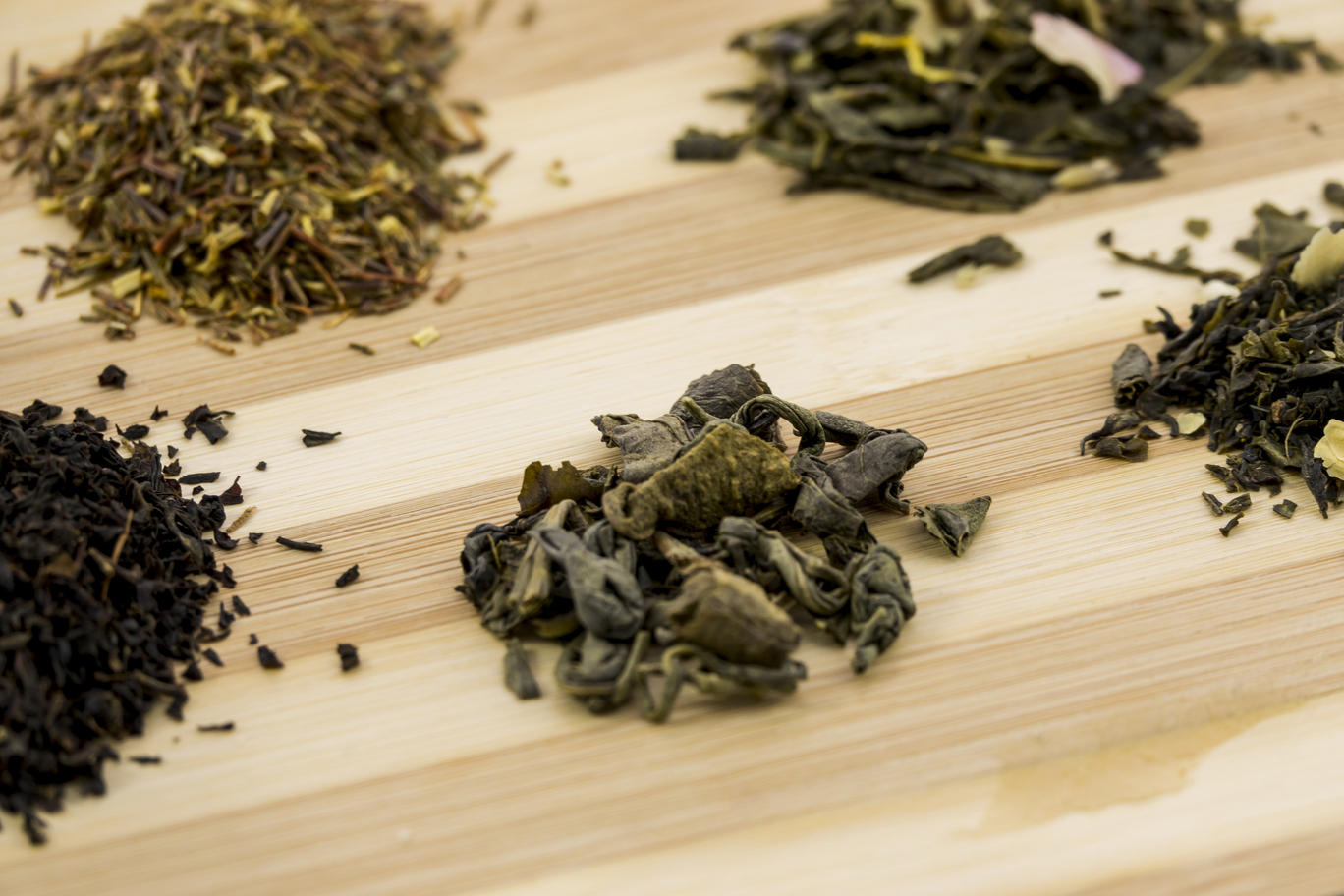
Dig a little deeper, and you'll find an incredible array of other teas that defy standard categorization.
Kamairicha and Kukicha
A rare find, kamairicha is a pan-fired Japanese green tea. Instead of being steamed, the leaves are tossed in hot iron woks, resulting in a less grassy and more roasted, nutty flavor. For a different experience, kukicha, or "twig tea," is made from the stems and leaf veins sorted out during sencha production. Naturally low in caffeine, it has a mild sweetness and creamy texture.
Regional Stars of Japanese Tea
Just like wine, Japanese tea is all about location. Here are a few key regions:
- Uji (Kyoto): Considered the historical birthplace of tea in Japan, Uji is famous for producing the highest quality matcha and gyokuro. Teas from this region are known for their elegance and deep umami.
- Shizuoka Prefecture: Situated near Mt. Fuji, Shizuoka is the largest tea-producing region. It is famous for its sencha, which has a classic, well-balanced flavor.
- Kagoshima: Located on the southern island of Kyushu, this region's warm climate allows for multiple harvests. It is known for producing a wide variety of excellent teas with a rich, full-bodied character.
You can often find these specialty and regional teas at dedicated online tea retailers that provide detailed information about the tea's origin and harvest date.
How to Brew the Perfect Cup
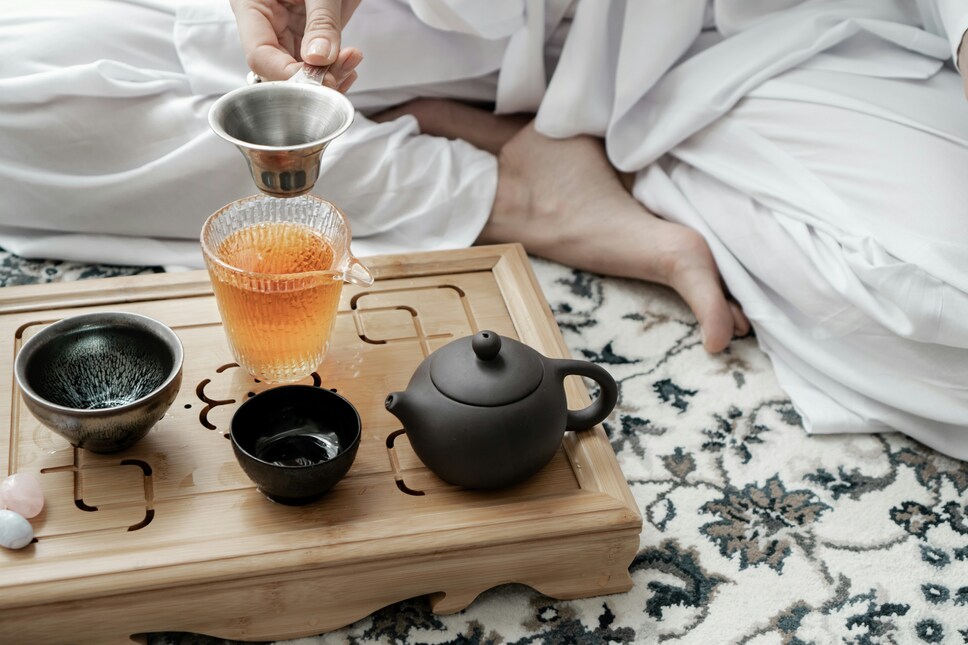
Brewing Japanese green tea is an art, but it's one you can easily master. The key is using lower water temperature and shorter steeping times. Using water that is too hot is a common mistake that will scorch the delicate leaves and make your cup bitter.
Here’s a simple guide:
- Choose Your Teaware: A small Japanese teapot, or kyusu, is ideal. For matcha, a bamboo whisk is essential to create that signature froth.
- Heat Your Water: For delicate teas like Gyokuro, use cooler hot water: 140-160°F (60-70°C). For most Sencha and Genmaicha, use 160-175°F (70-80°C). For Hojicha, you can use hotter water, around 195°F (90°C).
- Steep Smartly: For loose-leaf teas, steep for 45-60 seconds for the first infusion. For subsequent infusions, 15-30 seconds is plenty.
- Enjoy and Re-steep: High-quality Japanese teas are designed to be steeped multiple times. You'll notice the flavor evolving with each infusion.
Health Benefits and Modern Uses
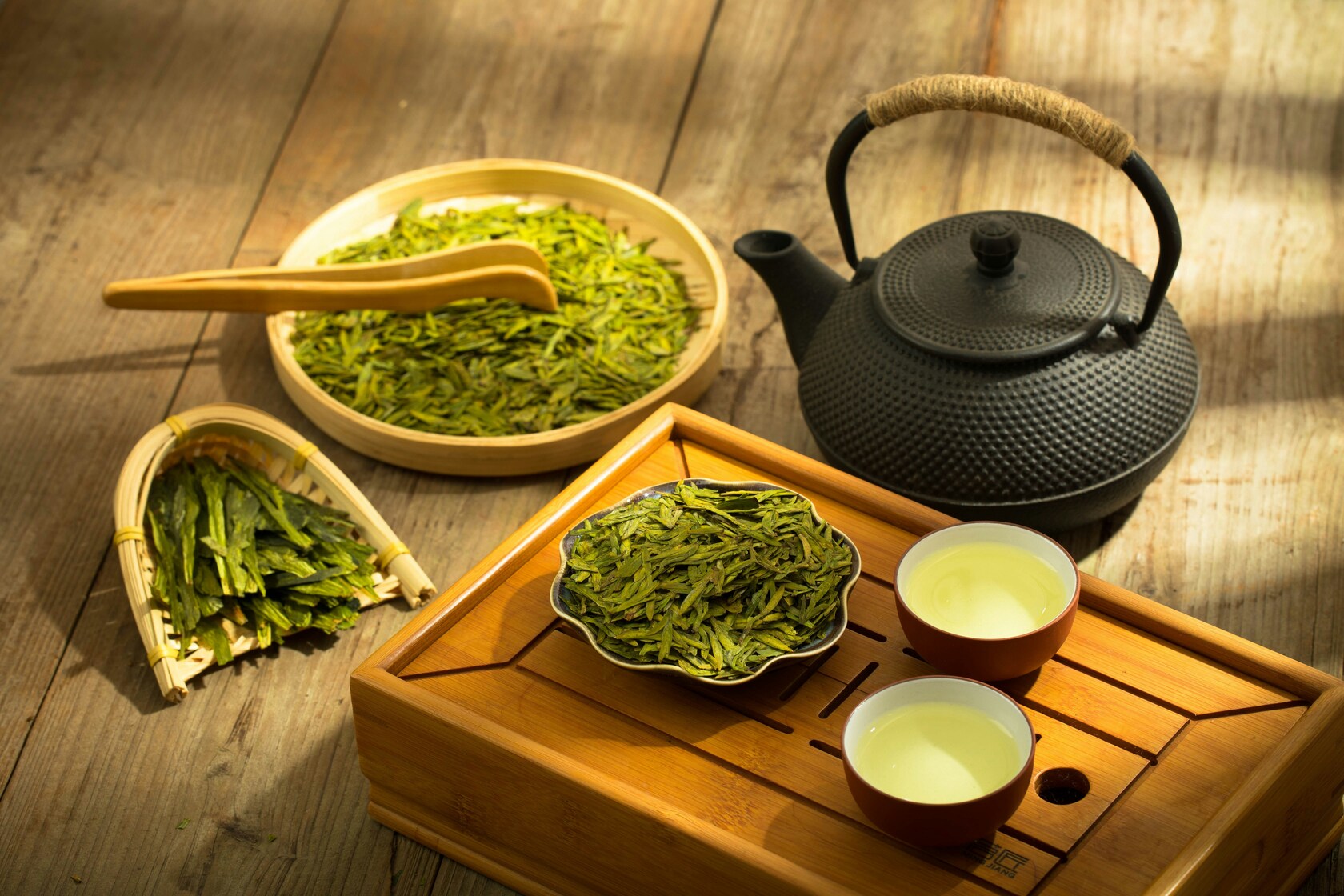
Japanese green teas are nutritional powerhouses. Because you consume the entire leaf when you drink powdered tea like matcha, you get all the nutrients. Even with steeped teas, the steaming process helps retain high concentrations of antioxidants, particularly catechins like EGCG, which are linked to benefits like improved blood circulation and support for weight loss. The shading process makes matcha and gyokuro contain even more catechins.
One of the most interesting components is L-theanine, an amino acid that promotes a state of "calm alertness." It works with caffeine to provide sustained energy without the jitters. Beyond the cup, these teas are a versatile ingredient in the kitchen, used in everything from matcha lattes to savory dishes and desserts. Even powdered sencha is gaining popularity as a culinary additive.
Ready to Expand Your Tea Horizons?
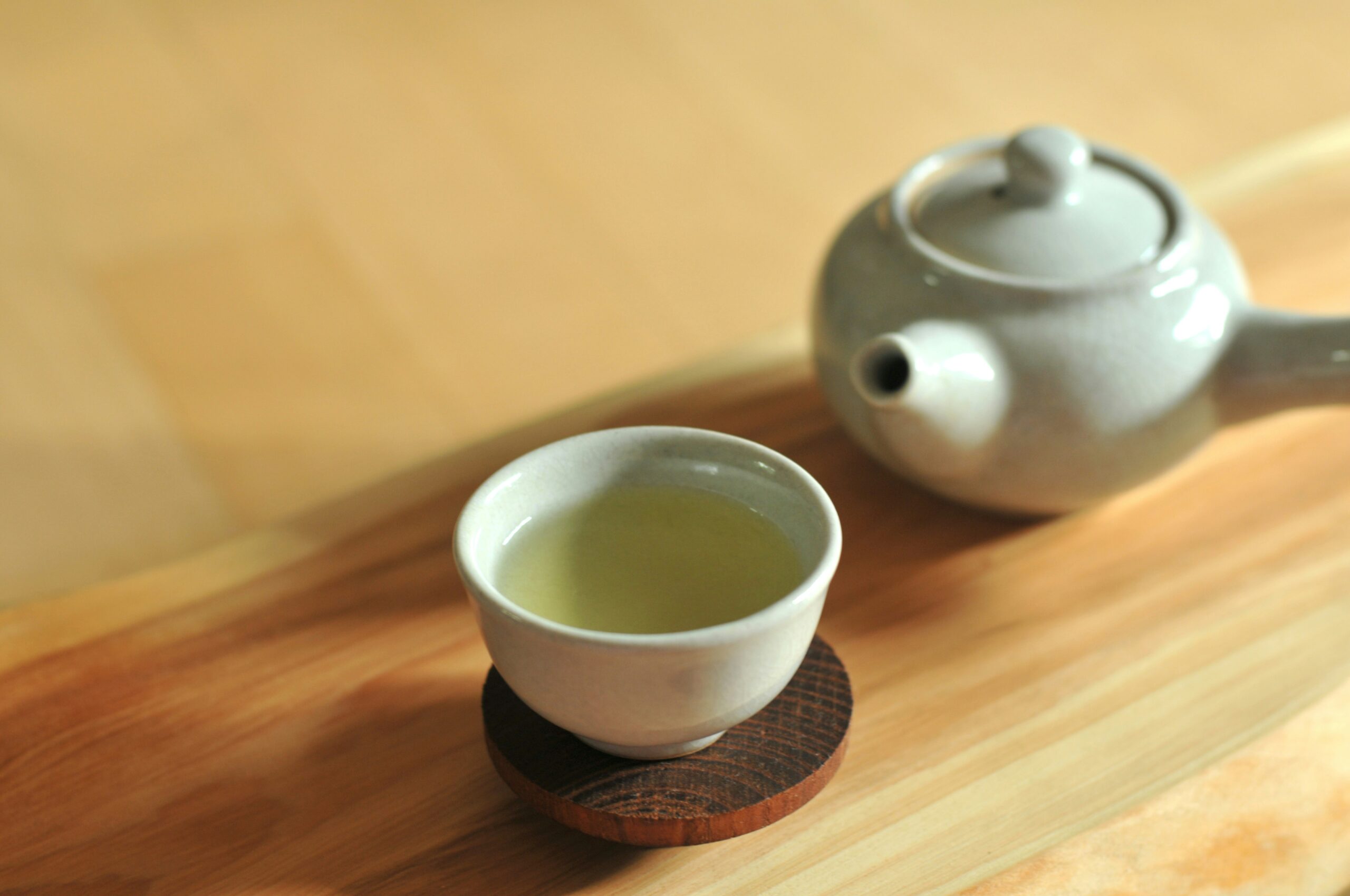
The world of Japanese green tea is a rich and rewarding one. While matcha takes the spotlight with its vibrant green color and creamy texture, it is just one chapter in a much larger story. By exploring the many Japanese green tea varieties, you connect with a deeper aspect of the country's tea culture and open your palate to an incredible spectrum of flavors.
As a starting point for your journey, try this path: begin with a comforting cup of genmaicha, then move to a quality sencha to understand the classic profile, and finally, treat yourself to gyokuro to experience umami in its purest form. Every sip is a journey, and with Japanese tea, there are so many wonderful places to go.

Maybe Your Favourite Tea Is Not Your Best Tea
I have a tea sitting in my cupboard that I would never call my “best” tea. It is not the rarest. It is not the most expensive. It does not come with an impressive story about ancient tea trees, remote mountains, or a limited harvest. And yet, I drink it more often than almost anything…
-
Clipper Tea Review: Does the Packaging Match the Pour?
There’s a box of Clipper Tea that’s lived in my cupboard longer than most of my mugs. I didn’t plan to buy it. I was standing in the tea aisle, tired, half-decided on something familiar, when the colour caught me. Bright, cheerful, a little hand-drawn looking. So I brought it home. And I’ve been drinking…
-
Hear Me Out, Tea Does Not Need to Be Serious All the Time
There is something I have noticed about tea culture. We take tea very seriously. Perhaps too seriously. We discuss origins, processing methods, brewing temperatures, and the history behind every leaf. We debate whether a tea should be enjoyed in a certain way. We carefully consider the correct vessel, the right water, and the ideal environment….
-
Red Bush Tea: The Tea That Does Not Need to Shout
There is a red pot in my mother’s kitchen that only comes out in the evening. By then the coffee has done its work and gone quiet. The day has loosened. She fills the kettle, drops in a spoonful of something the colour of dried autumn, and lets it sit while she tidies the last…
-
Hear Me Out: High Tea Is Overrated
Hear me out: high tea is one of the most convincing ways we have found to make snacking feel important. I understand the appeal. The room is polished, the cups are delicate, and everything arrives in miniature. There is something satisfying about sitting down in the middle of the afternoon and behaving as though time…
-
Where Tea Is Given Time to Speak: Anteasocial Review
I almost walked past it. Owen Road Singapore doesn’t announce much. A quiet stretch, low buildings, the kind of road you pass through on the way to somewhere louder. Then there it was, unassuming, just numbers on a wall: 117. Anteasocial is a contemporary Oriental specialty teahouse in Singapore, and if you’re looking for a…
-
A Table Set for Stillness: Inside Antea Social’s Quiet Tea Ritual
Luxury usually announces itself before we have time to question it. It arrives through marble lobbies, silver stands and tiny sandwiches placed in strict formation. Antea Social offers a quieter argument. This is not afternoon tea in the familiar hotel sense. There is no grand procession of pastries or waiter lifting a polished lid. Instead,…
-
9 High Tea in Orchard Places for Scones, Tea, and a Quiet Afternoon
There is a particular kind of tiredness that comes from Orchard Road. Not the tiredness of a hard day, but the softer sort, the ache of too many shopfronts, too much bright glass, too many people moving faster than you feel like moving. And somewhere in the middle of all that, if you know where…
-
High Tea Orchard: Why the City Still Does It Best
It is easy to dismiss high tea in Orchard as an expensive pause between shopping bags. The tiered stands are photogenic, the hotel lounges polished, and the prices increasingly difficult to defend. ome scones arrive dry. Some savouries feel like banquet food made miniature. Some desserts are designed more for cameras than appetite. Still, Orchard…
-
McDonald’s Queensway Ridout Tea Garden Review: What It Is Like Dining in a Heritage Setting
I did not expect to find quiet at a McDonald’s Queensway Ridout Tea Garden outlet. But there I was, standing outside the McDonald’s outlet at 580 Queensway, listening to the water instead of the traffic. A much loved pond sat just beyond the glass, surrounded by stone lanterns and trees leaning over it. Somewhere behind…