I have nothing against drinking dessert through a straw.
Actually, I think it’s one of the more enjoyable things about modern bubble tea culture.
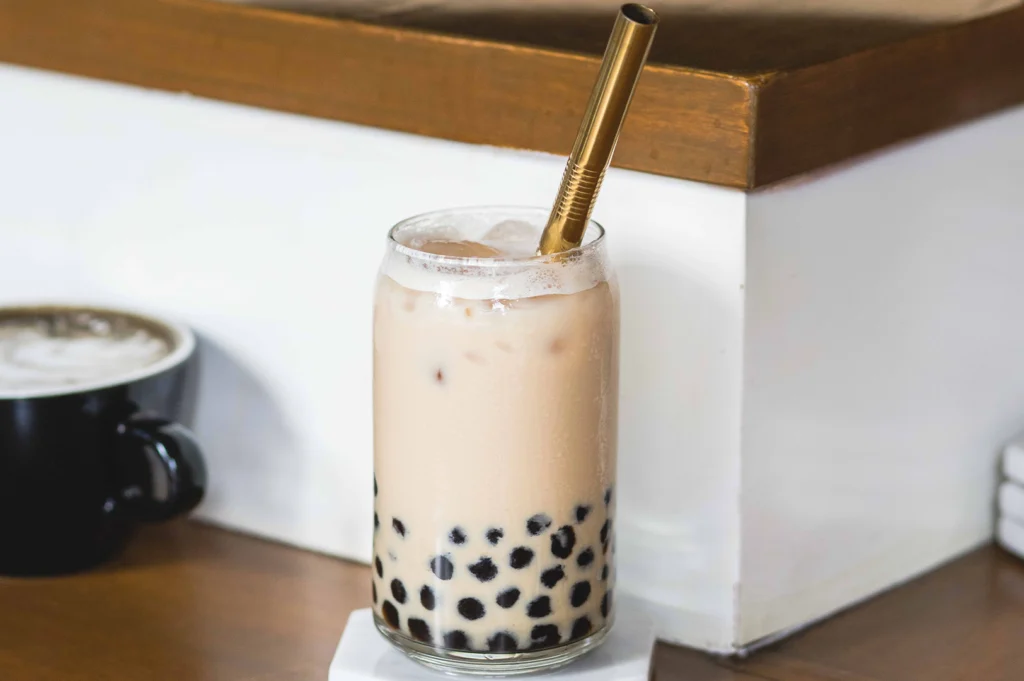
Brown sugar pearls. Creamy toppings. Flavoured jellies. Drinks that look more like something you’d order after dinner than a traditional cup of tea.
They’re fun, and I understand the appeal.
But I’ve been wondering why we still insist on calling some of these creations tea when the tea itself has practically disappeared.
Because shouldn’t we be able to taste it?
I don’t expect every bubble tea to have the delicate character of a carefully brewed oolong. Milk, sugar, and toppings naturally change the experience, and that’s part of what makes these drinks popular.
But there’s a difference between complementing tea and completely covering it up.
A good jasmine milk tea should still have some of that lovely floral character. A roasted oolong milk tea can offer a gentle toasted depth beneath the creaminess. Even a strong Assam can hold its own against milk and sweetness.
Those flavours deserve a little space.
Instead, I sometimes feel we’re more interested in how many things we can add to a drink before it becomes something entirely different.
And maybe that’s okay.
What if we simply admitted that some bubble teas are desserts?
There’s no shame in enjoying something sweet. I don’t think every drink needs to justify itself through antioxidants, tradition, or the promise of being a healthier choice.
Sometimes you want tea.
Sometimes you want brown sugar pearls swimming in something creamy and delicious.
Both are perfectly reasonable.
What I’d love to see is more honesty in how bubble tea shops present their drinks. Celebrate the dessert-inspired creations, but give the actual tea blends some attention too.
Tell us what leaves you’re using. Let their flavours come through. Give customers a reason to notice the tea beyond the toppings.
Because I don’t think bubble tea needs to become more traditional to be taken seriously.
It just needs to be comfortable with what it is.
And if that happens to be dessert in a cup?
Honestly, I’d still order it.
I’d just appreciate knowing what I’m drinking.
— Maria Tan
On tea, culture, and everyday rituals.

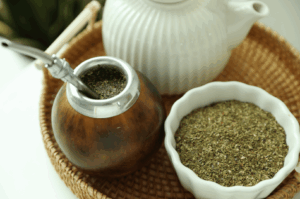
Yerba Mate Tea: Argentina’s Ancient Energy Brew and Modern Revival
Picture a sun-drenched plaza in Buenos Aires, where the air hums with laughter and the scent of fresh flowers. In the center, friends gather in a close-knit circle, a cherished gourd filled with fragrant yerba mate tea making its way from hand to hand. Each person sips this herbal tea-brewed from green yerba mate leaves-through…

The Complete Guide to Kenyan Tea Industry Transformation in the Great Rift Valley
Imagine standing at the edge of Kenya’s Great Rift Valley, the birthplace of world-renowned Kenya tea. Here, undulating hills blanket the landscape in a lush sea of deep green, where rows of thriving tea bushes stretch across the horizon. This breathtaking region forms the core of the Kenyan tea industry-a powerhouse producing some of the…
-
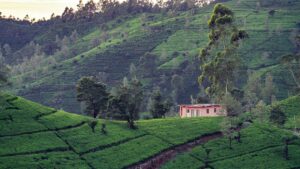
Ceylon High Grown Tea: The Bright, Crisp Profiles of Nuwara Eliya
Imagine standing amidst a sea of emerald green on the island of Sri Lanka, where manicured tea bushes climb rolling hills and disappear into a cool, persistent mist. This is the world of Ceylon high grown tea, centred in Nuwara Eliya – a region characterized by bright sunshine in the morning and cool, misty nights….
-
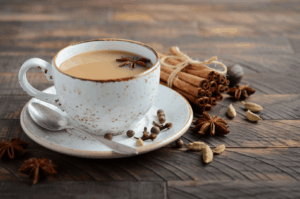
Masala Chai Origins: The Cultural Evolution of India’s Spiced Tea Tradition
The rhythmic clanging of metal kettles echoes through narrow lanes as steam rises from countless chai stalls across India. The intoxicating aroma of cardamom, cinnamon, and fresh ginger mingles with robust black tea, creating an olfactory symphony that has captivated souls for centuries. This is masala chai-not merely a beverage, but a cultural phenomenon that…
-
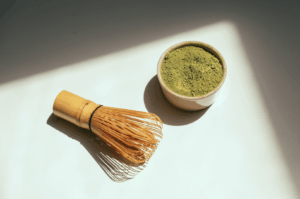
Matcha Tea: The Versatile Japanese Green Tea Powder
The vibrant green powder that transforms simple hot water into liquid jade has captivated tea enthusiasts worldwide. Matcha tea represents more than just a trendy beverage-it’s a bridge connecting ancient Japanese traditions with modern culinary innovation. This unique form of powdered green tea offers endless possibilities, from meditative ceremonial drinking to creative kitchen applications that…
-
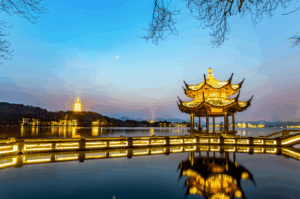
The Dragon Well Legacy: Exploring China’s Legendary Longjing Tea
Among the world’s most revered green teas, few carry the prestige and cultural significance of China’s legendary Dragon Well. This premium tea has captivated tea enthusiasts for centuries, earning its place as an imperial favourite and modern icon alike. From its mystical origins at West Lake to its meticulous processing methods, Longjing represents the pinnacle…