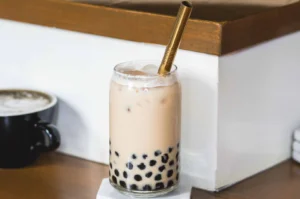
I have nothing against drinking dessert through a straw.
Actually, I think it’s one of the more enjoyable things about modern bubble tea culture.
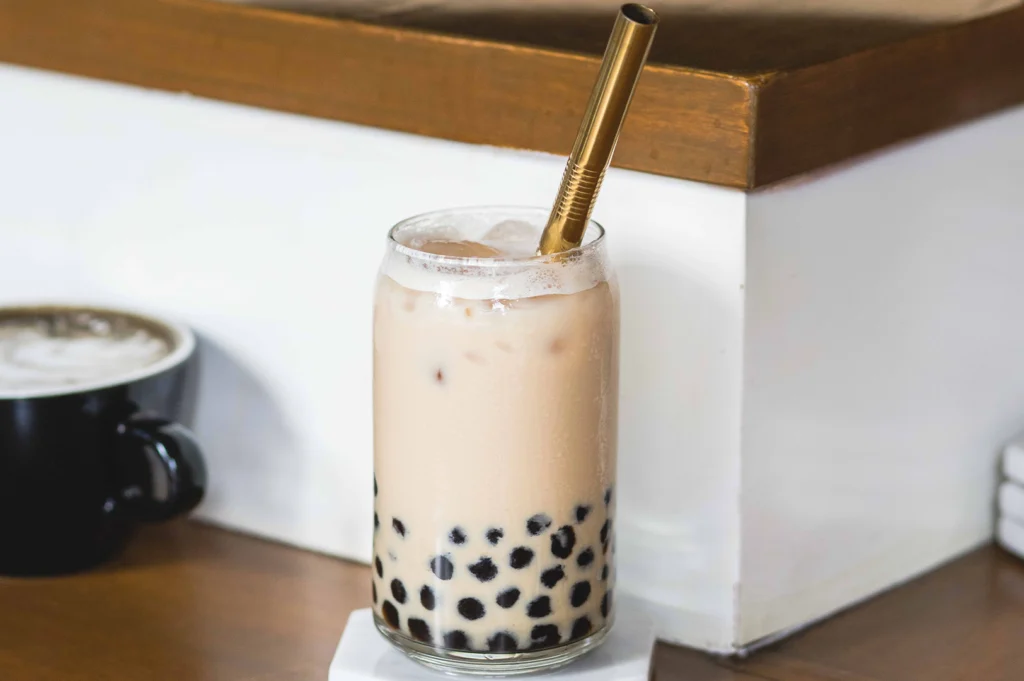
Brown sugar pearls. Creamy toppings. Flavoured jellies. Drinks that look more like something you’d order after dinner than a traditional cup of tea.
They’re fun, and I understand the appeal.
But I’ve been wondering why we still insist on calling some of these creations tea when the tea itself has practically disappeared.
Because shouldn’t we be able to taste it?
I don’t expect every bubble tea to have the delicate character of a carefully brewed oolong. Milk, sugar, and toppings naturally change the experience, and that’s part of what makes these drinks popular.
But there’s a difference between complementing tea and completely covering it up.
A good jasmine milk tea should still have some of that lovely floral character. A roasted oolong milk tea can offer a gentle toasted depth beneath the creaminess. Even a strong Assam can hold its own against milk and sweetness.
Those flavours deserve a little space.
Instead, I sometimes feel we’re more interested in how many things we can add to a drink before it becomes something entirely different.
And maybe that’s okay.
What if we simply admitted that some bubble teas are desserts?
There’s no shame in enjoying something sweet. I don’t think every drink needs to justify itself through antioxidants, tradition, or the promise of being a healthier choice.
Sometimes you want tea.
Sometimes you want brown sugar pearls swimming in something creamy and delicious.
Both are perfectly reasonable.
What I’d love to see is more honesty in how bubble tea shops present their drinks. Celebrate the dessert-inspired creations, but give the actual tea blends some attention too.
Tell us what leaves you’re using. Let their flavours come through. Give customers a reason to notice the tea beyond the toppings.
Because I don’t think bubble tea needs to become more traditional to be taken seriously.
It just needs to be comfortable with what it is.
And if that happens to be dessert in a cup?
Honestly, I’d still order it.
I’d just appreciate knowing what I’m drinking.
— Maria Tan
On tea, culture, and everyday rituals.

You Don’t Need a Tea Setup to Make a Good Cup
There is something reassuring about making tea in an ordinary mug. No carefully arranged tray. No matching cups. No elaborate preparation. Just leaves, hot water, and a few quiet minutes. I have always appreciated beautiful teaware. A well-made gaiwan, a traditional clay teapot, or a thoughtfully arranged tea table can bring a certain pleasure to…
-
Where Flowers Meet the Art of Tea: Petale Tea
It begins as something small and closed. A tight, round bundle of dried leaves, about the size of a large marble, resting at the bottom of a clear glass. Then the water arrives. For a while, nothing seems to happen. The ball darkens and grows heavy. A few leaves loosen at the edges. Then, slowly,…
-
If Your Bubble Tea Has No Tea Taste, It’s Dessert—Own It
I have nothing against drinking dessert through a straw. Actually, I think it’s one of the more enjoyable things about modern bubble tea culture. Brown sugar pearls. Creamy toppings. Flavoured jellies. Drinks that look more like something you’d order after dinner than a traditional cup of tea. They’re fun, and I understand the appeal. But…
-
Tea Ceremony Outfit: Dressing for Silence, Grace, and Tradition
The room is very quiet. Someone kneels on the tatami, hands resting on their thighs, and waits. Outside, a car passes and fades. Inside, there is only the soft hiss of water warming in an iron kettle, and the faint smell of woven rush underfoot. Nobody in the room is looking at what anyone is…
-
Tea Doesn’t Have to Be Rare to Be Worth Paying Attention To
There is a curious tendency among tea enthusiasts to speak more carefully about leaves that are difficult to obtain. A limited harvest. An ageing Pu-erh cake. A Long Jing from a particularly celebrated growing area. The language changes almost immediately. We become more attentive to provenance, more patient with preparation, and more willing to search…
-
The White Label Singapore: A Quiet Look at High Tea Di Malayan
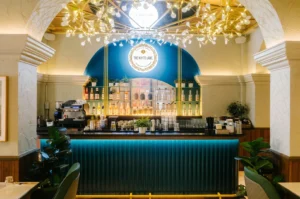
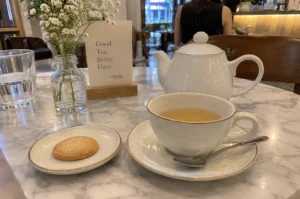
Some afternoons ask for very little. A pot of tea. A small plate of something sweet. A table near a window, and nowhere urgent to be. In Singapore, that kind of afternoon has more than one accent. There is the English idea of tea with cakes and sandwiches on tiered stands, and the kopitiam cup…
-
Why Your Favorite Café’s Tea Tastes Like Nothing (And They Know It)
I’ve always found it strange how a café can spend so much time perfecting its coffee and then serve tea that tastes like someone briefly introduced a teabag to hot water. You know the kind. Beautiful cup. Lovely presentation. Maybe even a little biscuit on the side. And then you take a sip. Nothing much…
-
The Quiet Luxury of a Fresh Spring Cup: Long Jing Green Tea
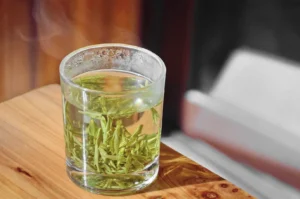
Some luxuries make a sound. Others barely announce themselves at all. A small handful of flat, pale green tea leaves. Water allowed to cool after boiling. A glass, perhaps, so the leaves can be watched as they open and drift. Nothing about it is loud. Yet a fresh cup of Long Jing green tea carries…
-
The People Behind the Tea I’m Grateful to Drink
It is easy to forget how many hands have touched a tea leaf before it reaches ours. We speak of mountains, harvest seasons, famous gardens, and the qualities of particular cultivars. We admire the fragrance of a good Long Jing or the complexity of a carefully roasted Tie Guan Yin. Yet the people responsible for…
-
Traditional Japanese Tea Ceremony in Osaka: Finding Stillness in Japan’s Most Restless City
Osaka is a city that talks back. Walk through Dotonbori in the evening and everything competes for your attention: neon signs stacked several stories high, takoyaki stalls calling out to passers-by, crowds pressing along the canal toward the next thing to eat. The city even has a word for its appetite, kuidaore, often translated as…