Hear me out: we have become far too comfortable with the phrase “caffeine-free tea.”
It appears on beautiful packaging, wellness websites, and café menus with the confidence of a health guarantee. The words suggest calm evenings, better sleep, and a gentler relationship with what we drink.
But there is a problem.
The phrase sounds clearer than it actually is.
Many people see “caffeine-free tea” and assume they are drinking something completely without caffeine. They choose it because they are sensitive to stimulants, avoiding caffeine late in the day, or simply trying to make a healthier choice.
The reality is more complicated.
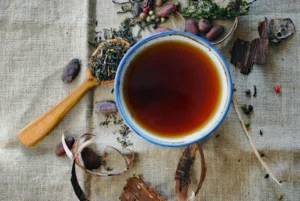
Not every tea that is marketed as a caffeine-free alternative is technically tea. Herbal infusions made from flowers, fruits, roots, and spices are naturally caffeine-free because they do not come from the Camellia sinensis plant. Chamomile, peppermint, rooibos, and ginger infusions belong to this category.
Traditional teas, however, including green tea, black tea, oolong, and white tea, naturally contain caffeine. Even products labelled as “decaffeinated” may still contain trace amounts.
So why are we allowing “caffeine-free” to become such a loose marketing phrase?
This is where things become frustrating.
Tea has always carried a sense of trust. Across cultures, it represents care, ritual, hospitality, and attention. When someone reaches for a calming cup before bed, they should not need to become a researcher reading fine print to understand what they are consuming.
This is not about banning creative branding. Tea companies should absolutely celebrate flavour, craftsmanship, and tradition. But when a phrase creates a health assumption, clarity matters.
Imagine if food labels used words like “sugar-free” loosely or “all-natural” without explanation. Consumers would rightly question it. Tea deserves the same level of honesty.
Perhaps the solution is simple: tell us what the drink actually is.
Say “herbal infusion.” Say “naturally caffeine-free.” Say “decaffeinated tea with trace caffeine.” Give people information instead of a comforting illusion.
Because tea is built on slowing down and paying attention.
The irony is that the industry selling us mindfulness may need to practise a little more of it itself.

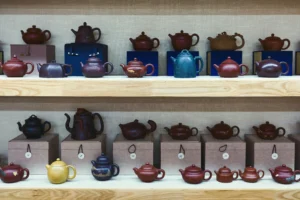
Is a Yixing Teapot Worth It? A Singapore Tea Guide
In many Singapore teaware shops, a Yixing teapot immediately draws attention. This iconic piece of Yixing pottery is crafted from unique purple clay found only in the Yixing region of China, west of Taihu Lake in Jiangsu Province. Yixing has a rich heritage in Chinese art and pottery, with production dating back to the Neolithic…

Tea Gift Sets: Curating Meaningful Moments, One Steep at a Time
Tea has long been associated with care, connection, and quiet intention. Across cultures, it is shared during moments of reflection, conversation, and celebration. Offering tea gift sets carries this meaning forward, creating a gesture that feels both personal and considered. Unlike many conventional gifts, tea sets invite time. They are not rushed or consumed all…
-
The Last Sip of Tea and What It Teaches
There is a moment in every cup that arrives quietly. The last sip. It comes softer than the first. The tea has given almost everything it holds. The warmth lingers, the flavour has softened, and only a gentle echo of the leaves remains. We lift the cup, tilt it slowly, and suddenly the moment feels…
-
Teaware Shop 101: A Beginner’s Guide to Tea Ware, Sets, and What You Actually Need
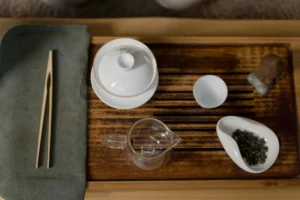
Stepping into a traditional teaware shop in Singapore’s Chinatown can be overwhelming. Shelves brim with porcelain teacups, raw clay teapots, and bamboo trays, all inviting yet unfamiliar. Many people feel unsure about what matches their tea or worry about buying unnecessary items. Whether you’re looking to drink tea in style, find the perfect tea…

Tea Leaves Singapore: How to Choose and Enjoy Every Cup
Tea begins long before it reaches your cup. It starts in quiet mountain regions where climate, soil, and tradition shape every leaf. From China to Japan and Taiwan, each origin brings its own character, creating a diverse and evolving world of tea. In Singapore, tea has become both a daily ritual and a refined indulgence….
-
The Matcha Craze and Why It’s Okay to Be Skeptical
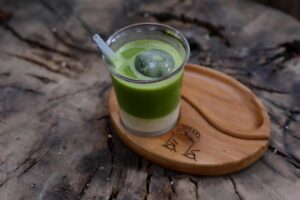
Matcha is everywhere. In smoothies, lattes, ice cream, even in brownies. It’s the trendiest ingredient right now, and it’s easy to get swept up in the hype. But is it really as magical as they say? When matcha first became popular, it was celebrated for its health benefits: antioxidants, boosting metabolism, improving focus. Suddenly, everyone…
-
A Quiet Guide To The Best Tea Houses In Singapore For Chinese Tea Appreciation
There is a difference between drinking tea and making time for it. Only the best tea houses in Singapore understand this deeply. They don’t treat traditional Chinese tea as decoration or a quick gesture. Instead, they create ideal conditions: a warmed pot, a quiet table often on a serene floor, premium tea leaves, and enough…
-
Where Tea Complements Coffee: Discover the Best Pairings at Apartment Coffee Singapore
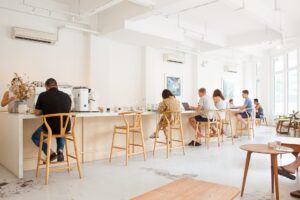
Introduction When you think of Apartment Coffee Singapore, the first thing that probably comes to mind is their expertly brewed coffee. The café, located along Selegie Road, is well-known for its exceptional coffee experiences, from beautifully crafted lattes to the bold espresso. But what sets this coffee shop apart is something you might not expect-its…
-
Izakaya Nijumaru: Discover the Best Tea Pairings at This Japanese Restaurant
Introduction Tucked away in Cuppage Plaza, Izakaya Nijumaru stands as a testament to the charm of traditional Japanese dining with a relaxed, welcoming atmosphere. Known for its hearty, bold flavours and laid-back vibe, this Japanese restaurant isn’t just a place to enjoy good food-it’s where the experience of eating becomes about more than just what’s…
-
KOMA Singapore: A Dramatic Japanese Restaurant with a Quiet Tea Finish
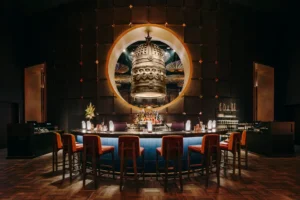
Introduction Most people arrive at KOMA Singapore, a stunning venue by Tao Group Hospitality located in Marina Bay Sands, expecting a spectacle. And to be fair, that is exactly what they get. From the moment guests enter, the experience begins with glowing vermillion arches inspired by Kyoto’s Fushimi Inari Shrine, leading into a dining space…