Hear me out: we have become far too comfortable with the phrase “caffeine-free tea.”
It appears on beautiful packaging, wellness websites, and café menus with the confidence of a health guarantee. The words suggest calm evenings, better sleep, and a gentler relationship with what we drink.
But there is a problem.
The phrase sounds clearer than it actually is.
Many people see “caffeine-free tea” and assume they are drinking something completely without caffeine. They choose it because they are sensitive to stimulants, avoiding caffeine late in the day, or simply trying to make a healthier choice.
The reality is more complicated.
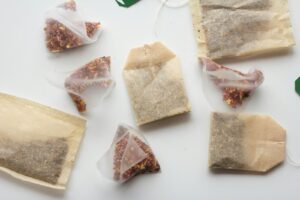
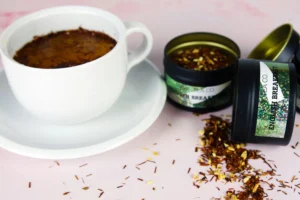
Not every tea that is marketed as a caffeine-free alternative is technically tea. Herbal infusions made from flowers, fruits, roots, and spices are naturally caffeine-free because they do not come from the Camellia sinensis plant. Chamomile, peppermint, rooibos, and ginger infusions belong to this category.
Traditional teas, however, including green tea, black tea, oolong, and white tea, naturally contain caffeine. Even products labelled as “decaffeinated” may still contain trace amounts.
So why are we allowing “caffeine-free” to become such a loose marketing phrase?
This is where things become frustrating.
Tea has always carried a sense of trust. Across cultures, it represents care, ritual, hospitality, and attention. When someone reaches for a calming cup before bed, they should not need to become a researcher reading fine print to understand what they are consuming.
This is not about banning creative branding. Tea companies should absolutely celebrate flavour, craftsmanship, and tradition. But when a phrase creates a health assumption, clarity matters.
Imagine if food labels used words like “sugar-free” loosely or “all-natural” without explanation. Consumers would rightly question it. Tea deserves the same level of honesty.
Perhaps the solution is simple: tell us what the drink actually is.
Say “herbal infusion.” Say “naturally caffeine-free.” Say “decaffeinated tea with trace caffeine.” Give people information instead of a comforting illusion.
Because tea is built on slowing down and paying attention.
The irony is that the industry selling us mindfulness may need to practise a little more of it itself.

The Simplicity of Tea: Finding Joy in the Uncomplicated
Tea seems simple, doesn’t it? Water. Leaves. A cup. Yet we’ve turned this quiet ritual into something complicated. The perfect temperature, the right teapot, the precise timing. But is it really necessary? Tea, at its core, was never meant to be complicated. In the beginning, it was an uncomplicated drink shared between friends, brewed over…

Tea Chapter Singapore: A Tranquil Tea House in Chinatown
When it comes to tea in Singapore, there’s something special about stepping into a place like Tea Chapter Singapore. Tucked away in the heart of Chinatown, this tea house isn’t just about offering a wide selection of teas. It’s about the experience, the atmosphere, and the chance to disconnect from the fast pace of the…
-
Why Tea People Secretly Judge Your Tea Bags
There is a moment every tea drinker recognizes. You visit someone’s home, they kindly offer you tea, and you happily say yes. The kettle begins to boil. A cupboard opens. And then it happens. A tea bag appears. Now, there is nothing wrong with tea bags. They are convenient and often exactly what someone wants…
-
The Finest High Tea Singapore: An Exploration of Elegant Afternoon Delights
Picture this: a gleaming three-tiered stand arrives at your table, laden with delicate finger sandwiches, freshly baked scones served with clotted cream, and artful delicate pastries. The gentle clink of fine china accompanies the pouring of a perfectly brewed pot of TWG Tea or Bacha Coffee. This is the enduring magic of high tea, a…

The Quiet Patience That Tea Teaches
Tea does not rush. Water must be heated. Leaves must open. Flavour slowly reveals itself in the cup. None of these things happen instantly. Perhaps this is why tea has always felt slightly different from other drinks. It asks for patience. Not loudly, but quietly. The tea will be ready when it is ready. For…
-
A Guide to the Best Tea Singapore Has to Offer
Introduction In a city known for its vibrant food culture, tea quietly holds its own place among Singapore’s favourite indulgences. While coffee often dominates cafe conversations, many tea lovers know that the search for the best tea Singapore offers leads to a surprisingly diverse world of flavours, traditions, and carefully crafted blends. Across the city,…
-
A Tea Lover’s Guide to the Best Japanese Restaurant Singapore Dining Experiences
Searching for the best Japanese restaurant Singapore offers usually leads people toward sushi counters, omakase menus, or beautifully plated sashimi. Those elements certainly define much of the appeal of Japanese cuisine, but anyone who has spent time dining in Japan knows that the experience rarely ends with the food alone. Tea quietly accompanies the meal….

Why Tea Conversations Always Last Longer Than Expected
There is a small pattern I have started to notice about tea. Whenever tea is involved, conversations tend to last longer than planned. Someone says they will only stay for a short while. A kettle is placed on the stove. Tea is poured into a few cups, and suddenly the conversation begins to stretch in…
-
White Tea: The Most Delicate Expression of Chinese Tea
Introduction Among the many tea types that have emerged from centuries of tea cultivation, white tea often stands apart for its quiet character. It is light in colour, gentle in aroma, and remarkably simple in its making. Yet behind this softness lies a long tradition of craftsmanship that has shaped some of the most refined…
-
The Quiet Discipline of Brewing Tea
There is a quiet discipline that lives inside the act of brewing tea. It is not something that announces itself loudly. There are no strict rules written on the wall, no visible signs that something significant is taking place. From the outside, the process appears simple enough. Water is heated. Leaves are placed into a…