
Picture a landscape of rolling hills carpeted in a sea of green, where misty clouds kiss the mountaintops and the air is crisp and cool. This is the heartland of Sri Lanka, the island nation once known as Ceylon, and the origin of one of the world's most celebrated teas. For over a century, the name Ceylon has been synonymous with high-quality pure Ceylon tea, a reputation built on a legacy of craftsmanship, unique plant varietals, and a flavor that is both bold and elegant.
The Story Behind Ceylon Tea: From Ancient Island to Tea Empire in Sri Lanka
The tale of tea in Sri Lanka is one of resilience and transformation. For much of the 19th century, the island’s main export was coffee. However, in the 1860s, a devastating fungal disease known as "coffee rust" wiped out the plantations, bringing the industry to its knees.
Facing economic ruin, the British colonial planters needed a new crop. A Scottish planter named James Taylor had been experimenting with tea plants from Assam, India, on his Loolecondera estate. His success proved that the tea plant could thrive in the island's highlands. This marked the beginning of a massive shift in tea production. Coffee plantations were rapidly replaced with tea estates, and within a few decades, Ceylon became one of the world's leading producers of black tea and other Ceylon teas. This legacy, blending British colonial infrastructure with the skill and dedication of local Sri Lankan workers, established the foundations of the Ceylonese tea industry recognized worldwide today.
What Makes Ceylon Tea Special? Exploring the Regional Nuances and Flavours
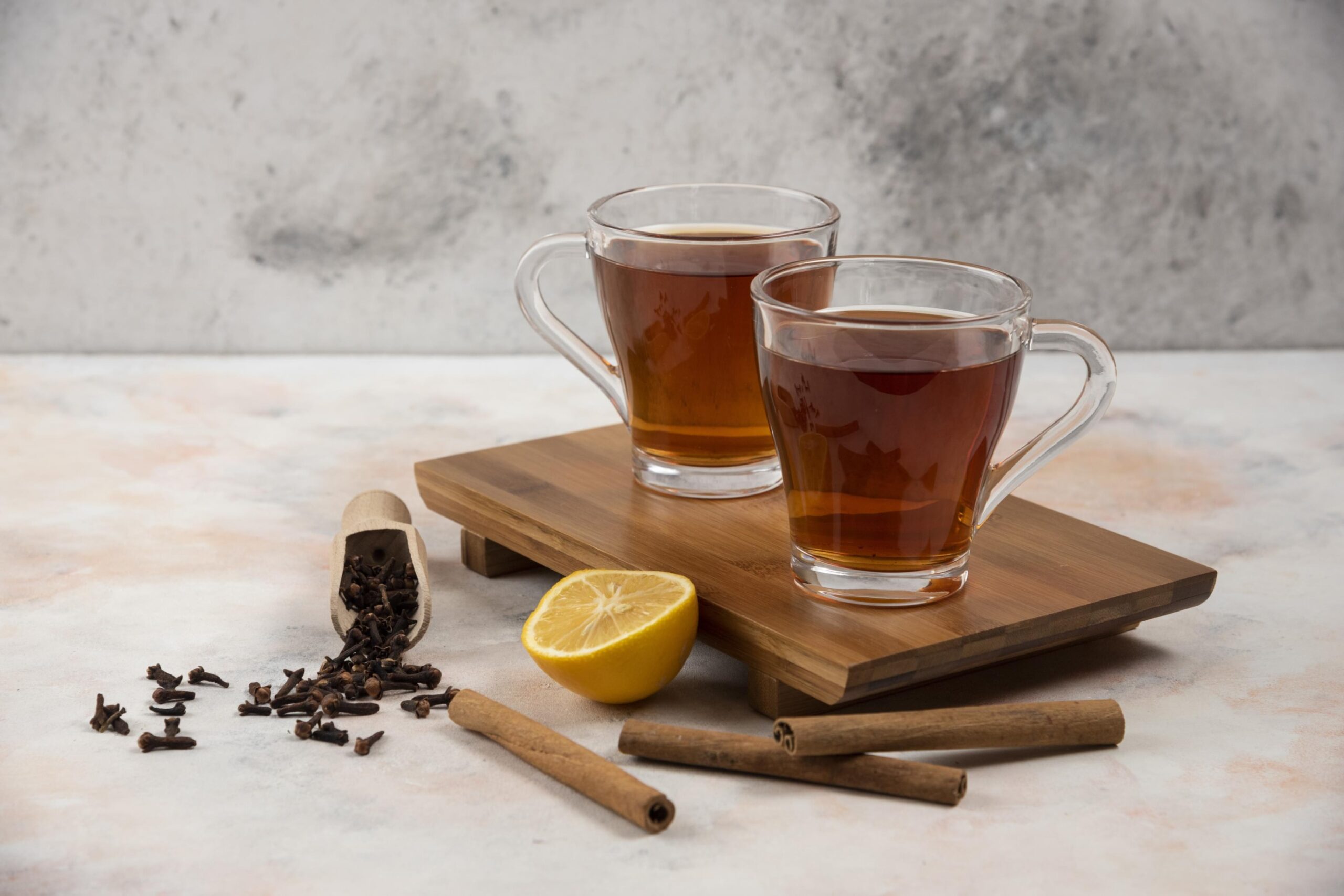
Several key factors contribute to the prestigious reputation of Ceylon tea. It’s a perfect storm of nature and nurture.
- Unique Terroir and Tea Growing Regions: Sri Lanka's diverse geography creates a range of microclimates. The combination of elevation, rainfall, sunshine, and soil composition across different tea growing regions results in an incredible spectrum of flavor profiles, all from the same country.
- Distinctive Flavour and Aroma: Black Ceylon tea is globally recognized for its signature "brightness"—a crisp, clean, and lively character with notes of citrus, caramel, and sometimes subtle hints of chocolate. This essence makes it wonderfully refreshing and distinct from maltier or floral teas.
- Meticulous Craftsmanship in Tea Leaf Harvesting: The tea leaves are hand-plucked carefully, typically selecting the tender "two leaves and a bud." The process of withering, rolling, oxidation, and drying is a craft honed over generations, ensuring the quality and rich body of the tea.
- The Lion Logo and Sri Lankan Tea Board: To protect its reputation, the Sri Lankan Tea Board established the Lion Logo as a symbol of authenticity. This logo guarantees that the tea is 100% pure Ceylon tea, packed and produced in Sri Lanka under strict quality standards regulated by the Sri Lankan Tea Board. It’s a mark of quality you can trust.
The Five Tea Growing Regions of Sri Lanka: A Collection of Unique Ceylon Teas

The true beauty of Ceylon tea lies in its regional nuances. The island is divided into seven main tea growing regions, each producing teas with unique styles and flavours.
Nuwara Eliya—High Elevation Excellence and Delicate Silver Tips
Known as the "Champagne of Ceylon teas," Nuwara Eliya is the highest elevation region. The cool, misty climate produces a tea that is exceptionally light, delicate, and fragrant, with a subtle golden hue and a brisk, floral finish. These white teas, often referred to as silver tips, are prized for their subtle sweetness and refined aroma. They are best enjoyed plain to appreciate their nuanced character.
Dimbula—Balanced Black Tea with Bright Flavours
During the cool, dry "western quality season" (January to March), Dimbula produces some of the finest black Ceylon tea. These high-grown teas are refreshingly mellow with a balanced body and a clean, crisp flavor. They are the quintessential bright tea, perfect for any occasion.
Uva—Bold and Distinctive Green and Black Teas
The Uva region, located on the eastern slopes of the central mountains, has a unique dry wind during its quality season (July to September). This produces teas with an exotic, aromatic character and smooth, mellow taste. Uva teas, including Ceylon green tea, are often used in high-quality blends.
Kandy—Medium-Grown Richness and Robust Black Tea
As the first region where tea was planted, Kandy is historically significant. Its mid-grown teas are known for their full body, strong flavor, and rich copper color. They are robust enough to stand up well to a splash of milk and are typically consumed by tea lovers who prefer a bolder cup of tea.
Ruhuna—Low Country Strength and Darker Tea Leaves Grown Near Sea Level
The low-grown teas from the Ruhuna region in the south of Sri Lanka are known for their strength and distinctive character. Grown closer to sea level, the unique soil composition produces a full-flavored black tea with a deep color, making it a popular choice worldwide.
Varieties of Ceylon Tea: Black Tea, Green Tea, and White Teas
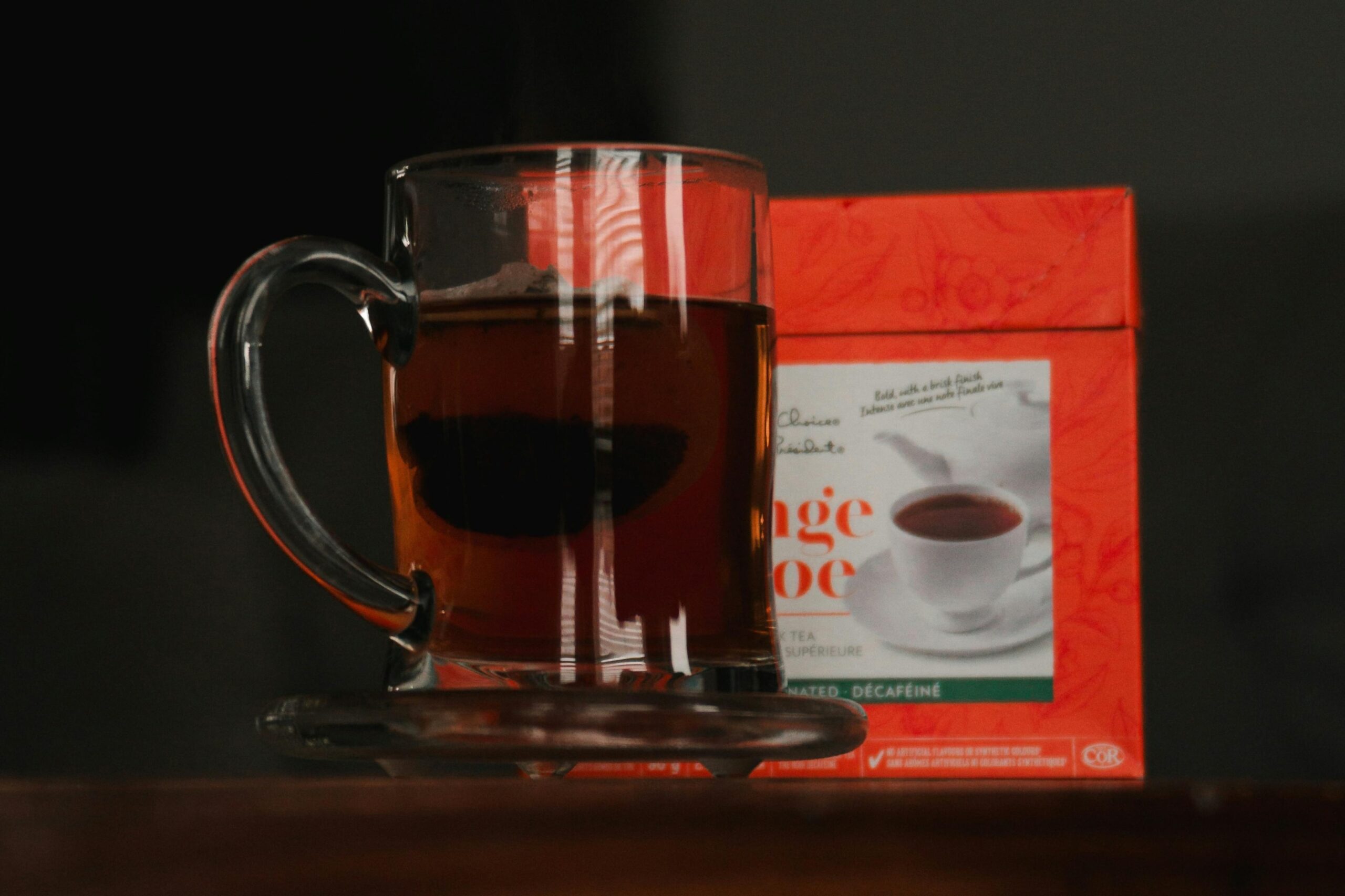
While Sri Lanka is famous for its black tea, its producers also craft other exquisite tea varieties from the same tea plant.
- Black Ceylon Tea: This fully oxidized tea results in a rich, amber liquor and a bold, brisk flavor profile. It is the most widely produced type of Ceylonese tea and is often packed as loose leaf tea or in tea bags.
- Ceylon Green Tea: Produced using methods adapted from Chinese tea making, Ceylon green tea is lighter and more delicate. It often has a fuller body and a more pungent, malty character compared to other green teas.
- Ceylon White Tea (Silver Tips): Made from only the unopened buds of the tea leaf, these white teas are hand-picked at dawn and carefully sun-dried. The resulting brew is incredibly delicate, with subtle, sweet notes and a smooth aroma.
Brewing the Perfect Cup of Ceylon Tea: Tips for Tea Lovers
To get the best out of your Ceylonese tea, proper preparation and brewing are essential.
- Water Temperature: For black tea, use hot water just off the boil (around 95°C or 203°F). For more delicate green and white teas, use cooler water (around 80°C or 176°F).
- Steeping Time: Black teas should be steeped for 3-5 minutes. Green teas require 2-3 minutes, while white teas are very delicate and should only be steeped for 1-2 minutes.
- How to Prepare: Preheat your teapot and teacup with hot water before brewing to maintain the optimal temperature. Use about one teaspoon of loose leaf tea per 8 ounces of water. Cover the pot while steeping to preserve the tea’s aroma and flavor.
- Serving Suggestions: While purists enjoy high-grown Ceylon teas plain, the more robust mid- and low-grown varieties are excellent with a splash of milk. Ceylon tea is perfect for drinking warm from a teapot into a delicate teacup, but it also makes an exceptionally crisp and refreshing iced tea.
Ceylon Tea in Modern Tea Culture: Tea Bags, Loose Leaf Tea, and Blends
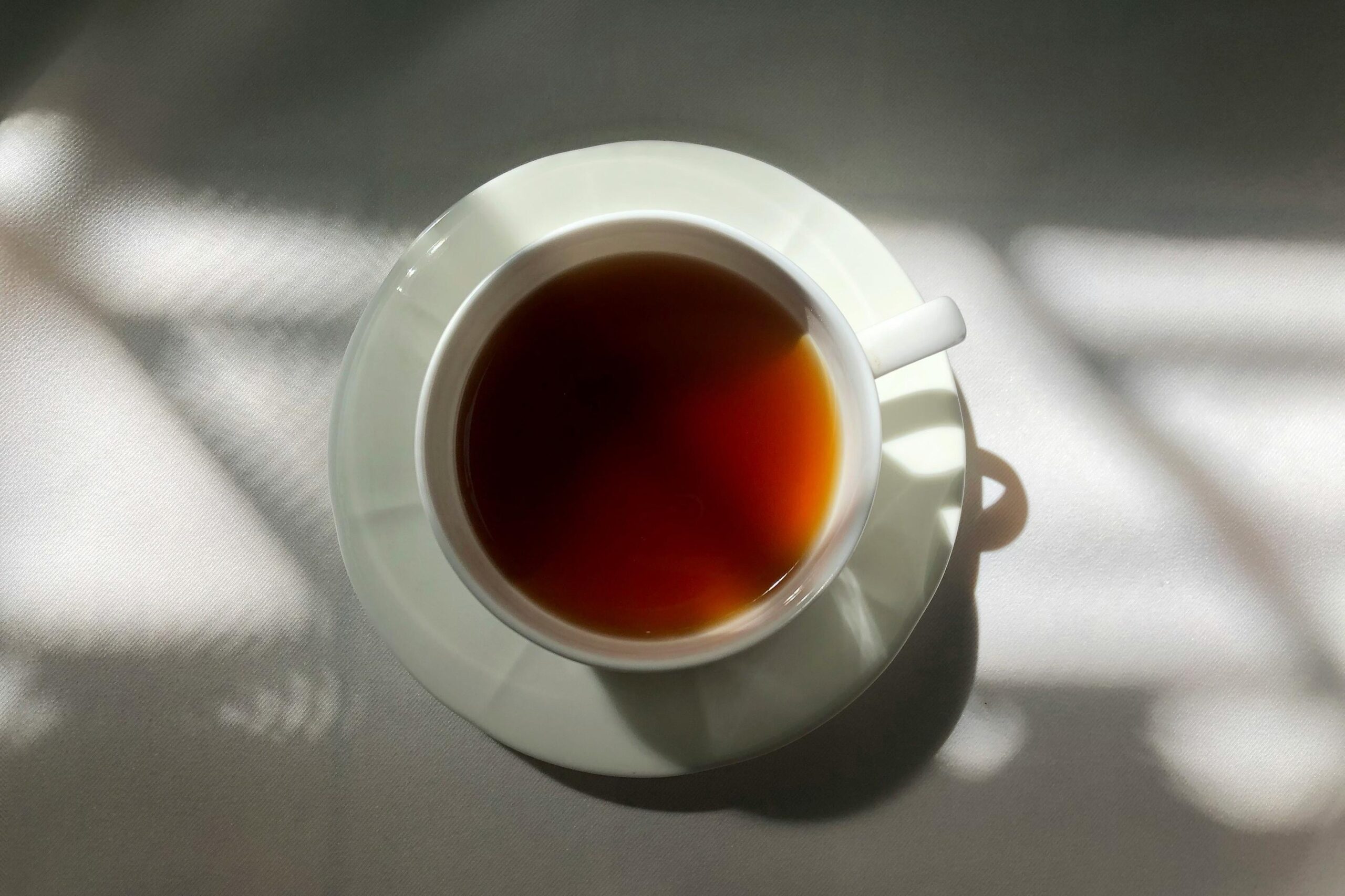
In today’s tea market, Ceylon tea is available in many forms to suit all tea lovers.
- Loose Leaf Tea: Preferred by connoisseurs for its quality and flavor, loose leaf tea allows the tea leaf to fully expand and release its essence during brewing.
- Tea Bags: Convenient and popular for everyday use, many black Ceylon teas are packed in tea bags for easy brewing without sacrificing much flavor.
- Blends: Ceylon tea is a common base in popular blends such as English Breakfast and Earl Grey, appreciated for its bright tea qualities that complement other flavors.
Storing and Packaging Pure Ceylon Tea
Proper storage is key to preserving the quality of pure Ceylon tea. Keep tea leaves in a clean, airtight container away from moisture, heat, light, and strong odors. This helps maintain the tea’s freshness and aroma.
Sri Lanka strictly regulates the packaging of pure Ceylon teas. Genuine Ceylon tea features the distinctive Lion Logo, a trademark owned and monitored by the Sri Lankan Tea Board. This logo certifies that the tea is grown, produced, and packed in Sri Lanka, ensuring authenticity and premium quality.
Health Benefits of Ceylonese Tea: Antioxidants and Caffeine Content
Ceylon tea is not only delicious but also rich in antioxidants such as polyphenols, catechins, and flavonoids. These compounds support overall health by combating oxidative stress, which can damage cells and contribute to aging and disease.
The caffeine content in Ceylon tea varies depending on the type and preparation but generally provides a moderate energy boost without the jitters associated with coffee, thanks to the presence of L-theanine. This makes it a great choice for those looking to sip a refreshing cup of tea while enhancing focus and mood.
Conclusion: Discover the Beauty and Richness of Ceylonese Tea in Every Cup
Ceylonese tea offers a remarkable journey in every cup. It is a testament to Sri Lanka’s unique terroir, a history of resilience, and a commitment to quality that has stood the test of time. Its signature bright tea qualities and regional diversity make it both an accessible starting point for beginners and a source of endless discovery for seasoned tea lovers.
We invite you to explore a curated collection of authentic pure Ceylon teas, whether brewed from loose leaf tea or tea bags. Sip a warm cup of tea, enjoy its rich aroma and flavor, and let the essence of Sri Lanka transport you to the misty highlands. The world of Ceylon tea is waiting for you.
For those interested in expanding their tea experience beyond Ceylonese tea, be sure to check out our detailed article, here, which delves into the world of natural and soothing herbal blends.
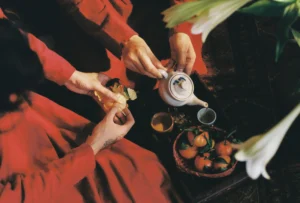
The Soul of Tea: Unveiling the Beauty of Traditional Tea Ceremonies
Tea is more than just a drink, isn’t it? It is a quiet moment in the middle of a busy day, a small ritual that grounds us. We are not just drinking tea; we are experiencing something far more profound, a glimpse into the centuries-old traditions of cultures that revere this simple beverage. Whether in…
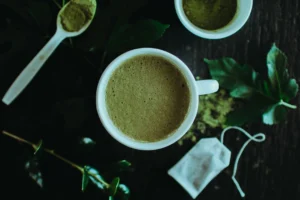
The Matcha Latte and the Tea It Came From
The matcha latte drink has become one of the most recognizable tea-based beverages in modern cafés. From Starbucks menus to independent tea bars, it is served hot in ceramic mugs or as iced matcha lattes layered in a glass with cold milk and ice. It is marketed as a healthy drink. It is praised for…

We Are Drinking Tea Too Quickly
There is something ironic about rushing tea. We order it to relax. We call it calming. We describe it as grounding. And yet, more often than not, we drink it the same way we drink everything else — between emails, between meetings, between scrolling. Tea has become background noise. A mug beside the laptop. A…

Cuppage Plaza Food Culture Through a Tea Lens
Walk into Cuppage Plaza Singapore and you immediately feel the shift. Just a short walk from Somerset MRT Station, Cuppage Plaza is an accessible destination for food lovers seeking authentic Japanese cuisine. Orchard Road may glitter just outside, but inside this aging building, the mood changes. The corridors are dim. The signboards feel layered with…
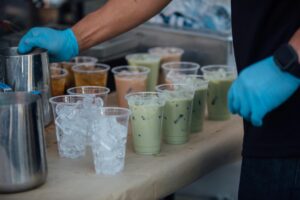
Milk Tea Is Not Tea
This is not an argument about preference. It is a question about naming. Milk tea is everywhere now. It travels in oversized cups, sealed with plastic film. It arrives layered with foam, syrup, pearls, jelly, whipped cream. It is photographed before it is tasted. It is queued for. It is branded. It is loved. But…
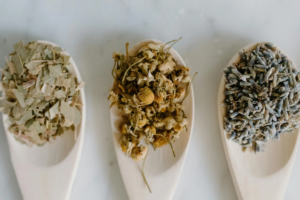
A Journey into Herbal Teas: Exploring Nature’s Finest Infusions
Imagine cupping your hands around a warm mug, inhaling the sweet, floral scent of chamomile tea or the invigorating peppermint tea aroma from the peppermint plant. As you take the first sip, you feel a sense of calm and comfort wash over you. This soothing experience is the magic of herbal teas, a diverse and…
Singapore Tea for Every Palate and Every Ritual
What draws us to seek something deeper in a simple cup of tea? In Singapore, where countless cultures have settled like leaves steeping in warm water, the answer unfolds quietly in the spaces between tradition and modernity. Good tea emerges from patient sourcing, from the steady hands of those who understand its language, from leaves…
Why Private Room Singapore Spaces Are Perfect for Tea Rituals
In a city that never truly rests, quiet becomes something you have to choose. You feel it when you’re weaving through Orchard Road in the middle of the day, or squeezing past crowds in the Central Business District at lunch hour. The lights are bright, the notifications keep coming, and even when you sit down,…
Tea Is Losing Its Ceremony — And We Let It Happen
No one announced it. There was no collective decision, no moment of cultural shift. And yet, the ceremony has quietly receded from everyday tea. What was once deliberate has become automatic. Tea used to require attention. Water temperature mattered. Leaves were measured with care. The cup was chosen, not grabbed. Even in the absence of…
The Art of Aging: Understanding Authentic Yunnan Pu-erh Tea
Among the world’s most revered fermented dark teas, few types evoke as much intrigue and respect as Yunnan pu erh tea (普洱). Crafted from ancient tea trees in Yunnan province, this tea produced by traditional methods is a living testament to China’s rich beverage heritage. Unlike most loose leaf tea or black teas, high-quality pu…