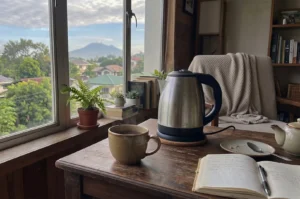
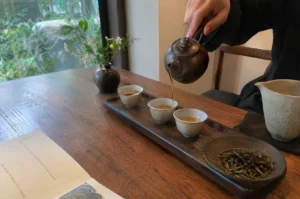
Imagine sitting in a quiet room, the scent of tatami floor mats mingling with the subtle aroma of powdered green tea. Before you, a tea master moves with deliberate, graceful motions, whisking vibrant matcha tea into a frothy jade liquid using a bamboo whisk. Every gesture, from warming the tea bowl to the final, respectful silent bow, is filled with purpose. This is not just about drinking tea; it is a moment of shared presence, a meditation in motion. This is the essence of a tea ceremony.
Why do these ancient rituals continue to captivate us? Because a tea ceremony is far more than a method of tea preparation. It is an art form, a spiritual practice, and a profound expression of hospitality deeply embedded in japanese culture that transcends language and culture. It invites us to slow down, to appreciate the beauty in simplicity, and to connect with others in a meaningful way.
Tea Ceremony: The Heart of Ritual and Connection
At its core, every tea ceremony shares a common purpose: to elevate the simple act of tea drinking into a moment of intentional connection and mindfulness. While the methods and aesthetics vary widely among different schools and cultures, they are all rooted in universal values.
- Mindfulness: The deliberate, focused movements required in tea preparation draw both the host and the guest into the present moment. The worries of the outside world fade away, replaced by an appreciation for the sounds, smells, and sensations of the ritual.
- Hospitality: Serving tea is a universal gesture of welcome. A formal tea ceremony elevates this into a profound act of respect and care, where the host dedicates their full attention to creating a harmonious experience for their guests.
- Cultural Significance: Tea ceremonies are living museums, preserving centuries of history, philosophy, and artistic tradition. They offer a window into the soul of a culture, reflecting its values and aesthetic principles in every detail, from the flower arrangement to the tea garden.
- Religious Ceremonies: Many tea ceremonies have origins in religious ceremonies, particularly within Buddhist traditions, where tea was used as a meditative aid and symbol of purity.
Japanese Tea Ceremony: The Way of Tea and Harmony
Perhaps the most iconic of all tea traditions, the japanese tea ceremony—known as Chanoyu or Sadō ("The Way of Tea")—is a highly refined and spiritual practice. Developed under the influence of zen buddhism, its goal is to cultivate harmony, respect, purity, and tranquility.
The experience is a symphony of sensory details. Guests enter through a low door, compelling them to bow and humble themselves, leaving the outside world behind. Inside a simple tea house, every object—from the seasonal flowers to the tatami floor—is carefully chosen to reflect the time of year and the theme of the gathering. The tea master’s movements are a choreographed dance, precise yet fluid.
Key elements of this traditional tea ceremony include:
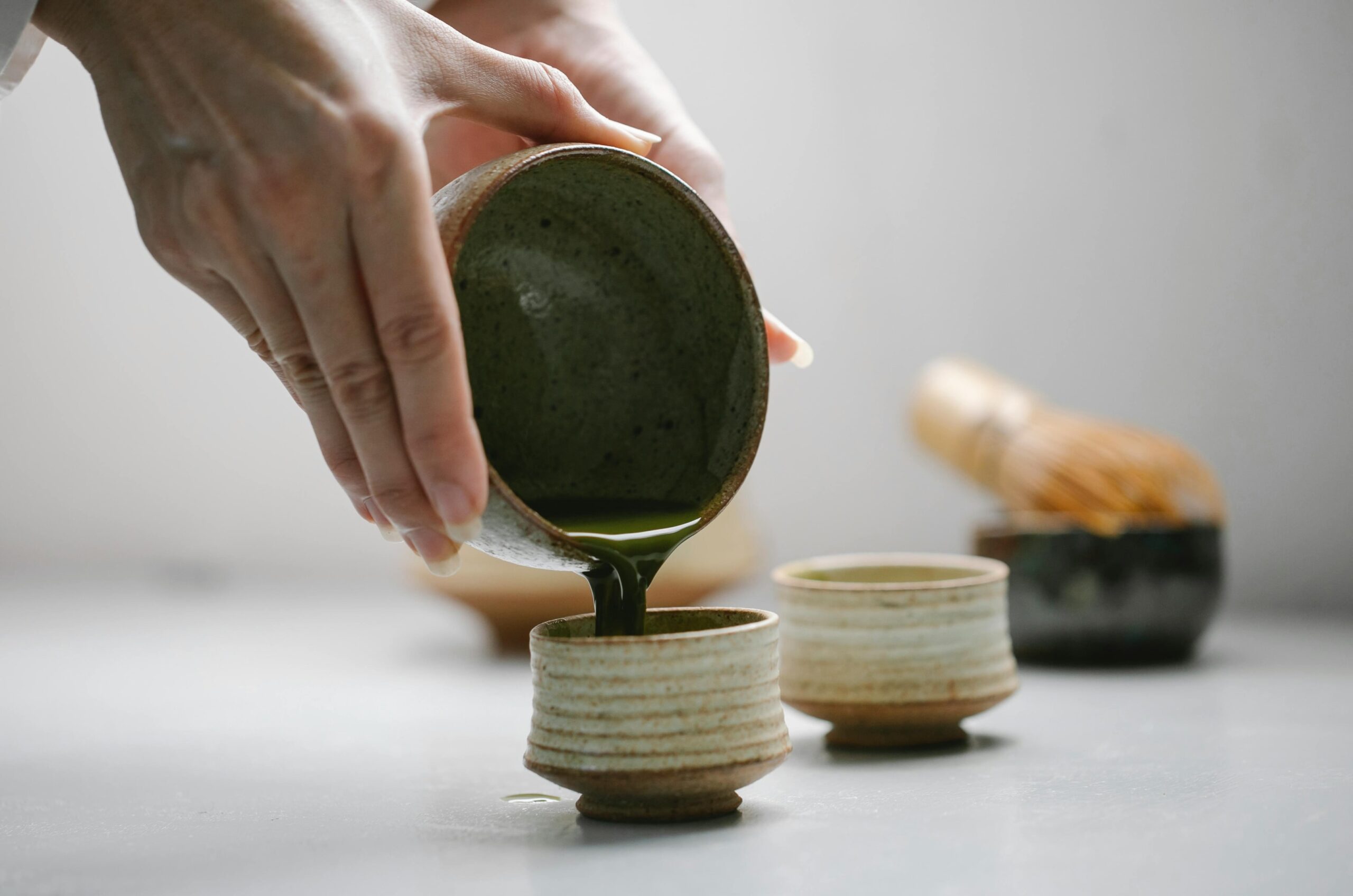
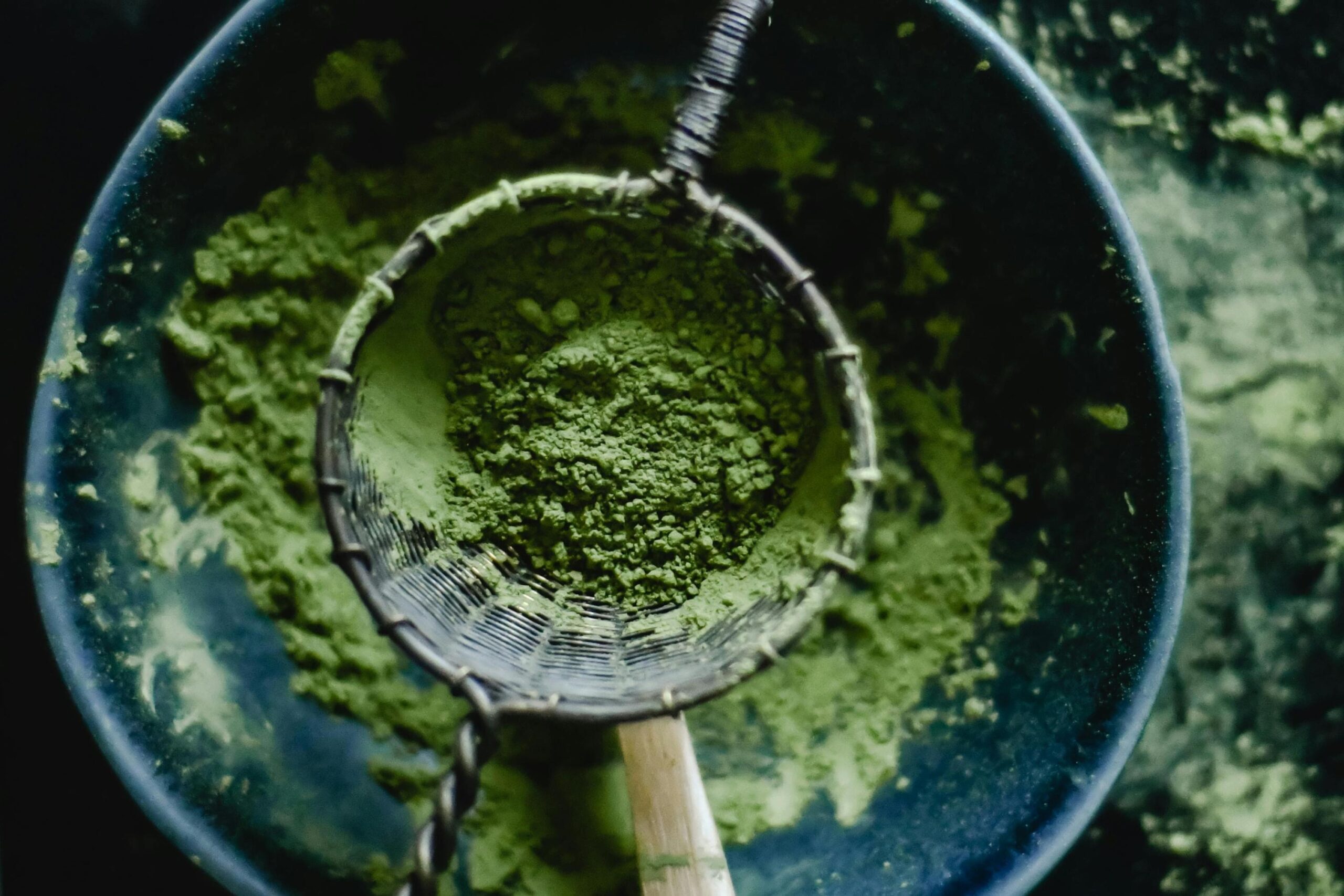
- Powdered Green Tea: The star of the japanese tea ceremony is matcha tea, a finely ground powdered tea whisked with a bamboo whisk into a frothy, vibrant liquid, not steeped like loose tea leaves.
- Tea Equipment: Every tool, from the bamboo tea scoop (chashaku) to the tea bowl (chawan) and tea caddy, is a work of art. These cherished tea utensils are handled with immense care and respect.
- Setting and Etiquette: Rooted in the aesthetic of wabi-sabi—finding beauty in imperfection and simplicity—the tea room is typically unadorned, allowing guests to focus on the ritual itself. Guests purify themselves at a stone basin before entering, and the host and guests exchange a silent bow as a sign of respect. The waiting room serves as a calm space for guests to prepare mentally and physically for the ceremony, enhancing the sense of mindfulness.
- Tea Preparation: The tea preparation involves carefully heating hot water over a charcoal fire and whisking powdered tea with a bamboo whisk to create either thin tea (usucha) or thick tea (koicha), each with its own texture and flavor profile.
- Sweets: Small, delicate sweets called wagashi are served before the tea to complement its rich, umami flavor.
Influenced heavily by Buddhist monks and the samurai class, japanese tea culture is a moving meditation. It teaches that one can find profound beauty and meaning in the simplest of acts, emphasizing respect, purity, and tranquility.
Tea Ceremonies: The Art and Skill of Drinking Tea
Tea ceremonies around the world share a reverence for the ritual of tea drinking, though their styles and focuses differ greatly.
Chinese Tea Ceremony: Gongfu Cha and Ancient Wisdom
China, the birthplace of tea, offers the oldest and most foundational tea culture. The chinese tea ceremony, especially the Gongfu Cha, emphasizes mastering the art of tea preparation to extract the perfect flavor from tea leaves.
This ceremony involves:
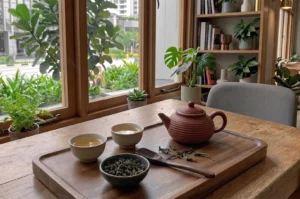
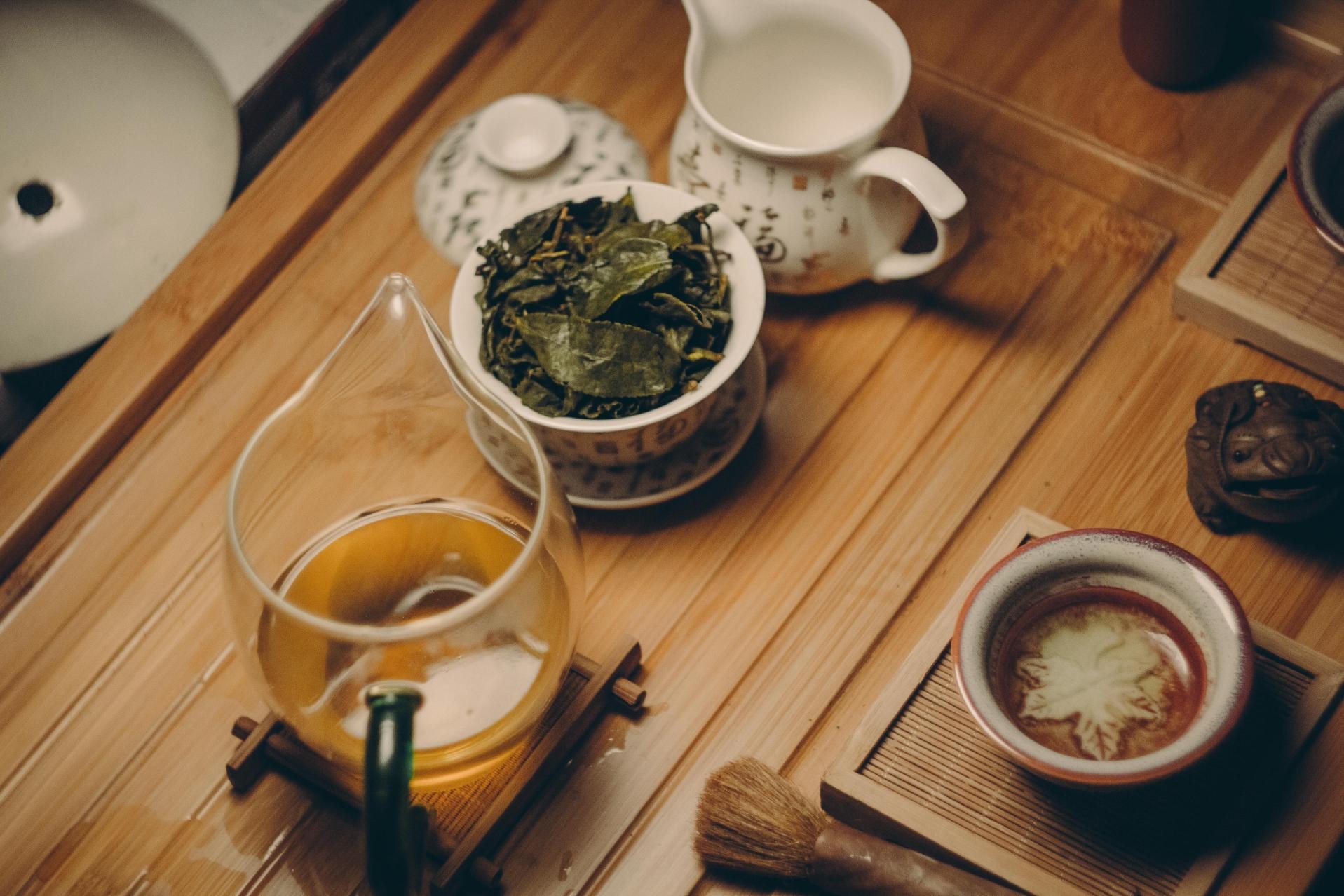
- Tea Equipment: Specialized utensils including a small clay teapot (often Yixing), tea cups, a tea tray to catch excess water, and a sharing pitcher.
- Multiple Infusions: The same tea leaves are steeped multiple times, each infusion lasting just a few seconds, revealing different nuances.
- Serving Tea: Tea is served in small tea cups encouraging guests to take a few sips and savor the evolving flavor. Guests are taught to avoid drinking directly from the front of the tea cup, instead lifting it with the left palm and rotating it slightly, a gesture that shows respect and appreciation.
The chinese tea ceremony is also deeply connected to family and social rituals, including the chinese wedding tradition where the bride's family and groom's parents participate in serving tea to honor family members and receive red envelopes symbolizing good fortune. On the wedding day, this ceremony symbolizes the joining of two families and the couple's respect for their elders. The couple's parents often play a central role in this ceremony, underscoring the importance of family ties. Traditionally, the groom or male participants may wear a red tie as part of their formal attire, symbolizing happiness and prosperity.
Private Tea Ceremony: Modern Adaptations and Intimate Experiences
Beyond public ceremonies, private tea ceremonies offer intimate moments of connection. Whether held in a tea garden or a dedicated tea house, these gatherings focus on the shared experience of tea preparation and appreciation.
Private ceremonies often adapt traditional tea equipment and rituals to suit the occasion, sometimes blending elements from different cultures or tea schools. They provide an opportunity for foreign guests to engage deeply with tea culture, often including wearing kimono and participating in the full sequence from purifying hands at the stone basin to savoring tea served in handcrafted tea bowls.
Japanese Tea: The Living Tradition of Tea Houses and Schools
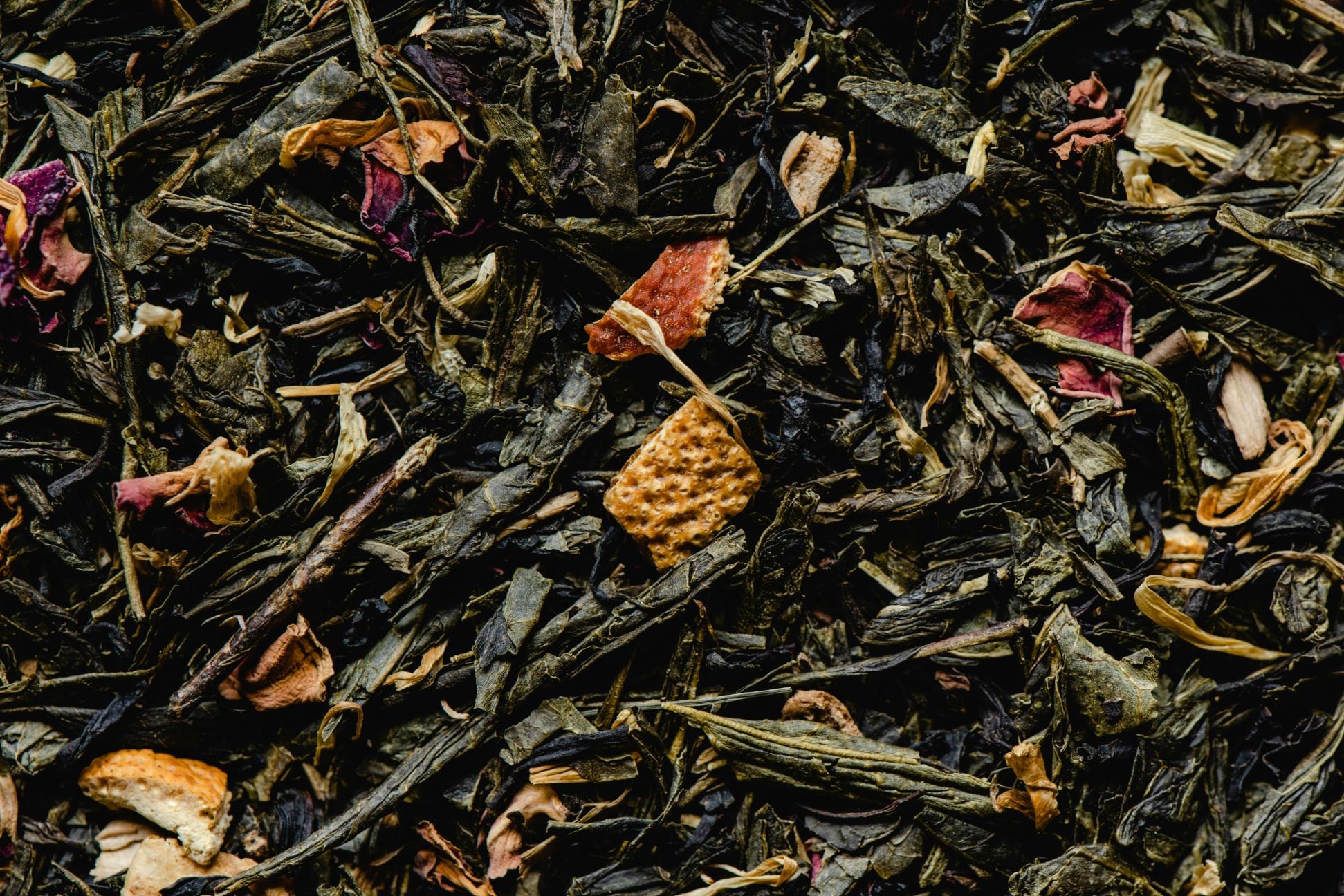
Japanese tea culture remains vibrant today, with numerous tea schools preserving and teaching the art of the tea ceremony. These tea schools offer training in the precise movements, etiquette, and philosophy behind the way of tea.
Tea houses continue to be the ideal venues for formal occasions, featuring tatami floors, seasonal flower arrangements, and carefully curated tea utensils. The tea garden surrounding the tea house provides a tranquil setting, deepening the meditative quality of the ceremony. Tea plantations in Japan, particularly in regions like Uji and Shizuoka, supply the high-quality tea leaves that are essential for these ceremonies.
Tea Equipment: Tools of the Tea Master
Central to any tea ceremony is the tea equipment, each piece carefully chosen for function and beauty:
- Tea Whisk (Chasen): Made from bamboo, used to whisk powdered tea into a frothy consistency.
- Tea Scoop (Chashaku): A slender bamboo tool for measuring powdered tea.
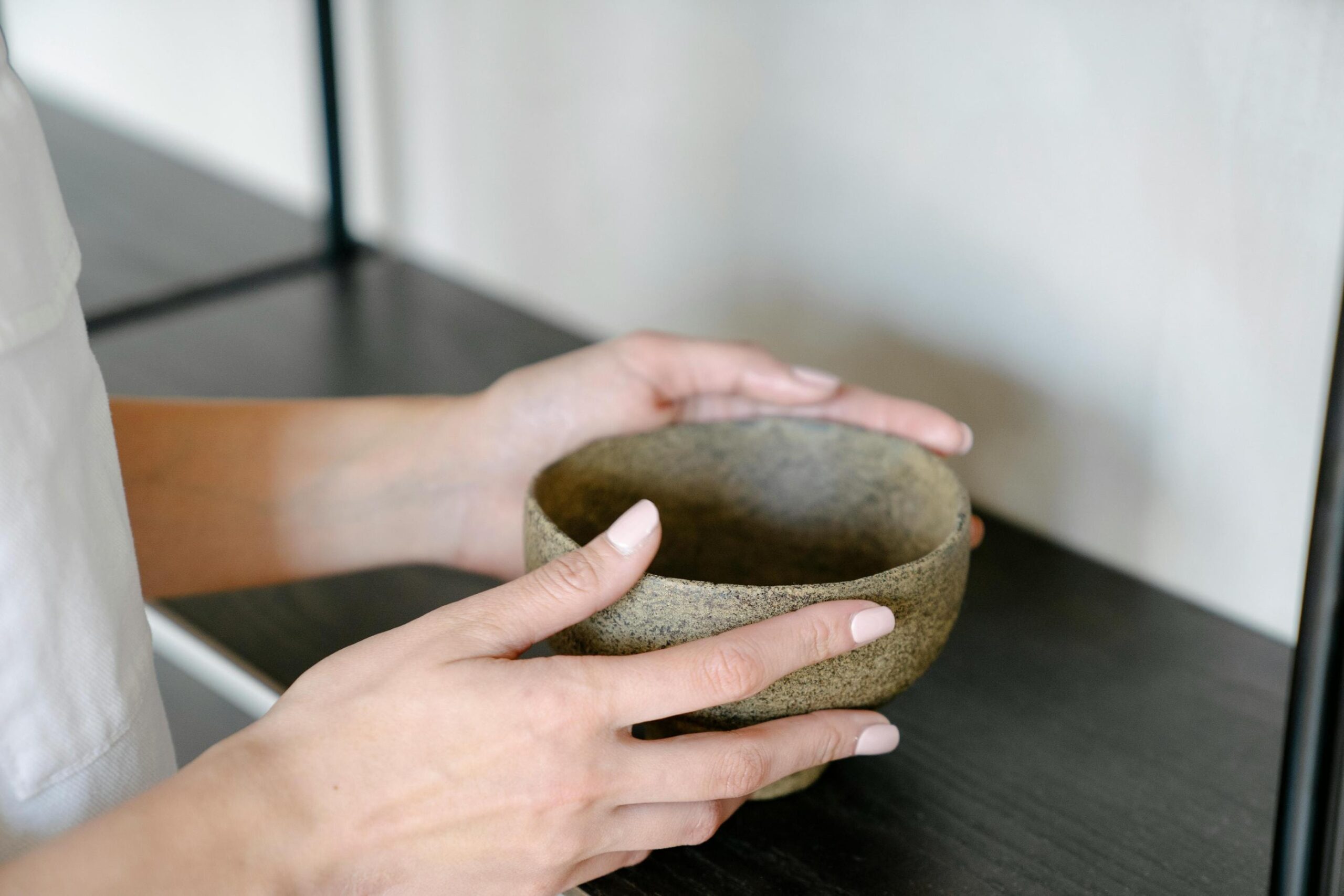
- Tea Bowl (Chawan): Often handcrafted, its shape and texture reflect the season and the tea master's style.
- Tea Caddy (Natsume or Chaire): A container for storing powdered tea.
- Other Utensils: Including the water ladle, charcoal fire tools, and cloths for cleaning.
Proper care and handling of tea equipment is a form of respect and reflects the deep cultural history of tea.
Thin Tea: The Delicate Art of Usucha
In many japanese tea ceremonies, thin tea (usucha) is served to guests in individual tea cups. It is lighter in texture than thick tea and is often accompanied by seasonal sweets.
The preparation of thin tea involves whisking powdered tea with hot water until frothy, then serving it with grace. Guests are encouraged to take a few sips, appreciating the tea's subtle flavors and the beauty of the tea bowl.
Art Form: The Way of Tea as a Cultural Treasure
The tea ceremony is more than a beverage preparation; it is an art form that embodies harmony, respect, purity, and tranquility. It reflects the essence of traditional japanese aesthetics and zen buddhism, celebrating the present moment.
Through the careful choreography of movements, the selection of tea utensils, the arrangement of flowers, and the serene setting of the tea house and tea garden, the tea ceremony invites participants to experience a profound connection with nature, culture, and each other.
Flower Arrangement: The Subtle Beauty of Chabana
An integral part of the tea ceremony is the flower arrangement, or chabana. These simple, seasonal flowers are arranged with minimalism to complement the tea room's atmosphere and reflect the natural world.
Chabana arrangements avoid artificial decorations, focusing instead on natural beauty and seasonal relevance, often displayed in rustic containers that harmonize with the tea utensils and surroundings. Seasonal flowers such as lotus seeds and red dates may be incorporated symbolically to represent purity and good fortune.
Conclusion
From the ceremonial tea houses of Japan to the spirited gongfu tea tables of China, tea ceremonies around the world share a rich tapestry of tradition, philosophy, and artistry. They remind us that tea drinking is not merely about the beverage but about the connections forged, the moments cherished, and the cultural history honored.
Whether you are a seasoned tea master or a curious guest, embracing the way of tea offers a path to mindfulness, harmony, and joy in the simple act of sharing a cup. So steep your tea, whisk with intention, and savor each sip as a celebration of life itself.
For a deeper understanding of the core values that shape the Japanese tea ceremony, explore the four principles of Chanoyu in this insightful article.

The Problem With “Single-Origin” Tea Obsession
There was a time when knowing where a tea came from was enough. Now, it sometimes feels as though we need to know everything. The mountain. The village. The garden. The harvest date. The particular plot where the leaves were grown. Single-origin tea has become a mark of quality in modern tea culture. The idea…
-
Where Singapore’s Tea Traditions Still Steep: Pek Sin Choon
The first thing I noticed was the smell. Not perfume, not incense. Something warmer and older than both. Roasted tea leaves, drifting out onto Mosque Street before I even reached the door. It’s the kind of smell that makes you slow your steps without knowing why. Pek Sin Choon has been on this corner of…
-
Not All Comfort Is Sweet: The Bitterness I Now Appreciate
I used to think comfort was supposed to be easy. A familiar drink. A familiar taste. Something that immediately made me feel better. For a long time, I gravitated towards teas that were gentle. Soft flavours. Natural sweetness. Anything that felt welcoming from the first sip. Then I started appreciating bitter teas. Not because I…
-
Understanding the Herb Behind the Refreshing Cup: Peppermint Tea
There is a moment, just after the hot water meets the fresh peppermint leaves, when the whole room seems to change. A sharp, green coolness lifts from the cup and settles somewhere behind your eyes. Drinking peppermint tea does this quietly, without fuss. It asks for nothing and offers a great deal. Most of us…
-
Why Most People Hate Oolong: Overcomplicated Advice Ruined It
I have always found it interesting that oolong tea is one of the most misunderstood teas. People often describe it as complicated. Too many varieties. Too many brewing methods. Too many rules. The leaves should be prepared this way. The water should be at this temperature. The teapot should be a certain material. The first…
-
Kempinski Singapore High Tea Review: When Afternoon Tea Feels Like an Occasion
The rain had come and gone by the time I arrived, leaving the street outside slick and quiet. I stepped in without knowing quite what I wanted from the afternoon. Only that I wanted it to be slow. The Lobby Lounge at The Capitol Kempinski Hotel Singapore does not rush you. It waits. And there…
-
Scent, Memory, and a Kettle: How Tea Anchors My Days
There are certain smells that bring us somewhere else before we even realise it. The scent of rain on warm pavement. A familiar perfume. The food someone used to make when we were younger. For me, tea belongs in that category. Sometimes, before I even take a sip, the aroma is enough to bring back…
-
The Chinese Yixing Teapot: More Than a Teapot, a Living Tea Tradition
The first time I held a Chinese Yixing teapot, I wasn’t ready for how warm it would feel. Small, reddish-brown, sitting in my palm like a river stone that had been kept somewhere warm. I’d just rinsed it with hot water, the way you’re supposed to before the first brew, and the clay drank up…
-
Your “Tea Sommelier” Might Be Selling You a Vibe, Not a Better Cup
There is a particular moment that has become increasingly familiar in modern tea culture. A tea is presented. Before the first sip, we are introduced to its story. The region. The altitude. The history. The carefully chosen words that describe its character. Perhaps there are notes of wildflowers, distant forests, roasted grains, or forgotten memories….
-
Does Tea Contain Caffeine? Understanding What’s Really in Your Tea
There’s a quiet moment many of us know well. The kettle clicks off. Steam curls up. You wrap your hands around a warm cup and feel your shoulders drop, just a little. Tea has always carried this sense of calm, of slowing down. So it can feel almost contradictory to ask: does tea contain caffeine?…