Tea is one of the most popular drinks worldwide, cherished for centuries as much for its taste as for its role in tradition and culture. While many people immediately think of green tea, black tea, or perhaps a steaming mug of mint tea, the spectrum of herbal infusions—blends using various herbs, fruits, and flowers—offers countless opportunities to experience the world’s tea culture in a cup.
If you’ve ever enjoyed tea time with chamomile or peppermint, get ready to explore beyond the familiar as we journey through the art form of herbal infusions from around the world.
Why Go Beyond Chamomile?
Drinking tea is an integral part of daily life in many cultures, from the intricate Japanese tea ceremony to the lively gatherings in Moroccan tea houses. Yet, the Western world often limits itself to a few traditional choices. Venturing beyond popular drink choices gives us a taste of the art, history, and connection that diverse herbal tea traditions can offer. Each tea plant, preparation method, or recipe has its own story—sometimes soothing, sometimes a little spicy, sometimes steeped in tales of upper classes or humble gatherings. Let’s travel continent by continent, unlocking new flavors in your cup and enriching your next tea time.
A note on wellness: While herbs have been enjoyed around the world for their flavor and as home remedies, always consult expert advice or a healthcare provider before turning to any beverage for medicinal purposes.
The Americas: Herbal Infusions With Character

Yaupon (North America)
In the southeastern United States, Yaupon is a traditional drink, prepared by steeping the dried tea leaves of a native holly plant. Long before green tea reached Western shores, Indigenous peoples such as the Muscogee and Cherokee incorporated Yaupon into rituals—using hot water to draw out the smooth, earthy, and slightly sweet flavors. Yaupon, though caffeinated, contains no tannins, so its taste remains mild. Today, you can enjoy tea sourced from local farms across Texas and Florida, often served hot or as refreshing iced tea.
Guayusa (South America)
A relative of yerba mate, Guayusa comes from the Ecuadorian Amazon, where communal tea making at dawn is a common practice among the Kichwa people. The experience is as much about connection as flavor—families gather, interpret dreams, and sip this subtly sweet infusion. Steeped in hot (but never boiling) water, Guayusa is smooth, slightly grassy, and pleasantly robust. It’s increasingly available online internationally and is sometimes consumed with sugar or fruits for a unique twist.
Anise Hyssop (North America)
Anise Hyssop, with its minty and licorice notes, was a staple for several native cultures. Traditionally, leaves and blossoms are steeped in hot water, yielding a highly aromatic and slightly sweet beverage. It’s often enjoyed as an iced tea during warmer months or served with pastries in tea houses recreating heritage recipes.
Europe: The Tradition of Tea Leaves and Flowers
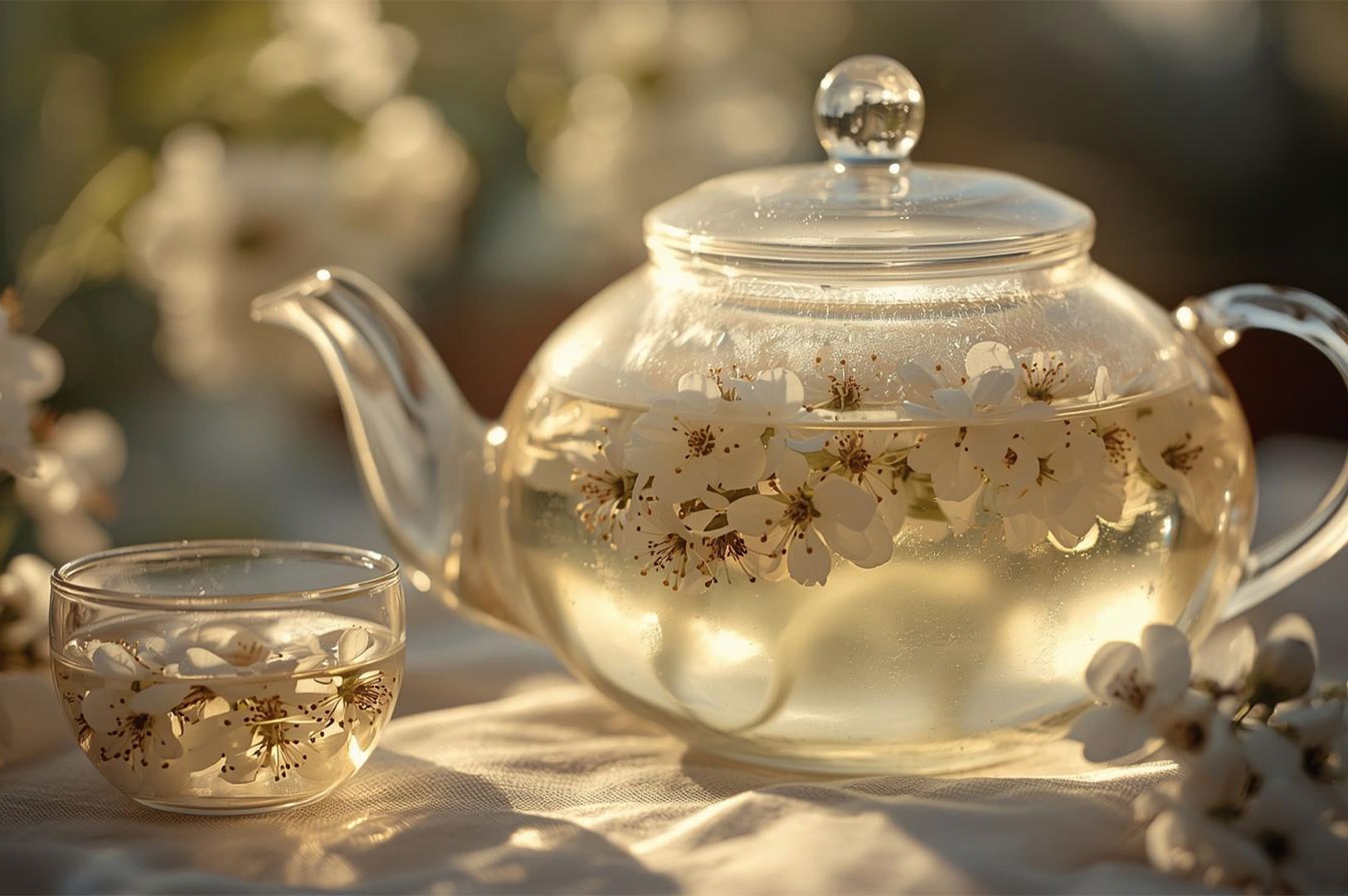
European countries boast a rich history of tea culture beyond black tea and green tea. Infusions here are often tied to ancient ceremony, local customs, or seasonal harvests.
Greek Mountain Tea (Sideritis)
In the Greek highlands, mountain tea is a ritual dating back centuries. The Sideritis plant is boiled with flowers, leaves, and stalks until the kitchen fills with a herbal, almost citrusy aroma. Traditionally prepared after a day’s work, it is served hot—in glasses, not cups—sweetened with honey or enjoyed with a slice of lemon. The taste is floral, earthy, and refreshing, a drink that’s as much an invitation to relax as a popular drink for conversation.
Linden Flower (Tilia)
Linden trees line the grand boulevards of many European cities, but their blossoms truly shine during an afternoon tea. Infusions of linden, or tilleul in France, create a gentle, honey-sweet beverage. Traditionally, upper classes enjoyed it in stately tea houses as an evening ritual. For modern day tea lovers, its calming, floral notes make it a soothing drink, and it is widely available from herbalists across Europe and online.
Meadowsweet (Filipendula ulmaria)
A favorite in the British Isles and Scandinavia, meadowsweet was once used to scent homes and flavor drinks, long before black tea dominated English tea time. Simply steep the dried flowers or leaves in boiling water for a cup that is sweet, almond-like, and lightly medicinal in taste. It’s perfect alongside scones or as a cooling iced tea—truly a beverage with a recipe passed down through the ages.
Africa: Rich Flavors and Ancient Tea Houses
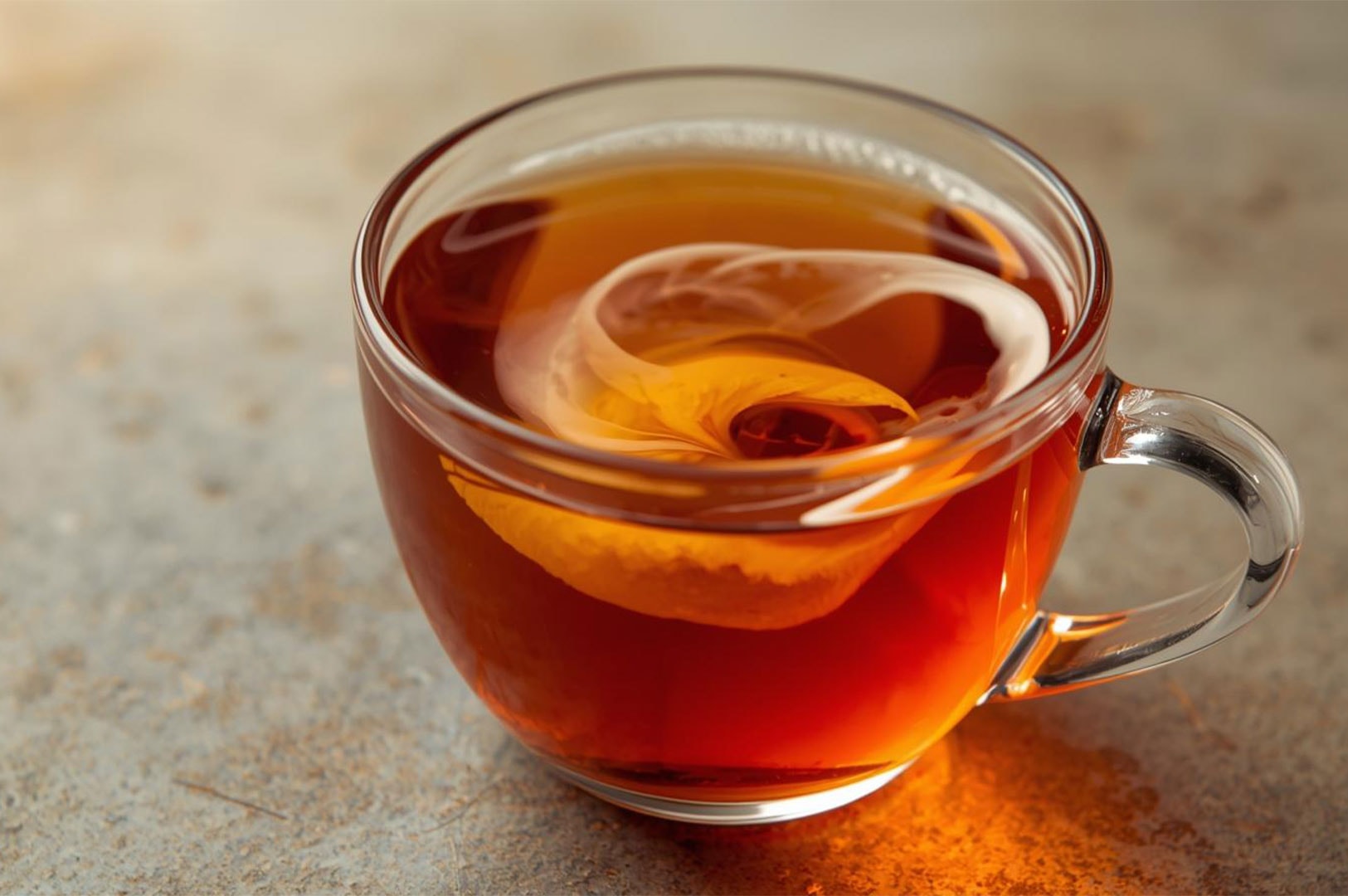
The tea traditions of Africa span from robust bush infusions to aromatic blends enjoyed from the Sahara to Cape Town.
Honeybush
Growing wild only in South Africa, Honeybush is related to Rooibos but has a richer and more honeyed flavor profile. Traditionally, it was steeped over a fire using boiling water, often served with condensed milk or sugar. Modern tea houses highlight its naturally sweet, apricot-like taste in both hot and iced tea recipes—making it a favorite caffeine-free beverage around the world.
Buchu
Loved for its bold, menthol-like character, Buchu is an herb native to South Africa’s Western Cape. Used for centuries, often in combination with black tea or by itself, Buchu is typically steeped in hot water and served plain. The flavor can be intense—a mix of mint, rosemary, and fruit. Look for it at specialty shops or order online if you’re eager to enjoy tea with a truly unique taste.
Kinkeliba
In the tea culture of West Africa, particularly Senegal and Mali, Kinkeliba reigns as the drink of choice to break fast during Ramadan. The Woody leaves are simmered and sweetened, resulting in a robust, bittersweet infusion traditionally served in a glass. It’s sometimes paired with mint or ginger, making it a celebration of both taste and custom.
Asia: Ritual, Art, and Unexpected Infusions
Asia’s tea plants and herbs anchor some of the world’s most celebrated tea traditions—including the Japanese tea ceremony and the refined art of tea making in Chinese culture.
Sobacha (Japan)
Distinct from green tea or matcha, Sobacha features roasted buckwheat kernels, sometimes consumed as an iced tea or a warming drink in cold months. The Japanese tea ceremony elevates tea to an art form, and even these humble kernels are part of the enjoyment—nutty, toasty, and with a mellow sweetness. Leftover kernels are often eaten or added to pastries. Look for them in Japanese grocery stores and online.
Jiaogulan (China)
Known as the “immortality herb,” Jiaogulan is a herbal tea that’s deeply woven into Chinese culture. Grown wild in southern China, this herbal infusion is traditionally enjoyed with friends or at tea houses as a symbol of longevity and hospitality. The flavor starts earthy and bitter, finishing with a lingering, pleasant sweetness.
Pandan Leaf
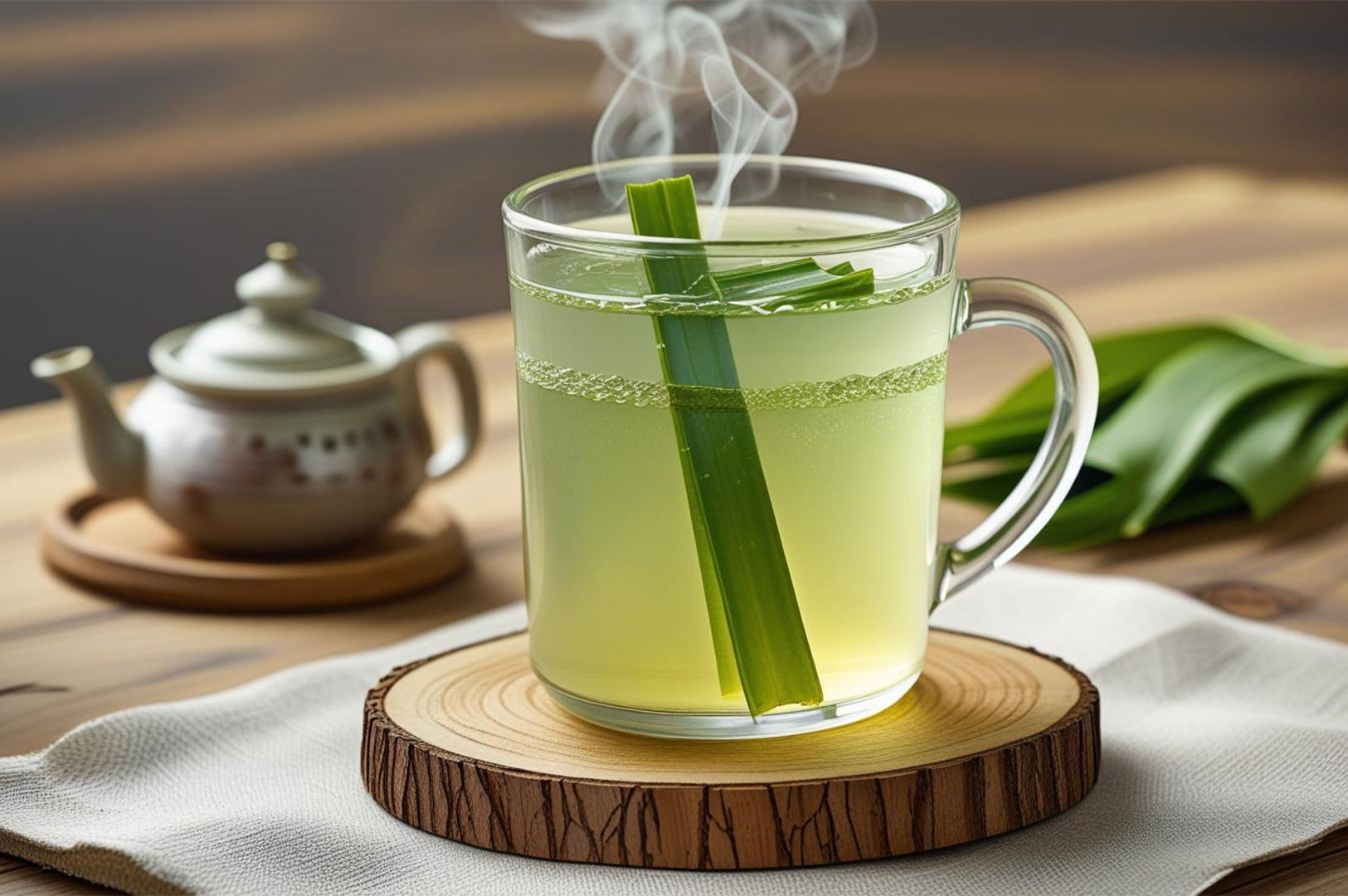
Across Southeast Asia, pandan leaves transform boiling water into a vibrant, fragrant drink often paired with sweets or rice dishes. With notes of vanilla and coconut, pandan tea is commonly enjoyed cold, reminiscent of iced tea but with an unmistakable tropical twist. In Malaysia and Indonesia, it is sometimes combined with condensed milk for a creamy beverage, bringing a taste of the tropics to tea time.
Tulsi (Holy Basil)
Tulsi—or holy basil—is an essential ingredient in India’s masala chai traditions. This herb’s peppery, clove-like notes balance the sweetness of milk and the warmth of cinnamon, ginger, and cardamom. Consumed both hot and cold throughout the year, tulsi tea is a traditional way to bring family together and is readily available in most health shops.
Australia: Flavors From the Bush

Australia’s wild landscape hides unique tea plants long enjoyed by Indigenous communities.
Lemon Myrtle
Highly prized for its pure lemon flavor, Lemon Myrtle infusions are made by steeping dried leaves in hot water. Indigenous Australians have traditionally used it in both cooking and drinks for thousands of years. In the modern tea world, this intense, refreshing tea pairs beautifully with ginger or can be served cold as a vibrant, citrusy iced tea.
Jilungin Bush Tea
Jilungin is harvested in Western Australia, most often by local communities using traditional methods. Known for its earthy, slightly savory profile, this herbal tea is simmered in boiling water and enjoyed just before bed. Though rare outside Australia, it has begun appearing in global specialty shops and offers tea lovers yet another reason to explore world beverages beyond the ordinary.
Middle East and Beyond: Iconic Infusions
Moroccan Mint Tea
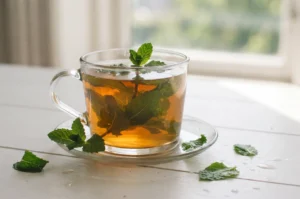
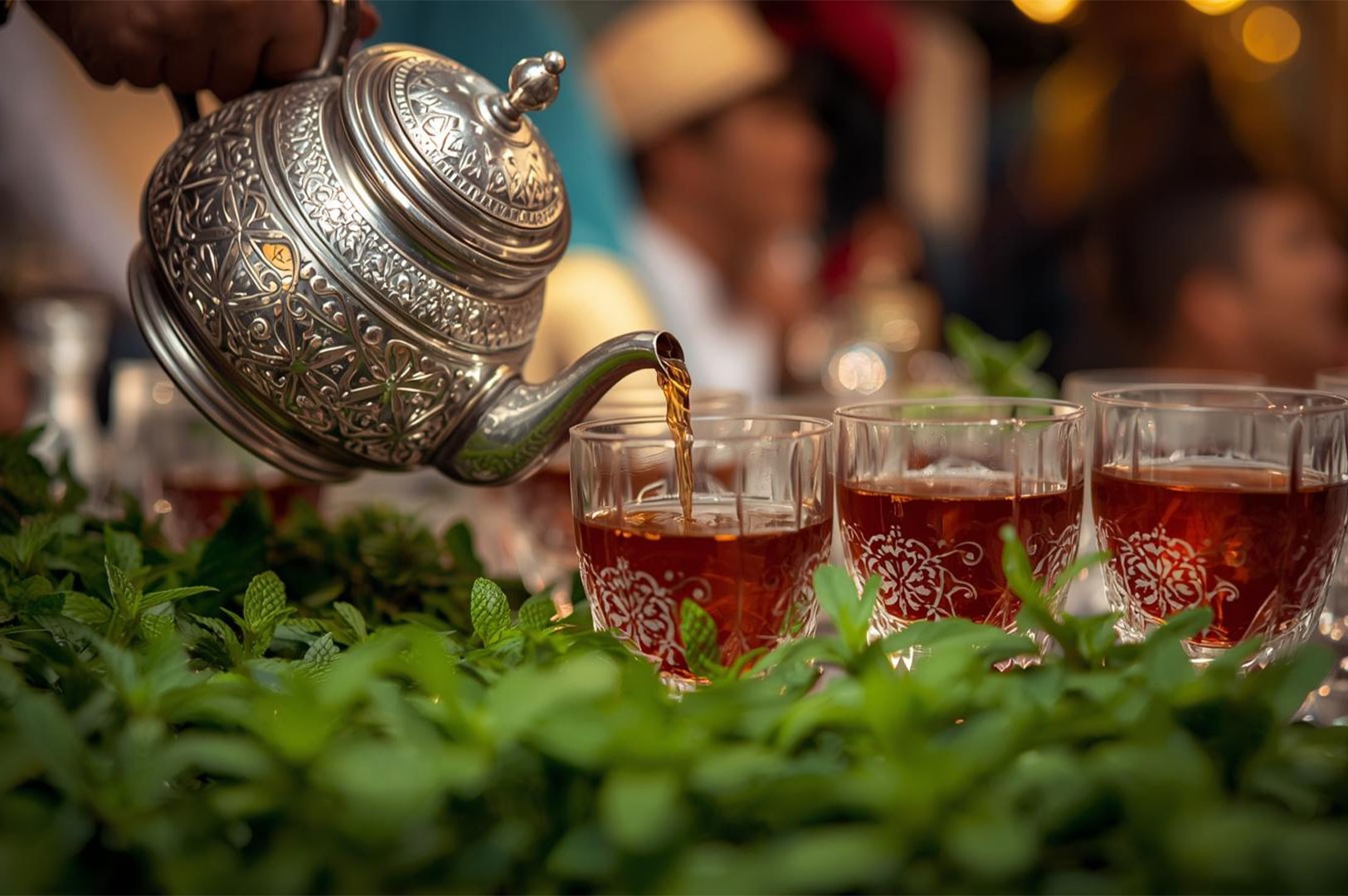
No discussion about global tea culture is complete without visiting the tea houses of Morocco. Moroccan mint tea, made with green tea, fresh mint, and sugar, is poured from a height into small glasses—a spectacle just as important as the drink itself. This form of tea making is communal, an art as much about hospitality as taste.
In the Middle East, strong black teas are a common practice, often served with lumps of sugar and, at times, combined with fruits, spices like cinnamon, or even cardamom. It’s not unusual to enjoy tea with pastries while conversing for hours—a tradition that’s become an integral part of daily life from Cairo to Istanbul.
Tea in the Modern Day: Enjoy Tea Anywhere, Any Way
Tea today is more than just a beverage; it’s a symbol of connection, creativity, and even rebellion. Around the world, tea plants have traversed borders, and recipes have evolved from formal ceremonies to casual, everyday enjoyment. Many people now enjoy tea with milk, as in masala chai or even British-style black tea, or with sweeteners, fruits, or condensed milk, as in Thai iced tea.
In Argentina and neighboring countries, yerba mate is consumed from a hollowed gourd using a metal straw—a social and energizing experience that rivals coffee in popularity. Meanwhile, hot chocolate, a cousin in the world of comforting drinks, sometimes sneaks onto the tea house menu for those needing a richer treat.
Tea leaves, when combined with various herbs, yield infusions that can help prevent constipation, serve as gentle digestives, or are simply relished for their warmth. The expert Lu Yu—often credited as the sage of tea in Chinese culture—once wrote that the taste and enjoyment vary depending on preparation, water, herbs, and atmosphere: the philosophy holds true even now.

The Problem With “Single-Origin” Tea Obsession
There was a time when knowing where a tea came from was enough. Now, it sometimes feels as though we need to know everything. The mountain. The village. The garden. The harvest date. The particular plot where the leaves were grown. Single-origin tea has become a mark of quality in modern tea culture. The idea…
-
Where Singapore’s Tea Traditions Still Steep: Pek Sin Choon
The first thing I noticed was the smell. Not perfume, not incense. Something warmer and older than both. Roasted tea leaves, drifting out onto Mosque Street before I even reached the door. It’s the kind of smell that makes you slow your steps without knowing why. Pek Sin Choon has been on this corner of…
-
Not All Comfort Is Sweet: The Bitterness I Now Appreciate
I used to think comfort was supposed to be easy. A familiar drink. A familiar taste. Something that immediately made me feel better. For a long time, I gravitated towards teas that were gentle. Soft flavours. Natural sweetness. Anything that felt welcoming from the first sip. Then I started appreciating bitter teas. Not because I…
-
Understanding the Herb Behind the Refreshing Cup: Peppermint Tea
There is a moment, just after the hot water meets the fresh peppermint leaves, when the whole room seems to change. A sharp, green coolness lifts from the cup and settles somewhere behind your eyes. Drinking peppermint tea does this quietly, without fuss. It asks for nothing and offers a great deal. Most of us…
-
Why Most People Hate Oolong: Overcomplicated Advice Ruined It
I have always found it interesting that oolong tea is one of the most misunderstood teas. People often describe it as complicated. Too many varieties. Too many brewing methods. Too many rules. The leaves should be prepared this way. The water should be at this temperature. The teapot should be a certain material. The first…
-
Kempinski Singapore High Tea Review: When Afternoon Tea Feels Like an Occasion
The rain had come and gone by the time I arrived, leaving the street outside slick and quiet. I stepped in without knowing quite what I wanted from the afternoon. Only that I wanted it to be slow. The Lobby Lounge at The Capitol Kempinski Hotel Singapore does not rush you. It waits. And there…
-
Scent, Memory, and a Kettle: How Tea Anchors My Days
There are certain smells that bring us somewhere else before we even realise it. The scent of rain on warm pavement. A familiar perfume. The food someone used to make when we were younger. For me, tea belongs in that category. Sometimes, before I even take a sip, the aroma is enough to bring back…
-
The Chinese Yixing Teapot: More Than a Teapot, a Living Tea Tradition
The first time I held a Chinese Yixing teapot, I wasn’t ready for how warm it would feel. Small, reddish-brown, sitting in my palm like a river stone that had been kept somewhere warm. I’d just rinsed it with hot water, the way you’re supposed to before the first brew, and the clay drank up…
-
Your “Tea Sommelier” Might Be Selling You a Vibe, Not a Better Cup
There is a particular moment that has become increasingly familiar in modern tea culture. A tea is presented. Before the first sip, we are introduced to its story. The region. The altitude. The history. The carefully chosen words that describe its character. Perhaps there are notes of wildflowers, distant forests, roasted grains, or forgotten memories….
-
Does Tea Contain Caffeine? Understanding What’s Really in Your Tea
There’s a quiet moment many of us know well. The kettle clicks off. Steam curls up. You wrap your hands around a warm cup and feel your shoulders drop, just a little. Tea has always carried this sense of calm, of slowing down. So it can feel almost contradictory to ask: does tea contain caffeine?…