Singapore is a city that rarely stops moving. Between the hum of the MRT, the endless glow of screens, and the heavy humidity that clings to the air, finding a moment to genuinely wind down can feel like a luxury. For the longest time, my evening routine consisted of scrolling through my phone while finishing a late-night iced milk tea. Unsurprisingly, I found myself lying awake for hours.
When I finally decided to build a better evening ritual, I turned to chamomile tea. I was looking for a caffeine free, calming herbal tea that felt restorative rather than heavy. When I first tried this simple infusion made from dried chamomile flowers, I was struck by how such a delicate flower from the chamomile plant could anchor my entire night.
In my experience, chamomile tea is not just a beverage; it is a quiet boundary between the rush of the day and the rest of the night. If you are looking for a gentle way to slow down in our fast-paced city, here is everything you need to know about brewing, buying, and enjoying chamomile tea in Singapore.
What is Chamomile Tea? Understanding This Herbal Tea
Before we dive into the health benefits of chamomile tea, it helps to understand what you are actually drinking. A common misconception I hear is that chamomile is a type of green or white tea. In reality, chamomile is not a "true tea" at all.
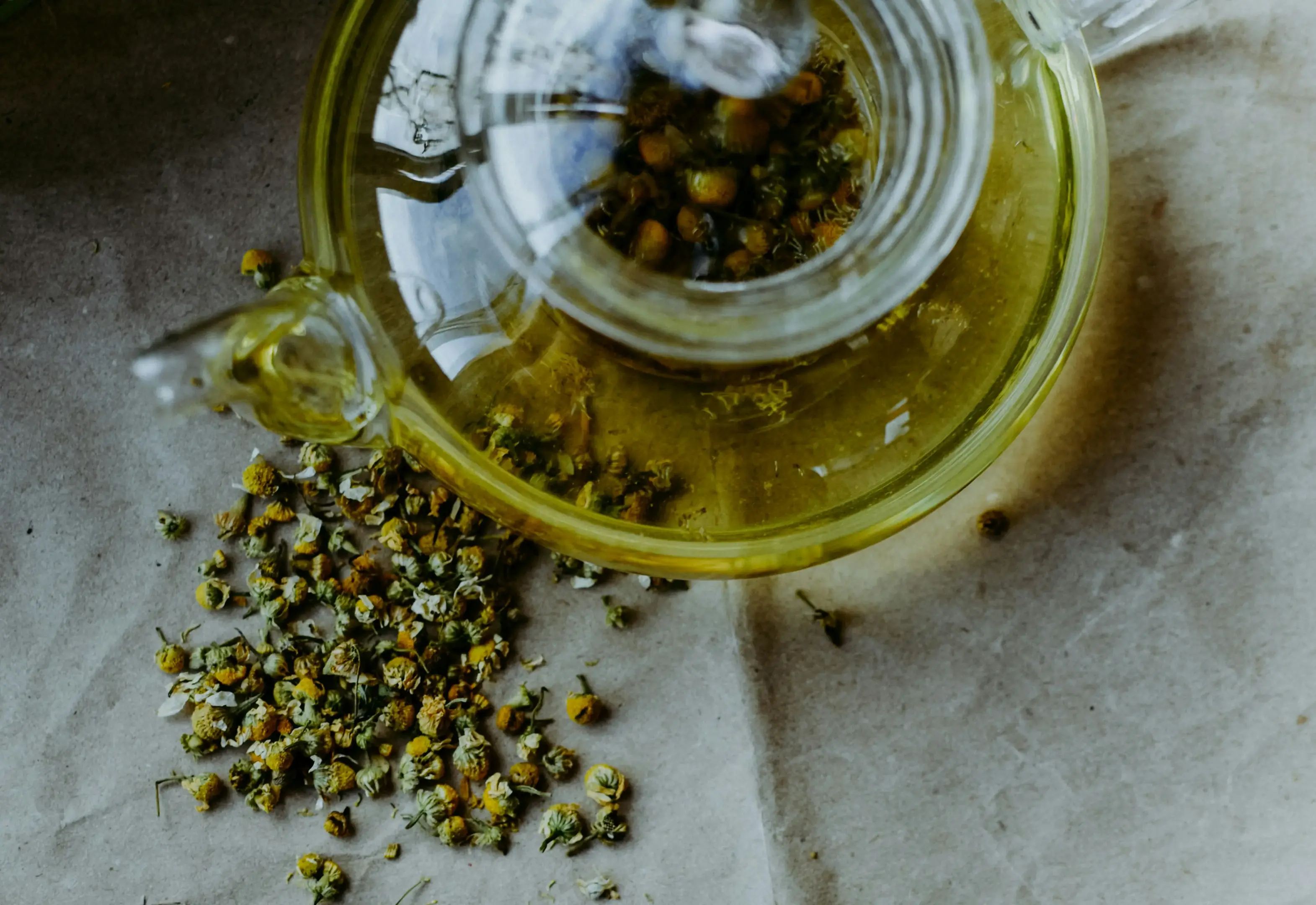
True teas—like green, black, and oolong—all come from the leaves of the Camellia sinensis plant. Chamomile, on the other hand, is an herbal infusion, also known as a tisane. It is made by steeping the dried, daisy-like flowers of the chamomile plant in hot water.
Because it contains no tea leaves, it is naturally completely caffeine free. This makes it fundamentally different from the caffeinated brews we rely on to get through morning meetings. Its flavor profile is light, floral, and slightly earthy, often with a subtle hint of crisp apple.
The Chamomile Tea Benefits: A Natural Remedy for Overall Health
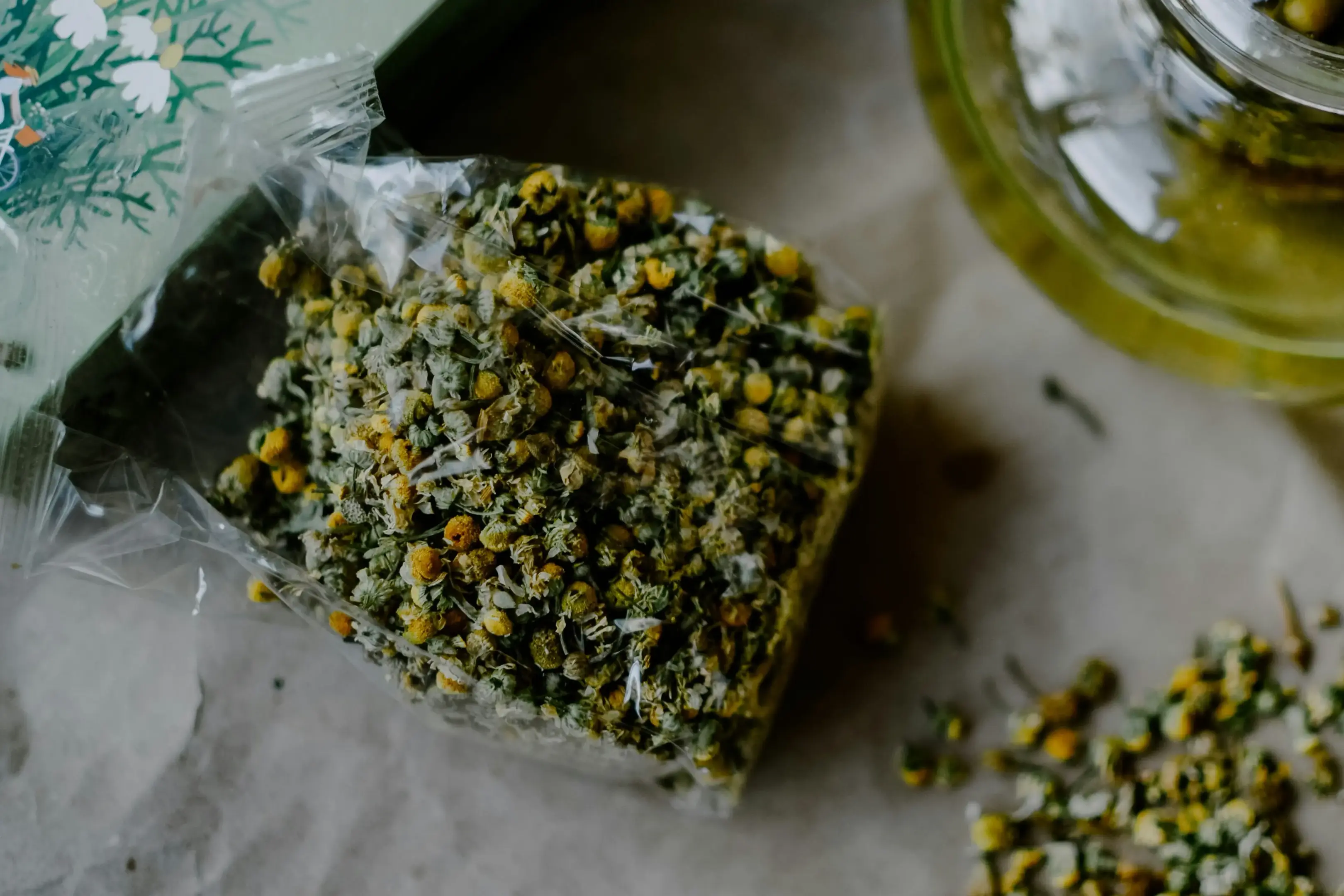
It is important to set realistic expectations. Chamomile tea offers a range of potential benefits but is not a miracle cure or a medical treatment. It has been traditionally used in herbal medicine for centuries as a natural remedy to promote relaxation and support overall health.
1. Supporting Rest and Sleep Quality
Research suggests that chamomile contains an antioxidant apigenin. This chemical constituent binds to specific receptors in your brain that may promote sleepiness and reduce anxiety symptoms. Drinking chamomile tea regularly can help improve sleep quality by promoting relaxation and calming effects on the nervous system. I have found that simply the act of holding a warm mug of chamomile tea signals to my brain that it is time to shut down.
2. Easing Digestive Health and Soothing an Upset Stomach
If you have just finished a heavy hawker center dinner, chamomile tea is a wonderful digestive health aid. It is traditionally used to soothe the digestive tract and ease mild digestive discomfort such as stomach cramps, indigestion, and bloating. Thanks to its anti inflammatory properties and antispasmodic effects, drinking chamomile tea can aid digestion and promote gut health. It may also help reduce chronic inflammation in the digestive system.
3. Creating a Calming Ritual for Stress Relief
Beyond the physical chemical constituents, the primary benefit I experience is mental. Taking ten minutes to brew and sip a floral, caffeine free drink forces you to pause. In a highly air-conditioned environment, the warmth of the mug and the gentle, honey-like aroma from the essential oils released by dried chamomile flowers provide a profound sense of comfort and stress relief.
How to Drink Chamomile Tea: Brewing Tips for Maximum Health Benefits
Brewing chamomile tea is incredibly forgiving, but a few small details make a significant difference. You can use either convenient tea bags or whole dried chamomile flowers. I personally prefer loose flowers for a stronger, more authentic aroma, but tea bags are perfect for tired weeknights.
Here is my simple, step-by-step process using a tea infuser:
- Boil fresh hot water: Use filtered water if possible. Bring it to a full boil, then let it sit for a minute so it is just slightly off the boil (around 90°C to 95°C).
- Measure your tea: If using loose dried chamomile flowers, use about one heaped tablespoon per mug. If using a tea bag, one is enough.
- Steep patiently: Pour the hot water over the flowers and cover your mug with a small saucer to trap the essential oils. Let it steep for 5 to 10 minutes. Chamomile tea does not turn bitter like green tea, so you can safely leave it to steep longer for a stronger flavor.
- Strain and serve: Remove the tea bag or strain out the flowers.
Pro Tip:
If you find the flavor too grassy, stir in a small spoonful of raw honey. Honey pairs beautifully with the floral notes. I strongly advise against using refined white sugar, as it flattens the delicate taste.
A Note on Singapore's Humidity and Quality Control Studies
Storage is critical here. Our tropical humidity will ruin dried flowers quickly. I learned this the hard way after leaving a paper box of premium chamomile on my kitchen counter; within weeks, it lost all its aroma and smelled like dusty cardboard. Always store your chamomile in an airtight, opaque container in a cool, dry cabinet away from direct sunlight to maintain its antioxidant properties and health benefits.
Chamomile Tea Detox: Myth vs. Reality
There is a popular belief that chamomile tea detoxifies the body. While chamomile tea offers antioxidant apigenin and other compounds that support immune system function and reduce inflammation, the idea of a "tea detox" is mostly a myth. The liver and kidneys efficiently remove toxins through natural processes. Chamomile tea can support overall health but should not be relied upon as a detox solution.
Where to Buy Chamomile Tea in Singapore: From Everyday to Premium
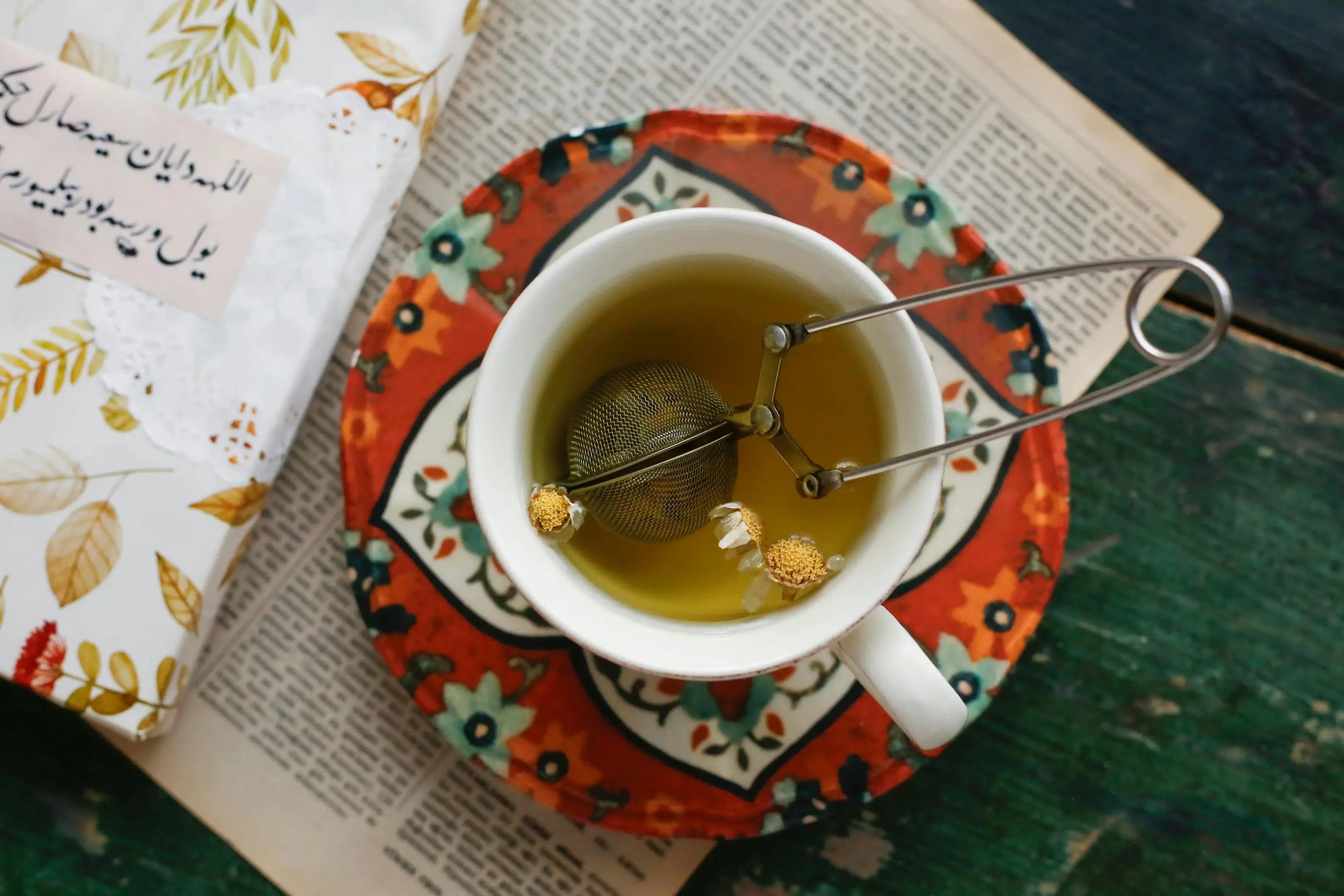
| Purchase Option | Price Range (SGD) | Description |
|---|---|---|
| Everyday Convenience | S$2.90 – S$8.00 | Available at local FairPrice or Cold Storage; usually in boxes of 20 tea bags; pure chamomile ingredient. |
| Premium Experience | S$10.00 – S$25.00+ | Specialty stores like TWG Tea and Scoop Wholefoods offer whole dried chamomile flowers with strong aroma and visual appeal. |
| Variety and Bulk | Varies | Online marketplaces such as Shopee and Lazada provide organic loose-leaf chamomile; check reviews for freshness and packaging quality. |
Blood Pressure and Blood Sugar: Chamomile Tea Benefits for Cardiovascular and Metabolic Health
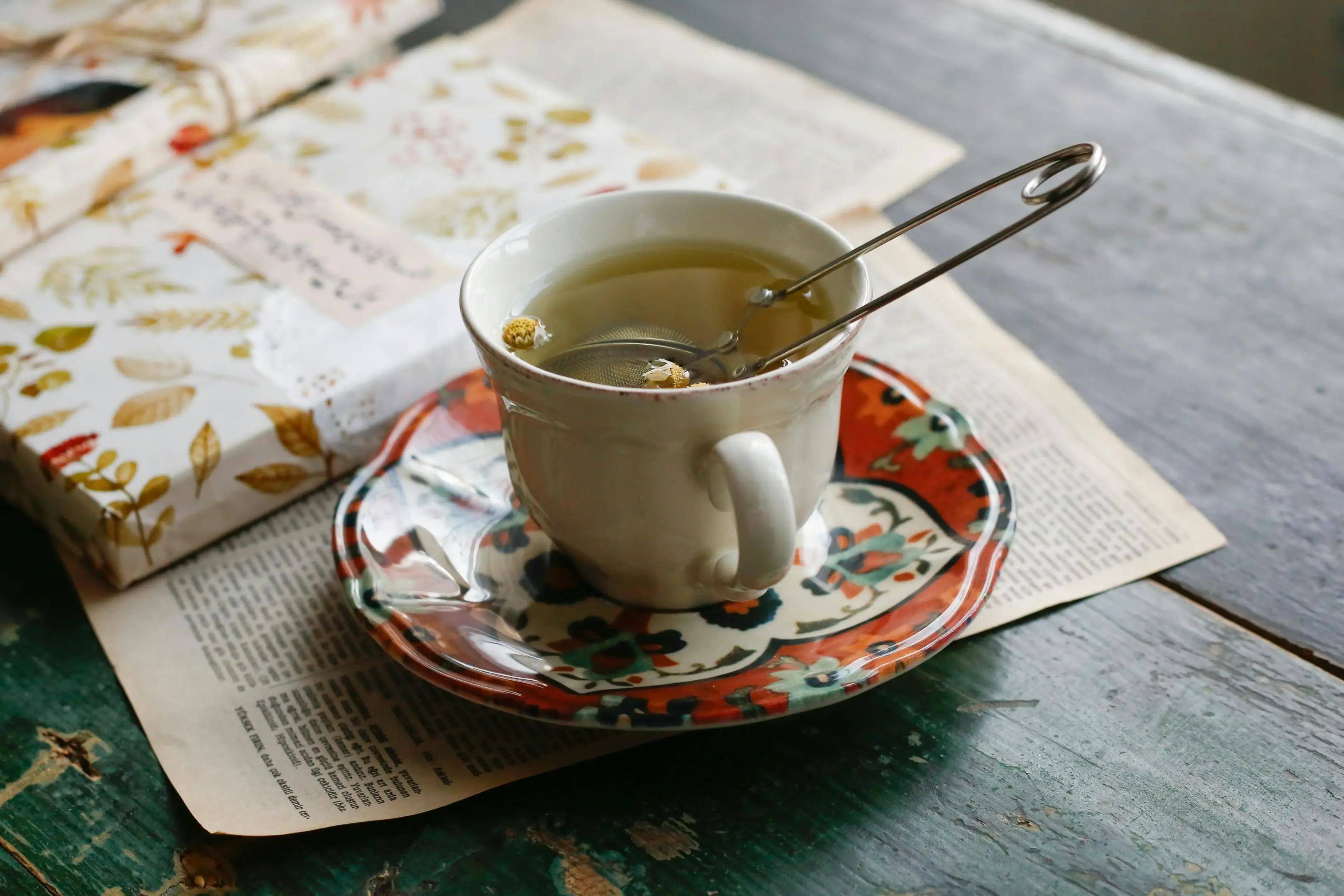
Chamomile tea may help support heart health by promoting cardiovascular health. Its antioxidant properties and anti inflammatory properties help reduce inflammation and oxidative stress, which are linked to high blood pressure and heart disease. Drinking chamomile tea regularly may contribute to maintaining healthy blood pressure levels.
Additionally, chamomile tea may assist in managing blood sugar levels. Studies suggest that consuming chamomile can improve insulin sensitivity and reduce blood glucose levels, making it a potential complementary natural remedy for people with diabetes or insulin resistance.
Anti Inflammatory Properties and Skin Health: The External and Internal Benefits
Chamomile tea offers powerful anti inflammatory properties that may help reduce symptoms of chronic inflammation. This can benefit skin conditions such as eczema, redness, and irritation. Applying chamomile topically or consuming chamomile tea may soothe skin health concerns by reducing inflammation and promoting healing.
Cold Symptoms and Immune System Support: Chamomile Tea for Sore Throats and More
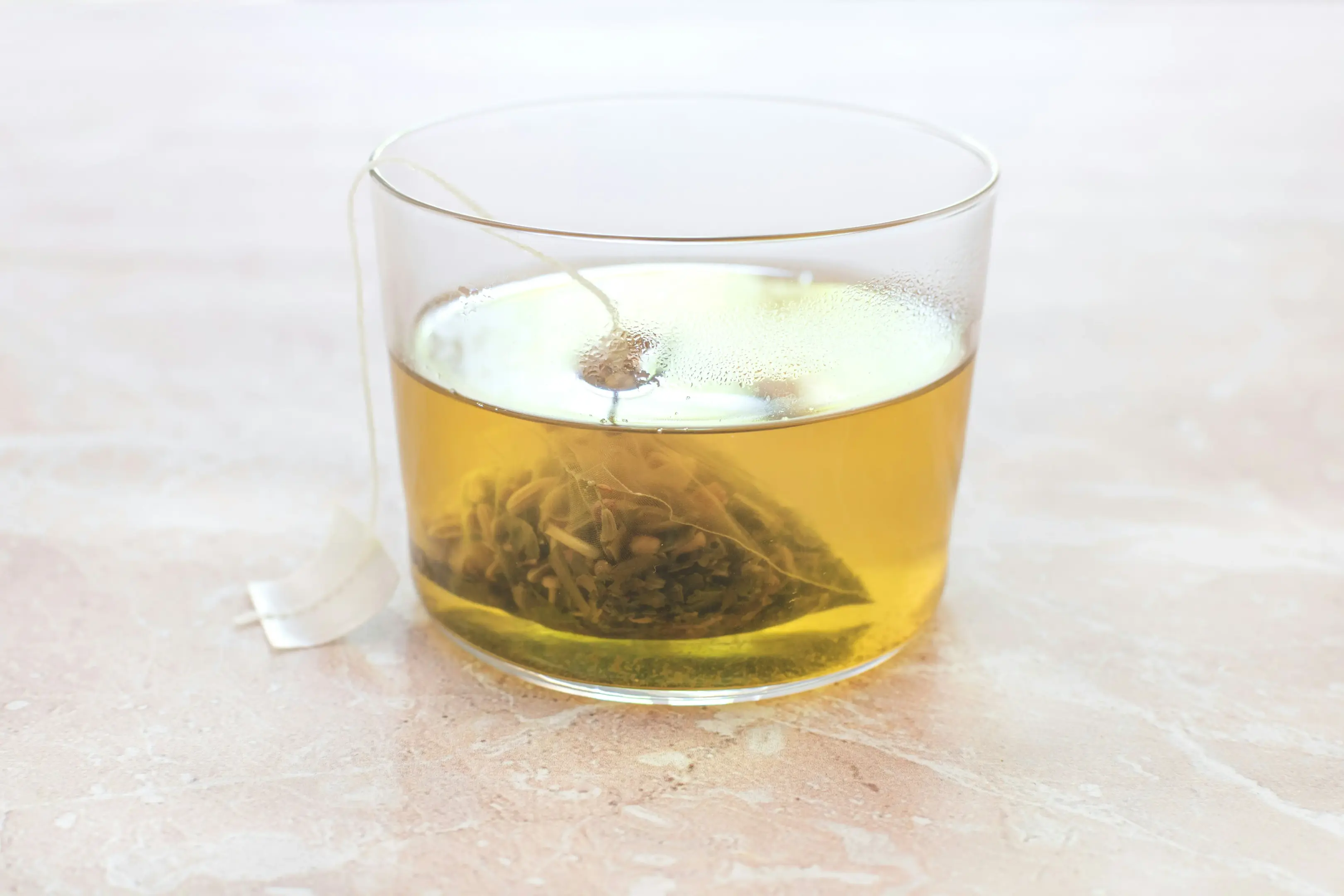
Consuming chamomile tea may help soothe sore throats and reduce cold symptoms thanks to its antibacterial and antiviral properties. Its calming properties also help reduce nervous tension and anxiety symptoms that often accompany illness. Drinking chamomile tea regularly supports immune system function, aiding the body in fighting infections.
Cancer Prevention: Potential Benefits and Need for More Human Research
Early studies on chamomile extract and essential oils suggest potential benefits in cancer prevention by targeting cancer cells and reducing their proliferation. However, more human research is needed to confirm these effects from drinking chamomile tea, which contains lower concentrations of active compounds.
Avoid Chamomile Tea: Who Should Be Cautious?
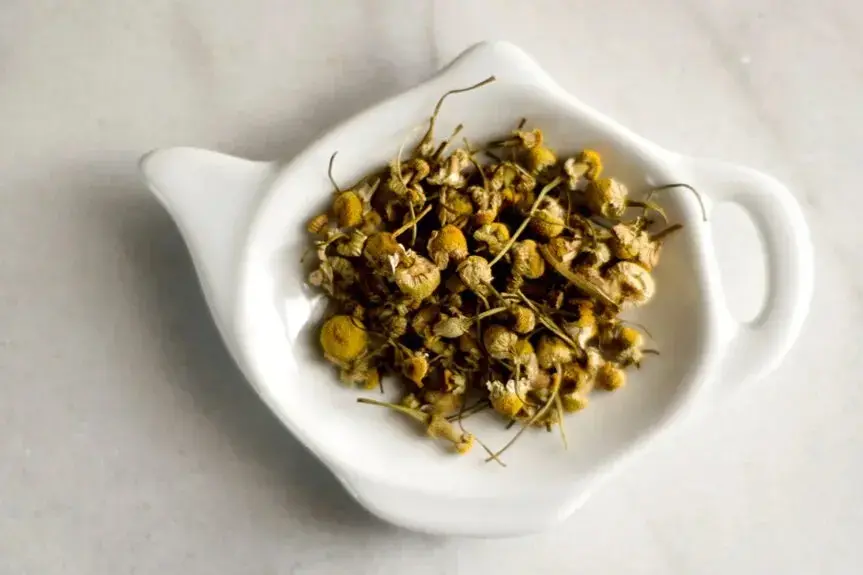
While chamomile tea is generally safe for most people, some should avoid chamomile tea or consult a healthcare provider first. People with severe allergies to related plants in the chamomile plant family, such as ragweed, daisies, or marigolds, may experience allergic reactions.
Those taking blood thinners should avoid chamomile tea or use it cautiously, as chamomile extract can interact with these medications and increase bleeding risk. Pregnant and breastfeeding women should also avoid chamomile tea unless advised otherwise by a healthcare professional.
Final Thoughts: Embrace the Calming Effects of Chamomile Tea
Creating a quiet evening ritual doesn't require expensive gadgets or hours of free time. Sometimes, all it takes is a hot mug of water and a handful of dried chamomile flowers.
Chamomile tea is a gentle, forgiving herbal tea that meets you exactly where you are. It asks nothing of you other than to sit down and sip slowly. If you find yourself bringing the stress of the day into your evenings, I highly recommend picking up a box of chamomile this week. Boil the water, steep the flowers, and give yourself permission to finally slow down.
To know more about tea and their benefits visit Tea Manor.

“Rare” Tea Is Often Manufactured Scarcity: Here’s How to Tell
There is a word in tea that carries unusual power. Rare. It immediately creates curiosity. A rare harvest. A rare batch. A rare tree. A tea that may never return. The suggestion is simple: if something is difficult to obtain, it must be more valuable. Sometimes, this is true. Some teas are genuinely limited because…
-
LiHO Tea Singapore: A Greeting You Can Drink
Some words carry a whole childhood inside them. Li ho. I heard it at kopitiam tables, across corridors, from uncles who never waited for a real answer. It meant “how are you,” but it also meant I see you. So when I saw that name on a tea shop sign, somewhere in the middle of…

The Myth of “Perfect” Tea: What I Stopped Chasing
For a long time, I thought I was looking for the perfect tea. I imagined there would be a moment when I found the one. The tea that made every other tea feel unnecessary. The tea I would recommend to everyone. The tea that would finally make me understand what true appreciation was supposed to…
-
Teh O: Understanding the Tea Order Behind the Name
There is a stall near where I grew up that has changed hands twice, but the tea has stayed the same. I still remember the first time I ordered teh o on my own, sometime in my early teens, mumbling the words at the counter and half-expecting to get them wrong. The uncle didn’t blink….
-
Stop Buying Tea for the Aesthetic: How Packaging Hijacks Taste
There is something fascinating about the way we buy tea today. Before we taste the leaves, we have already formed an opinion. The box is elegant. The label is beautifully designed. The colours suggest calm, luxury, or tradition. The story feels carefully written. And before the first sip, we have already decided that the tea…
-
A Tea Table in the Clouds: The Westin Singapore High Tea Review
It was one of those afternoons when the city felt too loud and too fast, and I wanted to sit somewhere quiet without really explaining why. So I went up. All the way up, to Level 32 of The Westin Singapore, where the Lobby Lounge sits above the noise like it knows something the rest…
-
“Caffeine-Free Tea” Confuses Everyone—Let’s Fix the Language
I have noticed that tea conversations can become surprisingly confusing. Not because tea itself is complicated, but because we sometimes use the same words to mean completely different things. One phrase that always catches my attention is “caffeine-free tea.” It sounds simple enough. A tea without caffeine. But is that really what we mean? Because…
-
The Pull, Pour, and Ritual Behind Singapore’s Favourite Milk Tea: Teh Tarik
It starts with a sound. A long ribbon of tea, arcing from one metal mug held high to another held low. The stream catches the light. Then the froth rises, pale and soft, and the whole thing gets poured back and lifted again. Nobody at the stall looks up. This happens a hundred times a…
-
Stop Chasing Tasting Notes: Tea Isn’t Wine and That’s a Relief
I have a small confession to make. Sometimes I have absolutely no idea what I am supposed to be tasting. A tea description might promise orchid, honey, toasted nuts, stone fruit, and something wonderfully mysterious called a “long mineral finish.” I take a sip. I taste tea. And then I start wondering if everyone else…
-
Chinese Tea Sets: Beautiful on the Table, But How Do They Brew?
There is a small arrangement on the table this evening, and I have not touched it yet. A pale bowl with a lid resting slightly askew. A round pitcher beside it, waiting to be filled. Cups no larger than a thumb and two fingers, lined up like a quiet sentence. The surfaces catch the last…