There's a box of Clipper Tea that's lived in my cupboard longer than most of my mugs. I didn't plan to buy it. I was standing in the tea aisle, tired, half-decided on something familiar, when the colour caught me. Bright, cheerful, a little hand-drawn looking.
So I brought it home. And I've been drinking Clipper on and off ever since, long enough to ask the question that titles this piece. If you're a casual or office tea drinker, moving up from basic supermarket tea, or simply want an everyday cup with more thought behind its sourcing, that's the question worth asking.
What follows looks at Clipper's packaging and brand story, how its English Breakfast, Earl Grey, green, herbal, and decaf teas actually taste, and who is most likely to enjoy them. Because when a tea promises comfort, reliability, and ethics in the same box, it's useful to know whether the experience in the cup lives up to that.
Does the packaging match the pour?
First, the Box: A Tea Bar Experience in Your Home

Let me be honest about what pulls you in.
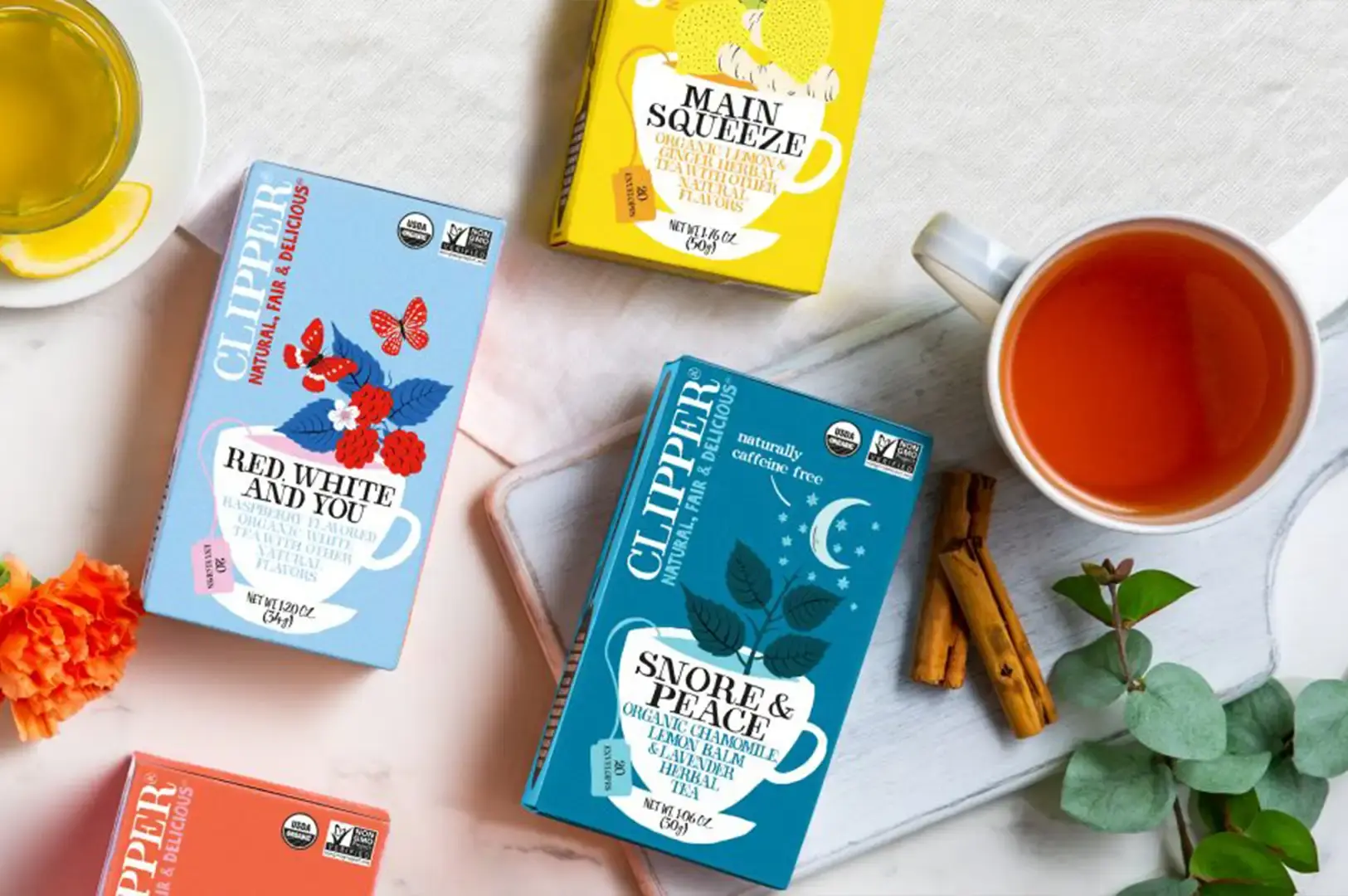
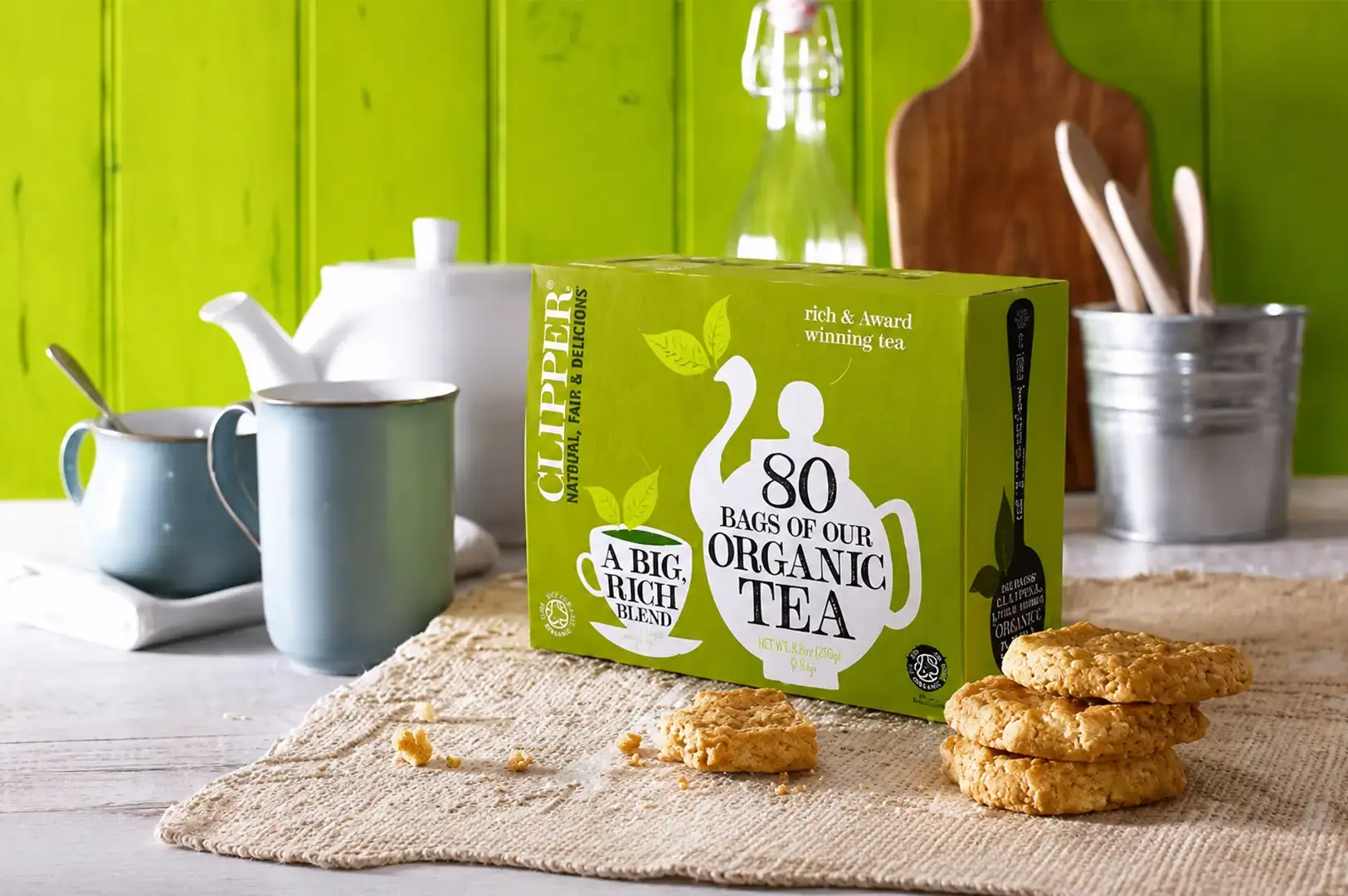
Clipper's packaging is genuinely lovely. The colours are warm and unfussy, the illustrations gentle, and the whole thing reads as friendly rather than luxurious. It doesn't try to look expensive. It tries to look kind, and it mostly succeeds.
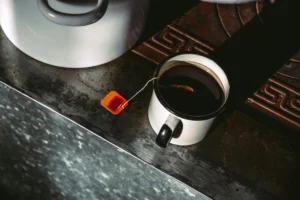
Open the box and the tea bags feel ordinary, not premium. They're unbleached, a soft natural paper rather than the silky pyramid sachets some brands lean on. String and tag, no plastic. I liked that. It felt consistent with what the brand says about itself, capturing the heritage and refined flavour that pay homage to the historic clipper ships which brought the freshest teas to the world.
There's a quiet honesty to it. The packaging promises something wholesome and everyday, and the bag inside doesn't pretend to be more than that.
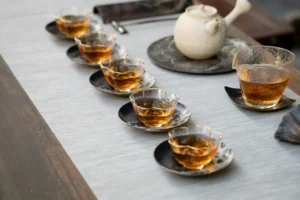
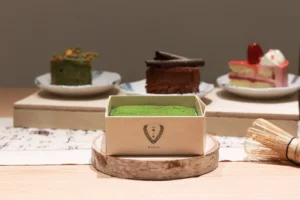
It’s designed to create a pure and natural tea experience, much like a tea bar you might visit in Ion Orchard, Singapore, a space dedicated to the enjoyment of tea and pastries, where you can shop for delights and explore the refined taste of specialty tea leaves.
Who Clipper Tea Actually Is: The Story of 1872 Clipper Tea Co.
The story behind the box matters here, more than usual.
Clipper tea, founded in 1984 in Dorset, England, is a business with a deep commitment to the tea industry. However, the 1872 Clipper Tea Co., founded in 1872, is a distinct brand based in Singapore that pays homage to the historic clipper ships. This brand is dedicated to sourcing specialty tea leaves sustainably and crafting exceptional blends that reward the senses with refined flavour and bold character.
Both brands share a commitment to positive impact, sourcing only the purest specialty tea leaves sustainably, and ensuring their products benefit communities and families around the world. Clipper is also known as the UK's first Fairtrade tea company and the world's largest buyer of Fairtrade tea. The 1872 Clipper Tea Co. is recognized for its heritage and dedication to ethical sourcing, capturing the essence of tea’s origins and the journey from garden to cup.
The company is recognized as a Champion of Good 2026.
I mention all this not to sell you on it, but because it shapes how you taste the tea. When a brand tells you it cares about the people who grew the leaves and the heritage behind the business, you sip a little slower. You pay a little more attention.
This is the heart of any honest Clipper Tea review. The ethics are real, documented, and long-standing, with standards meant to ensure quality and integrity. The question is whether the cup lives up to the conscience.
The English Breakfast, First: Discovering the Refined Taste
Discover starts where most people start: with the Organic English Breakfast Tea.
It's a blend of full-bodied Assam and lighter Ceylon, and the brand suggests fresh boiling water and a two to four minute steep. I gave it the full four, on a grey weekday morning, no milk at first.
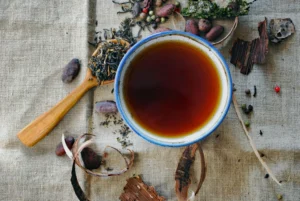
The aroma was warm and malty, honest and a little sweet, with subtle hints of toasted grains and a faint floral note that teased the senses. The colour came through a clean reddish-brown, not too dark, inviting and comforting in the cup. The taste? Smooth and balanced, with the Assam providing a robust backbone and the Ceylon lifting the finish with a bright, brisk character.
Here's my one reservation. If you like your breakfast tea strong enough to stand a spoon in, this may feel gentle. It's balanced rather than bold, designed for those who appreciate a refined, approachable brew. I'd say brew it a touch longer, or use two bags if you drink it the way builders do. With a splash of milk, it settled into something comforting and easy, a perfect cup to enjoy at home or share with family at any time of day.
This blend reflects Clipper tea’s commitment to quality sourcing and organic farming practices, ensuring each cup carries the pure essence of specialty tea leaves. The tea’s natural, unbleached bags preserve the authentic flavour without artificial additives, aligning with Clipper’s reputation for ethical, sustainable tea production.
The Everyday, and What It's For: A Dedicated Workhorse
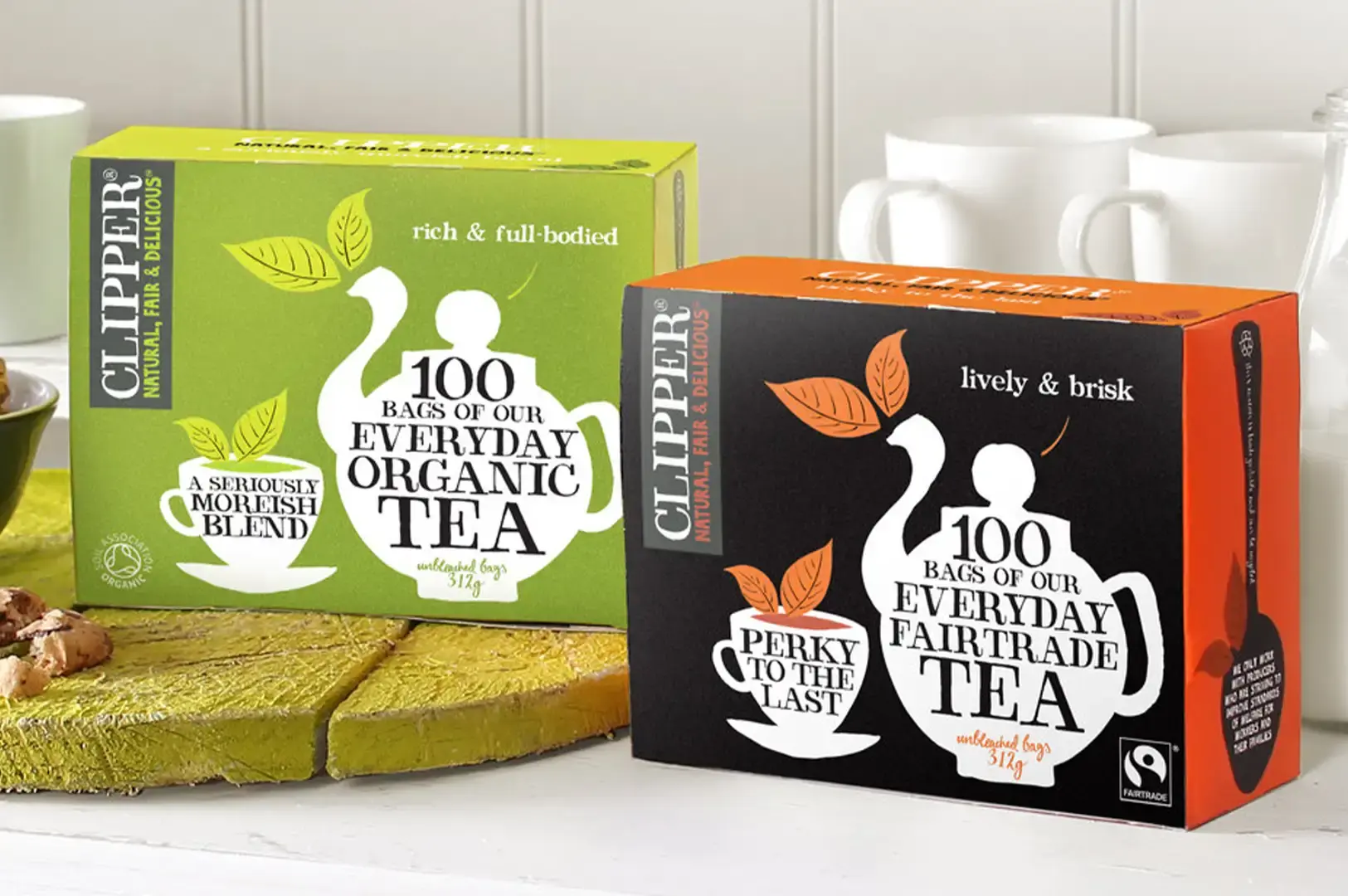
The Clipper Organic Everyday Tea is the workhorse, and it knows it.
This is the one for the office, the afternoon slump, the fourth cup you don't think about, the kind of tea that fits easily into the middle of the day. I brewed it after lunch, three minutes, milk in. It's a dependable, mild, no-drama cup.
I wouldn't call it memorable. But that's not really its job. It's the tea you keep in the drawer at work, the one that quietly gets you through a Tuesday. For that, it's easy to choose as your regular work tea.
Earl Grey, and a Small Surprise: Capturing a Refined Flavour
The Organic Earl Grey is where the softness worked in Clipper's favour.
Some Earl Greys hit you with bergamot like a perfume counter. This one didn't. The citrus was present but restrained, floral rather than sharp, sitting politely over the black tea rather than shouting over it.
I drank it plain, mid-afternoon, and I noticed the aftertaste more than the first sip. It lingered, faintly citrus, clean. If you find most Earl Greys too aggressive, this gentler take might suit you. If you love that bold bergamot punch, you might want more.
The Green, the Herbals, the Decaf: Exploring Specialty Tea Leaves Sustainably
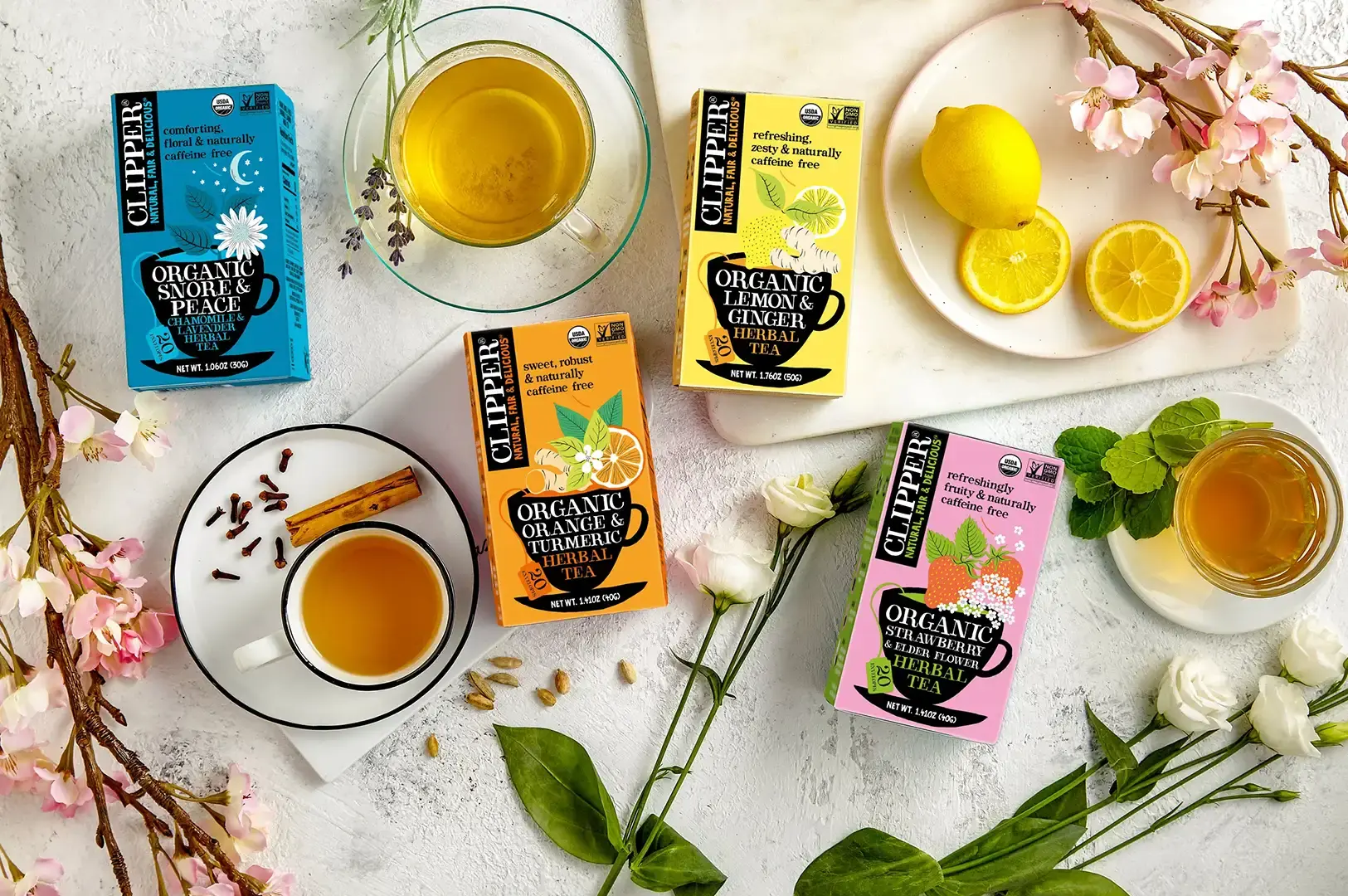
Beyond the black teas, Clipper offers over 150 varieties of tea, with the range spreading into greens and infusions, including some special non-black options, and this is where results wandered a little.
Clipper Green Tea
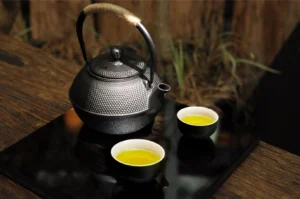
The green tea brewed a bright golden colour, light and delicate, exactly as the box suggests. I kept the steep short, under three minutes, to avoid bitterness, and it stayed smooth and grassy.
It's a soft green tea, easy for beginners. Steep it too long or too hot, though, and it thins out and turns slightly bitter. Treat it gently and it rewards you.
Peppermint and Chamomile
The peppermint was clean and cooling, a proper minty lift after a heavy meal. No sourness, no dustiness. This one I'd happily reach for again.
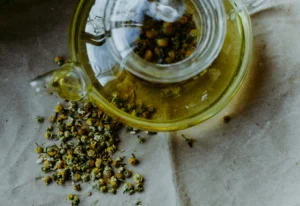
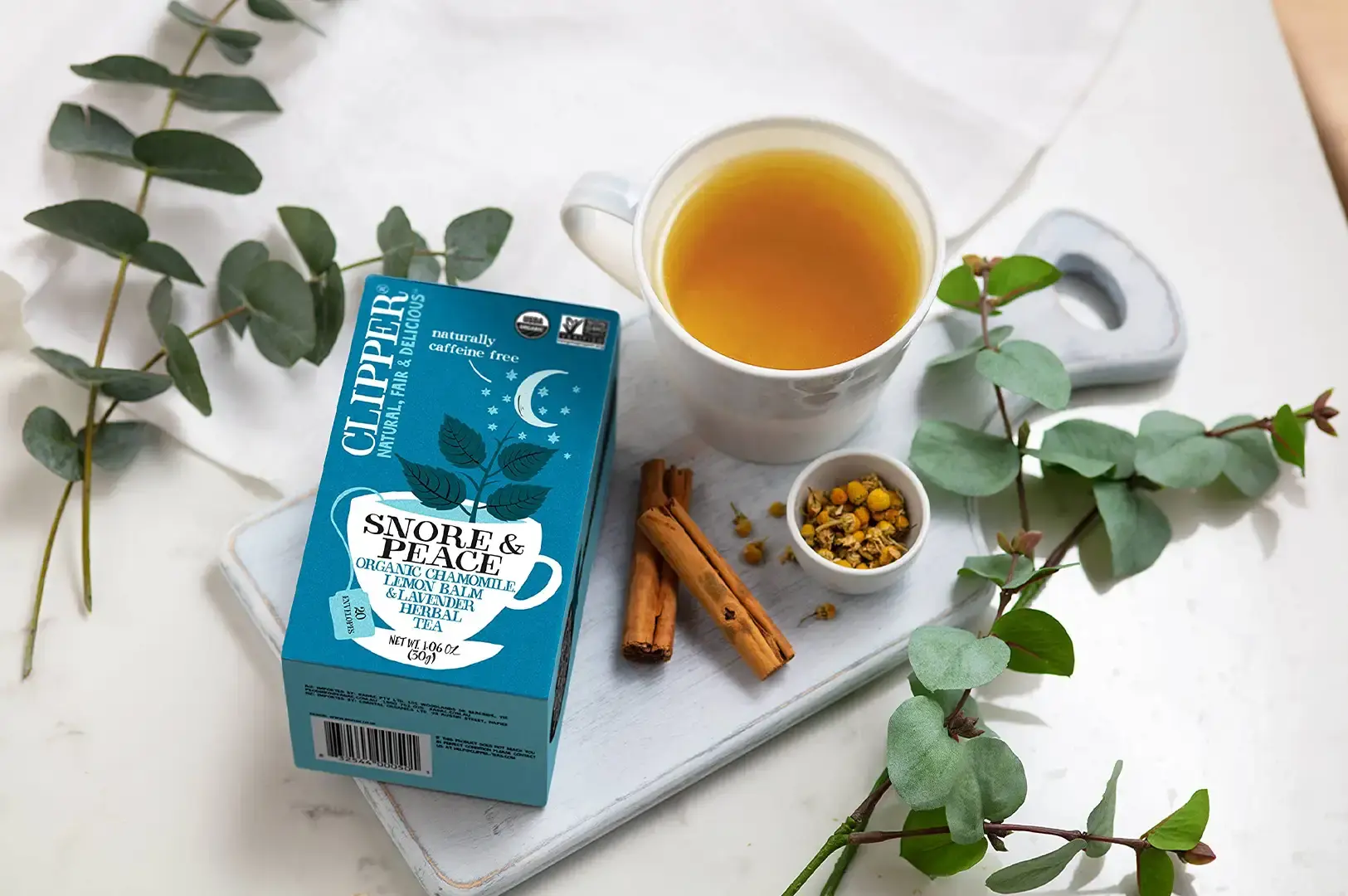
The chamomile was softer, a mild floral warmth, the kind of cup you hold with both hands late in the evening and take Time for a quiet moment. It's calming in mood if nothing else, though I'd keep any wellness expectations modest and just enjoy it for what it is: a quiet, gentle infusion. It also suits slow conversations and sharing over a shared evening cup.
Decaf
The Clipper Decaf held up better than most decaf teas I've tried. It kept a decent body and didn't taste hollowed out, which is a real failing of many decaf blends. Not identical to the caffeinated version, but honest and drinkable.
Where Clipper Falls Short: A Matter of Taste and Interest
I want to be fair, so here's the plain truth.
The recurring theme across the range is gentleness. Clipper leans soft, balanced, and approachable. That's a strength for some drinkers and a limitation for others.
- If you want a fierce, tannic, full-bodied breakfast brew, some blends will feel too mild.
- A few of the teas are more pleasant than distinctive. You'll finish the cup and struggle to describe it.
- Pricing and availability shift depending on the retailer, and some offer Special deals, so it's worth checking before you buy rather than assuming a fixed figure; you may receive a discount or bonus depending on where you shop.
Checking brand news or retailer updates can help you track those offers.
None of this makes it a bad tea. It just means the packaging, colourful and full of character, sometimes promises more personality than the milder blends deliver.
Who I'd Point Toward It: Families, Communities, and Tea Lovers
Clipper suits a particular kind of drinker, and I mean that kindly.
I'd point it toward casual and office tea drinkers who may choose Clipper for different reasons, whether that's ethics, ease, or a gentler flavour. Toward beginners moving beyond the cheapest supermarket basics, wanting a step up without a leap into loose-leaf ceremony. And especially toward anyone who genuinely cares about Fairtrade tea and organic sourcing, and appreciates how the brand brings that same craft to blends made for daily drinkers.
If you drink tea for comfort more than intensity, Clipper fits easily into a life. If you chase bold, complex, single-origin character, you may find it too quiet, though that softer profile may appeal across generations within a household.
So, Does the Packaging Match the Pour? The Perfect Balance of Heritage and Enjoyment
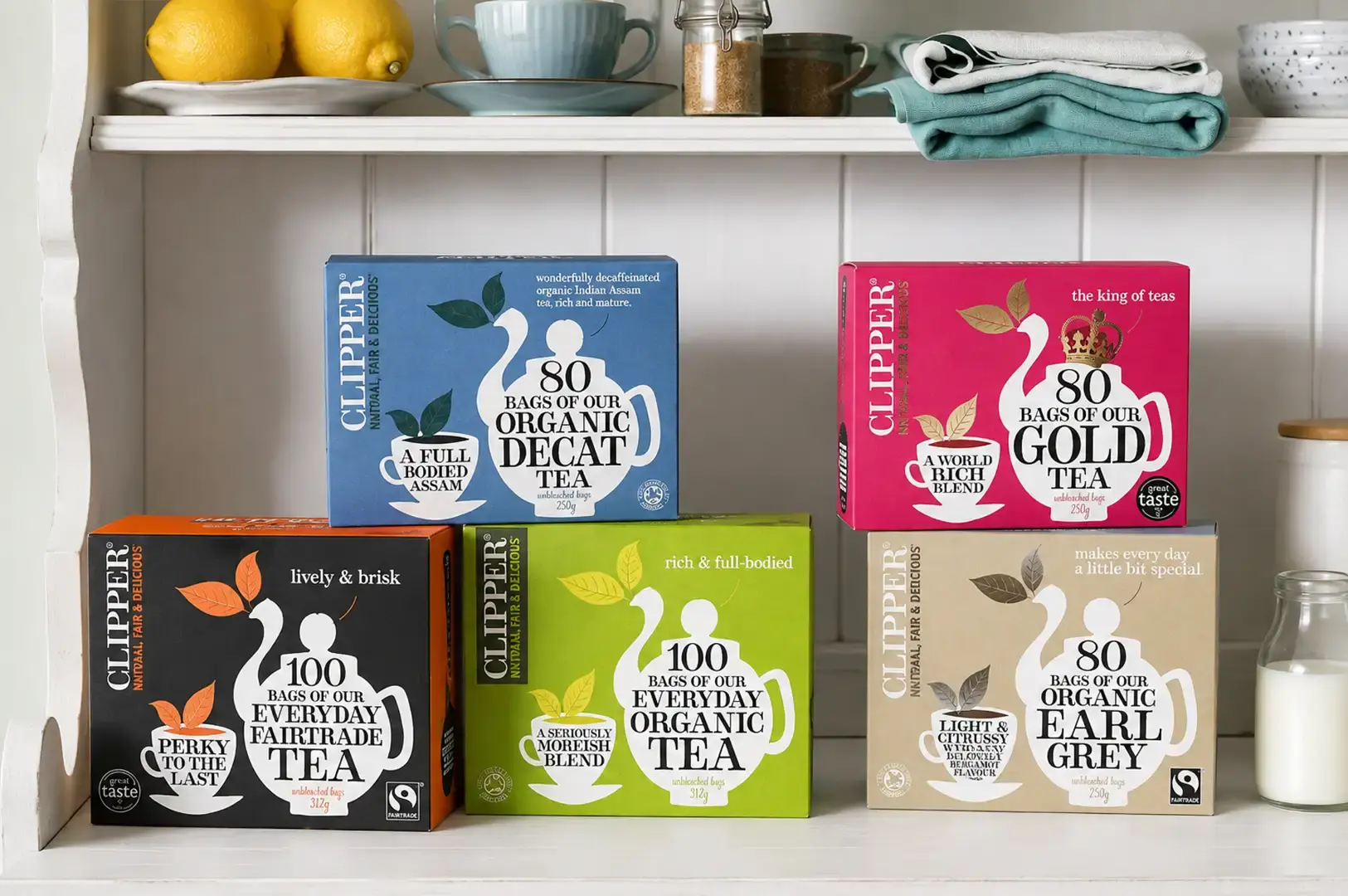
Here's where I land, after all those cups.
Mostly, yes, but with an honest asterisk. The packaging promises something wholesome, ethical, cheerful, and everyday, and the tea delivers precisely that. The conscience behind the brand is real, the bags are thoughtfully made, and the flavours are clean and easy to like.
Where the box slightly outruns the cup is in personality. The bright, expressive design hints at bold flavour, and the reality is gentler than that. The pour is good and honest. It's just calmer than the packaging suggests.
But maybe that's the point. Not every tea needs to shout. Some are meant to sit quietly in the cupboard, ready for an ordinary morning, made by people who thought about where the leaves came from and the positive impact their business can create in communities and families around the world.
If you're curious, don't take my word for it. Pick one blend, the English Breakfast if you want a fair test, brew it properly with fresh boiling water, and decide for yourself whether the pour lives up to the box.
I think you'll find it honest. And honest, in tea as in most things, counts for a lot.
If you want to explore more about teas and where to enjoy them, click and visit Singapore Spaces for Tea Rituals

Why Tea Shops Always Feel Slightly Different From Cafés
I’ve noticed something interesting over the years. People behave differently in tea shops. Not dramatically different, of course. No one suddenly becomes wiser the moment tea is poured. But the atmosphere tends to shift in subtle ways. Conversations slow down. Phones appear less often. Even silence feels more comfortable somehow. Tea shops carry a different…
-
High Tea Halal Singapore: Elegant and Inclusive Dining Experiences
There is something deeply comforting about slowing down for tea in Singapore. In a city that moves quickly, afternoon tea offers a rare excuse to pause for a few quiet hours over warm pots of tea, delicate pastries, and long conversations that linger far beyond the last bite. Yet finding a halal high tea experience…

Why Oolong Tea Always Feels Slightly Mysterious
Oolong tea never feels entirely straightforward. Green tea usually introduces itself immediately. Black tea does the same. You understand them quickly. One feels fresh and bright. The other feels deep and familiar. But oolong tends to sit somewhere in between. Not fully green. Not fully black. Not always easy to describe. Perhaps that is part…
-
Benefits of Black Tea: Why This Everyday Drink Still Matters
For many people, black tea is simply part of a routine. It is the first thing brewed in the morning, poured during afternoon tea, or enjoyed quietly at the end of a long day. Familiarity often makes it easy to overlook, but the benefits of black tea extend far beyond comfort or habit. In the…
-
Why Tea Somehow Tastes Better on Rainy Days
I don’t know when I first started believing this, but tea genuinely feels different when it rains. Not scientifically different, of course. The leaves do not magically change because of the weather. And yet somehow, a cup of tea on a rainy afternoon feels softer, warmer, maybe even a little more comforting than usual. Just…

Brew, Sip, Heal: The Powerful Chamomile Tea Benefits Explained
Singapore is a city that rarely stops moving. Between the hum of the MRT, the endless glow of screens, and the heavy humidity that clings to the air, finding a moment to genuinely wind down can feel like a luxury. For the longest time, my evening routine consisted of scrolling through my phone while finishing…
-
Why Tea Feels Different at Night
Tea changes after dark. The same leaves, brewed in the same pot, somehow feel quieter in the evening. The aroma lingers longer. The warmth of the cup feels more noticeable in the hands. Even conversation seems to soften slightly around tea at night. Perhaps it is because the world itself becomes quieter. During the day,…

Tea Health Benefits: Best Teas for Relaxation, Focus, and Sleep
Tea is one of the world’s most beloved drinks, enjoyed every day across countless cultures. When we talk about tea health benefits, it’s helpful to know the difference between true tea and herbal infusions. True tea comes from the Camellia sinensis plant, giving us popular varieties like green, black, white, and oolong tea. On the…

The Secret Joy of a Simple Cup of Tea
There’s something so deeply satisfying about a cup of tea-especially when it’s the simplest cup. No complicated brewing methods. No fancy leaves. Just tea, water, and a moment of quiet. I’ve had tea in many places, from grand tea houses to humble kitchen counters. But the most memorable tea moments often happen in the least…
-
A Quiet Tea Café in Somerset: Inside the Experience at Hvala
Amid Singapore’s bustling shopping hubs like Orchard, Club Street, and Tanjong Pagar, finding a peaceful spot to unwind can be a challenge. Hvala, a minimalist tea cafe Singapore locals and visitors adore, offers a serene teahouse experience brimming with natural light and calm vibes. Located on the ground floor of 111 Somerset, this bright, inviting…