Walk into Cuppage Plaza Singapore and you immediately feel the shift.
Just a short walk from Somerset MRT Station, Cuppage Plaza is a go-to spot for anyone craving authentic Japanese cuisine.
Sure, Orchard Road is just outside, all shiny and bustling, but once you step inside this older building, the vibe totally shifts. The hallways are dimly lit, the signboards tell stories of the past, and the air is filled with the mouthwatering smells of grilled meat, simmering broth, and soy sauce. People often call Cuppage Plaza Singapore’s very own “Little Japan” because it’s packed with authentic Japanese restaurants serving izakaya classics and noodle dishes loved by Japanese expats.
For many locals, Cuppage Plaza food means late-night bowls of ramen, smoky yakitori sticks, and comforting plates of katsu curry rice shared with friends after work. Lots of spots here stay open late, some even until 1:30 AM, welcoming walk ins and repeat visits. It’s lively, noisy, and full of flavor. This place has been a comforting hangout for Japanese salarymen for over 40 years, with many eateries led by the same head chef for decades, offering dishes made with only the freshest ingredients and careful attention to detail.
But if you take a moment to slow down and really look around, you’ll notice something else.
Tea.
If you’re curious about how tea is changing the café scene in Singapore, check out how it’s bringing fresh new experiences to tea lovers beyond just coffee culture.
Quiet Sanctuaries Where Tea Finds Its Voice in Cuppage Plaza
In the gentle hum of Cuppage Plaza, where the scent of authentic Japanese cuisine drifts through narrow corridors, there exists a quieter story. It unfolds not in the sizzle of grills or the clatter of plates, but in the measured pouring of tea, in the steam that rises like unspoken prayers. Here, tea becomes more than refreshment; it transforms into a bridge between breaths, a moment of stillness woven into the fabric of each meal.
1. Izakaya Nijumaru
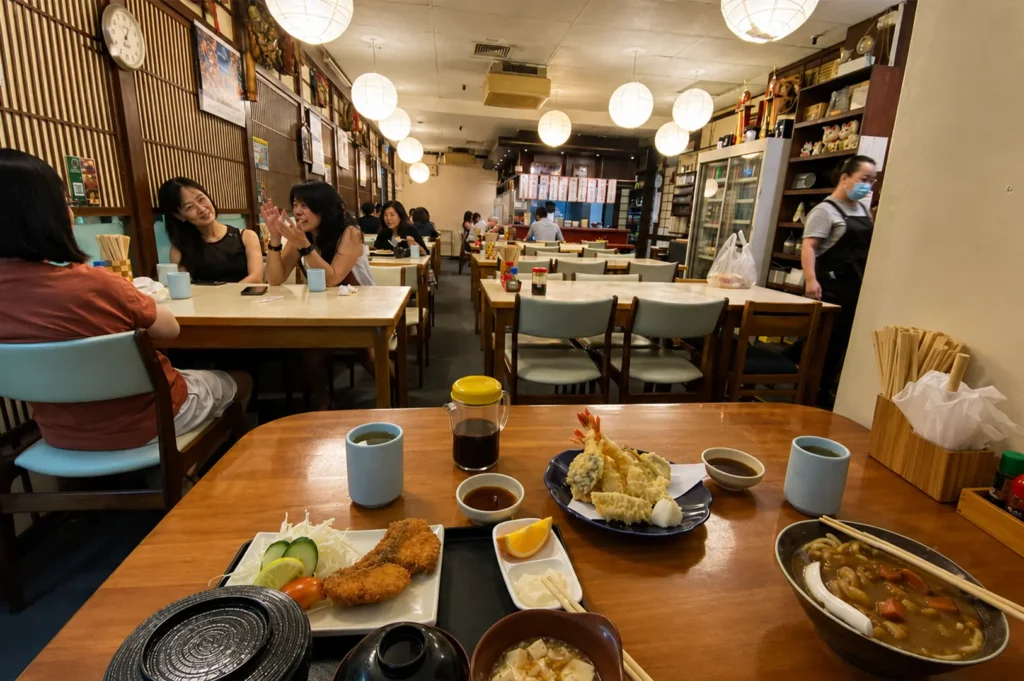
There is something almost austere about this place, where simplicity becomes its own form of elegance. The menu speaks in quiet whispers, offering words without the distraction of images, inviting you to trust in what cannot be seen.
In this understated sanctuary, tea arrives not as an afterthought but as a deliberate pause, a gentle clearing of the palate that allows each flavor to stand alone before the next arrives. Between bites of grilled yakitori in the slightly smoky space, between the smoky richness and the salt, there comes this moment of reprieve; tea cradling the tongue, preparing it to receive each new taste as if encountering it for the first time.
This thoughtful tea pairing enhances the enjoyment of cuppage plaza food, highlighting the subtle smokiness of the grilled items and balancing the richness of dishes like foie gras, stuffed lady’s fingers, and pork skewers. Whether you prefer a delicate sencha or a robust hojicha, tea here complements the flavors beautifully, making each meal a harmonious experience that reflects the authentic Japanese dining culture of Cuppage Plaza.
2. Kazu Sumiyaki Restaurant
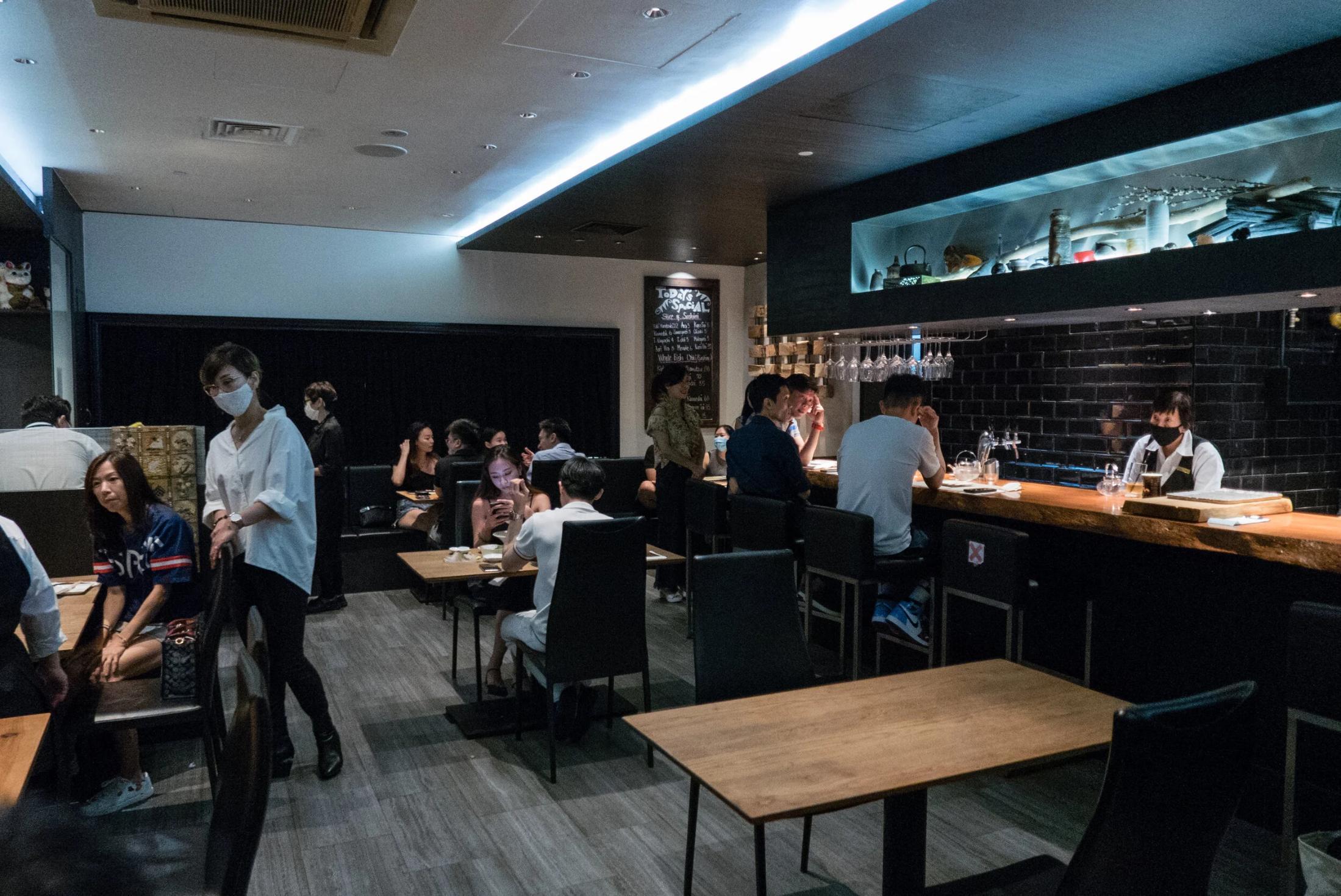
The charcoal breathes here, its ancient voice mingling with the contemporary rhythm of the kitchen. In this space where fire meets food, hojicha finds its natural companion; roasted green tea that mirrors the very essence of the grill’s embrace. There is poetry in this pairing, the way the tea’s earthy warmth echoes the whispered stories of charcoal and flame.
Each sip extends the experience beyond the plate, carrying the memory of smoke and heat long after the last bite of yakitori or okonomiyaki has settled. It is not merely accompaniment but conversation; tea and food speaking the same quiet language of earth and fire.
Tea plays a vital role in Japanese dining, especially in places like Cuppage Plaza where authenticity is cherished. Beyond its comforting warmth, tea acts as a palate cleanser, preparing the senses for the next burst of flavor. Whether it’s the gentle bitterness of sencha or the nutty aroma of hojicha, each variety enhances different dishes uniquely. This mindful pairing elevates the dining experience, turning every meal into a ritual of harmony and balance, where tea and food complement each other in perfect synchrony.
Moreover, tea supports digestion, a thoughtful consideration in a cuisine that often features rich and diverse flavors. The antioxidants and natural compounds in green teas help soothe the stomach, making the experience not only pleasurable but healthful. In intimate settings with small tables or private dining rooms, the shared moment over a carefully brewed cup of tea deepens connections among diners, enriching the cultural and social fabric of the meal.
3. Sushi Counters at Hanashizuku Japanese Cuisine
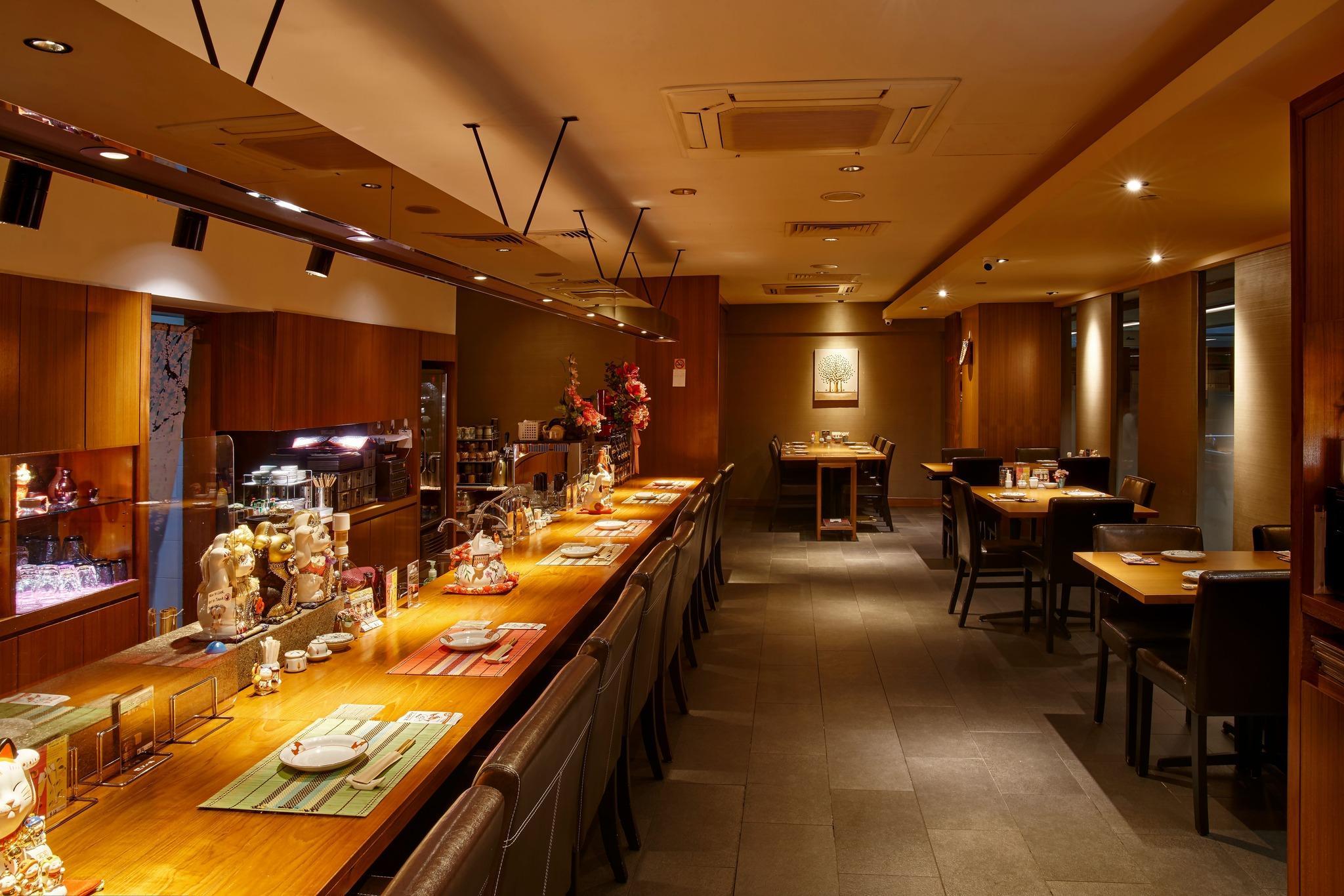
At the sushi counter, time moves differently. Here, konacha waits in small cups, its robust presence both bold and humble. This blend of green tea and roasted leaves holds space between the delicate offerings of the sea; fatty salmon giving way to clean, bright flavors as the tea gently resets what came before. There is ceremony in this rhythm, the way each piece of sashimi is allowed its moment of recognition before the next reveals itself. The tea becomes a quiet conductor, orchestrating the symphony of tastes with an invisible hand.
These places understand something that extends beyond service or tradition. In Cuppage Plaza, tea finds its true purpose not in quenching thirst, but in creating spaces for the soul to pause, to breathe, to savor the quiet moments between one taste and the next. This mindful tea pairing enhances the enjoyment of cuppage plaza food, from the freshest sashimi to the smoky yakitori, elevating the entire dining experience with a sense of balance and harmony.
Moreover, tea at Cuppage Plaza is carefully selected to complement the diverse menu offerings, including other dishes like katsu curry rice and tempura. Whether it’s the earthy warmth of hojicha or the refreshing crispness of sencha, each variety supports digestion and cleanses the palate, making every bite feel fresh.
For private gatherings or intimate meals, pairing your chosen cuppage plaza food with the right tea creates a memorable experience that embodies the spirit of Japanese hospitality. Whether you are enjoying a meal at hanashizuku japanese cuisine led by chef steven lee or savoring the authentic flavors at orchard yong tau fu, tea remains an essential and cherished part of the meal.
How Japanese Cuisine Relies on Tea for Balance
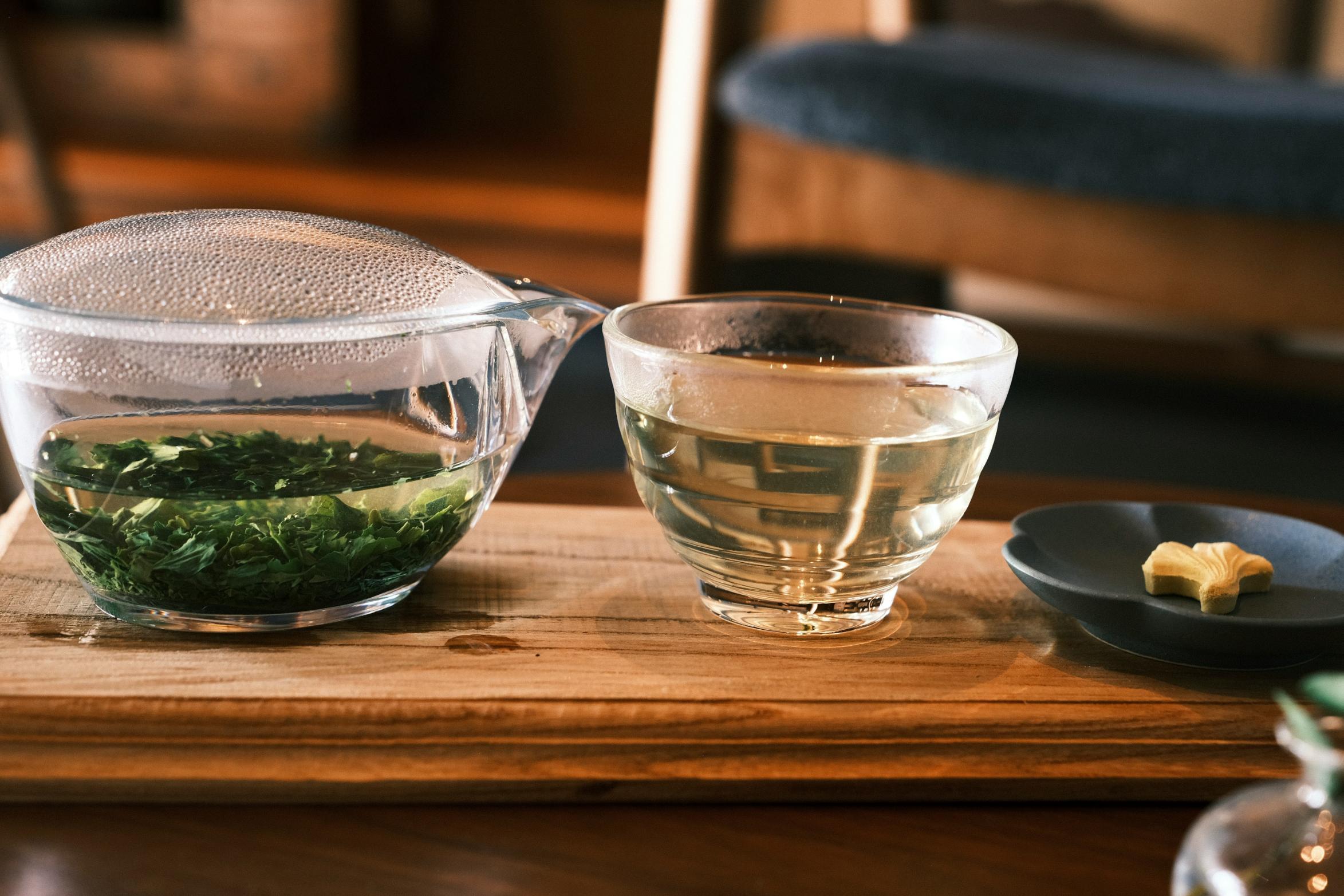
Japanese cuisine is obsessed with harmony.
Every meal balances:
- Heavy and light
- Hot and cool
- Soft and crisp
- Rich and clean
Tea represents the clean.
In a typical Japanese restaurant at Cuppage Plaza, you might move from grilled chicken to sweet simmered beef to a bowl of rice. Without tea, flavours overlap. With tea, each dish stands alone.
Tea creates space between flavours. Some diners prefer pairing specific teas with certain dishes to enhance the balance of the meal.
Why Tea Is Essential to Cuppage Plaza Food
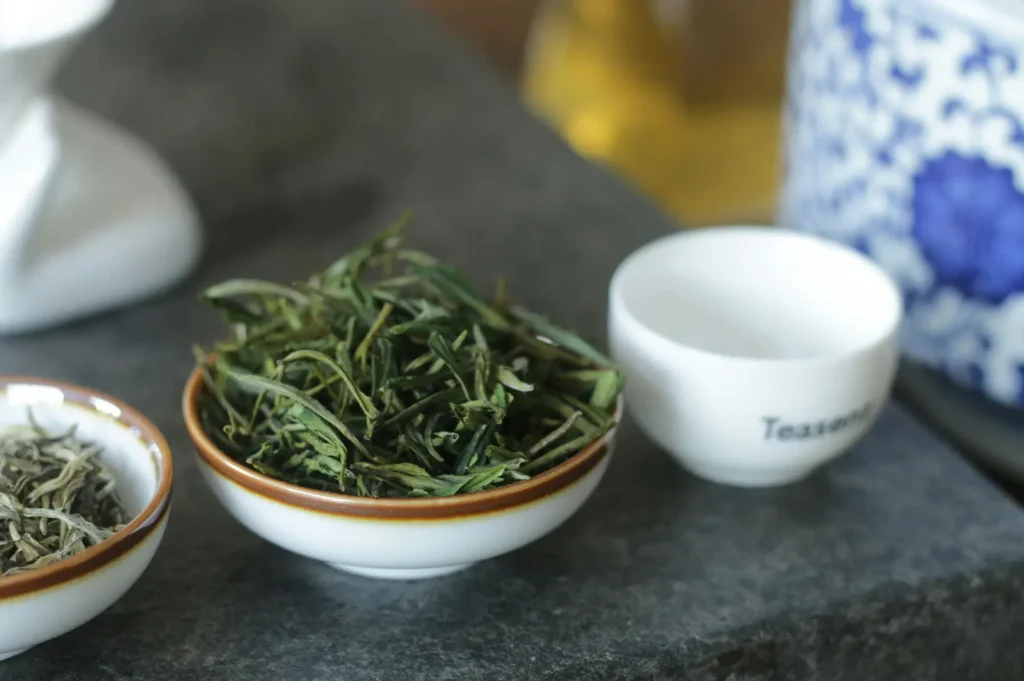
When people talk about Cuppage Plaza food, they often focus on indulgence. The richness of tonkotsu broth. The char on grilled meat. The sweetness of sauce brushed generously over skewers. These delicious dishes are made even more enjoyable when paired with the right beverage. And that’s where tea steps in—not just any tea, but carefully selected varieties that complement the bold flavors of this authentic Japanese dining scene.
You might be surprised to learn that tea in Cuppage Plaza isn’t just a casual sip between bites. It plays a starring role in the dining experience. Whether you’re enjoying a smoky yakitori stick at Izakaya Naniwa or savoring delicate sashimi at Hanashizuku Japanese Cuisine, the right cup of tea acts as a palate cleanser, balancing the richness and enhancing the subtle notes in each dish. This thoughtful pairing elevates the entire meal, making every bite feel fresh and exciting.
Think about how a warm cup of roasted hojicha or vibrant sencha can cut through the richness of dishes like beef teriyaki or tempura soba, bringing a gentle earthiness that complements the smoky space of the grill or the light crispness of fried items. At spots with counter seating, like Sushi Masa, tea creates a quiet moment of reflection between courses, allowing you to fully appreciate the craftsmanship behind every piece of sushi.
So, next time you explore the Cuppage Plaza food guide, don’t overlook the humble cup of tea. It’s one of the best kept secrets that turns a good meal into an unforgettable experience. Whether you’re here for lunch or dinner, pairing your meal with the right tea can transform the way you enjoy all the food this vibrant spot has to offer.
But in traditional Japanese cuisine, tea is not an afterthought. It is part of the structure of the meal.
Tea performs three quiet but crucial roles:
- It balances intense flavours
- It cleanses the palate between dishes
- It supports digestion after heavy food
Why This Matters for Singapore Diners
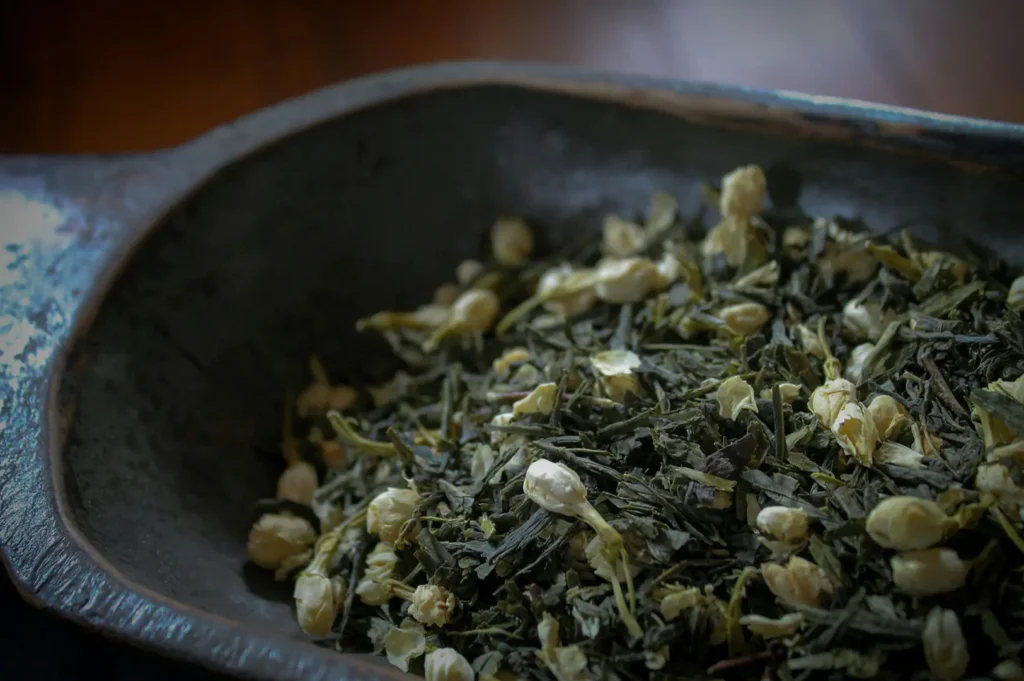
Singapore’s dining culture moves quickly, often focused on efficiency, flavor, and value. However, Cuppage Plaza food offers something deeper than just a meal, it offers ritual and a complete sensory experience. When tea is treated as an integral part of the dining experience rather than an afterthought, authentic Japanese cuisine at Cuppage Plaza transforms into more than just food; it becomes a harmonious balance of flavors and tradition.
Next time you visit Cuppage Plaza, don’t overlook the quiet importance of tea, it’s one of the hidden gems that makes the food here well executed and unforgettable.
For those interested in exploring more about tea culture, check out this comprehensive guide to afternoon tea in Singapore, blending tradition with modern fusion.

The Art of Aging: Understanding Authentic Yunnan Pu-erh Tea
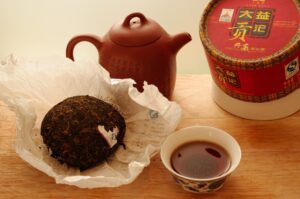
Among the world’s most revered fermented dark teas, few types evoke as much intrigue and respect as Yunnan pu erh tea (普洱). Crafted from ancient tea trees in Yunnan province, this tea produced by traditional methods is a living testament to China’s rich beverage heritage. Unlike most loose leaf tea or black teas, high-quality pu…

Cafe Singapore Says It Values Craft. So Why Is Tea an Afterthought?
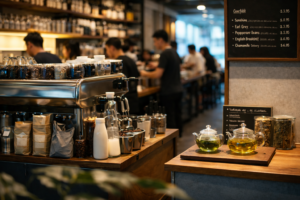
Singapore loves its café culture. We celebrate espresso machines. We admire single-origin beans. We debate tasting notes and extraction times like it is a sport. When someone says “Cafe Singapore,” most of us immediately picture coffee. But look at the tea menu. In many cafés, tea is reduced to a small corner of the page….
-
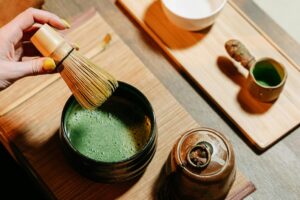
Tea from Japan: A Journey Through Culture, History, and Varieties
In Japan, tea is not merely a drink; it is a cultural cornerstone, a spiritual discipline, and an integral part of daily life. Tea is an important part of Japanese food culture, traditional ceremonies, and daily routines, reflecting its deep-rooted presence in society. The simple act of preparing and drinking Japanese tea is imbued with…
-
Sobacha: Exploring the Japanese Tradition of Roasted Buckwheat Tea (Sobacha)
Beyond the celebrated world of Japanese green tea lies a treasure trove of comforting, traditional beverages. Among the most beloved is sobacha (そば茶), a nutty and wholesome roasted buckwheat tea. It’s a staple in Japanese households and restaurants, cherished not just for its delightful flavor but for its deep connection to Japanese culinary culture and…
-
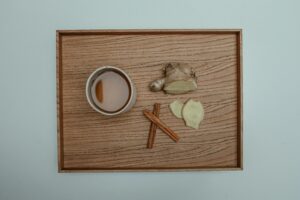
Ginger Tea Singapore: A Practical Journey to Finding and Enjoying This Wellness Beverage
Ginger tea is more than just a comforting beverage in Singapore; it’s a staple of modern wellness, a go-to remedy for chasing away the chill of an air-conditioned office, and a familiar taste of home across many cultures. The gentle warmth of ginger tea provides a soothing and invigorating sensory experience, evoking feelings of coziness…
-
Beyond Coffee: Cafe Singapore Cafes Worth Visiting for Their Tea
Author’s Note: I made just a few tweaks here and there to smooth out the flow and make your reading experience as enjoyable as possible. Hope you enjoy the read as much as I enjoyed fine-tuning it for you! If you close your eyes and imagine a typical cafe Singapore scene, you’d likely hear the…
-
Green Tea in Japan: Exploring the Cultural and Social Dimensions of Green Tea in Japan
In Japan, green tea is more than just a beverage; it is a cultural cornerstone, deeply woven into the fabric of daily life, social customs, and national identity. It’s the welcoming drink offered to a guest, the quiet moment of reflection in a busy day, and the centerpiece of a centuries-old ceremony. While many are…

Singapore Ginger Tea: A Complete Guide to Traditional Wellness in the Lion City
In Singapore’s multicultural landscape, ginger tea is a beloved staple that transcends cultural boundaries. Known locally as teh halia, this warming brew embodies centuries of traditional wisdom adapted to modern Singapore life. Whether you seek relief from air-conditioned chill, digestive support after a big meal, or a refreshing sip on a rainy day, Singapore ginger…
-
Loose Tea Leaves: Elevate Your Singapore Tea Experience
In a city that moves as fast as Singapore, the simple act of brewing a cup of tea can feel like a small rebellion—a moment of intentional calm. More and more tea lovers are discovering that this moment is profoundly elevated when they make the switch from conventional tea bags to loose tea leaves. This…
-
Tea Leaf Singapore: An Exquisite Journey of Flavours, Traditions, and Moments
Singapore’s strategic position as a maritime trading hub has nurtured a rich tea culture where ancient traditions blend with modern innovation. The local love for tea runs deep, shaping Singapore’s unique tea culture and fostering a strong appreciation for every cup. Singapore continues to honor its tea traditions while embracing new innovations, ensuring that the…