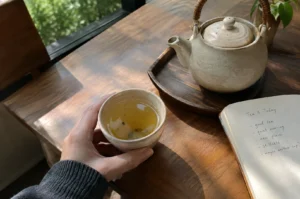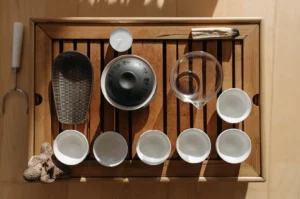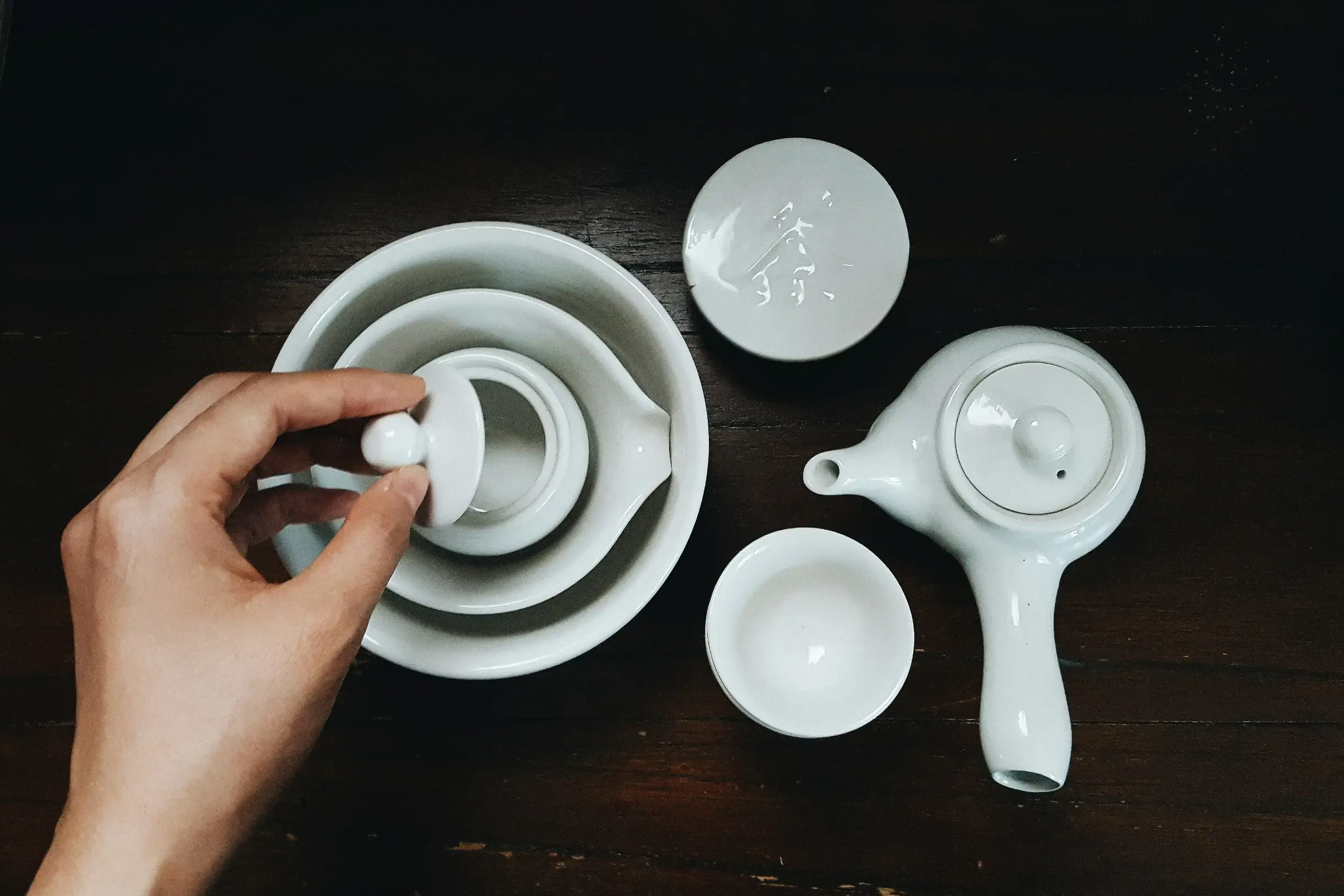
Walking through Chinatown’s Mosque Street, you encounter two distinct tea traditions that embody Singapore’s rich heritage and evolving culture. Pek Sin Choon, one of the oldest tea merchants in Singapore, stands as a living root of Chinese tea culture, while modern teaware shops offer a fresh perspective on tea appreciation through design and brewing systems. Together, they reveal the wide array of ways tea leaves and premium tea are experienced in this vibrant city.
Pek Sin Choon: The Heart of Chinese Tea Tradition
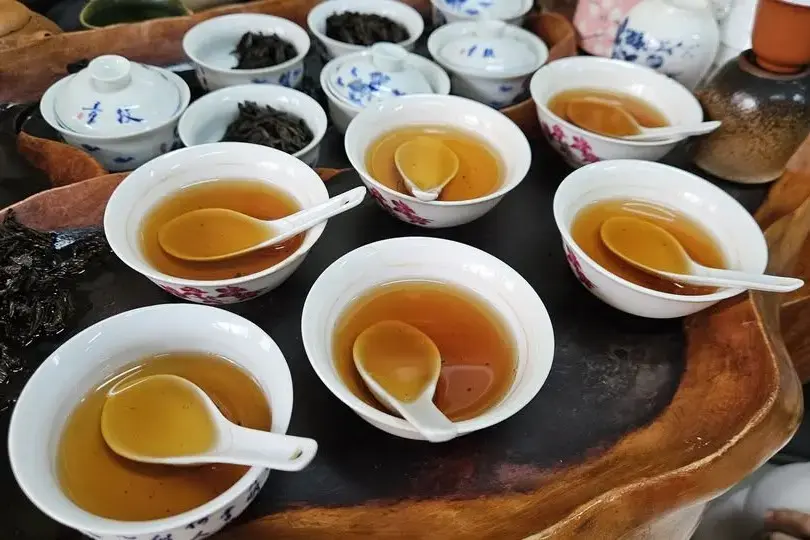
Established in 1925, Pek Sin Choon is a historic tea shop deeply rooted in Singapore’s tea culture. Known for its signature Nanyang tea blends, Pek Sin Choon supplies over 80% of bak kut teh shops, defining the taste of this iconic local food and beverage. The shop’s identity is tied to traditional methods: tea leaves are imported from China, roasted, blended, and packed manually, preserving a heritage that honors the senses and passion of generations.
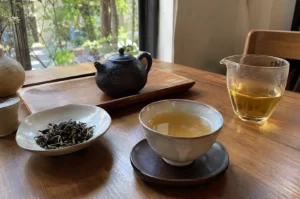
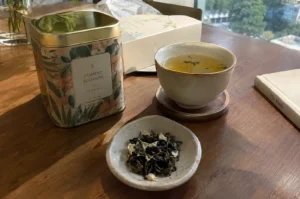
At Pek Sin Choon, tea appreciation centers on the leaf itself. Customers purchase loose tea leaves, such as pu erh, oolong, and tie guanyin, selected by type, roast, and harvest grade. The tea is packed in simple, traditional packaging, often gifted as a small gift to friends or family, symbolizing respect and connection. The store’s atmosphere, thick with the roasted aroma of premium tea, invites visitors to sip and savor tea the same way their mothers and grandfathers did.
Read more about Chinese tea traditions here.
Modern Tea Shops: Curated Tea Appreciation and Brewing Systems
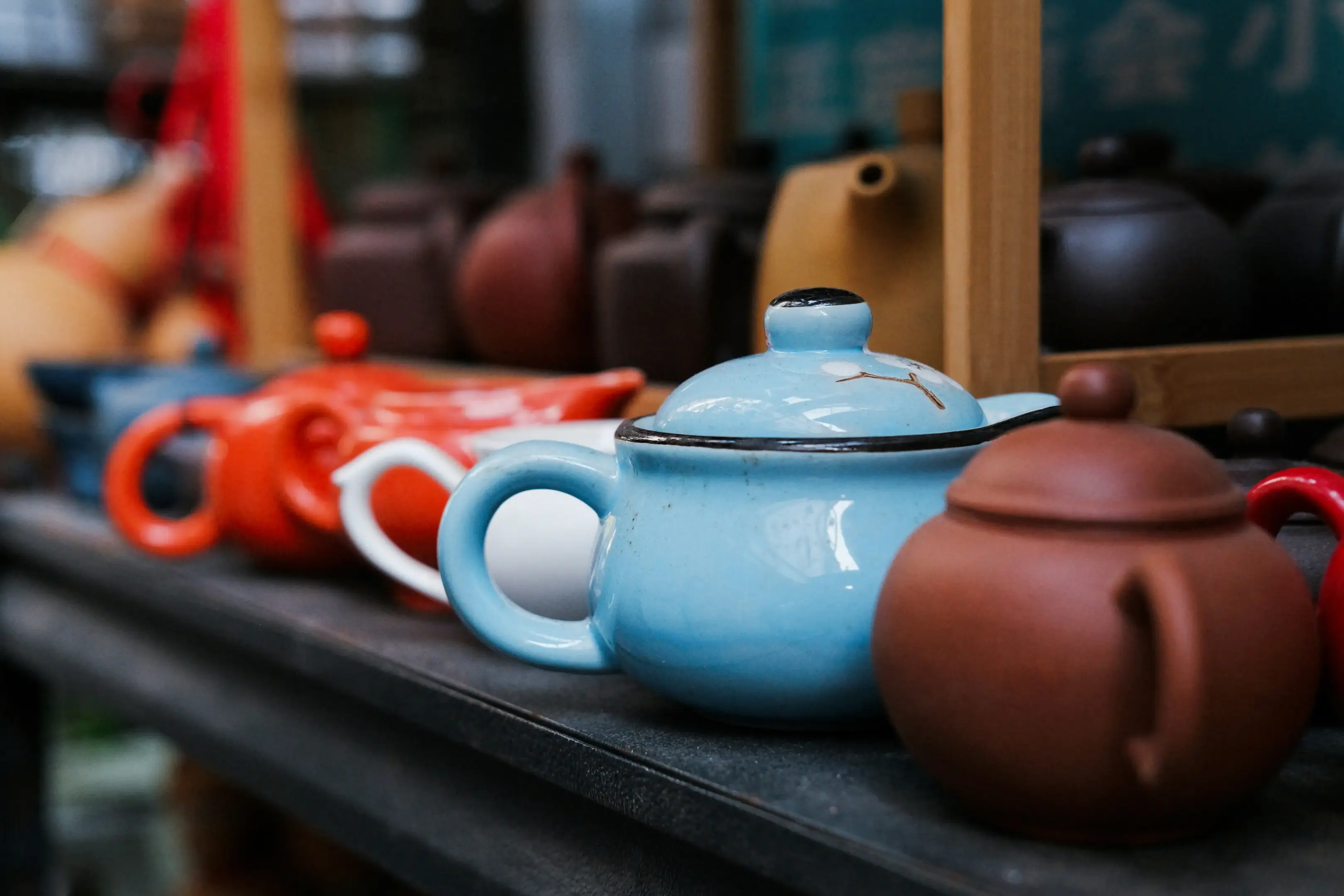
In contrast, modern tea shops in Singapore present tea appreciation as a curated experience centered on brewing tools and aesthetics. These shops showcase premium tea alongside a wide array of teaware like gaiwans, clay teapots, glass pitchers, and textured cups, each selected to enhance the flavour and aroma of specific tea leaves.
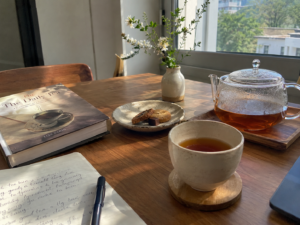
Here, tea is introduced as a structured system. Customers learn multi-step brewing techniques and the importance of temperature, steeping time, and vessel material. This approach transforms drinking tea into a mindful ritual that engages all senses, with the teaware often becoming a statement of personal taste and lifestyle.
Modern tea shops also offer educational experiences, guiding visitors through the nuances of tea types like tie guanyin or pu erh, and the subtle flavour notes that distinguish each harvest. This method appeals to a new generation eager to explore tea beyond mere consumption, turning each sip into a moment of discovery and appreciation.
Pek Sin Choon and Nanyang Tea: A Unique Blend
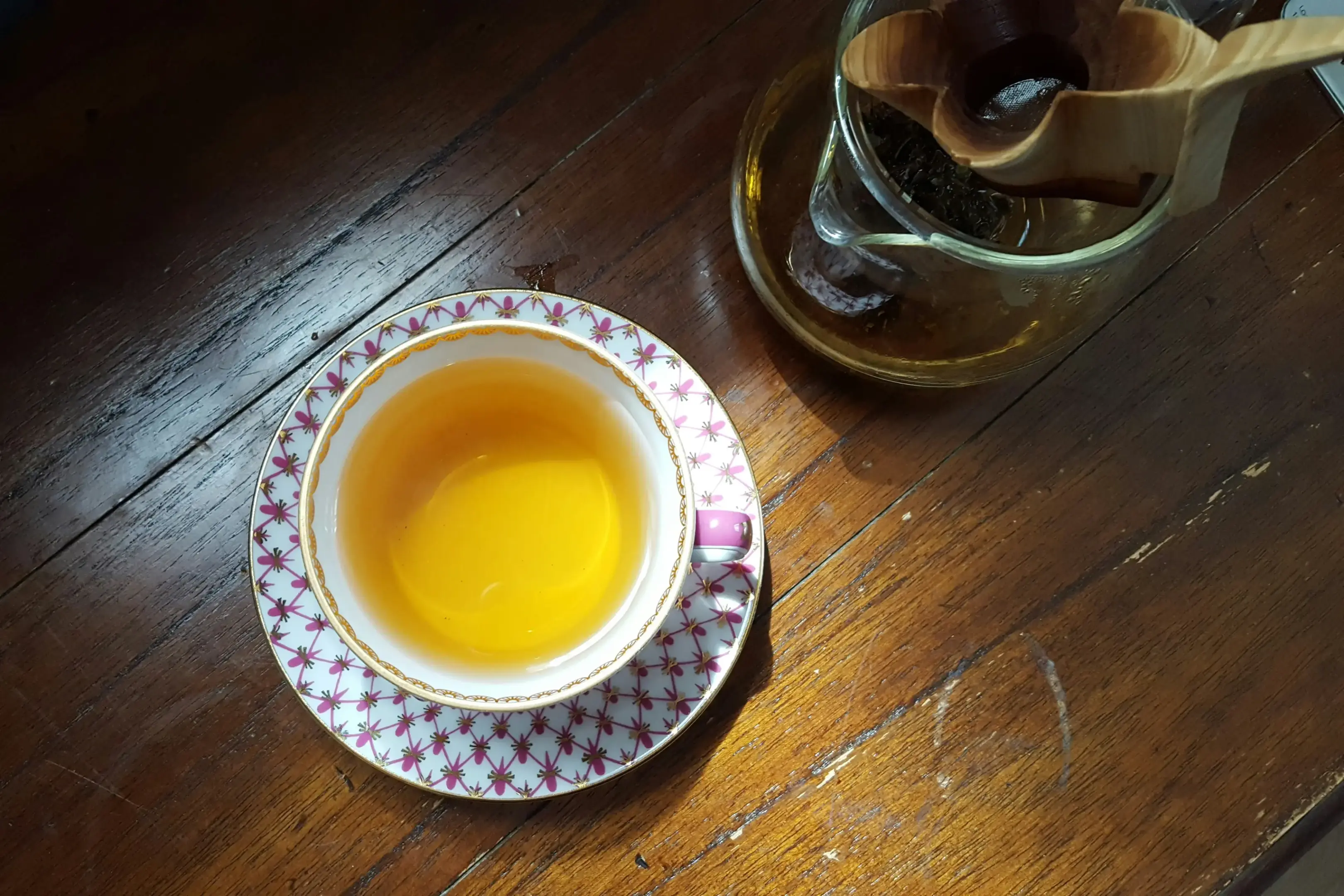
Pek Sin Choon’s Nanyang tea is a blend uniquely crafted in Singapore, reflecting the city’s multicultural palate. These blends are roasted and mixed locally to complement bak kut teh, a beloved food that pairs perfectly with the slightly bitter, roasted notes of the tea. This blend’s popularity underscores Pek Sin Choon’s role not just as a supplier but as a cultural custodian, preserving and promoting a traditional flavour profile that is distinctly Singaporean.
Tea Leaves and Premium Tea: The Common Ground
Despite their differences, both Pek Sin Choon and modern tea shops share a commitment to premium tea quality. Whether it’s the carefully sourced pu erh from China or the fragrant tie guanyin, the emphasis remains on the tea leaves’ origin, grade, and processing. Both traditions invite consumers to taste and decide for themselves, fostering a deeper understanding of tea’s complexity.
Tea Appreciation: Tradition Meets Modernity
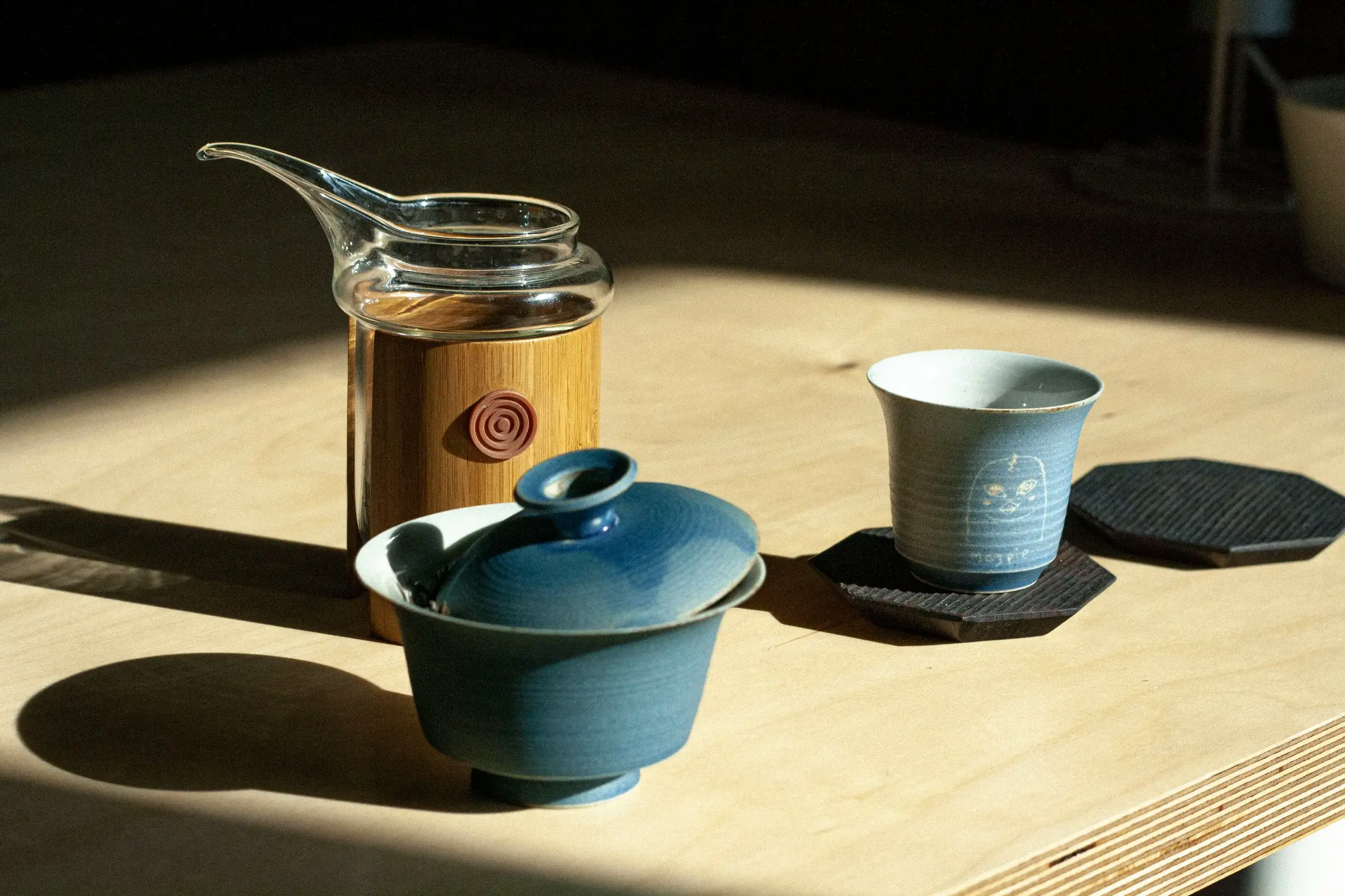
Tea appreciation in Singapore is undoubtedly enriched by the coexistence of these two tea cultures. Pek Sin Choon offers an authentic, tradition-rooted experience where tea is a daily beverage connected to family and history. Modern tea shops provide an interactive, design-focused exploration that elevates tea drinking to an art form. For those starting their tea journey, it can be helpful to check out guides about tea shops and tea ware shops.
Visitors to Chinatown can enjoy this duality: from sitting in Pek Sin Choon’s historic shop, watching tea packed and sold much like in decades past, to visiting contemporary tea shops where tea appreciation is taught through curated sets and brewing workshops.
Small Gifts and Cultural Connection
Tea from Pek Sin Choon often serves as a meaningful small gift, packed with cultural significance. Presenting premium tea leaves or a blend like Nanyang tea to friends or family is a gesture that transcends the beverage itself, symbolizing care and shared moments. This tradition continues to thrive alongside modern gifting trends that favor stylish teaware sets and curated tea blends.
Conclusion: Two Paths to the Same Cup
Pek Sin Choon and modern tea shops represent two complementary ways to engage with tea in Singapore. One honors the root of Chinese tea culture through simplicity and heritage; the other invites exploration through premium tea and the art of brewing. Together, they enrich Singapore’s tea landscape, offering every tea lover, whether beginner or connoisseur, a chance to sip, taste, and appreciate tea in their own way.
By embracing both traditions, Singapore continues to celebrate tea as a timeless beverage and a living culture, where every cup tells a story of passion, history, and community.

“Rare” Tea Is Often Manufactured Scarcity: Here’s How to Tell
There is a word in tea that carries unusual power. Rare. It immediately creates curiosity. A rare harvest. A rare batch. A rare tree. A tea that may never return. The suggestion is simple: if something is difficult to obtain, it must be more valuable. Sometimes, this is true. Some teas are genuinely limited because…
-
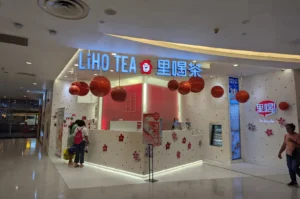
LiHO Tea Singapore: A Greeting You Can Drink
Some words carry a whole childhood inside them. Li ho. I heard it at kopitiam tables, across corridors, from uncles who never waited for a real answer. It meant “how are you,” but it also meant I see you. So when I saw that name on a tea shop sign, somewhere in the middle of…

The Myth of “Perfect” Tea: What I Stopped Chasing
For a long time, I thought I was looking for the perfect tea. I imagined there would be a moment when I found the one. The tea that made every other tea feel unnecessary. The tea I would recommend to everyone. The tea that would finally make me understand what true appreciation was supposed to…
-
Teh O: Understanding the Tea Order Behind the Name
There is a stall near where I grew up that has changed hands twice, but the tea has stayed the same. I still remember the first time I ordered teh o on my own, sometime in my early teens, mumbling the words at the counter and half-expecting to get them wrong. The uncle didn’t blink….
-
Stop Buying Tea for the Aesthetic: How Packaging Hijacks Taste
There is something fascinating about the way we buy tea today. Before we taste the leaves, we have already formed an opinion. The box is elegant. The label is beautifully designed. The colours suggest calm, luxury, or tradition. The story feels carefully written. And before the first sip, we have already decided that the tea…
-
A Tea Table in the Clouds: The Westin Singapore High Tea Review
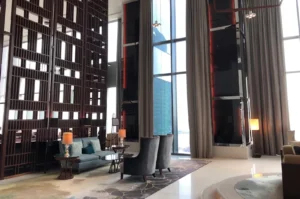
It was one of those afternoons when the city felt too loud and too fast, and I wanted to sit somewhere quiet without really explaining why. So I went up. All the way up, to Level 32 of The Westin Singapore, where the Lobby Lounge sits above the noise like it knows something the rest…
-
“Caffeine-Free Tea” Confuses Everyone—Let’s Fix the Language
I have noticed that tea conversations can become surprisingly confusing. Not because tea itself is complicated, but because we sometimes use the same words to mean completely different things. One phrase that always catches my attention is “caffeine-free tea.” It sounds simple enough. A tea without caffeine. But is that really what we mean? Because…
-
The Pull, Pour, and Ritual Behind Singapore’s Favourite Milk Tea: Teh Tarik
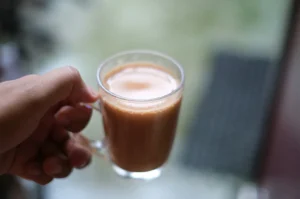
It starts with a sound. A long ribbon of tea, arcing from one metal mug held high to another held low. The stream catches the light. Then the froth rises, pale and soft, and the whole thing gets poured back and lifted again. Nobody at the stall looks up. This happens a hundred times a…
-
Stop Chasing Tasting Notes: Tea Isn’t Wine and That’s a Relief
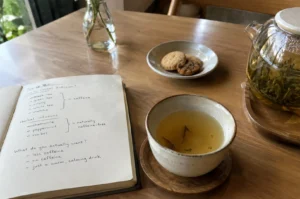
I have a small confession to make. Sometimes I have absolutely no idea what I am supposed to be tasting. A tea description might promise orchid, honey, toasted nuts, stone fruit, and something wonderfully mysterious called a “long mineral finish.” I take a sip. I taste tea. And then I start wondering if everyone else…
-
Chinese Tea Sets: Beautiful on the Table, But How Do They Brew?
There is a small arrangement on the table this evening, and I have not touched it yet. A pale bowl with a lid resting slightly askew. A round pitcher beside it, waiting to be filled. Cups no larger than a thumb and two fingers, lined up like a quiet sentence. The surfaces catch the last…