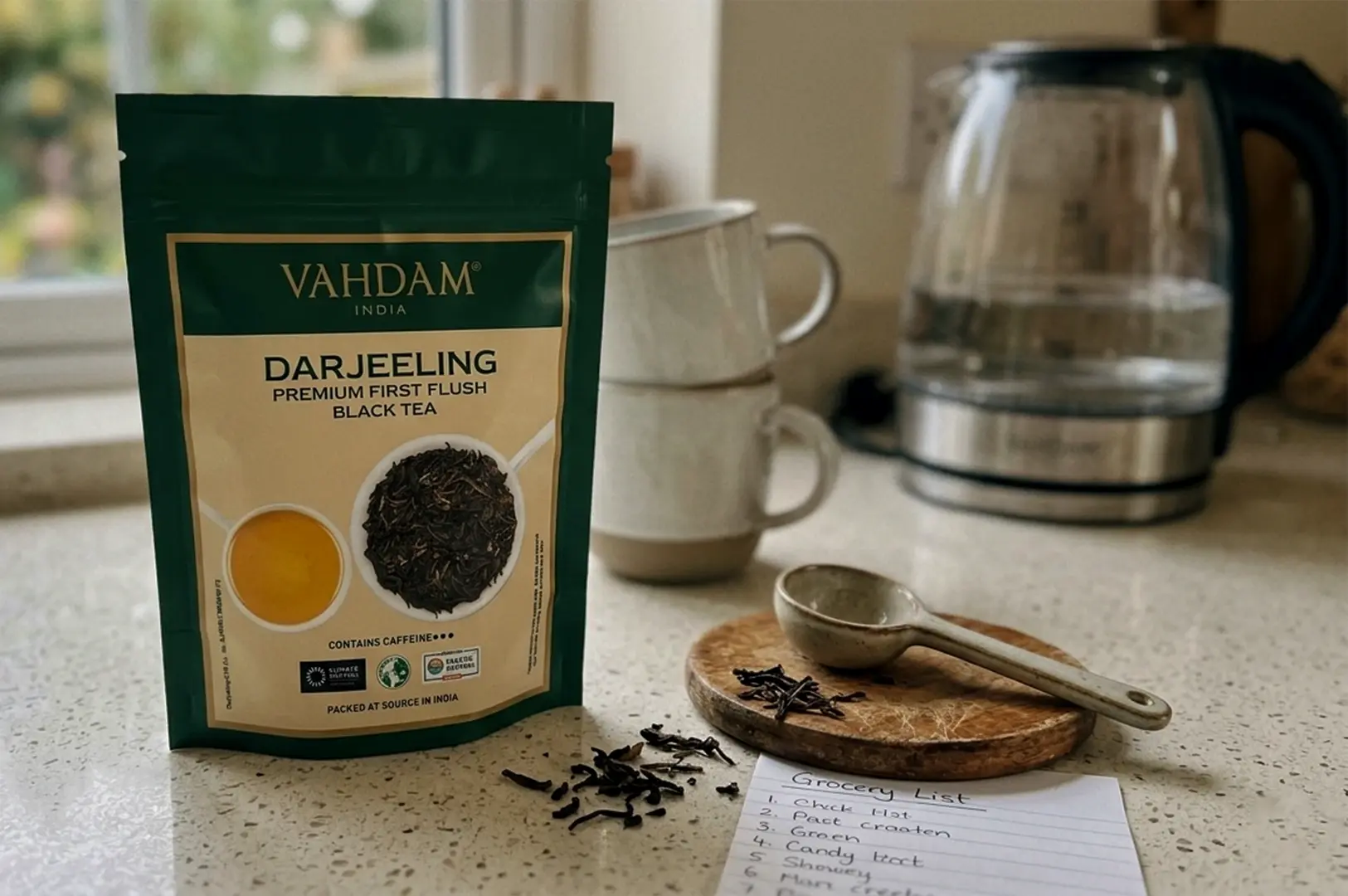
I still remember the first time someone handed me a cup of Darjeeling First Flush, a prized form of black tea, and asked me, quite seriously, not to add milk. I almost laughed. Tea without milk felt like toast without butter. But I humored my friend, took a sip, and paused. The liquid was pale gold, almost shy in colour, yet the aroma rose up like a cool breeze off the Darjeeling hills.
It tasted bright, a little floral, with something green and alive humming underneath, the essence of fresh tea leaves grown in the Darjeeling district of West Bengal, India. I had been drinking tea my whole life, but somehow this felt brand new.
That small moment stuck with me. It made me curious about why this particular tea, produced on tea estates nestled in the hills, gets talked about with such reverence, and whether the hype actually holds up. So let's sit with a cup and talk about it, the way friends do.
What "First Flush" Actually Means in Darjeeling Tea Production
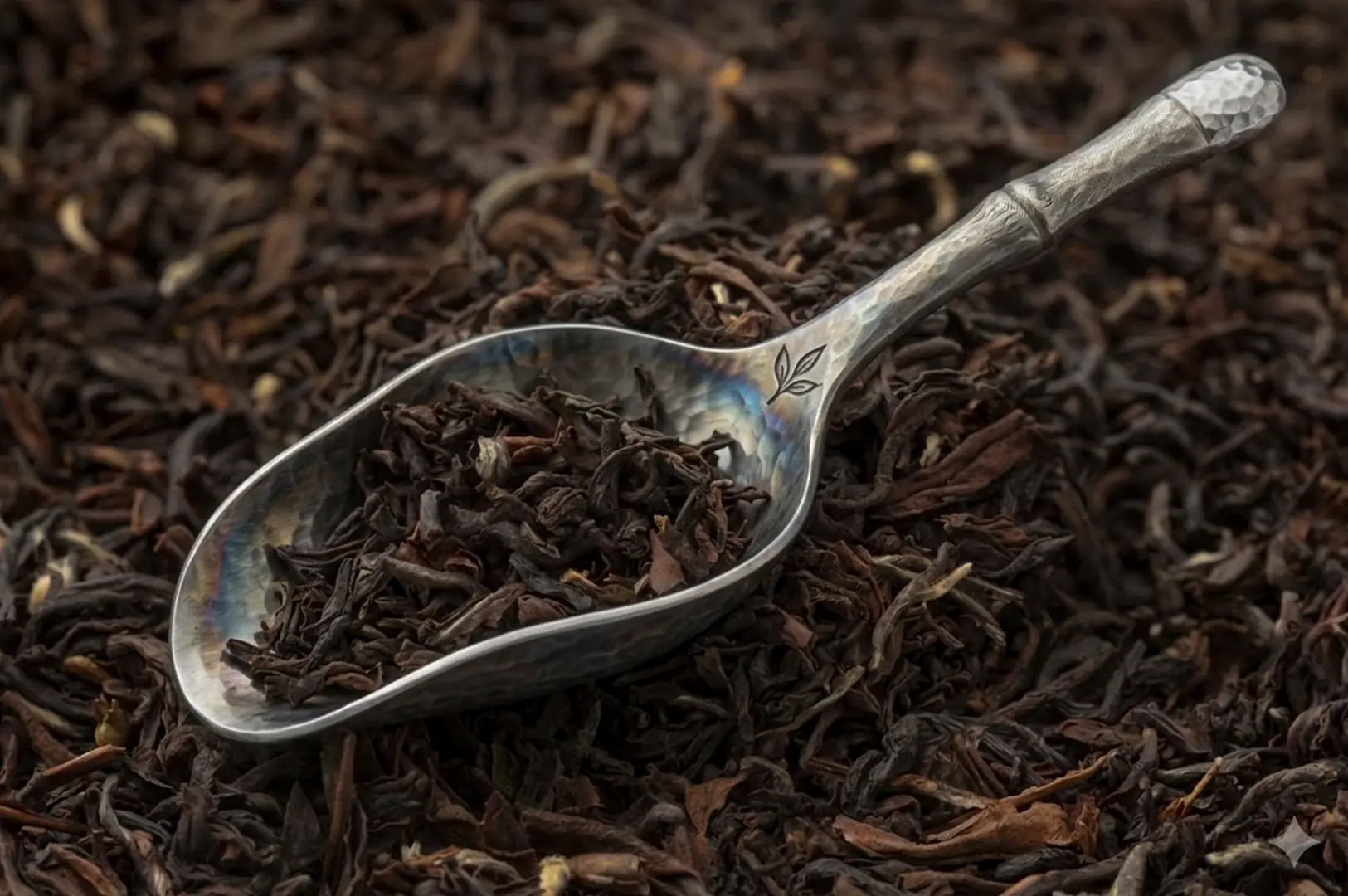
The word "flush" simply refers to a harvest, a flush of new growth on the tea bush. In Darjeeling, the year unfolds in waves of these flushes, and the very first one arrives in early spring, usually around late February through April.
After a long, cold dormant winter, the tea bushes wake up and push out their first tender shoots. Those young leaves and buds, plucked during this brief window, become First Flush Darjeeling tea. It is the season's opening note, the freshest expression of the plant after months of rest.
This matters for a few reasons. Agriculturally, the plants have stored up energy through winter, so the new leaves carry a concentrated, delicate character. Culturally, the Darjeeling tea harvest is part of a long Indian tea tradition that stretches back to the colonial tea plantations of the 19th century, refined over generations by the women and men who tend the land and manage the production.
Why Darjeeling’s Hills and Climate Create Unique Tea Leaves and Flavours
Here is where things get interesting. You can take the same tea plant, originally from China, and grow it in two different places, and the results will taste completely different. That idea has a name: terroir. It simply means the way a specific environment, including the soil, altitude, climate, and even the morning mist, shapes the flavour of what grows there.
Darjeeling sits high in the foothills of the Himalayas, located in the Indian state of West Bengal. Many tea estates, part of a renowned collection of 87 recognized gardens, are perched between 600 and over 2,000 meters above sea level. At those heights, the air is thin and cool, the days are warm but the nights stay crisp, and clouds drift through the valleys.
This unique geography and climate, featuring slightly acidic loamy soils rich in organic materials, persistent fog during growing months, and the monsoon weather from July to September, contribute to the exceptional quality of Darjeeling tea. The region’s cool climate produces some of the most sought-after black teas globally, often called the "Champagne of tea" by connoisseurs.
The conditions are not comfortable for the plant, and that is precisely the point. Stress slows growth and forces the leaves to develop more complex, concentrated flavours, including the famous muscatel fruity notes and subtle spices that characterize Darjeeling tea’s body. Slow-grown leaves, picked by hand, then carefully prepared and processed by skilled workers, produce something you genuinely cannot fake with volume or machinery.
The Craft and Traditional Processing Behind Darjeeling Black Tea
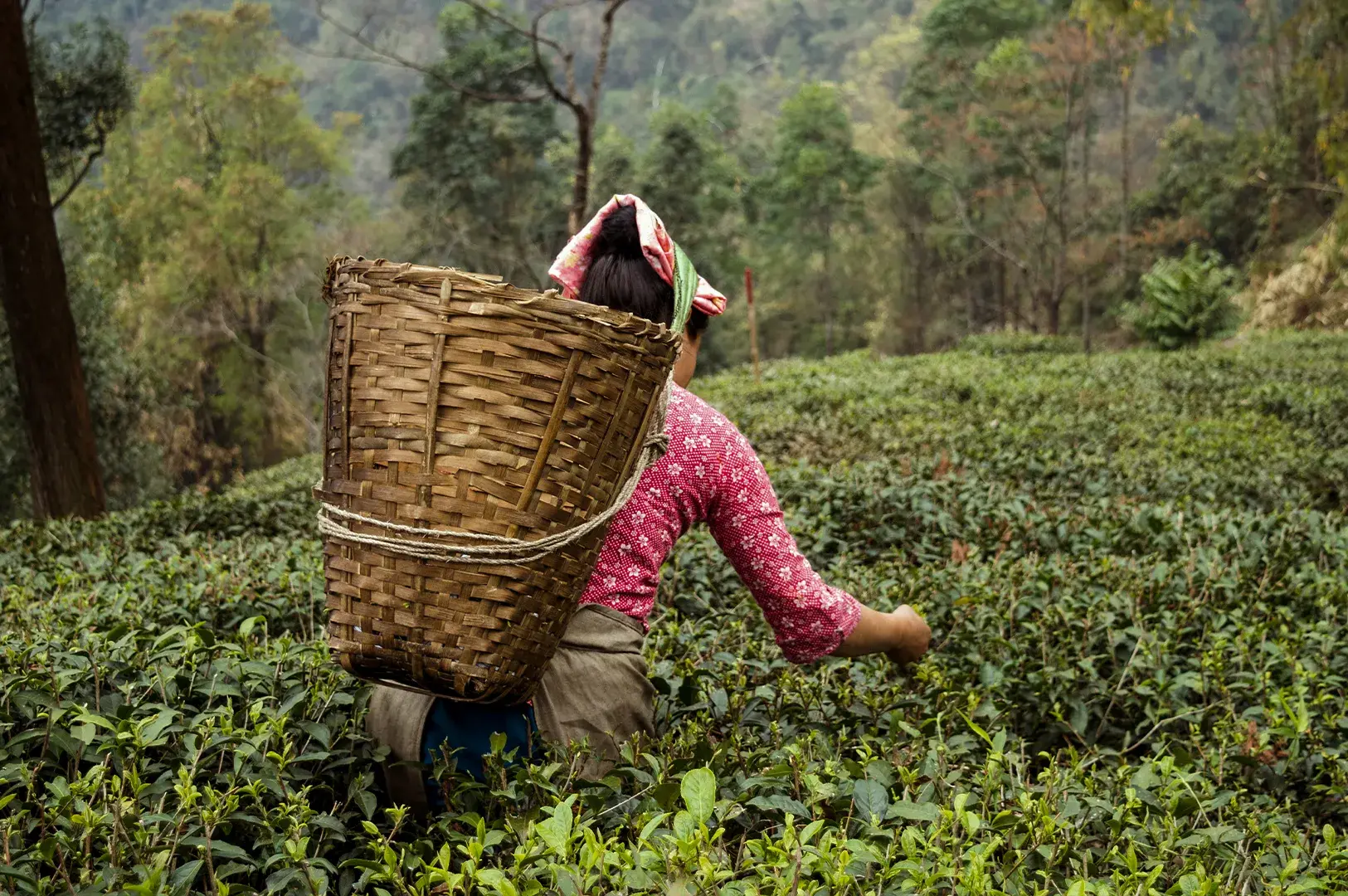
It would be unfair to credit only the mountains. First Flush is also a story of human skill and traditional manufacture. The freshly plucked tea leaves are gently withered and only lightly oxidized. Oxidation is the natural process that turns leaves darker and deeper in flavour, the same thing that happens when a sliced apple browns in the air.
Because First Flush is barely oxidized, it stays closer to green than to a classic black tea, even though Darjeeling tea is technically categorized as black tea. That light touch is a deliberate choice, and getting it right takes real experience. Some tea estates also produce other forms like white tea and oolong, each with distinct processing and flavour profiles.
Why Darjeeling Tea Tastes So Different from Assam and Other Tea Regions
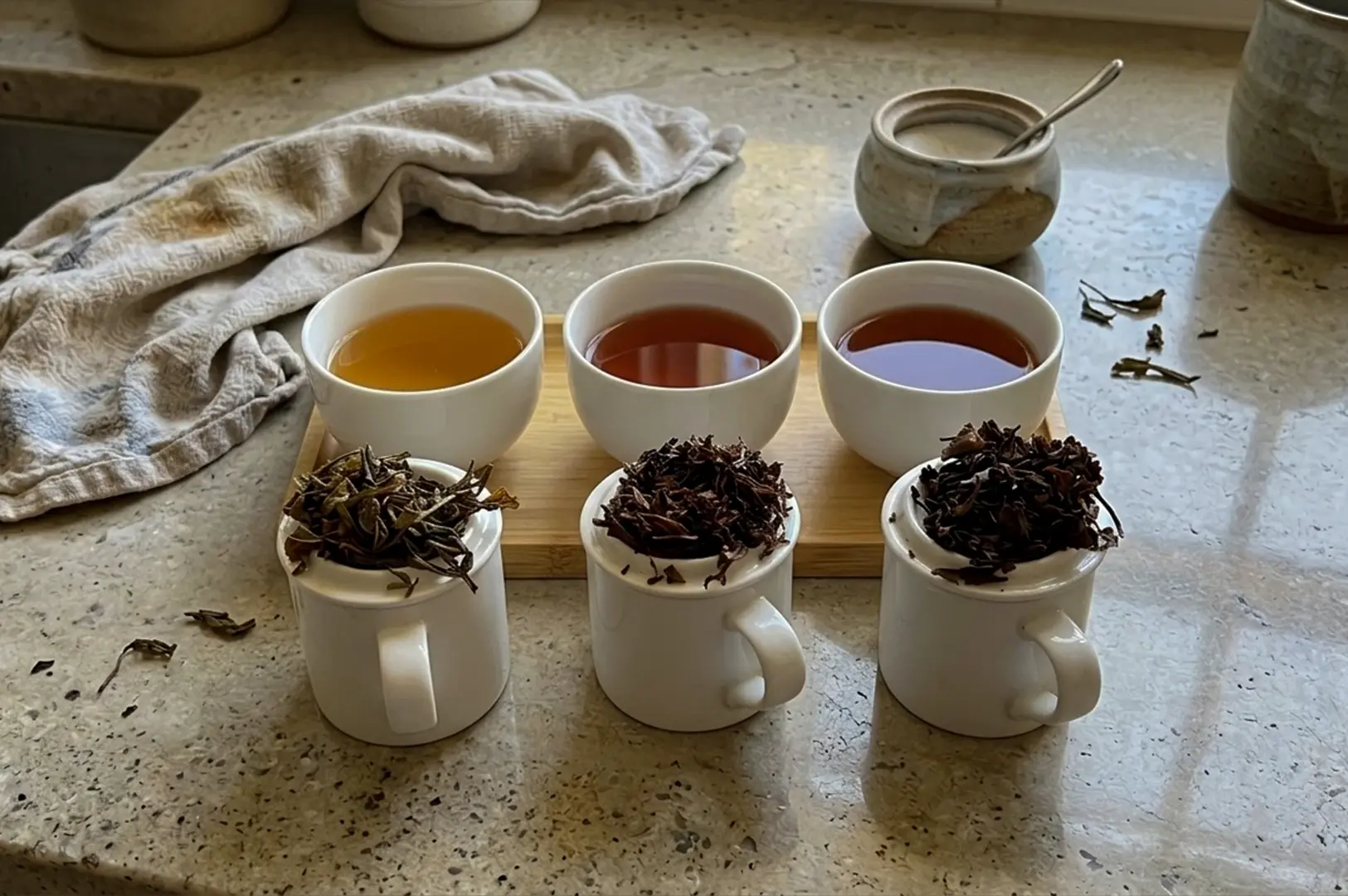
If you have only known strong, malty teas like Assam, your first sip of Darjeeling First Flush can feel almost confusing. Where is the boldness? Where is the punch?
But give it a moment. The pleasures here are quieter:
- A pale, luminous golden liquor rather than a dark brew
- Bright, lively freshness, almost like the first warm day after a cold spell
- Gentle floral notes, sometimes with hints of green grass, white flowers, or citrus zest
- A clean, refreshing finish that lingers softly
You will often hear the word "muscatel" attached to Darjeeling, that distinctive grape-like, slightly musky note. To be honest, muscatel is more associated with the Second Flush of summer (May to June). First Flush leans lighter and greener, so do not feel cheated if you do not find it here. These tea tasting notes are about attention more than vocabulary. You do not need fancy words to notice when something tastes alive.
The Honest Conversation About Price, Scarcity, and Quality in Darjeeling Tea
Let's talk about money, because it shapes a lot of myths around this tea.
First Flush is genuinely scarce. The harvest window is short, the yield is small, the labour is intensive, and the best leaves come from named, single tea estates with real reputations to protect. Limited supply plus high demand naturally pushes prices up.
But here is the gentle challenge I want to offer. Expensive does not automatically mean superior, and freshest does not automatically mean best.
A high price can reflect genuine quality, careful farming, and fair treatment of workers. It can also reflect marketing, packaging, and the simple prestige of the name on the tin. Likewise, a tea picked yesterday is not better than one rested for a few weeks if the latter was grown and processed with more care.
What actually matters is transparency. Where did the tea leaves come from? Which garden or batch? Which year? A seller who can answer those questions honestly is usually worth your trust more than one leaning only on the word "Darjeeling" in big letters.
Choosing Thoughtfully: How to Explore Darjeeling Loose Tea and Teabags
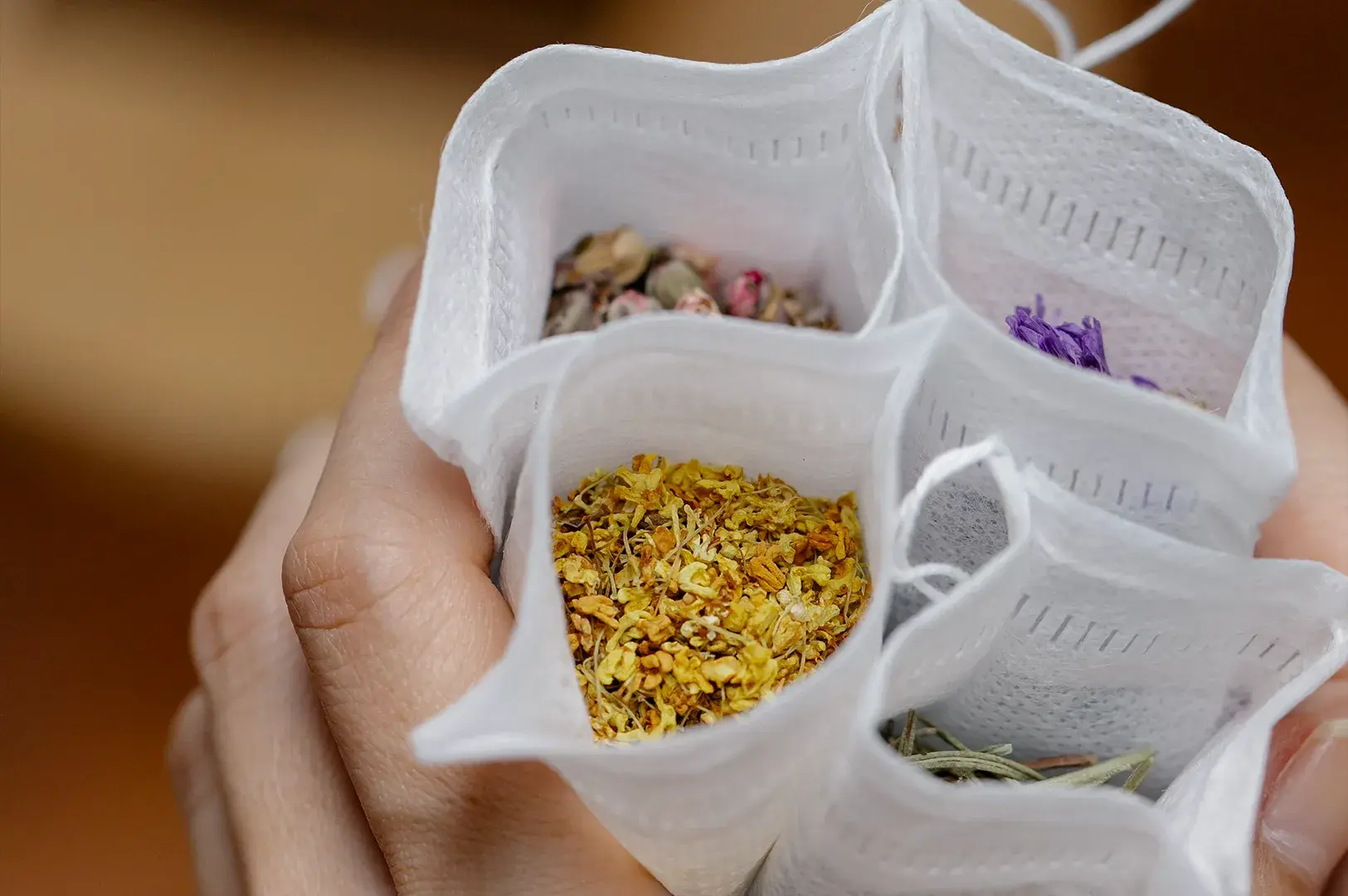
I am wary of turning tea into a stressful test you might fail. So instead of a rigid checklist, think of buying First Flush like choosing produce at a good market. You are looking for signs of honesty and care.
A trustworthy shop will usually tell you the estate or garden name, the harvest year, and sometimes the specific section of the plantation. Vague labels that only say "premium Darjeeling blend" deserve a little healthy skepticism.
Freshness matters, since these delicate tea leaves fade faster than robust teas. Buy from sellers with good turnover, store your tea away from light, heat, moisture, and strong smells, and enjoy it within the year rather than hoarding it like a trophy.
And please, do not feel you must spend a fortune to begin. A modest, well-sourced tea from an honest seller will teach you far more than an expensive tin bought purely on reputation.
The Health Benefits and Compounds That Make Darjeeling Tea Special
Darjeeling tea contains polyphenols and other compounds that may help fight inflammation and support overall health. These antioxidants can contribute to heart health, help lower blood sugar levels, and improve gut health by stimulating beneficial bacteria.
Drinking Darjeeling tea also offers a gentler caffeine boost compared to coffee, with less bitterness and a more floral aroma. This makes it a popular choice for those seeking both refreshment and wellness benefits.
A Small Ritual in a Fast World: Serving and Enjoying Darjeeling Tea

Here is the part I find most meaningful, especially living in a city that moves as quickly as ours.
First Flush almost refuses to be rushed. It is too subtle for a hurried, distracted gulp. To actually taste it, you have to slow down, pay attention, and give it a few quiet minutes. In doing so, the tea becomes a small ritual rather than just a drink.
I am not asking you to romanticize a leaf or pretend a cup of tea will fix a hard week. What I am suggesting is gentler than that. This tea offers a doorway into mindfulness, a brief pause where you notice aroma, warmth, and flavour instead of scrolling through one more thing.
There is also something worth honoring in the cultural appreciation here. When you drink First Flush with attention, you are quietly acknowledging the hills, the seasons, and the many hands that carried those tea leaves from a misty hillside tea estate to your cup. That is a kind of respect, offered without fuss.
A Final Sip: Reflecting on the Journey of Darjeeling Tea Leaves from West Bengal to Your Cup
So, was my friend right to stop me from reaching for the sugar or milk? In this case, yes, though I would never make it a rule. Darjeeling First Flush is delicate enough that milk or sugar would simply drown its best qualities. But the real lesson was not about additives at all. It was about paying attention.
If you have never tried it, I warmly encourage you to seek out a cup, ideally from a reputable seller who can tell you exactly where the tea leaves grew and when they were picked. Brew it gently, sit with it, and let it surprise you the way it once surprised me.
You do not need to become an expert. You just need to slow down, stay curious, and let a little Himalayan spring find its way into your day.
For a diverse knowledge and insider tip for places to have tea in it, visit and read Beyond Coffee: Cafe Singapore Cafes Worth Visiting for Their Tea

Is Tea Acidic? Understanding Tea Acidity and What It Means for Tea Drinkers
One of the most common questions among both new and experienced tea drinkers is surprisingly simple: is tea acidic? The answer is yes, but the reality is far more nuanced than a simple yes or no. Most teas fall on the mildly acidic side of the pH scale, yet they are generally far less acidic…
-
The Best Tea Sessions Are Usually Unplanned
Some of the most memorable tea sessions begin without intention. No special occasion. No carefully selected tea ware. No plan to spend an afternoon appreciating tea. Someone simply puts water on to boil. A tea is chosen almost absentmindedly. Cups are found. The tea is poured. And somehow, those sessions often become the ones we…
-
A Guide to the Wedding Tea Ceremony in Singapore: Tradition, Family, and Meaning
I still remember the morning of my older sister’s wedding day. We were packed into my parents’ flat, and the sticky humidity in the air was intense, even with the air conditioning running on full blast. Amidst the loud laughter and the fun of the morning gatecrash, everything suddenly slowed down. I watched her kneel…
-
Why Tea Gifts Always Feel More Personal
There are easier gifts to buy than tea. Gift cards, flowers, candles. They require very little thought. Most people will appreciate them, and if they don’t, no real harm is done. Tea feels different. Giving someone tea involves a small act of interpretation. You are making a quiet guess about what they might enjoy. Something…
-
Wabi Sabi Meaning: Discovering Beauty in Imperfection
Singapore is famous for its spotless streets, impressive glass towers, and a culture that constantly celebrates the new-be it design trends, the latest matcha drinks, or the next “perfect place” for brunch. For a long time, I bought into this idea of curated perfection. My home had to be pristine, my days measured for maximum…
-
The Strange Pressure to Understand Every Tea Immediately
Tea drinkers do something interesting. When trying a new tea, many immediately begin searching for the “correct” tasting notes. Floral. Roasted. Fruity. Mineral. Someone takes a sip and suddenly feels pressure to identify every subtle characteristic as though there is a right answer hidden somewhere inside the cup. And if the tea feels confusing at…
-
Tea Ceremony: The Hidden Meaning Behind Small Gestures
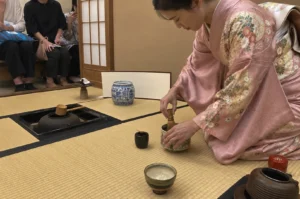
My first tea ceremony singapore experience left me more worried about etiquette than soaking in the moment. Surrounded by seasoned guests, I focused on getting every gesture right, how to bow, how to hold the cup, afraid of missing some point that makes tea culture here so unique. Looking back, I missed how these small…
-
Why Tea Always Feels More Honest Than Coffee
This might be slightly controversial, but tea has always felt more honest to me than coffee. Coffee often arrives with ambition. Productivity. Hustle culture. The promise that after one cup, you will suddenly become more awake, more focused, more efficient. Tea asks for much less. It doesn’t demand transformation. It simply sits beside you quietly….

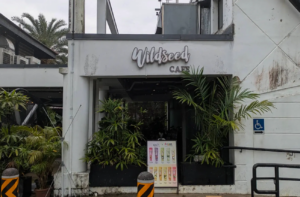
Wildseed Cafe Singapore: A Garden Escape for Tea Lovers
Sometimes, you just need to get out of the concrete city jungle and bask in nature. Last weekend, I was craving a quiet afternoon away from the chaotic mall crowds, so I made a reservation at Wildseed Cafe Singapore. Tucked away in the precincts of Seletar Aerospace Park within The Summerhouse, this multi concept restaurant…

Not Every Expensive Tea Is Actually Better
Tea drinkers rarely say this out loud. But many have probably thought it at least once. Sometimes an expensive tea tastes… fine. Not extraordinary. Not life-changing. Just fine. And yet modern tea culture often treats expensive tea as though it automatically deserves deeper admiration. A rare mountain harvest. Ancient tea trees. A tea produced in…