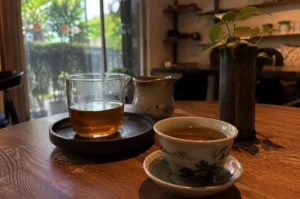
Green tea has long been celebrated for its health benefits and calming properties. It is a popular tea worldwide, known for its cultural significance and widespread consumption. Both green tea and black tea are made from the Camellia sinensis plant, also known as the tea plant. These teas come from the same plant, camellia sinensis, but differ in their processing methods, which affects their caffeine content, flavor, and properties. If you’ve ever wondered is green tea caffeine-rich, the answer is yes—but it contains far less caffeine than coffee. This makes drinking green tea a perfect choice for those seeking a gentle energy boost without the jitters.
In this guide, we’ll explore green tea contains caffeine, caffeine content, factors affecting it, and how green tea consumption compares to other caffeinated drinks.
What Is Caffeine and How Green Tea Affects You
Caffeine is a natural stimulant present in coffee consumption, black tea, green and black tea, chocolate, and energy drinks. It blocks adenosine, a brain compound that induces sleepiness, while increasing adrenaline to boost alertness. Caffeine belongs to a class of stimulant drugs, which can affect the nervous system and should be consumed in moderation.
Green tea contains caffeine, but its effect differs from coffee. Thanks to L-theanine, an amino acid in tea leaves, green tea may improve focus and calmness simultaneously. This combination creates a smoother, more sustained energy boost, making cups of green tea a more balanced alternative to other caffeinated drinks.
How Much Caffeine Is in Green Tea?
Green tea caffeine content varies widely depending on the type of tea, brewing method, and quality of tea leaves. The caffeine contents of green tea can increase with longer steeping times and higher water temperatures—the longer you steep the tea, the more caffeine is extracted from the leaves. Typically, an 8oz cup contains 20-45mg, compared to:
- Coffee (8oz): 95-200mg
- Black tea (8oz): 40-70mg
- Energy drinks (8oz): 70-100mg
This means moderate green tea consumption can give a gentle alertness boost, about a quarter of the caffeine in coffee.
Types of Green Tea and Their Caffeine Levels
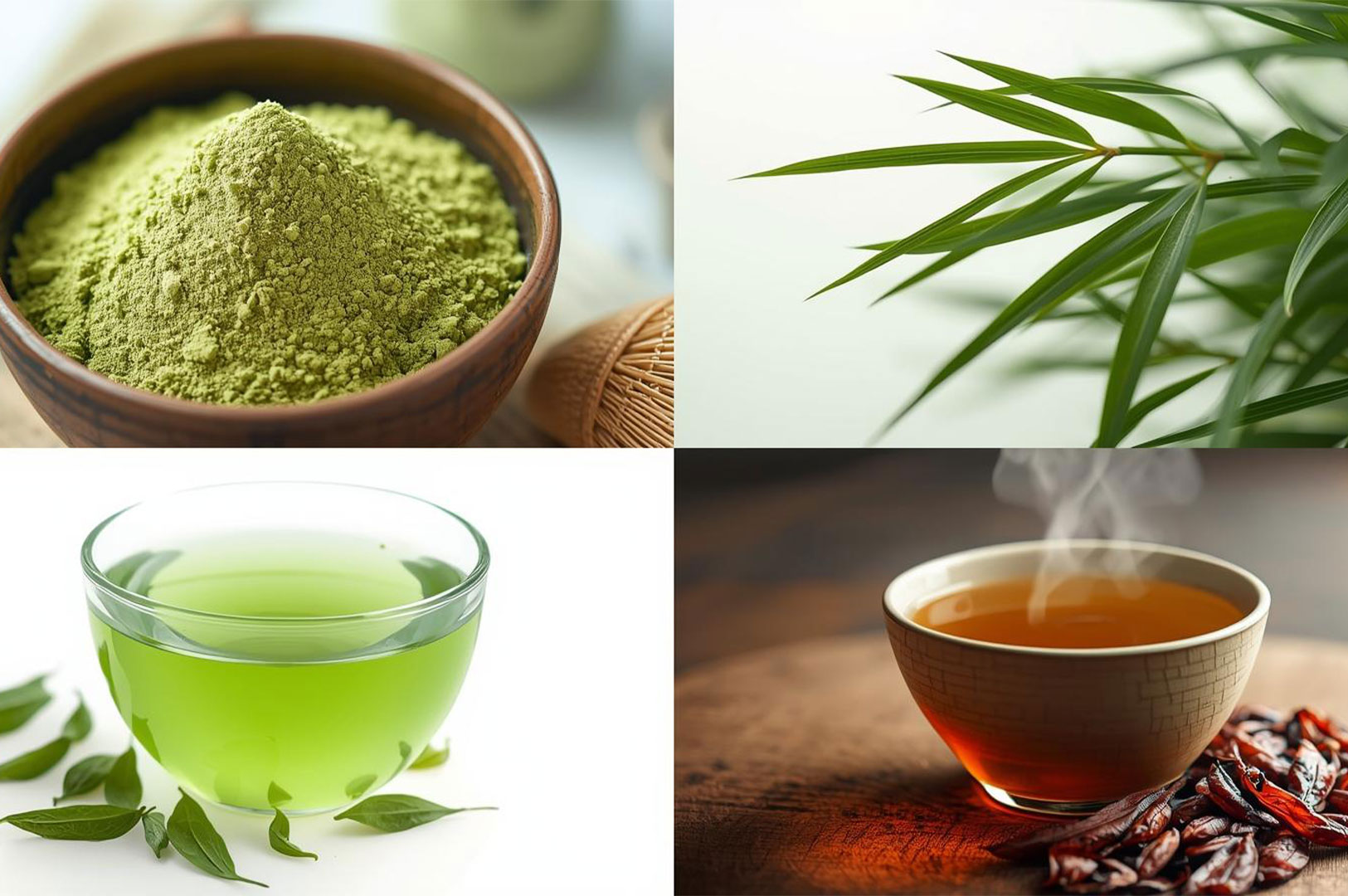
Different green teas offer different caffeine content. Japanese green teas, such as Matcha and Gyokuro, are known for their higher caffeine content due to unique cultivation methods like shading, which increases caffeine levels:
- Matcha: 60-80mg per serving. This is a Japanese green tea made from powdered leaves, so you consume the whole leaf. Matcha is known for its higher caffeine content.
- Gyokuro: 35-50mg. Another Japanese green tea, Gyokuro is grown in shade, a cultivation method that increases its caffeine content.
- Sencha: 20-30mg. The most popular green tea leaves in Japan.
- Hojicha: 7-10mg. Roasting lowers caffeine significantly.
- Genmaicha: 15-20mg. Blended with roasted rice, reducing caffeine.
- Decaffeinated green tea: 2-5mg. A tiny residual amount remains.
Pro Tip: If sensitive to caffeine, stick to Hojicha, Genmaicha, or decaf green tea extract.
Brewing Temperature, Steeping Time, and Green Tea Consumption
The way you brew green tea affects caffeine content. The caffeine in a cup of green tea depends on how the tea is infused and the brewing method used:
- Hot water (80–85°C) + longer steeping (3–5 min) = a stronger tea infused with more caffeine in your cup of green tea
- Cooler water (60–70°C) + shorter steeping (1–2 min) = less caffeine
- The first infusion has the highest caffeine; subsequent brews have less
Loose leaf tea or tea bags can offer different green tea polyphenol levels, which contribute to many health benefits like cardiovascular health and blood sugar regulation.
Green Tea vs. Other Beverages
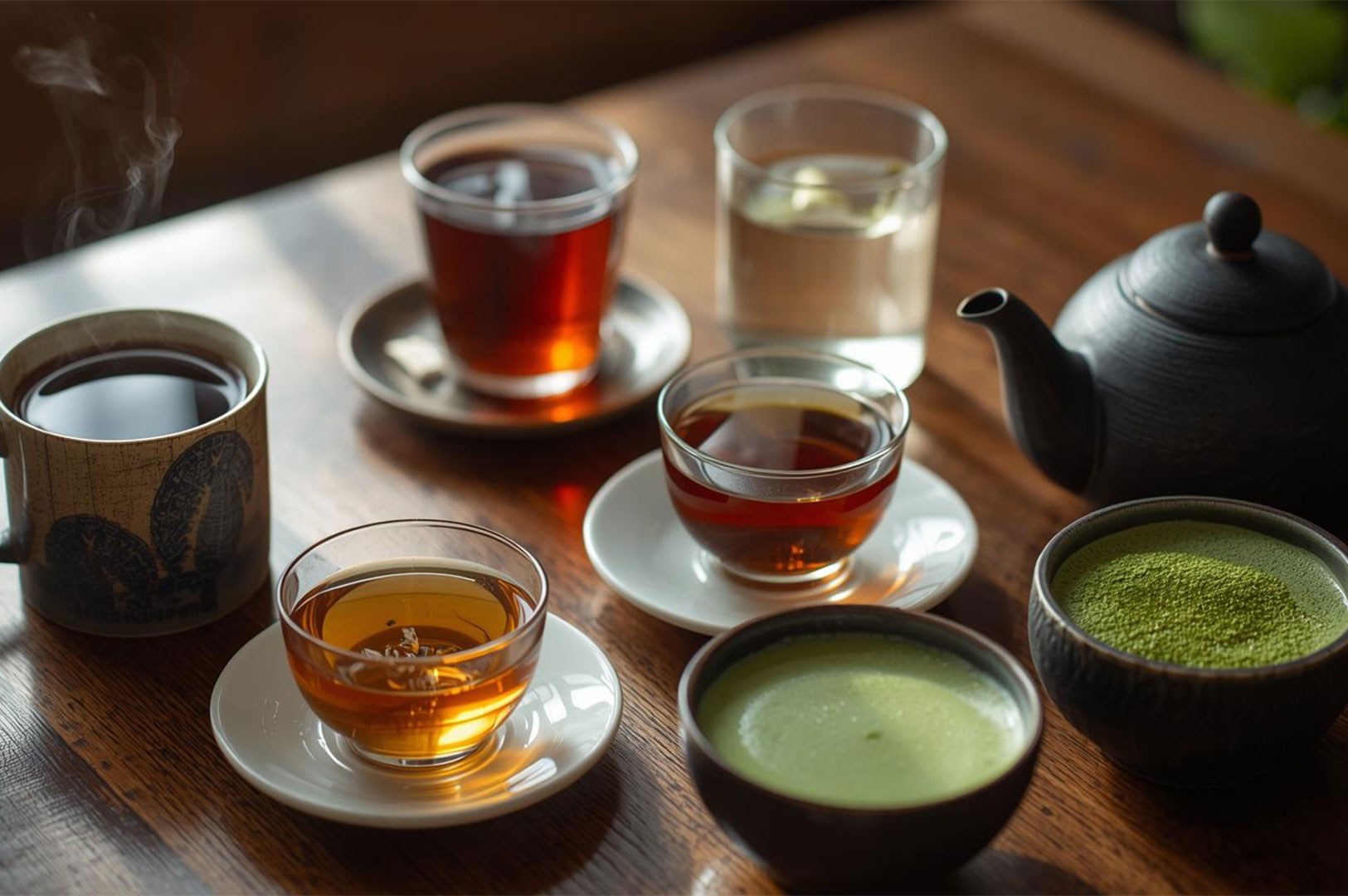
Green tea contains caffeine, but how does it compare to other caffeinated drinks?
| Beverage | 8oz Caffeine |
|---|---|
| Coffee | 95-200mg |
| Black tea | 40-70mg |
| Green tea | 20-45mg |
| White tea | 15-30mg |
| Oolong tea | 30-50mg |
| Matcha | 60-80mg |
| Herbal tea | 0mg |
Key takeaway: Drinking green tea offers enough caffeine for focus without coffee’s intense spike, ideal for personal health goals like weight management or reducing belly fat.
Green and Black Tea Caffeine: How They Compare
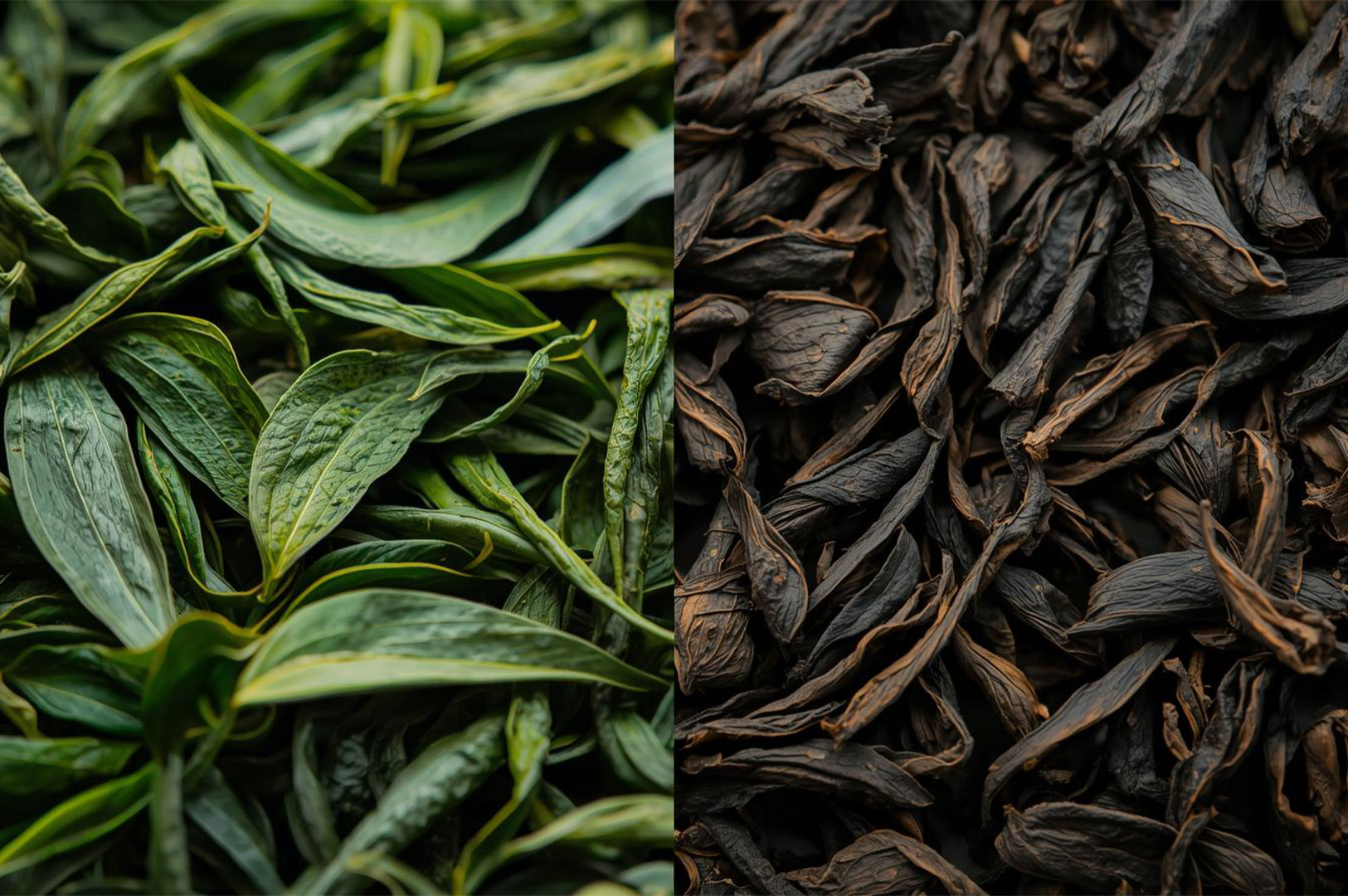
Both green and black tea come from the Camellia sinensis plant, yet they differ significantly in their caffeine content and overall effects on the body. The difference arises mainly from their oxidation levels — the process that transforms fresh tea leaves into either green or black tea.
Green tea undergoes minimal oxidation, preserving its natural compounds and keeping caffeine levels relatively low. On average, an 8-ounce cup of green tea contains 20–45 mg of caffeine, depending on the type, leaf grade, and brewing method. This modest caffeine level provides a gentle energy boost without overstimulating the nervous system, making green tea ideal for people seeking calm alertness and focus.
Black tea, however, is fully oxidized, resulting in a stronger flavor and higher caffeine content. A typical cup contains around 40–70 mg of caffeine, with some varieties reaching up to 90 mg. This makes black tea a better choice for those who prefer a more pronounced morning energy lift, similar to—but milder than—coffee.
While both teas contain caffeine, their effects differ due to the presence of L-theanine, an amino acid found more abundantly in green tea. L-theanine works synergistically with caffeine to promote relaxed alertness, smoothing out energy spikes and reducing the likelihood of jitters or anxiety. In contrast, black tea’s stronger caffeine concentration offers a more immediate sense of stimulation.
When comparing green and black tea caffeine, the difference isn’t just about the numbers—it’s about the experience. Green tea provides balanced focus and mental clarity, while black tea delivers robust energy and alertness. Both can be part of a healthy lifestyle when consumed in moderation, but choosing between them depends on your personal caffeine tolerance and daily needs.
- Pro Tip: If you’re sensitive to caffeine but still enjoy a morning ritual, opt for green tea varieties like Sencha, Genmaicha, or Hojicha, which contain less caffeine. For a stronger pick-me-up, Assam or Ceylon black teas are excellent choices.
Health Benefits of Green Tea
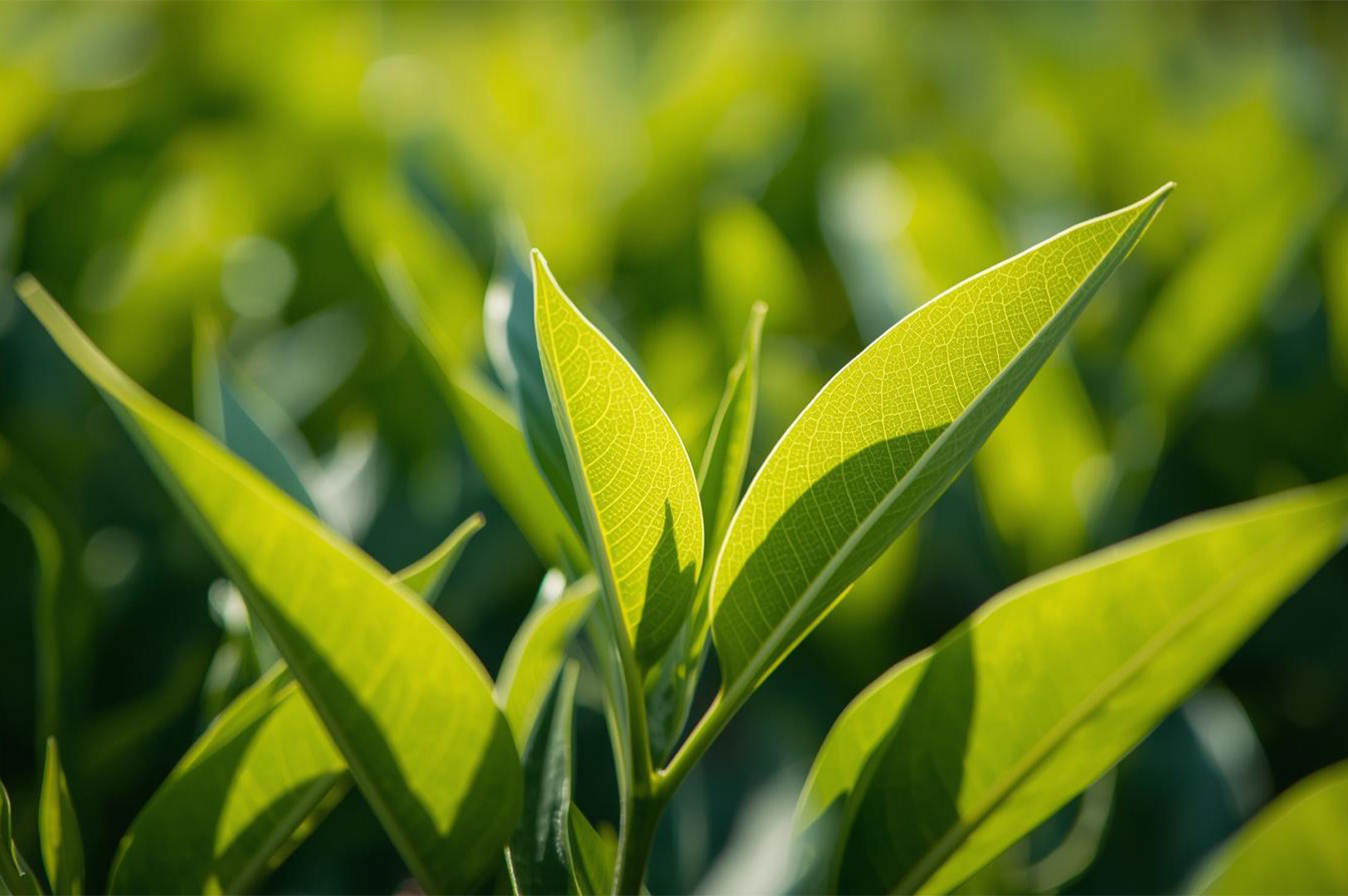
Green tea isn’t just about caffeine—it’s packed with green tea catechins, tea polyphenols, and antioxidants with many health benefits. The potential health benefits of consuming green tea are supported by scientific research, including studies on its antioxidant properties, cardiovascular protection, and weight management.
- Cardiovascular health: Regular green tea daily intake may reduce blood pressure and support heart disease prevention. Research shows that high green tea consumption, such as four or more cups per day, is associated with greater cardiovascular benefits.
- Weight management: Studies suggest green tea may aid weight loss and reduce body weight when combined with diet. High green tea consumption has been linked to more significant weight management outcomes, as shown in science green tea studies.
- Blood sugar regulation: Green tea affects glucose metabolism and may benefit middle-aged or cognitively intact older adults.
- Oral health: Green tea extract supports gum health and reduces plaque. Green tea extracts are also used in supplements and topical treatments for additional oral health benefits.
- Overall wellness: Green tea supplementation shows promise in randomized controlled trials and systematic reviews for beneficial properties. Many of these health claims are green tea backed by scientific studies and reviews, highlighting the science green tea evidence. Consuming green tea regularly has been linked to improved health outcomes.
Drinking tea, especially green tea rich in polyphenols like EGCG, has also been associated with improved bone density and may help protect against osteoporosis.
Pro Tip: Green tea polyphenol content is higher in loose leaf tea and Japanese green tea varieties like Gyokuro.
Managing Caffeine and Green Tea Consumption
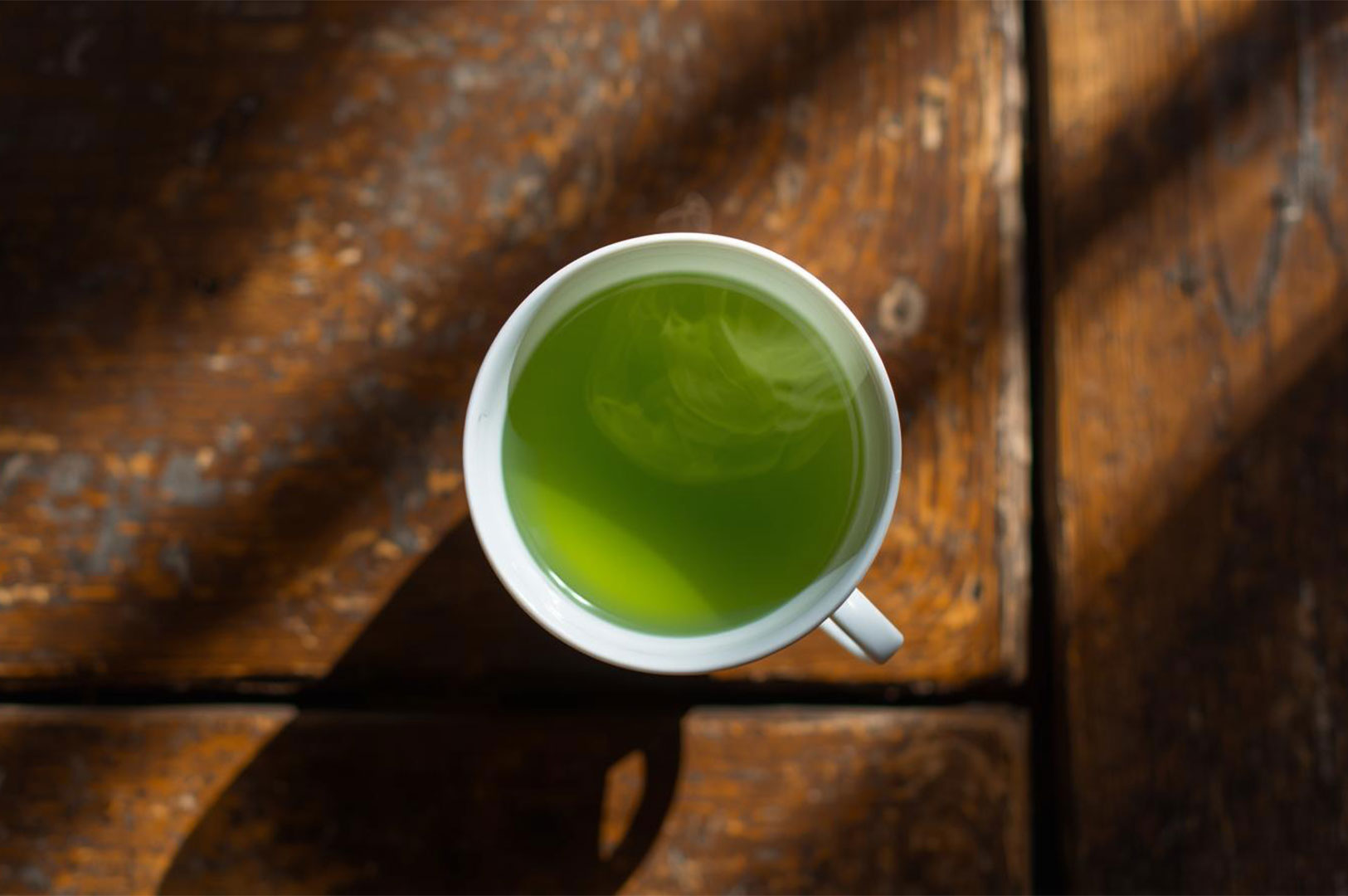
To enjoy green tea daily without overdoing caffeine intake, it's important to consider how much green tea is safe for you. Most guidelines suggest that moderate consumption—typically 2 to 8 cups per day for most adults—is considered safe, but this can vary based on individual sensitivity and health status.
- Track total caffeine: include coffee consumption, chocolate, and energy drinks
- Time your cups of green tea in the morning or early afternoon
- Choose low-caffeine varieties like Hojicha or Genmaicha
- Consider green tea supplements or decaffeinated green tea
Caffeine Guidelines:
- Most adults: up to 400mg/day (~8–20 cups of green tea)
- Caffeine-sensitive individuals: 100–200mg/day (~2–10 cups)
Frequently Asked Questions About Green Tea
Q1: Is Green Tea a Good Coffee Alternative?
Yes! Green tea delivers moderate caffeine content with L-theanine for calm focus. Replacing 1–2 cups of coffee with green tea daily is an easy first step.
Q2: Can I Drink Green Tea Before Bed?
Stop green tea consumption 4–6 hours before sleep if sensitive. Try Hojicha or decaf green tea extract in the evening.
Q3: How Many Cups of Green Tea Equal One Cup of Coffee?
Caffeine-wise, 3–4 cups of green tea equal one cup of coffee, but the calming effects differ.
Q4: Does Green Tea Dehydrate Like Coffee?
No, tea consumption under 200mg caffeine per serving contributes to hydration.
Q5: Can Children or Pregnant Women Drink Green Tea?
- Children: 1 cup/day is safe for teens; not recommended for young kids
- Pregnant women: 1–2 cups/day (under 200mg caffeine)
Final Thoughts on Green Tea and Caffeine
Yes, green tea contains caffeine, but in a manageable amount. Its combination of L-theanine and beneficial properties makes it one of the healthiest beverages to enjoy for energy boost, weight management, heart disease prevention, and overall wellness. Drinking green tea is not just about alertness—it’s a ritual for both mind and body.
Want to learn more about green tea? Explore our Complete Guide to Drinking Green Tea: Health Benefits, Brewing Techniques, and Cultural Traditions.

Stop Calling It “Premium”: Why Most Luxury Tea Branding Is Empty
There is a word I have become increasingly cautious of in the tea world. Premium. It appears everywhere. Premium leaves. Premium harvests. Premium collections. Premium experiences. The word sounds reassuring. It suggests care, quality, and something worth paying attention to. But after seeing it attached to almost everything, I sometimes wonder whether it has started…
-
Pryce Tea: A Modern Pour with Old Tea-Room Ambitions
I visited on a weekday afternoon, around three, when the city had quieted into that particular lull between lunch and the evening rush. I’d been curious about Pryce Tea for a while, mostly because the brand keeps surfacing among people who talk about teas the way some people talk about wine. With a reputation built…
-
The Seasons in a Tin: How Weather Shapes What I Reach For
I have a small habit that I never really noticed until recently. The weather changes, and somehow, so does the tea I want. On a hot afternoon, I find myself reaching for something light and floral. When rain settles over the windows, I want something darker, warmer, perhaps a little more comforting. On those rare…
-
Ginger Lily Afternoon Tea on Orchard Road: A Floral Chapter in Singapore’s Culinary Story
I noticed the ginger lily flowers before I noticed anything else. Not real ones, exactly. A wall of them, suspended in resin, catching the light as I stepped off the lift on Level 5 at Hilton Singapore Orchard, home to Ginger Lily, a floral-themed afternoon tea lounge on Orchard Road. I stood there a second…
-
Minimalism, But Make It Warm: A Simpler Way to Drink Better Tea
There is a certain irony about tea. The more we learn about it, the easier it becomes to complicate it. A simple cup of leaves and water slowly becomes surrounded by equipment, measurements, techniques, and expectations. We begin collecting teapots, comparing brewing methods, and searching for the perfect setup. None of these things are wrong….
-
A Humble Cup in an Age of Overdesigned Drinks: iTea Review
The bubble tea I queued for last month came with a caramelized brûlée top I had to crack with the back of my spoon. It was fine. Pretty, even. But somewhere between the torched sugar and the cheese foam and the third topping I didn’t ask for, I lost the drink itself. So I went…
-
Matcha Hype Has Gone Too Far (But I Still Drink It)
I have a confession. I am slightly tired of seeing matcha everywhere. Not because I dislike matcha. In fact, I drink it quite often. But there is something amusing about watching a humble tea become the centre of every café menu, wellness conversation, and social media trend. Matcha has gone from a traditional Japanese tea…
-
Hortus Afternoon Tea Review: When the Garden Becomes the Occasion in the Flower Dome
I forgot, for a moment, that I was indoors at Hortus, the Mediterranean restaurant nestled within the Flower Dome at Gardens by the Bay. There were trees above me, real ones, and the air held that cool, green stillness you usually find early in the morning somewhere far from the city. A leaf drifted down…
-
The Real Reason Your Tea at Cafés Tastes Flat
There is a particular disappointment that comes with ordering tea at a café. You see the menu. You notice the carefully written descriptions. Perhaps there is a mention of fragrant jasmine, roasted oolong, or a carefully selected blend. The presentation arrives beautifully arranged, and for a moment, there is anticipation. Then you take the first…
-
Herbal Tea in Chinese: A Cup Shaped by Heat, Balance, and Belief
The first sip was bitter. I was maybe seven, and my grandmother had pressed a small ceramic cup into my hands, dark liquid inside, steam curling up between us. She didn’t explain. She just said, “Drink. You’ve been too heaty.“ I made a face. She didn’t smile. She just waited until I finished. Years later,…