Introduction
Few teas are as instantly recognisable as Earl Grey tea. Even among people who do not regularly drink tea, the distinctive citrus aroma of Earl Grey often feels familiar. It appears in tea shops, cafés, afternoon tea menus, and kitchen cupboards around the world, yet many people still ask the same question: what is Earl Grey tea?
At its simplest, Earl Grey is a flavoured tea traditionally made by combining black tea with bergamot oil, an aromatic extract derived from the bergamot orange. The result is a tea that feels both comforting and refreshing, balancing the richness of black tea with bright citrus notes.
Its popularity has endured for generations not only because of its flavour, but also because many tea drinkers appreciate the potential health benefits associated with both black tea and bergamot. While no tea should be viewed as a cure-all, the combination creates an interesting drink that continues to attract tea lovers across cultures.
What Is Earl Grey Tea?
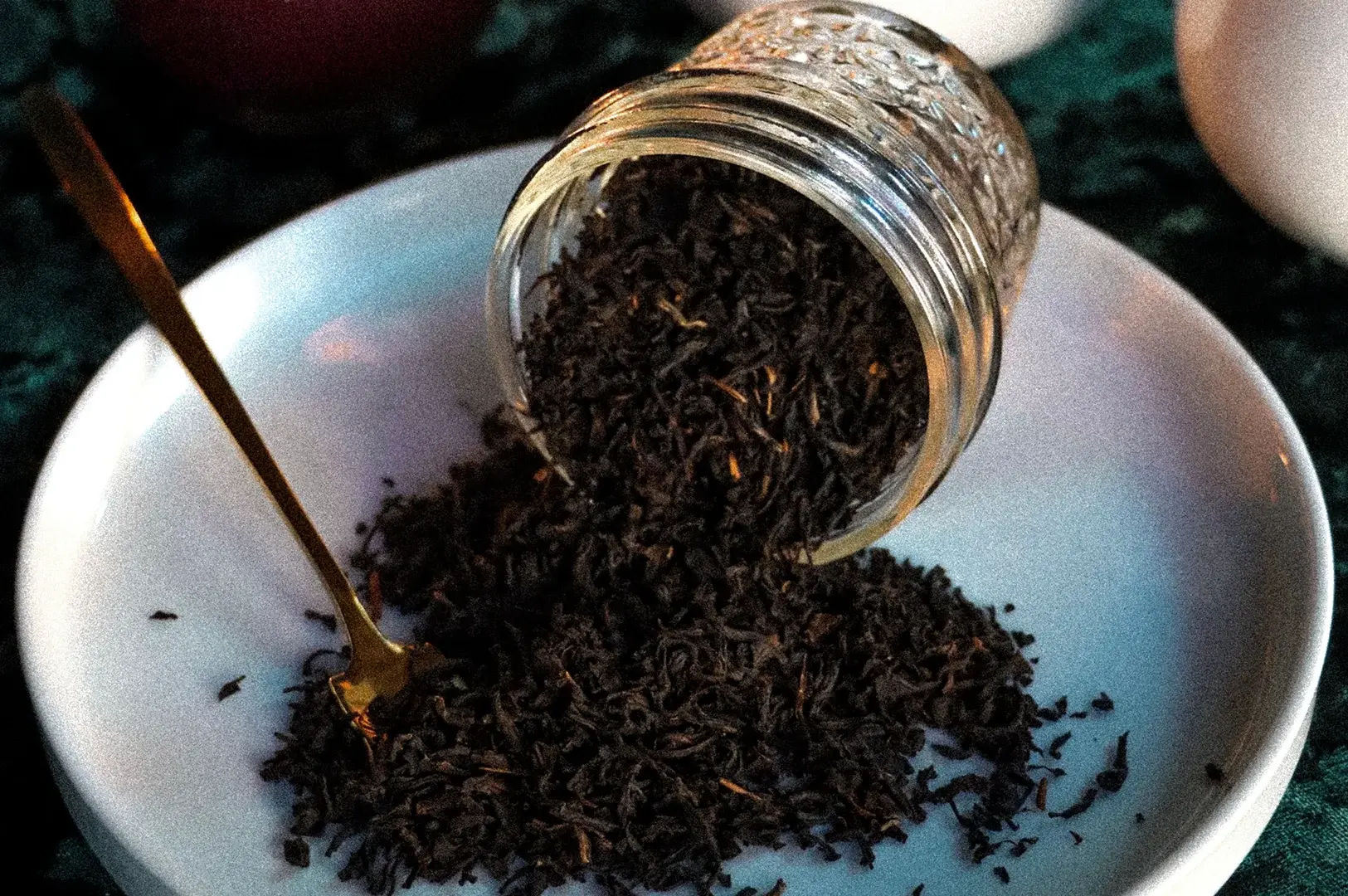
The Story Behind Earl Grey
The origins of Earl Grey tea are surrounded by stories and competing claims, but the tea is most commonly linked to Charles Grey, also known as Lord Grey, a nineteenth-century British Prime Minister.
One popular account suggests that a Chinese merchant presented a specially flavoured tea to Grey as a gift. Whether this story is entirely accurate remains uncertain, but the connection between Charles Grey and the tea has remained firmly attached to its identity.
Traditionally, Earl Grey was created by adding bergamot extract or bergamot oil to black tea. Bergamot itself is a fragrant citrus fruit known scientifically as Citrus bergamia, primarily cultivated in parts of southern Italy.
Today, Earl Grey remains one of the most famous tea blends in the world.
Earl Grey Tea and Its Unique Taste
Why Earl Grey Tastes Different
The first thing most people notice about grey tea is its aroma.
Unlike other black teas, Earl Grey carries a distinctive fragrance that comes from bergamot. The citrus notes are floral, slightly sweet, and often described as elegant rather than sharp.
The combination creates a flavour profile that is:
- bright and refreshing
- slightly floral
- gently citrusy
- balanced by the richness of black tea
Some modern earl grey blends also include:
- lavender
- citrus peels
- additional ingredients such as vanilla
- floral botanicals
These variations create different interpretations while maintaining the characteristic bergamot foundation.
For many tea lovers, this unique taste is what makes Earl Grey feel timeless.
Earl Grey Tea Benefits and Black Tea Antioxidants
Understanding the Health Benefits
Many of the widely discussed Earl Grey tea benefits begin with the tea itself.
Since Earl Grey is typically made from black tea leaves, it contains naturally occurring compounds such as:
- polyphenols
- antioxidants
- L-theanine
- caffeine
These compounds have attracted significant scientific attention over the years.
Research suggests that antioxidants may help protect the body against free radicals, unstable molecules associated with cell damage and ageing.
Black tea contains a variety of antioxidant compounds that contribute to many of the recognised health benefits associated with regular tea consumption.
While more studies are still needed, many researchers continue exploring how tea may support long-term wellness.
Drinking Earl Grey Tea and Heart Health

Earl Grey and Cardiovascular Disease Markers
One area that receives considerable attention involves heart health.
Research has explored how black tea and bergamot compounds may influence certain cardiovascular disease markers, including cholesterol levels and circulation.
Some findings suggest that regularly drinking Earl Grey tea may support:
- healthier cholesterol balance
- improved circulation
- overall cardiovascular wellness
The polyphenols found in black tea may help support healthy blood vessels, while bergamot has attracted interest for its potential role in reducing high cholesterol.
Several studies have examined whether bergamot compounds could contribute to improved lipid profiles, although researchers consistently note that more studies are needed before firm conclusions can be made.
Blood Pressure and Heart Disease
Another area of ongoing interest involves blood pressure.
Some observational studies have explored the relationship between drinking tea and a lower risk of cardiovascular issues.
Although Earl Grey should never replace medical treatment, moderate tea consumption may form part of a heart-conscious lifestyle.
The combination of tea polyphenols, antioxidants, and other beneficial plant compounds continues to make Earl Grey an interesting subject for cardiovascular research.
Drinking Earl Grey Tea for Focus and Energy
A Gentle Caffeine Kick
Many people reach for Earl Grey when they want energy without the intensity of coffee.
Like most black teas, Earl Grey contains caffeine, though usually less than a typical cup of coffee.
This moderate caffeine kick is one reason the tea remains popular throughout the day.
Black tea also contains L-theanine, an amino acid associated with calm focus and mental clarity.
Together, caffeine and L-theanine create a combination that many tea drinkers find appealing because it may support:
- concentration
- alertness
- steady energy levels
For those seeking a balanced alternative to coffee, a cup of Earl Grey often provides exactly that.
Earl Grey Tea, Weight Management, and Daily Wellness
Potential Benefits Beyond Energy
Some people explore Earl Grey benefits because of broader wellness goals, including weight management.
While no tea alone causes weight loss, replacing sugary drinks with tea may help reduce overall calorie intake.
Tea may also encourage mindful habits.
Taking time to brew tea, sit down, and enjoy a warm drink often creates a slower rhythm that supports healthier routines.
Researchers have also investigated whether certain compounds in tea influence:
- metabolism
- the body's ability to process fats
- appetite regulation
Current evidence remains mixed, but tea continues to be studied as part of broader wellness strategies.
How to Enjoy Earl Grey Tea
Loose Tea or Tea Bags?
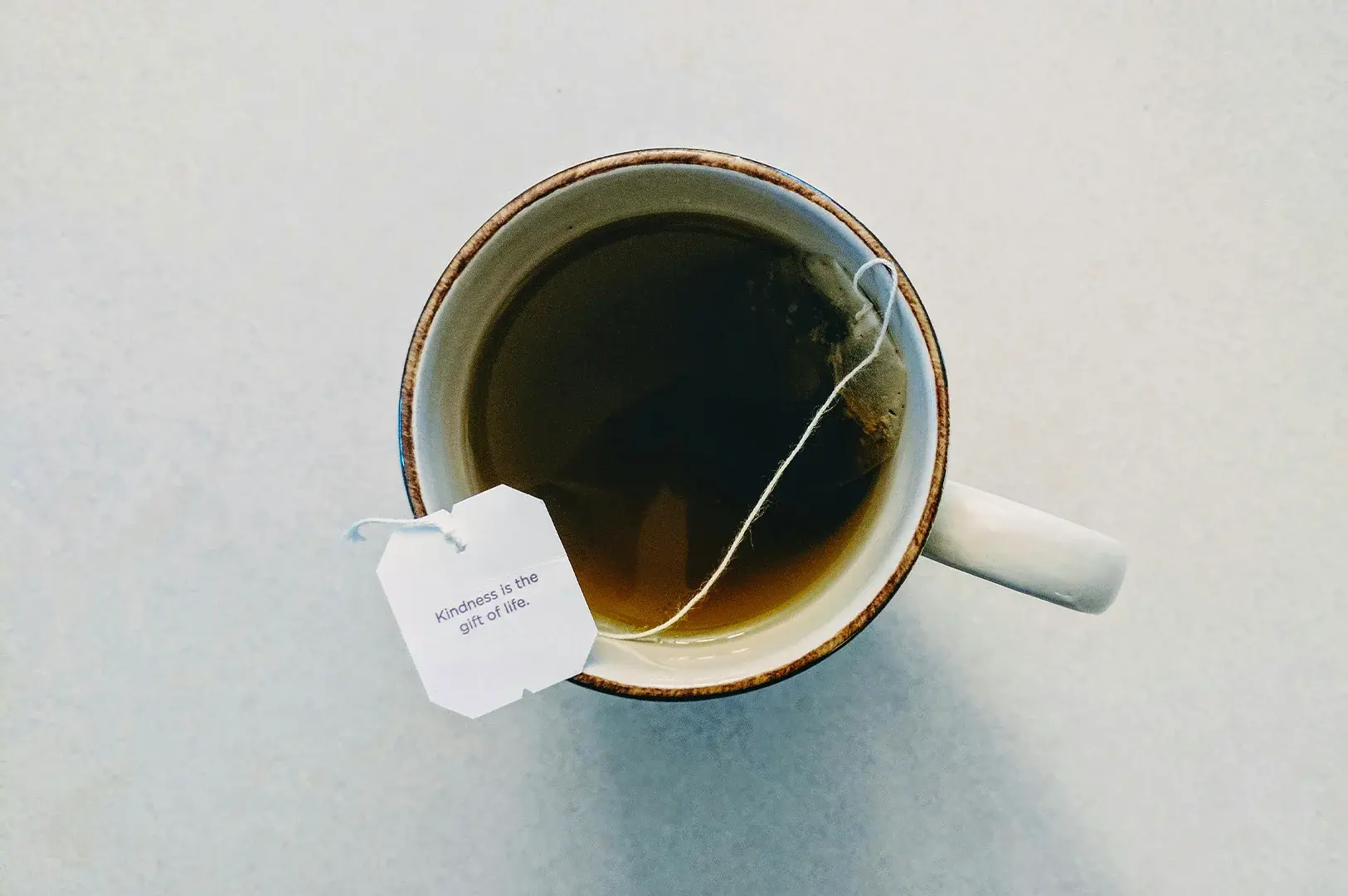
Earl Grey is available in both loose tea and tea bags.
Loose tea often allows for greater complexity and aroma because the leaves remain less broken during processing.
Regardless of format, proper brewing can significantly improve the experience.
A simple approach includes:
- Heat fresh water until just below boiling.
- Pour over the tea leaves.
- Steep for several minutes.
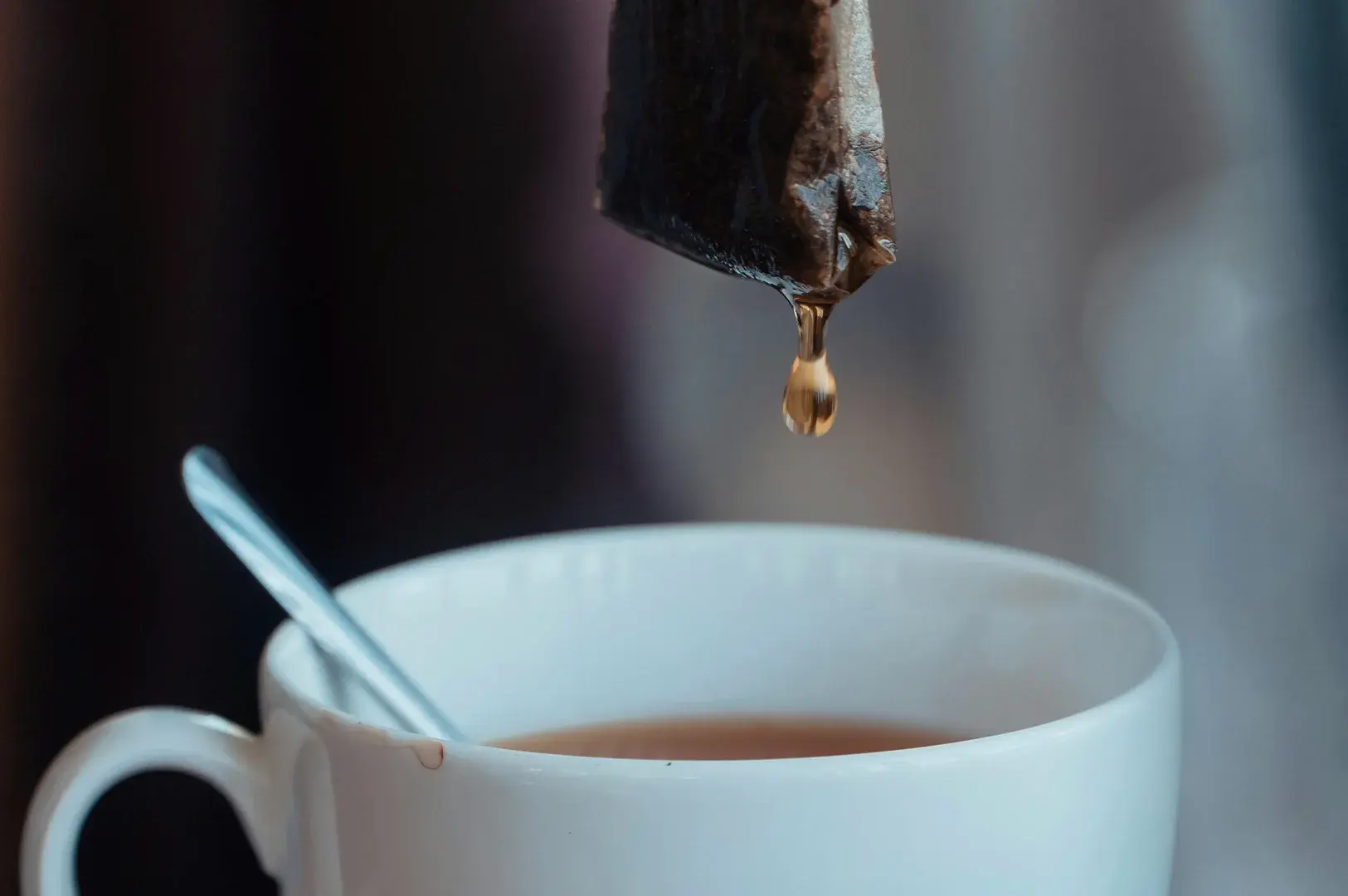
- Remove the leaves or tea bag.
- Enjoy.
Many people prefer Earl Grey plain, allowing the bergamot notes to remain fully visible.
Adding Milk and Lemon
One of the interesting aspects of Earl Grey is its flexibility.
Some tea drinkers:
- add milk
- add a slice of lemon
- enjoy it plain
Both approaches have devoted supporters.
Milk softens the tea's sharper edges and creates a creamier cup. Lemon highlights the citrus notes already present through the bergamot.
Experimenting with both can help you discover which style suits your preferences best.
Earl Grey Compared to Green Tea and Other Black Teas
How It Stands Apart
Compared to green tea, Earl Grey generally offers:
- stronger flavour
- higher caffeine content
- deeper body
Compared to other black teas, Earl Grey stands apart because of the addition of bergamot.
The bergamot transforms the tea into something more aromatic and distinctive than a standard breakfast tea.
Tea drinkers who enjoy:
- oolong
- black tea
- flavoured teas
often appreciate Earl Grey because it bridges tradition and creativity. For those interested in exploring the broader spectrum of tea types, including the oxidation levels that define varieties like oolong, understanding these differences can enhance appreciation of Earl Grey's unique profile.
Conclusion
Understanding what is Earl Grey tea reveals why this classic blend has remained popular for so long.
Its combination of black tea and bergamot creates a flavour that is both comforting and distinctive. The tea carries a rich history connected to Charles Grey, yet it continues to feel relevant today because of its versatility and appeal.
The potential health benefits, from antioxidant content to possible support for heart health, make Earl Grey even more interesting. While researchers continue studying its effects, most people simply enjoy it because it tastes good and fits naturally into everyday life.
Whether you prefer it with milk, a slice of lemon, or served plain, Earl Grey remains one of the most enduring examples of how a simple cup of tea can offer both pleasure and ritual, one sip at a time.

Wellness Tea Is a Scam, but Tea Can Still Be Good for You
There is a strange contradiction in the way we talk about tea today. For centuries, tea was appreciated for its taste, its rituals, and the moments it created. Today, it is often sold as something else entirely. A solution. A promise. A shortcut. The language surrounding wellness tea has become increasingly familiar. Detox tea. Cleansing…
-
Camellia Tea: A Blossom, A Leaf, A Legacy Rooted in Camellia Sinensis
My grandmother kept her camellia tea in a battered tin that had once held biscuits. She never called it anything fancy. It was just cha, brewed strong in the mornings using fresh tea leaves from the tea plant, poured into small cups that had lost their matching saucers years ago. I didn’t know then that…
-
Why “Caffeine-Free Tea” Marketing Should Be Regulated (Seriously)
Hear me out: we have become far too comfortable with the phrase “caffeine-free tea.” It appears on beautiful packaging, wellness websites, and café menus with the confidence of a health guarantee. The words suggest calm evenings, better sleep, and a gentler relationship with what we drink. But there is a problem. The phrase sounds clearer…
-
The Forgotten Luxury of Sitting Still at Japanese Tea House
You stoop to enter the traditional japanese tea house. That is the first thing the tea house asks of you, before the tea, before the talk, before anything at all. The doorway is low, deliberately so, and even the tall must bow to pass through it. In that small act of folding the body, something…
-
Stop Calling It “Premium”: Why Most Luxury Tea Branding Is Empty
There is a word I have become increasingly cautious of in the tea world. Premium. It appears everywhere. Premium leaves. Premium harvests. Premium collections. Premium experiences. The word sounds reassuring. It suggests care, quality, and something worth paying attention to. But after seeing it attached to almost everything, I sometimes wonder whether it has started…
-
Pryce Tea: A Modern Pour with Old Tea-Room Ambitions
I visited on a weekday afternoon, around three, when the city had quieted into that particular lull between lunch and the evening rush. I’d been curious about Pryce Tea for a while, mostly because the brand keeps surfacing among people who talk about teas the way some people talk about wine. With a reputation built…
-
The Seasons in a Tin: How Weather Shapes What I Reach For
I have a small habit that I never really noticed until recently. The weather changes, and somehow, so does the tea I want. On a hot afternoon, I find myself reaching for something light and floral. When rain settles over the windows, I want something darker, warmer, perhaps a little more comforting. On those rare…
-
Ginger Lily Afternoon Tea on Orchard Road: A Floral Chapter in Singapore’s Culinary Story
I noticed the ginger lily flowers before I noticed anything else. Not real ones, exactly. A wall of them, suspended in resin, catching the light as I stepped off the lift on Level 5 at Hilton Singapore Orchard, home to Ginger Lily, a floral-themed afternoon tea lounge on Orchard Road. I stood there a second…
-
Minimalism, But Make It Warm: A Simpler Way to Drink Better Tea
There is a certain irony about tea. The more we learn about it, the easier it becomes to complicate it. A simple cup of leaves and water slowly becomes surrounded by equipment, measurements, techniques, and expectations. We begin collecting teapots, comparing brewing methods, and searching for the perfect setup. None of these things are wrong….
-
A Humble Cup in an Age of Overdesigned Drinks: iTea Review
The bubble tea I queued for last month came with a caramelized brûlée top I had to crack with the back of my spoon. It was fine. Pretty, even. But somewhere between the torched sugar and the cheese foam and the third topping I didn’t ask for, I lost the drink itself. So I went…