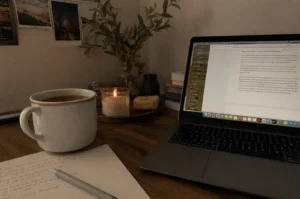
There is a small ritual I return to on the warmest Singapore afternoons. The city outside shimmers with heat, the air conditioning hums softly, and I reach for a familiar tin of English Breakfast tea. The kettle clicks, steam rises, and within a minute or two the kitchen fills with a warm, malty aroma that somehow settles the day.
It is a curious thing. In a tropical city built on iced kopi and cooling herbal brews, a robust hot black tea designed for cold English mornings has quietly found a lasting home here. You will spot it in hotel lounges, office pantries, supermarket shelves, and gift boxes passed between friends.
This article is a gentle exploration of why that is, and how the English breakfast tradition has been embraced in Singapore, not just in tea, but in the beloved breakfast platters served at cafes and restaurants. From the classic full English breakfast to variations like the Irish breakfast and Scottish breakfast, the hearty fry up remains a popular meal for locals and visitors alike.
What Full English Breakfast Tea Really Is
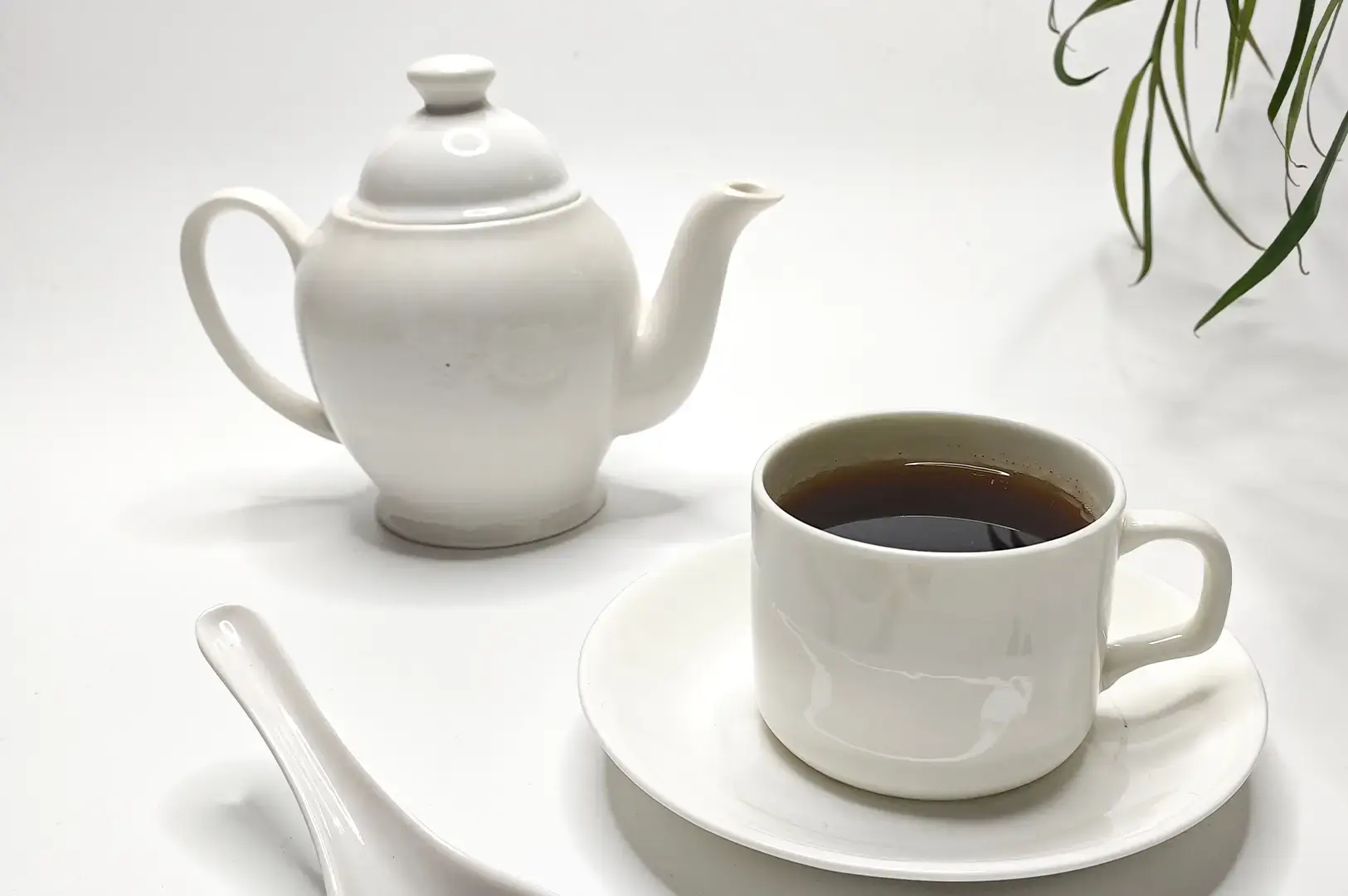
Let us begin with a small clarification that surprises many people. English Breakfast is not a single tea from a single place. It is a blend, usually a robust black tea blend, crafted to be strong, brisk, and dependable.
Most versions combine black teas from different regions. You will often find leaves from India (Assam and sometimes Ceylon, now Sri Lanka) and parts of Africa, such as Kenya. Each contributes something. Assam brings malt and body, Ceylon adds brightness, and African teas lend a brisk, full colour.
The idea behind a breakfast tea is simple. It was meant to be a hearty cup to start the day, strong enough to stand up to milk and to pair with a substantial morning meal. The strength is intentional, designed to wake you gently and hold steady through breakfast.
Because it is a blend, no two English Breakfast teas taste exactly alike. Each producer balances the leaves to their own house style. One may lean malty and rounded, another brisk and bright. That variation is part of its charm, not a flaw.
Why It Still Feels Timeless

Tastes change, trends come and go, yet English Breakfast endures. I think the reason runs deeper than nostalgia.
Part of it is sensory. There is real comfort in the warmth, the familiar aroma, and the steady structure of a strong black tea. It feels grounding, like a quiet anchor in a busy day. You always know roughly what you are getting, and that reliability is its own small gift.
The deeper reason, though, is ritual. A good cup asks you to pause. You wait for the kettle, watch the colour deepen, decide on milk or not, and take that first careful sip. These tiny acts create a moment of stillness that has nothing to do with the past and everything to do with the present.
Timelessness, then, is less about looking backward and more about returning. We come back to this tea the way we return to a favourite chair. It steadies us, day after day, year after year.
How the English Breakfast Platter Fits Into Singapore
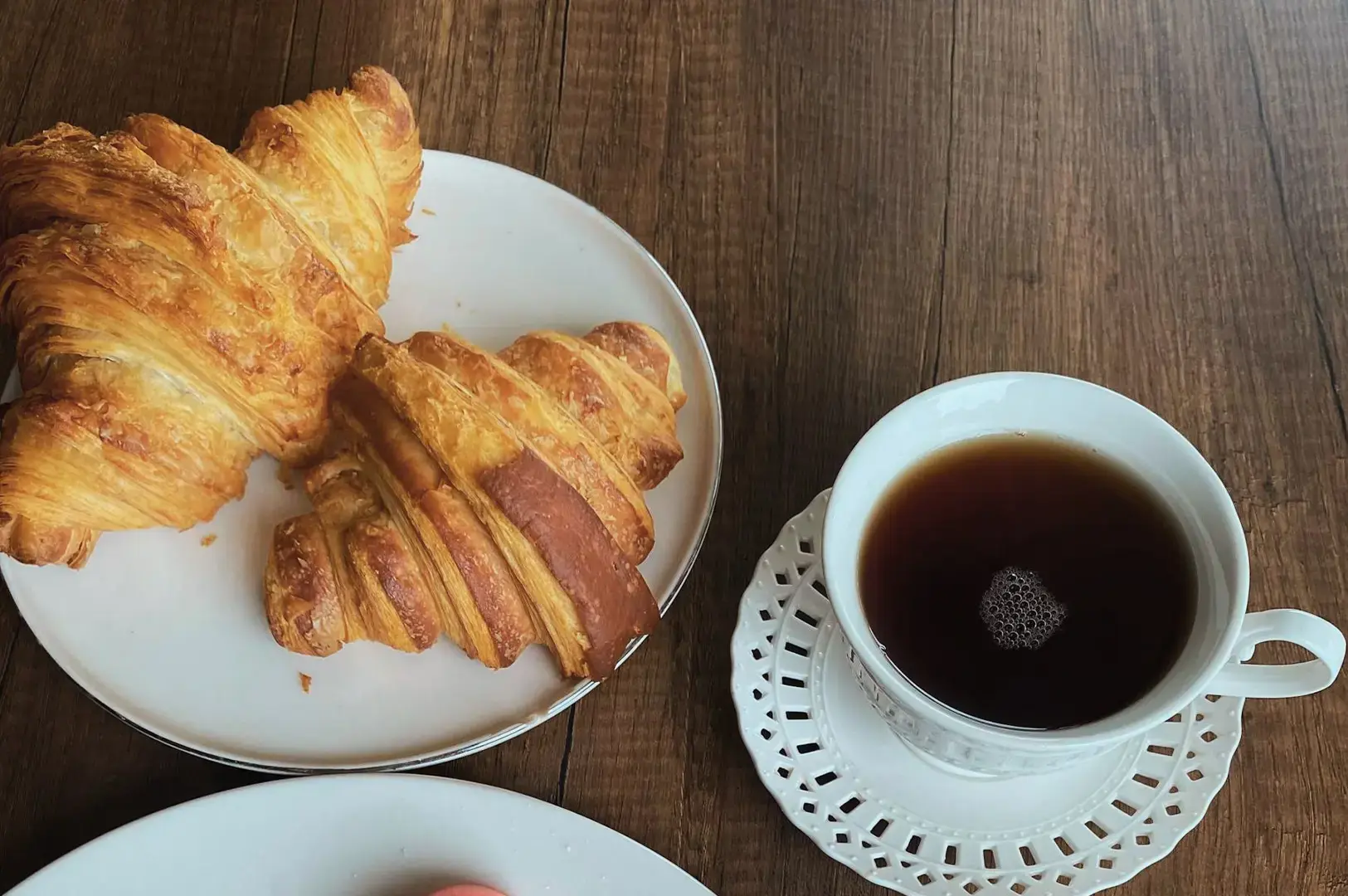
Singapore has its own rich tea story, and English Breakfast slips into it more gracefully than you might expect.
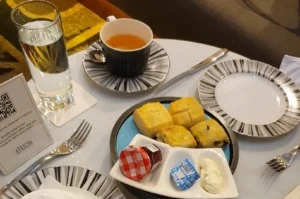
You will find it served in hotel lounges and afternoon tea sets, where it sits comfortably beside scones and delicate pastries like cinnamon rolls and buttermilk pancakes. It lives in office pantries as the dependable teabag for a mid-morning lift. It rests on supermarket shelves in both teabag and loose-leaf form. It also appears, beautifully boxed, as a thoughtful gift.
What I find lovely is how it coexists with our other tea traditions rather than competing with them.
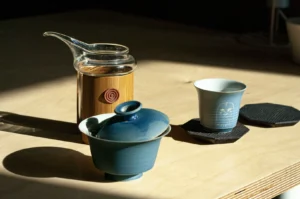
- Chinese tea culture here treasures the slow, mindful gongfu approach, with oolongs and pu-erh poured in small cups.
- Kopi and teh traditions give us the famous local teh, a strong black tea pulled with condensed or evaporated milk, sweet and frothy.
- Modern specialty tea brings single-origin leaves, careful brewing, and curiosity about terroir.
English Breakfast holds a gentle middle ground. It is more refined than a basic supermarket teabag, yet warmer and more approachable than the more ceremonial traditions. For many Singaporeans, it becomes a comforting daily ritual that needs no special equipment or expertise.
In a way, it is a quiet bridge. Someone raised on teh tarik may find English Breakfast familiar in its strength, while a newcomer to Chinese tea may find it an easy first step into appreciating leaf, aroma, and balance.
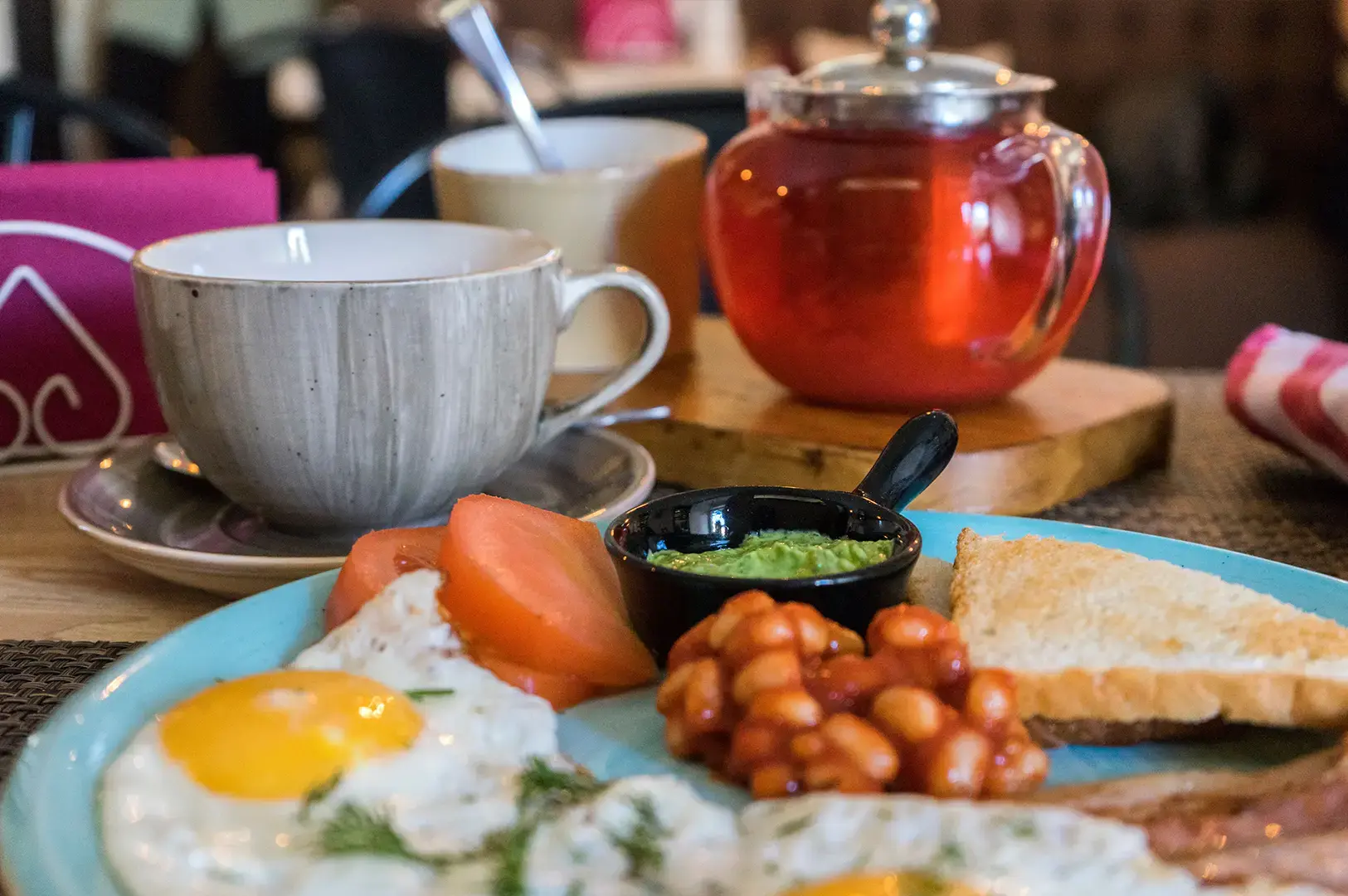
Alongside tea, the English breakfast experience in Singapore extends to food. Cafes and restaurants serve a hearty breakfast platter featuring staples like free range organic eggs cooked as scrambled eggs, fried egg, or poached eggs, bacon eggs, pork sausage, black pudding, white pudding, grilled tomatoes, including cherry tomatoes as a fresh touch, fried bread, baked beans, mushrooms, and hash browns. The full English breakfast or full Irish breakfast and full Scottish breakfast are well-loved options, often described as the ultimate breakfast or big breakfast, with some diners calling the most complete version the full monty.
Popular spots such as Common Man Coffee Roasters offer a full breakfast with two eggs cooked to order, smoked bacon, sausage, portobello mushrooms, house baked chorizo beans, and a choice of sourdough bread or wholemeal toast.
The Academics Breakfast at The Coffee Academics features scrambled eggs with truffles, halloumi cheese, and sourdough bread, while Symmetry’s breakfast includes salmon mousse, chicken harissa sausage, corn fritters, and eggs gratin served with potato rosti. Whisk & Paddle serves a Whisk Breakfast Pan with smoked sausage. The English House serves a traditional fry-up with crumpets.
Other beloved dishes include eggs benedict, maple bacon, turkey croquette, soda bread, buttered toast, and tomato sauce or Worcestershire sauce on the side. For those with a sweet tooth, cinnamon rolls and maple syrup accompany buttermilk pancakes beautifully, while a good breakfast often comes down to quality coffee and a satisfying hearty plate.
How to Taste It With Intention

You do not need a tasting certificate to enjoy English Breakfast more deeply. You only need to slow down and pay attention.
Start by noticing the aroma before you sip. A good cup often smells malty, warm, and slightly sweet, sometimes with a hint of bright, woody freshness. Then take a small sip and let it sit on your palate for a moment.
You are looking for a few key qualities. Briskness is that lively, slightly drying sensation that wakes the mouth. Maltiness is the rounded, almost biscuit-like warmth from Assam-style leaves. Tannin gives structure and that gentle grip on the finish. Body is the weight of the tea, how full it feels.
Here is a simple way to focus your attention.
What to notice in the cup
- Aroma: malty, sweet, woody, or floral hints
- Colour: deep amber to rich reddish-brown
- Briskness: the lively, refreshing first impression
- Body: light and gentle, or full and robust
- Tannin: the structured, slightly drying finish
- Aftertaste: how long the warmth lingers
Then there is the question of milk and sugar. I want to be clear here. There is no single right way. Many people add a splash of milk to soften the tannin and round the body, a practice with long cultural roots. Others prefer it black to taste the blend more clearly. Sugar, too, is purely personal. Drink it the way that brings you genuine pleasure.
Common Misconceptions, Gently Cleared Up
A few friendly myths float around this humble tea. Let us set them at ease.
"English Breakfast is one single tea." As we have seen, it is almost always a blend, and it varies from producer to producer. Trying two different versions side by side can be a small revelation.
"Strong means better." Strength is a style, not a measure of quality. A delicate, well-balanced cup can be far more enjoyable than one brewed harsh and bitter. Oversteeping does not make a tea finer, only sharper.
"Milk ruins tea." Not at all. Milk is a long-standing cultural practice that suits robust black teas beautifully. Whether you add it is simply a matter of taste, never a question of right or wrong.
"All black tea tastes the same." Once you start paying attention, the differences open up. Assam tastes nothing like a high Darjeeling, and a Kenyan black has its own brisk character. English Breakfast itself shifts in flavour depending on how it is blended.
The aim is never to judge. It is simply to notice, and noticing makes every cup a little richer.
A Gentle Invitation to Common Man Coffee Roasters
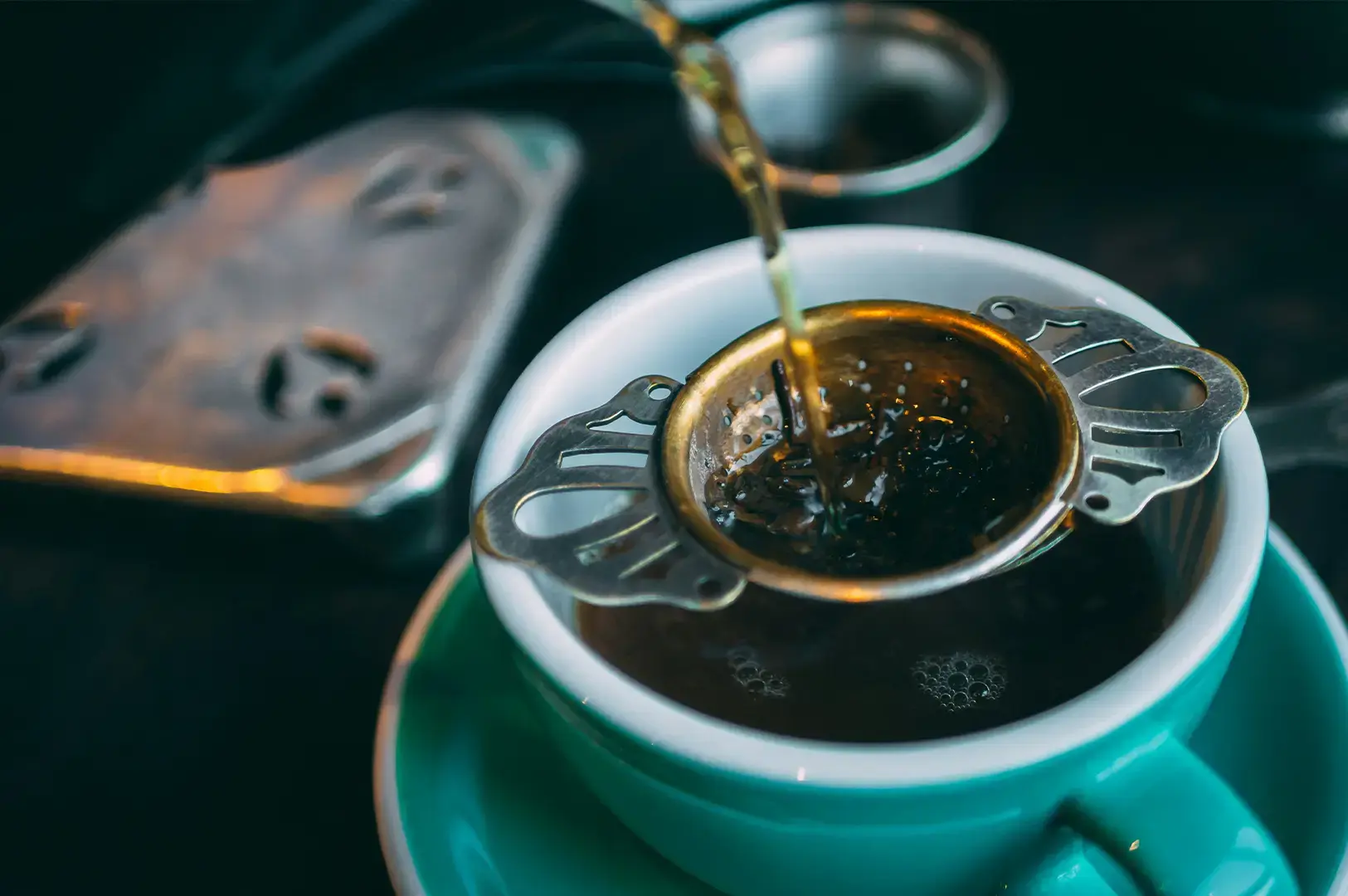
English Breakfast endures because it asks so little and gives so much. It is approachable enough for a complete beginner, yet layered enough to reward a curious, attentive drinker for years. It remains both a gentle gateway into tea appreciation and a lifelong comfort.
So here is my quiet suggestion. This week, try your usual English Breakfast in one new context. Brew it at home with a little more attention, watching the colour and breathing in the aroma before you sip. Or compare two different blends and notice how each producer shapes the cup. Or simply enjoy it slowly in a calm corner of an afternoon.
Or better yet, visit a cafe or the raffles place outlet of Common Man Coffee Roasters to enjoy an all day breakfast that pairs the classic full English breakfast with back bacon and two eggs done sunny side up, or the symmetry breakfast with smoked salmon, with a perfect cup of tea. The food coma that follows is well worth it.
The tea has been waiting patiently all along. All it asks is that you pause, pour, and pay a little more attention. In that small ritual, you may rediscover something timeless.
Visit Tea Manor to discover more places to enjoy your cup of tisane

A Golden Sip of Serenity chrysanthemum tea
There is a pot on many kitchen tables in Singapore that no one talks about much. Pale yellow gold in the glass, with a few small chrysanthemum flowers or flower buds drifting at the bottom. It appears after a heavy meal, at a grandmother’s house, or in a hawker centre when the weather turns unbearable….
-
Tea in a Scrollable World
I often think about how tea fits into a world that moves as fast as ours does. Every day, there are notifications, updates, trends, and posts competing for attention. Memes, videos, tweets, they all demand a response, a like, a share. It is a constant motion that leaves very little space for pause. And then…
-
Marriott High Tea 1 for 1: Indulge in Luxury at Singapore Marriott Tang Plaza Hotel
I almost didn’t go. Hotel afternoon tea always felt like something you did for a birthday or a special occasion with loved ones, or when a relative flew in and you wanted to seem like you had your life together. Expensive. A little performative. The kind of thing you photograph more than you eat. But…
-
Why Some Teas Feel Like Company
I’ve always thought of tea as a companion of sorts. Not a person, not a friend, but something that sits quietly beside you while the day moves forward. A cup of tea doesn’t interrupt your thoughts. It doesn’t demand attention. It simply exists, warm and steady, while you figure out what comes next. Some teas…
-
A Refined Afternoon Tea Experience at the Pan Pacific Atrium High Tea
Pan Pacific Atrium High Tea is the afternoon tea experience at the Atrium Lounge in Pan Pacific Singapore: a refined, unhurried sitting with TWG tea or Lavazza coffee, elegant seating pods above the reflection pool, and a menu that pairs classic English tea traditions with Peranakan flavours. For couples, friends, families, and tea lovers looking…
-
The Tea We Drink for No Reason
Tea is often praised for its ritual, its mindfulness, its ability to transform ordinary moments into quiet ceremonies. And I appreciate all of that. I really do. But there is another kind of tea, one that rarely gets mentioned in articles or recommended in guides. The tea we drink for no reason at all. I…
-
A Tea Lover’s Map to Elegant Finds in the City Teaware Shop
There is a particular quiet that settles when you pour hot water over tea leaves in a pot you chose with care. The weight of the clay in your hand. The porcelain capacity that holds just the right amount of warmth. A small ritual, repeated, until it becomes yours. Singapore knows tea in many languages….
-
Why We Pretend Every Tea Moment Should Be Peaceful
There is a quiet expectation we place on tea that I’m not sure we talk about enough. We expect it to calm us. To slow us down. To make everything feel a little more intentional, a little more put together, a little more peaceful than whatever came before it. But I’ve started to wonder if…
-
The Discipline of Grace in Every Bowl: Tea Ceremony in Japan
Water begins to move in a small iron kettle. The sound is faint, almost like wind through pines, and in a quiet room lined with tatami mats, it is enough to fill the silence. A host kneels in the tea room. A guest waits. Nothing is said, yet something has already begun. This is where…
-
The Tea I Keep Drinking When I Don’t Feel Like Myself
There are days when tea feels unnecessary. Not because I stop liking it, but because I don’t feel like the version of myself who usually drinks it slowly, thoughtfully, and with attention. On those days, I still make tea anyway. Not out of ritual, but out of habit. It is never the elaborate kind of…