Searching for the best Japanese restaurant Singapore offers usually leads people toward sushi counters, omakase menus, or beautifully plated sashimi. Those elements certainly define much of the appeal of Japanese cuisine, but anyone who has spent time dining in Japan knows that the experience rarely ends with the food alone.
Tea quietly accompanies the meal. A warm cup appears beside a sushi platter, or is poured between courses at the sushi bar. Sometimes it is roasted hojicha that softens the richness of grilled seafood. Sometimes it is a simple green tea that refreshes the palate after delicate slices of sashimi.
Best Japanese Restaurant Singapore: Restaurants Worth Visiting
KOMA Singapore — A Dramatic Modern Japanese Dining Experience
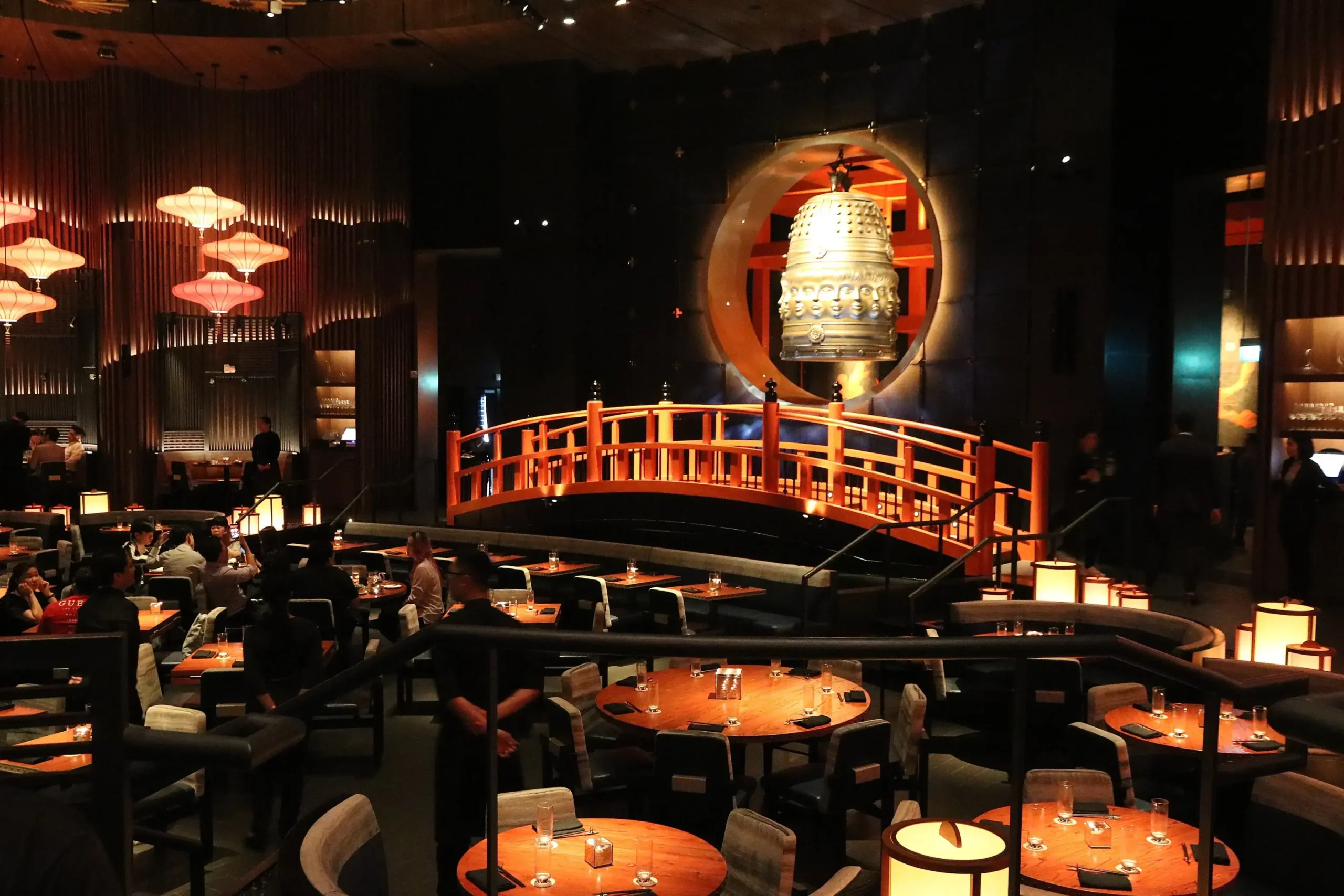
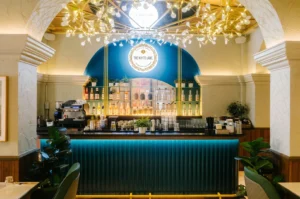
Located inside Marina Bay Sands, KOMA Singapore really caught my eye as one of the most visually stunning modern Japanese restaurants in the city. The moment I stepped in, I felt like I was transported to Japan, thanks to the long hallway leading to a traditional footbridge inspired by Kyoto’s Fushimi Inari Shrine. It set such a calming, authentic tone before I even reached the main dining room.
KOMA’s menu is a bold take on modern Japanese cuisine, and I was pleasantly surprised by the vibrant sushi rolls, grilled seafood fresh from the robata grill, and their signature king crab sumiyaki. The sashimi was beautifully plated, and you could tell the seafood was top-notch, flown in straight from Tokyo’s Toyosu Market to ensure the freshest catches.
One thing I really appreciated was their tea pairings. They offered premium green teas and carefully selected Japanese teas that perfectly complemented the delicate flavors of the dishes, making the whole dining experience even more enjoyable. It’s clear that KOMA balances dramatic atmosphere with skilled chefs and quality ingredients, creating a relaxed atmosphere that’s perfect for special occasions or a memorable night out.
If you’re on the hunt for the best Japanese restaurant Singapore has to offer, KOMA Singapore at Marina Bay Sands is definitely worth a visit. Whether you’re craving sushi, sashimi, or even cold soba during the summer months, this place delivers on all fronts with a touch of elegance and authenticity.
Location: Marina Bay Sands
Opening hours: Daily lunch and dinner
Sushi Jin — A Refined Omakase Experience
If you’re looking for a quieter, more refined Japanese dining experience in Singapore, Sushi Jin is definitely a spot to consider. Tucked away in Shaw Centre, this place really nails the art of Edomae sushi, focusing on precision and simplicity that sushi lovers will appreciate.
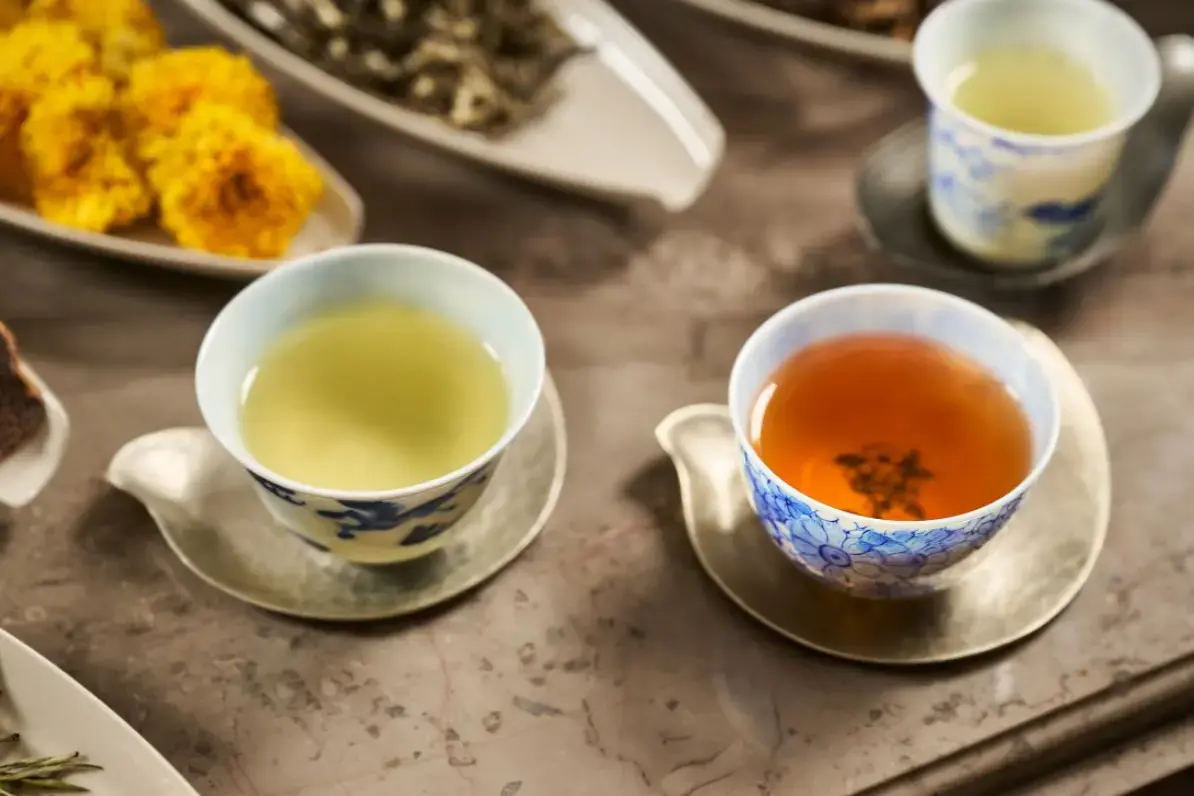
The tea served here is of exceptional quality, featuring traditional Japanese green teas like sencha and genmaicha. These teas offer a delicate yet refreshing flavor profile, with the genmaicha’s roasted brown rice notes providing a comforting, nutty contrast that perfectly complements the umami-rich sushi. The attentive service ensures that tea is served at the ideal temperature, enhancing the overall dining experience.
Ambiance-wise, Sushi Jin offers a calm and intimate setting, with a minimalist decor that directs focus to the sushi counter and the chef’s craftsmanship. The serene atmosphere allows diners to savor each bite and sip in peaceful contemplation.
What stands out most is the harmonious balance between the food, tea, and service, making Sushi Jin a memorable destination for those who value an authentic and thoughtful Japanese dining experience.
If you’re on the hunt for the best Japanese restaurant Singapore has to offer, especially for an intimate sushi counter experience with seasonal seafood from Japan, Sushi Jin is a fantastic choice.
Location: Shaw Centre
Opening hours: Lunch and dinner service
Tomi Sushi — Authentic Japanese Dining with Multiple Locations
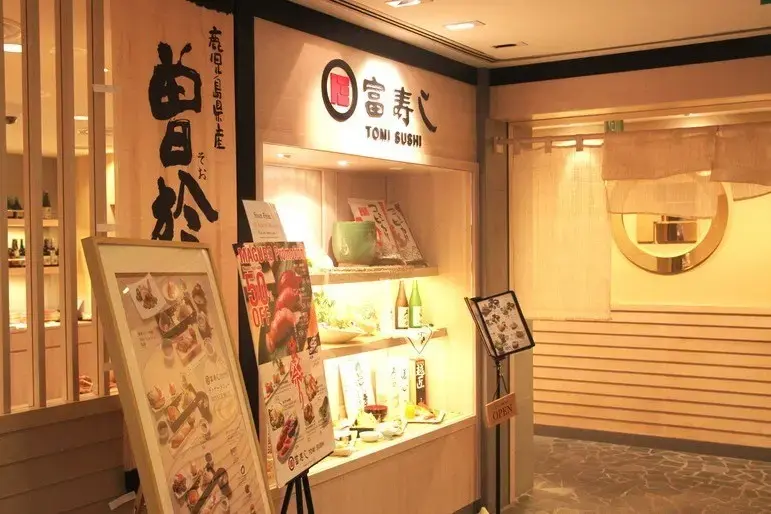
Originally from Niigata in Japan, Tomi Sushi has become a beloved spot for anyone craving authentic Japanese food right here in Singapore.
With multiple locations, including a popular outlet at Ngee Ann City, Tomi Sushi offers a wide variety of traditional dishes that appeal to both casual diners and loyal regulars alike.
Tea quality here is notable, featuring carefully selected hojicha and genmaicha that bring out roasted and nutty flavors, perfectly balancing the flavors of fried dishes and fresh sashimi. The tea is served at an ideal temperature, enhancing the overall meal and providing a satisfying finish.
Unlike the more formal sushi counters, Tomi Sushi provides a relaxed, welcoming atmosphere where you can enjoy hearty meals without breaking the bank. These memorable touches make it a favorite among both locals and visitors exploring the best Japanese restaurant Singapore has to offer.
Location: Ngee Ann City and other convenient spots around Singapore
Opening hours: Lunch and dinner
Shukuu Izakaya — A Taste of Vibrant Izakaya Culture
For a more lively atmosphere, I recently checked out Shukuu Izakaya at Far East Plaza, and wow, it really captures the vibrant izakaya culture straight from Japan. If you’re on the hunt for the best Japanese restaurant Singapore has to offer with a fun and casual vibe, this place is definitely worth a visit.
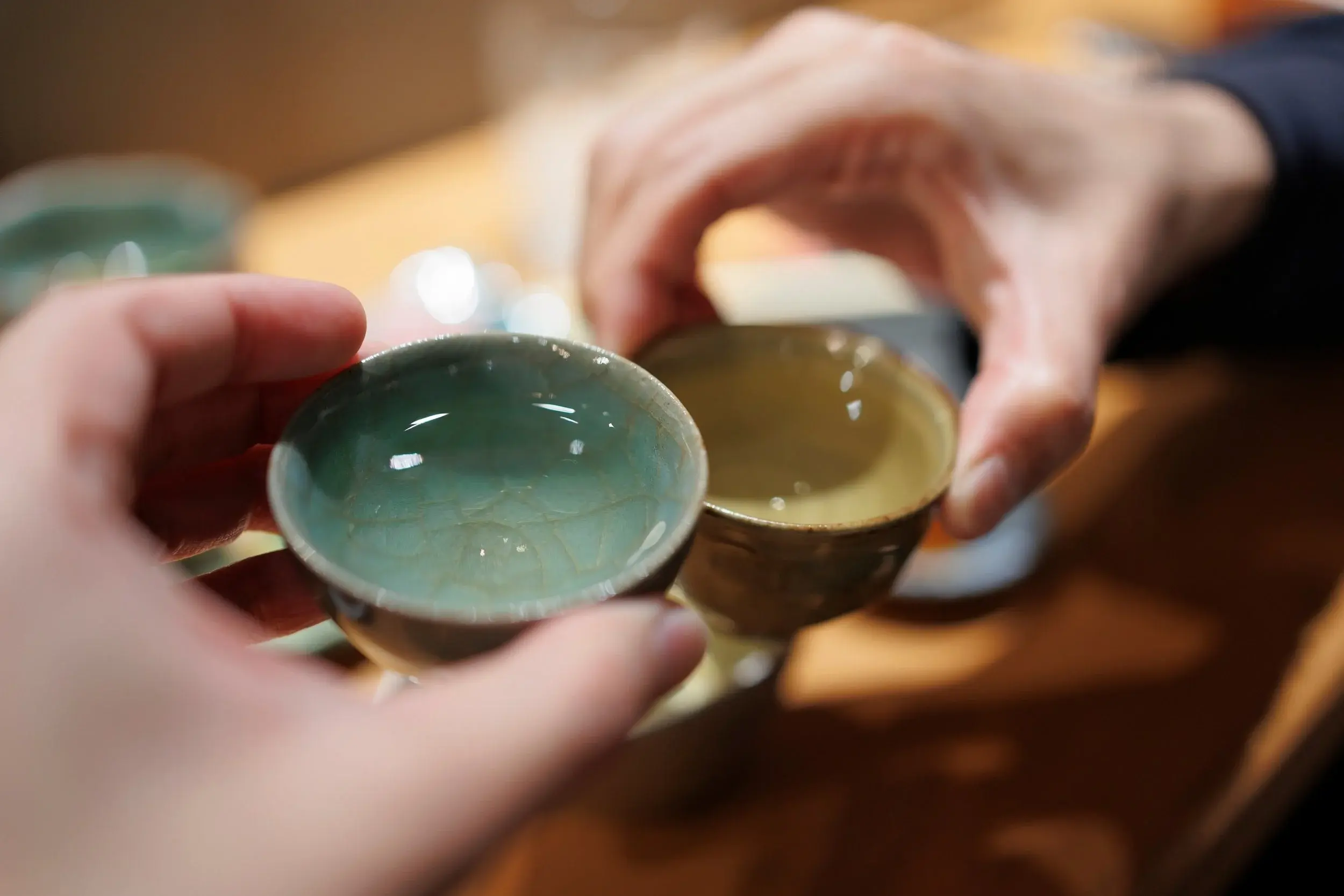
Tea here is thoughtfully curated, featuring robust roasted teas like hojicha that deliver a warm, toasty flavor with subtle caramel notes. The tea’s smooth, earthy profile pairs beautifully with the smoky, grilled dishes typical of izakaya fare. Served piping hot and replenished promptly by attentive staff, the tea service enhances the overall dining experience.
Speaking of service, the staff at Shukuu Izakaya are friendly and efficient, striking the perfect balance between professionalism and casual warmth. They’re knowledgeable about the menu and happy to recommend dishes or tea pairings, which adds a personalized touch to the meal.
Ambiance-wise, the venue buzzes with energy, filled with lively chatter and laughter that echoes the convivial spirit of Japanese izakayas. The interior combines rustic wood elements with modern lighting, creating a cozy yet vibrant setting that invites guests to relax and enjoy the evening.
What makes Shukuu Izakaya truly memorable is this blend of authentic flavors, quality tea, and a welcoming atmosphere that transports diners straight to Japan’s bustling nightlife. If you want to experience lively Japanese dining with great food and authentic tea, Shukuu Izakaya at Far East Plaza is a fantastic choice.
Location: Far East Plaza
Opening hours: Dinner service
Teppei Japanese Restaurant — A Favourite for Seafood Lovers
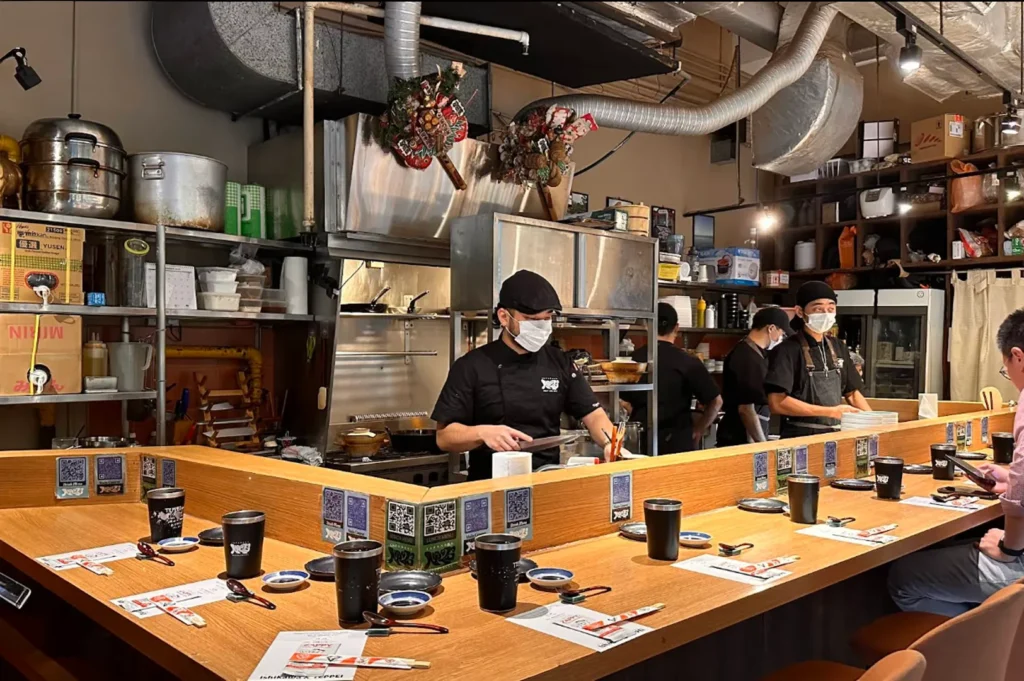
Few places get me as excited as Teppei Japanese Restaurant when it comes to the best Japanese restaurant Singapore scene. From the moment you step in, the energetic vibe hits you, it’s lively, casual, and all about great seafood.
What really steals the show here is their signature dish, the kaisen chirashi don. Imagine a vibrant bowl piled high with assorted fresh seafood over fluffy rice, every bite bursts with freshness and quality. And it’s not just that; their assorted sushi and fresh sashimi also stand out, made with premium ingredients that truly make a difference.
Tea at Teppei is thoughtfully selected to enhance the dining experience. The quality is consistently high, featuring refreshing green teas that offer a clean, slightly grassy flavor with subtle sweet undertones. Served at the perfect temperature, the tea acts as a palate cleanser, balancing the richness of the seafood bowls and sushi.
Service here matches the vibrant atmosphere , friendly, efficient, and attentive without being intrusive. Staff are knowledgeable about the menu and happy to recommend tea pairings or explain dishes, adding to the overall welcoming vibe.
If you’re hunting for the best Japanese restaurant Singapore has to offer, especially for fresh seafood and a casual yet vibrant atmosphere, Teppei Japanese Restaurant in the Tanjong Pagar area should definitely be on your list.
Location: Tanjong Pagar area
Opening hours: Lunch and dinner
SUN with MOON Japanese Dining & Cafe — A Cozy Spot for Tea and Traditional Flavors
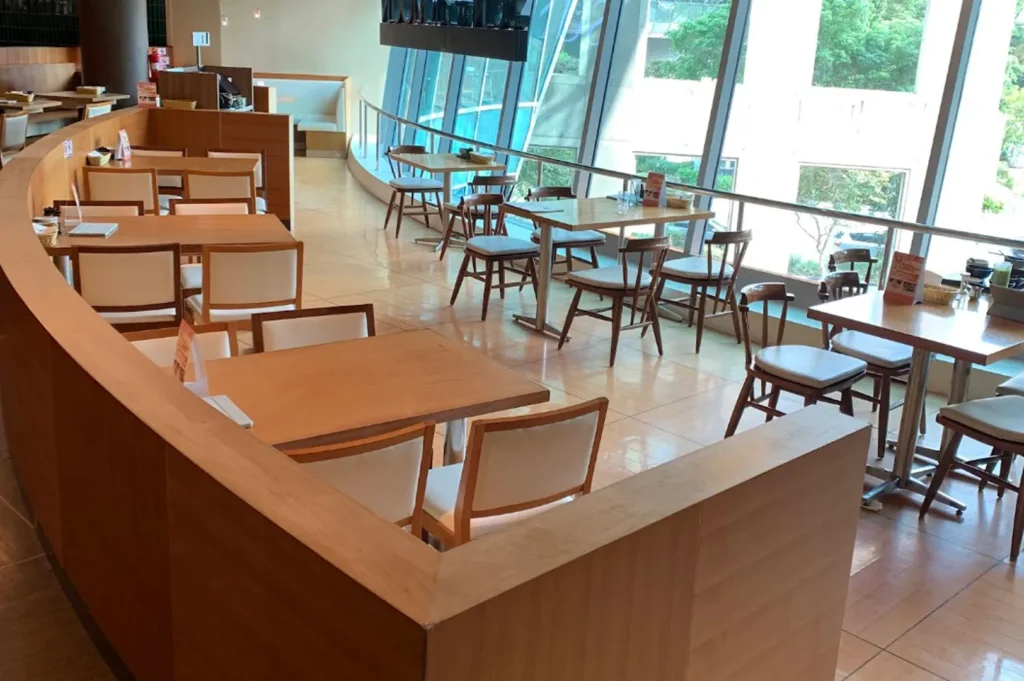
If you’re looking for a relaxed, cozy Japanese dining experience in Singapore that also puts a spotlight on tea, SUN with MOON Japanese Dining & Cafe is a wonderful choice. This charming spot blends traditional Japanese dishes with a cafe vibe, making it perfect for those who want to enjoy both savory meals and a quality cup of tea.
Their menu features a variety of comforting classics like donburi bowls, tempura, and sushi, all made with fresh ingredients that showcase authentic flavors. But what really sets SUN with MOON apart is their thoughtful tea selection. From fragrant sencha to soothing hojicha, each cup is brewed with care and served at just the right temperature to complement your meal.
Whether you’re popping in for a casual lunch or a laid-back dinner, the warm atmosphere and attentive service make every visit feel special. Plus, their tea offerings provide a gentle caffeine boost without overpowering the palate, making it easy to savor every bite and sip.
For anyone who appreciates the calming ritual of tea alongside great Japanese food, SUN with MOON Japanese Dining & Cafe is definitely worth a visit.
Location: Wheelock Place
Opening hours: Typically lunch and dinner, check individual outlets for details
Why Tea Still Matters in Japanese Dining
In traditional Japanese cuisine, tea often plays a quiet but important role. A cup of green tea served during or after the meal helps balance the richness of seafood and grilled dishes. It refreshes the palate and allows the flavours of the food to settle naturally.
Many Japanese restaurants maintain this tradition. After a series of sushi courses or a bowl of chirashi don, a simple cup of tea can feel like the final note that completes the meal.
Even in lively modern restaurants, this small gesture reflects the thoughtful nature of Japanese dining culture. Whether it’s a soothing cup of roasted barley tea or the highest grade of green tea, such as gyokuro, tea enthusiasts appreciate how making tea enhances the overall experience.
In Singapore, you can find these authentic tea moments at top Japanese restaurants located at places like Millenia Walk and Palais Renaissance, where the tea plant’s finest leaves are brewed with care. The tea served often includes varieties like black tea (also known as red tea) and hojicha, complementing dishes such as tempura, ramen, and nigiri.
This attention to tea and its health benefits adds depth to the meal, elevating the best Japanese restaurant Singapore dining experiences beyond just food.
Many establishments even offer tea through vending machines or as part of a curated pairing with coffee, ensuring guests enjoy a complete and authentic Japanese culinary tradition.
Exploring the Best Japanese Restaurant Singapore Scene
Singapore’s Japanese dining scene continues to grow, offering everything from intimate sushi counters to lively izakaya spaces. Each restaurant brings its own interpretation of Japanese cuisine, shaped by the chef’s experience, the ingredients available, and the atmosphere they wish to create.
For those seeking an exclusive dining experience, consider exploring the private dining options at Tea Manor Singapore.

You Don’t Need a Tea Setup to Make a Good Cup
There is something reassuring about making tea in an ordinary mug. No carefully arranged tray. No matching cups. No elaborate preparation. Just leaves, hot water, and a few quiet minutes. I have always appreciated beautiful teaware. A well-made gaiwan, a traditional clay teapot, or a thoughtfully arranged tea table can bring a certain pleasure to…
-
Where Flowers Meet the Art of Tea: Petale Tea
It begins as something small and closed. A tight, round bundle of dried leaves, about the size of a large marble, resting at the bottom of a clear glass. Then the water arrives. For a while, nothing seems to happen. The ball darkens and grows heavy. A few leaves loosen at the edges. Then, slowly,…
-
If Your Bubble Tea Has No Tea Taste, It’s Dessert—Own It
I have nothing against drinking dessert through a straw. Actually, I think it’s one of the more enjoyable things about modern bubble tea culture. Brown sugar pearls. Creamy toppings. Flavoured jellies. Drinks that look more like something you’d order after dinner than a traditional cup of tea. They’re fun, and I understand the appeal. But…
-
Tea Ceremony Outfit: Dressing for Silence, Grace, and Tradition
The room is very quiet. Someone kneels on the tatami, hands resting on their thighs, and waits. Outside, a car passes and fades. Inside, there is only the soft hiss of water warming in an iron kettle, and the faint smell of woven rush underfoot. Nobody in the room is looking at what anyone is…
-
Tea Doesn’t Have to Be Rare to Be Worth Paying Attention To
There is a curious tendency among tea enthusiasts to speak more carefully about leaves that are difficult to obtain. A limited harvest. An ageing Pu-erh cake. A Long Jing from a particularly celebrated growing area. The language changes almost immediately. We become more attentive to provenance, more patient with preparation, and more willing to search…
-
The White Label Singapore: A Quiet Look at High Tea Di Malayan
Some afternoons ask for very little. A pot of tea. A small plate of something sweet. A table near a window, and nowhere urgent to be. In Singapore, that kind of afternoon has more than one accent. There is the English idea of tea with cakes and sandwiches on tiered stands, and the kopitiam cup…
-
Why Your Favorite Café’s Tea Tastes Like Nothing (And They Know It)
I’ve always found it strange how a café can spend so much time perfecting its coffee and then serve tea that tastes like someone briefly introduced a teabag to hot water. You know the kind. Beautiful cup. Lovely presentation. Maybe even a little biscuit on the side. And then you take a sip. Nothing much…
-
The Quiet Luxury of a Fresh Spring Cup: Long Jing Green Tea
Some luxuries make a sound. Others barely announce themselves at all. A small handful of flat, pale green tea leaves. Water allowed to cool after boiling. A glass, perhaps, so the leaves can be watched as they open and drift. Nothing about it is loud. Yet a fresh cup of Long Jing green tea carries…
-
The People Behind the Tea I’m Grateful to Drink
It is easy to forget how many hands have touched a tea leaf before it reaches ours. We speak of mountains, harvest seasons, famous gardens, and the qualities of particular cultivars. We admire the fragrance of a good Long Jing or the complexity of a carefully roasted Tie Guan Yin. Yet the people responsible for…
-
Traditional Japanese Tea Ceremony in Osaka: Finding Stillness in Japan’s Most Restless City
Osaka is a city that talks back. Walk through Dotonbori in the evening and everything competes for your attention: neon signs stacked several stories high, takoyaki stalls calling out to passers-by, crowds pressing along the canal toward the next thing to eat. The city even has a word for its appetite, kuidaore, often translated as…