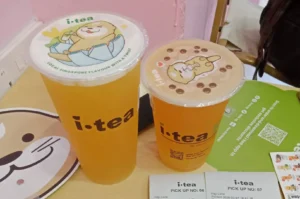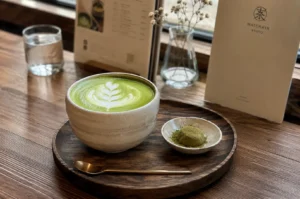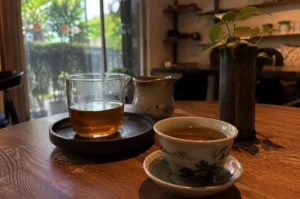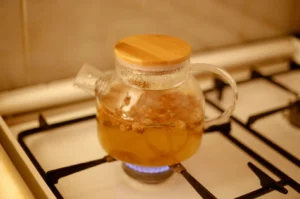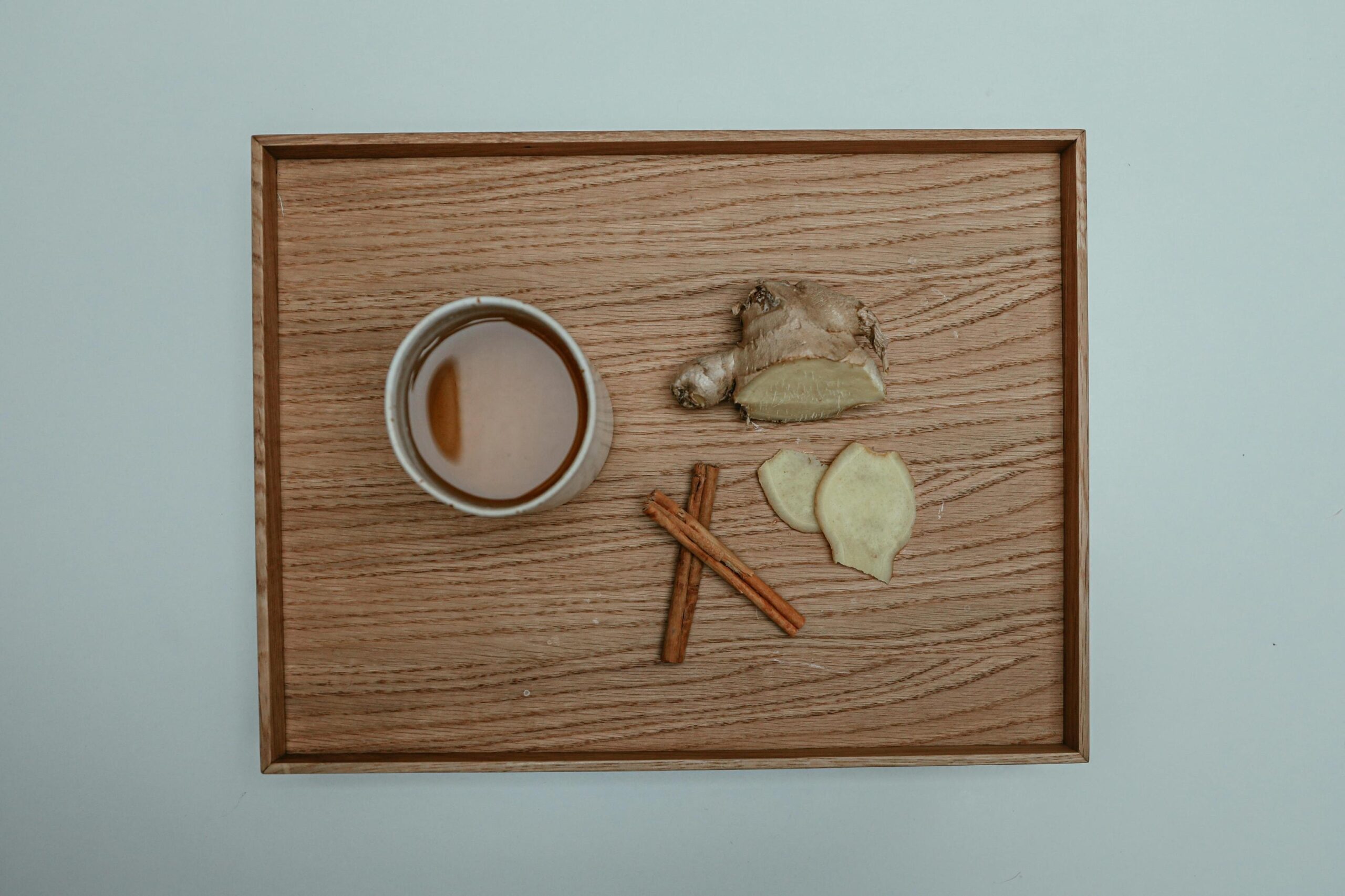
Ginger tea is more than just a comforting beverage in Singapore; it’s a staple of modern wellness, a go-to remedy for chasing away the chill of an air-conditioned office, and a familiar taste of home across many cultures. The gentle warmth of ginger tea provides a soothing and invigorating sensory experience, evoking feelings of coziness and comfort with every sip. From traditional hawker center preparations to chic café creations, this potent brew is deeply woven into the city’s fabric.
While Singapore’s multicultural heritage has given rise to rich traditions around this spicy root, this guide focuses on the practical side of enjoying ginger tea singapore today. We’ll explore where to buy it, what to look for, and how to easily incorporate it into your busy lifestyle. For a deeper dive into the cultural history and traditional wellness recipes, we recommend reading our comprehensive article, Singapore Ginger Tea: A Complete Guide to Traditional Wellness in the Lion City.
Where to Buy Ginger Tea Singapore: Fresh, Packaged, and Ready-to-Drink Options
Finding ginger tea in Singapore is easy, with options available to suit every preference, budget, and level of convenience.
- Online Retailers: E-commerce platforms like Lazada, Shopee, and RedMart offer a wide selection of ginger tea brands. Use active filters, locale filters, and rating filters to narrow down your search by price, brand, or customer ratings. Some platforms also allow you to filter reviews by selecting a specific row in a review table, making it easier to view relevant feedback before making a purchase. Simply add your chosen product to the cart and enjoy convenient doorstep delivery.
- Supermarkets: Major chains such as FairPrice, Cold Storage, and Giant stock both local and imported ginger tea options. Check the tea and health food aisles for the best selection. Many products include clear packing labels detailing ingredients, calories, and brewing instructions, ensuring tea lovers can make informed choices.
- Specialty Stores: Health food stores and organic grocers often carry premium or artisanal ginger tea blends, including loose-leaf and caffeine-free varieties. These shops typically offer smaller quantities for sampling and may provide expert advice on the best tea for your needs.
- Traditional Chinese Medicine (TCM) Shops: For those seeking traditional blends or herbal infusions, TCM shops are a reliable source for ginger-based teas and remedies. These products often emphasize nourishing benefits, such as supporting the spleen and alleviating menstrual cramps.
Pre-Packaged and Instant Ginger Tea: Convenience Meets Quality

For convenience, pre-packaged options are a lifesaver.
- Supermarkets: The tea aisle in any major supermarket will have a wide selection of ginger tea bags, instant ginger powders, and crystallized ginger honey drinks. These products often come with clear packing and ingredient lists, allowing you to select those with no added sugar for a healthier choice.
- Specialty & Organic Stores: Shops like “Nature’s Glory” or the organic section in larger supermarkets offer premium, organic aged ginger tea options, perfect for tea lovers seeking a richer taste and nourishing benefits.
- Online Retailers: Platforms like RedMart, Amazon.sg, and iHerb offer a vast selection of international and local brands, delivered right to your doorstep. Use active filters and locale filters to find the best products with high average customer ratings and reviews.
Freshly Brewed Ginger Tea: A Warm Cup Anytime
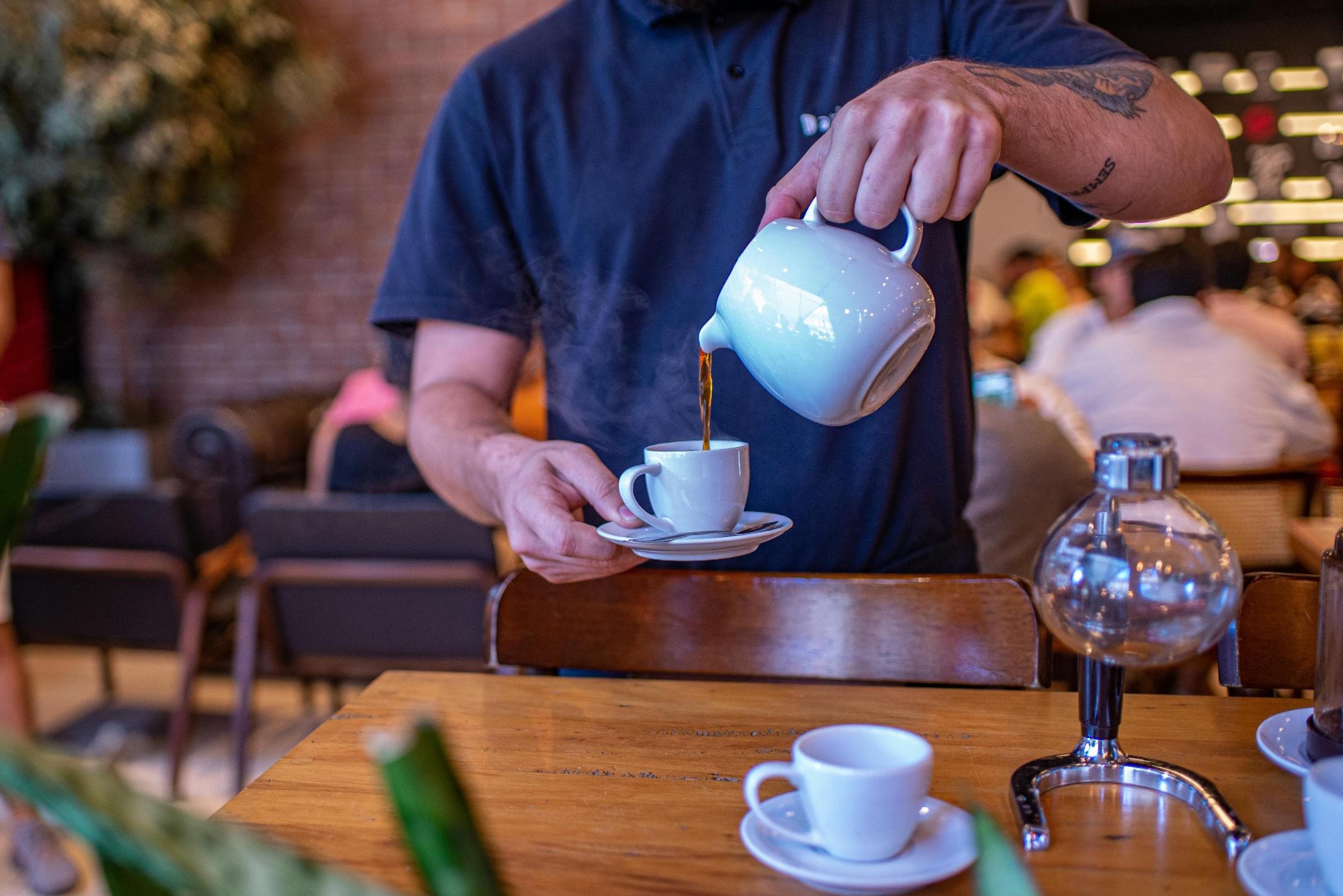
For a ready-to-drink option, you’re never far from a hot cup.
- Hawker Centres & Kopitiams: Nearly every drinks stall will serve “teh halia” (ginger milk tea) or plain ginger tea (“kueh teh”). It’s an affordable and authentic choice, typically costing $1.20 – $2.00 per cup.
- Modern Cafés: Many wellness-focused and specialty cafés now offer artisanal ginger brews, often combining it with ingredients like lemongrass, turmeric, or honey to elevate the taste and benefits.
Types of Ginger Tea Available in Singapore: From Aged Ginger Tea to Refreshing Cold Brews
Singapore’s multicultural marketplace offers a fantastic variety of ginger tea styles.
- Pure Ginger Tea: Made simply from ginger and boiling water, this is the most potent and direct way to enjoy its benefits, with the resulting brew delivering a bold, spicy flavor and a warming sensation.
- Ginger Lemon & Honey Tea: A classic combination. The lemon adds a zesty, vitamin C boost, while honey soothes the throat and balances the spice.
- Indian-Style Masala Chai with Ginger: Known as “teh halia,” this beloved local drink combines strong black tea, condensed milk, and a powerful kick of ginger.
- Chinese Medicinal Preparations: In TCM, ginger is often brewed with red dates (hong zao) and longan to create a warming, nourishing tonic, especially popular for women’s health and to support the spleen.
- Korean Ginger Tea (Saenggang-cha): You can find this in Korean supermarkets, often as a sweet, thick concentrate made with ginger, honey, and sometimes jujubes or pears.
- Ginger Turmeric Blends: A popular wellness combination, this blend offers the anti-inflammatory benefits of both roots.
- Ready-to-Drink (RTD) Options: Bottled or canned ginger drinks are available in most convenience stores and supermarkets for a quick fix, ideal for those on the go.
- Cold Brew Ginger Tea: A refreshing alternative for hot days, brewed by steeping fresh ginger in cold water and served over ice, with the resulting tea offering a lighter, crisp flavor and invigorating aroma.
What to Look for When Buying Aged Ginger Tea and Other Ginger Tea Products
To ensure you’re getting a quality product, here are a few expert tips.
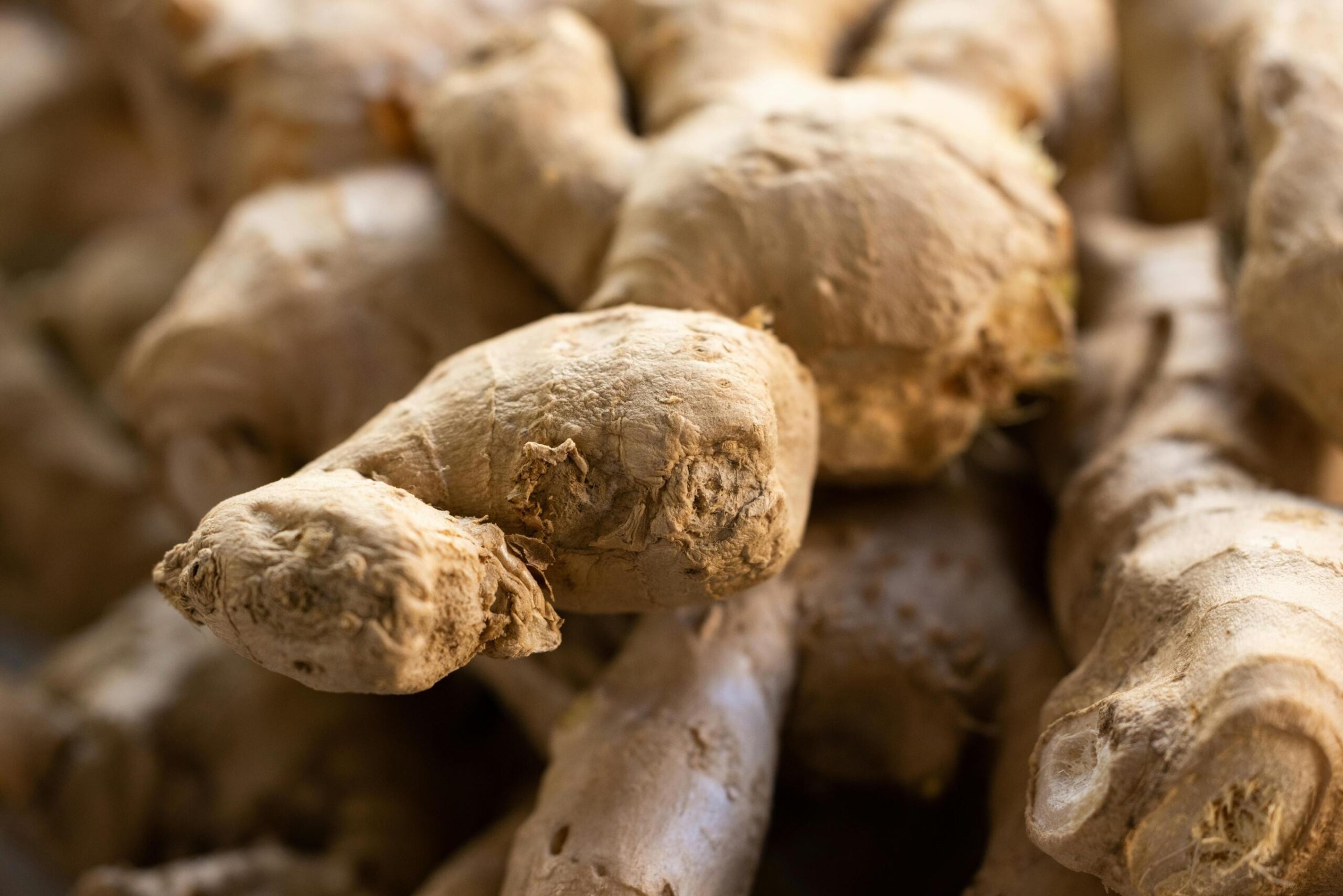
- For Fresh Ginger Root: Look for ginger that is firm with smooth, unwrinkled skin. It should have a fresh, spicy aroma. Avoid pieces that are soft, shriveled, or have signs of mold. “Bentong” ginger from Malaysia is a popular premium variety known for its strong flavor.
- Reading Packaged Labels: Check the ingredient list. The best products will list “ginger” as the first ingredient. Be mindful of sugar content, especially in instant powders and honey crystal products. Look for “no artificial flavors” or “100% natural” labels.
- Recognizing Authenticity: Authentic ginger tea has a pungent, spicy kick. If a product tastes sweet with only a mild hint of spice, it may contain artificial flavoring.
- Storage: In Singapore’s humid climate, fresh ginger should be stored in the refrigerator. Packaged tea bags and powders should be kept in an airtight container in a cool, dry place to prevent clumping and loss of flavor.
Using Active Filters and Average Customer Ratings for Smart Ginger Tea Choices
Use rating filters and active filters to compare the average rating value (out of 5 stars), which quantifies customer satisfaction for each product, and average customer ratings before you buy. This helps you make an informed choice by easily identifying the most popular and highly rated ginger tea products available in Singapore. By applying these filters, you can quickly narrow down options based on quality and customer satisfaction, ensuring you get the best brew to suit your taste and needs.
Quick and Easy Ginger Tea Making Tips for Singapore’s Busy Tea Lovers
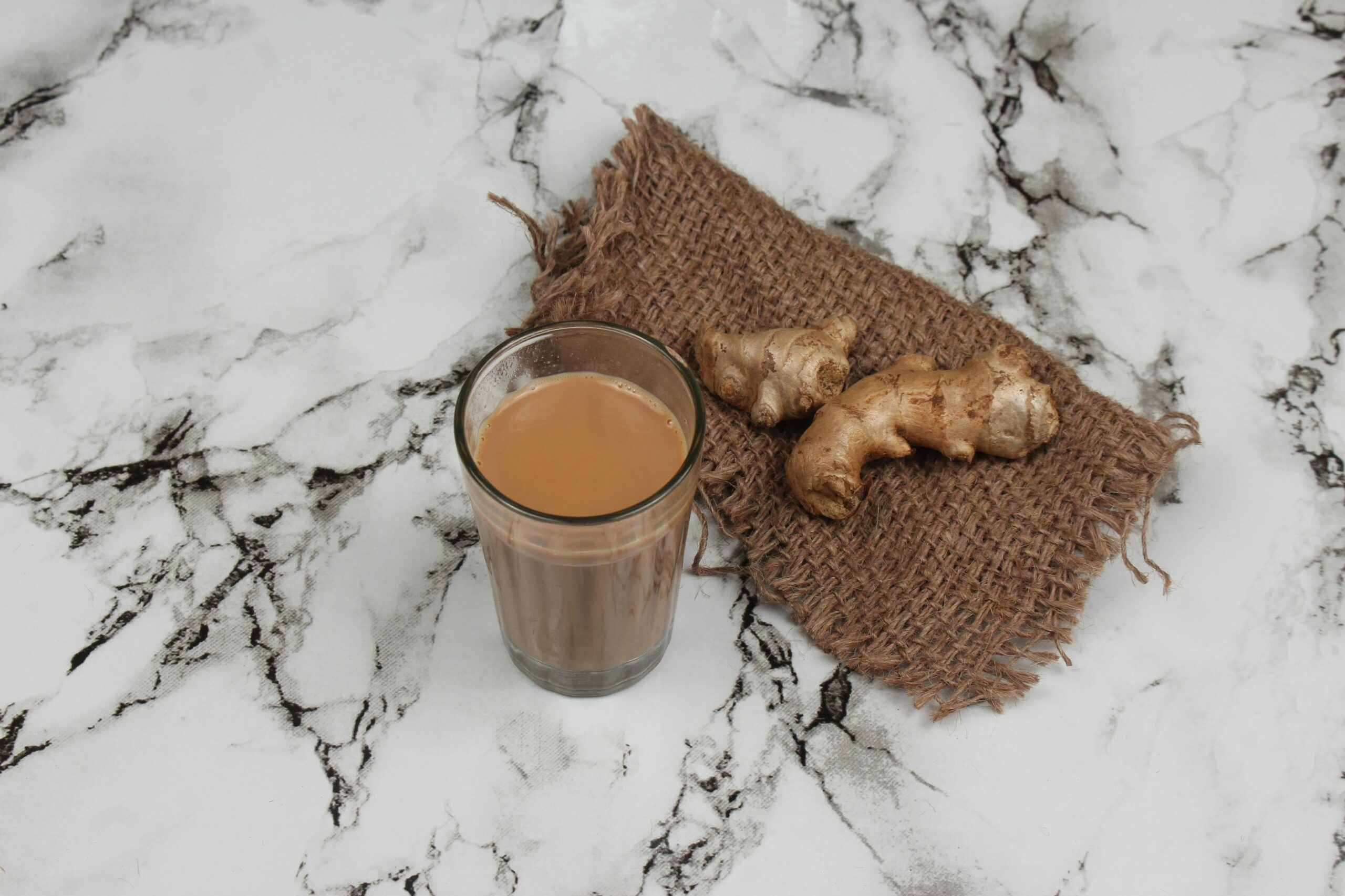
You don’t need a lot of time to enjoy the benefits of ginger tea.
- Office-Friendly Methods: Keep instant ginger sachets or tea bags at your desk for a quick brew using the office hot water dispenser. Simply add hot water, stir, and enjoy a warm, soothing cup.
- Time-Efficient Home Brewing: Grate a knob of fresh ginger (no need to peel if it’s organic) into a mug, pour boiling water over it, and let it steep for 5 minutes. Strain and enjoy the rich taste and benefits.
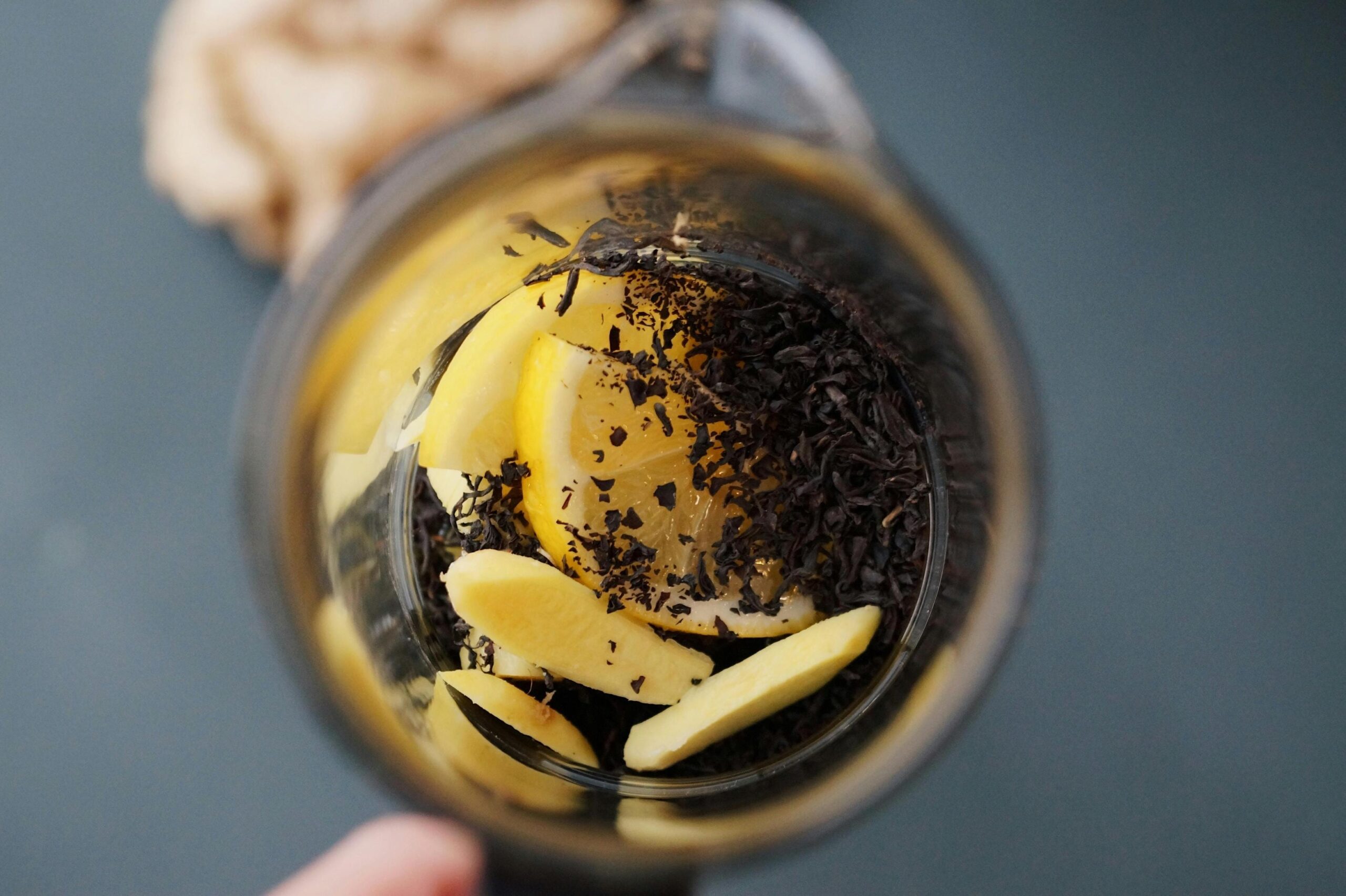
- Cold Brew Ginger Tea: For a refreshing drink on a hot day, add fresh ginger slices and a tea bag to a bottle of cold water and let it infuse in the refrigerator for a few hours. Serve with ice for a cooling effect.
- Ginger Ice Cubes: Brew a strong batch of ginger tea, let it cool, and freeze it in an ice cube tray. Add the cubes to sparkling water or iced tea for a spicy kick.
Ginger Tea for Different Needs in Singapore: From Menstrual Cramps to Relaxation
Ginger tea is a versatile beverage that can be tailored to various lifestyle needs and is generally suitable for most adults, though those with certain medical conditions should consult a healthcare professional before consuming.
- For Office Workers: A hot cup of ginger tea is perfect for warming up in a cold, air-conditioned office and can help aid digestion after lunch.
- For Health-Conscious Individuals: Unsweetened, freshly brewed ginger tea is a zero-calorie, anti-inflammatory beverage that supports overall wellness and relaxation.
- For Pregnant Women: Ginger tea is a popular caffeine-free choice often used to help with morning sickness and menstrual cramps. (As with any herbal remedy, it’s best to consult a doctor to determine if it is suitable for your individual needs).
- For Seniors: A warm, mild ginger brew can be comforting and help with joint stiffness and digestion, nourishing the spleen.
- For Kids: A weaker brew mixed with a generous amount of honey or milk can be a soothing, kid-friendly drink for coughs and colds.
Conclusion: Elevate Your Daily Routine with Ginger Tea Singapore
Whether you prefer a fiery, freshly brewed cup or a convenient instant sachet, Singapore offers a wealth of options for enjoying ginger tea. Its accessibility, versatility, and wellness benefits make it an indispensable part of modern life in the Lion City. We encourage you to explore the different varieties and find the perfect ginger brew that suits your taste and lifestyle.
For those interested in exploring the deeper cultural significance, traditional recipes, and heritage behind this powerful root, digital resources like Tea Manor Singapore offer a wealth of knowledge to complement your practical journey into the world of ginger tea.

Stop Calling It “Premium”: Why Most Luxury Tea Branding Is Empty
There is a word I have become increasingly cautious of in the tea world. Premium. It appears everywhere. Premium leaves. Premium harvests. Premium collections. Premium experiences. The word sounds reassuring. It suggests care, quality, and something worth paying attention to. But after seeing it attached to almost everything, I sometimes wonder whether it has started…
-
Pryce Tea: A Modern Pour with Old Tea-Room Ambitions
I visited on a weekday afternoon, around three, when the city had quieted into that particular lull between lunch and the evening rush. I’d been curious about Pryce Tea for a while, mostly because the brand keeps surfacing among people who talk about teas the way some people talk about wine. With a reputation built…
-
The Seasons in a Tin: How Weather Shapes What I Reach For
I have a small habit that I never really noticed until recently. The weather changes, and somehow, so does the tea I want. On a hot afternoon, I find myself reaching for something light and floral. When rain settles over the windows, I want something darker, warmer, perhaps a little more comforting. On those rare…
-
Ginger Lily Afternoon Tea on Orchard Road: A Floral Chapter in Singapore’s Culinary Story
I noticed the ginger lily flowers before I noticed anything else. Not real ones, exactly. A wall of them, suspended in resin, catching the light as I stepped off the lift on Level 5 at Hilton Singapore Orchard, home to Ginger Lily, a floral-themed afternoon tea lounge on Orchard Road. I stood there a second…
-
Minimalism, But Make It Warm: A Simpler Way to Drink Better Tea
There is a certain irony about tea. The more we learn about it, the easier it becomes to complicate it. A simple cup of leaves and water slowly becomes surrounded by equipment, measurements, techniques, and expectations. We begin collecting teapots, comparing brewing methods, and searching for the perfect setup. None of these things are wrong….
-
A Humble Cup in an Age of Overdesigned Drinks: iTea Review
The bubble tea I queued for last month came with a caramelized brûlée top I had to crack with the back of my spoon. It was fine. Pretty, even. But somewhere between the torched sugar and the cheese foam and the third topping I didn’t ask for, I lost the drink itself. So I went…
-
Matcha Hype Has Gone Too Far (But I Still Drink It)
I have a confession. I am slightly tired of seeing matcha everywhere. Not because I dislike matcha. In fact, I drink it quite often. But there is something amusing about watching a humble tea become the centre of every café menu, wellness conversation, and social media trend. Matcha has gone from a traditional Japanese tea…
-
Hortus Afternoon Tea Review: When the Garden Becomes the Occasion in the Flower Dome
I forgot, for a moment, that I was indoors at Hortus, the Mediterranean restaurant nestled within the Flower Dome at Gardens by the Bay. There were trees above me, real ones, and the air held that cool, green stillness you usually find early in the morning somewhere far from the city. A leaf drifted down…
-
The Real Reason Your Tea at Cafés Tastes Flat
There is a particular disappointment that comes with ordering tea at a café. You see the menu. You notice the carefully written descriptions. Perhaps there is a mention of fragrant jasmine, roasted oolong, or a carefully selected blend. The presentation arrives beautifully arranged, and for a moment, there is anticipation. Then you take the first…
-
Herbal Tea in Chinese: A Cup Shaped by Heat, Balance, and Belief
The first sip was bitter. I was maybe seven, and my grandmother had pressed a small ceramic cup into my hands, dark liquid inside, steam curling up between us. She didn’t explain. She just said, “Drink. You’ve been too heaty.“ I made a face. She didn’t smile. She just waited until I finished. Years later,…