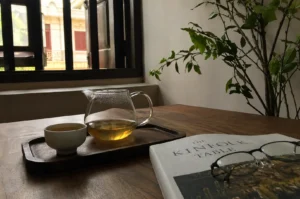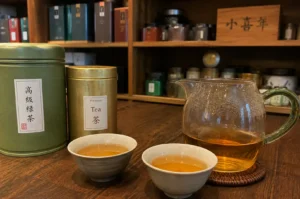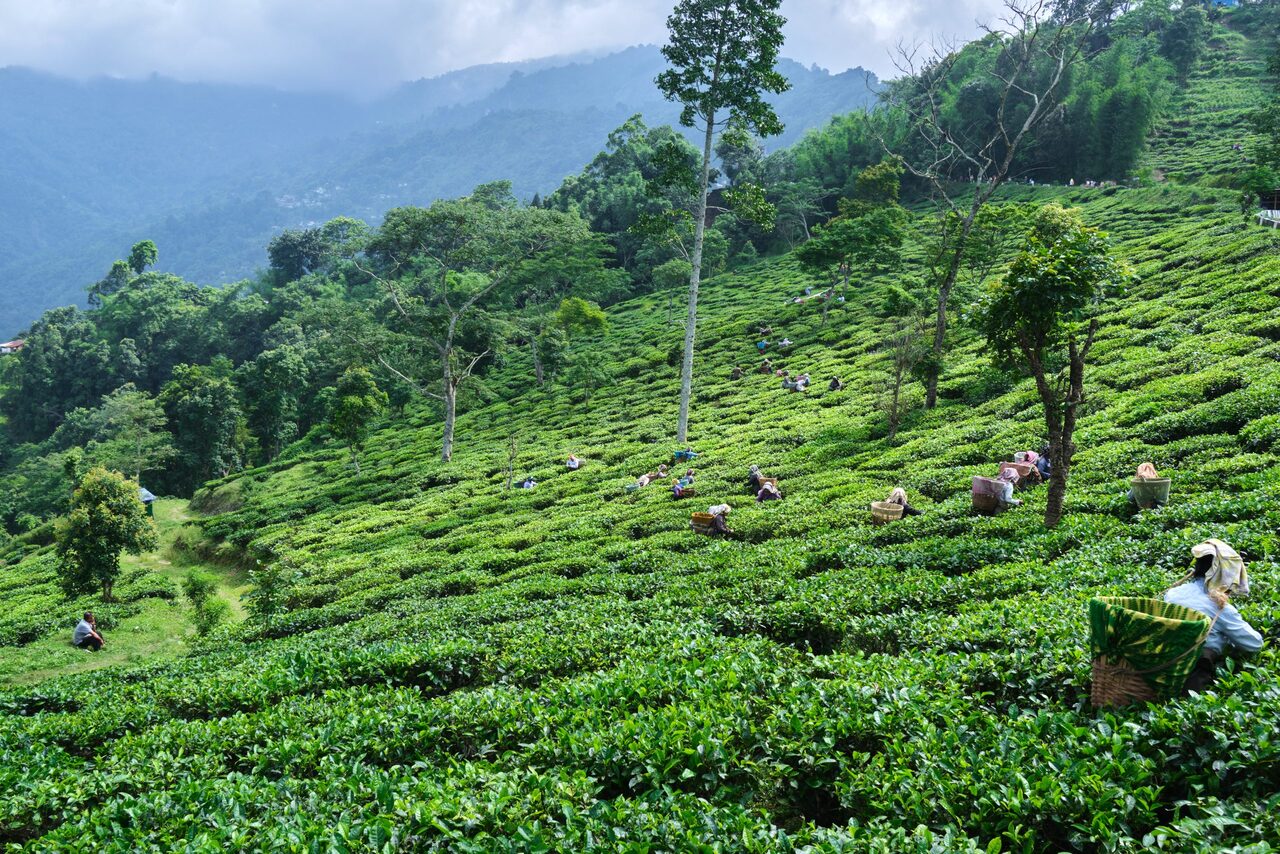
Black tea is more than just a morning ritual; it’s a global phenomenon steeped in rich history, cultural significance, and craftsmanship. From the misty mountains of India to the ancient gardens of China, each cup tells a story of its origin, flavor, and tradition. Throughout history, brewed tea has been cherished in various cultures, with traditional preparation methods reflecting the unique customs and significance of each region. This fully oxidized tea, known for its robust flavor and dark color, is the most widely consumed of all teas. Yet, beyond the standard tea bag lies a captivating world of premium black teas—each with its unique characteristics and distinctive taste.
Premium Black Teas
What makes certain teas premium? It comes down to terroir, tea preparation, and craftsmanship. Borrowed from the wine world, terroir describes the influence of soil, altitude, and climate on tea leaves. Unlike mass-market teas, loose leaf varieties are often hand-plucked and traditionally prepared, offering a delicate taste and unmatched depth.
Only teas grown in specific regions or under certain conditions can be classified as premium black teas, highlighting the importance of origin and authenticity.
Regional Varieties of Black Tea
Black tea is a truly global beverage, with each region imparting its own signature to the cup. In India, the lush Assam region produces black teas with a famously strong and malty flavor, while the high-altitude gardens of Darjeeling yield teas celebrated for their delicate taste and floral notes. Sri Lanka, formerly known as Ceylon, is renowned for its bright, lively teas that range from light and citrusy to rich and coppery, depending on the elevation where the tea is grown. Kenyan black teas are prized for their robust, full-bodied taste and deep color, making them a favorite in many tea blends. Meanwhile, China’s black teas, such as Keemun, are known for their smooth, fruity flavors and subtle complexity. These regional differences in black tea are shaped by the unique combination of climate, soil, and traditional processing methods, ensuring that every cup offers a distinct taste and flavor reflective of its origin.
Green Tea
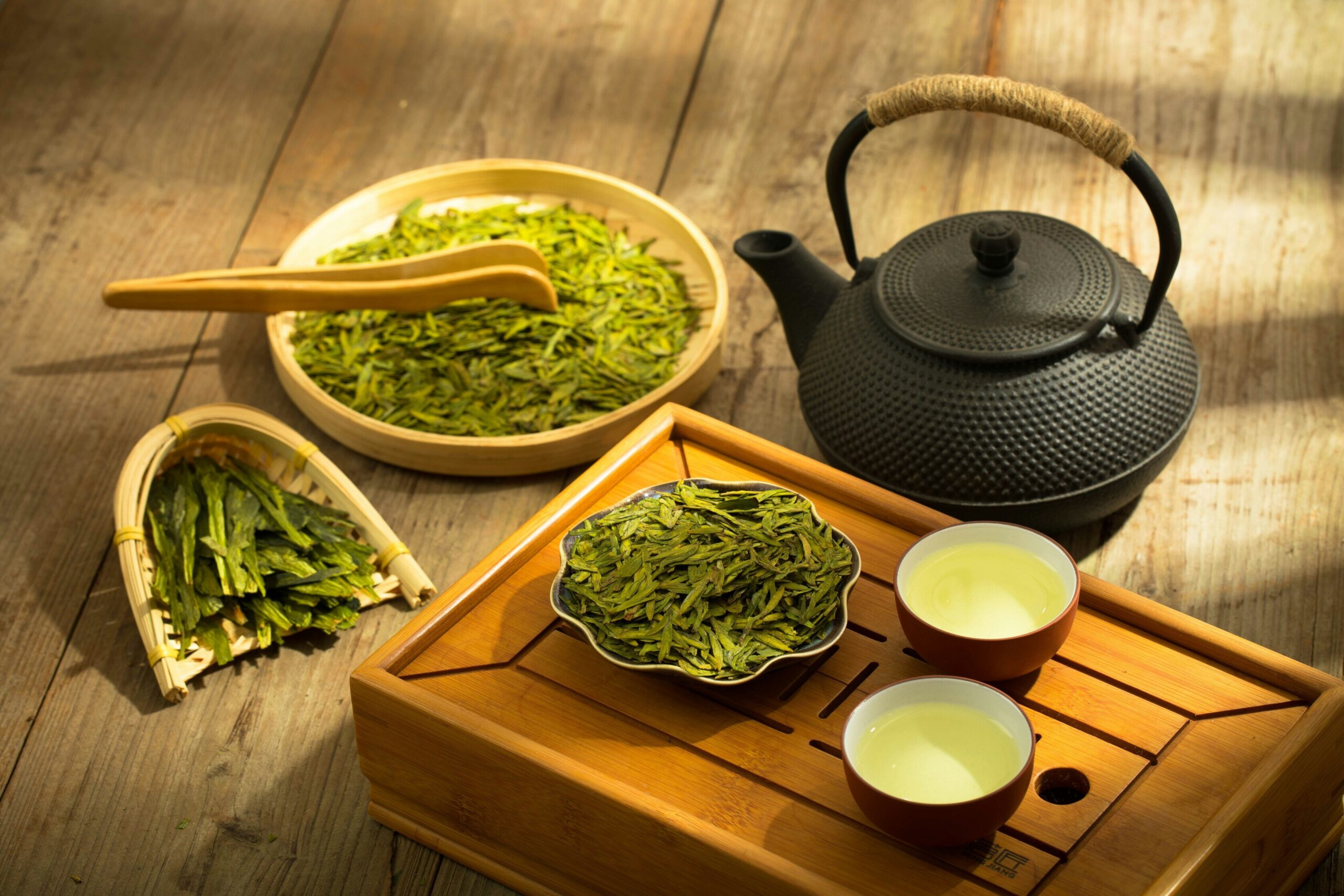
Though this article highlights black teas, it’s important to note that green tea also comes from the camellia sinensis plant. Most green tea is hand-picked, which helps preserve its lighter, less bitter taste and natural qualities. Unlike black tea, it is minimally processed and not fully oxidized, giving it a mild flavor and numerous health benefits. From matcha, which is made from tea leaves ground into a fine powder, to the Japanese tea ceremony, green tea plays an equally vital role in tea culture. The Japanese tea ceremony is a ritual that emphasizes aesthetics, mindfulness, and hospitality, highlighting the cultural significance of green tea.
Black Tea
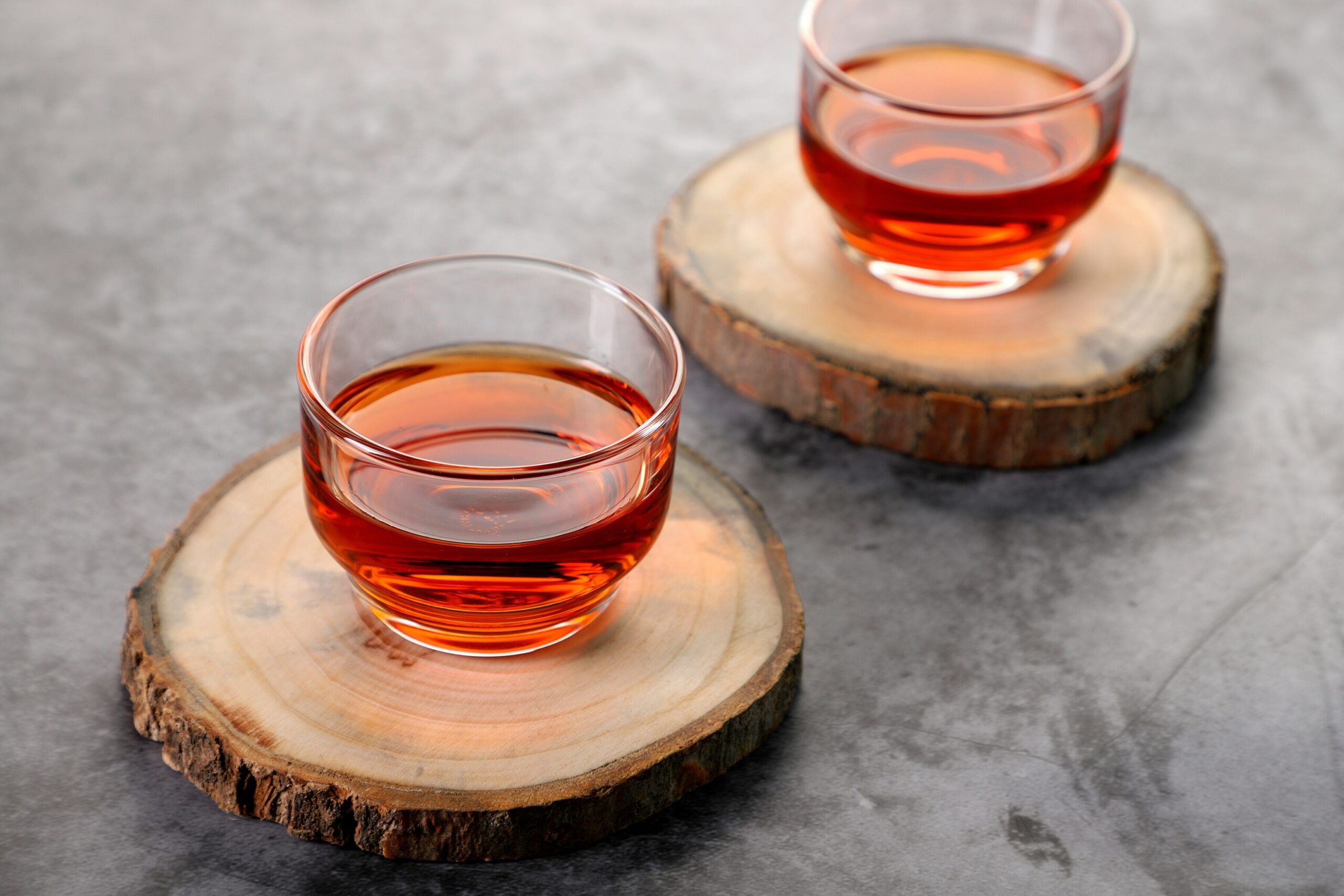
Among the most consumed beverages worldwide, black tea is prized for its robust flavor, dark color, and versatility. Black tea offers a wide range of tastes to suit every tea lover's preference. From iced tea to Earl Grey, it is enjoyed in countless ways. Black tea is the foundation for many tea blends, including English Breakfast tea and Irish Breakfast, offering strength and balance.
The Camellia sinensis tea plant is the origin of almost all true teas: black, green, oolong teas, oolong, white, and pu erh tea. The oxidation process—from minimally processed white tea to fully oxidized black tea—defines the unique characteristics and distinctive taste of each type. Even though they come from the same plant, terroir and processing create endless diversity.
Brew Black Tea
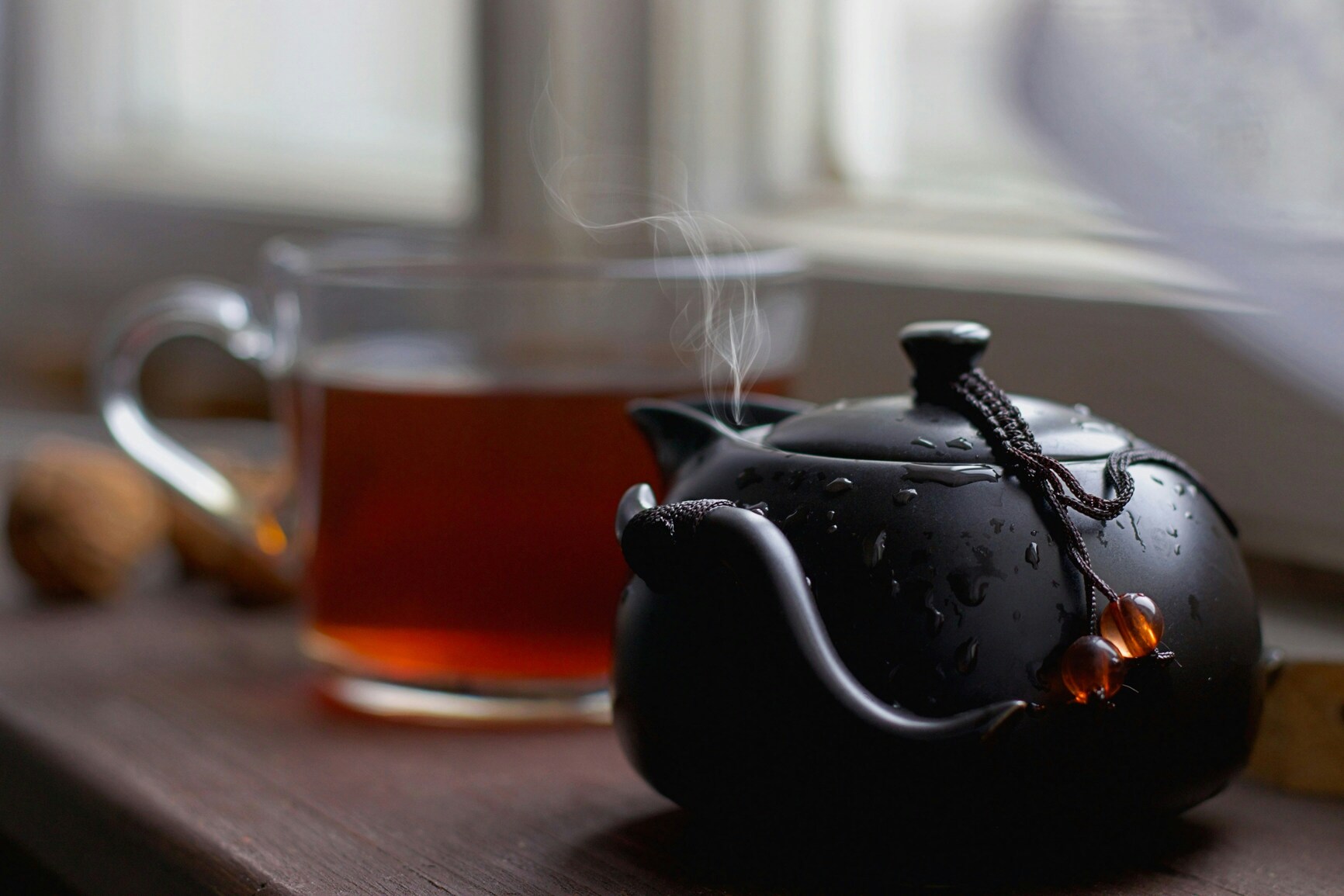
Brewing tea starts with boiled water, which should be allowed to cool slightly for certain teas to prevent burning the leaves and causing bitterness. Use the correct hot water temperature and time:
- Keemun: 195–205°F, 2–3 minutes.
- Darjeeling: 185–205°F, ~3 minutes.
- Assam: 212°F, 3–5 minutes.
- Ceylon: 205–212°F, 3–4 minutes.
- Kenyan: 212°F, 3–5 minutes.
Boiling water is ideal for robust black teas like Assam and Kenyan, while lower temperatures are preferred when brewing tea such as Darjeeling or Keemun to preserve their delicate flavors.
Careful tea preparation ensures balance, avoiding bitterness while drawing out flavor. For a mellower taste, cold water can be used for cold brew methods, allowing the tea to steep slowly and develop a smooth profile.
Darjeeling Tea
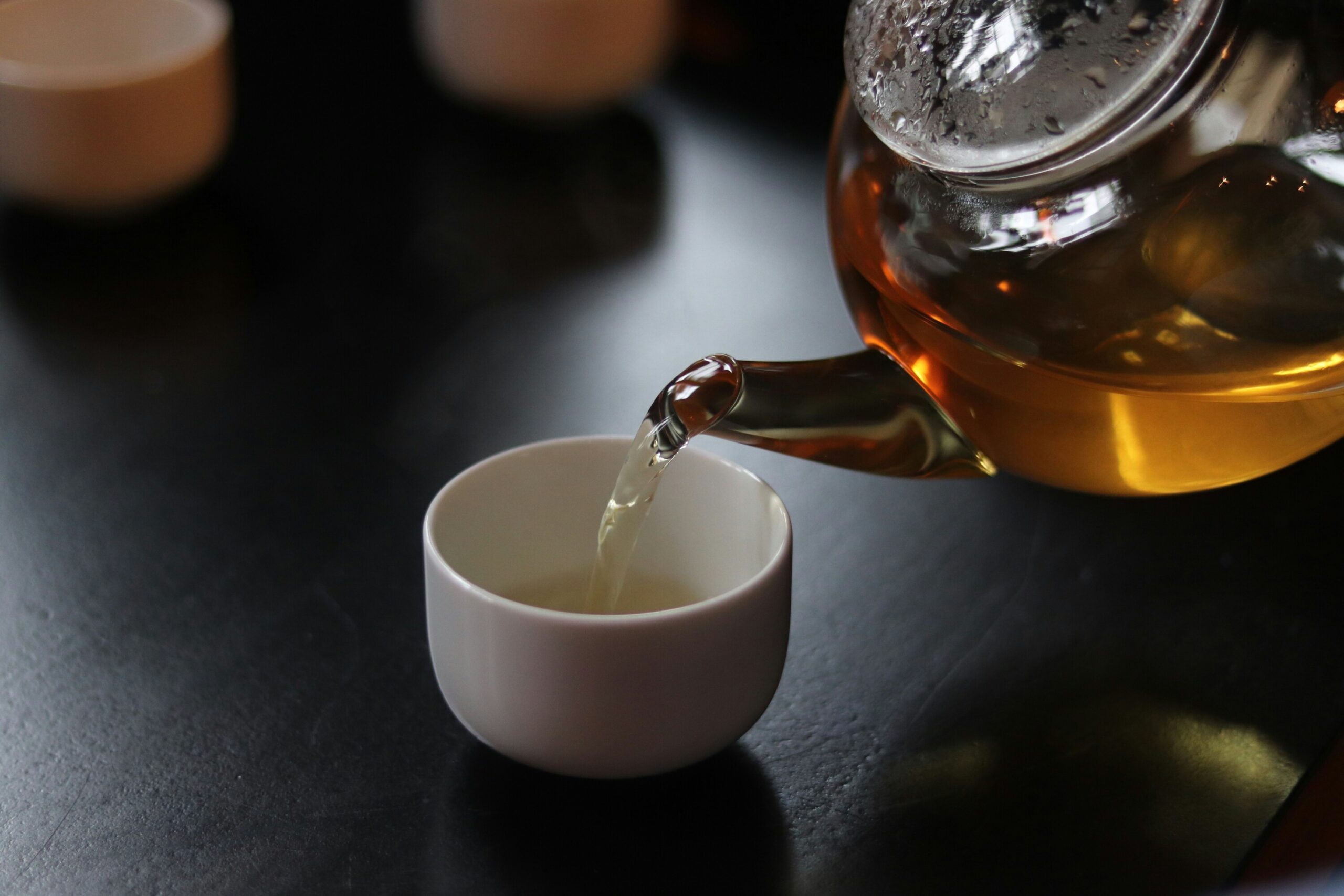
Known as the Champagne of teas, Darjeeling tea from India’s Himalayan foothills is prized for its delicate taste and floral aroma. Seasonal “flushes” offer unique profiles—from the first flush’s light, floral elegance to the second flush’s rich, muscatel fruitiness. Milk and sugar should never be added, as they mask its complexity.
Ceylon Tea
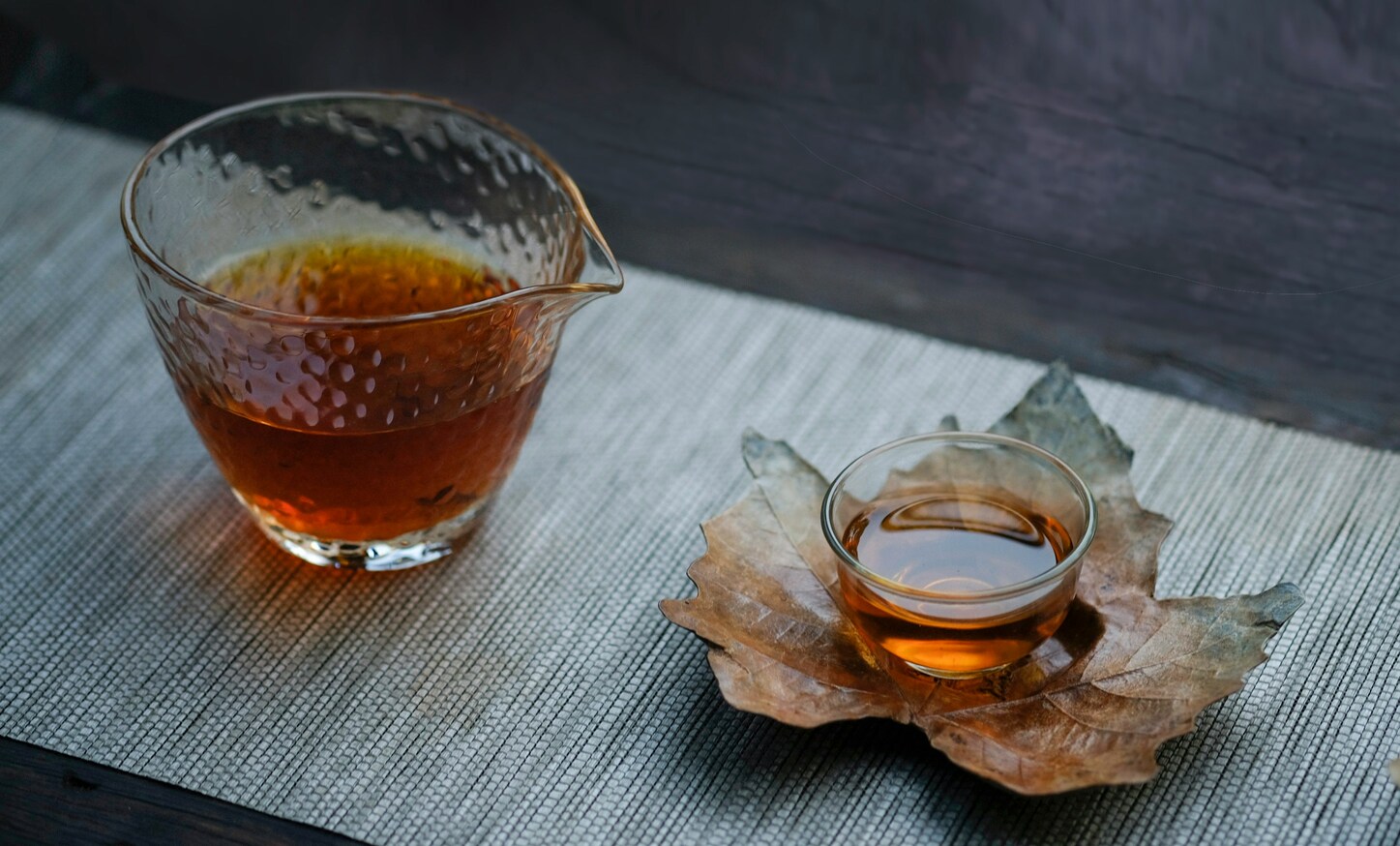
From Sri Lanka, Ceylon tea is celebrated for its brightness and versatility. Altitude shapes its flavors:
- High-grown: Citrus, floral, light-bodied.
- Mid-grown: Balanced and coppery.
- Low-grown: Bold, caramel-like richness.
Ceylon tea shines hot or as iced tea, and is a cornerstone of many health benefits linked to black teas.
Keemun and Chinese Black Teas
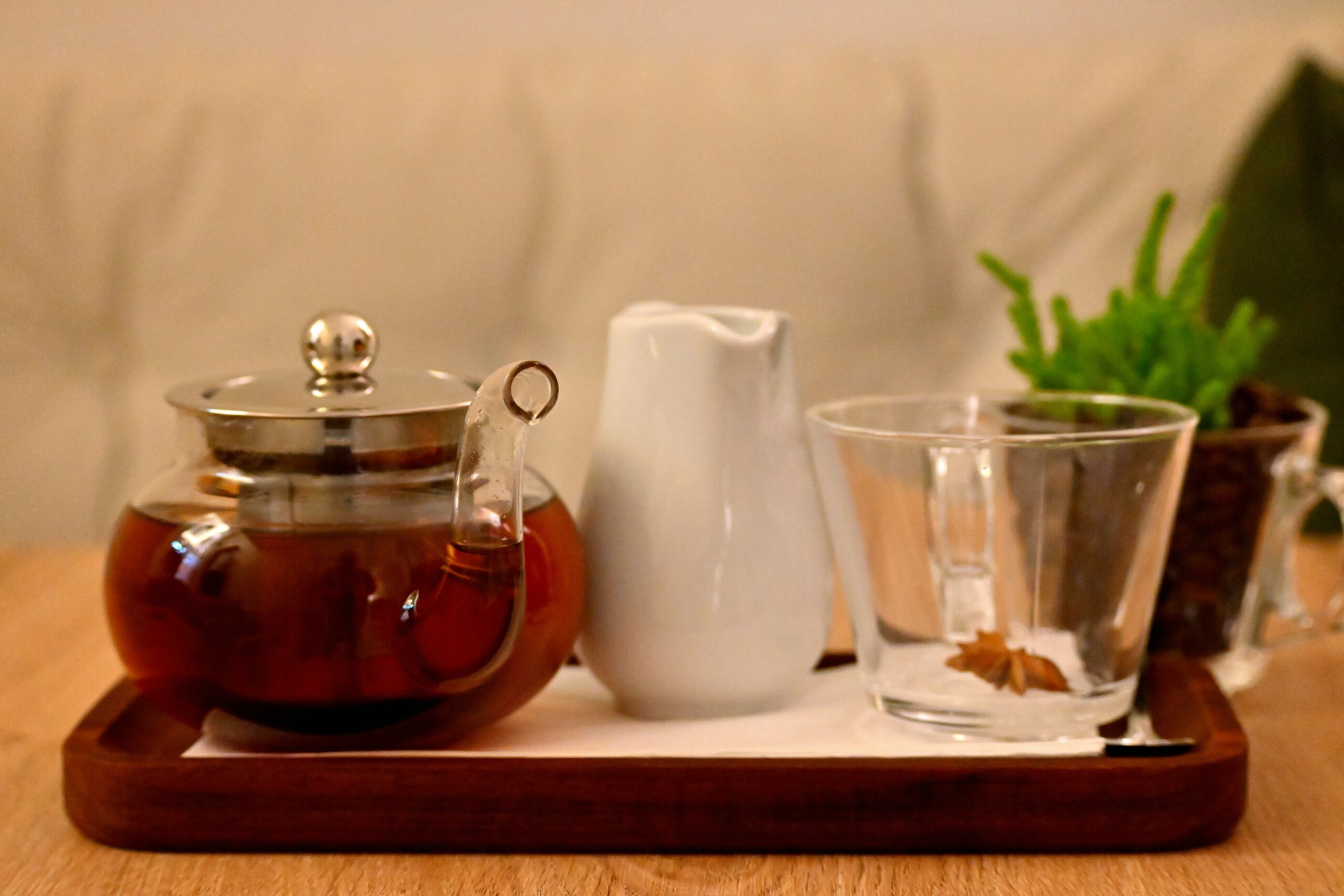
Keemun stands out as one of China’s most esteemed black teas, originating from the misty mountains of Anhui province. This black tea is cherished for its smooth, slightly sweet flavor, often accented by a delicate taste and a gentle floral aroma. Chinese black teas, including Keemun, are crafted through a meticulous process of withering, rolling, oxidation, and firing, which brings out their signature flavors and refined character. Unlike some other teas, Keemun is often enjoyed on its own, allowing tea lovers to fully appreciate its nuanced taste. The artistry behind Chinese black teas ensures that each sip delivers a harmonious blend of flavors, making them a favorite for those seeking a more subtle and aromatic tea experience.
Earl Grey
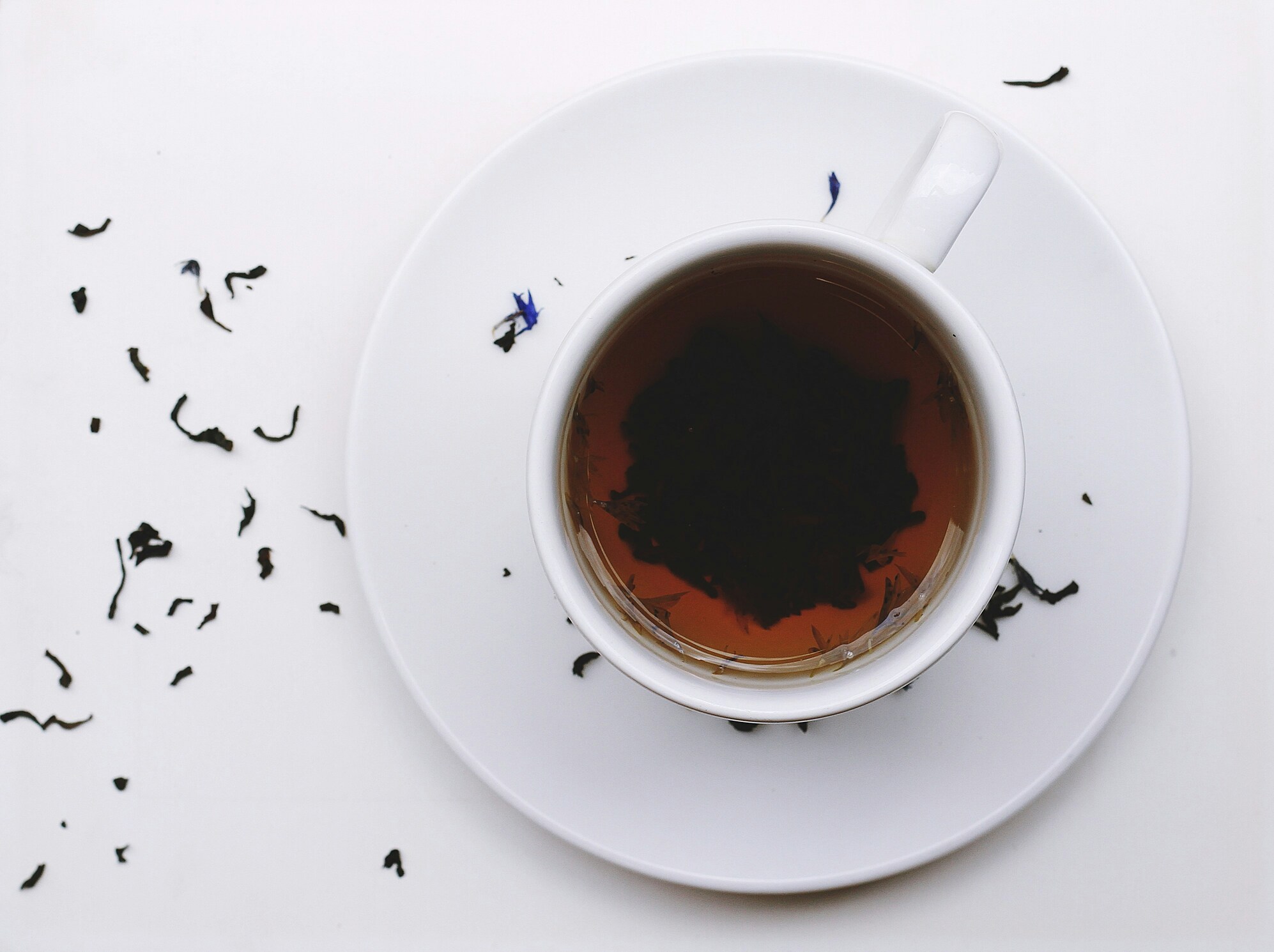
Among the world’s most famous blends, Earl Grey combines black tea with bergamot oil for a refreshing, citrusy twist. It demonstrates how tea blends elevate flavor, offering both tradition and innovation in a single cup.
Earl Grey is traditionally enjoyed in small cups, which help to enhance its aromatic qualities and provide a refined tea-tasting experience.
Brew Black Tea: How to Brew the Perfect Cup
Crafting the perfect cup of black tea is both an art and a science. Start by choosing a high-quality loose leaf tea, as loose leaf varieties allow the tea leaves to fully expand and release their flavor. Heat your water to just below boiling—between 200°F and 212°F—for optimal extraction. Use one teaspoon of loose leaf tea or a single tea bag per 8-ounce cup. Steep the tea for 3 to 5 minutes, adjusting the time to achieve your preferred strength and flavor. Once brewed, strain the tea and enjoy it as is, or personalize your cup with milk and sugar for added richness. The brewing process can be tailored to your taste, whether you prefer a lighter infusion or a bold, robust brew. With a little attention to detail, every cup of black tea can become your perfect cup.
Camellia Sinensis
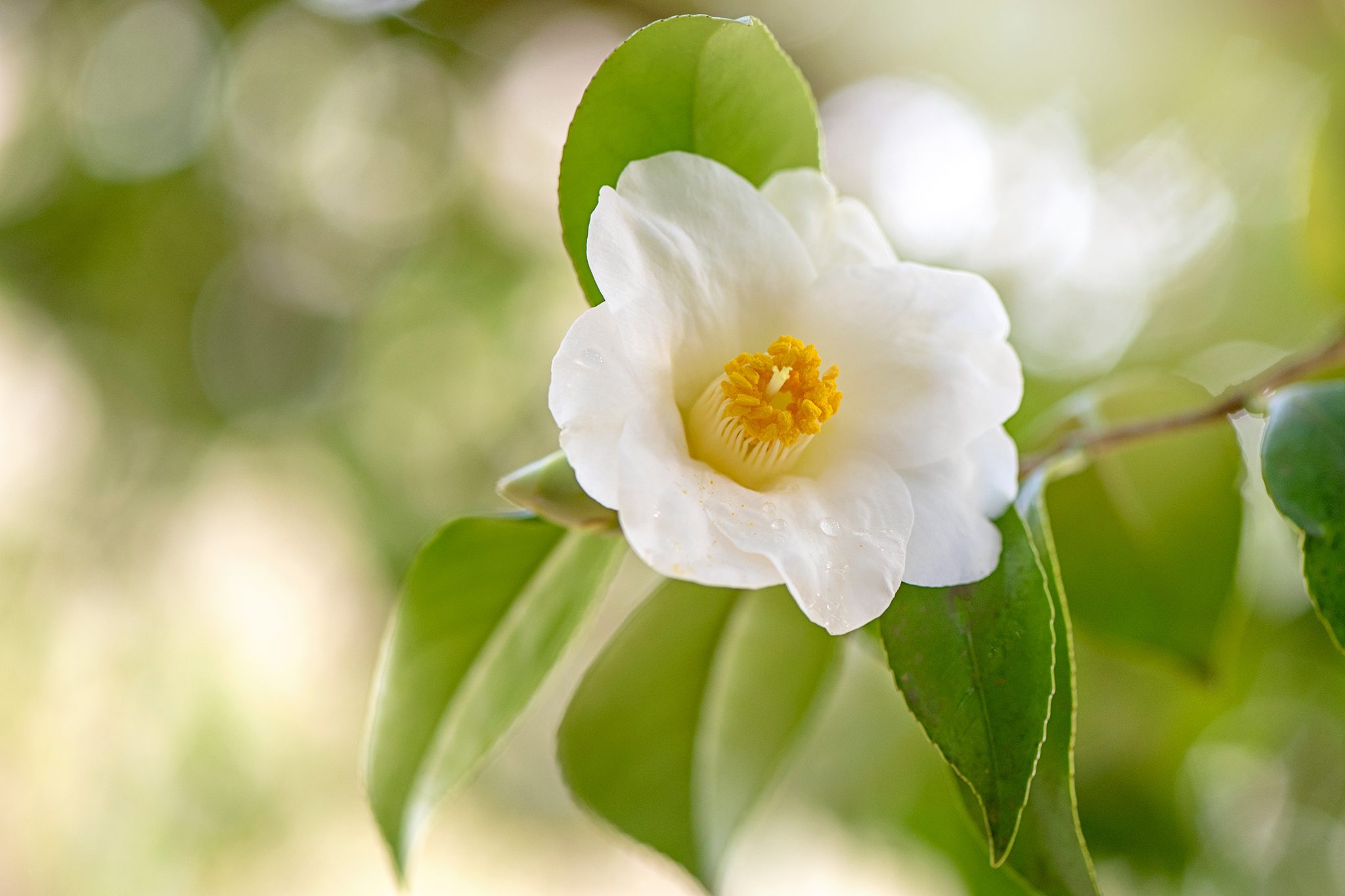
When exploring teas, remember that most teas—whether green tea, white peony, da hong pao oolong, or pu erh—all trace back to the same plant: camellia sinensis. Notably, authentic pu erh tea is traditionally produced in Yunnan province, China, which is renowned for its unique regional characteristics. The interplay of oxidation process, terroir, and traditional method creates the variety that tea lovers cherish.
Flavorful Journey
Your exploration of tea is a flavorful journey across continents and traditions. Whether savoring the malty flavor of Assam, the floral aroma of Darjeeling, the citrus brightness of Ceylon, or the smoky elegance of Keemun, each cup is more than just a drink—it is a connection to history, culture, and craftsmanship.
This journey includes not only traditional teas but also herbal tea infusions, each offering unique flavors and potential health benefits.
Da Hong Pao
Though not a black tea, Da Hong Pao, a legendary oolong tea from ancient China, deserves mention. This partially oxidized tea is known for its unique characteristics, depth, and medicinal properties. It highlights the artistry of the traditional method and shows how the same plant offers vastly different experiences.
Black Tea Blends: Popular Blends
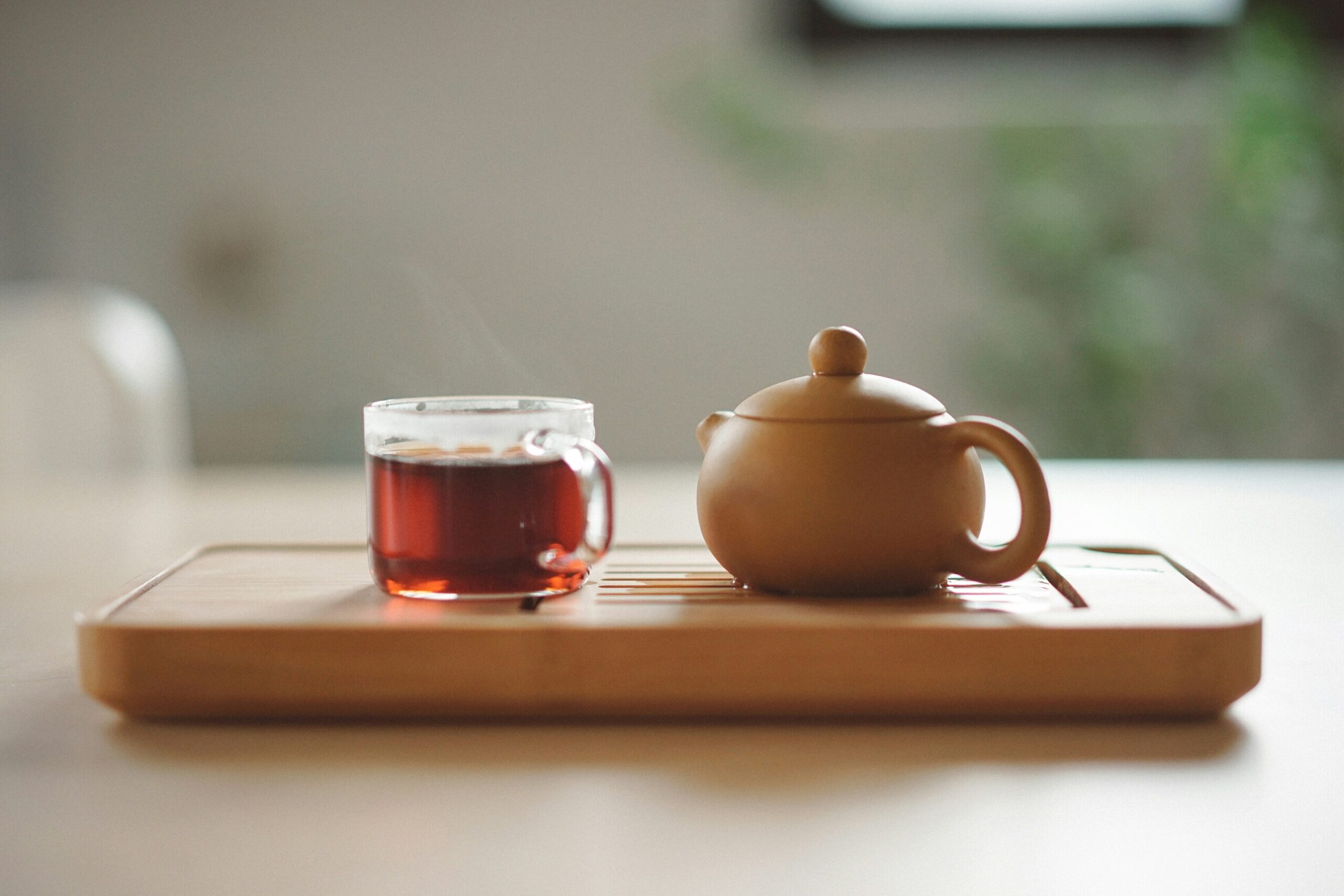
Blending is an art form in the world of black tea, designed to create a consistent and memorable taste in every cup. Popular black tea blends like English Breakfast, Earl Grey, and Irish Breakfast have become staples for tea lovers around the globe. English Breakfast is celebrated for its strong, full-bodied flavor, making it the perfect companion to a hearty morning meal, especially when enjoyed with milk and sugar. Earl Grey offers a unique twist, infusing black tea with fragrant bergamot oil for a bright, citrusy flavor that stands out among tea blends. Irish Breakfast is known for its malty, robust character, often enjoyed with a splash of milk to balance its strength. These black tea blends provide a reliable and satisfying taste experience, ensuring that every cup delivers the flavor and comfort tea drinkers crave.
Adding Milk
Some teas—like Assam and English Breakfast tea—welcome adding milk and sugar, enhancing their robust flavor. Others, like Darjeeling and high-grown Ceylon, are best enjoyed plain to preserve their delicate taste. The choice reflects both cultural significance and personal preference.
Additionally, some traditional tea blends, such as chai with ginger and black pepper, are enjoyed not only for their flavor but also for their ability to aid digestion.
Flavor Profile and Pairing: Characteristics and Pairing
Black tea offers a rich tapestry of flavors, from the malty depth of Assam to the smooth, fruity notes of Keemun. The character of each black tea is shaped by the tea leaves themselves, as well as the region and methods used in their production. When it comes to pairing, the key is to match the tea’s strength and flavor with complementary foods. A robust black tea pairs beautifully with savory dishes like roasted meats or spiced potatoes, while a more delicate tea is ideal alongside lighter fare such as salads or fish. Black tea also shines when paired with spices, sweets, and even chocolate, creating a flavorful journey for the palate. Whether enjoyed on its own or as part of a creative pairing, black tea’s versatility ensures there’s a perfect match for every taste and occasion.
A Flavorful Journey Awaits
Whether you prefer the robust flavor of Assam, the brightness of Ceylon, the elegance of Darjeeling, or blends like Earl Grey and English Breakfast tea, your journey into the world of tea is endless. Beyond black tea, explore green tea, white tea, oolong, herbal teas, pu erh, and mate tea—each offering many health benefits and unique characteristics.
Every steep is an invitation to savor tradition, culture, and taste.
To deepen your tea knowledge, explore the oxidation spectrum of oolong tea or discover Japanese green tea varieties beyond matcha.

“Detox Tea” Is Mostly Marketing: Here’s What Tea Actually Does
I have always found the phrase “detox tea” a little strange. Not because I dislike tea. Quite the opposite. Tea has been part of my daily life for years. I love the quiet ritual of choosing leaves, waiting for the water, and taking a moment to slow down. But somewhere along the way, tea became…
-
The Tea House That Time Did Not Forget: Tea Chapter Trading Pte Ltd
I almost walked past it. Located at Nine Neil Road, Tea Chapter Trading Pte Ltd sits quietly, a three-storey shophouse just across from Maxwell MRT in Singapore, its restored facade catching afternoon light. Around it, Chinatown moves at its usual pace. Inside, something slower has been happening since October 1989. I stepped in on a…
-
Expensive Tea Doesn’t Guarantee a Better Cup, Here’s Why
There is a belief in tea that we rarely question. If something costs more, it must be better. It is an understandable assumption. A rare tea from a respected region, carefully harvested and beautifully packaged, naturally creates expectations. We associate price with effort, craftsmanship, and quality. And often, that connection is justified. But not always….
-
SUN with MOON Singapore at Wheelock Place: A Unique Tea Dining Cafe Experience on Orchard Road
The lunch crowd had gone. Dinner hadn’t arrived yet. I came in during that strange, in-between hour, a little after three on a weekday, when the escalators at Wheelock Place hum quietly and Orchard Road feels almost gentle. Most people were still at their desks. I wasn’t. I wanted tea, and I wanted to sit…
-
Cold Brew Tea Is Underrated (And Hot Purists Are Missing Out)
I used to think tea had to be hot. There was something about the ritual of it. Boiling water, warming the pot, watching the leaves open. A proper cup of tea seemed to require steam. Then I tried cold brew tea, and I had to admit something slightly uncomfortable. I liked it. More than I…
-
All Things Delicious Review: The Quiet Pleasure of Tea and Cake.
There’s a particular kind of afternoon that asks for tea, and All Things Delicious answers it with a quiet, comforting tea-and-cake experience on Arab Street: handmade sweet treats, warm approachable teas, and a room that makes simple pleasures feel like enough. Not coffee, with its urgency. Tea. The slow kind, poured while the conversation drifts…
-
Wellness Tea Is a Scam, but Tea Can Still Be Good for You
There is a strange contradiction in the way we talk about tea today. For centuries, tea was appreciated for its taste, its rituals, and the moments it created. Today, it is often sold as something else entirely. A solution. A promise. A shortcut. The language surrounding wellness tea has become increasingly familiar. Detox tea. Cleansing…
-
Camellia Tea: A Blossom, A Leaf, A Legacy Rooted in Camellia Sinensis
My grandmother kept her camellia tea in a battered tin that had once held biscuits. She never called it anything fancy. It was just cha, brewed strong in the mornings using fresh tea leaves from the tea plant, poured into small cups that had lost their matching saucers years ago. I didn’t know then that…
-
Why “Caffeine-Free Tea” Marketing Should Be Regulated (Seriously)
Hear me out: we have become far too comfortable with the phrase “caffeine-free tea.” It appears on beautiful packaging, wellness websites, and café menus with the confidence of a health guarantee. The words suggest calm evenings, better sleep, and a gentler relationship with what we drink. But there is a problem. The phrase sounds clearer…
-
The Forgotten Luxury of Sitting Still at Japanese Tea House
You stoop to enter the traditional japanese tea house. That is the first thing the tea house asks of you, before the tea, before the talk, before anything at all. The doorway is low, deliberately so, and even the tall must bow to pass through it. In that small act of folding the body, something…