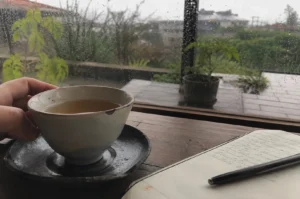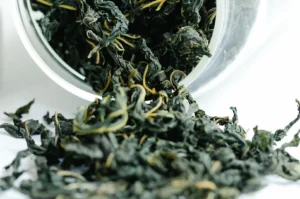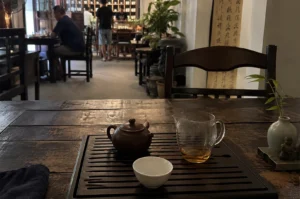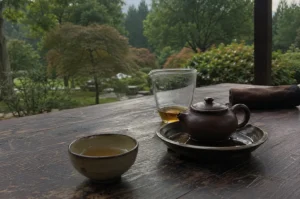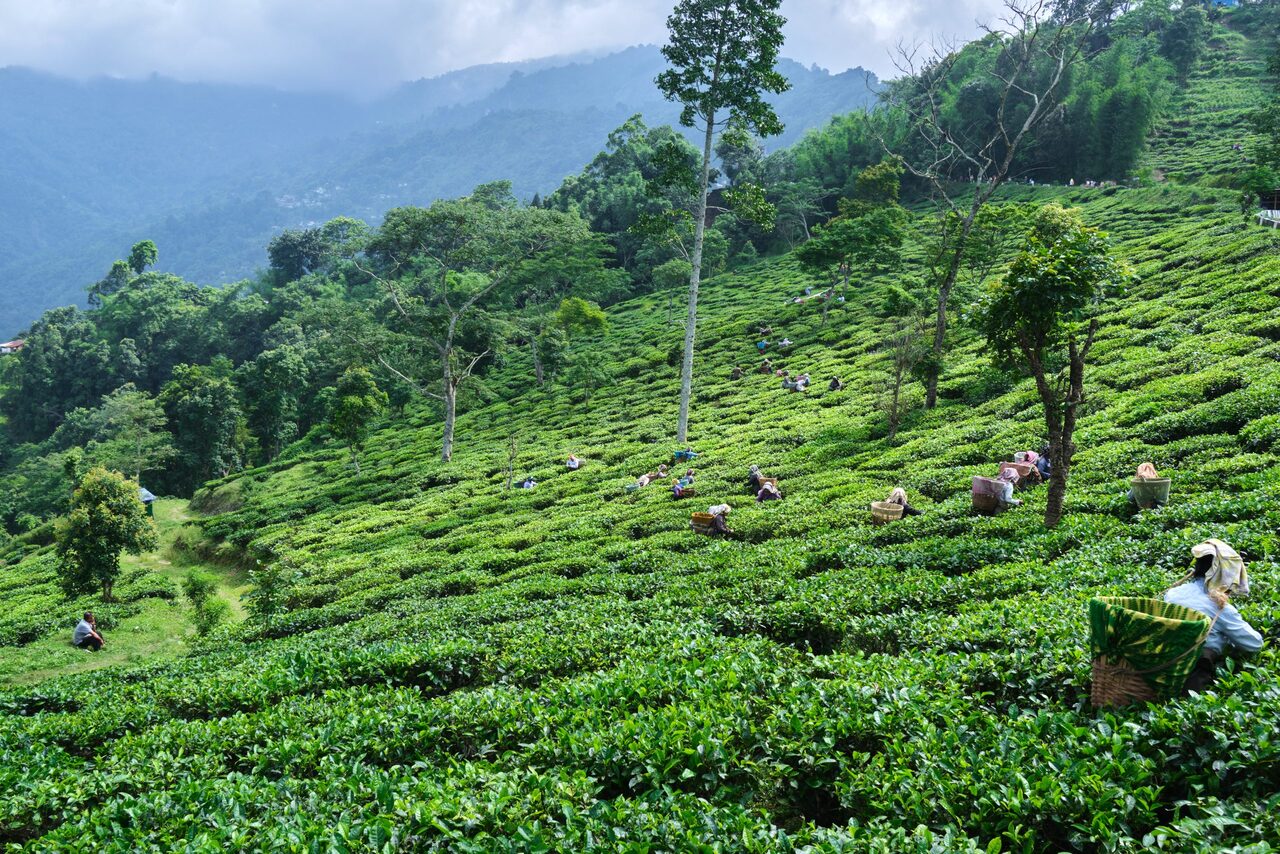
Black tea is more than just a morning ritual; it’s a global phenomenon steeped in rich history, cultural significance, and craftsmanship. From the misty mountains of India to the ancient gardens of China, each cup tells a story of its origin, flavor, and tradition. Throughout history, brewed tea has been cherished in various cultures, with traditional preparation methods reflecting the unique customs and significance of each region. This fully oxidized tea, known for its robust flavor and dark color, is the most widely consumed of all teas. Yet, beyond the standard tea bag lies a captivating world of premium black teas—each with its unique characteristics and distinctive taste.
Premium Black Teas
What makes certain teas premium? It comes down to terroir, tea preparation, and craftsmanship. Borrowed from the wine world, terroir describes the influence of soil, altitude, and climate on tea leaves. Unlike mass-market teas, loose leaf varieties are often hand-plucked and traditionally prepared, offering a delicate taste and unmatched depth.
Only teas grown in specific regions or under certain conditions can be classified as premium black teas, highlighting the importance of origin and authenticity.
Regional Varieties of Black Tea
Black tea is a truly global beverage, with each region imparting its own signature to the cup. In India, the lush Assam region produces black teas with a famously strong and malty flavor, while the high-altitude gardens of Darjeeling yield teas celebrated for their delicate taste and floral notes. Sri Lanka, formerly known as Ceylon, is renowned for its bright, lively teas that range from light and citrusy to rich and coppery, depending on the elevation where the tea is grown. Kenyan black teas are prized for their robust, full-bodied taste and deep color, making them a favorite in many tea blends. Meanwhile, China’s black teas, such as Keemun, are known for their smooth, fruity flavors and subtle complexity. These regional differences in black tea are shaped by the unique combination of climate, soil, and traditional processing methods, ensuring that every cup offers a distinct taste and flavor reflective of its origin.
Green Tea
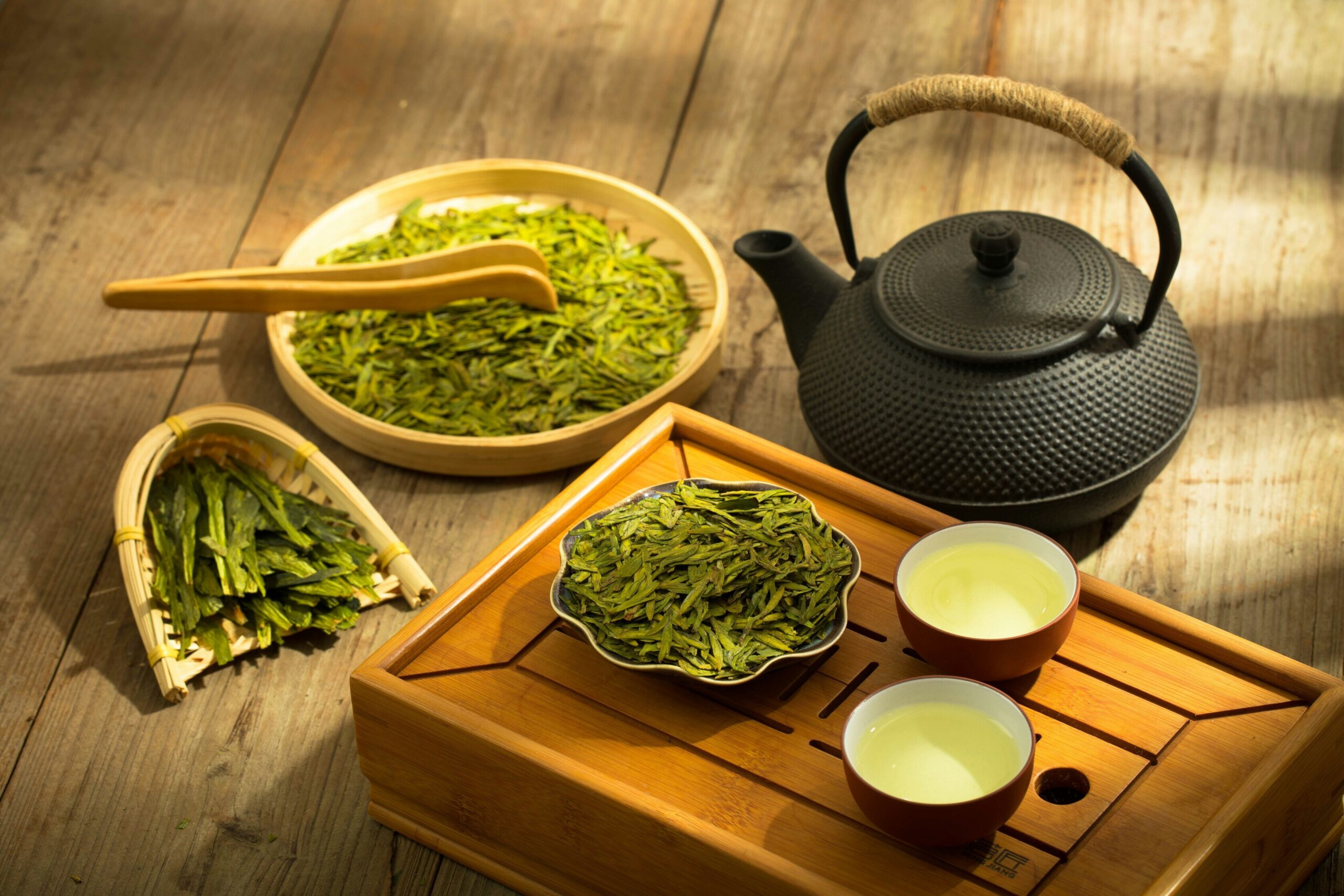
Though this article highlights black teas, it’s important to note that green tea also comes from the camellia sinensis plant. Most green tea is hand-picked, which helps preserve its lighter, less bitter taste and natural qualities. Unlike black tea, it is minimally processed and not fully oxidized, giving it a mild flavor and numerous health benefits. From matcha, which is made from tea leaves ground into a fine powder, to the Japanese tea ceremony, green tea plays an equally vital role in tea culture. The Japanese tea ceremony is a ritual that emphasizes aesthetics, mindfulness, and hospitality, highlighting the cultural significance of green tea.
Black Tea
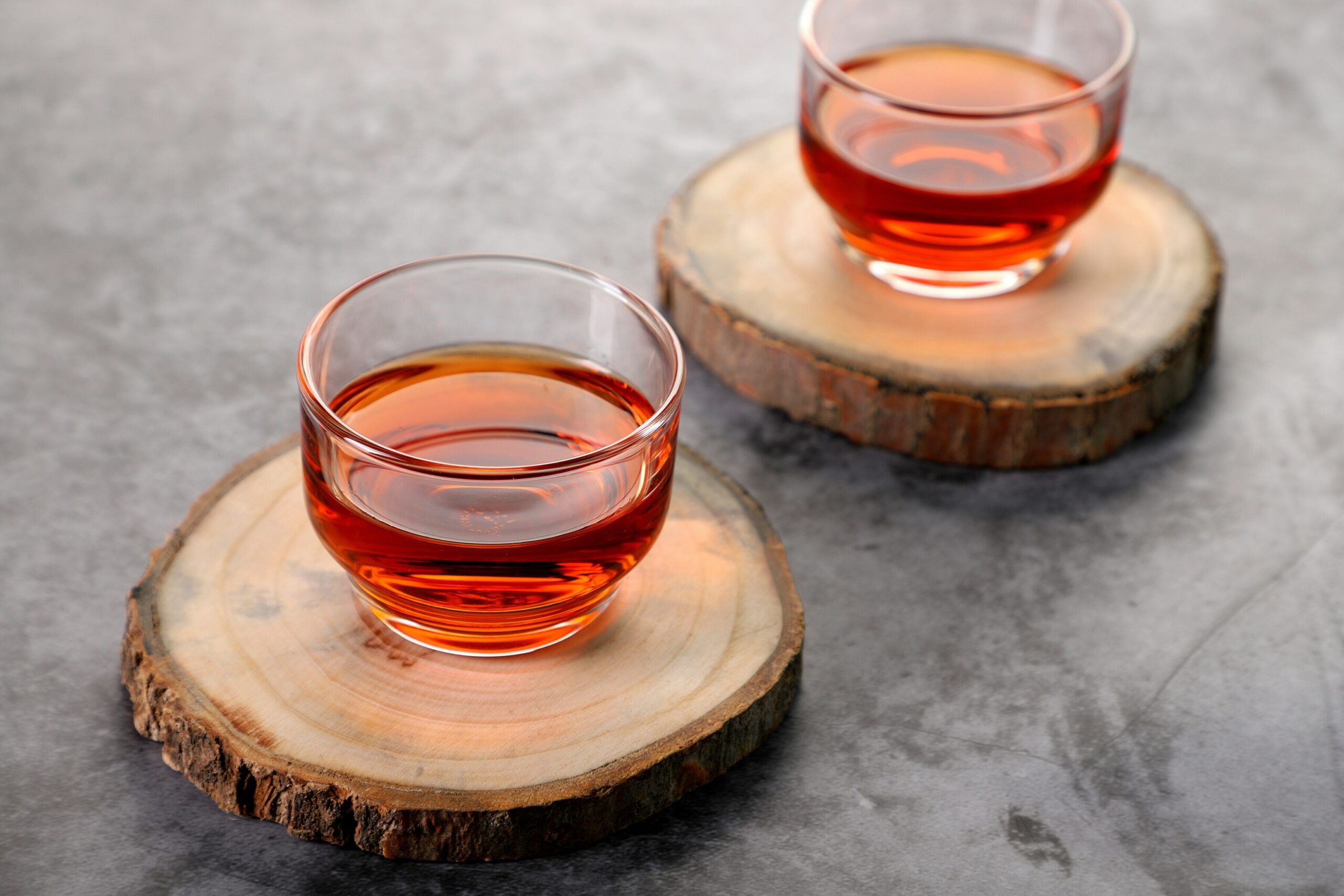
Among the most consumed beverages worldwide, black tea is prized for its robust flavor, dark color, and versatility. Black tea offers a wide range of tastes to suit every tea lover's preference. From iced tea to Earl Grey, it is enjoyed in countless ways. Black tea is the foundation for many tea blends, including English Breakfast tea and Irish Breakfast, offering strength and balance.
The Camellia sinensis tea plant is the origin of almost all true teas: black, green, oolong teas, oolong, white, and pu erh tea. The oxidation process—from minimally processed white tea to fully oxidized black tea—defines the unique characteristics and distinctive taste of each type. Even though they come from the same plant, terroir and processing create endless diversity.
Brew Black Tea
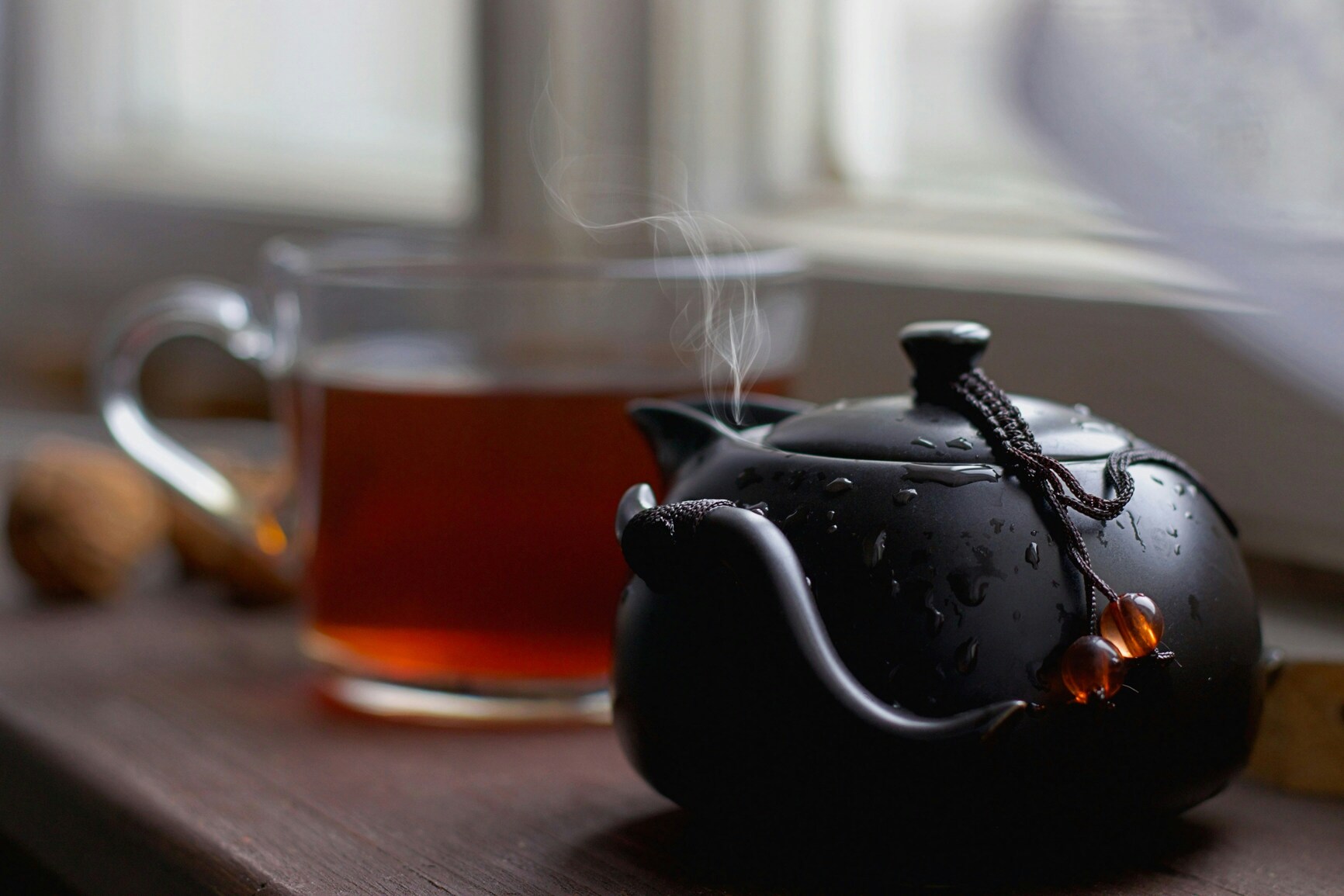
Brewing tea starts with boiled water, which should be allowed to cool slightly for certain teas to prevent burning the leaves and causing bitterness. Use the correct hot water temperature and time:
- Keemun: 195–205°F, 2–3 minutes.
- Darjeeling: 185–205°F, ~3 minutes.
- Assam: 212°F, 3–5 minutes.
- Ceylon: 205–212°F, 3–4 minutes.
- Kenyan: 212°F, 3–5 minutes.
Boiling water is ideal for robust black teas like Assam and Kenyan, while lower temperatures are preferred when brewing tea such as Darjeeling or Keemun to preserve their delicate flavors.
Careful tea preparation ensures balance, avoiding bitterness while drawing out flavor. For a mellower taste, cold water can be used for cold brew methods, allowing the tea to steep slowly and develop a smooth profile.
Darjeeling Tea
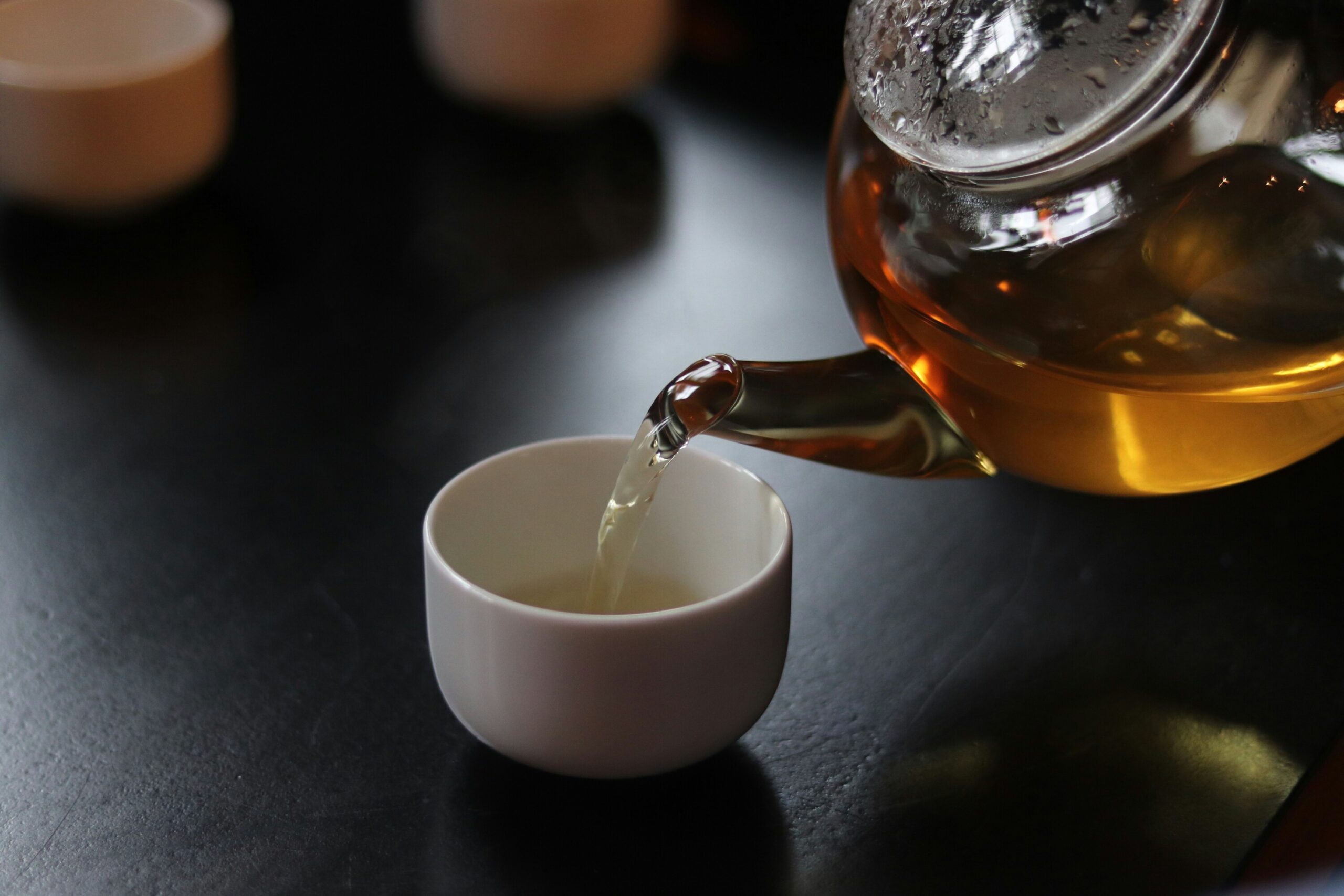
Known as the Champagne of teas, Darjeeling tea from India’s Himalayan foothills is prized for its delicate taste and floral aroma. Seasonal “flushes” offer unique profiles—from the first flush’s light, floral elegance to the second flush’s rich, muscatel fruitiness. Milk and sugar should never be added, as they mask its complexity.
Ceylon Tea
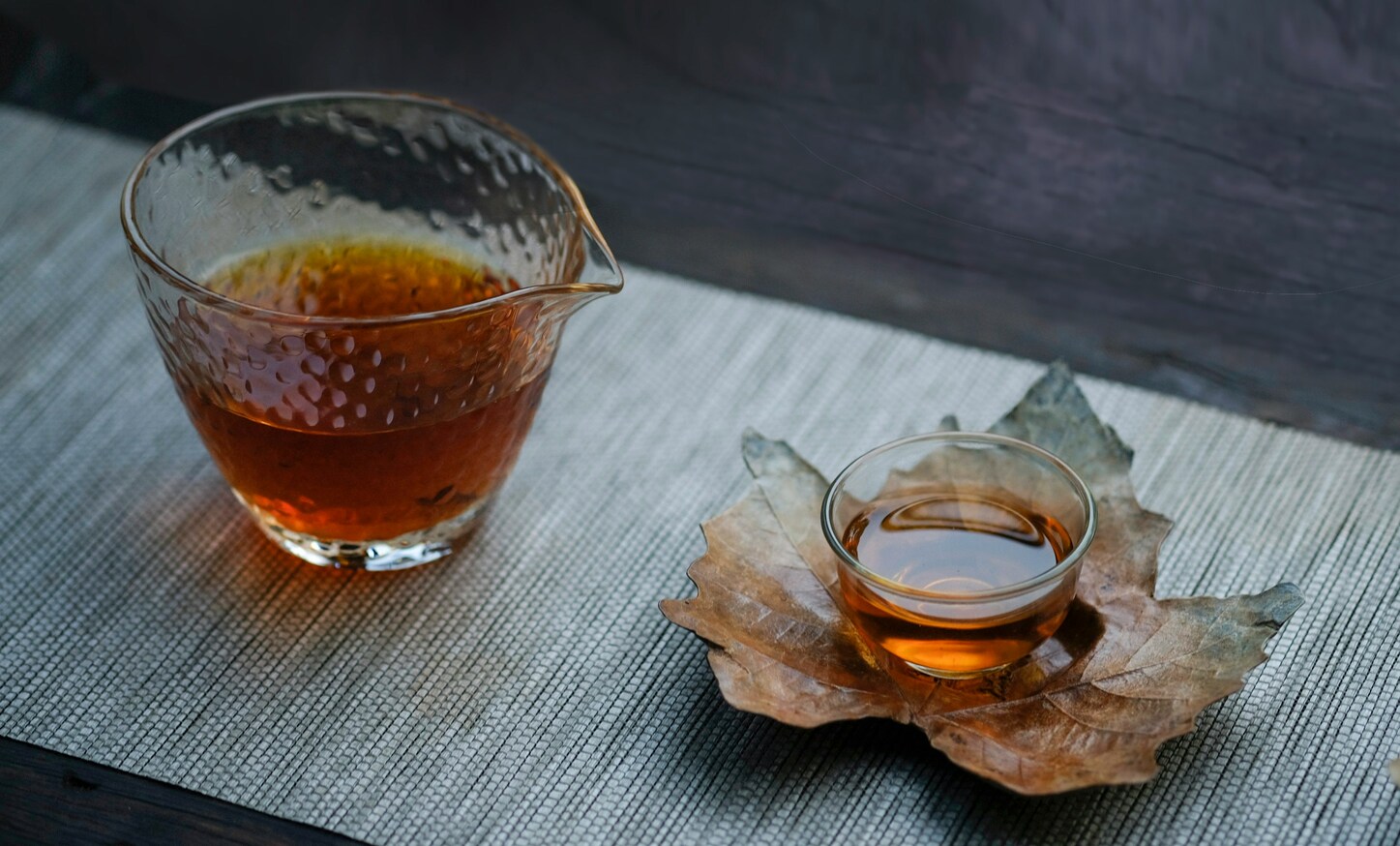
From Sri Lanka, Ceylon tea is celebrated for its brightness and versatility. Altitude shapes its flavors:
- High-grown: Citrus, floral, light-bodied.
- Mid-grown: Balanced and coppery.
- Low-grown: Bold, caramel-like richness.
Ceylon tea shines hot or as iced tea, and is a cornerstone of many health benefits linked to black teas.
Keemun and Chinese Black Teas
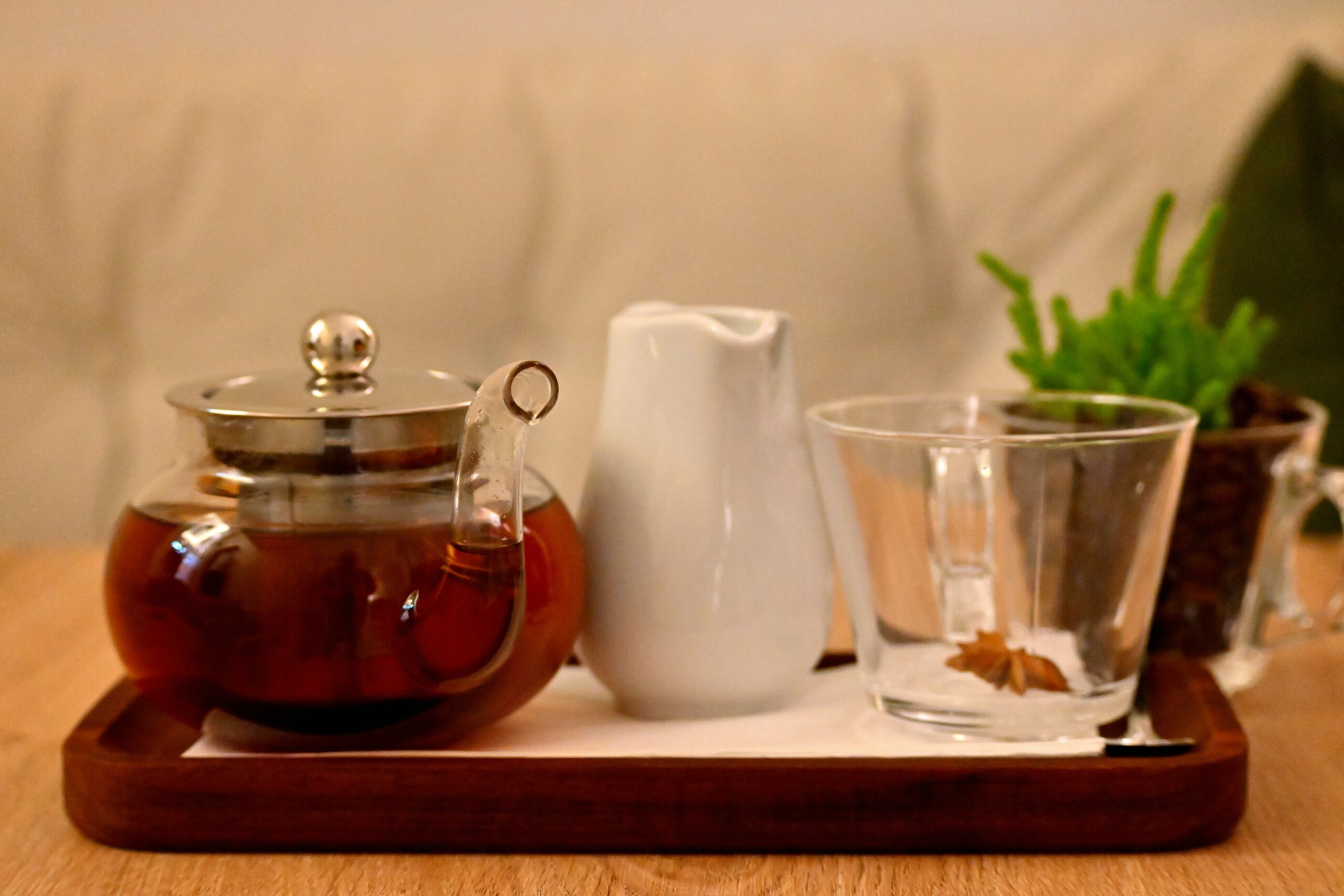
Keemun stands out as one of China’s most esteemed black teas, originating from the misty mountains of Anhui province. This black tea is cherished for its smooth, slightly sweet flavor, often accented by a delicate taste and a gentle floral aroma. Chinese black teas, including Keemun, are crafted through a meticulous process of withering, rolling, oxidation, and firing, which brings out their signature flavors and refined character. Unlike some other teas, Keemun is often enjoyed on its own, allowing tea lovers to fully appreciate its nuanced taste. The artistry behind Chinese black teas ensures that each sip delivers a harmonious blend of flavors, making them a favorite for those seeking a more subtle and aromatic tea experience.
Earl Grey
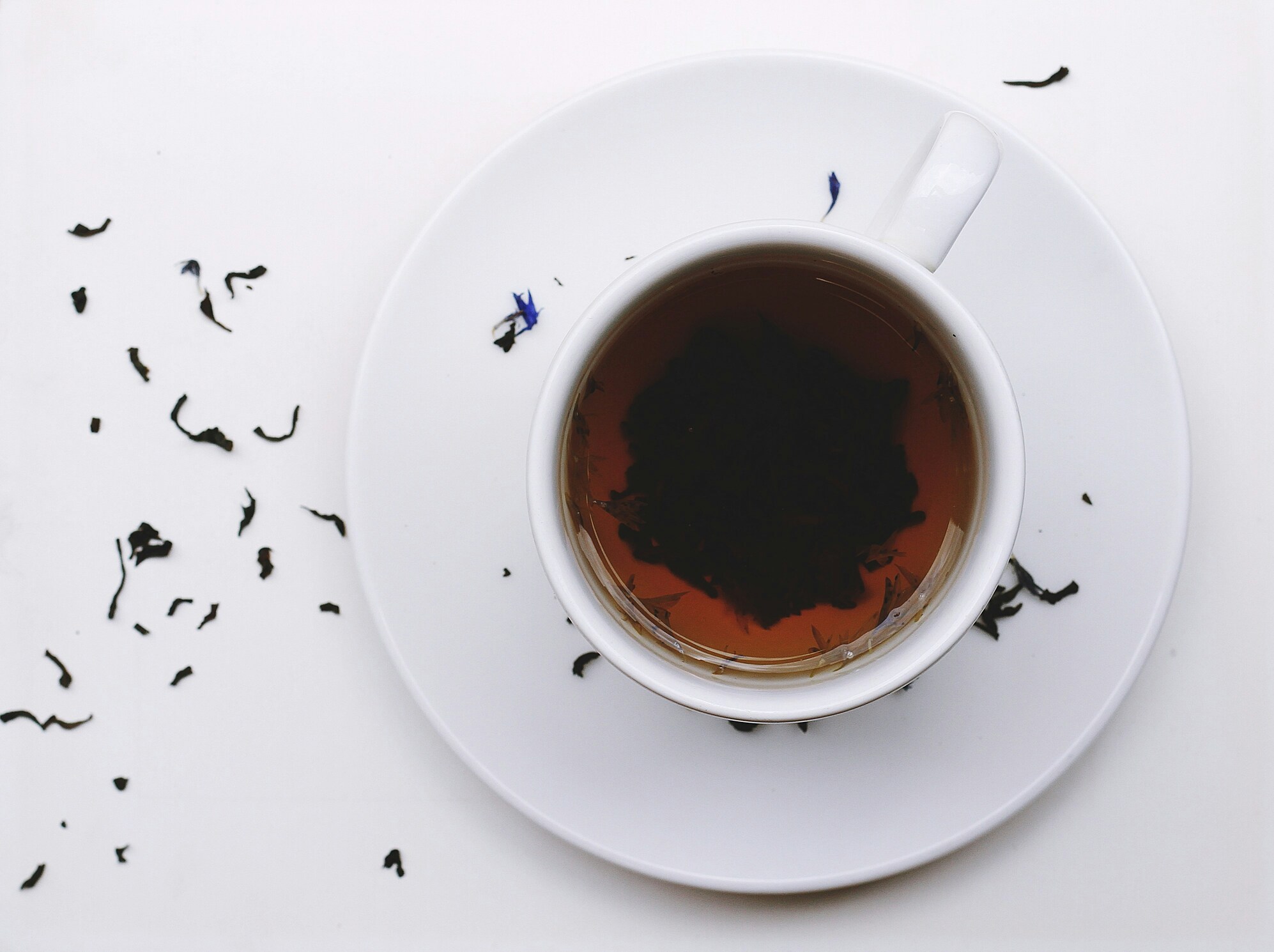
Among the world’s most famous blends, Earl Grey combines black tea with bergamot oil for a refreshing, citrusy twist. It demonstrates how tea blends elevate flavor, offering both tradition and innovation in a single cup.
Earl Grey is traditionally enjoyed in small cups, which help to enhance its aromatic qualities and provide a refined tea-tasting experience.
Brew Black Tea: How to Brew the Perfect Cup
Crafting the perfect cup of black tea is both an art and a science. Start by choosing a high-quality loose leaf tea, as loose leaf varieties allow the tea leaves to fully expand and release their flavor. Heat your water to just below boiling—between 200°F and 212°F—for optimal extraction. Use one teaspoon of loose leaf tea or a single tea bag per 8-ounce cup. Steep the tea for 3 to 5 minutes, adjusting the time to achieve your preferred strength and flavor. Once brewed, strain the tea and enjoy it as is, or personalize your cup with milk and sugar for added richness. The brewing process can be tailored to your taste, whether you prefer a lighter infusion or a bold, robust brew. With a little attention to detail, every cup of black tea can become your perfect cup.
Camellia Sinensis
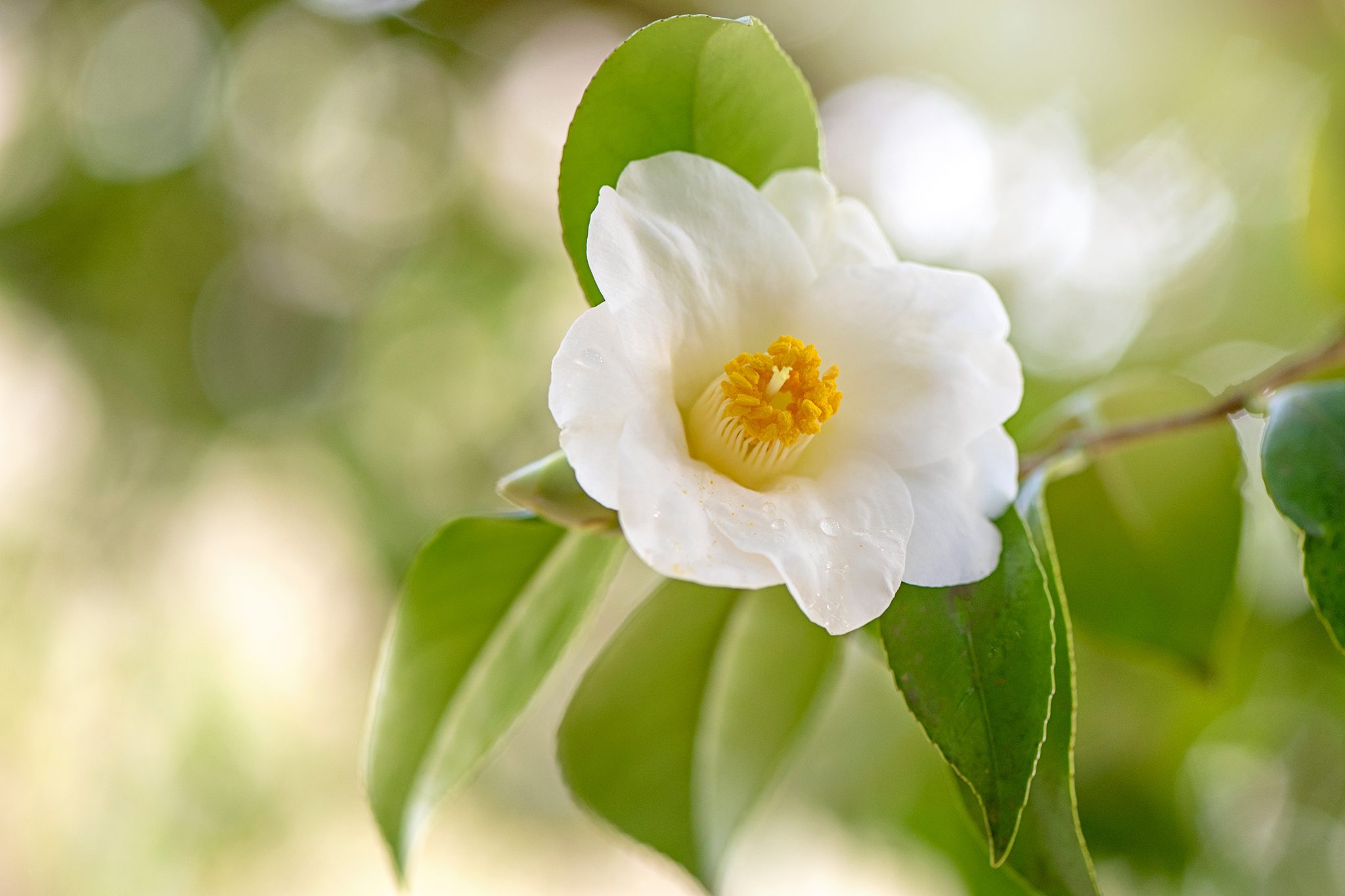
When exploring teas, remember that most teas—whether green tea, white peony, da hong pao oolong, or pu erh—all trace back to the same plant: camellia sinensis. Notably, authentic pu erh tea is traditionally produced in Yunnan province, China, which is renowned for its unique regional characteristics. The interplay of oxidation process, terroir, and traditional method creates the variety that tea lovers cherish.
Flavorful Journey
Your exploration of tea is a flavorful journey across continents and traditions. Whether savoring the malty flavor of Assam, the floral aroma of Darjeeling, the citrus brightness of Ceylon, or the smoky elegance of Keemun, each cup is more than just a drink—it is a connection to history, culture, and craftsmanship.
This journey includes not only traditional teas but also herbal tea infusions, each offering unique flavors and potential health benefits.
Da Hong Pao
Though not a black tea, Da Hong Pao, a legendary oolong tea from ancient China, deserves mention. This partially oxidized tea is known for its unique characteristics, depth, and medicinal properties. It highlights the artistry of the traditional method and shows how the same plant offers vastly different experiences.
Black Tea Blends: Popular Blends
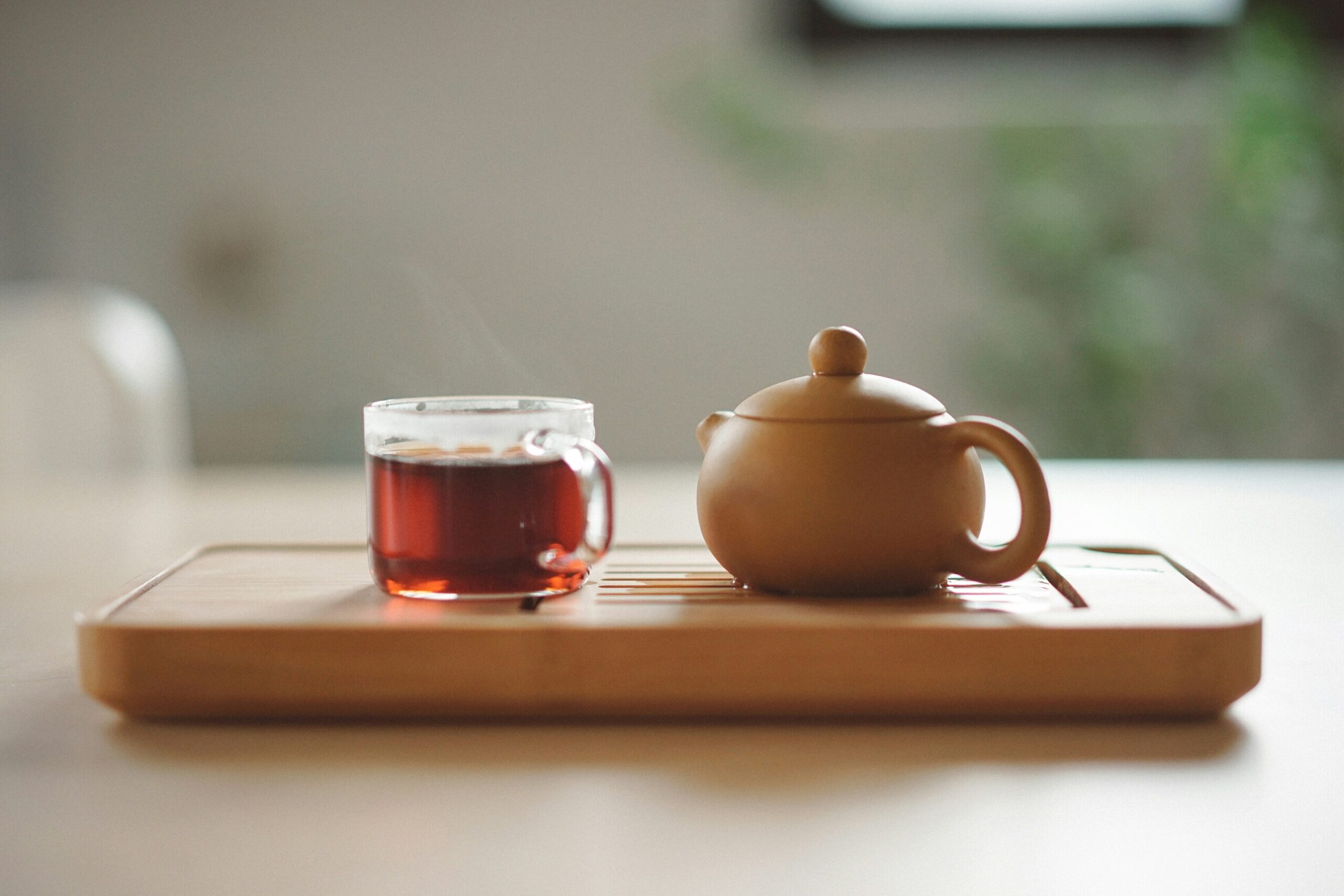
Blending is an art form in the world of black tea, designed to create a consistent and memorable taste in every cup. Popular black tea blends like English Breakfast, Earl Grey, and Irish Breakfast have become staples for tea lovers around the globe. English Breakfast is celebrated for its strong, full-bodied flavor, making it the perfect companion to a hearty morning meal, especially when enjoyed with milk and sugar. Earl Grey offers a unique twist, infusing black tea with fragrant bergamot oil for a bright, citrusy flavor that stands out among tea blends. Irish Breakfast is known for its malty, robust character, often enjoyed with a splash of milk to balance its strength. These black tea blends provide a reliable and satisfying taste experience, ensuring that every cup delivers the flavor and comfort tea drinkers crave.
Adding Milk
Some teas—like Assam and English Breakfast tea—welcome adding milk and sugar, enhancing their robust flavor. Others, like Darjeeling and high-grown Ceylon, are best enjoyed plain to preserve their delicate taste. The choice reflects both cultural significance and personal preference.
Additionally, some traditional tea blends, such as chai with ginger and black pepper, are enjoyed not only for their flavor but also for their ability to aid digestion.
Flavor Profile and Pairing: Characteristics and Pairing
Black tea offers a rich tapestry of flavors, from the malty depth of Assam to the smooth, fruity notes of Keemun. The character of each black tea is shaped by the tea leaves themselves, as well as the region and methods used in their production. When it comes to pairing, the key is to match the tea’s strength and flavor with complementary foods. A robust black tea pairs beautifully with savory dishes like roasted meats or spiced potatoes, while a more delicate tea is ideal alongside lighter fare such as salads or fish. Black tea also shines when paired with spices, sweets, and even chocolate, creating a flavorful journey for the palate. Whether enjoyed on its own or as part of a creative pairing, black tea’s versatility ensures there’s a perfect match for every taste and occasion.
A Flavorful Journey Awaits
Whether you prefer the robust flavor of Assam, the brightness of Ceylon, the elegance of Darjeeling, or blends like Earl Grey and English Breakfast tea, your journey into the world of tea is endless. Beyond black tea, explore green tea, white tea, oolong, herbal teas, pu erh, and mate tea—each offering many health benefits and unique characteristics.
Every steep is an invitation to savor tradition, culture, and taste.
To deepen your tea knowledge, explore the oxidation spectrum of oolong tea or discover Japanese green tea varieties beyond matcha.

The Tea That Keeps Me Coming Back
I have a tea I return to more than any other. It is not rare. It is not expensive. In fact, most people would probably pass it by without a second thought. And yet, somehow, it has become a quiet companion over the years. I first drank it on a rainy afternoon. I had been…
-
Tie Guan Yin: The Iron Goddess of Chinese Oolong Tea
Tie Guan Yin, also known as Iron Goddess or Iron Goddess Oolong, is a celebrated Chinese oolong tea originating from Anxi County in Fujian Province, China. This tea from Anxi Fujian holds a special place among other teas due to its unique aroma, flavour, and rich cultural story. It is made from the tea plant…
-
Why Tea Shops Might Be the Last Quiet Places We Have
There is a growing habit in Singapore that I find both comforting and slightly unsettling. People are working everywhere now. Cafés, co-working spaces, neighborhood bakeries, even small corner shops. A laptop seems to turn any table into an office. And in many ways, this flexibility is impressive. It reflects how life has adapted to work,…
-
Why Not Every Tea Deserves Your Attention
Tea culture encourages curiosity. There are endless varieties, origins, and rituals to explore. Some teas are rare, some are aged, some are celebrated in distant mountains. The temptation is to try them all, to chase novelty in the hope that every cup will surprise you. But not every tea deserves your attention. I have learned…
-
Sipping Serenity: Where to Enjoy Chamomile Tea Singapore in the City
Singapore moves quickly. The trains run on time, the workdays stretch long, and the humidity outside rarely lets anyone slow down by choice. Yet within this busy rhythm, a quiet counter-current persists. People look for small pockets of stillness, and increasingly, they find one in a warm cup of chamomile tea. There is something fitting…
-
Why Some Teas Taste Better When Shared
I’ve always found that tea, more than most drinks, seems to gain something when shared. A cup alone can be comforting, quiet, even meditative. But a cup shared with someone else, whether a friend, a family member, or a stranger in a small tea house, somehow becomes richer, fuller, more alive. It’s not just the…
-
The Timeless Charm of Tea Culture Through English Breakfast Singapore
There is a small ritual I return to on the warmest Singapore afternoons. The city outside shimmers with heat, the air conditioning hums softly, and I reach for a familiar tin of English Breakfast tea. The kettle clicks, steam rises, and within a minute or two the kitchen fills with a warm, malty aroma that…
-
The Tea That Reminds Me of Home
I still remember the first cup of tea I drank after returning from a long trip. It was nothing remarkable, a simple black tea brewed in my kitchen but it tasted different from any cup I had drunk abroad. It wasn’t the leaves themselves. It wasn’t the water or the pot. It was the familiarity…
-
A Tea Lover’s Honest Review of Gryphon Tea Company Singapore
There is a particular hush that settles over my kitchen on a weeknight, after the dishes are done and the day finally loosens its grip. That is when I open a new box of tea from Gryphon Tea Company Singapore. Last week, the box belonged to Gryphon Singapore, and the moment I lifted the lid,…
-
Why Tea Can Teach Us About Mindful Consumption
I’ve been thinking a lot about waste lately. Not just the kind we notice-the piles of packaging, leftover food, discarded cups-but the quiet, everyday kind: the tea leaves left unused, the leaves steeped once and thrown away, the water poured down because the cup is “not perfect.” Tea has a way of making you notice…