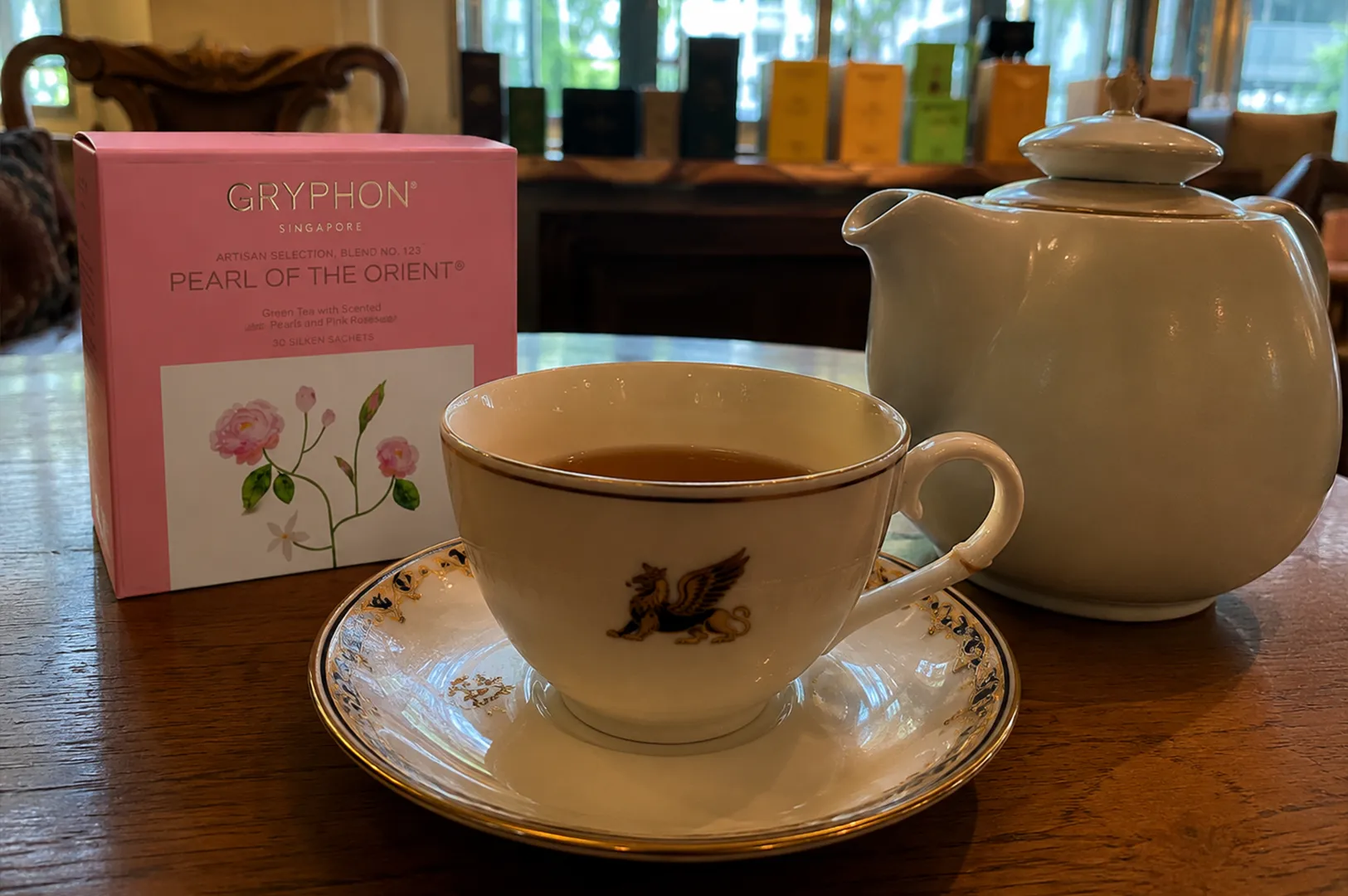
I recently tried the Earl Grey from Gryphon Tea Company Singapore, and I have to admit, it surprised me. Not because it was flawless—it wasn’t, but because it felt like a tea that knew exactly what it wanted to be.
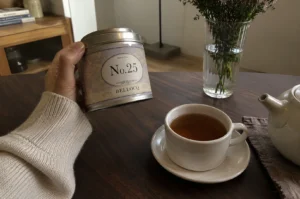
The aroma is the first thing that hits you. Bergamot is present but subtle, not the overpowering scent you sometimes encounter in commercial blends. It invites you to pause, to inhale slowly, and anticipate the flavour without shouting at you.
Brewing the tea is effortless. The leaves unfurl gracefully in hot water, releasing a dark, amber liquor that feels almost like a warm invitation. There is a gentle brightness to the taste, a floral note that lingers just long enough without becoming cloying. It is the kind of tea that encourages slow sipping, maybe even a second cup, because it feels worth the time.
What I appreciated most was the balance. The tea is neither too bold nor too timid. The bergamot complements the black tea base rather than dominating it. You notice the subtleties, a hint of citrus, a touch of briskness, but they are all in harmony. It reminded me why Earl Grey has endured as a classic: simplicity, elegance, and a touch of personality.
Of course, this tea will not convert someone who dislikes Earl Grey. It is still distinctly bergamot, still a black tea, still carrying its own character. But for those who enjoy a thoughtful cup of tea, it feels carefully considered, almost conversational in the way it unfolds with each sip.
In a city where tea options are abundant yet often fleeting in character, Gryphon Tea Company’s Earl Grey feels like a quiet reminder that the right blend can make even a familiar tea feel special. It is not flashy. It does not demand attention. It simply rewards those who are willing to slow down and notice.
For me, it was a moment of reflection. A reminder that the right cup of tea can be both comforting and quietly inspiring.
— Maria Tan
On tea, culture, and everyday rituals.

What Kopi and Tea Say About Singapore
One of the things I love most about Singapore is that we never really chose between kopi and tea. We kept both. Walk into almost any hawker centre or coffee shop and you’ll see it immediately. One person orders kopi-o. Another asks for teh-c. Someone else is drinking Chinese tea from a flask they brought…
-
The Tea We Keep Saving for Later
Many tea drinkers have a tea they are saving. A special oolong purchased during a memorable trip. A rare tea gifted by a friend. A tea that feels too valuable, too limited, or too meaningful to drink casually. So it waits. Days become weeks. Weeks become months. The tea remains carefully stored while more ordinary…
-
Earl Grey Tea Benefits: What Is Earl Grey Tea and Why Has It Endured for Centuries?
Introduction Few teas are as instantly recognisable as Earl Grey tea. Even among people who do not regularly drink tea, the distinctive citrus aroma of Earl Grey often feels familiar. It appears in tea shops, cafés, afternoon tea menus, and kitchen cupboards around the world, yet many people still ask the same question: what is…
-
Can You Call Yourself a Tea Lover If You Don’t Like Matcha?
I have a confession. I don’t think every tea lover needs to love every tea. That sounds obvious when written down, but spend enough time around tea enthusiasts and you may start to think otherwise. Someone discovers that you enjoy tea. The questions begin. Do you drink green tea? What about pu-erh? Have you tried…
-
Is Tea Acidic? Understanding Tea Acidity and What It Means for Tea Drinkers
One of the most common questions among both new and experienced tea drinkers is surprisingly simple: is tea acidic? The answer is yes, but the reality is far more nuanced than a simple yes or no. Most teas fall on the mildly acidic side of the pH scale, yet they are generally far less acidic…
-
The Best Tea Sessions Are Usually Unplanned
Some of the most memorable tea sessions begin without intention. No special occasion. No carefully selected tea ware. No plan to spend an afternoon appreciating tea. Someone simply puts water on to boil. A tea is chosen almost absentmindedly. Cups are found. The tea is poured. And somehow, those sessions often become the ones we…
-
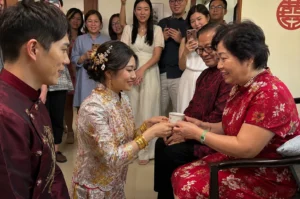
A Guide to the Wedding Tea Ceremony in Singapore: Tradition, Family, and Meaning
I still remember the morning of my older sister’s wedding day. We were packed into my parents’ flat, and the sticky humidity in the air was intense, even with the air conditioning running on full blast. Amidst the loud laughter and the fun of the morning gatecrash, everything suddenly slowed down. I watched her kneel…
-
Why Tea Gifts Always Feel More Personal
There are easier gifts to buy than tea. Gift cards, flowers, candles. They require very little thought. Most people will appreciate them, and if they don’t, no real harm is done. Tea feels different. Giving someone tea involves a small act of interpretation. You are making a quiet guess about what they might enjoy. Something…
-
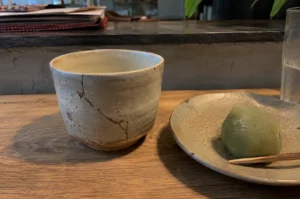
Wabi Sabi Meaning: Discovering Beauty in Imperfection
Singapore is famous for its spotless streets, impressive glass towers, and a culture that constantly celebrates the new-be it design trends, the latest matcha drinks, or the next “perfect place” for brunch. For a long time, I bought into this idea of curated perfection. My home had to be pristine, my days measured for maximum…
-
The Strange Pressure to Understand Every Tea Immediately
Tea drinkers do something interesting. When trying a new tea, many immediately begin searching for the “correct” tasting notes. Floral. Roasted. Fruity. Mineral. Someone takes a sip and suddenly feels pressure to identify every subtle characteristic as though there is a right answer hidden somewhere inside the cup. And if the tea feels confusing at…