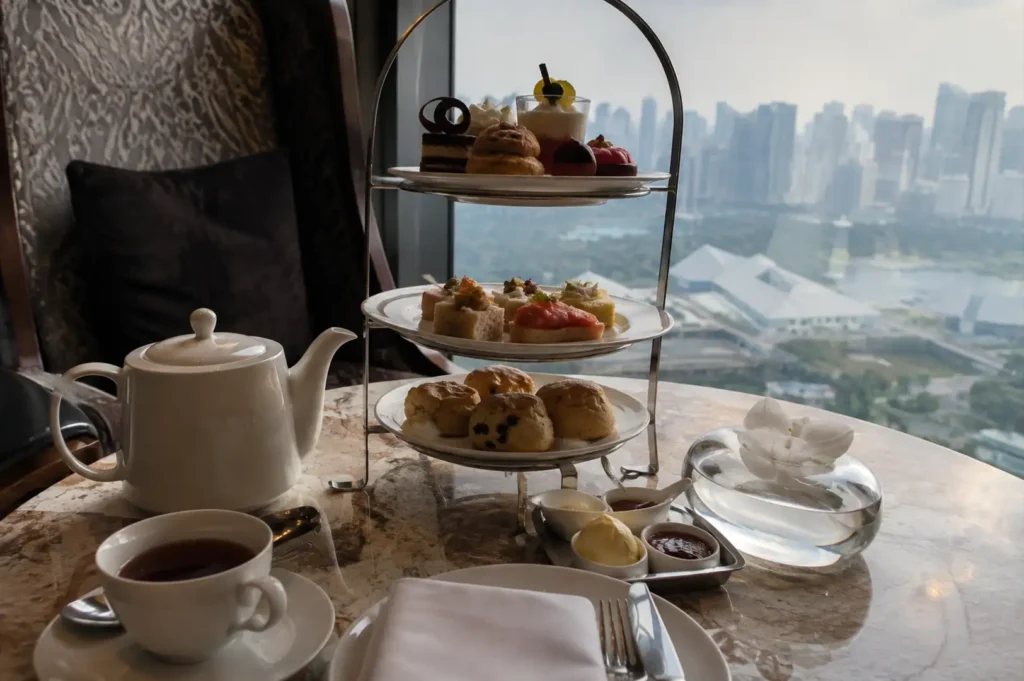
Hear me out: high tea is one of the most convincing ways we have found to make snacking feel important.
I understand the appeal. The room is polished, the cups are delicate, and everything arrives in miniature. There is something satisfying about sitting down in the middle of the afternoon and behaving as though time has stopped for us.
But lately, I have started to think that high tea asks too much of the performance and too little of the food.
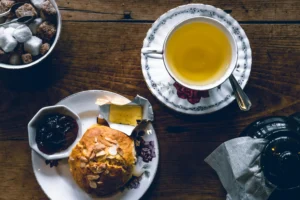
The sandwiches are often forgettable. The pastries look better than they taste. The scones arrive beside tiny jars of jam, as if presentation might rescue them from being dry. Then there is the tea itself, which is somehow treated as both essential and secondary.
What we are really paying for is permission to linger.
That is not necessarily a bad thing. In a city that rewards speed, a slow afternoon has real value. I enjoy sitting somewhere comfortable without being rushed. I like long conversations, proper cups, and the feeling that the day does not need to be productive.
But I do not think those pleasures require a three-tiered stand.
A good café can offer the same pause with one excellent cake and a properly brewed pot of tea. A quiet restaurant can give us attentive service without turning every bite into an ornament. Even an afternoon at home can feel luxurious when the phone is put away and no one is watching the clock.
High tea has become less about appetite and more about proving that we know how to leisure correctly.
That may be why it photographs so well. It gives shape to an otherwise ordinary afternoon. It makes rest look organised.
Still, I would rather have one memorable pastry than six decorative ones. I would rather drink tea because it is good, not because it completes the table.
So yes, high tea can be elegant. It can be enjoyable. It can even be worth the money.
But most of the time, I suspect we are paying for the idea of slowing down when we could simply choose to slow down ourselves.

Is a Yixing Teapot Worth It? A Singapore Tea Guide
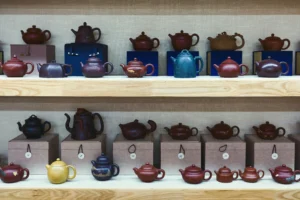
In many Singapore teaware shops, a Yixing teapot immediately draws attention. This iconic piece of Yixing pottery is crafted from unique purple clay found only in the Yixing region of China, west of Taihu Lake in Jiangsu Province. Yixing has a rich heritage in Chinese art and pottery, with production dating back to the Neolithic…

Tea Gift Sets: Curating Meaningful Moments, One Steep at a Time
Tea has long been associated with care, connection, and quiet intention. Across cultures, it is shared during moments of reflection, conversation, and celebration. Offering tea gift sets carries this meaning forward, creating a gesture that feels both personal and considered. Unlike many conventional gifts, tea sets invite time. They are not rushed or consumed all…
-
The Last Sip of Tea and What It Teaches
There is a moment in every cup that arrives quietly. The last sip. It comes softer than the first. The tea has given almost everything it holds. The warmth lingers, the flavour has softened, and only a gentle echo of the leaves remains. We lift the cup, tilt it slowly, and suddenly the moment feels…
-
Teaware Shop 101: A Beginner’s Guide to Tea Ware, Sets, and What You Actually Need
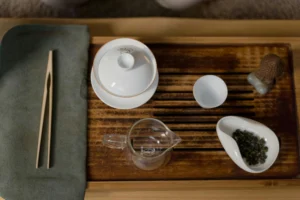
Stepping into a traditional teaware shop in Singapore’s Chinatown can be overwhelming. Shelves brim with porcelain teacups, raw clay teapots, and bamboo trays, all inviting yet unfamiliar. Many people feel unsure about what matches their tea or worry about buying unnecessary items. Whether you’re looking to drink tea in style, find the perfect tea…

Tea Leaves Singapore: How to Choose and Enjoy Every Cup
Tea begins long before it reaches your cup. It starts in quiet mountain regions where climate, soil, and tradition shape every leaf. From China to Japan and Taiwan, each origin brings its own character, creating a diverse and evolving world of tea. In Singapore, tea has become both a daily ritual and a refined indulgence….
-
The Matcha Craze and Why It’s Okay to Be Skeptical
Matcha is everywhere. In smoothies, lattes, ice cream, even in brownies. It’s the trendiest ingredient right now, and it’s easy to get swept up in the hype. But is it really as magical as they say? When matcha first became popular, it was celebrated for its health benefits: antioxidants, boosting metabolism, improving focus. Suddenly, everyone…
-
A Quiet Guide To The Best Tea Houses In Singapore For Chinese Tea Appreciation
There is a difference between drinking tea and making time for it. Only the best tea houses in Singapore understand this deeply. They don’t treat traditional Chinese tea as decoration or a quick gesture. Instead, they create ideal conditions: a warmed pot, a quiet table often on a serene floor, premium tea leaves, and enough…
-
Where Tea Complements Coffee: Discover the Best Pairings at Apartment Coffee Singapore
Introduction When you think of Apartment Coffee Singapore, the first thing that probably comes to mind is their expertly brewed coffee. The café, located along Selegie Road, is well-known for its exceptional coffee experiences, from beautifully crafted lattes to the bold espresso. But what sets this coffee shop apart is something you might not expect-its…
-
Izakaya Nijumaru: Discover the Best Tea Pairings at This Japanese Restaurant
Introduction Tucked away in Cuppage Plaza, Izakaya Nijumaru stands as a testament to the charm of traditional Japanese dining with a relaxed, welcoming atmosphere. Known for its hearty, bold flavours and laid-back vibe, this Japanese restaurant isn’t just a place to enjoy good food-it’s where the experience of eating becomes about more than just what’s…
-
KOMA Singapore: A Dramatic Japanese Restaurant with a Quiet Tea Finish
Introduction Most people arrive at KOMA Singapore, a stunning venue by Tao Group Hospitality located in Marina Bay Sands, expecting a spectacle. And to be fair, that is exactly what they get. From the moment guests enter, the experience begins with glowing vermillion arches inspired by Kyoto’s Fushimi Inari Shrine, leading into a dining space…