Hear me out: high tea is one of the most convincing ways we have found to make snacking feel important.
I understand the appeal. The room is polished, the cups are delicate, and everything arrives in miniature. There is something satisfying about sitting down in the middle of the afternoon and behaving as though time has stopped for us.
But lately, I have started to think that high tea asks too much of the performance and too little of the food.
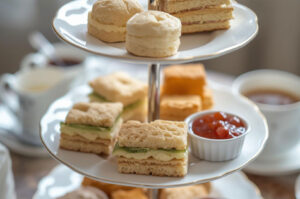
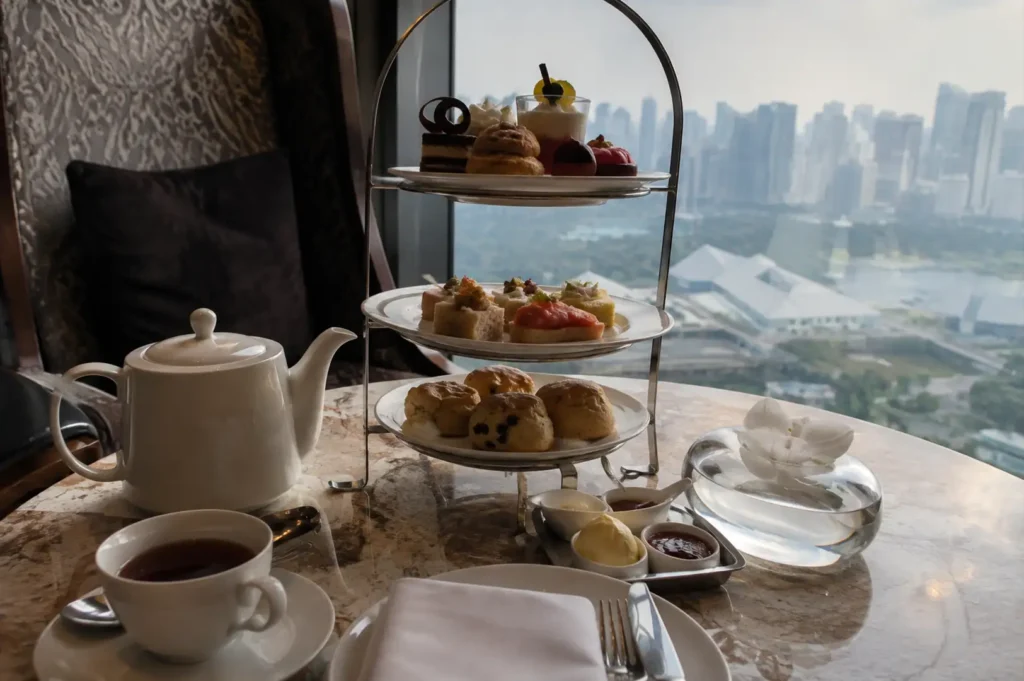
The sandwiches are often forgettable. The pastries look better than they taste. The scones arrive beside tiny jars of jam, as if presentation might rescue them from being dry. Then there is the tea itself, which is somehow treated as both essential and secondary.
What we are really paying for is permission to linger.
That is not necessarily a bad thing. In a city that rewards speed, a slow afternoon has real value. I enjoy sitting somewhere comfortable without being rushed. I like long conversations, proper cups, and the feeling that the day does not need to be productive.
But I do not think those pleasures require a three-tiered stand.
A good café can offer the same pause with one excellent cake and a properly brewed pot of tea. A quiet restaurant can give us attentive service without turning every bite into an ornament. Even an afternoon at home can feel luxurious when the phone is put away and no one is watching the clock.
High tea has become less about appetite and more about proving that we know how to leisure correctly.
That may be why it photographs so well. It gives shape to an otherwise ordinary afternoon. It makes rest look organised.
Still, I would rather have one memorable pastry than six decorative ones. I would rather drink tea because it is good, not because it completes the table.
So yes, high tea can be elegant. It can be enjoyable. It can even be worth the money.
But most of the time, I suspect we are paying for the idea of slowing down when we could simply choose to slow down ourselves.

The Complete Guide to Drinking Green Tea: Health Benefits, Brewing Techniques, and Cultural Traditions
For over 4,000 years, drinking green tea has been more than just a beverage choice-it’s been a pathway to wellness, mindfulness, and cultural connection. A cup of green tea offers a range of possible health benefits, supported by a growing body of scientific research exploring green tea benefits. Today, drinking green tea has become one…
-
Butter Tea Nutrition: Survival Through Tea in High Altitudes
Imagine waking up to a world where the air is thin and every breath feels like an effort. The wind outside is sharp, cutting across snow-covered peaks that stretch endlessly toward the sky. This is life at high altitudes-where the human body must constantly adapt to reduced oxygen levels, cold climatic conditions, and intense physical…
-
From Street Corners to Family Homes: The Social Geography and Cultural Significance of Indian Chai Culture
The air hangs thick with the sweet, spicy aroma of cardamom, ginger, and cloves mingling with the robust scent of boiling black tea and milk. The rhythmic clinking of glass against metal, the hiss of the gas stove, and the low hum of conversation create a familiar soundtrack. This is the sensory world of Indian…
-
Seasonal Aesthetics in the Korean Tea Ceremony: Reflecting Nature’s Rhythm and Subtle Beauty
Imagine sitting in a quiet, sunlit hanok-a traditional Korean house-its polished wooden floors warm beneath you. Before you rests a simple tea tray adorned with earthenware cups and a graceful teapot, each featuring intricate designs that showcase the detailed craftsmanship and artistry of Korean teaware. Outside, a soft breeze carries the aroma of blossoming flowers….
-
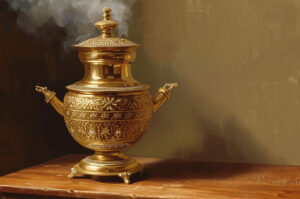
The Samovar’s Role in Russian Tea Culture: How This Unique Device Shaped Russian Tea Tradition
Picture a cozy room in the heart of a Russian winter, snow blanketing the world outside. Inside, at the center of a family table, stands a gleaming metal urn, steam gently puffing from its chimney. This is the samovar-the traditional self-boiler that has shaped Russian tea culture for centuries. More than a tool to heat…
-
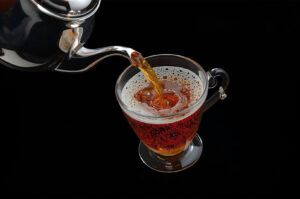
The Art of Pouring: Height, Froth, and Hospitality in Moroccan Tea Service
Imagine this: you’re seated on low cushions in a Marrakech riad, surrounded by patterned tiles and the scent of spices wafting through the air. Your host approaches with a polished silver teapot, or berrad, holding it high above a small glass. A thin stream of steaming green tea flows gracefully, landing perfectly in an ornate…
-
British Tea Traditions: Beyond Cucumber Sandwiches and Modern Tea Accompaniments
The ritual of British tea-especially the celebrated afternoon tea-conjures a very specific image: tiered cake stands laden with delicate finger sandwiches, fluffy scones, and exquisite cakes. This cherished tradition, born in the 1840s, is often attributed to Anna, the seventh Duchess of Bedford, who sought a small meal to bridge the long gap between lunch…
-
The Dance of Aroma: Appreciating Tea Through All Senses in Gongfu Cha
Imagine a wisp of steam carrying the scent of orchids from a tiny tea cup, a fragrance so vivid it transports you to a misty mountainside in China. This sensory immersion lies at the heart of the gongfu cha method, the traditional Chinese tea ceremony where every movement, from handling the tea leaves to pouring…
-
Japanese Tea Ceremony Principles: Harmony, Respect, Purity, and Tranquility
In a quiet tea room, a host moves with deliberate grace. The sound of hot water being ladled from an iron pot fills the air. This is the Japanese tea ceremony, known as Chanoyu or the Way of Tea, an art form that transforms the simple act of drinking tea into a profound experience. Far…
-
Beyond Chamomile: Exploring Lesser-Known Herbal Infusions from Around the World
Tea is one of the most popular drinks worldwide, cherished for centuries as much for its taste as for its role in tradition and culture. While many people immediately think of green tea, black tea, or perhaps a steaming mug of mint tea, the spectrum of herbal infusions—blends using various herbs, fruits, and flowers—offers countless…