Hear me out: high tea is one of the most convincing ways we have found to make snacking feel important.
I understand the appeal. The room is polished, the cups are delicate, and everything arrives in miniature. There is something satisfying about sitting down in the middle of the afternoon and behaving as though time has stopped for us.
But lately, I have started to think that high tea asks too much of the performance and too little of the food.
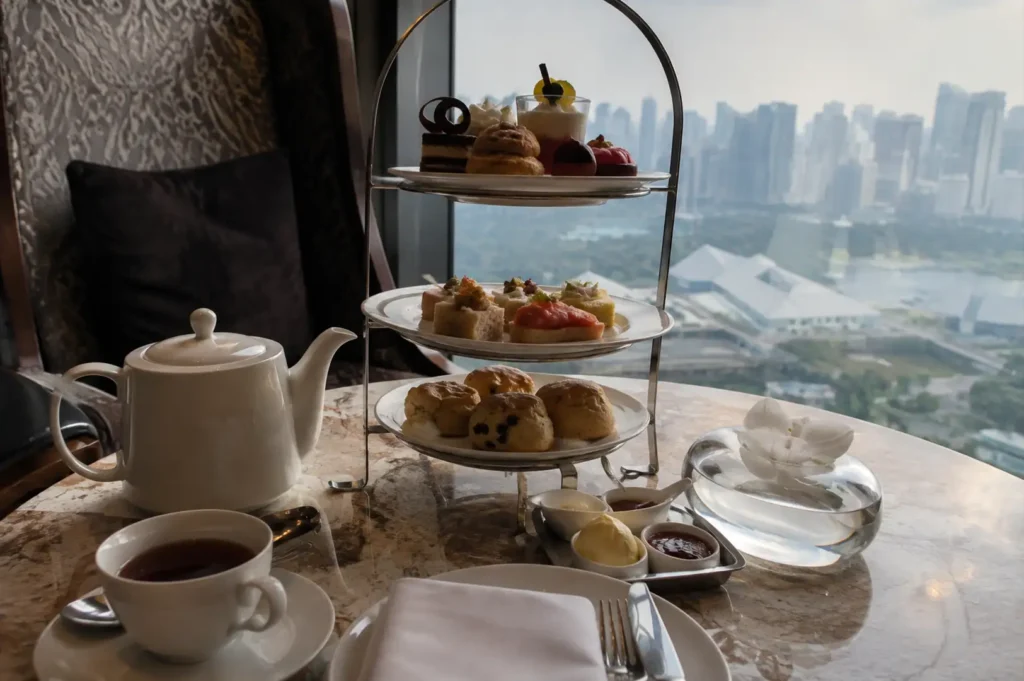
The sandwiches are often forgettable. The pastries look better than they taste. The scones arrive beside tiny jars of jam, as if presentation might rescue them from being dry. Then there is the tea itself, which is somehow treated as both essential and secondary.
What we are really paying for is permission to linger.
That is not necessarily a bad thing. In a city that rewards speed, a slow afternoon has real value. I enjoy sitting somewhere comfortable without being rushed. I like long conversations, proper cups, and the feeling that the day does not need to be productive.
But I do not think those pleasures require a three-tiered stand.
A good café can offer the same pause with one excellent cake and a properly brewed pot of tea. A quiet restaurant can give us attentive service without turning every bite into an ornament. Even an afternoon at home can feel luxurious when the phone is put away and no one is watching the clock.
High tea has become less about appetite and more about proving that we know how to leisure correctly.
That may be why it photographs so well. It gives shape to an otherwise ordinary afternoon. It makes rest look organised.
Still, I would rather have one memorable pastry than six decorative ones. I would rather drink tea because it is good, not because it completes the table.
So yes, high tea can be elegant. It can be enjoyable. It can even be worth the money.
But most of the time, I suspect we are paying for the idea of slowing down when we could simply choose to slow down ourselves.

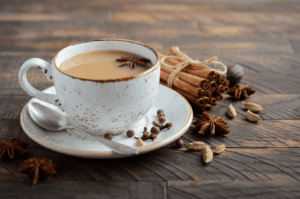
Masala Chai Origins: The Cultural Evolution of India’s Spiced Tea Tradition
The rhythmic clanging of metal kettles echoes through narrow lanes as steam rises from countless chai stalls across India. The intoxicating aroma of cardamom, cinnamon, and fresh ginger mingles with robust black tea, creating an olfactory symphony that has captivated souls for centuries. This is masala chai-not merely a beverage, but a cultural phenomenon that…
-
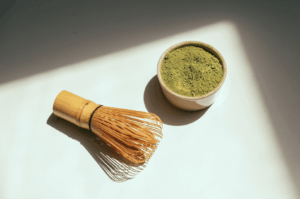
Matcha Tea: The Versatile Japanese Green Tea Powder
The vibrant green powder that transforms simple hot water into liquid jade has captivated tea enthusiasts worldwide. Matcha tea represents more than just a trendy beverage-it’s a bridge connecting ancient Japanese traditions with modern culinary innovation. This unique form of powdered green tea offers endless possibilities, from meditative ceremonial drinking to creative kitchen applications that…
-
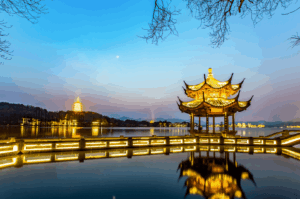
The Dragon Well Legacy: Exploring China’s Legendary Longjing Tea
Among the world’s most revered green teas, few carry the prestige and cultural significance of China’s legendary Dragon Well. This premium tea has captivated tea enthusiasts for centuries, earning its place as an imperial favourite and modern icon alike. From its mystical origins at West Lake to its meticulous processing methods, Longjing represents the pinnacle…