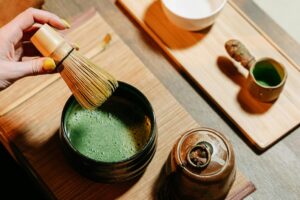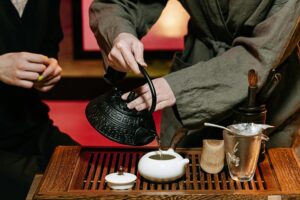
I forgot, for a moment, that I was indoors at Hortus, the Mediterranean restaurant nestled within the Flower Dome at Gardens by the Bay.
There were trees above me, real ones, and the air held that cool, green stillness you usually find early in the morning somewhere far from the city. A leaf drifted down from somewhere. I watched it land on the table beside my teacup.
I visited on a weekday afternoon, arriving a little after two, mostly to escape the sun and bustle pressing down outside. What I found instead was a room that had quietly borrowed the calm of an active garden and made it the whole point of the meal.
This is a Hortus afternoon tea review, but honestly, the tea was only part of what stayed with me.
First Impressions of Hortus in the Flower Dome at Gardens by the Bay
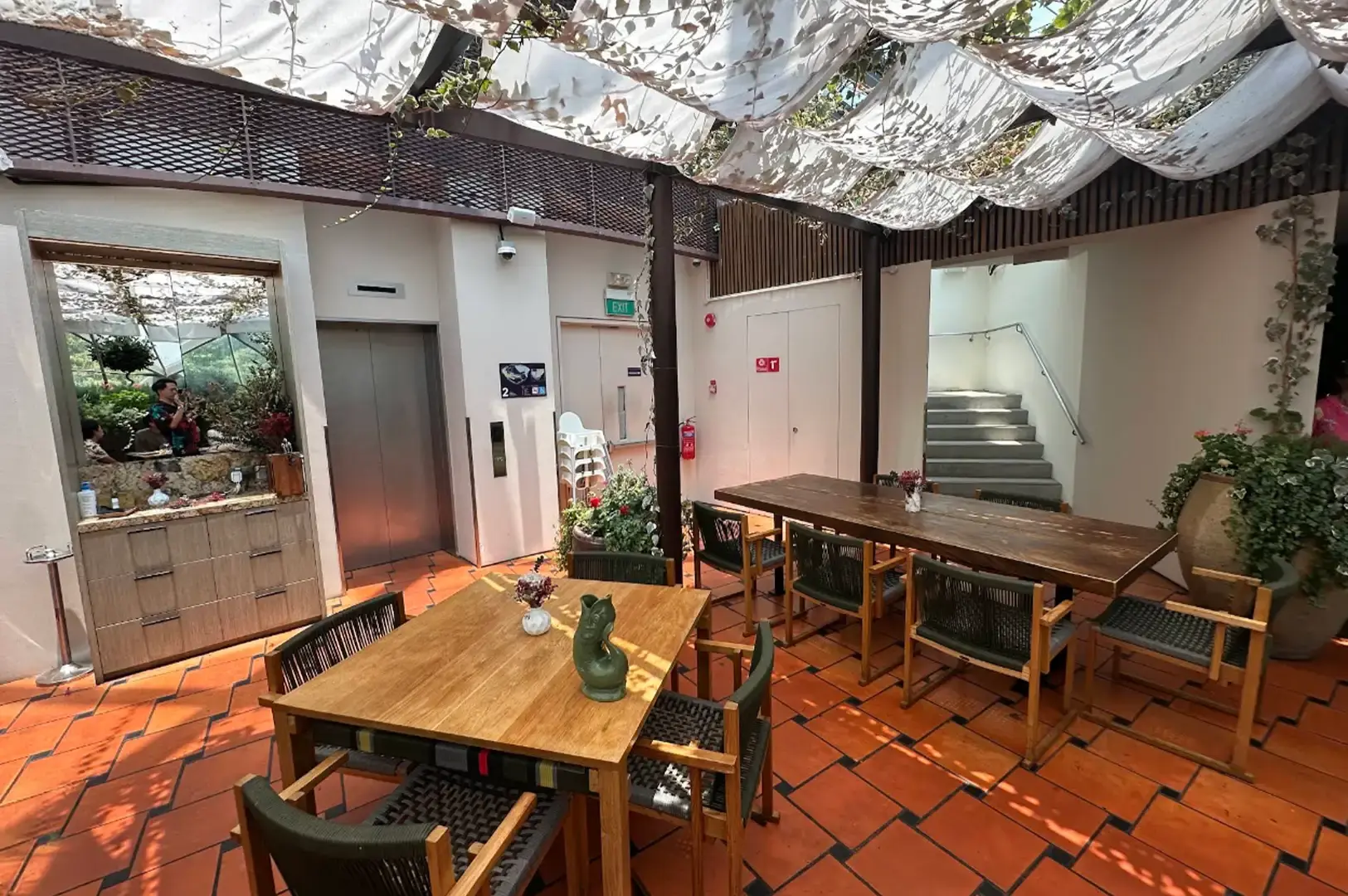
Hortus sits inside the Flower Dome at Gardens by the Bay, tucked into the conservatory rather than perched above the skyline like so many places chasing a view.
Getting there felt like a small journey in itself. There's a complimentary buggy ride from the main entrance for guests, which I used, and it added a gentle sense of arrival. You don't just walk in. You're brought in, past vibrant salads and lush greenery, into something set apart.
The first thing my body noticed was the temperature. The dome holds a steady 20°C, cool enough that I was glad I'd thought to bring a light layer. If you feel the cold easily, wear sleeves. I mean that as a genuine tip, not a complaint.
Then came the quiet. Not silence, but a soft hum, the kind you get in a room where nobody feels the need to raise their voice. Plants everywhere. Light filtering down through the dome. I felt my shoulders drop before I'd even sat.
The Afternoon Tea Experience Featuring Mediterranean Sharing Plates and Fresh Flavours
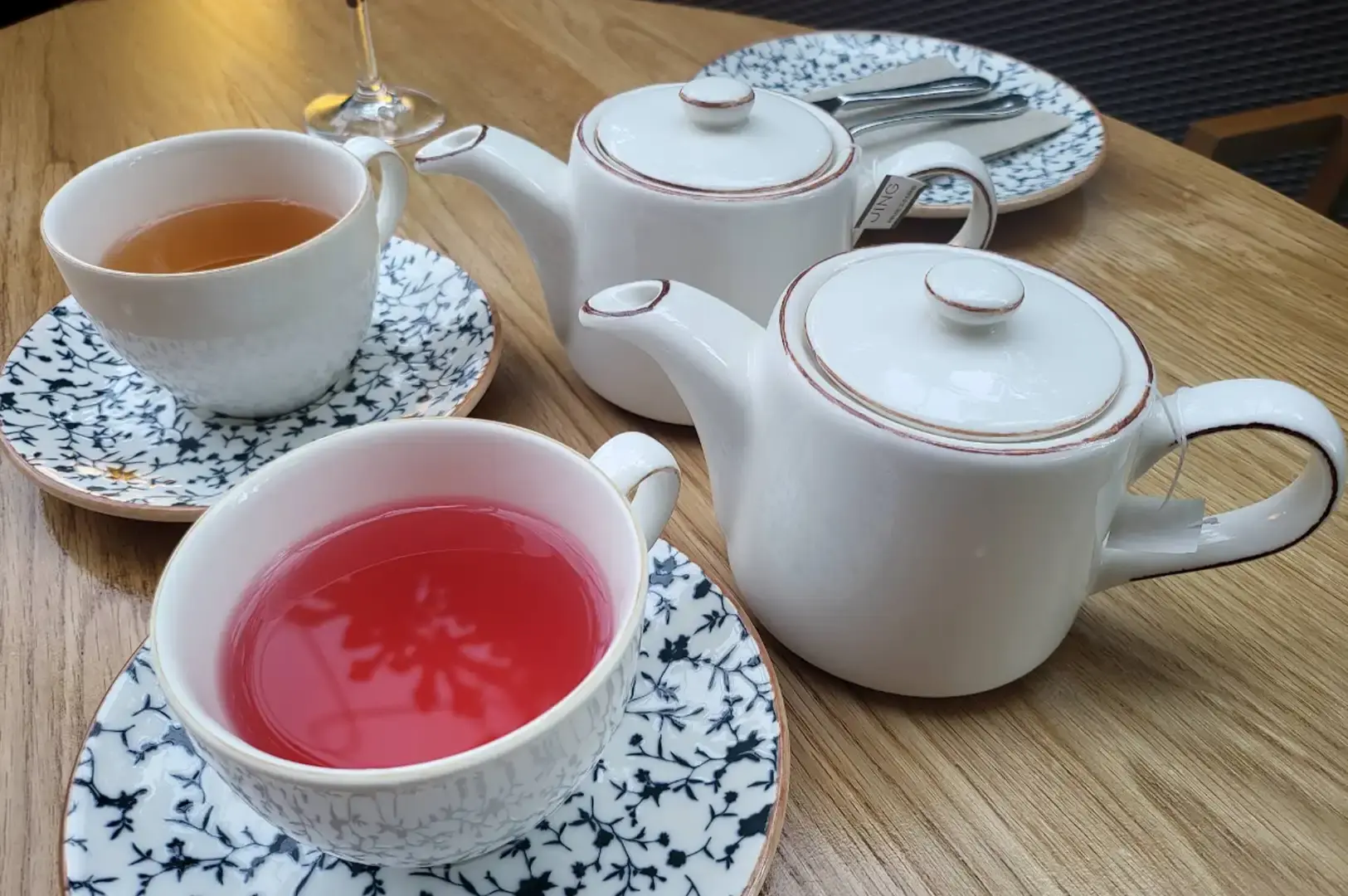
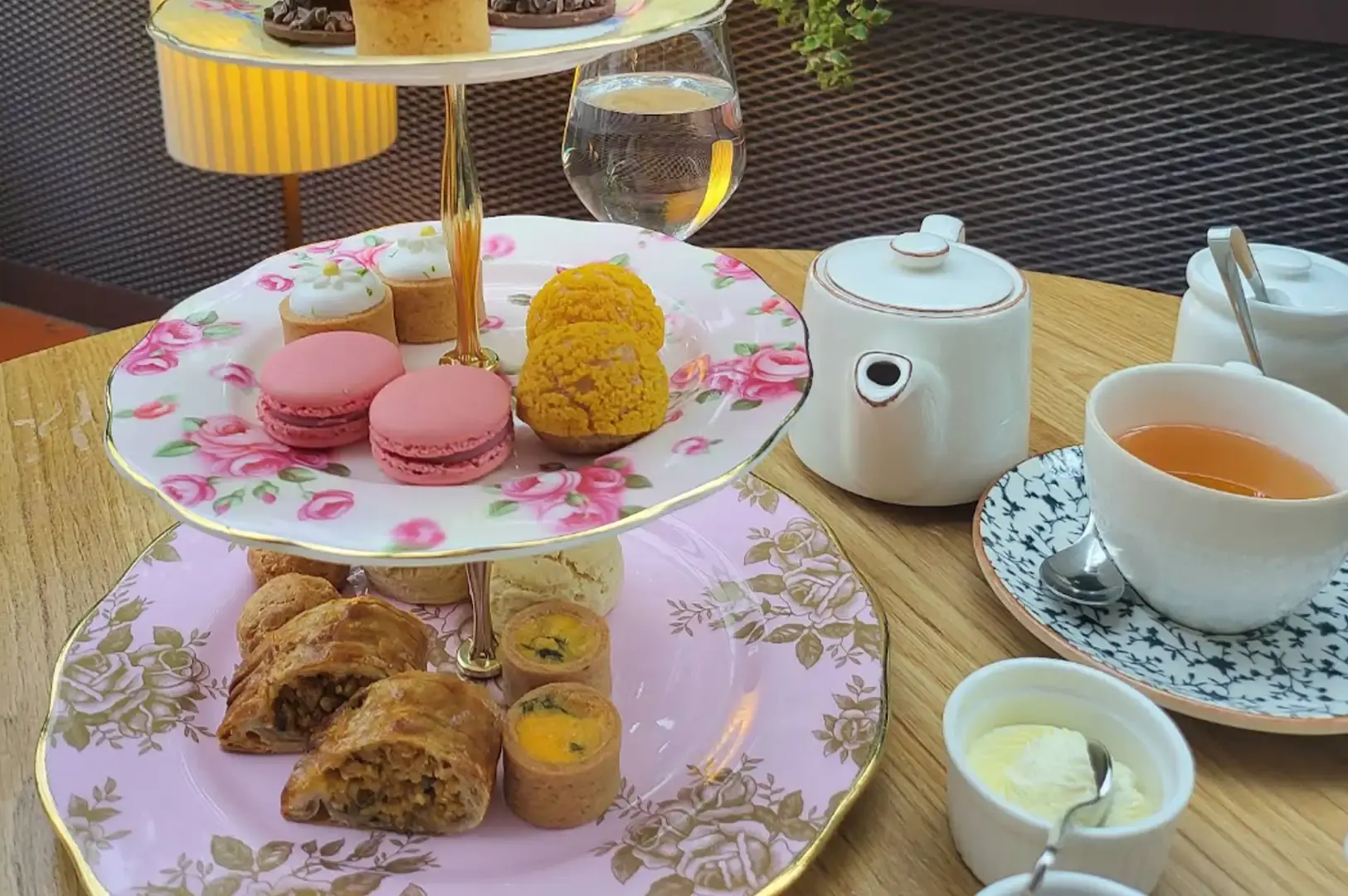
The afternoon tea here runs at around S$58 per diner, and it arrives as ten sweet and savoury canapés with a Devonshire scone.
I'll be plain about this. If you come expecting the towering three-tier stand groaning under pastries, tarts, and sandwiches, this isn't quite that. It's more considered, more plated, closer to a series of small bites than a pile of tradition. I liked that, though I can see it landing differently for someone who measures afternoon tea by quantity.
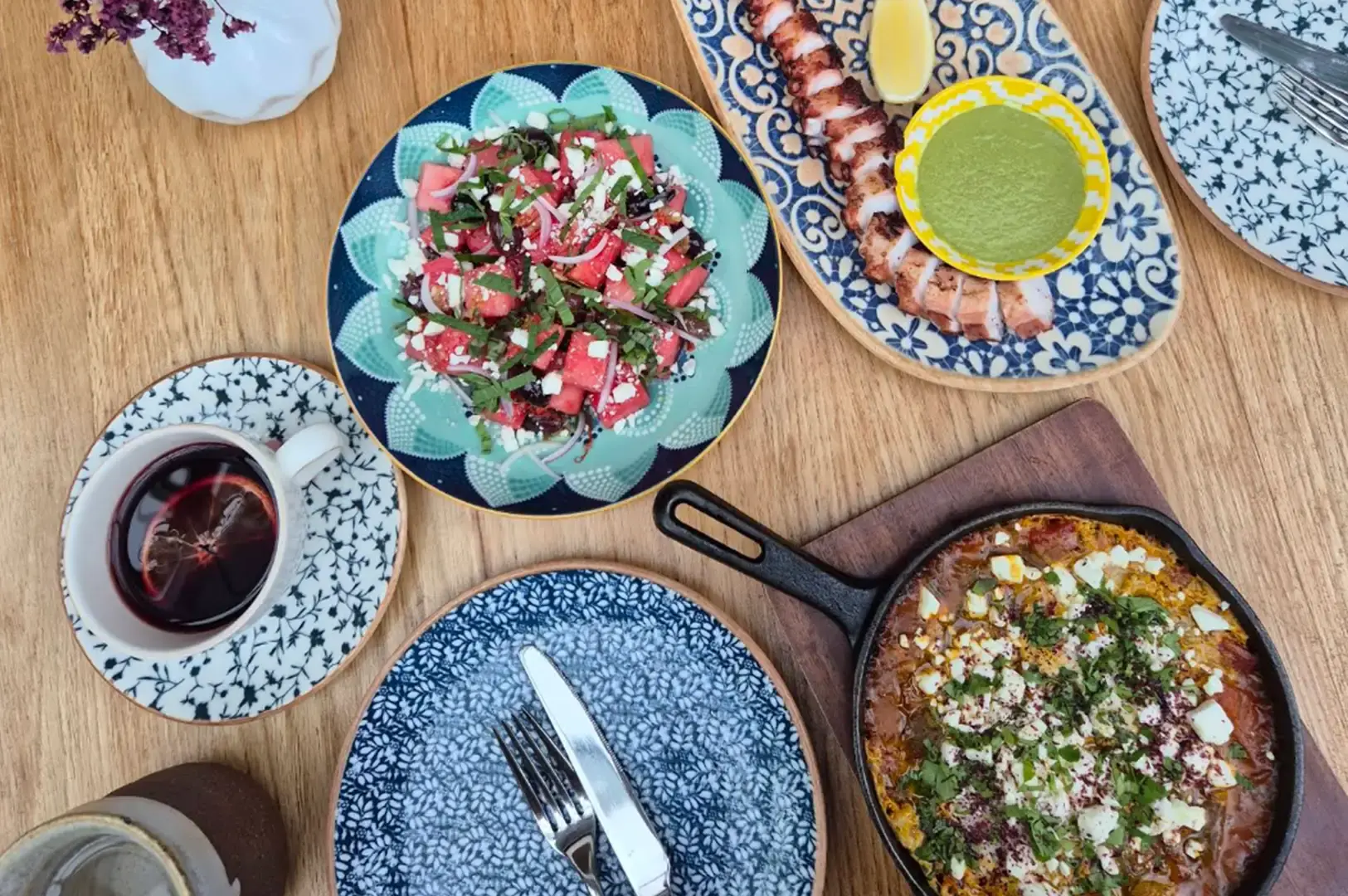
At an invited tasting, I decided to linger over each bite, savoring the textures and aromas that filled the air. The soft flatbread, warm and pillowy, paired beautifully with the creamy dips, hummus and muhammara—that carried a subtle smoky sweetness. The delicate crunch of whitebait added a briny contrast, while the fresh cabbage in the salads provided a crisp, refreshing bite.
The savoury notes hinted at the broader menu offerings, like the wood-fired lamb Adana kebab and the richly seasoned beef dishes, which I looked forward to trying at lunch. The fragrant rice pilaf, dotted with pistachios and drizzled with lemon, promised a perfect balance of earthiness and zest.
Each element seemed to celebrate life’s simple pleasures, the fresh herbs, the vibrant colors, the interplay of textures, inviting guests to slow down and truly appreciate the moment. The kingfish collar, a signature dish on the main menu, came to mind as a reminder of the kitchen’s dedication to quality and flavor.
As the host of this serene experience, Hortus creates a sensory garden where every bite, every scent, and every sight feels thoughtfully curated to delight and nourish.
The Savouries: Bright, Vibrant Salads and Starters Dressed with Olive Oil and Herbs
The savoury pieces leaned Mediterranean, in keeping with the kitchen's wider identity, and they were the part that surprised me most.
There was a brightness to them. Clean, fresh flavours, a little acidity, nothing heavy or drowned in cream. I noticed how fresh everything tasted, the herbs like dill and mint still green, the textures holding their shape rather than going soft under the weight of sitting too long.
Highlights included a cracked wheat salad sprinkled with pomegranate seeds and dressed with lemon and olive oil, and a fennel salad that was light and refreshing. Starters such as fried school prawns and calamari served with lemon aioli made for a creamy and zesty bite, while the yellowtail kingfish crudo was dressed with bergamot, rose, and mint, offering a bright, fresh taste.
They weren't large. A bite or two each, gone quickly. But they were made with care, and care shows. I found myself slowing down on purpose, wanting them to last.
The Sweets: House Churned Vanilla Gelato, Pistachio Gelato, and Cardamom Basbousa
The sweet side arrived pretty, though not showy, which I appreciated.
The Devonshire scone was the anchor. Warm enough, with a proper crumb, the kind you split with your fingers and watch steam a little in the cool air. I'd have happily eaten two. The accompaniments did their job without shouting.
Desserts included house churned vanilla gelato topped with halva and dates, and a cardamom basbousa served alongside pistachio gelato and silky cardamom cream. The sweetness was gentle, not overwhelming, with a hint of rose and the crunch of pistachio adding texture.
A few pastries and tarts were also available at the counter, inviting diners to indulge in a sweet finish to their meal.
The Tea: Warm, Inviting, and a Perfect Companion to the Food and Space
Here is where I'll be truthful, because this is a tea review at heart.
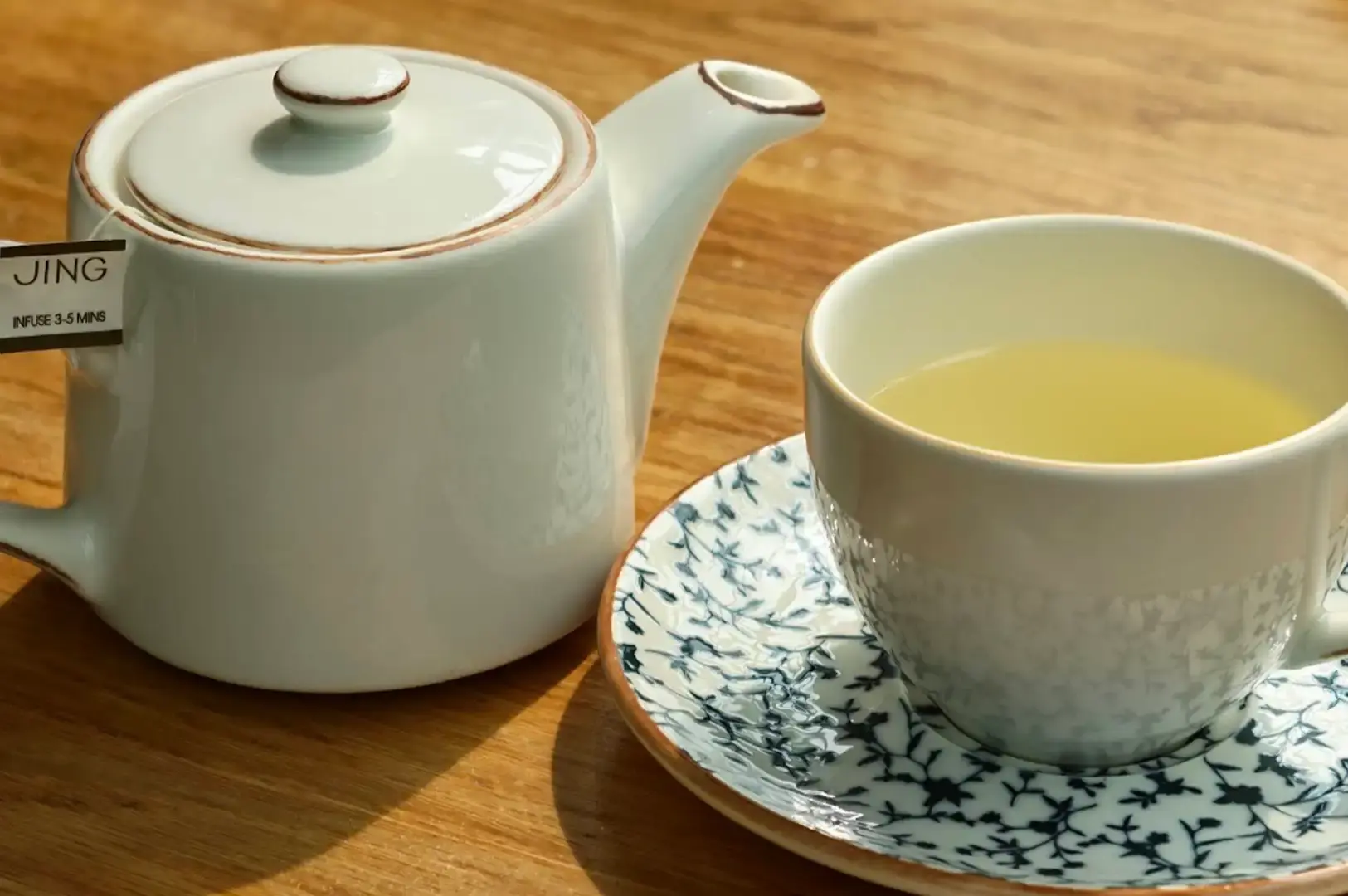
The tea was good. It arrived hot, genuinely hot, poured with attention rather than left to cool while the food took center stage. The aroma lifted cleanly, and it held its warmth in the cup longer than I expected in that cool room. On a chilly afternoon under the dome, a hot cup becomes something you cradle rather than just drink.
But I'd say the tea felt like a companion to the setting rather than the reason for it. The selection is solid and pairs sensibly with the food, the black tea cutting through the richer bites, something lighter sitting easy with the sweets. For a serious tea drinker wanting deep guidance on origin and leaf, though, the focus here is elsewhere.
That's not a failing. It's a choice. The garden is the occasion. The tea keeps it company, warmly and well.
What the Garden Setting Adds to the Hortus Dining Experience
Afternoon tea has always been about the pause more than the food.
It's a ritual built on slowness, on conversation, on the small ceremony of pouring for someone else. Strip away the setting and you're left with sandwiches and cake, pleasant but ordinary. The setting is what turns it into an occasion.
Hortus understands this better than most. The conservatory does something a hotel lounge simply can't. The green overhead, the cool air, the sense of being somewhere quietly removed from the city, all of it slows you down without asking.
I found myself talking less and noticing more. The way the light moved. The distant sound of water somewhere in the dome. This is garden afternoon tea Singapore does uncommonly well, because the garden here is real and all around you, not a painted backdrop or a few potted plants near the window.
Click here to learn more on restaurants that serve tea well for an overall best dining experience.
Service, Comfort, and Practical Details for a Relaxed Meal Surrounded by Gardens
The service was warm without hovering, which is the balance I always hope for and rarely get.
Plates arrived at an unhurried pace. Nobody rushed me toward the bill. The tea was topped up when it needed to be, and I never had to catch anyone's eye and wave. That kind of quiet attentiveness suits the room.
A few honest practical notes:
- The cold is real. At a steady 20°C, bring a jacket or cardigan. I can't stress this enough for anyone who runs cold.
- Book ahead. This is not a place to wander into hopefully, especially on weekends and busy garden days.
- Weekends get crowded. Gardens by the Bay draws large crowds, and traffic and parking can be difficult on peak days. A weekday visit is calmer.
- Use the complimentary buggy ride. It's there for guests and makes the arrival gentler, particularly in the heat.
The seating was comfortable, the noise level low on the weekday I visited. I'd imagine it grows livelier as the afternoon fills, so an earlier arrival gives you the softer version of the room.
What I Liked and What Could Be Better at Hortus Mediterranean Restaurant
What I liked most was the feeling of being somewhere.
Not refuelling. Not ticking off a fashionable spot. Just sitting, in the cool and the green, letting an afternoon stretch out. The savouries were fresh and thoughtful, the scone honest, the tea warm and well handled. The service let me be.
What could be better? A few things, said plainly.
The portions are modest for the price. At around S$58, you're paying partly for the setting, and if you arrive hungry, you may leave wanting a little more. I'd eat something beforehand and treat this as an experience rather than a meal.
For tea lovers in the strictest sense, the tea could say more. It's good, but it isn't the centerpiece, and a little more depth in the selection or explanation would lift the visit further. The setting outshines the cup, and whether that's a flaw depends entirely on what you came for.
Who Should Visit Hortus for Afternoon Tea in the Flower Dome
This is an easy afternoon to recommend, for the right person.
I'd point couples toward it, and friends wanting a slow catch-up somewhere genuinely different. It suits anyone who loves garden dining, who values atmosphere as much as the plate, who wants an afternoon that feels a touch removed from the ordinary. For a birthday, a quiet celebration on a Sunday, or simply a reason to sit still, it fits.
I'd hesitate to send a big eater expecting a filling spread, or a purist coming solely for a serious tea journey. They'd both find the balance tipped away from what they wanted.
But for someone who understands that the best afternoon tea Singapore offers is often about the pause, the place, and the pace, this is a lovely way to spend a few hours.
A Cool, Green Afternoon Worth Having at Hortus Surrounded by Gardens and Fresh Flavours
I left slower than I arrived, which is the truest thing I can say about the visit.
The food was fresh and careful, the sharing plates showcasing bright, Mediterranean flavours with hints of paprika, lemon, and fresh herbs like dill and mint. The tea was warm and honest. But what stayed with me was the room. The trees above the table. The cool air on a hot day. The leaf that drifted down while I drank.
If you're drawn to a Hortus Singapore afternoon tea where the setting is genuinely part of the occasion, and you go understanding that the garden leads and the tea keeps company, I think you'll come away the way I did. Fuller in memory more than in stomach.
Book a weekday table with a reservation. Bring a jacket. Spend a while, and let the garden do the rest.

Tea from Japan: A Journey Through Culture, History, and Varieties
In Japan, tea is not merely a drink; it is a cultural cornerstone, a spiritual discipline, and an integral part of daily life. Tea is an important part of Japanese food culture, traditional ceremonies, and daily routines, reflecting its deep-rooted presence in society. The simple act of preparing and drinking Japanese tea is imbued with…
-
Sobacha: Exploring the Japanese Tradition of Roasted Buckwheat Tea (Sobacha)
Beyond the celebrated world of Japanese green tea lies a treasure trove of comforting, traditional beverages. Among the most beloved is sobacha (そば茶), a nutty and wholesome roasted buckwheat tea. It’s a staple in Japanese households and restaurants, cherished not just for its delightful flavor but for its deep connection to Japanese culinary culture and…
-
Ginger Tea Singapore: A Practical Journey to Finding and Enjoying This Wellness Beverage
Ginger tea is more than just a comforting beverage in Singapore; it’s a staple of modern wellness, a go-to remedy for chasing away the chill of an air-conditioned office, and a familiar taste of home across many cultures. The gentle warmth of ginger tea provides a soothing and invigorating sensory experience, evoking feelings of coziness…
-
Beyond Coffee: Cafe Singapore Cafes Worth Visiting for Their Tea
Author’s Note: I made just a few tweaks here and there to smooth out the flow and make your reading experience as enjoyable as possible. Hope you enjoy the read as much as I enjoyed fine-tuning it for you! If you close your eyes and imagine a typical cafe Singapore scene, you’d likely hear the…
-
Green Tea in Japan: Exploring the Cultural and Social Dimensions of Green Tea in Japan
In Japan, green tea is more than just a beverage; it is a cultural cornerstone, deeply woven into the fabric of daily life, social customs, and national identity. It’s the welcoming drink offered to a guest, the quiet moment of reflection in a busy day, and the centerpiece of a centuries-old ceremony. While many are…

Singapore Ginger Tea: A Complete Guide to Traditional Wellness in the Lion City
In Singapore’s multicultural landscape, ginger tea is a beloved staple that transcends cultural boundaries. Known locally as teh halia, this warming brew embodies centuries of traditional wisdom adapted to modern Singapore life. Whether you seek relief from air-conditioned chill, digestive support after a big meal, or a refreshing sip on a rainy day, Singapore ginger…
-
Loose Tea Leaves: Elevate Your Singapore Tea Experience
In a city that moves as fast as Singapore, the simple act of brewing a cup of tea can feel like a small rebellion—a moment of intentional calm. More and more tea lovers are discovering that this moment is profoundly elevated when they make the switch from conventional tea bags to loose tea leaves. This…
-
Tea Leaf Singapore: An Exquisite Journey of Flavours, Traditions, and Moments
Singapore’s strategic position as a maritime trading hub has nurtured a rich tea culture where ancient traditions blend with modern innovation. The local love for tea runs deep, shaping Singapore’s unique tea culture and fostering a strong appreciation for every cup. Singapore continues to honor its tea traditions while embracing new innovations, ensuring that the…
-
Korean Barley Tea: A Journey into Boricha and Its Rich Traditions
Walk into any Korean restaurant, and before you glance at the menu, a glass of amber-colored boricha (보리차) arrives. This Korean barley tea is as fundamental as water in Korean culture—served hot or cold, a staple in everyday life and a gesture of hospitality. While roasted barley tea is popular across many East Asian countries,…
-
Mugicha Barley Tea: Japan’s Beloved Caffeine-Free Summer Drink Unveiled
Long before green tea became Japan’s iconic beverage, mugicha barley tea—a golden, nutty roasted barley tea—has refreshed Japanese families for centuries. Unlike traditional tea from Camellia sinensis leaves, mugicha is a naturally caffeine free herbal tea made by steeping roasted barley grains in hot water. This traditional barley tea has evolved from an imperial luxury…