Singapore’s strategic position as a maritime trading hub has nurtured a rich tea culture where ancient traditions blend with modern innovation. The local love for tea runs deep, shaping Singapore’s unique tea culture and fostering a strong appreciation for every cup. Singapore continues to honor its tea traditions while embracing new innovations, ensuring that the passion for tea endures through generations.
This guide will immerse you in Singapore’s vibrant tea leaf scene, covering everything from the difference between loose leaf tea and tea bags to mastering brewing and storage in the tropical climate.
Tea Leaf Singapore: Types of Tea Leaves Available
Singapore’s role as a regional trading center provides tea lovers access to an extraordinary range of tea leaves. The variety extends beyond black and green teas to six main types that form any serious collection:
- White teas like Silver Needle and White Peony offer delicate sweetness and require gentle brewing to preserve their natural goodness.
- Green teas dominate collections with varieties such as Longjing and Sencha, providing refreshing, vegetal flavours that delight the palate.
- Oolong teas like Tie Guan Yin and Da Hong Pao offer complex flavours that evolve through multiple infusions, perfect for the traditional gongfu brewing method.
- Black teas include robust Assam and Ceylon varieties, crafted for rich, malty notes ideal for morning or afternoon occasions, often complemented with a splash of cream to enhance the smoothness.
- Pu-erh teas provide aged, earthy complexity, appealing to those who appreciate deep, acquired tastes.
- Herbal teas offer caffeine-free options like chamomile and peppermint, often created through the infusion of herbs, flowers, or fruits. These infusions enhance both the flavor and aroma, and are frequently infused with local ingredients such as pandan for unique Singapore blends.
Many local shops stock unique blends celebrating Singapore’s multicultural heritage, combining tropical elements that reflect the island’s innovative spirit.
Loose Leaf Tea vs Tea Bags: Understanding the Difference
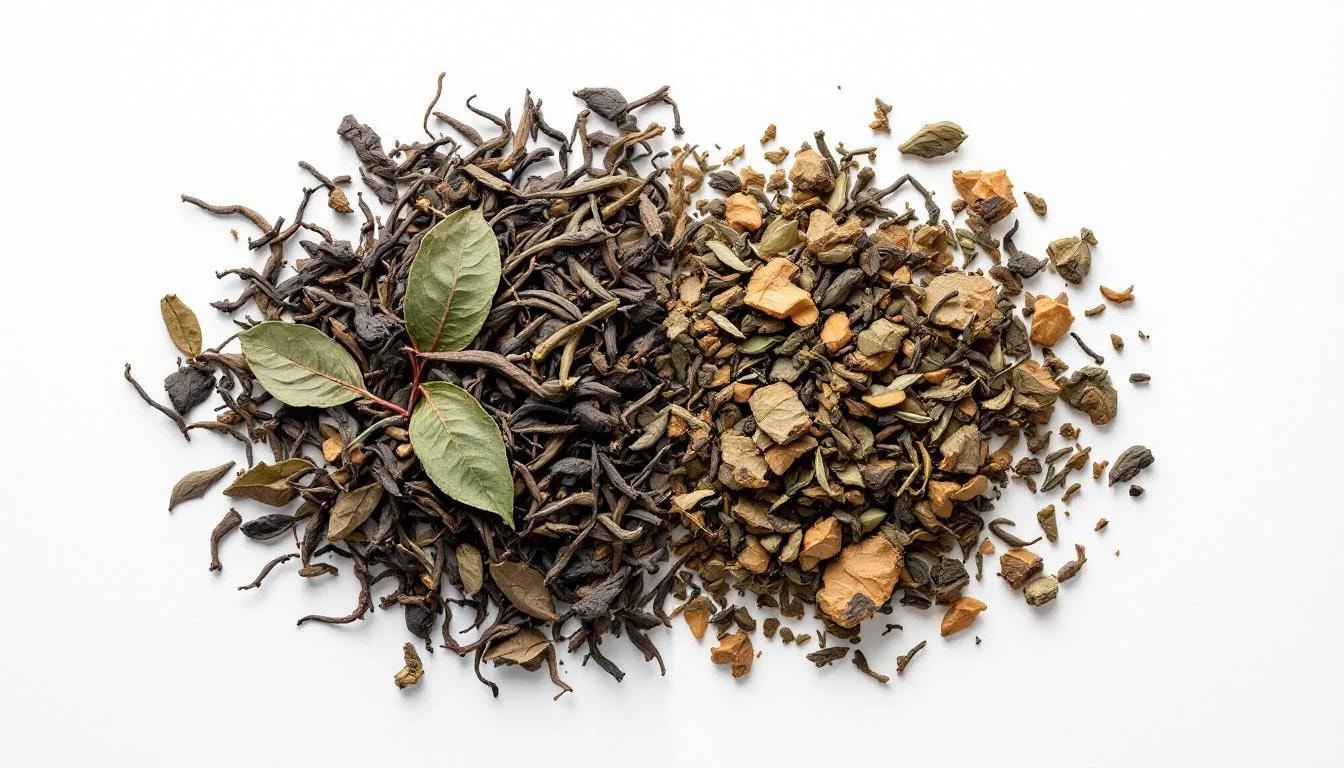
Choosing between loose leaf tea and tea bags is a key decision for tea lovers in Singapore. Loose leaf tea uses whole or large pieces of tea leaves, preserving flavour and aroma through multiple infusions. Loose leaf tea can be steeped several times, with each steeping extracting evolving flavors and allowing you to control the strength and profile of your tea. Tea bags often contain fannings and dust, resulting in a flatter taste and limited brewing flexibility.
Loose leaf tea offers richer, more nuanced flavours and is more economical over time due to multiple steepings. It also produces less packaging waste, making it an environmentally friendly choice. Tea bags remain convenient for travel and office use, but high-quality loose leaf tea is the testament to a refined palate.
Where to Shop Premium Tea Leaves in Singapore
Singapore offers a wide range of places to purchase quality tea leaves:
- Traditional Chinese tea shops in Chinatown, such as Yixing Xuan Teahouse, provide extensive selections and expert advice.
- Specialty retailers like Tea Manor Singapore offer curated varieties and host tasting sessions to help you explore new flavours.
- Modern outlets such as T2 Tea cater to contemporary tastes with elegant packaging and seasonal blends.
- Japanese tea specialists including Tealife focus on authentic matcha and sencha varieties.
- Online platforms like Shopee and Redmart provide convenience and variety for everyday and specialty teas, and make it easy to add your favorite tea products to your cart for a seamless shopping experience with just a click.
- Wet markets and provision shops offer value options and local blends for daily enjoyment.
How to Identify High-Quality Tea Leaves
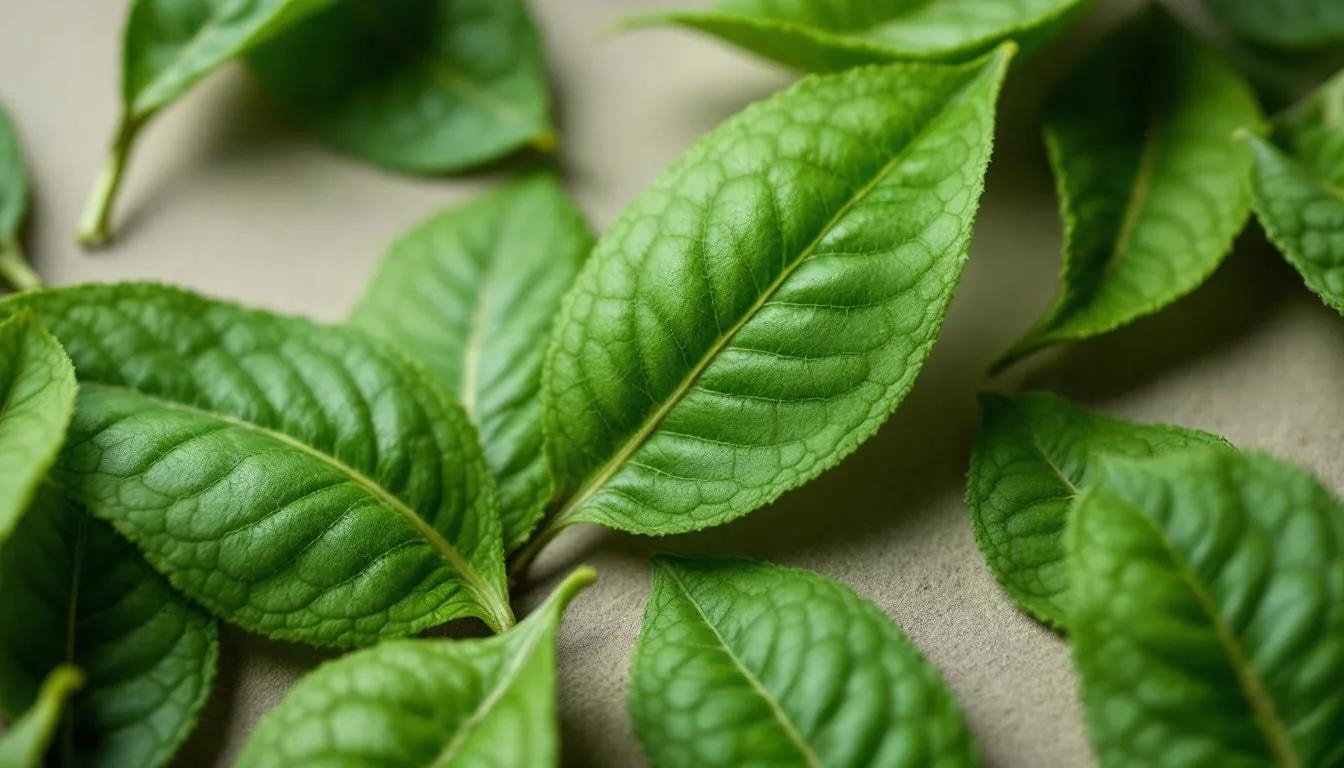
Quality assessment is essential for enjoying every sip:
- Visual inspection: Look for whole, unbroken leaves with vibrant, consistent colours.
- Aroma: Fresh tea leaves emit pleasant scents—floral for oolong, vegetal for green, malty for black.
- Texture: Leaves should feel crisp but not brittle or moist.
- Origin: Reputable sellers provide clear information about tea gardens and harvest dates.
- Price: Extremely low prices may indicate poor quality; understanding typical ranges helps avoid disappointment.
- Vendor knowledge: Staff who can answer questions and guide brewing indicate a trustworthy source; for detailed information on tea quality and brewing, refer to product packaging or official guides.
- Sample tasting: Whenever possible, taste before purchase to experience the tea’s flavour complexity.
Storing Tea Leaves in Singapore’s Tropical Climate
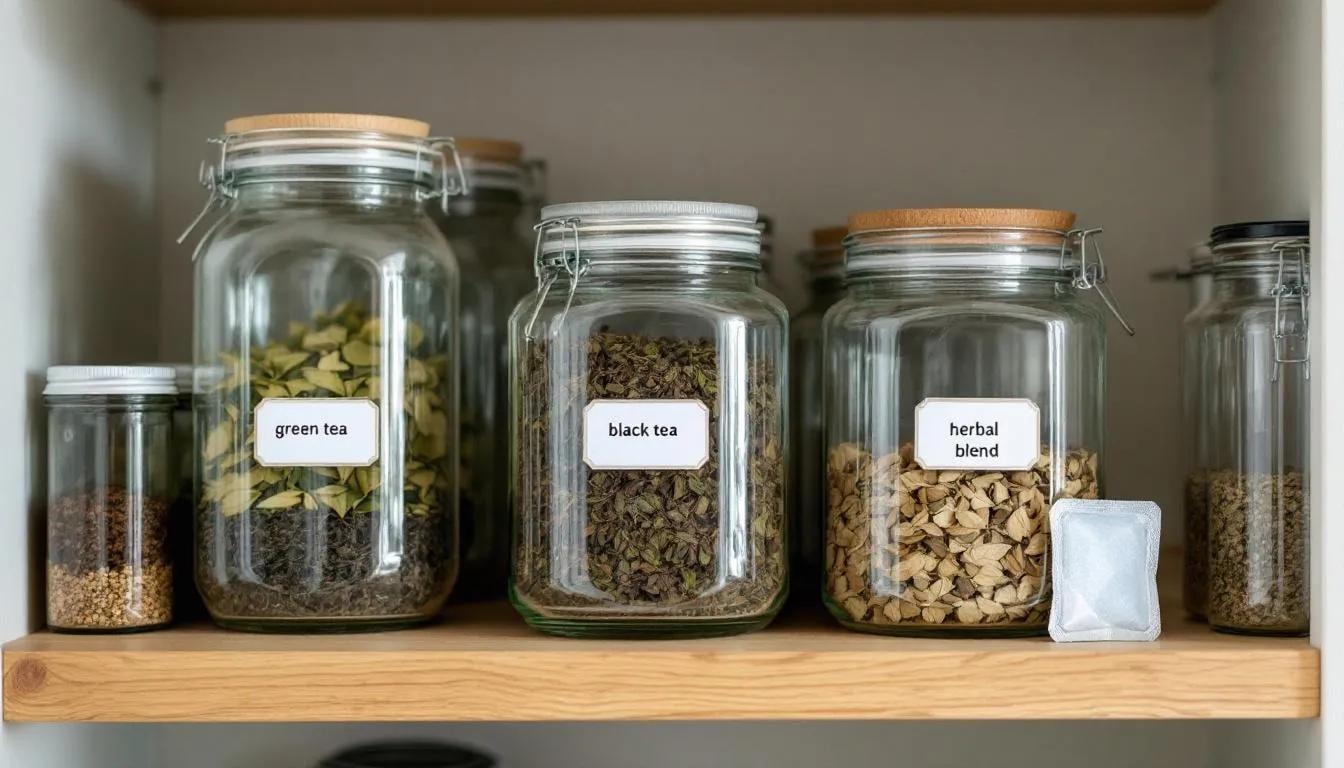
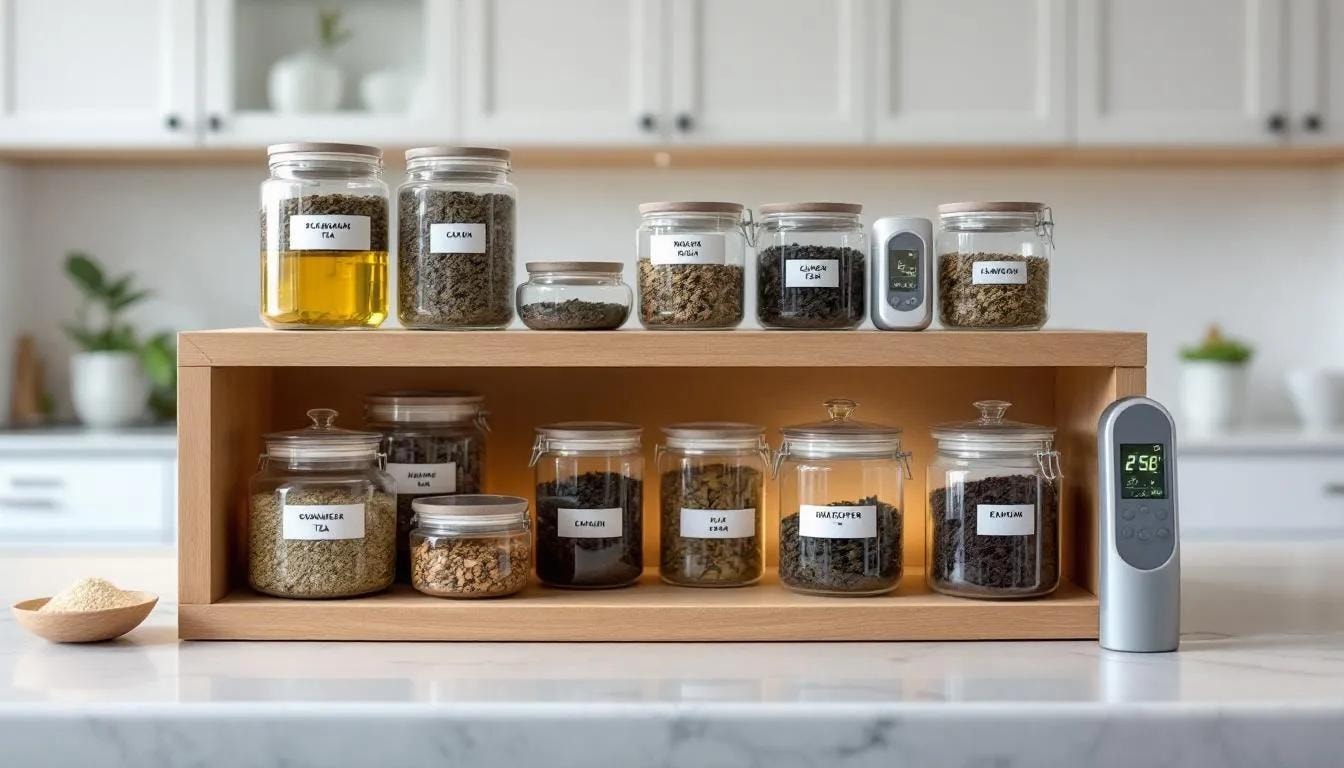
Singapore’s high humidity (80-90%) requires careful storage to preserve tea quality:
- Use airtight containers like glass jars with rubber seals or tin canisters.
- Store tea in cool, dry places away from sunlight and heat.
- Refrigeration is possible for delicate green teas but must be airtight to avoid condensation.
- Avoid storing different teas together to prevent flavour contamination.
- Use silica gel packets to control moisture.
- Regularly check for signs of mold or stale aromas and discard compromised tea.
Brewing Techniques for Different Tea Types
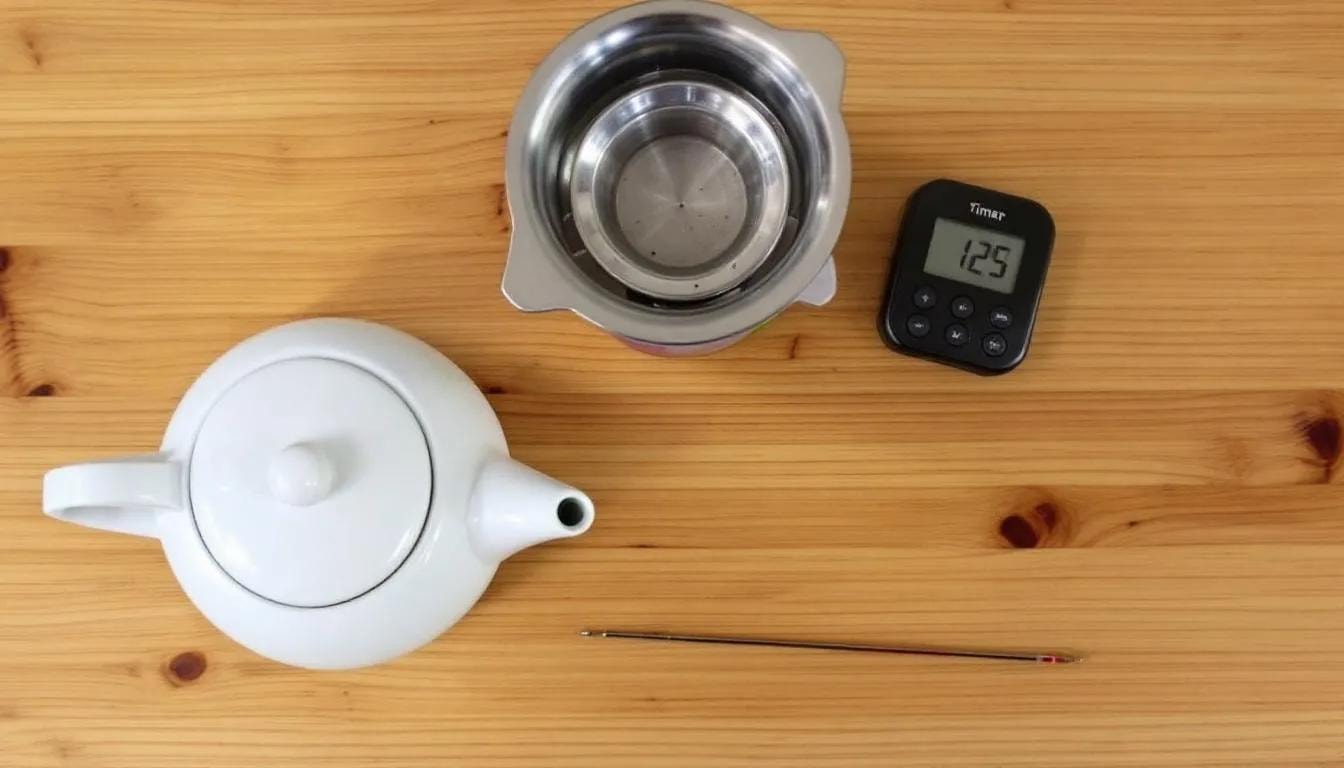
Mastering brewing enhances every cup:
- Use filtered water to avoid chlorine affecting taste.
- Follow temperature guidelines: 70-80°C for green tea, 85-90°C for oolong, 95-100°C for black tea.
- Steep times: 2-3 minutes for green, 3-5 minutes for oolong, 4-6 minutes for black.
- Use about one teaspoon of loose leaf tea per cup.
- Multiple infusions unlock evolving flavours, especially with oolong and pu-erh.
When brewed correctly, certain teas can develop a creamy texture or finish, adding a sense of luxury to your cup. Proper brewing also brings out the natural sweet notes in some teas, enhancing floral or fruity undertones.
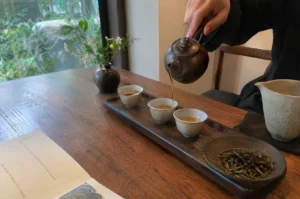
- Traditional methods like the gongfu ceremony highlight tea complexity.
- Use ceramic or glass teapots and avoid metal infusers that restrict leaf expansion.
- Temperature-controlled kettles or thermometers help maintain consistency.
Singapore’s Role as a Tea Trading Hub
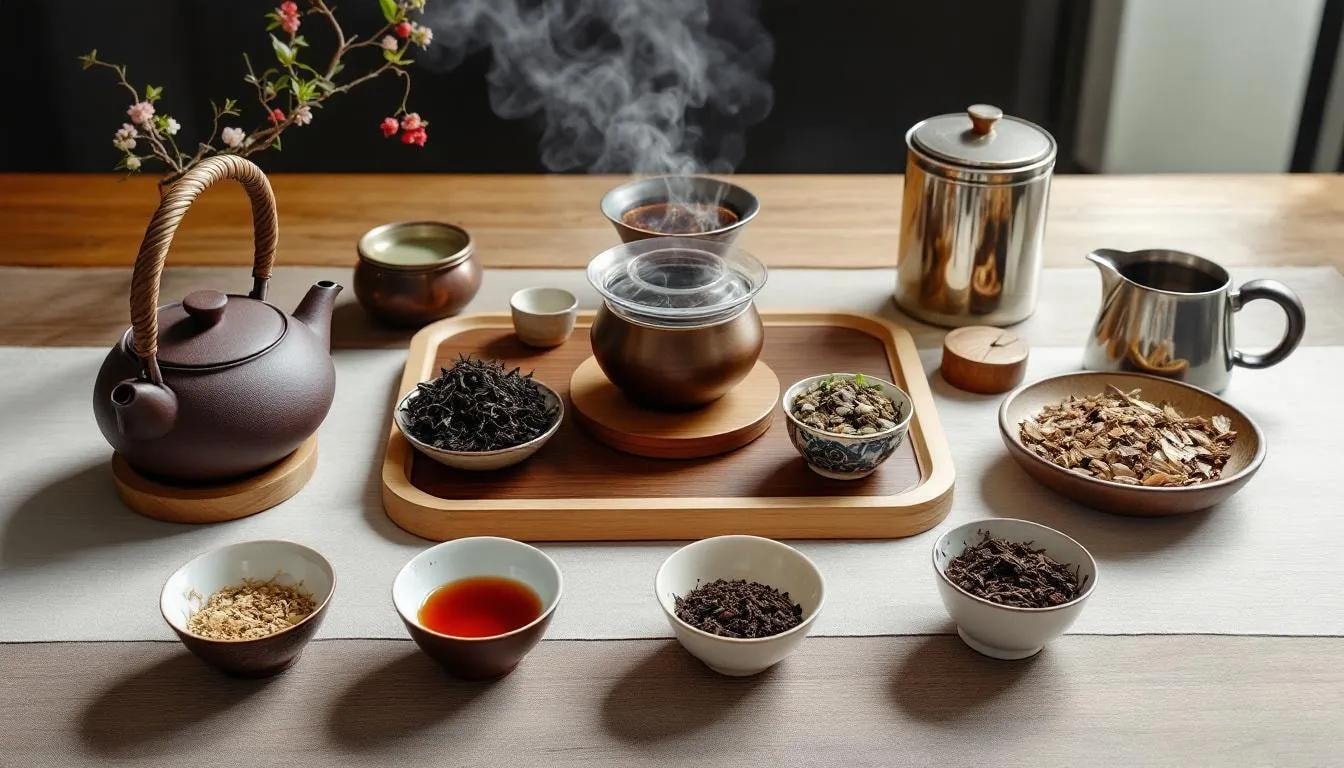
Singapore’s historic and strategic position makes it a key player in the global tea trade:
- Since 1819, it has served as a major port for tea shipments from China, India, and Sri Lanka, handling a lot of tea shipments every year and gaining a lot of experience in the global tea trade.
- Modern infrastructure supports efficient handling and climate-controlled storage.
- Singapore is Southeast Asia’s largest tea re-export center, offering consumers early access to new varieties.
- Trading companies maintain quality assurance and compliance.
- Innovation centers develop new tea products and blends.
- Favorable tax policies and financial stability support competitive pricing.
- Future growth is expected as Asian tea consumption rises.
This status benefits Singapore residents by providing a wide range of quality teas at competitive prices and supporting a dynamic tea culture.
Understanding Tea Leaf Grades and Pricing
Tea grading and pricing in Singapore reflect origin, processing, and demand:
- Chinese grades use descriptive terms like “Special Grade” and “Imperial.”
- Ceylon teas follow British systems with terms like PEKOE and Flowery Orange Pekoe.
- Harvest timing affects flavour and price; first flush teas command premiums.
- Hand-processed teas tend to cost more than machine-processed.
- Famous gardens add prestige and price.
- Pu-erh aging influences value but requires careful evaluation.
- Retail markups vary by venue; knowledgeable retailers add value.
- Seasonal sales, including October promotions, offer buying opportunities. Some retailers also feature special deals or highlighted teas each month, so check regularly for monthly offers.
- Consider cost per serving, as multiple infusions extend value.
A Delightful Conclusion for Tea Lovers: Every Sip Matters
Singapore’s tea leaf scene offers endless opportunities to explore flavours, traditions, and brewing techniques that transform everyday moments into occasions of mindfulness and pleasure. Whether you seek the subtle beauty of white teas, the complexity of aged oolongs, or the refreshing simplicity of green tea, Singapore’s diverse retailers and cultural heritage provide the perfect place to learn, shop, and enjoy.
To deepen your appreciation, take time to read about tea workshops or guides that offer further insights into the art of tea. Every sip offers a chance to immerse yourself in the world of tea, connecting you to Singapore’s rich cultural tapestry and lush tea gardens worldwide. Your palate and mind will thank you for indulging in this crafted experience.

The Problem With “Single-Origin” Tea Obsession
There was a time when knowing where a tea came from was enough. Now, it sometimes feels as though we need to know everything. The mountain. The village. The garden. The harvest date. The particular plot where the leaves were grown. Single-origin tea has become a mark of quality in modern tea culture. The idea…
-
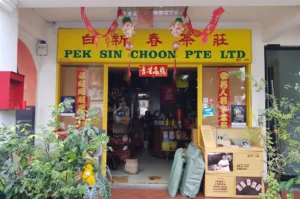
Where Singapore’s Tea Traditions Still Steep: Pek Sin Choon
The first thing I noticed was the smell. Not perfume, not incense. Something warmer and older than both. Roasted tea leaves, drifting out onto Mosque Street before I even reached the door. It’s the kind of smell that makes you slow your steps without knowing why. Pek Sin Choon has been on this corner of…
-
Not All Comfort Is Sweet: The Bitterness I Now Appreciate
I used to think comfort was supposed to be easy. A familiar drink. A familiar taste. Something that immediately made me feel better. For a long time, I gravitated towards teas that were gentle. Soft flavours. Natural sweetness. Anything that felt welcoming from the first sip. Then I started appreciating bitter teas. Not because I…
-
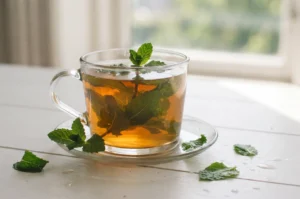
Understanding the Herb Behind the Refreshing Cup: Peppermint Tea
There is a moment, just after the hot water meets the fresh peppermint leaves, when the whole room seems to change. A sharp, green coolness lifts from the cup and settles somewhere behind your eyes. Drinking peppermint tea does this quietly, without fuss. It asks for nothing and offers a great deal. Most of us…
-
Why Most People Hate Oolong: Overcomplicated Advice Ruined It
I have always found it interesting that oolong tea is one of the most misunderstood teas. People often describe it as complicated. Too many varieties. Too many brewing methods. Too many rules. The leaves should be prepared this way. The water should be at this temperature. The teapot should be a certain material. The first…
-
Kempinski Singapore High Tea Review: When Afternoon Tea Feels Like an Occasion
The rain had come and gone by the time I arrived, leaving the street outside slick and quiet. I stepped in without knowing quite what I wanted from the afternoon. Only that I wanted it to be slow. The Lobby Lounge at The Capitol Kempinski Hotel Singapore does not rush you. It waits. And there…
-
Scent, Memory, and a Kettle: How Tea Anchors My Days
There are certain smells that bring us somewhere else before we even realise it. The scent of rain on warm pavement. A familiar perfume. The food someone used to make when we were younger. For me, tea belongs in that category. Sometimes, before I even take a sip, the aroma is enough to bring back…
-
The Chinese Yixing Teapot: More Than a Teapot, a Living Tea Tradition
The first time I held a Chinese Yixing teapot, I wasn’t ready for how warm it would feel. Small, reddish-brown, sitting in my palm like a river stone that had been kept somewhere warm. I’d just rinsed it with hot water, the way you’re supposed to before the first brew, and the clay drank up…
-
Your “Tea Sommelier” Might Be Selling You a Vibe, Not a Better Cup
There is a particular moment that has become increasingly familiar in modern tea culture. A tea is presented. Before the first sip, we are introduced to its story. The region. The altitude. The history. The carefully chosen words that describe its character. Perhaps there are notes of wildflowers, distant forests, roasted grains, or forgotten memories….
-
Does Tea Contain Caffeine? Understanding What’s Really in Your Tea
There’s a quiet moment many of us know well. The kettle clicks off. Steam curls up. You wrap your hands around a warm cup and feel your shoulders drop, just a little. Tea has always carried this sense of calm, of slowing down. So it can feel almost contradictory to ask: does tea contain caffeine?…