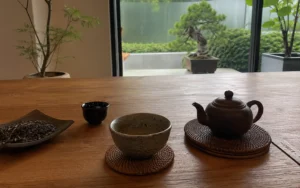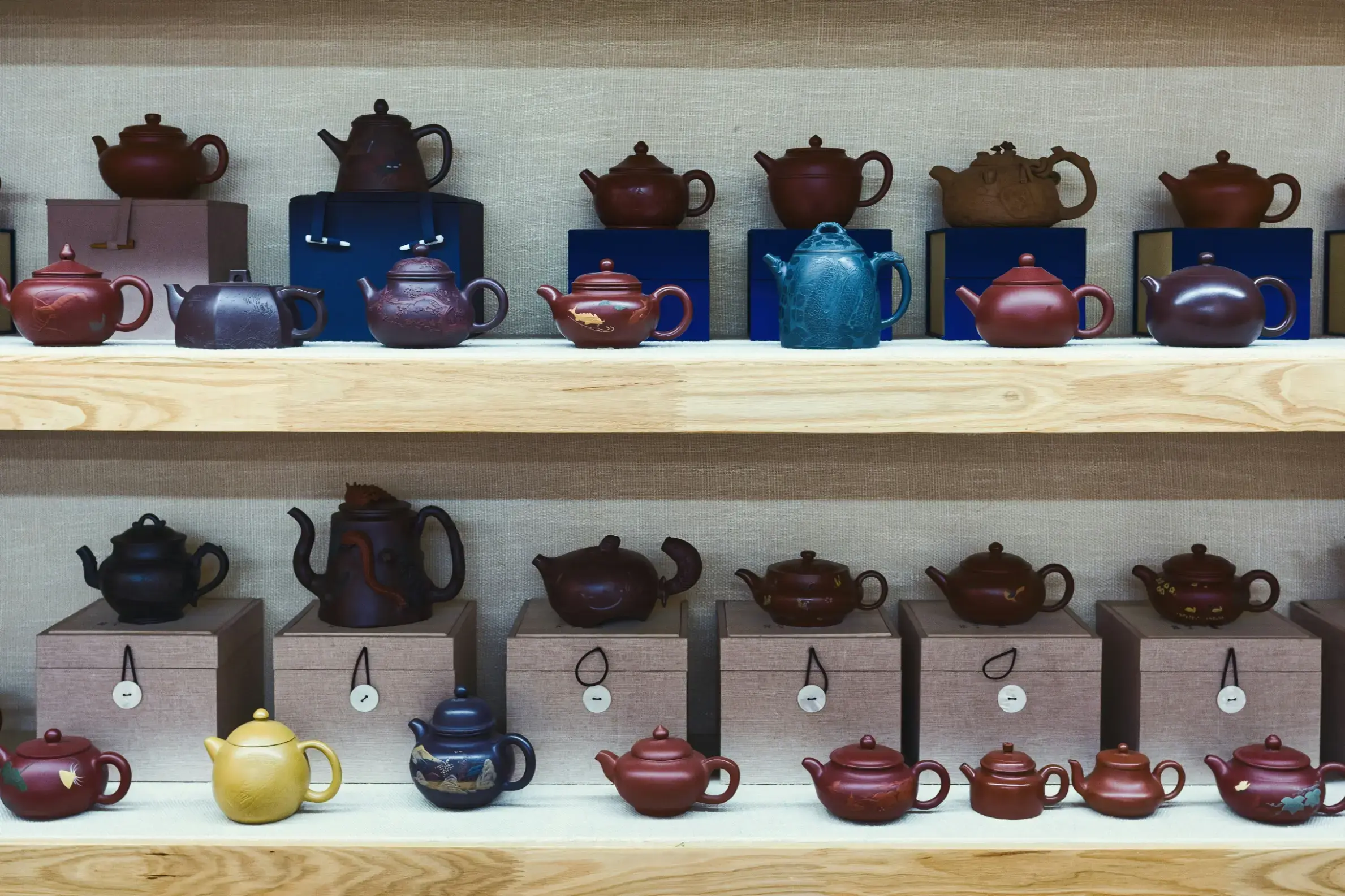
In many Singapore teaware shops, a Yixing teapot immediately draws attention. This iconic piece of Yixing pottery is crafted from unique purple clay found only in the Yixing region of China, west of Taihu Lake in Jiangsu Province. Yixing has a rich heritage in Chinese art and pottery, with production dating back to the Neolithic period and a focus on zisha or 'purple sand' teapots since the 16th century. Its unglazed exterior, muted earth tones like beige and sandy hues, and compact form distinguish it from typical porcelain or glass vessels found in beginner tea sets. These teapots represent the pinnacle of craftsmanship and artistry.
For newcomers interested in traditional brewing tea, the Yixing teapot prompts questions: Does it truly affect the taste and essence of tea? Is it only for advanced users? Is the higher price justified? A zisha teapot is more than decoration; it embodies a centuries-old tradition emphasizing material interaction, patience, and consistency.
The Science Behind Yixing Clay and Yixing Pottery
A common misconception is that a Yixing teapot “infuses minerals” like iron into tea. This is false. The magic lies in the porosity and absorption of the clay.
Yixing clay includes types such as zisha, banshanlu, and zhusha, mixed to create a range of colors and textures in teapots. The firing process also affects the surface color and properties.
The porous purple clay absorbs natural oils and aromatic compounds from the infusion of tea leaves. Over months of use, the pot develops a “memory,” softening bitterness and rounding flavors. This subtle seasoning reflects the craftsmanship of the potters perfected over centuries.
Instant flavor changes are unrealistic; instead, the surface gradually preserves the tea’s essence, enriching each sip.
Understanding Cost and Quality in Singapore’s Yixing Ware Market
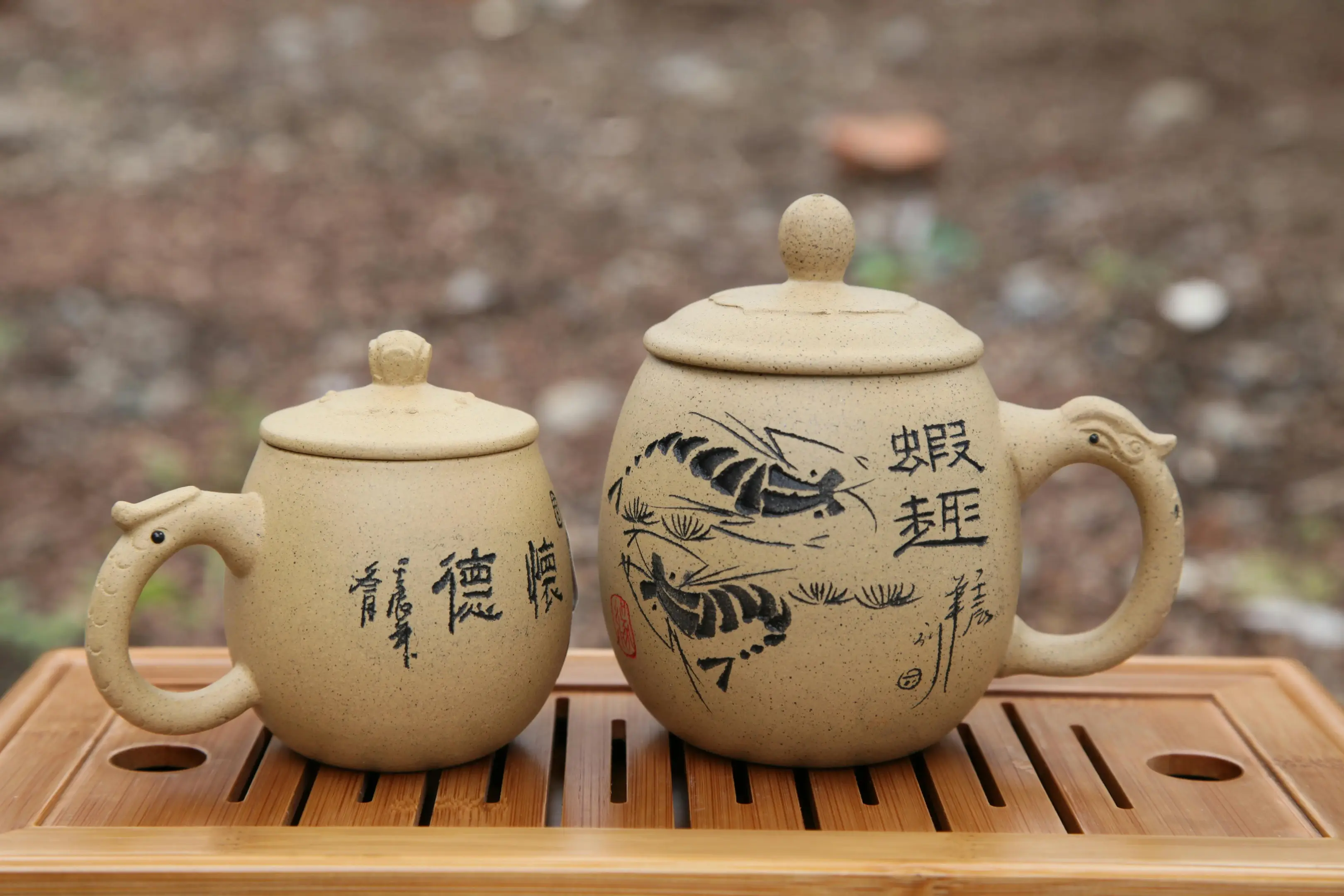
Singapore imports these artisan goods, so price varies by the origins of the clay and the skill of the artist or potter. Typical ranges are:
- Entry-level (SGD $30–$80): Often machine-assisted with mixed clay, functional but lacking deep seasoning ability.
- Mid-range (SGD $100–$300): Semi-handmade with reliable clay and good craftsmanship, ideal for beginners.
- High-end / Collector pieces (SGD $500–$2000+): Fully handmade by master potters using rare clay, often stamped with an artist's seal. These belong to exceptional collections and appeal to collectors worldwide.
Choosing Quality Yixing Ware: What to Look For
When holding a Yixing teapot, the clay should feel smooth with natural texture, and the weight balanced. The body, spout, and handle should align harmoniously, reflecting refined craftsmanship.
Check the lid fits snugly without wobbling, and the spout pours a clean, controlled stream that stops sharply. This functionality is essential for brewing.
Beware of cheap “Yixing” pots from tourist shops, they rarely use genuine zisha clay. Avoid overly shiny surfaces indicating chemical coatings. If the pot smells like soap or chemicals, reject it immediately.
Brewing with a Zisha Teapot: A Simple Routine
Using your zisha teapot need not be complicated. Consistency is key:
- Rinse with warm water only; never use soap. Porous clay absorbs chemicals, ruining seasoning.
- Pre-warm the pot with hot water before adding leaves.
- Brew only one specific type of tea such as roasted oolong or raw pu-erh, to develop proper seasoning.
- Discard leaves after each session; do not leave them inside overnight.
- Rinse and air dry naturally, leaving the lid off to prevent moisture buildup.
- Repeat regularly.
Pro Tip: Singapore’s tap water varies in taste due to chemical treatment. Using filtered water enhances tea taste and preserves your pot’s seasoning.
Lessons from Yixing Pottery Enthusiasts
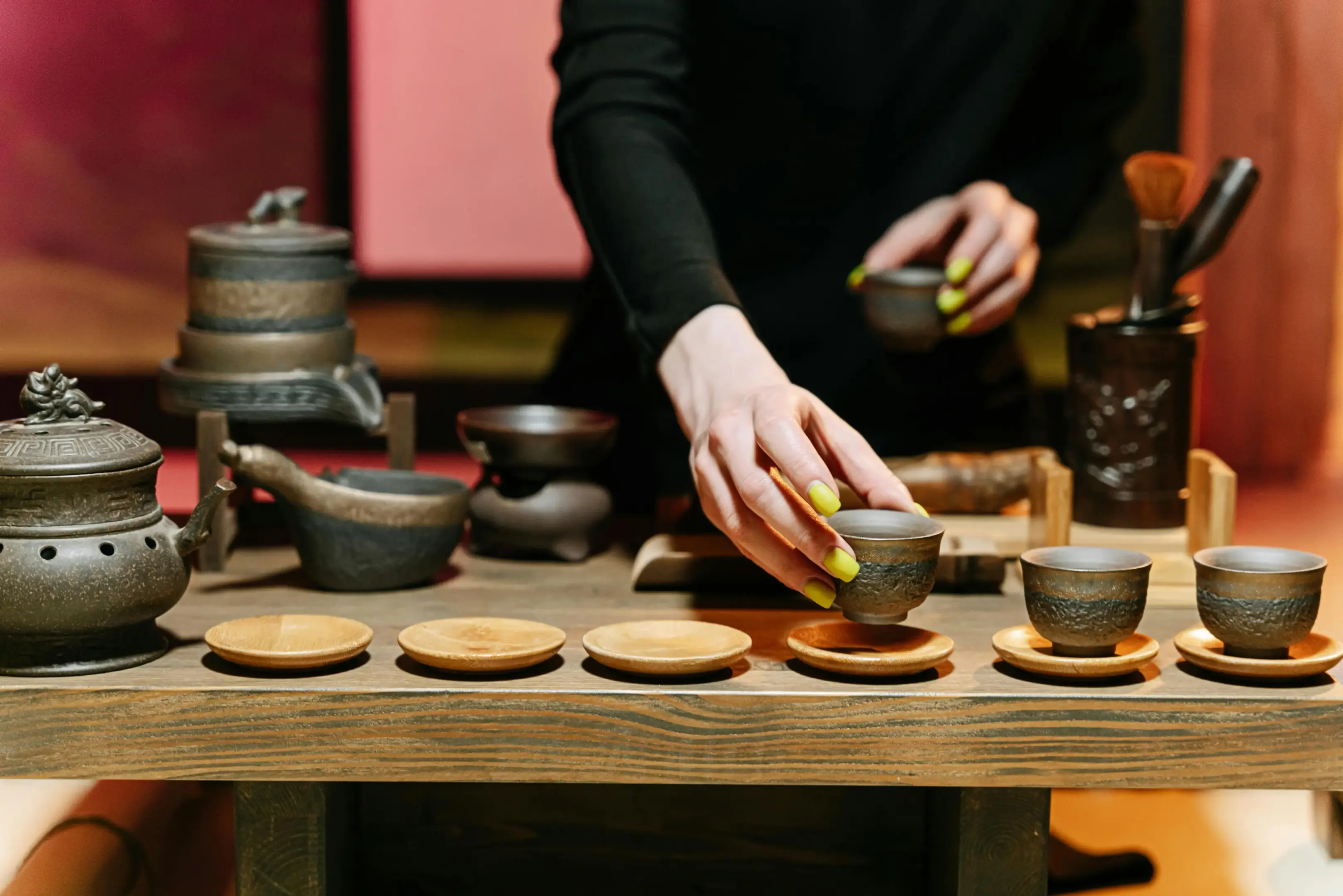
Lesson 1: The First-Time Confusion
A beginner brews different teas such as green, pu-erh, and oolong in one pot.
- Result: Mixed flavors muddle the pot’s seasoning.
- Lesson: Dedicate your pot to the same type of tea.
Lesson 2: The Over-Cleaner
Using soap to clean the teapot.
- Result: Clay absorbs soap, spoiling future brews.
- Lesson: Hot water alone cleans a Yixing teapot.
Lesson 3: The Patient User
Consistently brewing roasted Wuyi oolong in a mid-range pot.
- Result: After months, tea becomes smoother, bitterness softens.
- Lesson: Patience allows porous clay to enhance tea essence.
Embracing Yixing Pottery Tradition in Singapore
Singapore’s teaware shops reflect a blend of tradition and modernity, with Chinese tea culture prevailing, especially in Yixing ware and gongfu-style.
Compact urban living favors small teapots and minimal setups. Humidity demands proper drying to avoid moisture retention in unglazed clay.
Beyond function, Yixing teapots symbolize a slower, intentional lifestyle, feels like a pause in a fast city connecting tea enthusiasts to a rich heritage and artistry spanning centuries.
Specific Types and Styles of Yixing Teapots
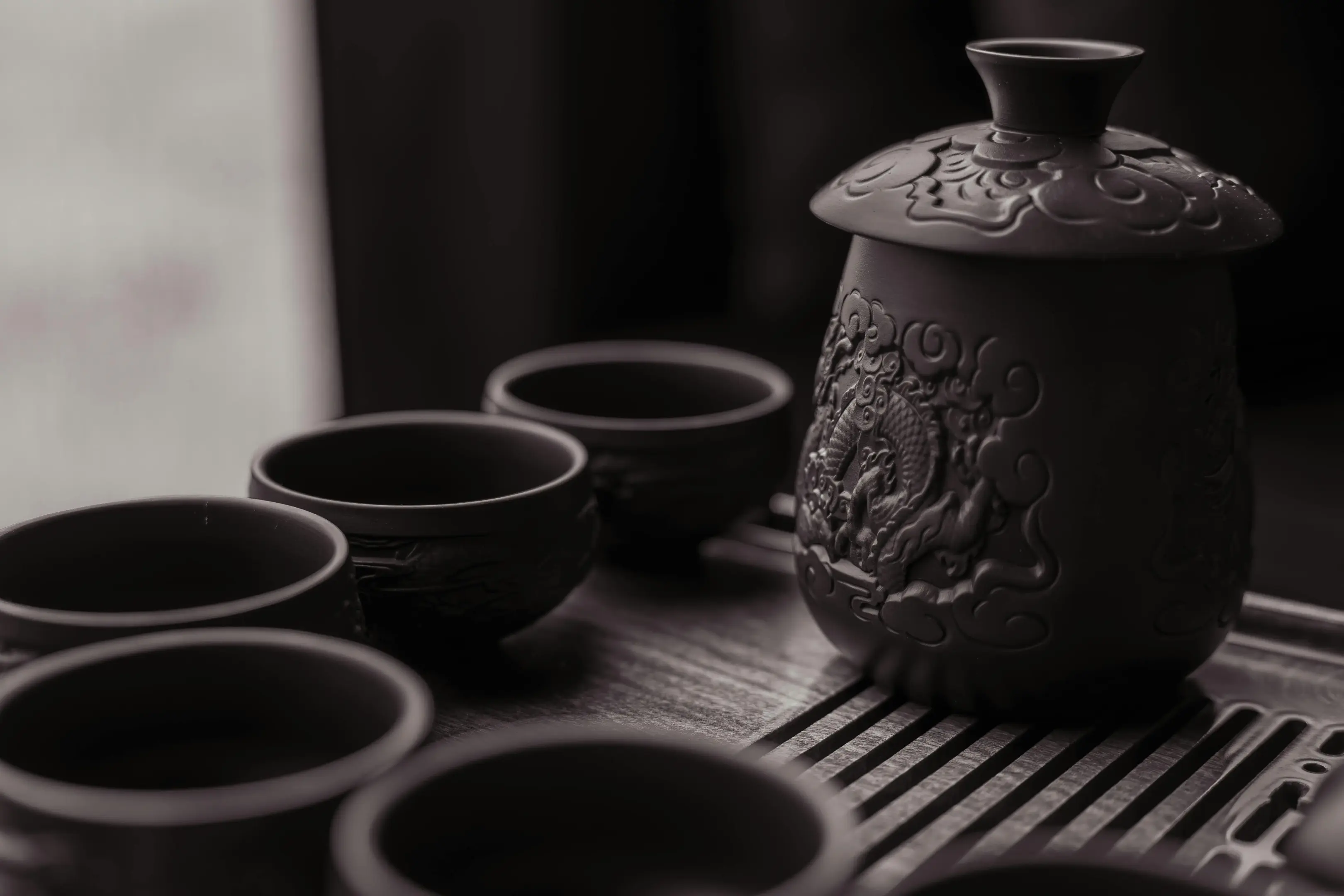
Yixing pottery includes four main specific types:
- Geometric styles: Shapes like round lanterns crafted using the slab method.
- Naturalistic styles: Forms mimicking nature, such as lotus leaves.
- Ribbed or segmented bodies: Made by press-moulding.
- Miniature teapots (shuiping hu): Designed for gongfu tea, often made with orange-red or cinnabar clay.
All are handcrafted rather than thrown on a wheel, using traditional techniques and firing processes that influence clay color and functionality.
Collectors seek pieces stamped with the seal of master artists or potters, marking the pinnacle of excellence in Chinese art and pottery. These treasured vessels are displayed in exceptional collections worldwide, including San Francisco and Beijing.
Conclusion
Is a Yixing teapot worth it?
If you expect an instant upgrade of cheap tea, you may be disappointed. But if you seek a mindful ritual, a connection to tradition and craftsmanship, then it is a worthwhile investment. If you want to understand teaware more deeply before choosing pieces like this, it helps to start with a beginner’s guide to teaware and tea tools.
A Yixing teapot is a living object that grows more beautiful and purposeful alongside your practice. Visit a local shop or browse online, test the stock carefully, and find a pot that feels right. The journey unfolds quietly, one sip at a time, celebrating the excellence and heritage of Yixing ware.

Tea Ceremony: The Hidden Meaning Behind Small Gestures
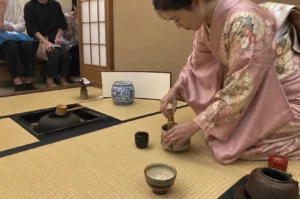
My first tea ceremony singapore experience left me more worried about etiquette than soaking in the moment. Surrounded by seasoned guests, I focused on getting every gesture right, how to bow, how to hold the cup, afraid of missing some point that makes tea culture here so unique. Looking back, I missed how these small…
-
Why Tea Always Feels More Honest Than Coffee
This might be slightly controversial, but tea has always felt more honest to me than coffee. Coffee often arrives with ambition. Productivity. Hustle culture. The promise that after one cup, you will suddenly become more awake, more focused, more efficient. Tea asks for much less. It doesn’t demand transformation. It simply sits beside you quietly….

Wildseed Cafe Singapore: A Garden Escape for Tea Lovers
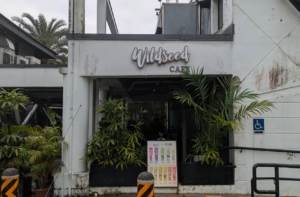
Sometimes, you just need to get out of the concrete city jungle and bask in nature. Last weekend, I was craving a quiet afternoon away from the chaotic mall crowds, so I made a reservation at Wildseed Cafe Singapore. Tucked away in the precincts of Seletar Aerospace Park within The Summerhouse, this multi concept restaurant…

Not Every Expensive Tea Is Actually Better
Tea drinkers rarely say this out loud. But many have probably thought it at least once. Sometimes an expensive tea tastes… fine. Not extraordinary. Not life-changing. Just fine. And yet modern tea culture often treats expensive tea as though it automatically deserves deeper admiration. A rare mountain harvest. Ancient tea trees. A tea produced in…

The Quiet Difference Between Muslim-Owned Cafés and MUIS-Certified Halal High Tea Spots in Singapore
I remember wandering down Arab Street years ago, searching for a quiet café where I could settle into an afternoon of coffee, tea, and conversation. I found a minimalist little space filled with delicate pastries and beautiful dessert displays, but hesitation quietly crept in as I began wondering about alcohol-based syrups, gelatin, and whether the…
-
Why Tea Shops Always Feel Slightly Different From Cafés
I’ve noticed something interesting over the years. People behave differently in tea shops. Not dramatically different, of course. No one suddenly becomes wiser the moment tea is poured. But the atmosphere tends to shift in subtle ways. Conversations slow down. Phones appear less often. Even silence feels more comfortable somehow. Tea shops carry a different…
-
High Tea Halal Singapore: Elegant and Inclusive Dining Experiences
A tiered stand arrives. A pot of tea follows, still too hot to pour. For many of my Muslim friends, there’s usually a quiet moment before anyone reaches for a scone. Someone asks whether the kitchen is halal certified. Only then does the high tea afternoon properly begin. This list tries to take care of…

Why Oolong Tea Always Feels Slightly Mysterious
Oolong tea never feels entirely straightforward. Green tea usually introduces itself immediately. Black tea does the same. You understand them quickly. One feels fresh and bright. The other feels deep and familiar. But oolong tends to sit somewhere in between. Not fully green. Not fully black. Not always easy to describe. Perhaps that is part…
-
Benefits of Black Tea: Why This Everyday Drink Still Matters
For many people, black tea is simply part of a routine. It is the first thing brewed in the morning, poured during afternoon tea, or enjoyed quietly at the end of a long day. Familiarity often makes it easy to overlook, but the benefits of black tea extend far beyond comfort or habit. In the…
-
Why Tea Somehow Tastes Better on Rainy Days
I don’t know when I first started believing this, but tea genuinely feels different when it rains. Not scientifically different, of course. The leaves do not magically change because of the weather. And yet somehow, a cup of tea on a rainy afternoon feels softer, warmer, maybe even a little more comforting than usual. Just…