Introduction
Tucked away in Cuppage Plaza, Izakaya Nijumaru stands as a testament to the charm of traditional Japanese dining with a relaxed, welcoming atmosphere. Known for its hearty, bold flavours and laid-back vibe, this Japanese restaurant isn’t just a place to enjoy good food—it’s where the experience of eating becomes about more than just what’s on your plate.
Though the menu offers rich dishes like chicken teriyaki, tempura soba, and braised pork, there’s an often-overlooked feature that enhances every meal: tea. The subtle role of tea at Izakaya Nijumaru quietly ties the entire experience together, allowing the bold flavours to settle and providing a soothing moment to reflect.
In this article, we’ll explore how tea complements the dining experience at Izakaya Nijumaru and why it’s the perfect companion to the rich, vibrant dishes served here, as featured by Tea Manor’s insights on Japanese cuisine and tea culture in Cuppage Plaza.
Izakaya Nijumaru at Cuppage Plaza: A Hidden Gem
A Lively Dining Experience
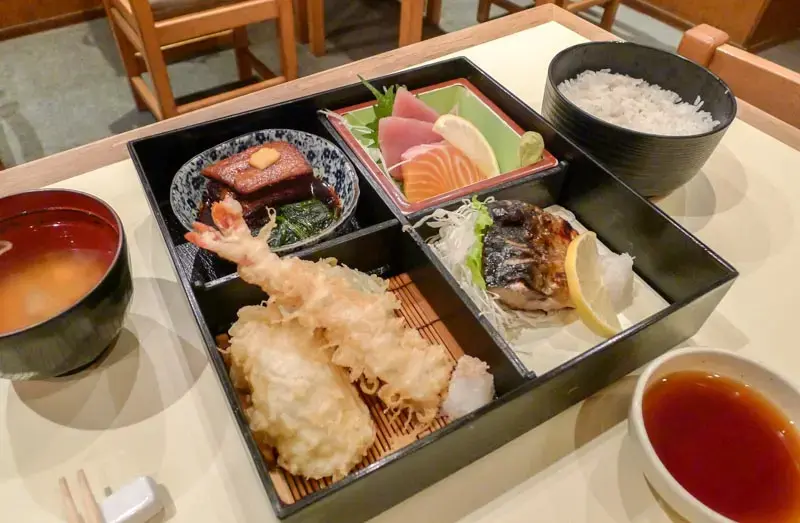
The first thing you’ll notice about Izakaya Nijumaru is how the restaurant manages to remain lively and crowded yet never feels rushed. Situated in Cuppage Plaza, it has become a go-to for anyone craving Japanese cuisine without the formality of more upscale places. The restaurant’s sushi bar offers a front-row seat to watch skilled chefs preparing fresh, hand-cut sushi.
The set meals are a big draw here, giving diners a complete meal that combines several favourites into one hearty dish. The menu is extensive, offering everything from skewered meats to grilled fish, and there’s something for everyone—from those who crave comfort to those looking for something a bit more adventurous.
While the space may not boast luxury, its authenticity shines through. As you settle in, a more serene experience begins to unfold—this is where tea steps in.
Tea Pairings at Izakaya Nijumaru: Enhancing Every Bite
One of the understated highlights at Izakaya Nijumaru is the thoughtful tea pairings that complement its diverse menu. The restaurant offers a selection of traditional Japanese teas that perfectly balance the bold and savory flavours found in dishes like chicken teriyaki, braised pork, and tempura soba.
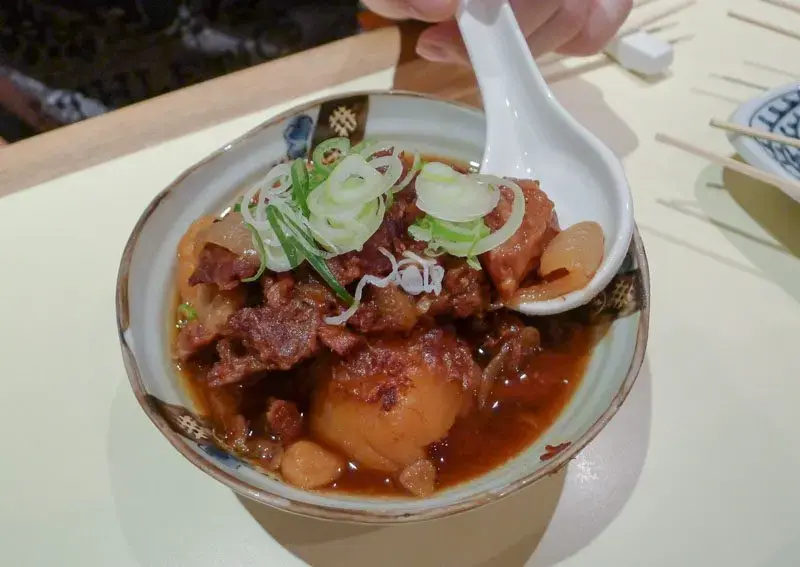
For instance, the earthy bitterness of matcha tea cuts through the richness of the braised pork, cleansing the palate between bites. Meanwhile, green tea’s subtle grassy notes harmonize beautifully with lighter dishes such as sushi and sashimi, enhancing their freshness. Oolong tea, with its floral and slightly roasted undertones, pairs exceptionally well with grilled items and skewers, such as the popular chicken teriyaki sticks.
These tea pairings not only elevate the dining experience but also reflect the traditional Japanese approach to meals, where tea serves as a bridge between flavours and courses. Whether dining with friends or enjoying a quiet meal alone, the service staff at Izakaya Nijumaru is attentive in recommending the ideal tea to accompany your order, ensuring each person finds the perfect match.
In this way, tea at Izakaya Nijumaru is more than just a beverage—it’s an integral part of the meal that adds depth and balance, leaving diners impressed and eager to return for another visit.
A Look at the Menu: From Set Meals to Other Dishes
Flavorful Choices Across the Menu
At Izakaya Nijumaru, the menu is designed with variety in mind. Whether you’re in the mood for something light or hearty, there’s a dish to suit your needs.
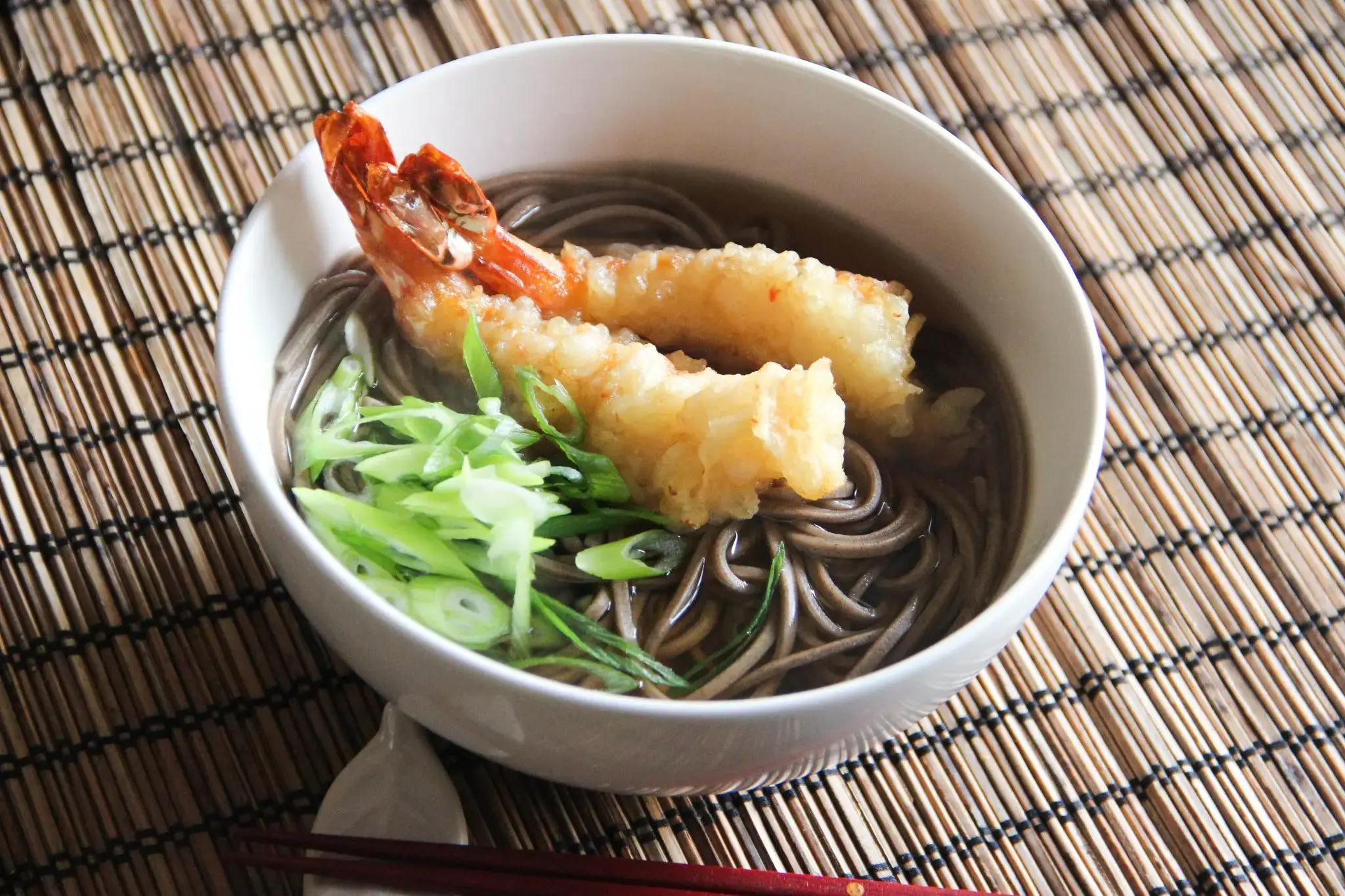
- Tempura soba: Light and crispy tempura paired with a rich, warming broth
- Chicken teriyaki: Sweet, smoky, and perfectly grilled, it’s a fan favourite for good reason
- Braised pork: A hearty, satisfying dish that pairs wonderfully with a cup of green tea to balance the richness
- Barbecued beef short rib: Smoky and tender, perfect when paired with a refreshing cup of oolong tea
For a more complete experience, consider the set meals, which bring together some of the restaurant’s best offerings. These meals typically feature a selection of:
- Rice
- Soup
- A main dish like katsu or braised pork
- A side of vegetables or tofu
The set meals are a great way to sample a variety of flavours, and with an average bill that remains affordable, it’s no surprise that many diners return. But it’s the tea pairing that truly elevates the meal, giving you a chance to pause and appreciate the balance of flavours.
Tea Pairings: Where Tradition Meets Modern Japanese Dining
Why Tea Complements the Meal
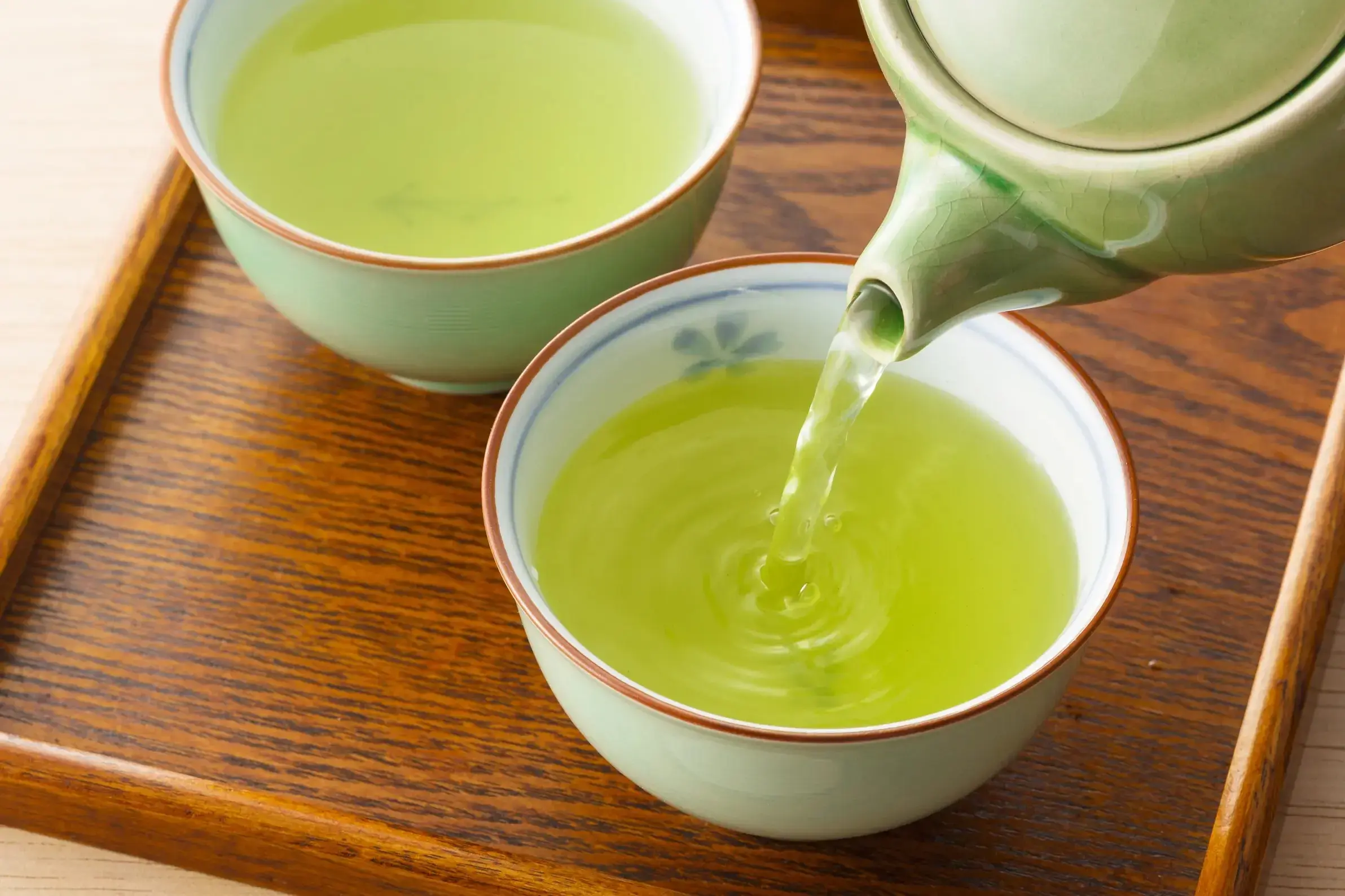
Though not the main feature of the menu, tea plays a key role at Izakaya Nijumaru. After a meal of rich and comforting dishes, the act of sipping tea offers a moment of reflection.
Tea has long been a part of Japanese culture, often acting as a bridge between meal courses or the perfect way to cleanse the palate after heavy or richly seasoned food. At Izakaya Nijumaru, this tradition continues, though it might not immediately jump out as a central element of the experience.
Tea arrives after the meal has settled, often with little fanfare. But it’s this quiet moment where tea becomes essential. Whether you opt for a delicate green tea, a warm oolong, or something with a bit of sweetness like matcha, tea helps clear the richness of braised pork or the boldness of barbecued beef short rib. This pairing serves as a calming transition, allowing diners to enjoy the experience longer without feeling overwhelmed.
Why Izakaya Nijumaru Stands Out
A Dining Experience Worth Returning For
The charm of Izakaya Nijumaru lies not just in the good food, but in the overall experience it offers. The restaurant doesn’t aim to impress with its décor, nor does it need to. Instead, it offers a casual, welcoming atmosphere where food is the focus, and the pacing of the meal allows for moments of pause—often introduced through the simple act of serving tea.
After enjoying tempura, katsu, and skewered delights, a cup of tea brings everything together. Many visitors have shared positive comments on various review pages, often accompanied by pictures that capture the rustic charm and hearty dishes. It's this balance that makes the meal feel more complete and satisfying. In a city like Singapore, where dining experiences often focus on instant gratification, Izakaya Nijumaru slows things down, allowing you to savour each bite and sip.
Conclusion: Tea as the Perfect End to the Meal
While Izakaya Nijumaru may not be famous for its tea list, it doesn’t have to be. In a restaurant that focuses on hearty, satisfying food, the presence of tea provides a necessary pause that completes the dining experience. From the bustling sushi bar to the set meals, the energy of the restaurant flows seamlessly into moments of quiet reflection with tea.
At Izakaya Nijumaru, the food is good, the atmosphere is casual, and the tea offers a calming finish that brings everything together. If you’re looking for a Japanese restaurant where you can experience good food and thoughtful tea pairings, this hidden gem in Cuppage Plaza might just be your next favourite spot.

Why “No Bitterness” Is a Terrible Goal (And Makes Tea Boring)
I used to think a good tea was supposed to be smooth. No bitterness. No sharp edges. Nothing that made me pause and wonder whether I was doing something wrong. It seemed logical. We naturally gravitate toward things that are easy to enjoy. A tea that is sweet, gentle, and immediately comforting feels like a…
-
Best Tea Brands Singapore: 10 Names Worth Knowing
There’s a small sound I’ve always liked. It’s the soft knock of a teapot lid settling back into place, just before the first pour. It happens at home. It happens in old shophouses and in bright mall boutiques like those in Suntec City. The setting changes, but the pause stays the same. This list is…
-
“Rare” Tea Is Often Manufactured Scarcity: Here’s How to Tell
There is a word in tea that carries unusual power. Rare. It immediately creates curiosity. A rare harvest. A rare batch. A rare tree. A tea that may never return. The suggestion is simple: if something is difficult to obtain, it must be more valuable. Sometimes, this is true. Some teas are genuinely limited because…
-
LiHO Tea Singapore: A Greeting You Can Drink
Some words carry a whole childhood inside them. Li ho. I heard it at kopitiam tables, across corridors, from uncles who never waited for a real answer. It meant “how are you,” but it also meant I see you. So when I saw that name on a tea shop sign, somewhere in the middle of…

The Myth of “Perfect” Tea: What I Stopped Chasing
For a long time, I thought I was looking for the perfect tea. I imagined there would be a moment when I found the one. The tea that made every other tea feel unnecessary. The tea I would recommend to everyone. The tea that would finally make me understand what true appreciation was supposed to…
-
Teh O: Understanding the Tea Order Behind the Name
There is a stall near where I grew up that has changed hands twice, but the tea has stayed the same. I still remember the first time I ordered teh o on my own, sometime in my early teens, mumbling the words at the counter and half-expecting to get them wrong. The uncle didn’t blink….
-
Stop Buying Tea for the Aesthetic: How Packaging Hijacks Taste
There is something fascinating about the way we buy tea today. Before we taste the leaves, we have already formed an opinion. The box is elegant. The label is beautifully designed. The colours suggest calm, luxury, or tradition. The story feels carefully written. And before the first sip, we have already decided that the tea…
-
A Tea Table in the Clouds: The Westin Singapore High Tea Review
It was one of those afternoons when the city felt too loud and too fast, and I wanted to sit somewhere quiet without really explaining why. So I went up. All the way up, to Level 32 of The Westin Singapore, where the Lobby Lounge sits above the noise like it knows something the rest…
-
“Caffeine-Free Tea” Confuses Everyone—Let’s Fix the Language
I have noticed that tea conversations can become surprisingly confusing. Not because tea itself is complicated, but because we sometimes use the same words to mean completely different things. One phrase that always catches my attention is “caffeine-free tea.” It sounds simple enough. A tea without caffeine. But is that really what we mean? Because…
-
The Pull, Pour, and Ritual Behind Singapore’s Favourite Milk Tea: Teh Tarik
It starts with a sound. A long ribbon of tea, arcing from one metal mug held high to another held low. The stream catches the light. Then the froth rises, pale and soft, and the whole thing gets poured back and lifted again. Nobody at the stall looks up. This happens a hundred times a…