
Imagine standing at the edge of Kenya’s Great Rift Valley, the birthplace of world-renowned Kenya tea. Here, undulating hills blanket the landscape in a lush sea of deep green, where rows of thriving tea bushes stretch across the horizon. This breathtaking region forms the core of the Kenyan tea industry—a powerhouse producing some of the globe’s highest-quality black tea, unique Kenyan orthodox tea, green tea, and even the rare purple tea.
Today, Kenya stands as the world’s largest exporter of black tea, its products revered across international markets for their distinct character and freshness. From the rich volcanic soils of the Great Rift Valley to cutting-edge processing methods pioneered by Kenyan producers, the journey of Kenya tea reflects an extraordinary transformation. What began as a colonial experiment has evolved, through the efforts of local pioneers and visionaries, into an indigenous-driven industry that not only powers Kenya’s economy but also redefines East Africa’s reputation in the global tea trade. This in-depth guide traces the remarkable evolution of Kenyan tea, from its roots in the rift valley to its dynamic role in shaping the future of world tea.
Tea’s journey in Kenya began in 1903 when a British colonial settler, G.W.L. Caine, planted the first tea bushes in Limuru. This experiment on European-owned plantations quickly proved successful, with the fertile highlands providing ideal conditions. For decades, tea cultivation remained the exclusive domain of white settlers, with large, company-owned estates dominating production. Indigenous Kenyans were largely excluded from growing this lucrative cash crop.
The pivotal moment arrived with Kenya's independence in 1963. The new government prioritized land reform and agricultural empowerment, breaking up colonial estates and paving the way for native Kenyans to cultivate tea. This transition marked a fundamental shift in the industry's trajectory, moving from a system of colonial extraction to one of local ownership and economic self-determination. This strategic change laid the groundwork for the smallholder revolution that would soon define Kenya tea production.
Great Rift Valley: Kenya Tea’s Natural Advantage
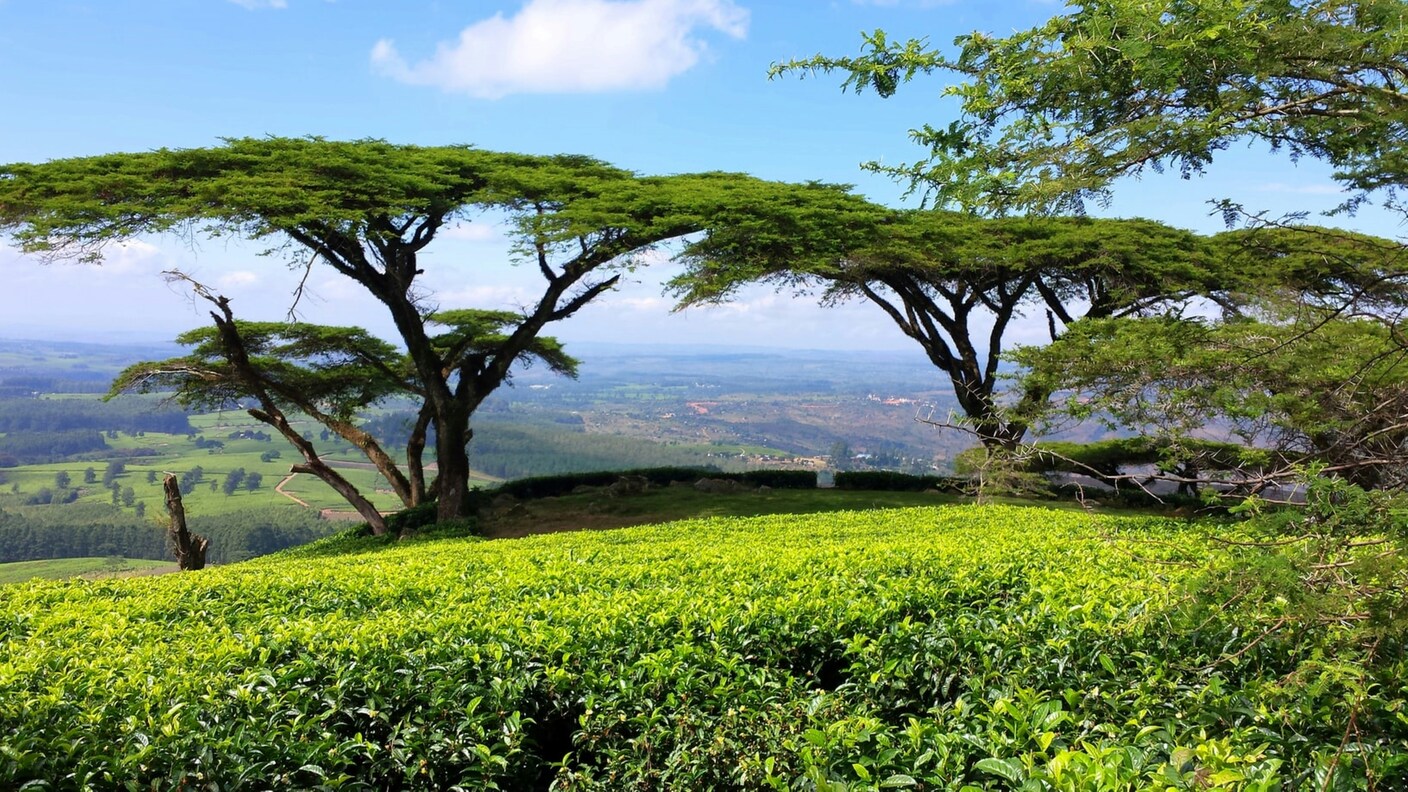
The Great Rift Valley is central to the story of Kenyan tea. Stretching dramatically across east Africa, this region offers an ideal climate for tea growing that few places in the world can match. Here, elevations between 1,500 and 2,700 meters create cooler temperatures that allow tea bushes to grow slowly, concentrating the natural flavors and freshness in the leaves.
Throughout the Rift Valley, generous rainfall, misty mornings, and ample sunshine combine to provide a consistent, year-round growing season. The red volcanic soils, born of ancient geological upheaval, are rich in nutrients and well-draining—both essential qualities for supporting the cultivation of high quality tea. These unique growing conditions give Kenyan tea its famously bright character, brisk body, and distinctive astringency—a taste profile now celebrated by tea buyers in international markets.
With its remarkable combination of geology, altitude, and ideal climate, the Great Rift Valley has become the beating heart of Kenya’s tea industry. The unrivaled terroir found here not only sustains the country’s status as the world’s largest exporter of black tea, but also underpins Kenya’s growing reputation for new specialties like orthodox tea, green tea, and even purple tea.
Unlike the plantation-centric models of India or Sri Lanka, the Kenya tea industry is overwhelmingly powered by small-scale farmers. Over 600,000 smallholder farmers are responsible for more than 60% of the country's total tea production. This unique structure is the direct result of the formation of the Kenya Tea Development Agency (KTDA) in 1964.
The KTDA was established to support indigenous farmers, providing them with access to seedlings, fertilizers, and technical expertise. It organized a network of collection centers and built factories, creating a system where even a farmer with less than an acre of land could participate in the global tea economy. This smallholder model transformed rural social dynamics, turning subsistence farmers into successful entrepreneurs.
As one farmer from Kericho County noted, "Before, tea was for the mzungu (white man). Now, my small shamba (farm) educates my children and builds my home. The green leaf is our gold." This sentiment captures the profound impact of Kenyan smallholder tea farming, which has lifted entire communities out of poverty and built a more inclusive agricultural sector.
Production Innovations: CTC Tea, Kenyan Orthodox Tea, and Advancing Tea Producers
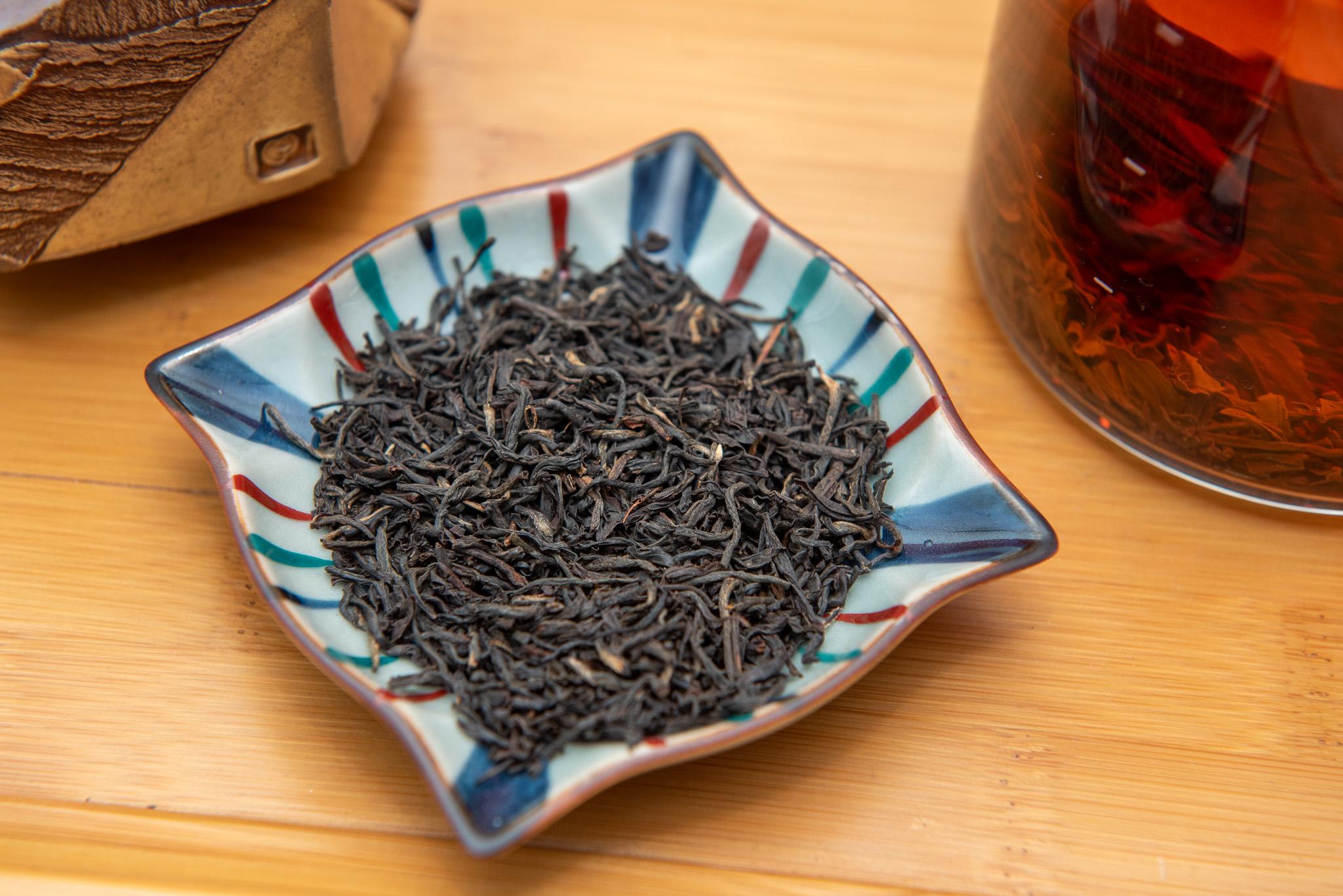
Kenya’s ascendancy in the global tea industry is inseparable from the widespread adoption and mastery of CTC tea (Cut, Tear, Curl) processing. Pioneered in the 1950s, this method revolutionized how Kenyan tea is processed, allowing tea producers to efficiently transform tea leaves into uniform pellets using cylindrical rollers equipped with sharp teeth. The result is black tea that is dark, brisk, and quick-to-infuse—ideal for tea bags favored in international markets. This shift positioned Kenya not just as a major supplier, but as the world’s largest exporter of black CTC tea, responding directly to global demand and modern consumption habits.
Still, the passion for diversity remains. Alongside CTC tea, a growing number of tea producers in Kenya are investing in the careful manufacture of Kenyan orthodox tea. Unlike the mechanized CTC approach, orthodox tea processing delicately rolls whole leaves to yield nuanced flavour and a rich, layered taste—targeted at specialist and premium markets seeking freshness and authenticity. This balance between traditional and innovative processing allows Kenya to serve both mass-market blends and sophisticated connoisseur palates.
Ongoing investment in research and development, spearheaded by the Kenya Tea Development Agency and allied institutions, drives further innovations. Efforts focus on high-yield, climate-resilient cultivars, modern quality control systems, and improved processing techniques, all of which strengthen the position of Kenyan tea producers in a competitive, evolving world tea trade.
Kenya's strategic focus on CTC production allowed it to capture a significant share of the global black tea market. Today, the country accounts for over 20% of total global tea exports, making it the undisputed world leader. The nerve center of this trade is the Mombasa tea auction importance, the largest black tea auction in the world. Here, brokers representing producers from across East and Central Africa sell tea to buyers from around the globe.
Table: Top Black Tea Exporters (2023 Estimates)
| Country | Export Volume (Million kg) | Primary Market Focus |
|---|---|---|
| Kenya | 558 | Black CTC Tea (for bags) |
| Sri Lanka | 250 | Orthodox Black Tea |
| India | 210 | Orthodox & CTC Tea |
| China | 375 | Green & Black Tea |
Note: China exports more total tea, but Kenya is the largest exporter of black tea.
Primary export destinations for Kenya tea exports include Pakistan, Egypt, the United Kingdom, and Sudan. This wide-reaching trade network underscores Kenya's central role in the daily ritual of tea drinking for billions of people.
Economic Impact and Livelihoods
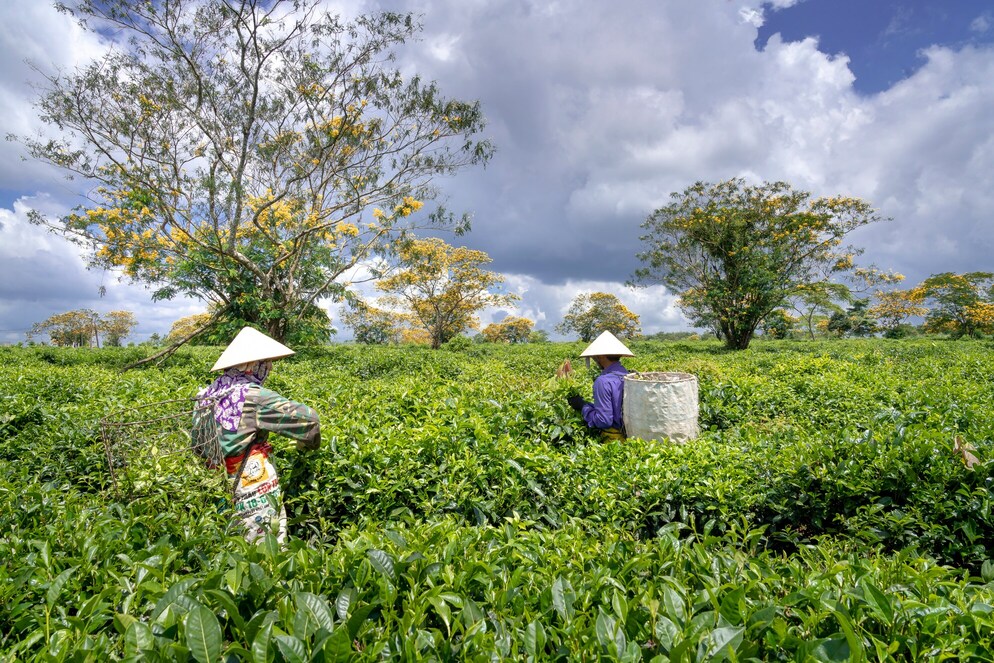
The Kenya tea sector stands as a pillar of the national economy and is a defining force in East African agriculture. As the backbone of the country's tea industry, it is Kenya's top foreign exchange earner, consistently generating over $1.2 billion annually and contributing a substantial share to the national GDP.
Beyond its macroeconomic importance, the impact of Kenya tea is deeply felt in rural communities. The industry is the largest private sector employer in Kenya, providing jobs and stable livelihoods for more than four million citizens—nearly 10% of the population—across the value chain. Smallholder farmers, factory workers, pluckers, transporters, and traders all benefit from the revenue generated by tea. In tea-growing zones, income from tea industry activities supports local schools, healthcare facilities, and small businesses, fostering development and improving quality of life for countless families. The multiplier effects from Kenya tea sales are crucial in rural areas, helping to break cycles of poverty and driving sustainable economic growth across the east African region.
Challenges and Adaptation in a Changing World: Kenyan Tea and Climate Realities
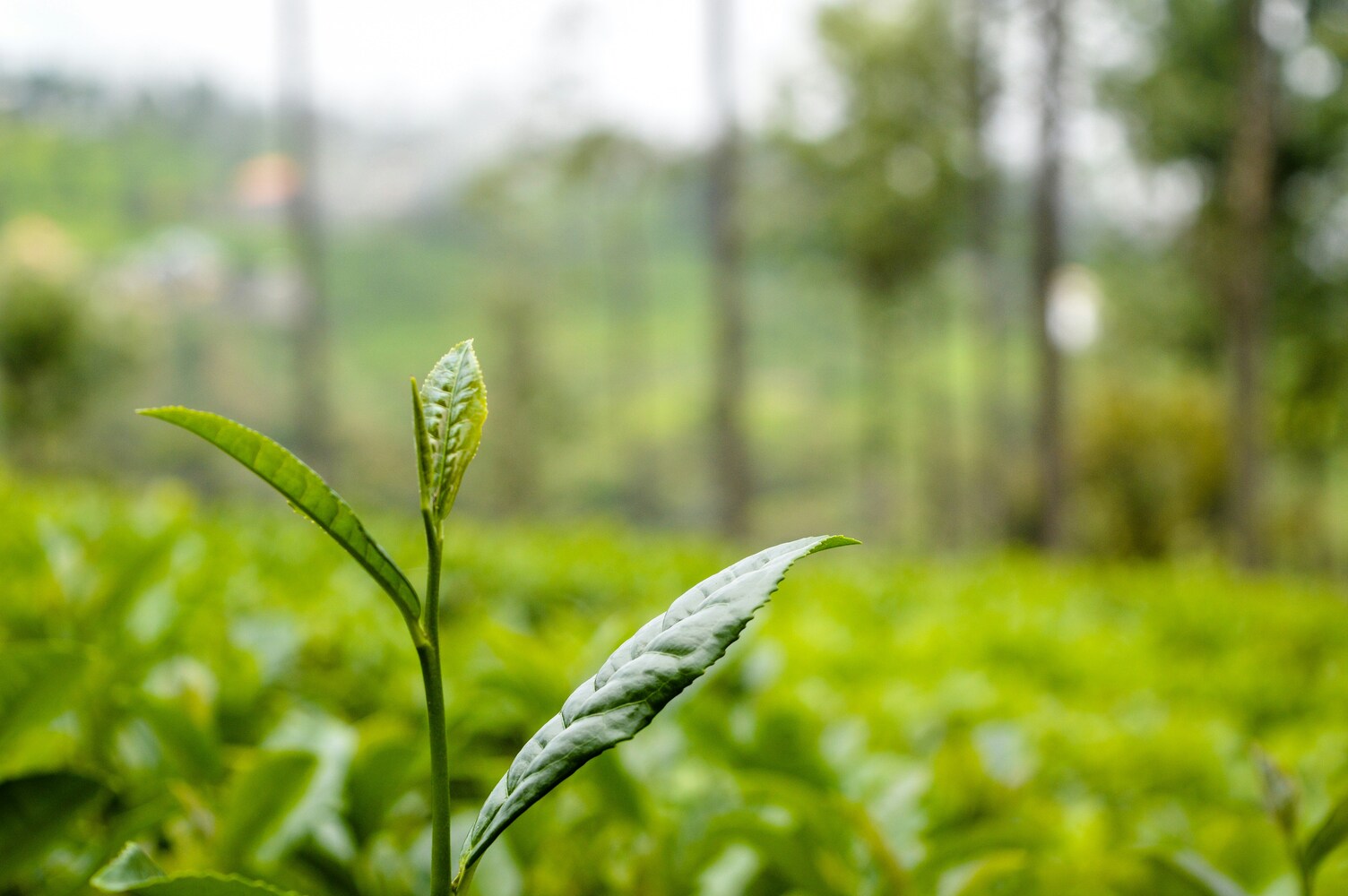
The resilience of kenyan tea is continually tested by a rapidly changing environment. As one of east Africa’s most vital exports, the tea industry must contend with major hurdles—most urgently, climate change. Tea growing in both the eastern rift and western rift of Kenya now faces unpredictable weather patterns, rising temperatures, shifting rainfall, and increasingly severe frost events, which disrupt traditional harvest cycles and threaten both the quality and total production of tea leaves.
Market volatility presents another formidable challenge. International market demands shift quickly, causing dramatic fluctuations in prices. With a large amount of kenyan tea destined for export, especially to countries like Pakistan, the UK, Egypt, and the increasingly important Chinese market, smallholder farmers are often at the mercy of global trends in consumption and pricing.
The adoption of mechanization has brought both promise and peril. Modern harvesting tools improve efficiency and help counter labor shortages, but they also risk reducing employment for thousands who rely on manual tea plucking as a primary livelihood. Furthermore, new pests and diseases, driven by a changing climate, threaten crops and require ongoing investment in research, advanced pest management, and protective practices across tea growing regions.
To remain competitive in the international markets, Kenya's tea producers are fostering adaptation strategies. These include diversifying into higher value products—such as orthodox tea, purple tea, and specialty blends—improving water conservation, and investing in drought- and disease-resistant tea cultivars. Bodies like the Kenya Tea Development Agency (KTDA) and innovative companies such as Benny Tea Industries are playing essential roles in guiding the industry's evolution, ensuring that kenyan tea continues to thrive despite formidable climatic and economic challenges.
Sustainable Tea Farming: Leading the Way in Kenya
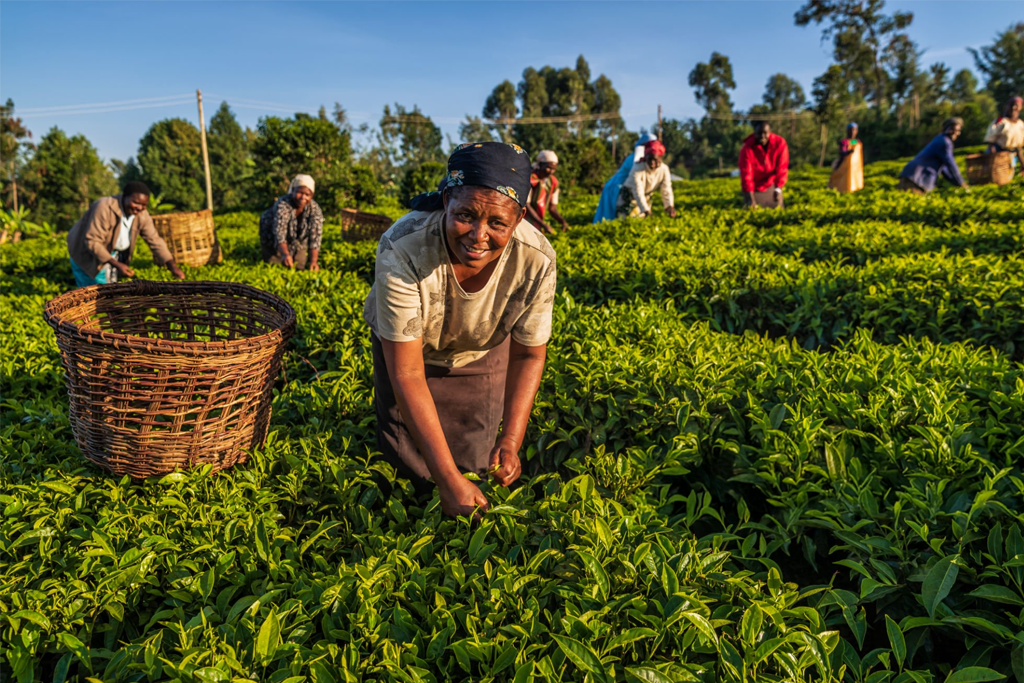
In answer to mounting challenges and growing consumer demand for responsible tea production, the Kenya tea industry has become a global benchmark for sustainable tea farming. Kenya maintains a high percentage of Rainforest Alliance, Fairtrade, and other internationally recognized certifications, helping to protect the environment and ensure fair, ethical practices for workers across the supply chain.
Innovators like Benny Tea Industries and the Kenya Tea Development Agency have advanced water conservation techniques, soil management practices, and a transition to renewable energy. Many KTDA factories now run on hydropower and biomass, reducing both operational costs and the industry’s carbon footprint. These sustainable measures not only reinforce Kenya’s reputation for producing high quality tea but also enable the progression into specialty markets, such as Kenyan orthodox tea and purple tea. Such sustainability commitments position Kenyan tea producers at the forefront of global standards while ensuring the industry’s resilience for generations to come.
The Future of Kenyan Tea

Looking ahead, the next chapter for Kenyan tea is defined by innovation and adaptability to international market demands. Kenyan producers, including leading names like Benny Tea Industries, are moving beyond bulk CTC tea to explore specialty markets. There is a rising emphasis on developing purple tea, Kenyan orthodox tea, green tea, and even oolong tea—each offering nuanced flavour profiles that attract discerning international buyers and command premium prices.
Direct trade models are gaining traction, giving smallholder farmers more agency and a greater share of profits by selling directly to international buyers rather than through intermediaries. This approach not only increases transparency for consumers but also helps Kenyan tea producers better align their offerings with global trends.
Digital transformation is also reshaping the tea supply chain, from advanced logistics and traceability for tea exports to platforms that enable producers to respond quicker to shifting international market demands. Continued research into climate-resilient cultivars ensures that Kenyan tea growing remains sustainable despite environmental challenges, securing the future for both large estates and the many smallholder families whose livelihoods depend on the industry.
Conclusion
The transformation of Kenya tea from its early days in the Great Rift Valley to its dominance as a global leader is a story of remarkable resilience and innovation. Kenyan tea has evolved from colonial beginnings to become synonymous with quality and diversity, embracing everything from CTC tea and black tea to emerging varieties like Kenyan orthodox tea and green tea. Powered by a dynamic network of smallholder farmers and organizations such as the Kenya Tea Development Agency, the industry’s adaptability continues to set an example worldwide.
Today, the distinct flavour of Great Rift Valley tea reaches international markets across the globe, highlighting Kenya’s status as a key player in the world tea trade. As global demand grows and new varieties like purple tea and oolong tea rise in prominence, Kenya tea stands poised for even greater influence, ensuring its rich legacy and future potential remain at the heart of the world’s tea culture.
Ceylon high grown tea from Nuwara Eliya captures what makes Sri Lanka an enduring force in the world of tea—a balance of nature, tradition, and human ingenuity. Every delicate sip is a testament to the unique altitude, flavour, and craftsmanship of the region.
As pure ceylon black tea continues to be consumed and celebrated from the hills of its origin to mugs around the world, it remains the perfect complement to any meal, conversation, or moment of enjoyment. Whether purchased for an everyday cup or a special occasion, this tea stands apart as one of the best, a bright, refreshing infusion to be enjoyed and remembered.
For those interested in the cultural aspects of tea, exploring the art of tea ceremony offers a fascinating glimpse into tradition and tranquility beyond the Kenyan tea industry.
The Soul of Tea: Unveiling the Beauty of Traditional Tea Ceremonies
Tea is more than just a drink, isn’t it? It is a quiet moment in the middle of a busy day, a small ritual that grounds us. We are not just drinking tea; we are experiencing something far more profound, a glimpse into the centuries-old traditions of cultures that revere this simple beverage. Whether in…

The Matcha Latte and the Tea It Came From
The matcha latte drink has become one of the most recognizable tea-based beverages in modern cafés. From Starbucks menus to independent tea bars, it is served hot in ceramic mugs or as iced matcha lattes layered in a glass with cold milk and ice. It is marketed as a healthy drink. It is praised for…

We Are Drinking Tea Too Quickly
There is something ironic about rushing tea. We order it to relax. We call it calming. We describe it as grounding. And yet, more often than not, we drink it the same way we drink everything else — between emails, between meetings, between scrolling. Tea has become background noise. A mug beside the laptop. A…

Cuppage Plaza Food Culture Through a Tea Lens
Walk into Cuppage Plaza Singapore and you immediately feel the shift. Just a short walk from Somerset MRT Station, Cuppage Plaza is an accessible destination for food lovers seeking authentic Japanese cuisine. Orchard Road may glitter just outside, but inside this aging building, the mood changes. The corridors are dim. The signboards feel layered with…

Milk Tea Is Not Tea
This is not an argument about preference. It is a question about naming. Milk tea is everywhere now. It travels in oversized cups, sealed with plastic film. It arrives layered with foam, syrup, pearls, jelly, whipped cream. It is photographed before it is tasted. It is queued for. It is branded. It is loved. But…

A Journey into Herbal Teas: Exploring Nature’s Finest Infusions
Imagine cupping your hands around a warm mug, inhaling the sweet, floral scent of chamomile tea or the invigorating peppermint tea aroma from the peppermint plant. As you take the first sip, you feel a sense of calm and comfort wash over you. This soothing experience is the magic of herbal teas, a diverse and…

Singapore Tea for Every Palate and Every Ritual
What draws us to seek something deeper in a simple cup of tea? In Singapore, where countless cultures have settled like leaves steeping in warm water, the answer unfolds quietly in the spaces between tradition and modernity. Good tea emerges from patient sourcing, from the steady hands of those who understand its language, from leaves…

Why Private Room Singapore Spaces Are Perfect for Tea Rituals
In a city that never truly rests, quiet becomes something you have to choose. You feel it when you’re weaving through Orchard Road in the middle of the day, or squeezing past crowds in the Central Business District at lunch hour. The lights are bright, the notifications keep coming, and even when you sit down,…

Tea Is Losing Its Ceremony — And We Let It Happen
No one announced it. There was no collective decision, no moment of cultural shift. And yet, the ceremony has quietly receded from everyday tea. What was once deliberate has become automatic. Tea used to require attention. Water temperature mattered. Leaves were measured with care. The cup was chosen, not grabbed. Even in the absence of…
The Art of Aging: Understanding Authentic Yunnan Pu-erh Tea
Among the world’s most revered fermented dark teas, few types evoke as much intrigue and respect as Yunnan pu erh tea (普洱). Crafted from ancient tea trees in Yunnan province, this tea produced by traditional methods is a living testament to China’s rich beverage heritage. Unlike most loose leaf tea or black teas, high-quality pu…