Imagine standing at the edge of Kenya’s Great Rift Valley, the birthplace of world-renowned Kenya tea. Here, undulating hills blanket the landscape in a lush sea of deep green, where rows of thriving tea bushes stretch across the horizon. This breathtaking region forms the core of the Kenyan tea industry—a powerhouse producing some of the globe’s highest-quality black tea, unique Kenyan orthodox tea, green tea, and even the rare purple tea.
Today, Kenya stands as the world’s largest exporter of black tea, its products revered across international markets for their distinct character and freshness. From the rich volcanic soils of the Great Rift Valley to cutting-edge processing methods pioneered by Kenyan producers, the journey of Kenya tea reflects an extraordinary transformation.
Tea’s journey in Kenya began in 1903 when a British colonial settler, G.W.L. Caine, planted the first tea bushes in Limuru. This experiment on European-owned plantations quickly proved successful, with the fertile highlands providing ideal conditions. For decades, tea cultivation remained the exclusive domain of white settlers, with large, company-owned estates dominating production. Indigenous Kenyans were largely excluded from growing this lucrative cash crop.
Great Rift Valley: Kenya Tea’s Natural Advantage
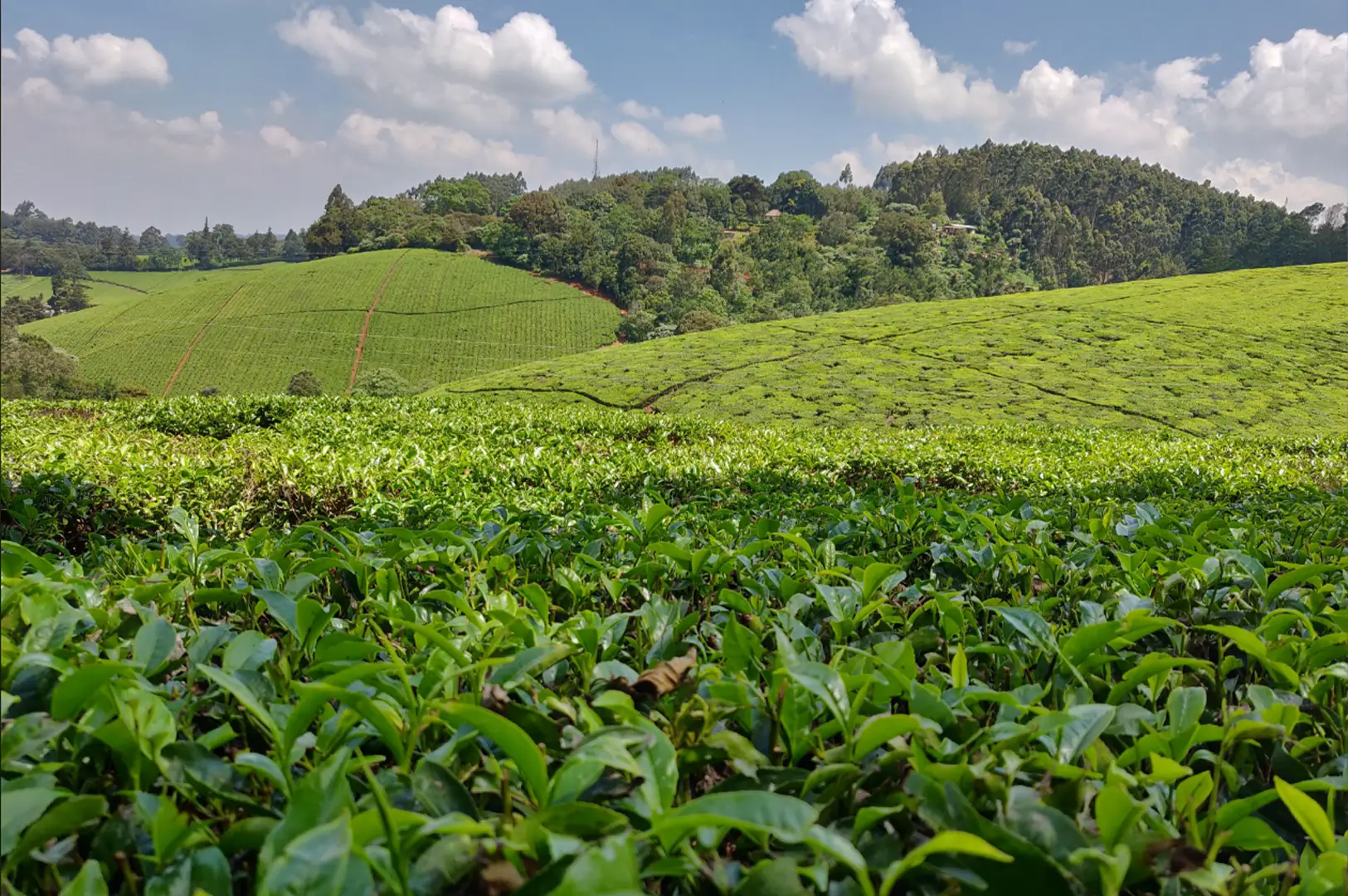
The Great Rift Valley is at the heart of the story when it comes to Kenyan tea. Stretching across East Africa, this region offers an ideal climate that few other places can match for tea growing. With elevations ranging from 1,500 to 2,700 meters, the cooler temperatures here help tea bushes grow slowly, which means the leaves develop richer flavors and a refreshing freshness.
All across the Rift Valley, you’ll find a perfect mix of generous rainfall, misty mornings, and plenty of sunshine that combine to create a consistent, year-round growing season. The red volcanic soils, rich in nutrients and well-draining thanks to ancient geological activity, are perfect for cultivating high-quality tea. These unique conditions give Kenya tea its famous bright character, brisk body, and distinctive astringency, making it a favorite in international markets.
With its remarkable combination of geology, altitude, and ideal climate, the Great Rift Valley has become the beating heart of Kenya’s tea industry. The unrivaled terroir found here not only sustains the country’s status as the world’s largest exporter of black tea, but also underpins Kenya’s growing reputation for new specialties like orthodox tea, green tea, and even purple tea.
Unlike the plantation-centric models of India or Sri Lanka, the Kenya tea industry is overwhelmingly powered by small-scale farmers. Over 600,000 smallholder farmers are responsible for more than 60% of the country's total tea production. This unique structure is the direct result of the formation of the Kenya Tea Development Agency (KTDA) in 1964.
As one farmer from Kericho County noted, "Before, tea was for the mzungu (white man). Now, my small shamba (farm) educates my children and builds my home. The green leaf is our gold." This sentiment captures the profound impact of Kenyan smallholder tea farming, which has lifted entire communities out of poverty and built a more inclusive agricultural sector.
Production Innovations: CTC Tea, Kenyan Orthodox Tea, and Advancing Tea Producers
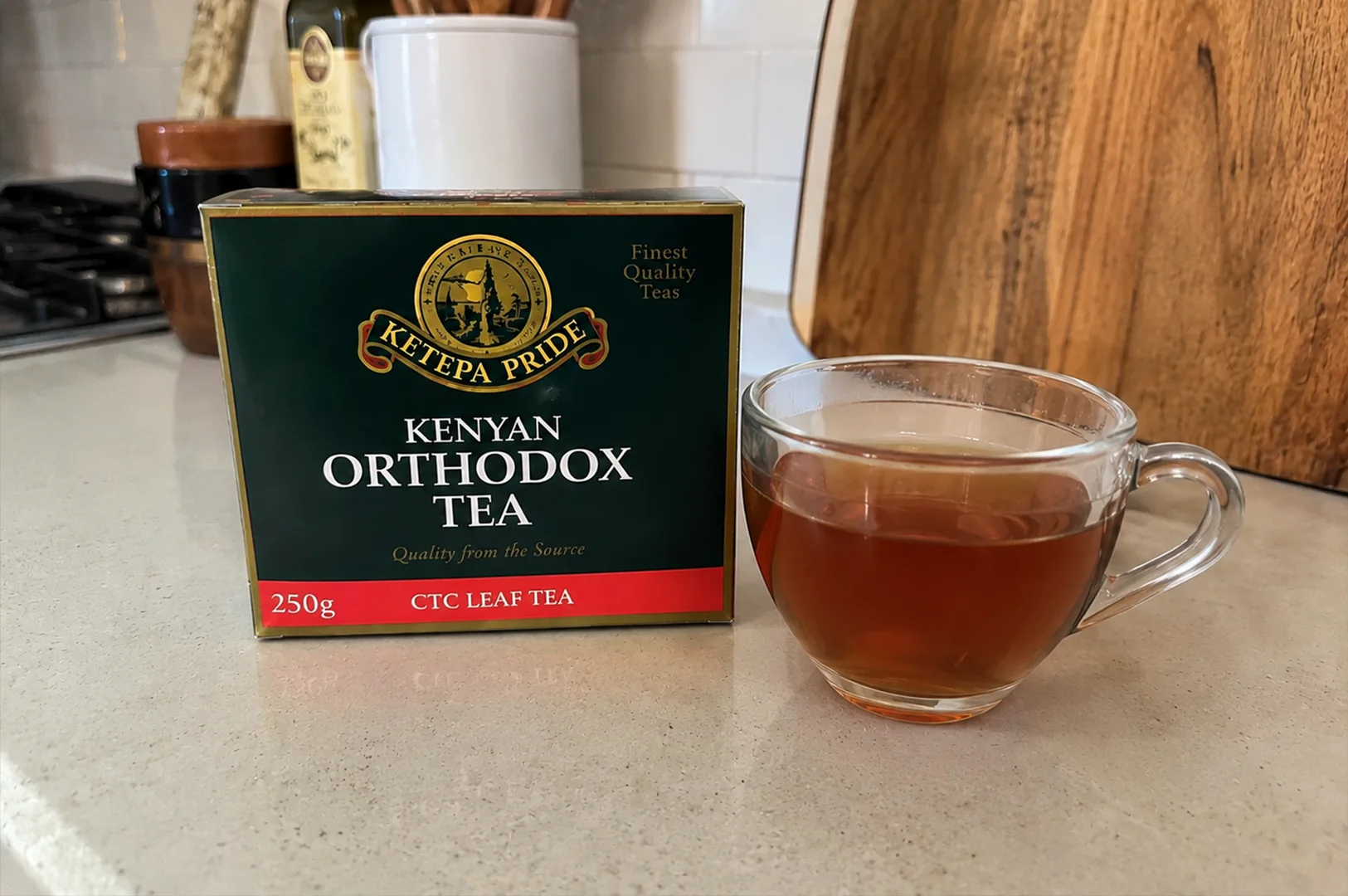
Kenya's ascendancy in the global tea industry is inseparable from the widespread adoption and mastery of CTC tea (Cut, Tear, Curl) processing. Pioneered in the 1950s, this method revolutionized how Kenyan tea is processed, allowing tea producers to efficiently transform tea leaves into uniform pellets using cylindrical rollers equipped with sharp teeth. The result is black tea that is dark, brisk, and quick-to-infuse, ideal for tea bags favored in international markets. This shift positioned Kenya not just as a major supplier, but as the world's largest exporter of black CTC tea, responding directly to global demand and modern consumption habits.
Still, the passion for diversity remains. Alongside CTC tea, a growing number of tea producers, including smallholder tea farmers supported by the Kenya Tea Development Agency, are investing in the careful manufacture of Kenyan orthodox tea. Unlike the mechanized CTC approach, orthodox tea processing delicately rolls whole leaves to yield nuanced flavour and a rich, layered taste, targeted at specialist and premium markets seeking freshness and authenticity.
This balance between traditional and innovative processing allows Kenya to serve both mass-market blends and sophisticated connoisseur palates, enhancing value addition within the tea value chain.
Kenya's strategic focus on CTC production allowed it to capture a significant share of the global black tea market. Today, the country accounts for over 20% of total global tea exports, making it the undisputed world leader. The nerve center of this trade is the Mombasa tea auction importance, the largest black tea auction in the world. Here, brokers representing producers from across East and Central Africa sell tea to buyers from around the globe.
Table: Top Black Tea Exporters (2023 Estimates)
| Country | Export Volume (Million kg) | Primary Market Focus |
|---|---|---|
| Kenya | 558 | Black CTC Tea (for bags) |
| Sri Lanka | 250 | Orthodox Black Tea |
| India | 210 | Orthodox & CTC Tea |
| China | 375 | Green & Black Tea |
Note: China exports more total tea, but Kenya is the largest exporter of black tea.
Primary export destinations for Kenya tea exports include Pakistan, Egypt, the United Kingdom, and Sudan. This wide-reaching trade network underscores Kenya's central role in the daily ritual of tea drinking for billions of people.
Economic Impact and Livelihoods
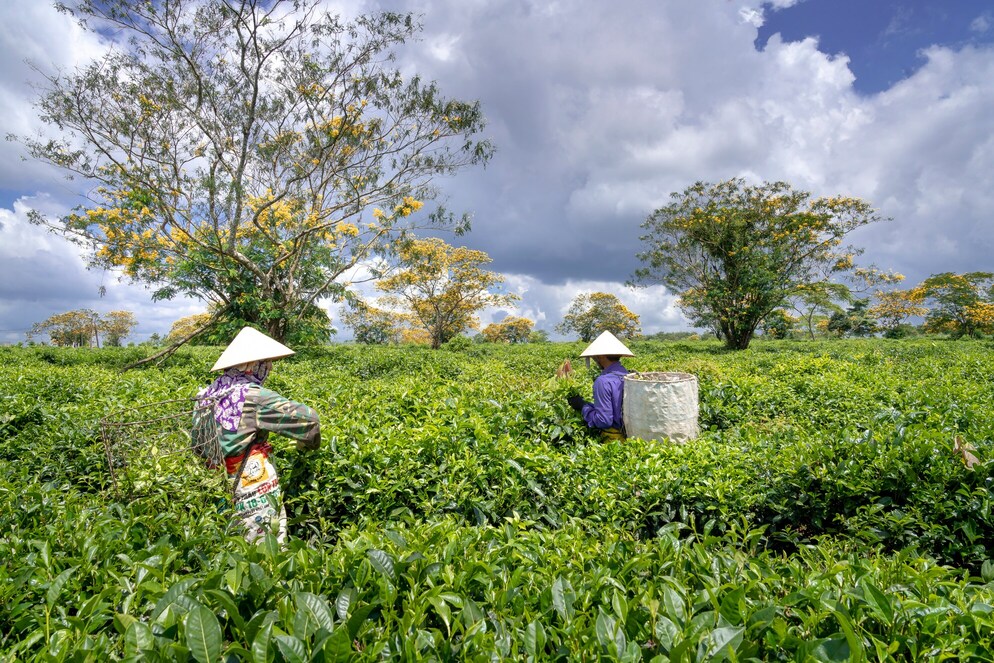
The Kenya tea sector is truly a cornerstone of the national economy and a driving force in East African agriculture. It’s not just any crop; it’s Kenya’s top foreign exchange earner, consistently bringing in over $1.2 billion each year and making a significant contribution to the country's GDP.
But the impact goes far beyond numbers. This industry is the largest private employer in Kenya, providing jobs and stable livelihoods to more than four million people, almost 10% of the population, across the entire tea value chain. From smallholder farmers who nurture the tea seeds, to the workers in tea factories, pluckers in the fields, transporters, and traders, many Kenyans rely on this sector for their daily income.
In tea-producing regions, the money generated by the Kenya tea industry helps support local schools, healthcare centers, and small businesses, fueling community development and improving quality of life for countless families. The ripple effect of tea sales is vital in these rural areas, helping to break poverty cycles and promote sustainable economic growth not just in Kenya, but across neighboring African countries as well.
Challenges and Adaptation in a Changing World: Kenyan Tea and Climate Realities
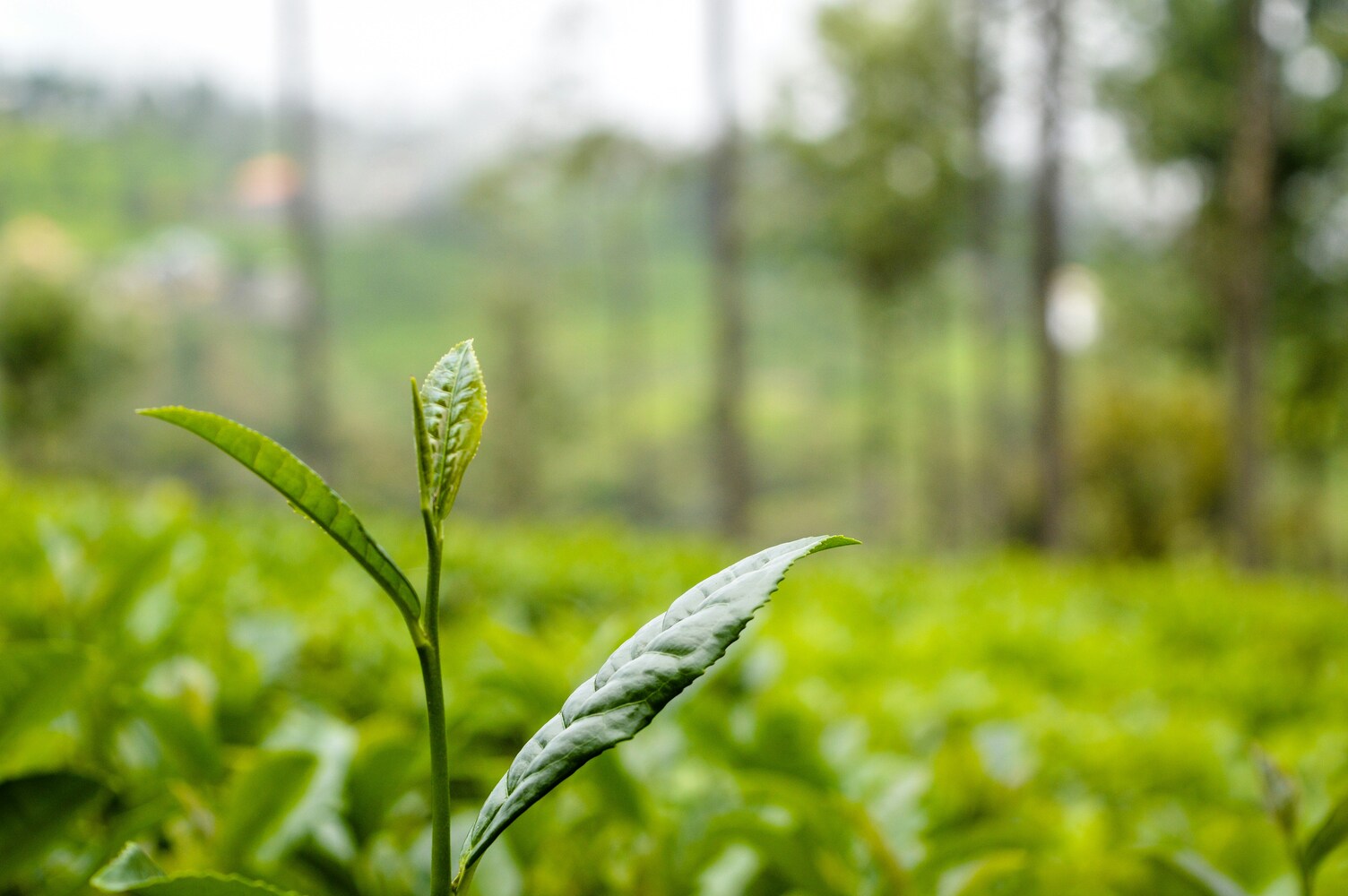
The resilience of kenyan tea is continually tested by a rapidly changing environment. As one of east Africa’s most vital exports, the tea industry must contend with major hurdles—most urgently, climate change. Tea growing in both the eastern rift and western rift of Kenya now faces unpredictable weather patterns, rising temperatures, shifting rainfall, and increasingly severe frost events, which disrupt traditional harvest cycles and threaten both the quality and total production of tea leaves.
Market volatility presents another formidable challenge. International market demands shift quickly, causing dramatic fluctuations in prices. With a large amount of kenyan tea destined for export, especially to countries like Pakistan, the UK, Egypt, and the increasingly important Chinese market, smallholder farmers are often at the mercy of global trends in consumption and pricing.
To remain competitive in the international markets, Kenya's tea producers are fostering adaptation strategies. These include diversifying into higher value products—such as orthodox tea, purple tea, and specialty blends—improving water conservation, and investing in drought- and disease-resistant tea cultivars.
Bodies like the Kenya Tea Development Agency (KTDA) and innovative companies such as Benny Tea Industries are playing essential roles in guiding the industry's evolution, ensuring that kenyan tea continues to thrive despite formidable climatic and economic challenges.
Sustainable Tea Farming: Leading the Way in Kenya
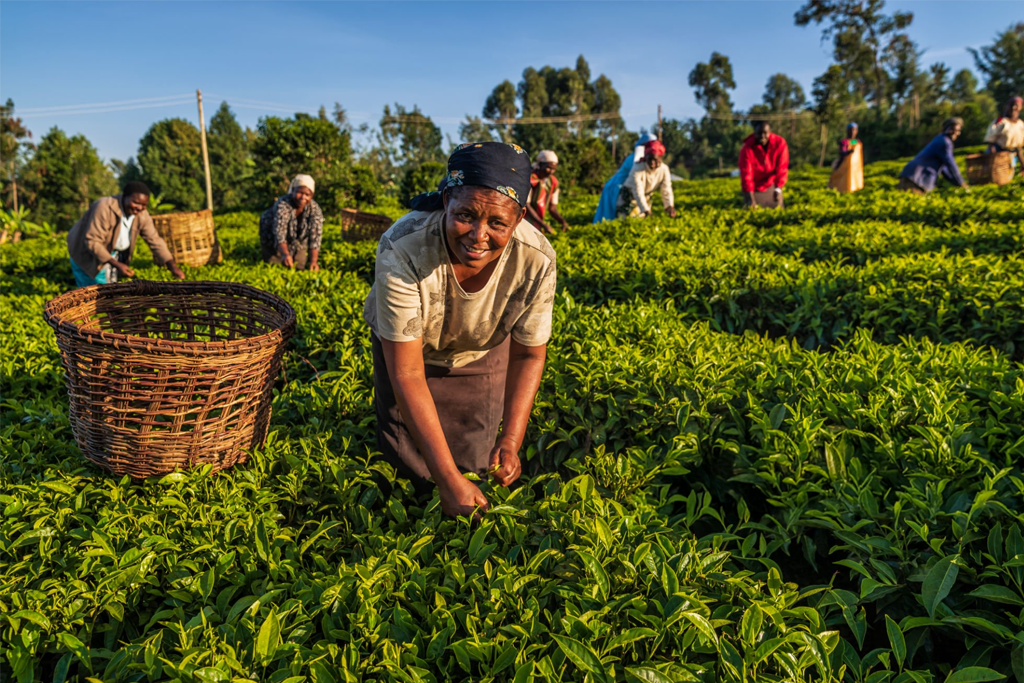
In answer to mounting challenges and growing consumer demand for responsible tea production, the Kenya tea industry has become a global benchmark for sustainable tea farming. The Kenya Tea Development Authority (KTDA) plays a crucial role in supporting smallholder farmers and ensuring that tea production meets international standards. Kenya maintains a high percentage of Rainforest Alliance, Fairtrade, and other globally recognized certifications, helping to protect the environment and guarantee fair, ethical practices for workers throughout the tea value chain.
Innovators like Benny Tea Industries and the KTDA have advanced water conservation techniques, improved soil management practices, and promoted a shift toward renewable energy. Many KTDA factories now run on hydropower and biomass, which not only reduce operational costs but also lower the industry's carbon footprint.
These sustainable efforts reinforce Kenya's reputation for producing high-quality, made tea while enabling the industry to expand into specialty markets such as Kenyan orthodox tea and purple tea. By embracing these sustainability commitments, Kenyan tea producers are leading the way in global standards and ensuring the resilience of the tea sector for generations to come.
The Future of Kenyan Tea

Looking ahead, the future of Kenyan tea is all about innovation and staying flexible to meet international market demands. Producers like Benny Tea Industries are moving beyond just bulk CTC tea and diving into specialty markets. There's growing excitement around varieties like purple tea, Kenyan orthodox tea, green tea, and even oolong tea. Each of these offers unique flavor profiles that appeal to discerning tea lovers worldwide and can fetch premium prices.
Digital transformation is also reshaping the tea supply chain, from advanced logistics and traceability for tea exports to platforms that enable producers to respond quicker to shifting international market demands. Continued research into climate-resilient cultivars ensures that Kenyan tea growing remains sustainable despite environmental challenges, securing the future for both large estates and the many smallholder families whose livelihoods depend on the industry.
Visit Tea Manor Singapore to dive in and explore places for tea rituals in private room Singapore.
Conclusion
The transformation of Kenya tea from its early days in the Great Rift Valley to its dominance as a global leader is a story of remarkable resilience and innovation. Kenyan tea has evolved from colonial beginnings to become synonymous with quality and diversity, embracing everything from CTC tea and black tea to emerging varieties like Kenyan orthodox tea and green tea. Powered by a dynamic network of smallholder farmers and organizations such as the Kenya Tea Development Agency, the industry’s adaptability continues to set an example worldwide.
Today, the distinct flavour of Great Rift Valley tea reaches international markets across the globe, highlighting Kenya’s status as a key player in the world tea trade. As global demand grows and new varieties like purple tea and oolong tea rise in prominence, Kenya tea stands poised for even greater influence, ensuring its rich legacy and future potential remain at the heart of the world’s tea culture.
Ceylon high grown tea from Nuwara Eliya captures what makes Sri Lanka an enduring force in the world of tea—a balance of nature, tradition, and human ingenuity. Every delicate sip is a testament to the unique altitude, flavour, and craftsmanship of the region.
As pure ceylon black tea continues to be consumed and celebrated from the hills of its origin to mugs around the world, it remains the perfect complement to any meal, conversation, or moment of enjoyment. Whether purchased for an everyday cup or a special occasion, this tea stands apart as one of the best, a bright, refreshing infusion to be enjoyed and remembered.
For those interested in the cultural aspects of tea, exploring the art of tea ceremony offers a fascinating glimpse into tradition and tranquility beyond the Kenyan tea industry.

“Detox Tea” Is Mostly Marketing: Here’s What Tea Actually Does
I have always found the phrase “detox tea” a little strange. Not because I dislike tea. Quite the opposite. Tea has been part of my daily life for years. I love the quiet ritual of choosing leaves, waiting for the water, and taking a moment to slow down. But somewhere along the way, tea became…
-
The Tea House That Time Did Not Forget: Tea Chapter Trading Pte Ltd
I almost walked past it. Located at Nine Neil Road, Tea Chapter Trading Pte Ltd sits quietly, a three-storey shophouse just across from Maxwell MRT in Singapore, its restored facade catching afternoon light. Around it, Chinatown moves at its usual pace. Inside, something slower has been happening since October 1989. I stepped in on a…
-
Expensive Tea Doesn’t Guarantee a Better Cup, Here’s Why
There is a belief in tea that we rarely question. If something costs more, it must be better. It is an understandable assumption. A rare tea from a respected region, carefully harvested and beautifully packaged, naturally creates expectations. We associate price with effort, craftsmanship, and quality. And often, that connection is justified. But not always….
-
SUN with MOON Singapore at Wheelock Place: A Unique Tea Dining Cafe Experience on Orchard Road
The lunch crowd had gone. Dinner hadn’t arrived yet. I came in during that strange, in-between hour, a little after three on a weekday, when the escalators at Wheelock Place hum quietly and Orchard Road feels almost gentle. Most people were still at their desks. I wasn’t. I wanted tea, and I wanted to sit…
-
Cold Brew Tea Is Underrated (And Hot Purists Are Missing Out)
I used to think tea had to be hot. There was something about the ritual of it. Boiling water, warming the pot, watching the leaves open. A proper cup of tea seemed to require steam. Then I tried cold brew tea, and I had to admit something slightly uncomfortable. I liked it. More than I…
-
All Things Delicious Review: The Quiet Pleasure of Tea and Cake.
There’s a particular kind of afternoon that asks for tea, and All Things Delicious answers it with a quiet, comforting tea-and-cake experience on Arab Street: handmade sweet treats, warm approachable teas, and a room that makes simple pleasures feel like enough. Not coffee, with its urgency. Tea. The slow kind, poured while the conversation drifts…
-
Wellness Tea Is a Scam, but Tea Can Still Be Good for You
There is a strange contradiction in the way we talk about tea today. For centuries, tea was appreciated for its taste, its rituals, and the moments it created. Today, it is often sold as something else entirely. A solution. A promise. A shortcut. The language surrounding wellness tea has become increasingly familiar. Detox tea. Cleansing…
-
Camellia Tea: A Blossom, A Leaf, A Legacy Rooted in Camellia Sinensis
My grandmother kept her camellia tea in a battered tin that had once held biscuits. She never called it anything fancy. It was just cha, brewed strong in the mornings using fresh tea leaves from the tea plant, poured into small cups that had lost their matching saucers years ago. I didn’t know then that…
-
Why “Caffeine-Free Tea” Marketing Should Be Regulated (Seriously)
Hear me out: we have become far too comfortable with the phrase “caffeine-free tea.” It appears on beautiful packaging, wellness websites, and café menus with the confidence of a health guarantee. The words suggest calm evenings, better sleep, and a gentler relationship with what we drink. But there is a problem. The phrase sounds clearer…
-
The Forgotten Luxury of Sitting Still at Japanese Tea House
You stoop to enter the traditional japanese tea house. That is the first thing the tea house asks of you, before the tea, before the talk, before anything at all. The doorway is low, deliberately so, and even the tall must bow to pass through it. In that small act of folding the body, something…