Imagine standing at the edge of Kenya’s Great Rift Valley, the birthplace of world-renowned Kenya tea. Here, undulating hills blanket the landscape in a lush sea of deep green, where rows of thriving tea bushes stretch across the horizon. This breathtaking region forms the core of the Kenyan tea industry—a powerhouse producing some of the globe’s highest-quality black tea, unique Kenyan orthodox tea, green tea, and even the rare purple tea.
Today, Kenya stands as the world’s largest exporter of black tea, its products revered across international markets for their distinct character and freshness. From the rich volcanic soils of the Great Rift Valley to cutting-edge processing methods pioneered by Kenyan producers, the journey of Kenya tea reflects an extraordinary transformation.
Tea’s journey in Kenya began in 1903 when a British colonial settler, G.W.L. Caine, planted the first tea bushes in Limuru. This experiment on European-owned plantations quickly proved successful, with the fertile highlands providing ideal conditions. For decades, tea cultivation remained the exclusive domain of white settlers, with large, company-owned estates dominating production. Indigenous Kenyans were largely excluded from growing this lucrative cash crop.
Great Rift Valley: Kenya Tea’s Natural Advantage
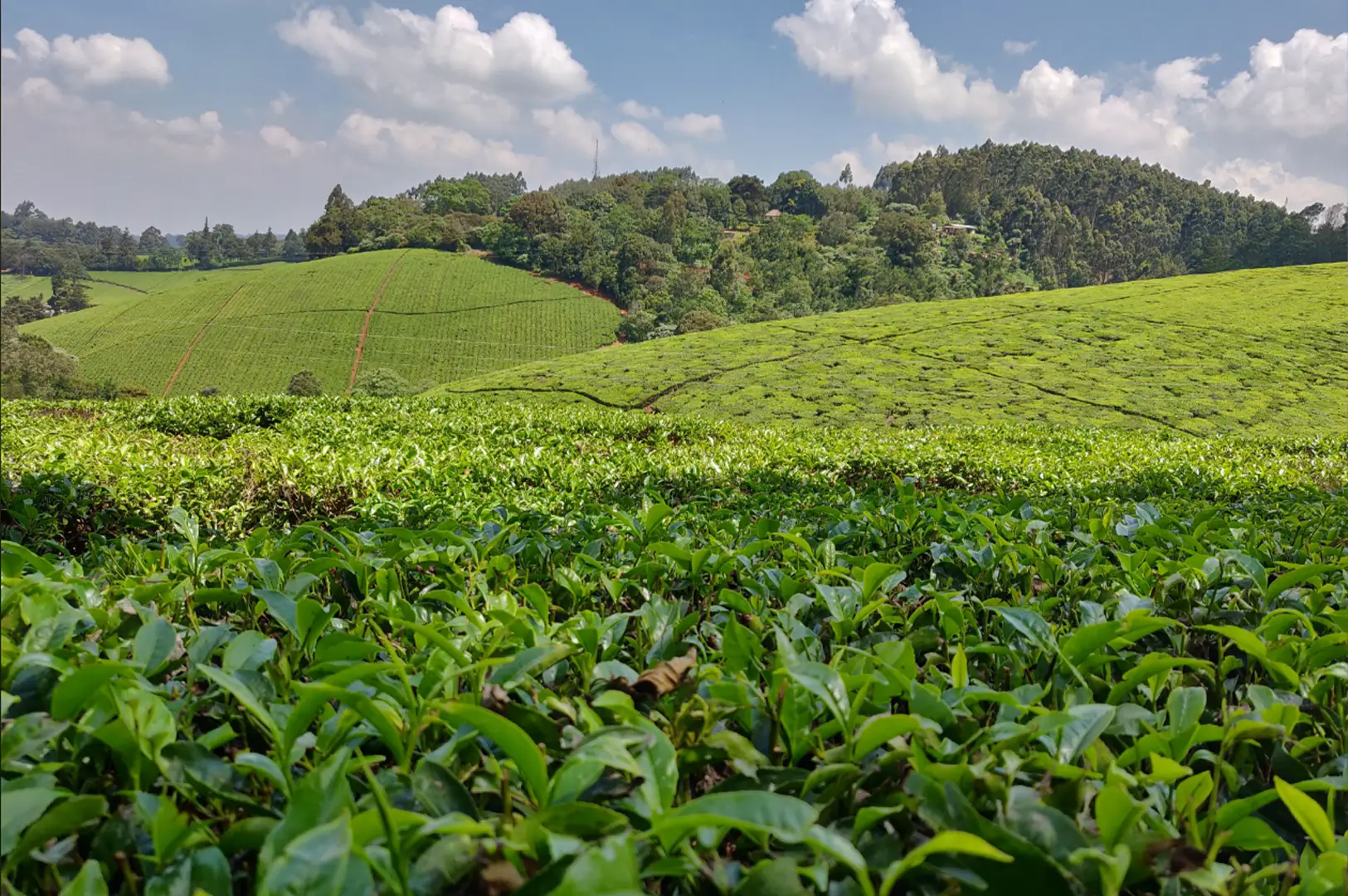
The Great Rift Valley is at the heart of the story when it comes to Kenyan tea. Stretching across East Africa, this region offers an ideal climate that few other places can match for tea growing. With elevations ranging from 1,500 to 2,700 meters, the cooler temperatures here help tea bushes grow slowly, which means the leaves develop richer flavors and a refreshing freshness.
All across the Rift Valley, you’ll find a perfect mix of generous rainfall, misty mornings, and plenty of sunshine that combine to create a consistent, year-round growing season. The red volcanic soils, rich in nutrients and well-draining thanks to ancient geological activity, are perfect for cultivating high-quality tea. These unique conditions give Kenya tea its famous bright character, brisk body, and distinctive astringency, making it a favorite in international markets.
With its remarkable combination of geology, altitude, and ideal climate, the Great Rift Valley has become the beating heart of Kenya’s tea industry. The unrivaled terroir found here not only sustains the country’s status as the world’s largest exporter of black tea, but also underpins Kenya’s growing reputation for new specialties like orthodox tea, green tea, and even purple tea.
Unlike the plantation-centric models of India or Sri Lanka, the Kenya tea industry is overwhelmingly powered by small-scale farmers. Over 600,000 smallholder farmers are responsible for more than 60% of the country's total tea production. This unique structure is the direct result of the formation of the Kenya Tea Development Agency (KTDA) in 1964.
As one farmer from Kericho County noted, "Before, tea was for the mzungu (white man). Now, my small shamba (farm) educates my children and builds my home. The green leaf is our gold." This sentiment captures the profound impact of Kenyan smallholder tea farming, which has lifted entire communities out of poverty and built a more inclusive agricultural sector.
Production Innovations: CTC Tea, Kenyan Orthodox Tea, and Advancing Tea Producers
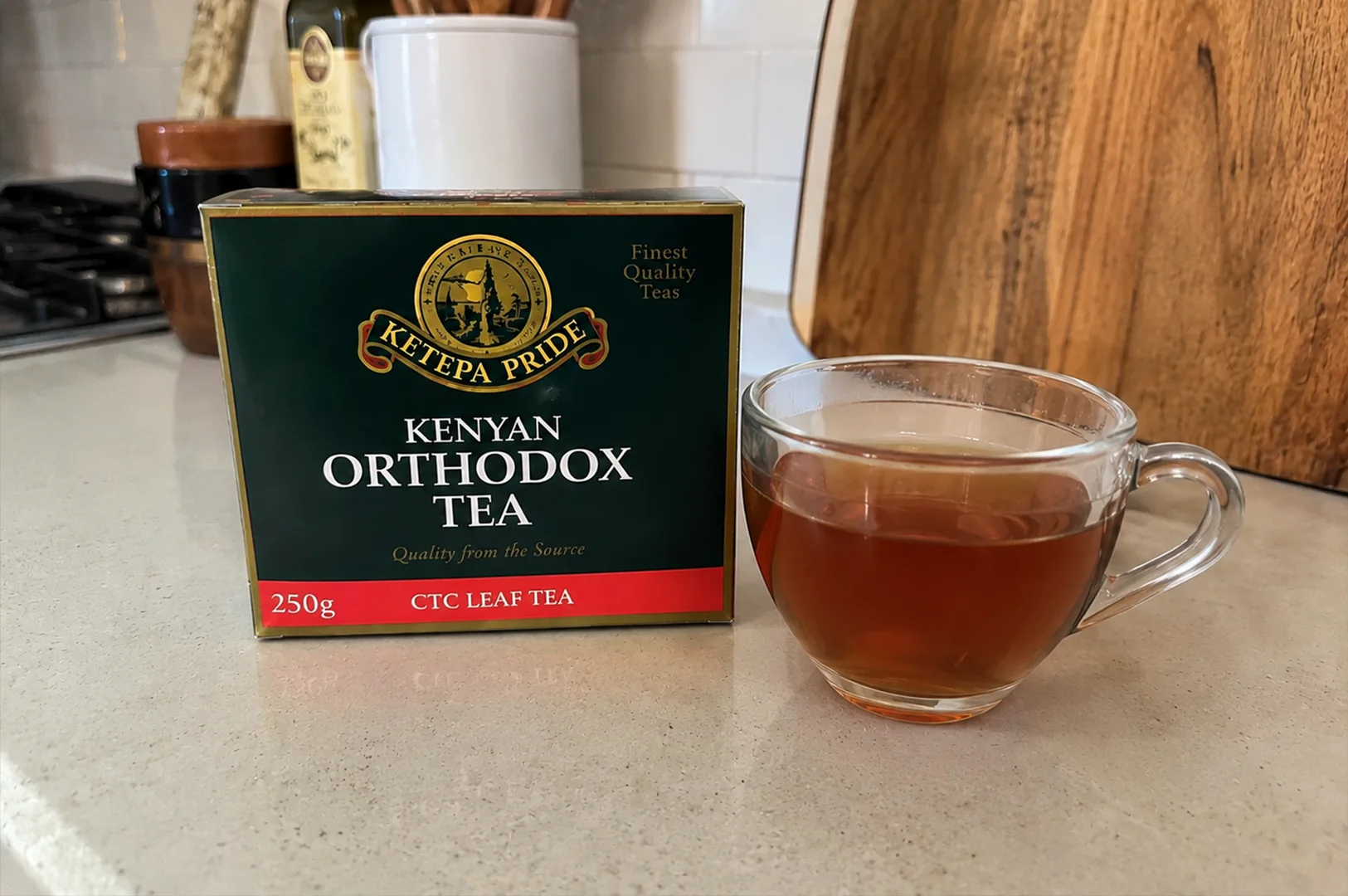
Kenya's ascendancy in the global tea industry is inseparable from the widespread adoption and mastery of CTC tea (Cut, Tear, Curl) processing. Pioneered in the 1950s, this method revolutionized how Kenyan tea is processed, allowing tea producers to efficiently transform tea leaves into uniform pellets using cylindrical rollers equipped with sharp teeth. The result is black tea that is dark, brisk, and quick-to-infuse, ideal for tea bags favored in international markets. This shift positioned Kenya not just as a major supplier, but as the world's largest exporter of black CTC tea, responding directly to global demand and modern consumption habits.
Still, the passion for diversity remains. Alongside CTC tea, a growing number of tea producers, including smallholder tea farmers supported by the Kenya Tea Development Agency, are investing in the careful manufacture of Kenyan orthodox tea. Unlike the mechanized CTC approach, orthodox tea processing delicately rolls whole leaves to yield nuanced flavour and a rich, layered taste, targeted at specialist and premium markets seeking freshness and authenticity.
This balance between traditional and innovative processing allows Kenya to serve both mass-market blends and sophisticated connoisseur palates, enhancing value addition within the tea value chain.
Kenya's strategic focus on CTC production allowed it to capture a significant share of the global black tea market. Today, the country accounts for over 20% of total global tea exports, making it the undisputed world leader. The nerve center of this trade is the Mombasa tea auction importance, the largest black tea auction in the world. Here, brokers representing producers from across East and Central Africa sell tea to buyers from around the globe.
Table: Top Black Tea Exporters (2023 Estimates)
| Country | Export Volume (Million kg) | Primary Market Focus |
|---|---|---|
| Kenya | 558 | Black CTC Tea (for bags) |
| Sri Lanka | 250 | Orthodox Black Tea |
| India | 210 | Orthodox & CTC Tea |
| China | 375 | Green & Black Tea |
Note: China exports more total tea, but Kenya is the largest exporter of black tea.
Primary export destinations for Kenya tea exports include Pakistan, Egypt, the United Kingdom, and Sudan. This wide-reaching trade network underscores Kenya's central role in the daily ritual of tea drinking for billions of people.
Economic Impact and Livelihoods
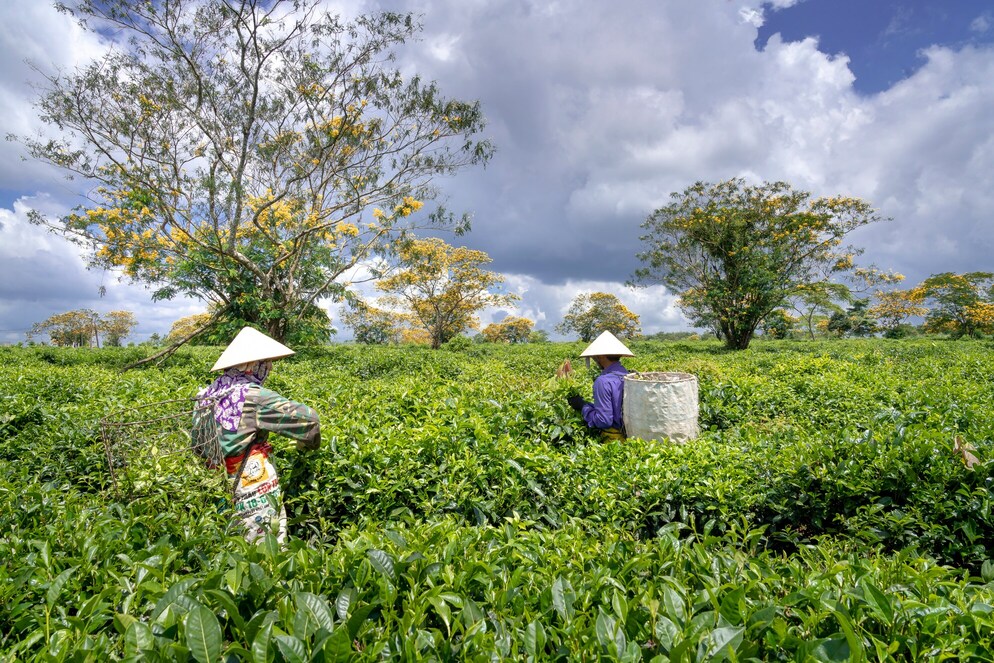
The Kenya tea sector is truly a cornerstone of the national economy and a driving force in East African agriculture. It’s not just any crop; it’s Kenya’s top foreign exchange earner, consistently bringing in over $1.2 billion each year and making a significant contribution to the country's GDP.
But the impact goes far beyond numbers. This industry is the largest private employer in Kenya, providing jobs and stable livelihoods to more than four million people, almost 10% of the population, across the entire tea value chain. From smallholder farmers who nurture the tea seeds, to the workers in tea factories, pluckers in the fields, transporters, and traders, many Kenyans rely on this sector for their daily income.
In tea-producing regions, the money generated by the Kenya tea industry helps support local schools, healthcare centers, and small businesses, fueling community development and improving quality of life for countless families. The ripple effect of tea sales is vital in these rural areas, helping to break poverty cycles and promote sustainable economic growth not just in Kenya, but across neighboring African countries as well.
Challenges and Adaptation in a Changing World: Kenyan Tea and Climate Realities
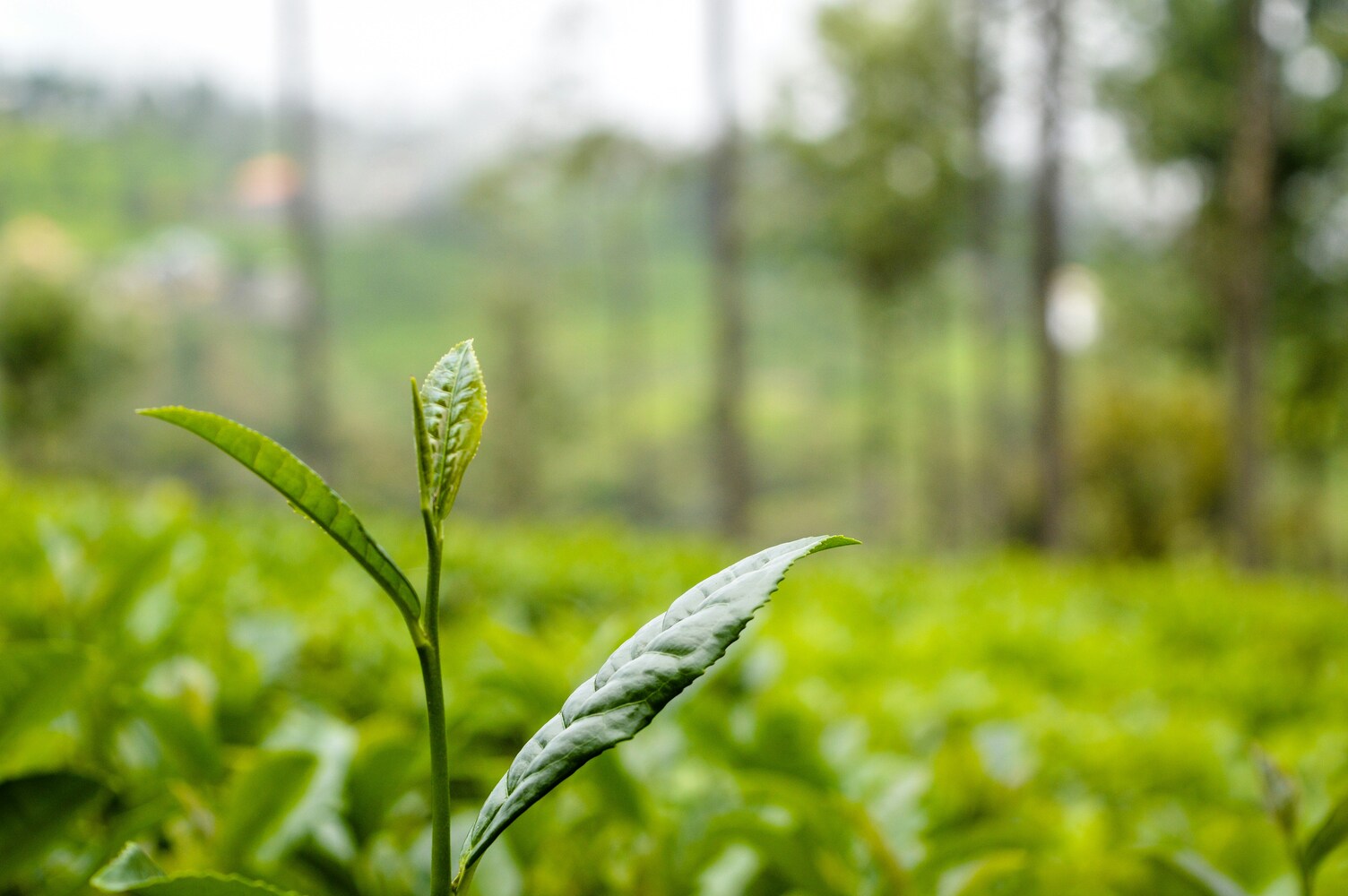
The resilience of kenyan tea is continually tested by a rapidly changing environment. As one of east Africa’s most vital exports, the tea industry must contend with major hurdles—most urgently, climate change. Tea growing in both the eastern rift and western rift of Kenya now faces unpredictable weather patterns, rising temperatures, shifting rainfall, and increasingly severe frost events, which disrupt traditional harvest cycles and threaten both the quality and total production of tea leaves.
Market volatility presents another formidable challenge. International market demands shift quickly, causing dramatic fluctuations in prices. With a large amount of kenyan tea destined for export, especially to countries like Pakistan, the UK, Egypt, and the increasingly important Chinese market, smallholder farmers are often at the mercy of global trends in consumption and pricing.
To remain competitive in the international markets, Kenya's tea producers are fostering adaptation strategies. These include diversifying into higher value products—such as orthodox tea, purple tea, and specialty blends—improving water conservation, and investing in drought- and disease-resistant tea cultivars.
Bodies like the Kenya Tea Development Agency (KTDA) and innovative companies such as Benny Tea Industries are playing essential roles in guiding the industry's evolution, ensuring that kenyan tea continues to thrive despite formidable climatic and economic challenges.
Sustainable Tea Farming: Leading the Way in Kenya
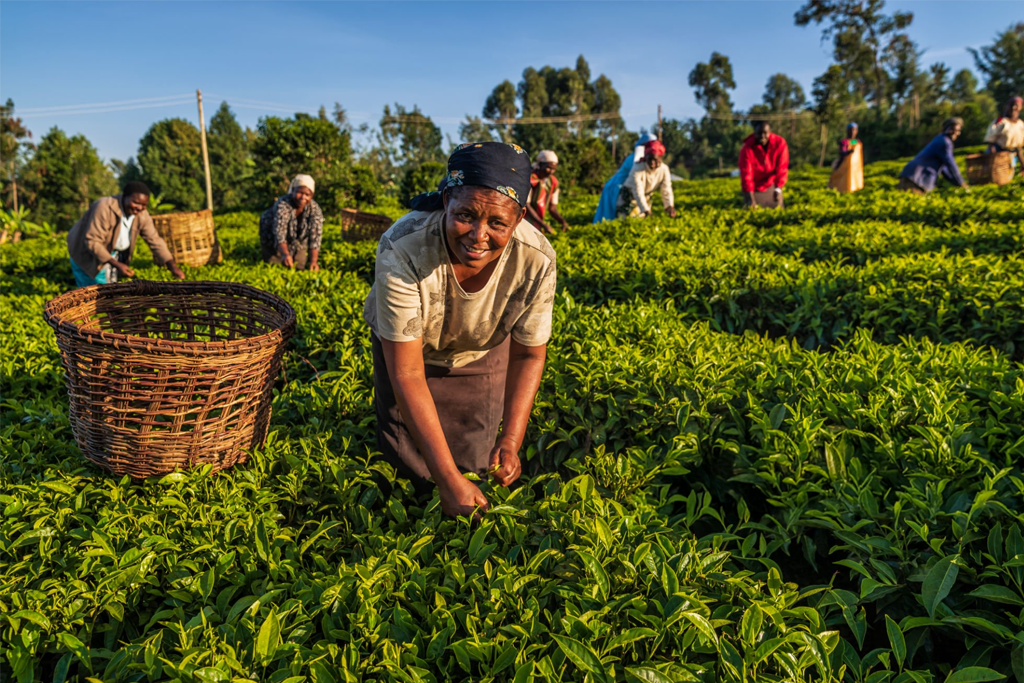
In answer to mounting challenges and growing consumer demand for responsible tea production, the Kenya tea industry has become a global benchmark for sustainable tea farming. The Kenya Tea Development Authority (KTDA) plays a crucial role in supporting smallholder farmers and ensuring that tea production meets international standards. Kenya maintains a high percentage of Rainforest Alliance, Fairtrade, and other globally recognized certifications, helping to protect the environment and guarantee fair, ethical practices for workers throughout the tea value chain.
Innovators like Benny Tea Industries and the KTDA have advanced water conservation techniques, improved soil management practices, and promoted a shift toward renewable energy. Many KTDA factories now run on hydropower and biomass, which not only reduce operational costs but also lower the industry's carbon footprint.
These sustainable efforts reinforce Kenya's reputation for producing high-quality, made tea while enabling the industry to expand into specialty markets such as Kenyan orthodox tea and purple tea. By embracing these sustainability commitments, Kenyan tea producers are leading the way in global standards and ensuring the resilience of the tea sector for generations to come.
The Future of Kenyan Tea

Looking ahead, the future of Kenyan tea is all about innovation and staying flexible to meet international market demands. Producers like Benny Tea Industries are moving beyond just bulk CTC tea and diving into specialty markets. There's growing excitement around varieties like purple tea, Kenyan orthodox tea, green tea, and even oolong tea. Each of these offers unique flavor profiles that appeal to discerning tea lovers worldwide and can fetch premium prices.
Digital transformation is also reshaping the tea supply chain, from advanced logistics and traceability for tea exports to platforms that enable producers to respond quicker to shifting international market demands. Continued research into climate-resilient cultivars ensures that Kenyan tea growing remains sustainable despite environmental challenges, securing the future for both large estates and the many smallholder families whose livelihoods depend on the industry.
Visit Tea Manor Singapore to dive in and explore places for tea rituals in private room Singapore.
Conclusion
The transformation of Kenya tea from its early days in the Great Rift Valley to its dominance as a global leader is a story of remarkable resilience and innovation. Kenyan tea has evolved from colonial beginnings to become synonymous with quality and diversity, embracing everything from CTC tea and black tea to emerging varieties like Kenyan orthodox tea and green tea. Powered by a dynamic network of smallholder farmers and organizations such as the Kenya Tea Development Agency, the industry’s adaptability continues to set an example worldwide.
Today, the distinct flavour of Great Rift Valley tea reaches international markets across the globe, highlighting Kenya’s status as a key player in the world tea trade. As global demand grows and new varieties like purple tea and oolong tea rise in prominence, Kenya tea stands poised for even greater influence, ensuring its rich legacy and future potential remain at the heart of the world’s tea culture.
Ceylon high grown tea from Nuwara Eliya captures what makes Sri Lanka an enduring force in the world of tea—a balance of nature, tradition, and human ingenuity. Every delicate sip is a testament to the unique altitude, flavour, and craftsmanship of the region.
As pure ceylon black tea continues to be consumed and celebrated from the hills of its origin to mugs around the world, it remains the perfect complement to any meal, conversation, or moment of enjoyment. Whether purchased for an everyday cup or a special occasion, this tea stands apart as one of the best, a bright, refreshing infusion to be enjoyed and remembered.
For those interested in the cultural aspects of tea, exploring the art of tea ceremony offers a fascinating glimpse into tradition and tranquility beyond the Kenyan tea industry.

The Tea I Keep Drinking When I Don’t Feel Like Myself
There are days when tea feels unnecessary. Not because I stop liking it, but because I don’t feel like the version of myself who usually drinks it slowly, thoughtfully, and with attention. On those days, I still make tea anyway. Not out of ritual, but out of habit. It is never the elaborate kind of…
-
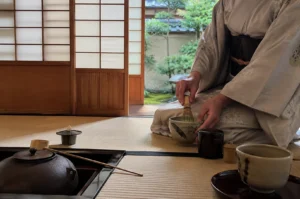
Tea Ceremony Kyoto: A Slow Dance of Bowls and Breath
The room is quiet enough to hear water. Somewhere beyond the paper screens of this traditional tea ceremony venue, a garden drips after morning rain. Inside a tea house on a tatami mat worn soft by years of kneeling, a tea master lifts a bamboo whisk and begins tea making. There is no rush in…
-
Why We Keep Romanticising Tea Moments That Never Happened
I sometimes wonder if we are drinking tea or remembering something that never really happened. A quiet morning that feels softer in memory than it ever was in real life. A perfect cup by the window that somehow always looks better in hindsight. A tea moment that feels cinematic, even though it probably lasted only…
-
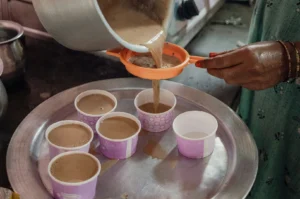
Masala Chai Tea Origins: The Cultural Evolution of India’s Spiced Tea Tradition
There is a sound that belongs to mornings across India: the hiss of milk rising in a battered pot, the clink of a spoon against metal, the low murmur of a tea seller calling out to passing crowds. Before the first sip, there is the scent. Cardamom pods, fresh ginger, and cinnamon stick curling into…
-
We Are Turning Tea Into Something It Was Never Meant to Be
There is something quietly strange happening in tea culture. The more popular the tea becomes, the more it starts to resemble everything it once stood apart from. Speed. Branding. Productivity. Performance. Tea, which once belonged to unhurried moments, is increasingly being asked to do more. To energize. To optimize focus. To replace coffee. To support…
-
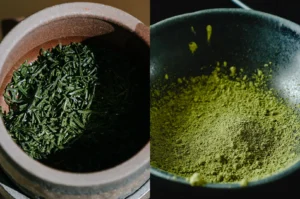
Sencha Green Tea vs. Matcha Powder: Understanding the Differences in Japanese Green Tea
Two tins of tea powder sit side by side on a shelf. Both hold a fine green powder. Both promise the taste of authentic Japanese tea. To the eye, they look almost identical, and that is precisely where the confusion begins. One is matcha powder, often used in matcha lattes and desserts. The other is…
-
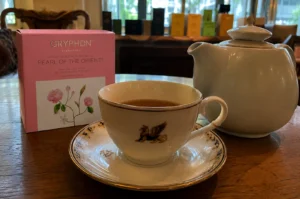
Discovering Gryphon Tea Company’s Earl Grey in Singapore
I recently tried the Earl Grey from Gryphon Tea Company Singapore, and I have to admit, it surprised me. Not because it was flawless-it wasn’t, but because it felt like a tea that knew exactly what it wanted to be. The aroma is the first thing that hits you. Bergamot is present but subtle, not…
-
Hojicha: The Roasted Japanese Green Tea With A Mellow Twist
There is a moment, just after the hot water meets the hojicha tea leaves, when the kitchen fills with the aroma of something toasted. Not grassy. Not sharp. Warm, like roasted nuts or the edge of a freshly baked loaf. That moment is where hojicha begins. Hojicha (sometimes spelled houjicha) is a roasted green tea…
-
A Quiet Afternoon at Yixing Xuan Teahouse
I recently spent a quiet afternoon at Yixing Xuan Teahouse, a place that feels like a pause in the city. The moment you step inside, the world seems slower. The air carries the gentle aroma of steeped leaves, and the staff move with quiet precision. I chose an oolong, simple yet familiar. Watching the leaves…
-
The Controversial Smoky Tea That Divides Enthusiasts: Lapsang Souchong Black Tea
There is a tea that empties rooms and fills them in equal measure. Open a box of loose leaf lapsang souchong black tea, and someone nearby will lean in with delight while another quietly steps away. Few teas provoke such immediate, honest reactions. That divide is part of its story. This smoked lapsang souchong smells…