Introduction
Most people arrive at KOMA Singapore, a stunning venue by Tao Group Hospitality located in Marina Bay Sands, expecting a spectacle. And to be fair, that is exactly what they get. From the moment guests enter, the experience begins with glowing vermillion arches inspired by Kyoto’s Fushimi Inari Shrine, leading into a dining space that feels almost cinematic.
But after the first impression settles, something else begins to surface.
Beyond the scale, the music, and the movement of the room, there is a quieter layer to the experience. One that does not compete for attention. One that appears gradually as the meal unfolds.
Tea.
At first, it feels like an afterthought. But by the end of the evening, it becomes clear that tea plays a subtle but important role in shaping the rhythm of the KOMA Singapore dining experience. For those interested in exploring more about tea pairings at top Japanese restaurants in Singapore, this A Tea Lover’s Guide to the Best Japanese Restaurant Singapore Dining Experiences offers valuable insights.
KOMA Singapore and the First Impression of Contrast
A Dramatic Space That Calls for Balance
Walking into KOMA Singapore, the contrast is immediate.
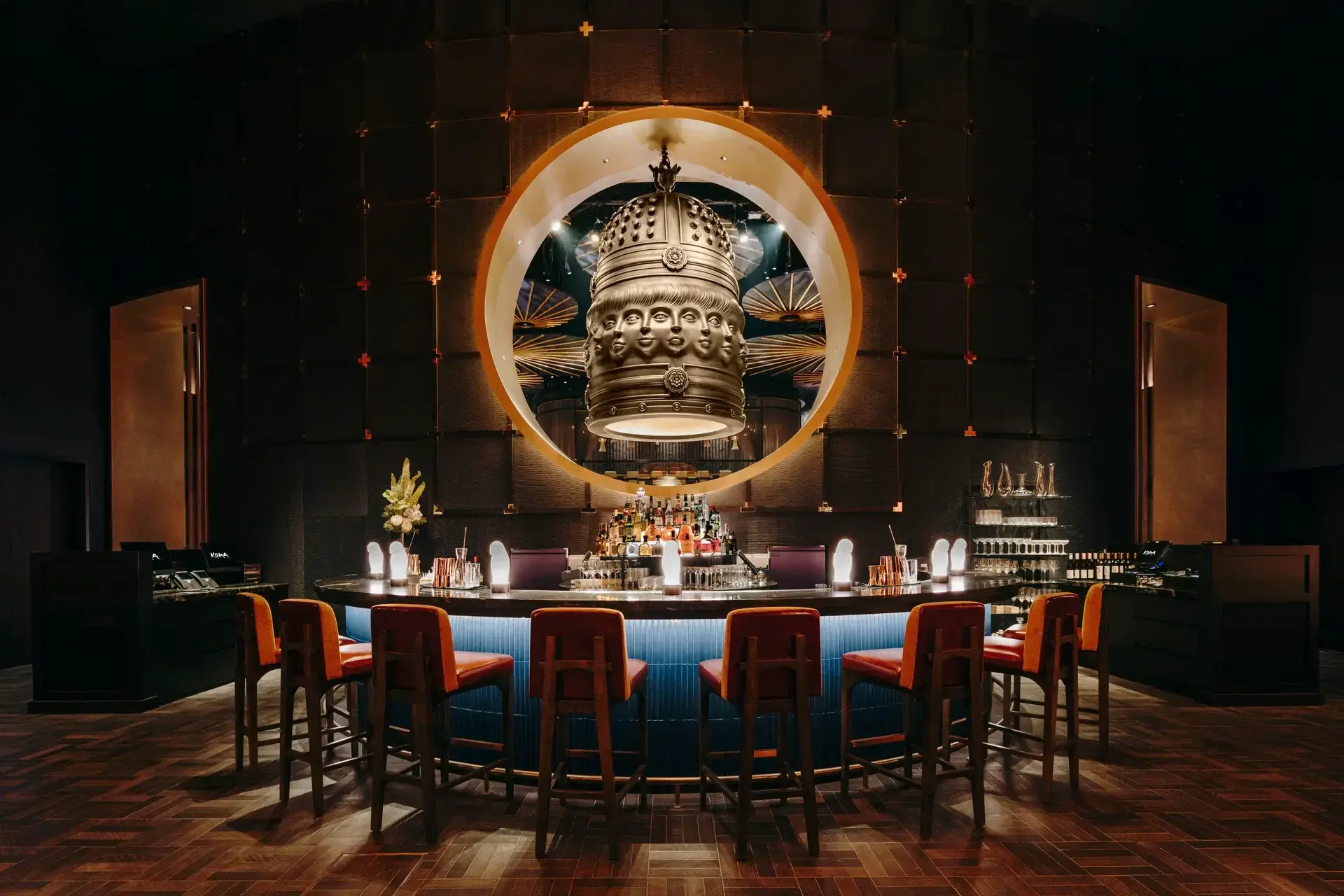
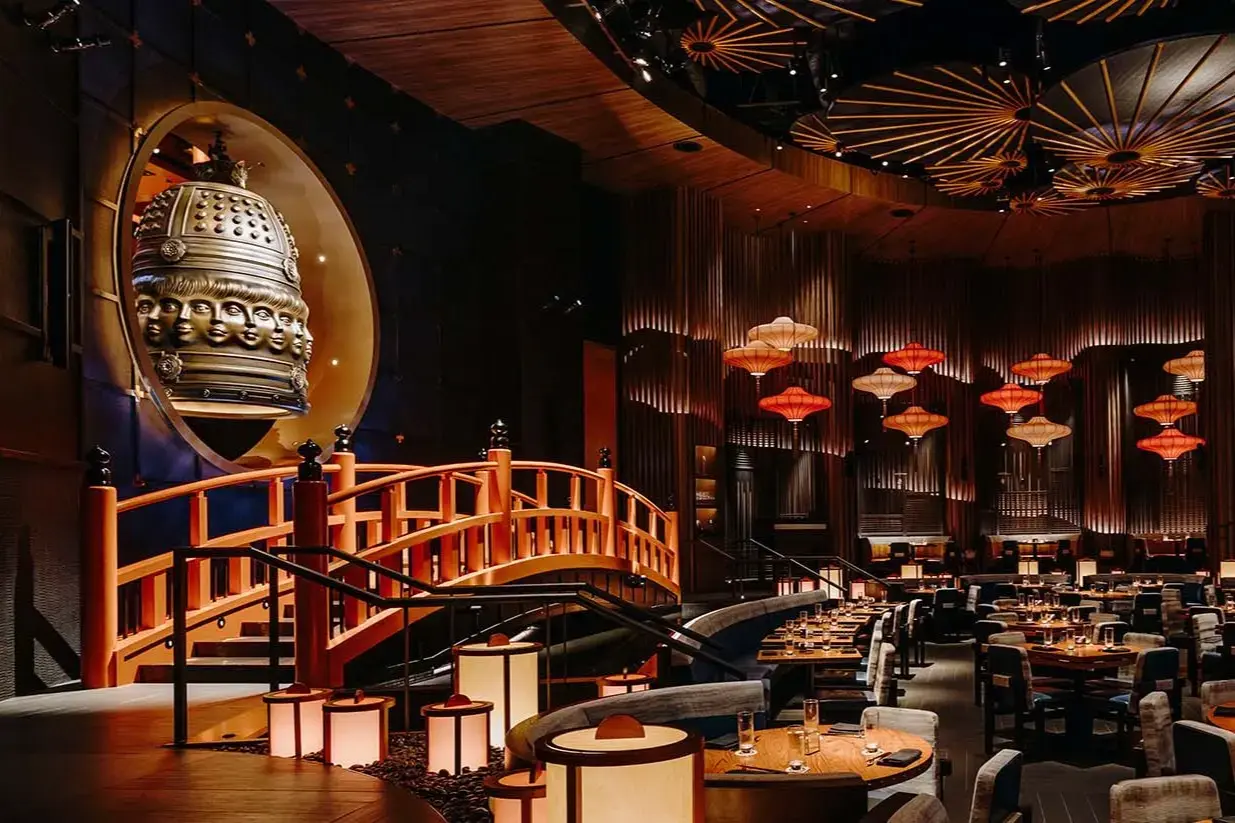
The space is bold. The main dining room stretches out beneath soaring high ceilings, anchored by a striking 2.5m tall Japanese bell. The traditional Japanese foot bridge cuts across the room, creating a visual focal point that draws your attention inward. The orange arches lining the entrance passageway set the tone for a dramatic night.
It is easy to get caught up in the scale of it all.
Yet spaces like this also create a need for balance. With so much visual energy, the dining experience could easily become overwhelming. This is where tea begins to make sense, even before the first cup arrives.
Tea, by nature, slows things down. It introduces a pause. And in a setting like KOMA, that pause feels necessary.
The KOMA Singapore Menu and the Weight of Flavour
A Bold Approach to Japanese Cuisine Featuring Innovative and Traditional Flavours
The KOMA Singapore menu is built around a modern interpretation of Japanese cuisine, featuring innovative twists on traditional maki and dishes that incorporate fresh and seasonal produce from Japan. It does not shy away from intensity. Flavours are layered, textures are contrasted, and presentation is designed to stand out with modern presentations.
The menu moves across several styles:
- sushi from an oversized sushi bar offering light makis, nigiri, and sashimi
- grilled selections from the robata grill
- dishes built around fresh and seasonal produce
- premium cuts such as snow aged Niigata wagyu ribeye and wagyu sirloin
Some of the more memorable standout dishes include:
- barbecued beef short rib with deep, smoky flavour and a hint of truffle oil
- crispy chicken finished with roasted jalapeño and crispy shallot
- shrimp tempura roll and spicy tuna crispy rice with inventive twists
- truffle fried rice with truffle paste and oil
Each dish leans toward richness. The flavours are bold, often enhanced with sauces like tomato ponzu or seasoning that build quickly across the palate.
And this is exactly where tea begins to matter.
Tea as a Counterbalance to Rich Dishes
Resetting the Palate in a Lounge Sunday Setting
After a sequence of dishes like wagyu beef, sushi, and fried rice, the palate becomes layered.
Flavours linger. Textures overlap. Even great food can begin to feel heavy if nothing interrupts the flow.
This is where tea enters the experience more clearly.
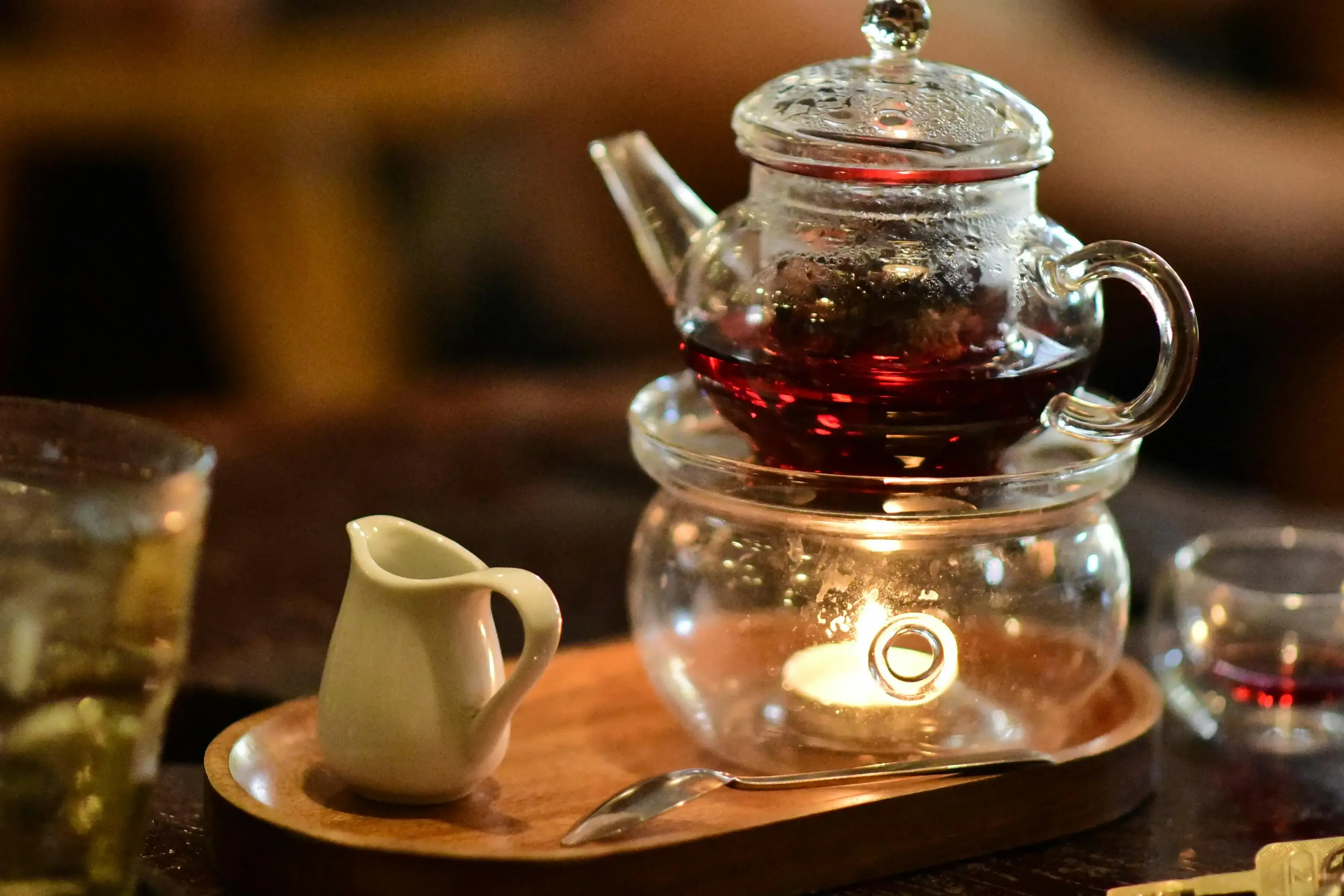
A simple cup, often served quietly in the intimate lounge area, resets the palate in a way that nothing else does. It clears the richness of barbecued beef short ribs, softens the oil from fried dishes, and allows the next bite to feel distinct again.
Unlike cocktails or sake, tea does not add complexity. It removes it.
That difference becomes noticeable the longer you stay at the table.
Tea Pairings Within the KOMA Experience
Not Highlighted, But Always Present Alongside the Venue's Extensive Sake List
KOMA does not position itself as a tea-focused restaurant. The emphasis remains on food, presentation, and atmosphere. But tea still finds its place within the flow of the meal.
After pre-dinner cocktails or even the venue’s creative new cocktails, tea shifts the tone of the evening.
It often appears:
- after heavier dishes
- toward the final courses
- or as a quiet ending to the meal
The pairing is not formal, but it works.
With dishes that rely on fresh ingredients and bold seasoning, tea acts as a neutral ground. It brings clarity back to the palate without distracting from the flavours that came before.
This complements the artfully curated selection of drinks, including yuzu sake and other Japanese spirits, enhancing the overall dining experience.
A Connection to Japanese Tea Culture
Subtle, But Intentional in a Venue Featuring Innovative Japanese Flavours
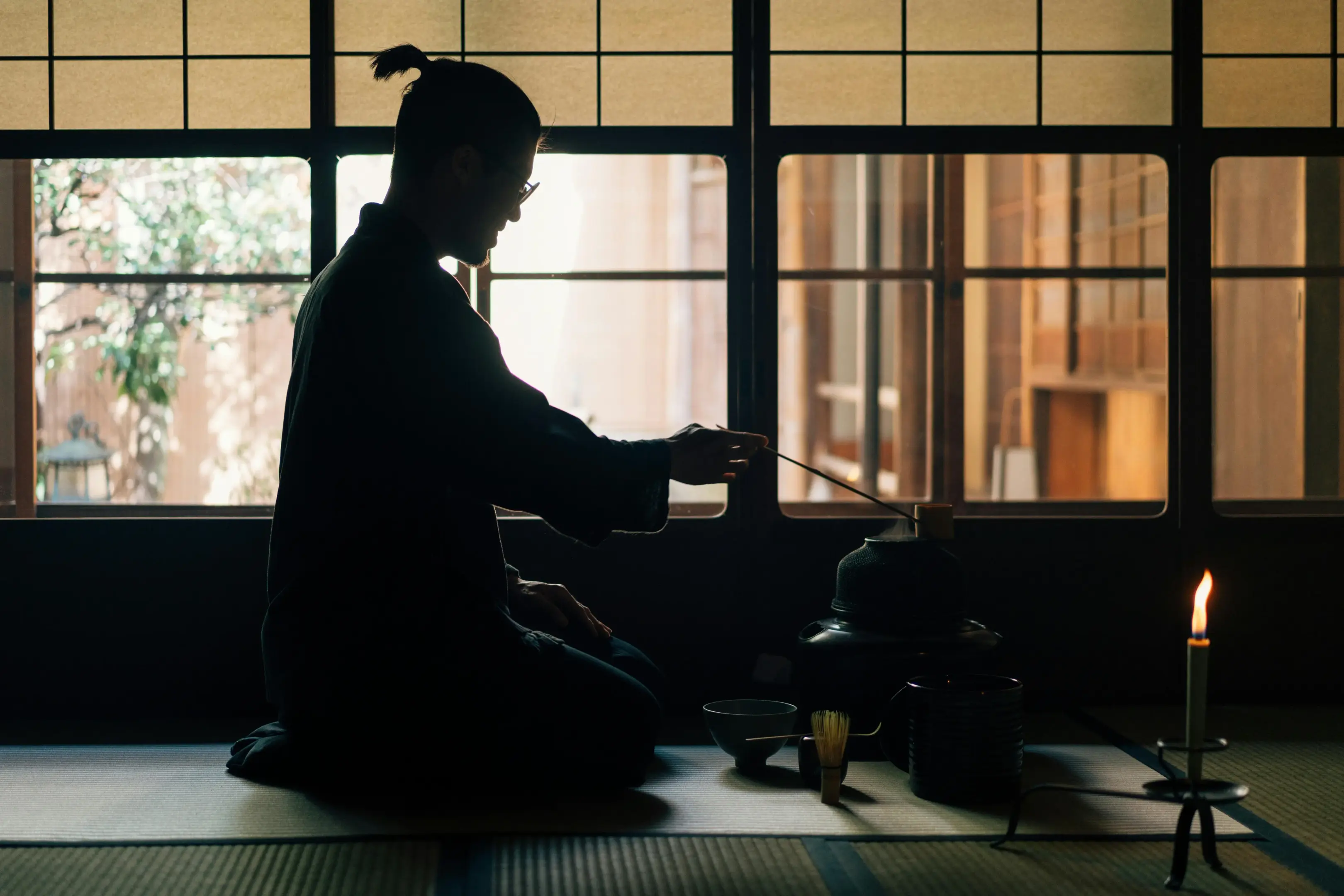
In traditional Japanese cuisine, tea is never the centre of attention. But it is always there.
It serves a purpose:
- to cleanse the palate
- to provide warmth between courses
- to mark the transition toward the end of a meal
At KOMA Singapore, this connection is subtle. The restaurant leans heavily into a dramatic modern Japanese restaurant identity, but traces of tradition still remain.
Tea becomes one of those traces.
Even within a space defined by visual spectacle, tea quietly anchors the experience back to something more familiar. Something rooted in balance rather than excess.
The Atmosphere and the Role of Tea in Slowing It Down
Finding Stillness in a Busy Room During Dinner Sunday
KOMA is rarely quiet.
The room moves constantly. Guests arrive, dishes are served, conversations rise and fall. It is part of the appeal.
But within that movement, there are smaller moments that feel more contained.
A cup of tea creates one of those moments.
It gives you something to hold onto. Something to focus on that is not the room, not the next dish, not the next course.
Just a pause.
In that sense, tea does something the rest of the experience does not try to do. It slows everything down without asking for attention.
The Overall Dining Experience at KOMA Singapore
More Than Just a Japanese Restaurant and Sushi Bar
It would be easy to describe KOMA Singapore simply as a japanese restaurant and sushi bar known for good food and a dramatic setting.
And it is both of those things.
The combination of:
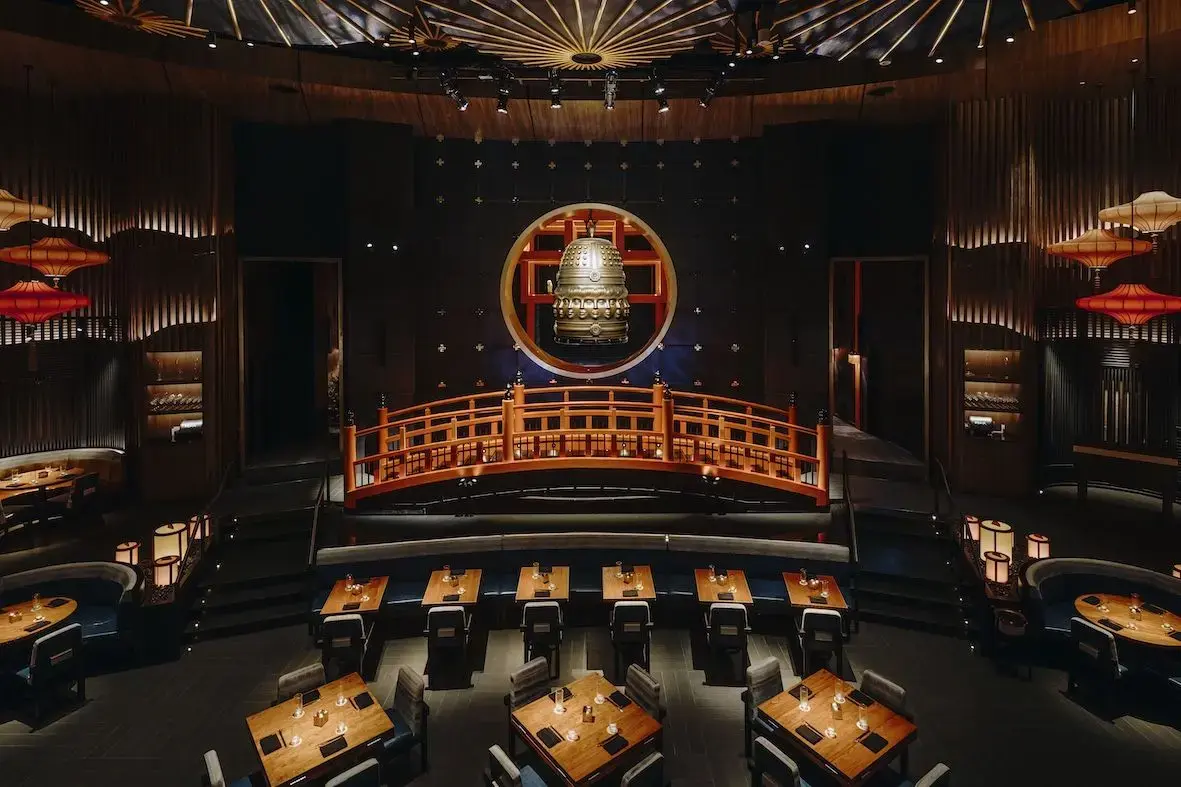
- a visually striking dining room with orange arches and a rising sun motif
- a menu built around premium ingredients like Kaluga Queen Oscietra caviar
- dishes with bold and distinct approach featuring Japanese flavours and inventive twists
makes it one of the more memorable restaurants in Singapore.
It works well for:
- date night
- celebrations
- group dining experiences
The presence of a private dining room also allows for more controlled, intimate settings within the larger space.
Where Tea Fits In
What makes the experience feel complete is not just the scale or the menu.
It is how everything settles at the end.
After the last dish, after the intensity of flavours, tea becomes the final note. It does not compete with the meal. It completes it.
Conclusion
KOMA is often approached as a destination for bold Japanese cuisine, and it delivers on that expectation with confidence.
The space is dramatic. The menu is expressive. The energy is constant. But what lingers is not just the spectacle. It is the quiet moments that follow.
Tea, in its simplest form, becomes part of that memory. Not as the main feature, but as the element that brings everything back into balance.
At KOMA Singapore, the experience may begin with impact, but it ends with something softer.
For more Asian tea culture contents, visit and read our article at Tea Manor Singapore.

We Talk Too Much About Tea and Not Enough About Drinking It
Tea culture has become remarkably good at talking about tea. We discuss origins. Elevation. Harvest seasons. Processing methods. Water temperatures. Brewing vessels. There are endless conversations about tea. And yet I sometimes wonder whether we spend enough time simply drinking it. This may sound like an odd criticism coming from someone who enjoys learning about…
-
High Tea St Regis: A Grand Afternoon Ritual at Regis Singapore
The light in the late afternoon does something quiet to a room. It softens. It lingers on the rim of a porcelain cup in the elegant Tea Room, slides along the curve of a silver pot, and settles into the folds of a linen napkin without asking for attention. There is a stillness here, the…
-
Why We Keep Looking for the Perfect Tea
I used to think there would be a moment when my tea journey felt complete. A tea so good that I would stop searching. A tea that would make every other tea feel unnecessary. Years later, I can confidently say that moment has never arrived. And I’m starting to think that’s the point. Tea drinkers…
-
Darjeeling First Flush: Capturing the Himalayan Spring in a Teacup
I still remember the first time someone handed me a cup of Darjeeling First Flush, a prized form of black tea, and asked me, quite seriously, not to add milk. I almost laughed. Tea without milk felt like toast without butter. But I humored my friend, took a sip, and paused. The liquid was pale…
-
What Kopi and Tea Say About Singapore
One of the things I love most about Singapore is that we never really chose between kopi and tea. We kept both. Walk into almost any hawker centre or coffee shop and you’ll see it immediately. One person orders kopi-o. Another asks for teh-c. Someone else is drinking Chinese tea from a flask they brought…
-
The Tea We Keep Saving for Later
Many tea drinkers have a tea they are saving. A special oolong purchased during a memorable trip. A rare tea gifted by a friend. A tea that feels too valuable, too limited, or too meaningful to drink casually. So it waits. Days become weeks. Weeks become months. The tea remains carefully stored while more ordinary…
-
Earl Grey Tea Benefits: What Is Earl Grey Tea and Why Has It Endured for Centuries?
Introduction Few teas are as instantly recognisable as Earl Grey tea. Even among people who do not regularly drink tea, the distinctive citrus aroma of Earl Grey often feels familiar. It appears in tea shops, cafés, afternoon tea menus, and kitchen cupboards around the world, yet many people still ask the same question: what is…
-
Can You Call Yourself a Tea Lover If You Don’t Like Matcha?
I have a confession. I don’t think every tea lover needs to love every tea. That sounds obvious when written down, but spend enough time around tea enthusiasts and you may start to think otherwise. Someone discovers that you enjoy tea. The questions begin. Do you drink green tea? What about pu-erh? Have you tried…
-
Is Tea Acidic? Understanding Tea Acidity and What It Means for Tea Drinkers
One of the most common questions among both new and experienced tea drinkers is surprisingly simple: is tea acidic? The answer is yes, but the reality is far more nuanced than a simple yes or no. Most teas fall on the mildly acidic side of the pH scale, yet they are generally far less acidic…
-
The Best Tea Sessions Are Usually Unplanned
Some of the most memorable tea sessions begin without intention. No special occasion. No carefully selected tea ware. No plan to spend an afternoon appreciating tea. Someone simply puts water on to boil. A tea is chosen almost absentmindedly. Cups are found. The tea is poured. And somehow, those sessions often become the ones we…