I did not understand oolong when I first encountered it.
It seemed unnecessarily complicated.
Green tea was green tea. Black tea was black tea. I understood where they stood.
Oolong seemed determined to remain somewhere in between.
Perhaps that was what initially kept me from appreciating it.
Over time, however, I began to realise that the space between things can be where the interesting things happen.
Oolong does not belong neatly to one category. Its range is remarkably wide. Some are light and floral, others dark and roasted. Some feel almost delicate, while others carry a depth that develops over several infusions.
There is no single oolong experience.
That is precisely what changed my mind.
I began returning to the same leaves, brewing them differently, paying attention to how they changed from one infusion to the next. What I had initially mistaken for inconsistency began to feel more like character.
Oolong does not always reveal itself immediately.
It asks you to stay.
I think tea lovers understand this instinctively. There is something satisfying about a tea that does not give everything away in the first cup. The aroma changes. The texture shifts. A sweetness appears where you did not notice it before.
Even the leaves themselves tell part of the story.
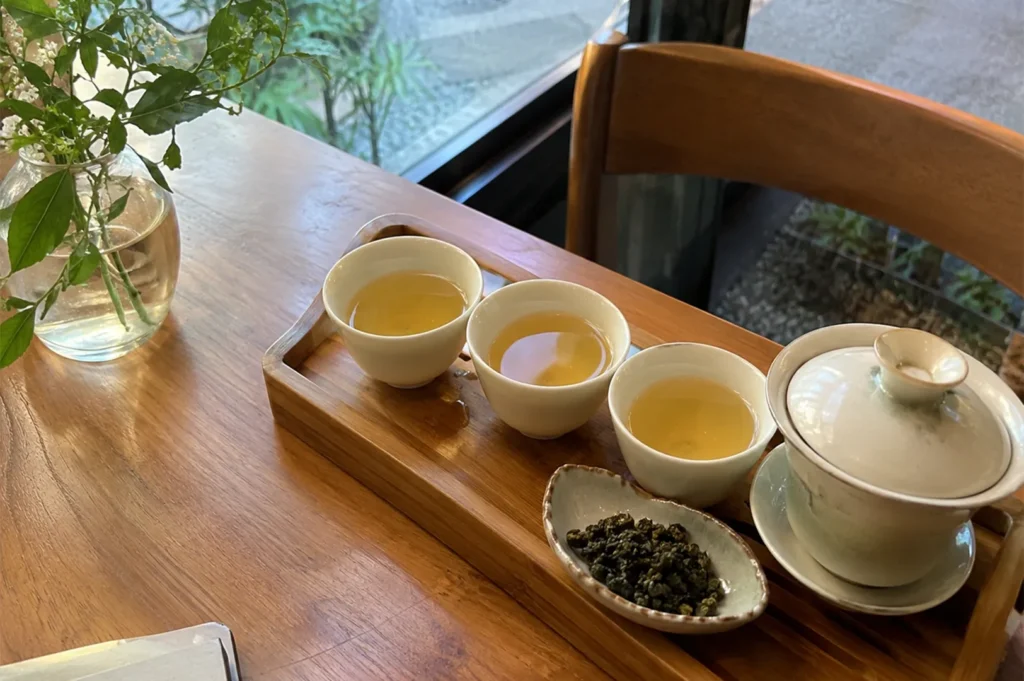
Tightly rolled leaves slowly unfurl in the pot, revealing more of themselves as they open. It is difficult not to find something quietly satisfying about watching that happen.
Perhaps this is why oolong eventually became one of the teas I return to most often.
Not because it is the best tea.
I no longer think there is such a thing.
But because it reminds me that tea does not need to fit neatly into a category to be worthwhile.
There is value in the middle.
In uncertainty.
In the things that take a little longer to understand.
Oolong changed the way I think about tea because it taught me that the space between two familiar ideas is not necessarily a compromise.
Sometimes, it is where the character lives.
With quiet regard,
N. P. Lim

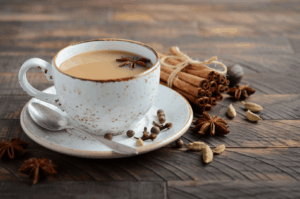
Masala Chai Origins: The Cultural Evolution of India’s Spiced Tea Tradition
The rhythmic clanging of metal kettles echoes through narrow lanes as steam rises from countless chai stalls across India. The intoxicating aroma of cardamom, cinnamon, and fresh ginger mingles with robust black tea, creating an olfactory symphony that has captivated souls for centuries. This is masala chai-not merely a beverage, but a cultural phenomenon that…
-
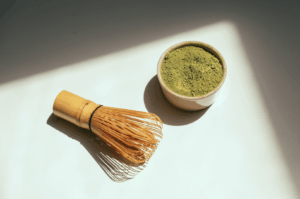
Matcha Tea: The Versatile Japanese Green Tea Powder
The vibrant green powder that transforms simple hot water into liquid jade has captivated tea enthusiasts worldwide. Matcha tea represents more than just a trendy beverage-it’s a bridge connecting ancient Japanese traditions with modern culinary innovation. This unique form of powdered green tea offers endless possibilities, from meditative ceremonial drinking to creative kitchen applications that…
-
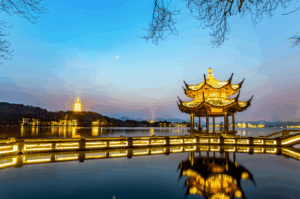
The Dragon Well Legacy: Exploring China’s Legendary Longjing Tea
Among the world’s most revered green teas, few carry the prestige and cultural significance of China’s legendary Dragon Well. This premium tea has captivated tea enthusiasts for centuries, earning its place as an imperial favourite and modern icon alike. From its mystical origins at West Lake to its meticulous processing methods, Longjing represents the pinnacle…