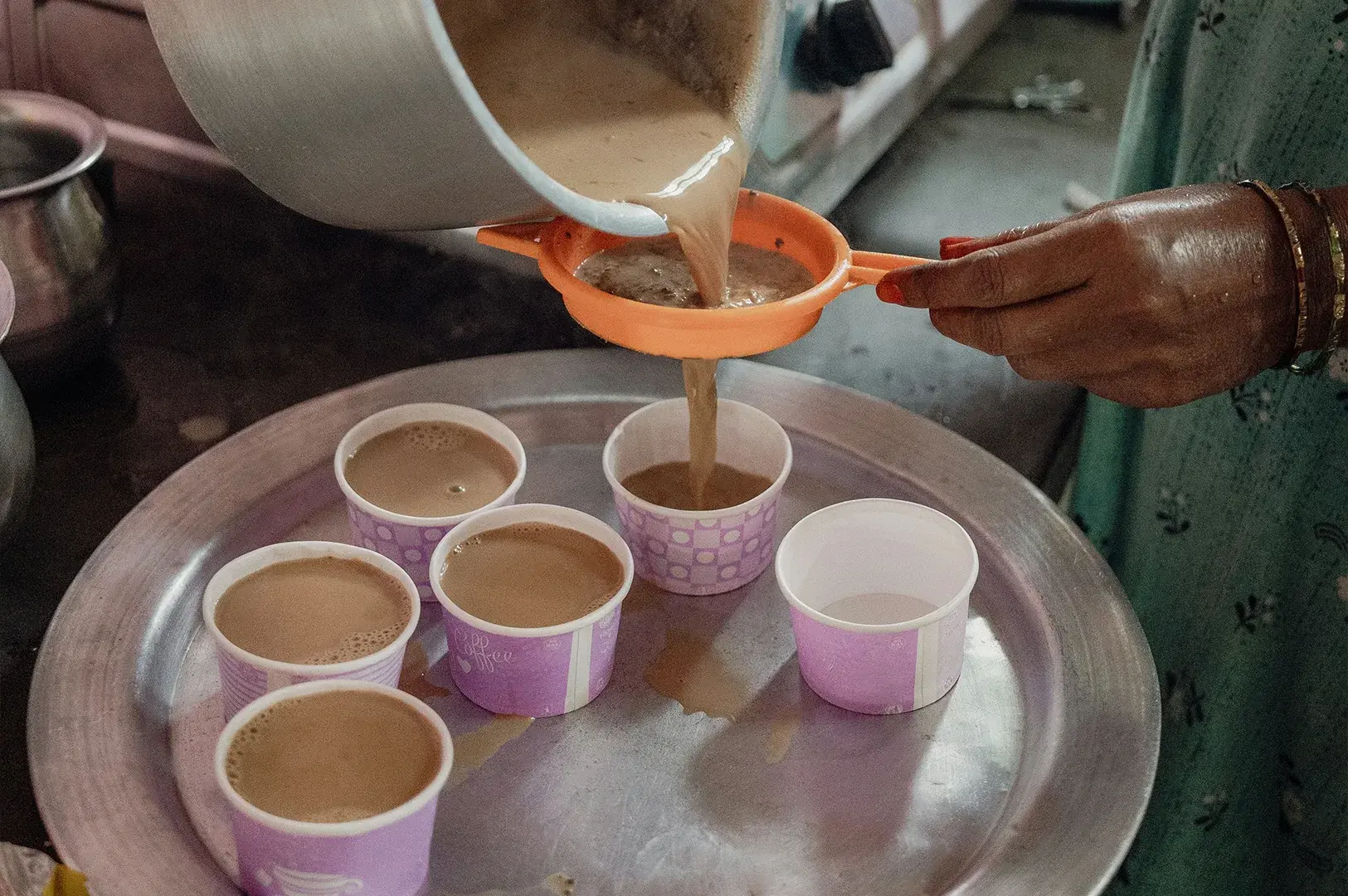
There is a sound that belongs to mornings across India: the hiss of milk rising in a battered pot, the clink of a spoon against metal, the low murmur of a tea seller calling out to passing crowds. Before the first sip, there is the scent. Cardamom pods, fresh ginger, and cinnamon stick curling into the warm air, settling over a railway platform or a quiet kitchen corner.
Masala chai tea is woven so deeply into daily life that it can feel timeless, as though it has always been there. The truth is more layered, and more interesting. The story of this spiced tea is a story of trade, empire, resilience, and the quiet genius of ordinary people who made something humble into something beloved.
To understand masala chai origins is to follow a long and winding road through India's tea history, one shaped as much by household kitchens as by colonial ambition.
What Masala Chai Really Means: The Essence of Chai Tea and Masala Chai
The phrase itself offers a clue. "Chai" is simply the word for tea, drawn from the same root that gives many languages their word for the drink. "Masala" means a spice blend. Put together, masala chai means, quite plainly, spiced tea.
It is worth pausing on that simplicity, because it carries a small correction. In much of the world, the word chai tea has come to suggest a specific sweet, spiced drink, often a chai tea latte served in coffee shops. Within India, chai means tea in the broadest sense, and masala chai is the spiced version of that everyday cup.
Traditional Indian tea, or Indian chai, is not a single fixed recipe. It is a living practice, brewed with black tea, milk (whole milk, coconut milk, oat milk, or evaporated milk), sugar or maple syrup, and a chosen mix of chai spices that shifts from home to home. The drink resists being pinned down, and that openness is part of its character.
Early Tea Traditions and India's Relationship with Black Tea and Chai Spices
India's bond with tea is not as ancient as many assume. While the tea plant grows wild in parts of the northeast, and certain communities used local leaves in regional preparations, tea was not a national daily drink for most of India's long history.
For centuries, spiced and herbal infusions did exist, brewed with aromatic herbs like mint leaves or fennel seeds. Households brewed concoctions of fresh ginger, black peppercorns, and other aromatic spices, often for warmth or as traditional remedies rather than as a leisure beverage. These preparations leaned on the same spice knowledge that would later define masala chai ingredients.
So the spice tradition came first. The tea, in the form most Indians now drink it, arrived later, carried in on the currents of commerce and colonial design.
Colonial Influence and the Rise of Black Tea and CTC Tea in India
The turning point came through the British East India Company. For years, Britain had relied on China for its tea supply, an arrangement that grew increasingly uneasy. Seeking to break that dependence, the British looked to India as a place where tea might be cultivated on a vast scale.
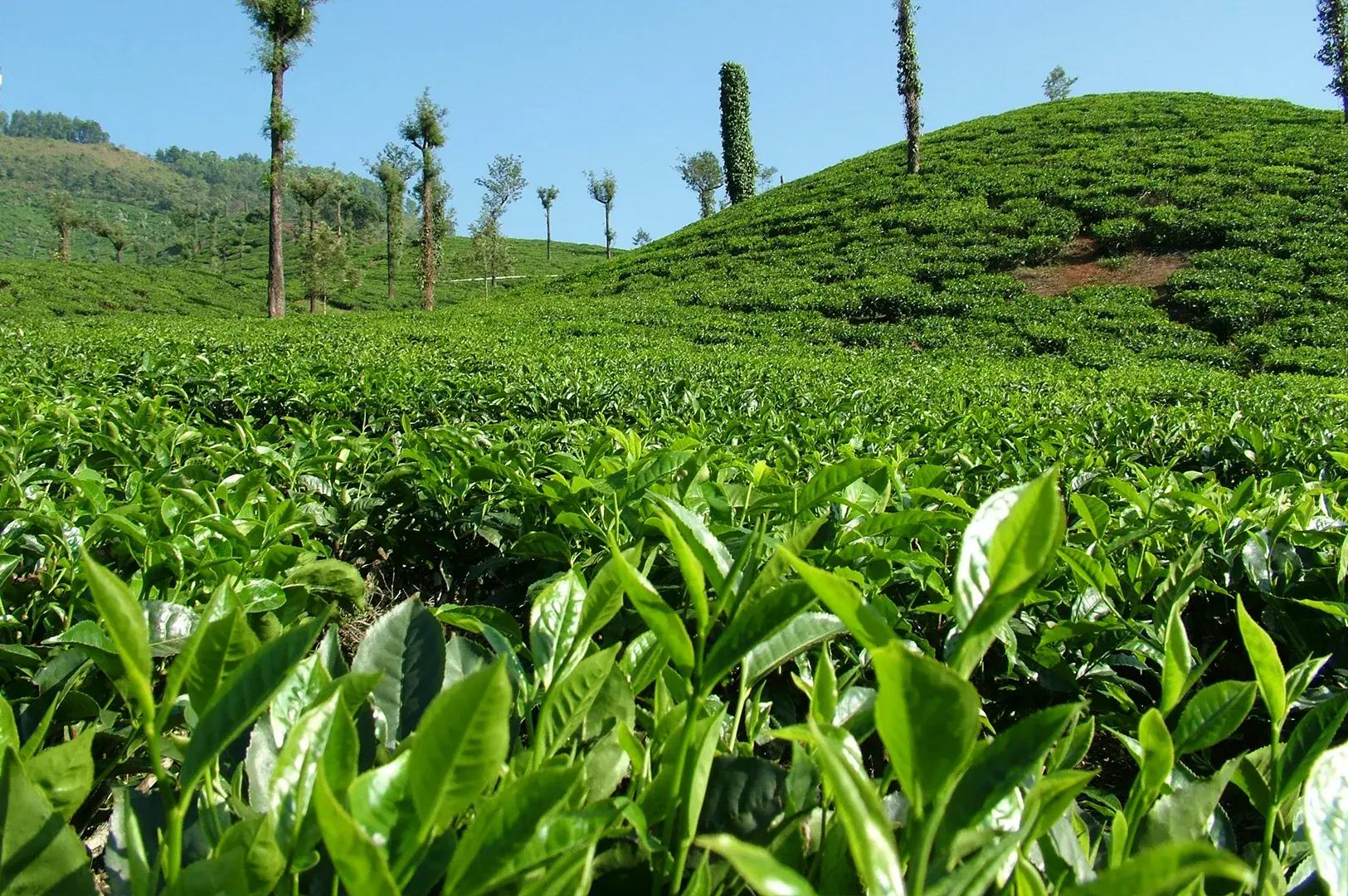
In the early nineteenth century, after the discovery of native tea plants in Assam, colonial efforts to establish plantations took shape. Large tracts of land in Assam and later the hills of Darjeeling and the south were turned over to tea cultivation. These colonial-era tea plantations were built on grueling labor and a system designed to serve export markets in Britain.
For decades, the black tea grown in India, especially CTC tea, was meant largely for foreign cups, not local ones. Most Indians did not drink it. The leaf was a commodity to be shipped away, and the idea of tea as a household staple within India had not yet taken hold.
From Tea Plantations to Everyday Masala Chai: How to Make Masala Chai
The shift from export crop to national drink was deliberate, and it took time. In the early twentieth century, the tea industry, eager to expand its market, began promoting tea consumption within India itself. Tea was offered at factories, markets, and railway stations, and campaigns encouraged ordinary people to adopt the habit.
People adapted, as people do. Vendors and households stretched the leaf by brewing it strong with plenty of milk and sugar, then folding in the fragrant spices already familiar from their kitchens. This practical, flavorful version was far removed from the genteel English cup. In that act of improvisation, masala chai as it is known today truly began to flourish.
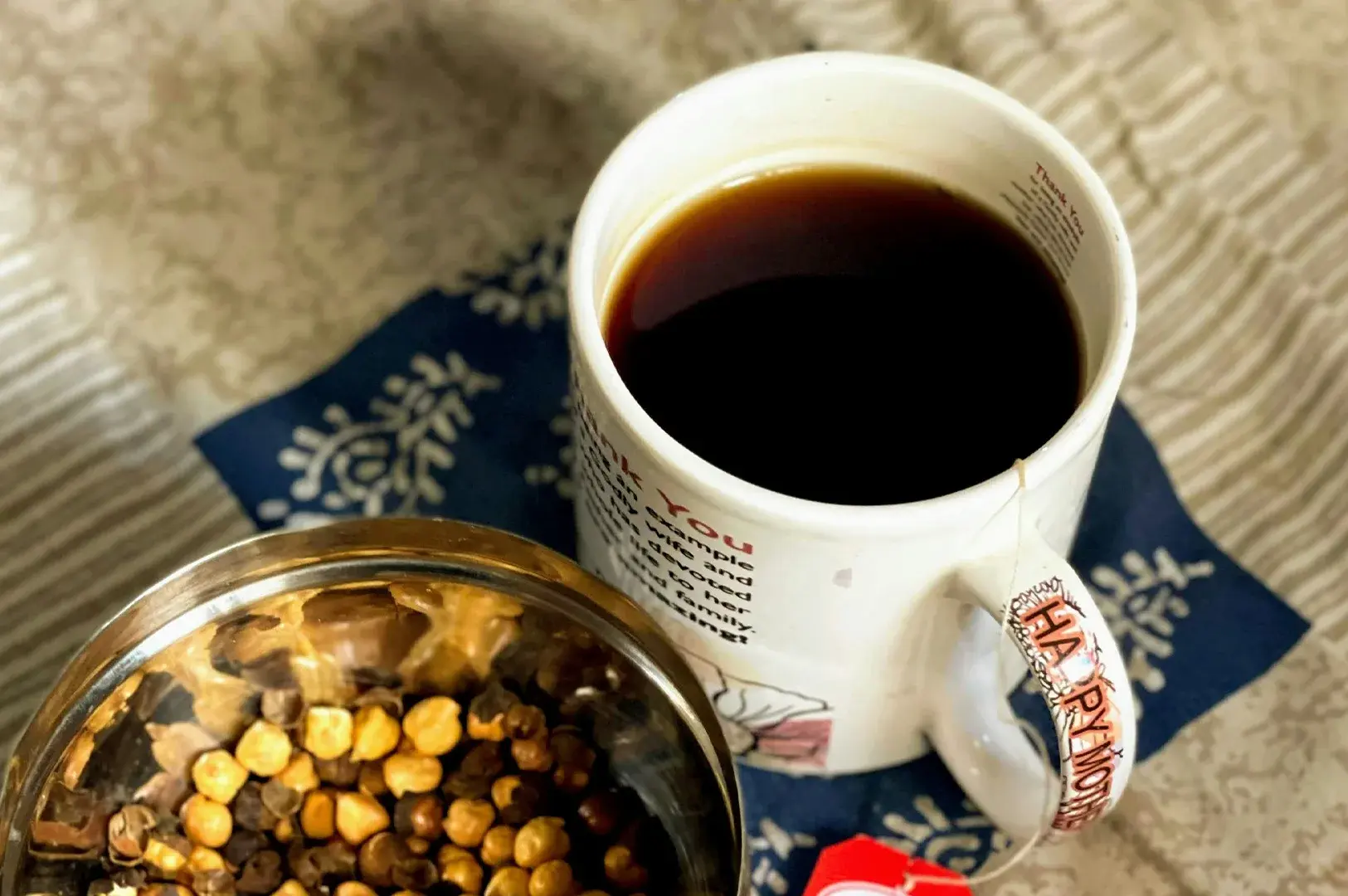
To make masala chai, one typically simmers black tea with whole spices like green cardamom pods, cinnamon stick, cloves, and fresh ginger in water over medium heat. After a rolling boil and simmering gently, milk is added according to the preferred milk ratio, whether whole milk, evaporated milk, coconut milk, or oat milk. Sweeteners such as sugar or maple syrup are added before the final simmer. The tea is then strained and ready to serve masala chai, often poured from a height to aerate and create froth, achieving the perfect cup.
The Chai Masala Powder and Ground Spices: Crafting the Spice Blend
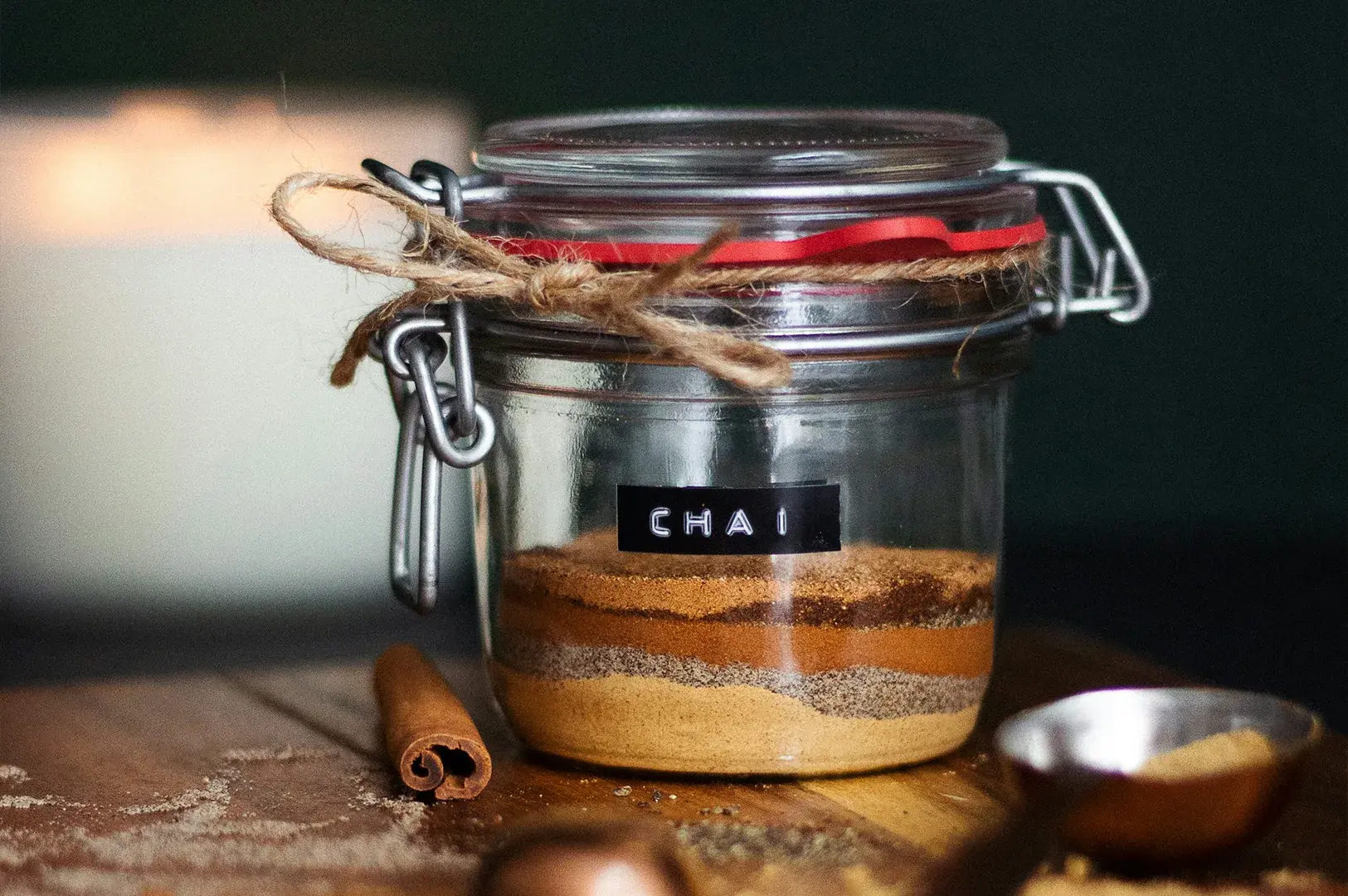
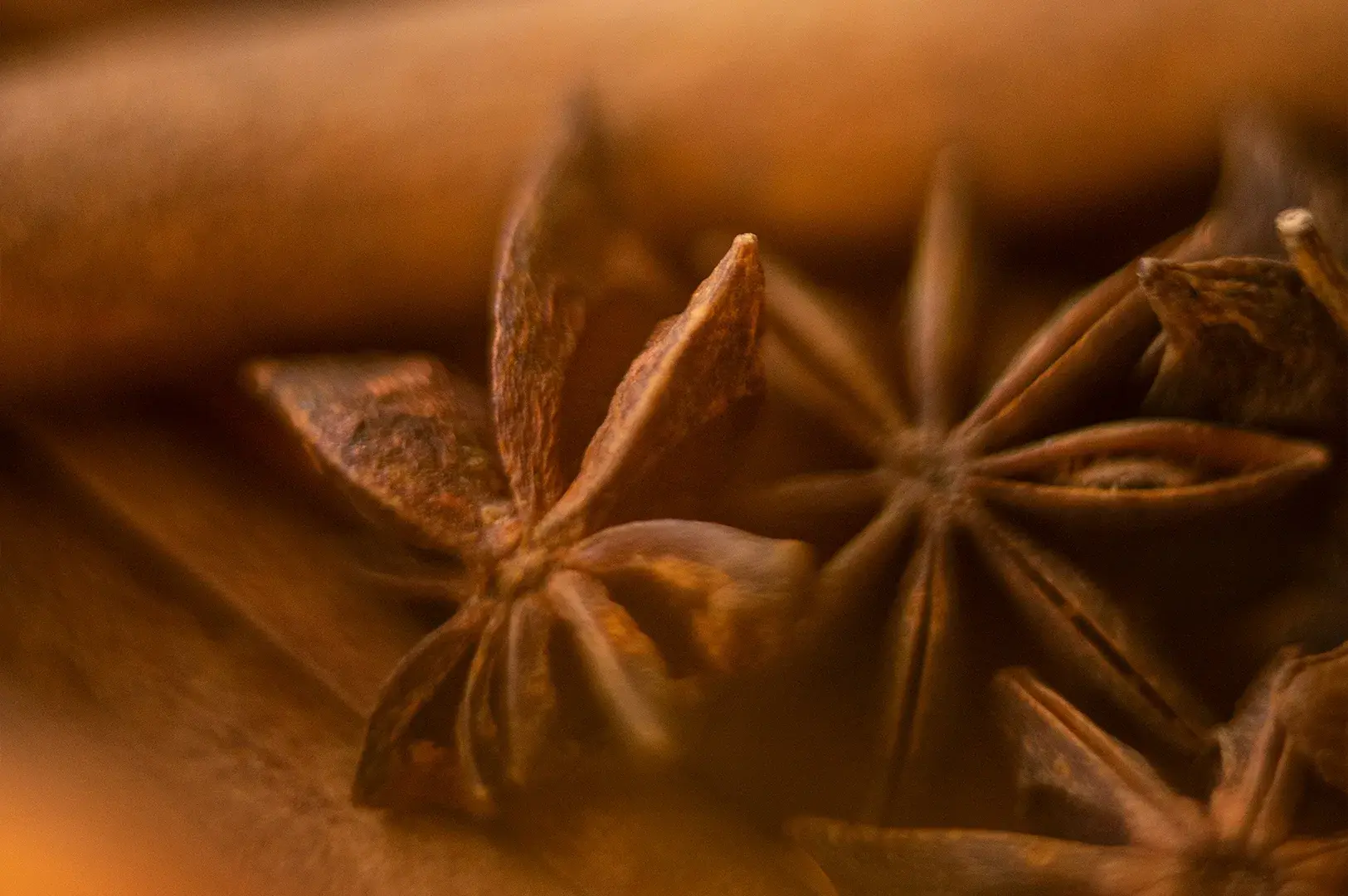
At the heart of masala chai is the chai masala powder or spice blend. Some prefer to lightly crush whole spices using a mortar and pestle or a spice grinder to release the aromatic spices’ oils. Common whole spices include cardamom pods, cinnamon stick, black peppercorns, cloves, fennel seeds, star anise, and sometimes nutmeg.
Ground spices can be used for convenience, but freshly ground or lightly crushed whole spices yield the best masala chai flavor profile. An airtight glass jar preserves the chai masala powder’s potency, keeping it fresh for regular use.
The Best Masala Chai: Choosing Tea Leaves and Mastering the Tea Recipe
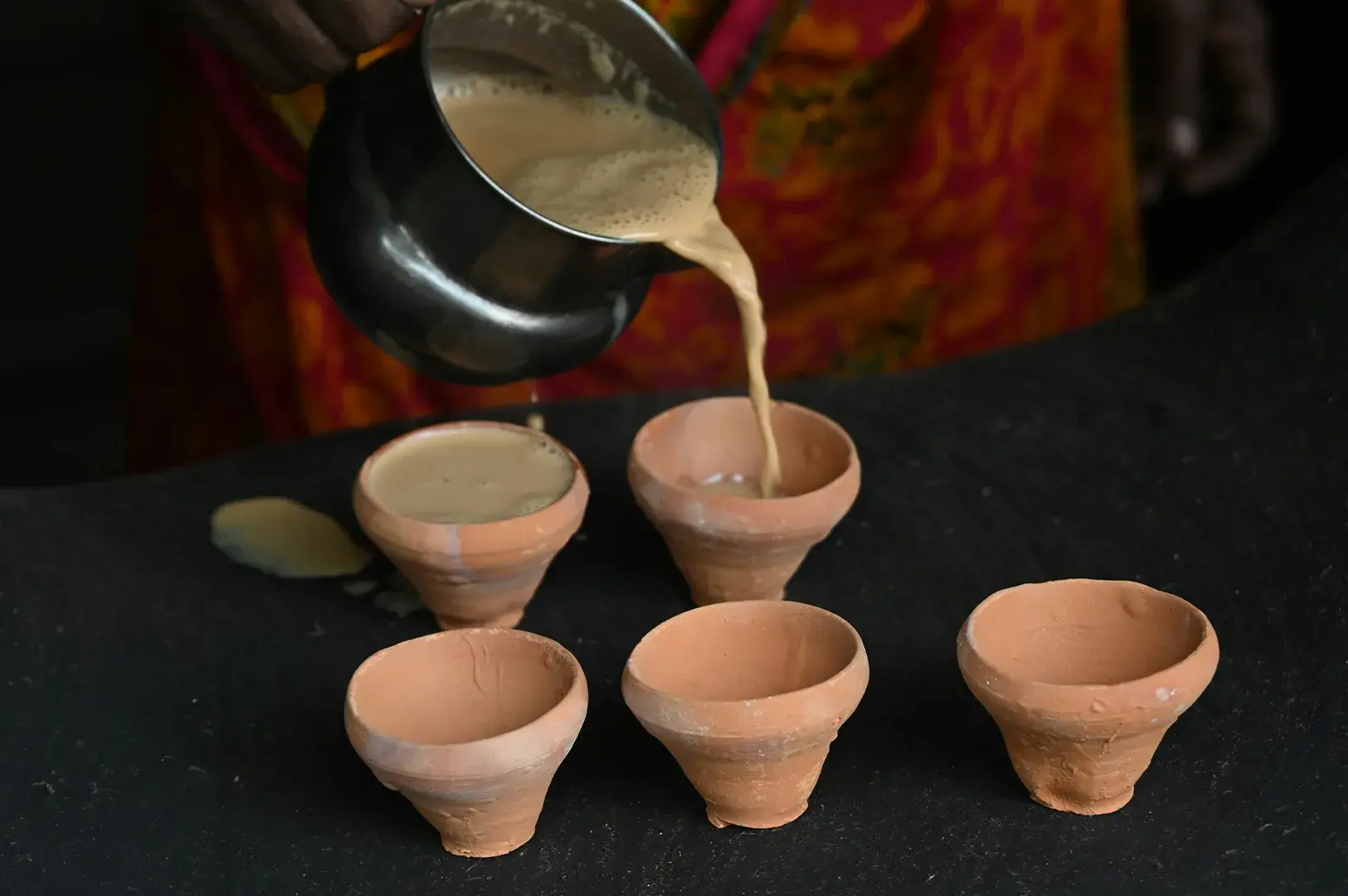
The best masala chai uses strong black tea, often CTC tea or loose black tea leaves from Assam, Darjeeling, or Nilgiri tea. Darjeeling tea offers a delicate, fruity flavor, while Assam tea provides a bold, robust cup. Nilgiri tea is known for its strong, bold flavors without astringency, making it ideal for simmering. Loose leaf tea allows for better control over strength and freshness, but black tea bags are a convenient alternative for making one cup of masala chai.
Simmering black tea with chai masala spices and milk together extracts the full flavor and richness, unlike chai latte versions common in coffee shops, which use steamed milk poured over a tea concentrate or chai syrup. The traditional Indian masala chai recipe involves simmering the tea, spices like cardamom, cinnamon, cloves, ginger, and black pepper, and milk in a pot over medium heat, often using cook mode prevent settings to prevent burning or curdling. This method produces a richer, creamier masala chai with a complex flavor profile and authentic aroma.
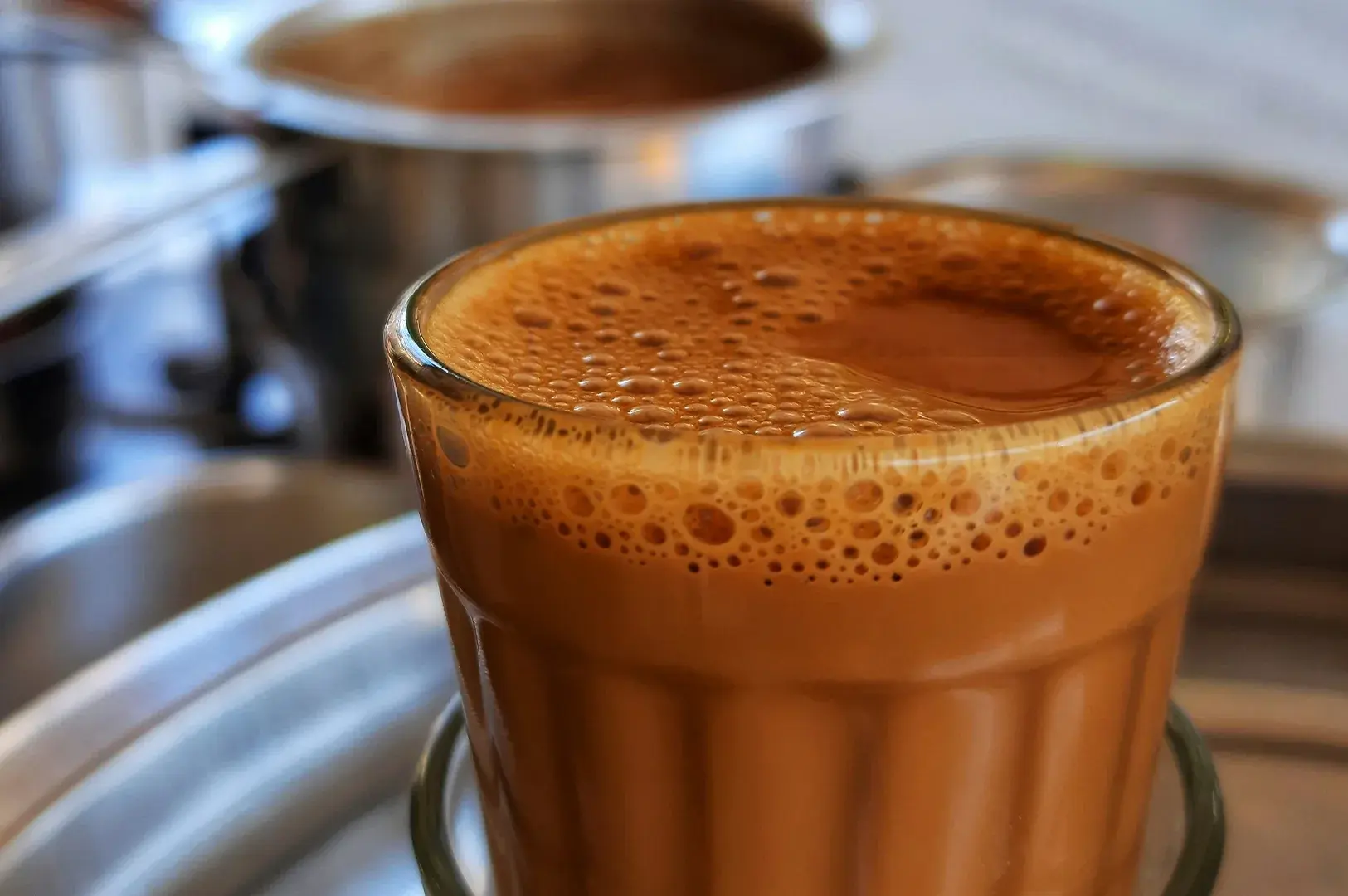
To enhance the flavor, simmer the black tea and spices for 7-10 minutes before adding milk, then continue simmering until the tea thickens and darkens. Adding milk after the initial simmer prevents the milk from curdling due to enzymes in fresh ginger. Aerating the masala chai by pouring it from a height creates froth and improves texture, replicating the traditional chai wallah style.
For best results, store your chai masala powder in an airtight jar to maintain freshness and potency. This required recipe ratings from tea enthusiasts often highlight the importance of using quality loose leaf tea, proper simmering times, and authentic spice blends to achieve the ideal masala chai experience reminiscent of the Taj Mahal region's rich tea culture.
Chai Latte vs Masala Chai Tea: Understanding the Differences
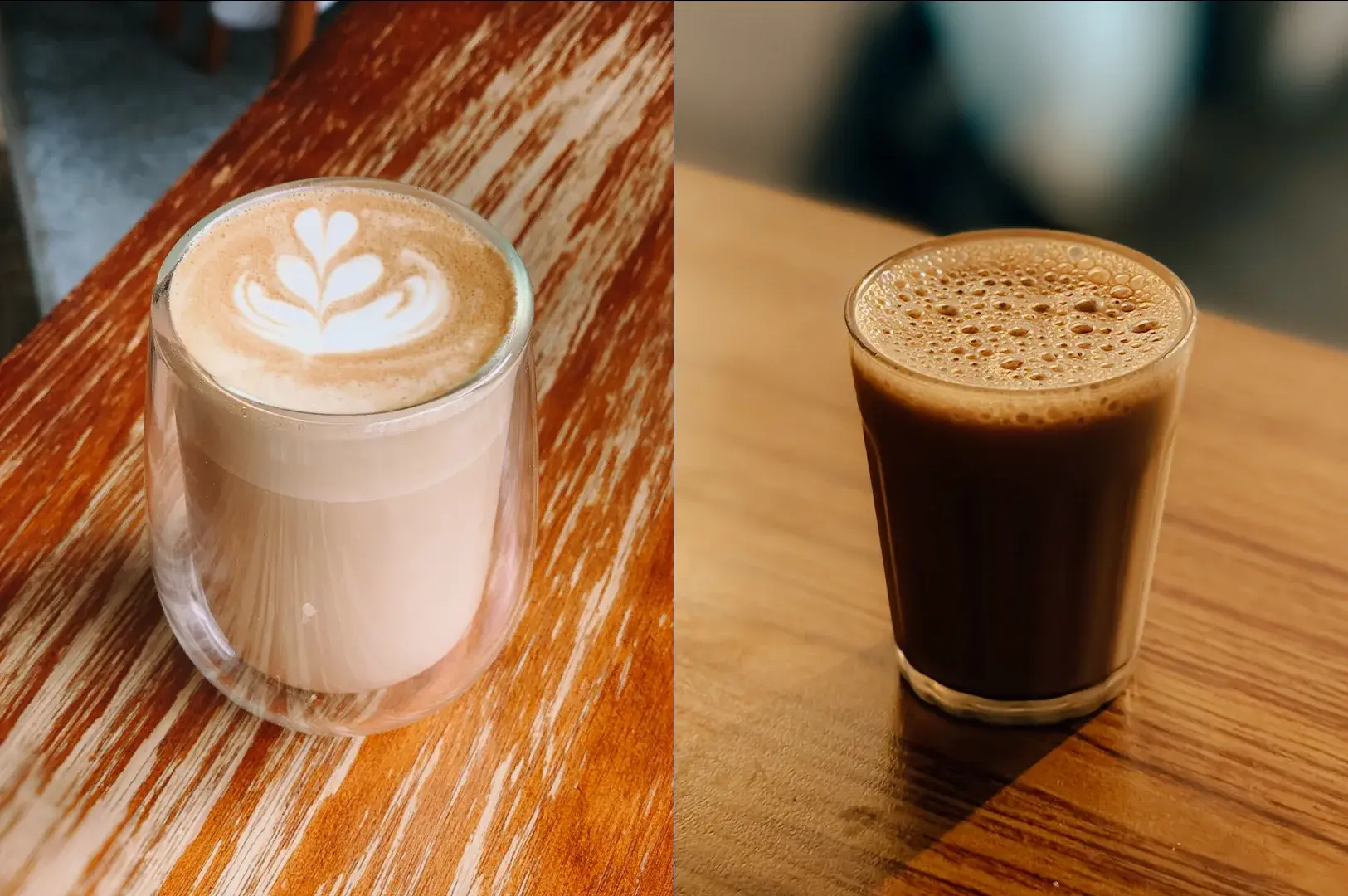
The chai latte popular in coffee shops is often made with chai tea concentrate mixed with steamed milk, resulting in a lighter, frothy beverage that differs significantly from authentic masala chai. The masala chai recipe involves simmering black tea, spices, and milk together, allowing the aromatic herbs and spices to infuse deeply.
Masala chai has a stronger, spiced flavor with a thicker texture, while chai latte tends to be sweeter and less intense. For those seeking the perfect cup, mastering the authentic recipe with whole spices and proper simmering techniques is key.
How to Serve Masala Chai: Traditions and Modern Twists
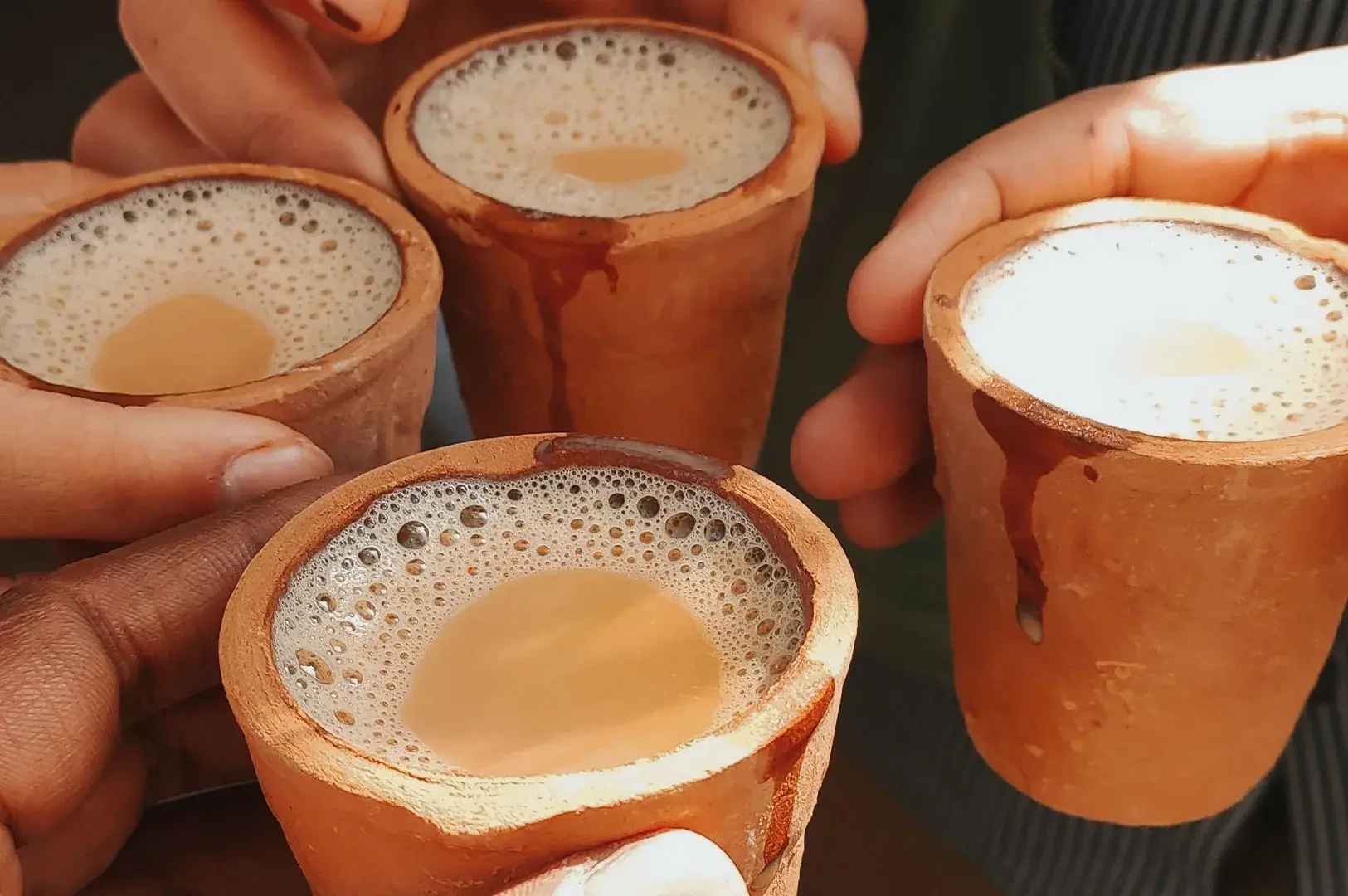
To serve masala chai, pour the brewed tea into cups through a fine strainer to remove whole spices and tea leaves. It is traditionally served hot, often accompanied by biscuits or snacks. The tea can be enjoyed with whole milk or dairy alternatives like coconut milk or oat milk, depending on dietary preferences.
Some like to add more spices or adjust the milk ratio to suit their taste. Storing chai masala powder in an airtight jar ensures freshness for future batches. Masala chai can also be prepared ahead and reheated, but the best flavor is always in the freshly brewed cup.
The Perfect Cup: Balancing Milk, Spices, and Tea
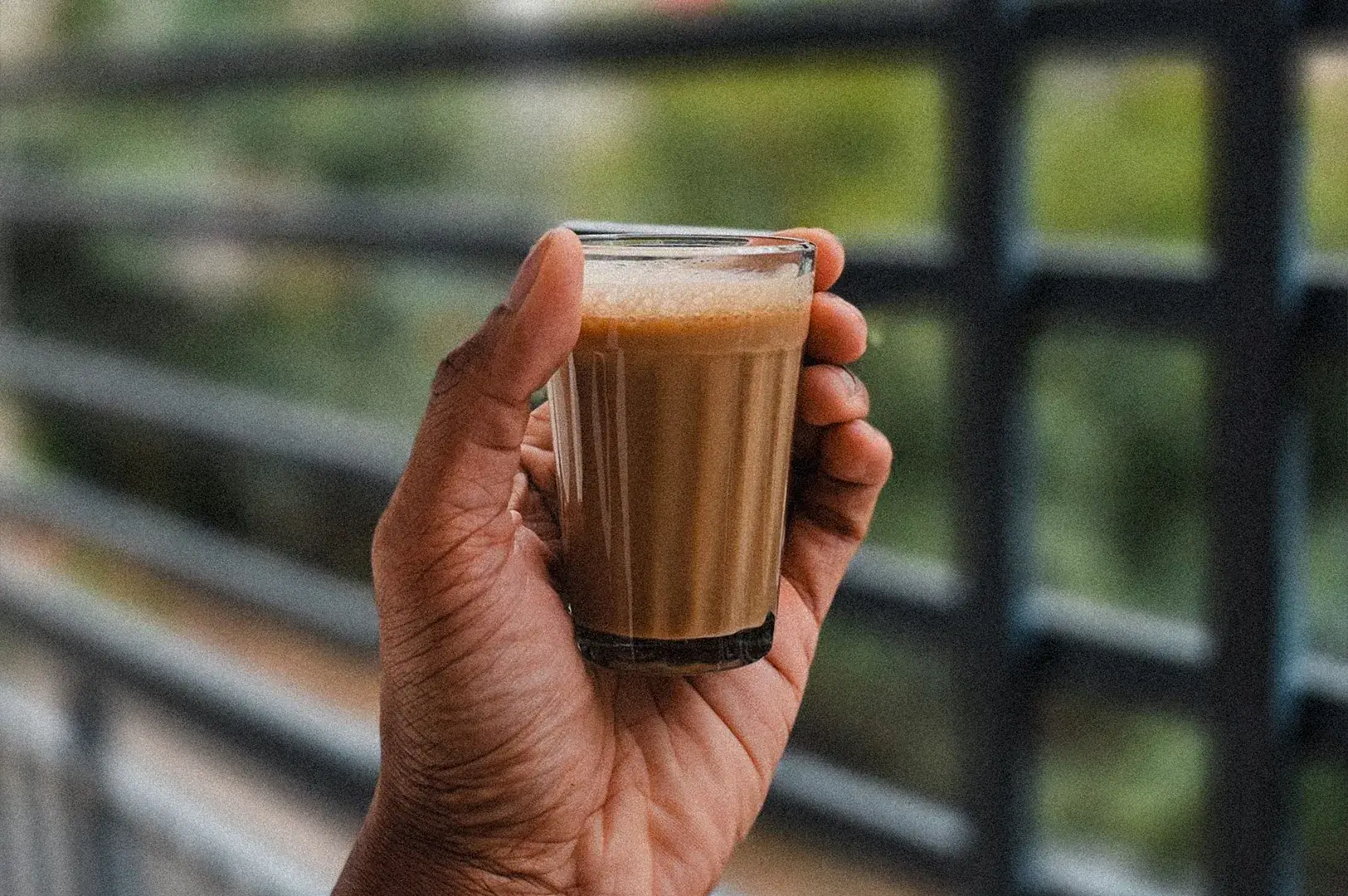
Achieving the perfect cup of masala chai requires attention to the milk ratio, simmering times, and spice balance. Typically, water and milk are combined in ratios from 1:1 to 3:1, depending on the richness desired and the type of milk used.
Simmering the black tea with whole spices and fresh ginger gently over medium heat allows the flavors to meld without bitterness. Bringing the mixture to a rolling boil before reducing heat to simmer gently enhances the depth of flavor. Aerating the chai by pouring it back and forth adds creaminess and distributes the saturated fat and monounsaturated fat evenly.
This careful process, guided by dark instructions passed down through generations and refined by recipe developers, results in a masala chai tea that is both comforting and invigorating.
Masala Chai’s Enduring Appeal: A Good Chai for Every Moment
Masala chai’s rich history and diverse flavor profile make it a beloved beverage worldwide. Whether brewed with traditional Indian tea leaves or modern tea bags, with whole milk or oat milk, it offers a warming, aromatic experience.
Its blend of vitamin A and vitamin C-rich spices, combined with the polyunsaturated fat content of milk, makes it not only delicious but nourishing. From the bustling streets of India to coffee shops abroad, masala chai tea continues to connect people through its fragrant spices and timeless comfort.
For those eager to review recipe variations or experiment with spice blends, the journey to the best masala chai is as rewarding as the perfect cup itself.
If you want to explore more Tea delicacies be sure to visit us at Tea Manor Singapore

Expensive Tea Doesn’t Guarantee a Better Cup, Here’s Why
There is a belief in tea that we rarely question. If something costs more, it must be better. It is an understandable assumption. A rare tea from a respected region, carefully harvested and beautifully packaged, naturally creates expectations. We associate price with effort, craftsmanship, and quality. And often, that connection is justified. But not always….
-
SUN with MOON Singapore at Wheelock Place: A Unique Tea Dining Cafe Experience on Orchard Road
The lunch crowd had gone. Dinner hadn’t arrived yet. I came in during that strange, in-between hour, a little after three on a weekday, when the escalators at Wheelock Place hum quietly and Orchard Road feels almost gentle. Most people were still at their desks. I wasn’t. I wanted tea, and I wanted to sit…
-
Cold Brew Tea Is Underrated (And Hot Purists Are Missing Out)
I used to think tea had to be hot. There was something about the ritual of it. Boiling water, warming the pot, watching the leaves open. A proper cup of tea seemed to require steam. Then I tried cold brew tea, and I had to admit something slightly uncomfortable. I liked it. More than I…
-
All Things Delicious Review: The Quiet Pleasure of Tea and Cake.
There’s a particular kind of afternoon that asks for tea, and All Things Delicious answers it with a quiet, comforting tea-and-cake experience on Arab Street: handmade sweet treats, warm approachable teas, and a room that makes simple pleasures feel like enough. Not coffee, with its urgency. Tea. The slow kind, poured while the conversation drifts…
-
Wellness Tea Is a Scam, but Tea Can Still Be Good for You
There is a strange contradiction in the way we talk about tea today. For centuries, tea was appreciated for its taste, its rituals, and the moments it created. Today, it is often sold as something else entirely. A solution. A promise. A shortcut. The language surrounding wellness tea has become increasingly familiar. Detox tea. Cleansing…
-
Camellia Tea: A Blossom, A Leaf, A Legacy Rooted in Camellia Sinensis
My grandmother kept her camellia tea in a battered tin that had once held biscuits. She never called it anything fancy. It was just cha, brewed strong in the mornings using fresh tea leaves from the tea plant, poured into small cups that had lost their matching saucers years ago. I didn’t know then that…
-
Why “Caffeine-Free Tea” Marketing Should Be Regulated (Seriously)
Hear me out: we have become far too comfortable with the phrase “caffeine-free tea.” It appears on beautiful packaging, wellness websites, and café menus with the confidence of a health guarantee. The words suggest calm evenings, better sleep, and a gentler relationship with what we drink. But there is a problem. The phrase sounds clearer…
-
The Forgotten Luxury of Sitting Still at Japanese Tea House
You stoop to enter the traditional japanese tea house. That is the first thing the tea house asks of you, before the tea, before the talk, before anything at all. The doorway is low, deliberately so, and even the tall must bow to pass through it. In that small act of folding the body, something…
-
Stop Calling It “Premium”: Why Most Luxury Tea Branding Is Empty
There is a word I have become increasingly cautious of in the tea world. Premium. It appears everywhere. Premium leaves. Premium harvests. Premium collections. Premium experiences. The word sounds reassuring. It suggests care, quality, and something worth paying attention to. But after seeing it attached to almost everything, I sometimes wonder whether it has started…
-
Pryce Tea: A Modern Pour with Old Tea-Room Ambitions
I visited on a weekday afternoon, around three, when the city had quieted into that particular lull between lunch and the evening rush. I’d been curious about Pryce Tea for a while, mostly because the brand keeps surfacing among people who talk about teas the way some people talk about wine. With a reputation built…