I have a confession.
I am slightly tired of seeing matcha everywhere.
Not because I dislike matcha. In fact, I drink it quite often. But there is something amusing about watching a humble tea become the centre of every café menu, wellness conversation, and social media trend.
Matcha has gone from a traditional Japanese tea to a global personality.
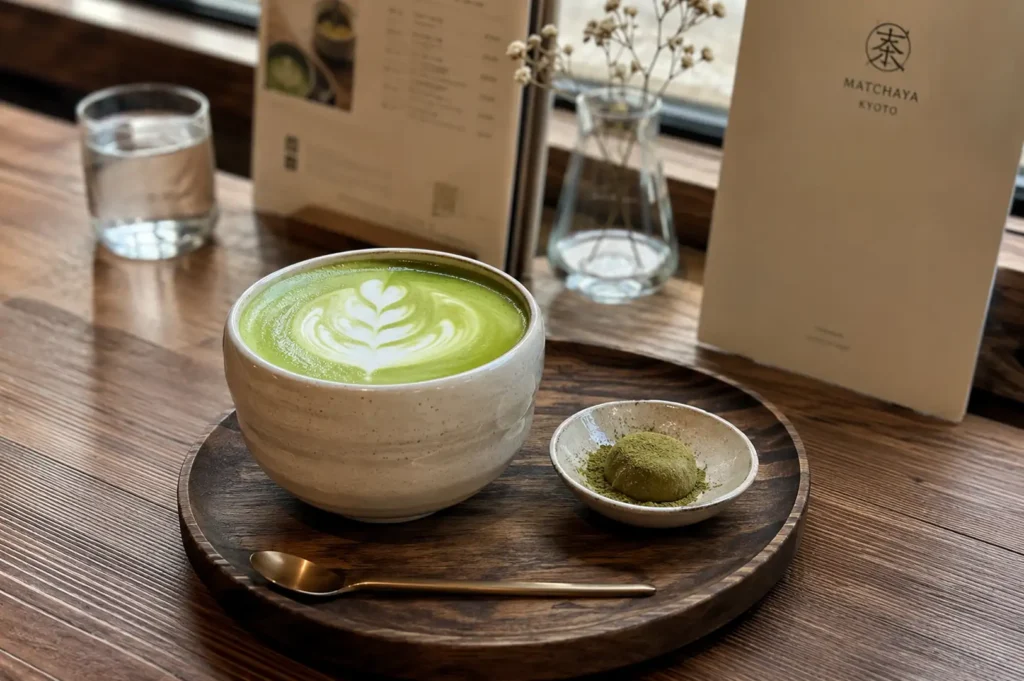
It is now a latte. A dessert. A smoothie. A soft serve flavour. A lifestyle choice.
Somewhere along the way, matcha stopped being just something we drink and became something we identify with.
And honestly, I understand why.
There is something beautiful about matcha. The colour alone draws you in. The preparation feels intentional. The taste is unlike most other teas, with its earthy bitterness, gentle sweetness, and unmistakable character.
But I sometimes wonder if we have taken the trend a little too far.
Today, matcha is often treated as though it can do everything. It is the drink for focus. The drink for wellness. The drink for productivity. The drink that somehow makes your morning routine look more put together.
Sometimes I think we have forgotten that matcha is still just tea.
A wonderful tea, but still tea.
I have had incredible matcha experiences. The kind where the flavour feels balanced and the preparation feels almost meditative. I have also had matcha drinks where the tea itself was buried under sugar, milk, and toppings until the original character disappeared completely.
And perhaps that is where the conversation becomes interesting.
Does enjoying modern matcha drinks take away from its tradition?
I don’t think so.
Tea has always changed as it travels. Different cultures have adapted tea to their own preferences. Adding milk, sugar, spices, or new preparation methods is not something new. It is part of how tea survives.
The concern is not that matcha has evolved.
The concern is whether we still remember where it came from.
Behind every bright green latte is a tea with history. There are farmers who cultivate the leaves carefully. There are traditions that treat matcha preparation as an act of attention and respect.
Knowing that does not mean we cannot enjoy a matcha dessert or an iced matcha latte.
It simply means we can appreciate both versions.
The traditional and the modern.
The quiet tea room and the busy café counter.
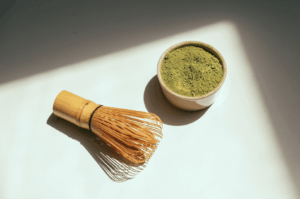
The carefully whisked bowl of matcha and the drink we pick up on the way to work.
Maybe the real problem is not that matcha became popular.
Maybe the problem is when we stop being curious about why we loved it in the first place.
So yes, I think the matcha hype has gone a little too far.
And yes, I will probably still order a matcha latte tomorrow.
Because sometimes enjoying tea also means accepting that we are allowed to love it in imperfect ways.
— Maria Tan
On tea, culture, and everyday rituals.

Ceylon High Grown Tea: The Bright, Crisp Profiles of Nuwara Eliya
Imagine standing amidst a sea of emerald green on the island of Sri Lanka, where manicured tea bushes climb rolling hills and disappear into a cool, persistent mist. This is the world of Ceylon high grown tea, centred in Nuwara Eliya – a region characterized by bright sunshine in the morning and cool, misty nights….
-
Masala Chai Origins: The Cultural Evolution of India’s Spiced Tea Tradition
The rhythmic clanging of metal kettles echoes through narrow lanes as steam rises from countless chai stalls across India. The intoxicating aroma of cardamom, cinnamon, and fresh ginger mingles with robust black tea, creating an olfactory symphony that has captivated souls for centuries. This is masala chai-not merely a beverage, but a cultural phenomenon that…
-
Matcha Tea: The Versatile Japanese Green Tea Powder
The vibrant green powder that transforms simple hot water into liquid jade has captivated tea enthusiasts worldwide. Matcha tea represents more than just a trendy beverage-it’s a bridge connecting ancient Japanese traditions with modern culinary innovation. This unique form of powdered green tea offers endless possibilities, from meditative ceremonial drinking to creative kitchen applications that…
-
The Dragon Well Legacy: Exploring China’s Legendary Longjing Tea
Among the world’s most revered green teas, few carry the prestige and cultural significance of China’s legendary Dragon Well. This premium tea has captivated tea enthusiasts for centuries, earning its place as an imperial favourite and modern icon alike. From its mystical origins at West Lake to its meticulous processing methods, Longjing represents the pinnacle…