I have a confession.
I am slightly tired of seeing matcha everywhere.
Not because I dislike matcha. In fact, I drink it quite often. But there is something amusing about watching a humble tea become the centre of every café menu, wellness conversation, and social media trend.
Matcha has gone from a traditional Japanese tea to a global personality.
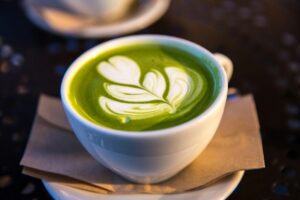
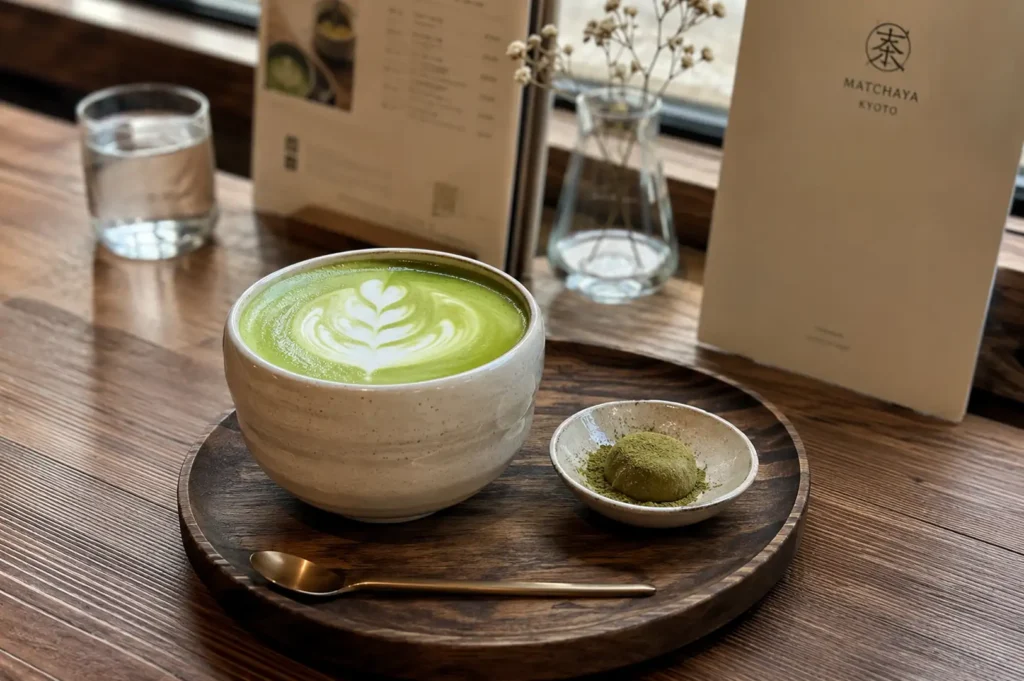
It is now a latte. A dessert. A smoothie. A soft serve flavour. A lifestyle choice.
Somewhere along the way, matcha stopped being just something we drink and became something we identify with.
And honestly, I understand why.
There is something beautiful about matcha. The colour alone draws you in. The preparation feels intentional. The taste is unlike most other teas, with its earthy bitterness, gentle sweetness, and unmistakable character.
But I sometimes wonder if we have taken the trend a little too far.
Today, matcha is often treated as though it can do everything. It is the drink for focus. The drink for wellness. The drink for productivity. The drink that somehow makes your morning routine look more put together.
Sometimes I think we have forgotten that matcha is still just tea.
A wonderful tea, but still tea.
I have had incredible matcha experiences. The kind where the flavour feels balanced and the preparation feels almost meditative. I have also had matcha drinks where the tea itself was buried under sugar, milk, and toppings until the original character disappeared completely.
And perhaps that is where the conversation becomes interesting.
Does enjoying modern matcha drinks take away from its tradition?
I don’t think so.
Tea has always changed as it travels. Different cultures have adapted tea to their own preferences. Adding milk, sugar, spices, or new preparation methods is not something new. It is part of how tea survives.
The concern is not that matcha has evolved.
The concern is whether we still remember where it came from.
Behind every bright green latte is a tea with history. There are farmers who cultivate the leaves carefully. There are traditions that treat matcha preparation as an act of attention and respect.
Knowing that does not mean we cannot enjoy a matcha dessert or an iced matcha latte.
It simply means we can appreciate both versions.
The traditional and the modern.
The quiet tea room and the busy café counter.
The carefully whisked bowl of matcha and the drink we pick up on the way to work.
Maybe the real problem is not that matcha became popular.
Maybe the problem is when we stop being curious about why we loved it in the first place.
So yes, I think the matcha hype has gone a little too far.
And yes, I will probably still order a matcha latte tomorrow.
Because sometimes enjoying tea also means accepting that we are allowed to love it in imperfect ways.
— Maria Tan
On tea, culture, and everyday rituals.

Beyond Chamomile: Exploring Lesser-Known Herbal Infusions from Around the World
Tea is one of the most popular drinks worldwide, cherished for centuries as much for its taste as for its role in tradition and culture. While many people immediately think of green tea, black tea, or perhaps a steaming mug of mint tea, the spectrum of herbal infusions—blends using various herbs, fruits, and flowers—offers countless…
-
Raw vs. Ripe: Understanding the Two Paths of Pu Erh Processing
In the vast and ancient world of Chinese tea, few categories carry as much mystery and prestige as pu erh tea. Pu’er tea is renowned for its unique fermentation and aging techniques, which not only develop its complex flavor profiles but also contribute to its cultural significance and traditional production methods. Unlike most teas such…

From Keemun to Darjeeling: A Global Tour of Premium Black Teas
Black tea is more than just a morning ritual; it’s a global phenomenon steeped in rich history, cultural significance, and craftsmanship. From the misty mountains of India to the ancient gardens of China, each cup tells a story of its origin, flavor, and tradition. Throughout history, brewed tea has been cherished in various cultures, with…
-
Understanding Oolong Tea Oxidation Levels: The Spectrum of Oxidation in Tea Classification
When you step into the world of tea, you quickly learn about the main categories: white, green, oolong, and black. For many, green tea is fresh and vegetal, while black tea is bold and malty. But what about oolong? This category seems to defy easy definition, with some oolongs tasting light and floral like a…
-
Beyond Matcha: Exploring the Diverse World of Japanese Green Tea Varieties
Let’s be honest, when you hear “Japanese green tea,” your mind likely pictures a vibrant, frothy bowl of matcha. From trendy matcha lattes in every café to ice cream and desserts, matcha has become the undisputed global face of Japanese tea culture. And for good reason! It’s a delicious, versatile ingredient with numerous health benefits….
-
Silver Needle White Tea: The Delicate Emperor of Chinese Tea
In the vast and storied world of Chinese tea, few varieties command the reverence and prestige of Silver Needle white tea. Celebrated as Bai Hao Yin Zhen (白毫銀針)-meaning “White Hair Silver Needle”-this exceptional Chinese white tea sits atop the hierarchy of not just white tea, but among all tea types. Each slender ‘needle’ is not…
-
Thai Oolong Tea: Thailand’s Oolong Revolution in Ancient Tea Territory
In the shadowy folds of Northern Thailand’s mountains, where cool, misty air hugs the slopes and the morning dew clings to fragrant tea leaves, a revolution is steeping. Once known largely for its role in the Golden Triangle, this region now blossoms as a new epicenter for Thai oolong tea and innovative tea beverages like…
-
Dong Ding Oolong: The Artisanal Craft Behind Taiwan’s Most Famous Tea
Imagine a warm, inviting aroma that fills the room with essence reminiscent of delicate flowers, toasted nuts, honeycomb, chocolate, and ripe stone fruit. The initial scent from a freshly opened tin of Dong Ding Oolong loose leaf tea can feel almost transportive. Upon brewing, the tea’s infusion shines with a brilliant golden colour, and your…
-
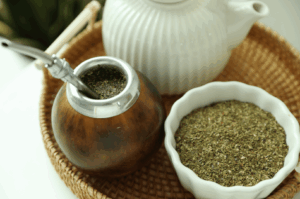
Yerba Mate Tea: Argentina’s Ancient Energy Brew and Modern Revival
Picture a sun-drenched plaza in Buenos Aires, where the air hums with laughter and the scent of fresh flowers. In the center, friends gather in a close-knit circle, a cherished gourd filled with fragrant yerba mate tea making its way from hand to hand. Each person sips this herbal tea-brewed from green yerba mate leaves-through…

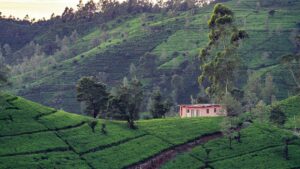
The Complete Guide to Kenyan Tea Industry Transformation in the Great Rift Valley
Imagine standing at the edge of Kenya’s Great Rift Valley, the birthplace of world-renowned Kenya tea. Here, undulating hills blanket the landscape in a lush sea of deep green, where rows of thriving tea bushes stretch across the horizon. This breathtaking region forms the core of the Kenyan tea industry-a powerhouse producing some of the…