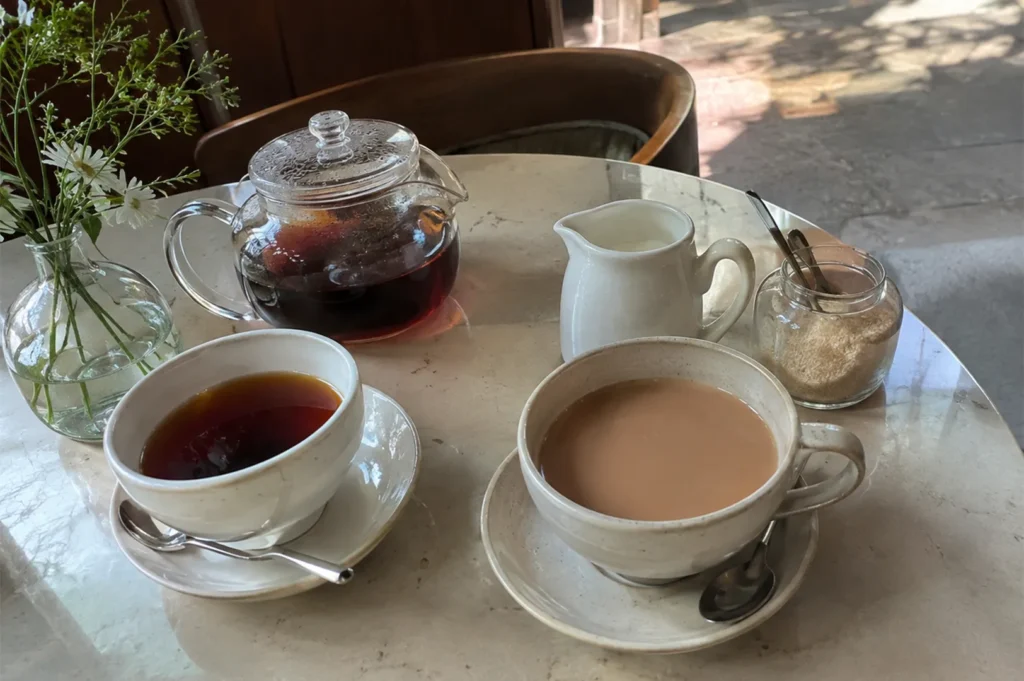
I have noticed that few things can start an argument among tea drinkers quite as quickly as milk.
Mention adding milk to a good tea and suddenly everyone has an opinion. Some insist that milk covers the flavour of the leaves. Others will tell you that certain teas were practically made for it.
I have been on both sides of this conversation.
There are teas I would never put milk into. Not because I think it is wrong, but because I enjoy tasting what the tea is actually doing. A delicate tea can be surprisingly easy to overwhelm.
But then there are teas that seem almost happier with a little milk.
A strong black tea, for example, can become rounder and softer. A malty Assam can take milk beautifully. Even a simple breakfast tea can feel more comforting when there is a little sweetness and creaminess involved.
So why do we sometimes treat this as though one side must be right?
Tea has never belonged to one culture or one way of drinking. People have been adapting it to local tastes for centuries. Milk, sugar, spices, herbs and different brewing methods have all become part of tea traditions around the world.
Perhaps the real problem is not milk in tea.
Perhaps it is the idea that there is only one proper way to enjoy tea.
I think about this whenever someone tells me that adding milk means you do not really appreciate tea. That has always seemed strange to me.
If you enjoy your tea, surely that matters too.
Of course, there is a difference between understanding a tea and covering it up. If you spend a small fortune on a delicate tea and drown it in milk and sugar, you may not get much sense of what made those leaves interesting in the first place.
But that does not mean milk tea is somehow inferior.
Sometimes we are not trying to taste every detail.
Sometimes we just want a comforting cup.
And perhaps that is something tea lovers could agree on. Tea can be serious when we want it to be. It can also be simple, sweet, creamy, cold, hot, traditional or completely adapted to our own tastes.
The leaves do not seem particularly offended by any of this.
So, is milk ruining tea?
I suppose it depends on the tea.
And perhaps more importantly, it depends on the person drinking it.
— Maria Tan
On tea, culture, and everyday rituals.
Is milk really ruining tea? A thoughtful look at milk tea, tradition, personal taste, and why there may be more than one right way to enjoy tea.

British Tea Traditions: Beyond Cucumber Sandwiches and Modern Tea Accompaniments
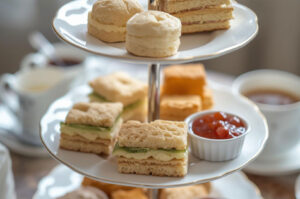
The ritual of British tea-especially the celebrated afternoon tea-conjures a very specific image: tiered cake stands laden with delicate finger sandwiches, fluffy scones, and exquisite cakes. This cherished tradition, born in the 1840s, is often attributed to Anna, the seventh Duchess of Bedford, who sought a small meal to bridge the long gap between lunch…
-
The Dance of Aroma: Appreciating Tea Through All Senses in Gongfu Cha
Imagine a wisp of steam carrying the scent of orchids from a tiny tea cup, a fragrance so vivid it transports you to a misty mountainside in China. This sensory immersion lies at the heart of the gongfu cha method, the traditional Chinese tea ceremony where every movement, from handling the tea leaves to pouring…
-
Japanese Tea Ceremony Principles: Harmony, Respect, Purity, and Tranquility
In a quiet tea room, a host moves with deliberate grace. The sound of hot water being ladled from an iron pot fills the air. This is the Japanese tea ceremony, known as Chanoyu or the Way of Tea, an art form that transforms the simple act of drinking tea into a profound experience. Far…
-
Beyond Chamomile: Exploring Lesser-Known Herbal Infusions from Around the World
Tea is one of the most popular drinks worldwide, cherished for centuries as much for its taste as for its role in tradition and culture. While many people immediately think of green tea, black tea, or perhaps a steaming mug of mint tea, the spectrum of herbal infusions—blends using various herbs, fruits, and flowers—offers countless…
-
Raw vs. Ripe: Understanding the Two Paths of Pu Erh Processing
In the vast and ancient world of Chinese tea, few categories carry as much mystery and prestige as pu erh tea. Pu’er tea is renowned for its unique fermentation and aging techniques, which not only develop its complex flavor profiles but also contribute to its cultural significance and traditional production methods. Unlike most teas such…

From Keemun to Darjeeling: A Global Tour of Premium Black Teas
Black tea is more than just a morning ritual; it’s a global phenomenon steeped in rich history, cultural significance, and craftsmanship. From the misty mountains of India to the ancient gardens of China, each cup tells a story of its origin, flavor, and tradition. Throughout history, brewed tea has been cherished in various cultures, with…
-
Understanding Oolong Tea Oxidation Levels: The Spectrum of Oxidation in Tea Classification
When you step into the world of tea, you quickly learn about the main categories: white, green, oolong, and black. For many, green tea is fresh and vegetal, while black tea is bold and malty. But what about oolong? This category seems to defy easy definition, with some oolongs tasting light and floral like a…
-
Beyond Matcha: Exploring the Diverse World of Japanese Green Tea Varieties
Let’s be honest, when you hear “Japanese green tea,” your mind likely pictures a vibrant, frothy bowl of matcha. From trendy matcha lattes in every café to ice cream and desserts, matcha has become the undisputed global face of Japanese tea culture. And for good reason! It’s a delicious, versatile ingredient with numerous health benefits….
-
Silver Needle White Tea: The Delicate Emperor of Chinese Tea
In the vast and storied world of Chinese tea, few varieties command the reverence and prestige of Silver Needle white tea. Celebrated as Bai Hao Yin Zhen (白毫銀針)-meaning “White Hair Silver Needle”-this exceptional Chinese white tea sits atop the hierarchy of not just white tea, but among all tea types. Each slender ‘needle’ is not…
-
Thai Oolong Tea: Thailand’s Oolong Revolution in Ancient Tea Territory
In the shadowy folds of Northern Thailand’s mountains, where cool, misty air hugs the slopes and the morning dew clings to fragrant tea leaves, a revolution is steeping. Once known largely for its role in the Golden Triangle, this region now blossoms as a new epicenter for Thai oolong tea and innovative tea beverages like…