Picture a sticky afternoon in Singapore. The kind where the air sits heavy on your shoulders and the walk from the MRT feels longer than it should.
You reach for something cold. Maybe a teh peng from the drinks stall, ice clinking in a plastic cup. Maybe a bottle of green tea from the convenience store fridge.
And then, somewhere in the back of your mind, a small voice: Isn't tea a diuretic? Am I actually making myself more thirsty? This question about tea dehydrate effects often comes up when people are mindful of their caffeine consumption and staying hydrated.
I think many adults have heard this at some point. From a parent, a colleague, a passing comment online. It's one of those ideas that gets repeated so often it starts to feel like fact, especially when people are concerned about their health.
But what if the truth is gentler than the warning? Let's sit with the question properly.
Drinking Tea: Understanding Tea's Diuretic Properties and Hydration Benefits
Some teas can have natural diuretics properties due to caffeine ingestion. That part is true.
But the effect is usually small. In moderate amounts, even caffeinated tea is unlikely to dehydrate you, and it can still count toward your daily fluid intake alongside drinking water and other hydrating options like sparkling water or juice.
So the honest answer sits somewhere in the middle. Tea isn't a dehydration trap. It also isn't exactly the same as plain water in every situation. The details matter, and they're worth understanding.
What Gives Tea Its Diuretic Effect? Caffeine Compared to Other Drinks
The key ingredient here is caffeine.
Caffeine is a natural stimulant found in coffee, chocolate, energy drinks, soda, and many teas. It's one of the most common food and beverage ingredients in the world.
Once you drink it, caffeine moves from your gut into your bloodstream and then to your liver, where it's broken down into compounds that affect how your organs work. In your brain, that shows up as alertness. In your kidneys, it can show up as increased urine production, contributing to fluid loss.
Here's how it works. A diuretic is anything that causes your body to produce more urine. Caffeine can influence how the kidneys handle sodium and water, partly by blocking adenosine receptors and reducing sodium reabsorption. This can lead to a temporary increase in urine production, although the effect depends on the dose and the individual.
That's where the reputation comes from. More trips to the bathroom can feel like losing fluid. And in a city where we're often already sweating through our shirts, that worry makes sense.
But feeling like something is happening and it meaningfully affecting your fluid balance are two different things.
Different Teas, Different Effects: Regular Tea Versus Herbal Options

Not every cup carries the same amount of caffeine. This is where it helps to slow down and look at what's actually in your cup.
Black Tea, Green Tea, Oolong Tea, and White Tea
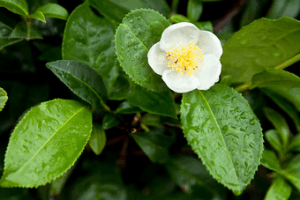
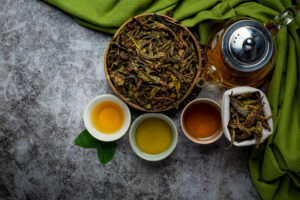
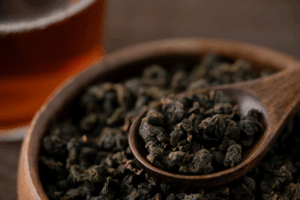
These are the "true" teas. Black tea, green tea, oolong tea, and white tea all come from the leaves of the Camellia sinensis plant, and they all contain caffeine.
Black, green, oolong and white teas all contain caffeine, but the amount that ends up in your cup varies with the leaves and brewing method. A typical cup may contain several dozen milligrams, although stronger preparations can contain considerably more. Tea colour or category alone is not a reliable way to predict caffeine content.
Black tea contains caffeine, but its amount varies by product and brewing method. Research suggests that moderate black tea consumption can provide hydration comparable to water
That said, caffeine content can vary from batch to batch. Some cups can reach as much as 120 mg. Brewing time matters too. The longer your tea steeps, the more caffeine it may contain.
For perspective, a cup of coffee of the same size usually has 102 to 200 mg of caffeine. Many adults who drinks coffee often experience higher caffeine ingestion compared to tea drinkers. An energy drink can have up to 160 mg. So regular tea is generally lighter than many other caffeinated beverages, even if it isn't caffeine free.
Herbal Options and Caffeine-Free Teas
Herbal teas are a different story.
Chamomile, peppermint, rosehip, and similar blends are made from the leaves, stems, flowers, seeds, roots, or fruits of various herbs. Because they don't use Camellia sinensis leaves, they're technically herbal infusions rather than tea.
Most herbal options are generally caffeine free and unlikely to have any dehydrating effect on your body. Rooibos tea, often sold as a naturally caffeine free option, falls into this broader herbal infusion family too.
If you love the ritual of a warm cup in the evening but want to skip caffeine, caffeine free teas like these are an easy, gentle choice.
The Exceptions Worth Knowing
Not every herbal-style drink is caffeine free, though.
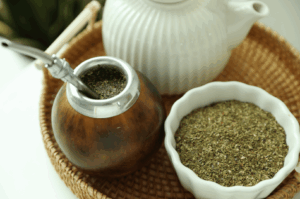
Yerba mate, a traditional South American drink, contains about 85 mg of caffeine per cup on average. That's a bit more than a cup of tea, but less than coffee. Infusions made with guayusa, yaupon, guarana, or coffee leaves are also likely to contain caffeine.
So if a blend feels more energizing than you expected, it's worth checking the ingredients.
What About Decaf Tea?
Decaf tea has had most of its caffeine removed, though usually not all of it. For many people, it offers the familiar flavor of black or green tea with far less caffeine. If you're sensitive to caffeine, or simply drinking tea late in the day, decaf tea can be a comfortable middle ground.
How Much Tea Can You Drink? Safe Limits and Hydration Guidance

This is the part I find quietly reassuring.
Higher doses of caffeine can increase urine production, but there is no single threshold at which tea suddenly becomes dehydrating. Research suggests that moderate caffeine consumption usually has only a small effect on fluid balance, particularly among regular caffeine consumers.
Most of us aren't drinking that much in one go.
Researchers have looked at this closely. In one small study, 21 healthy men drank either 4 or 6 cups of black tea, or the same amount of boiled water, over 12 hours. There was no difference in urine production or hydration levels between the two. The researchers concluded that black tea seems to be as hydrating as water when you drink up to 6 cups a day.
Another study followed 50 heavy coffee drinkers who had either 800 ml of coffee or the same amount of water daily for three days. Again, no difference in hydration markers.
A meta-analysis of 16 studies, involving caffeine doses with a median of 300 mg, found an average increase in urine production of approximately 109 ml compared with non-caffeinated conditions. The effect was more noticeable at rest and smaller during exercise.
That's a mild diuretic effect. At typical tea-drinking levels, the fluid consumed generally outweighs the small increase in urine production associated with caffeine.
Interestingly, the effect may be even smaller in men and in people who regularly consume caffeine.
Does Tea Dehydrate or Tea Hydrate? Counting Tea Toward Your Water Intake
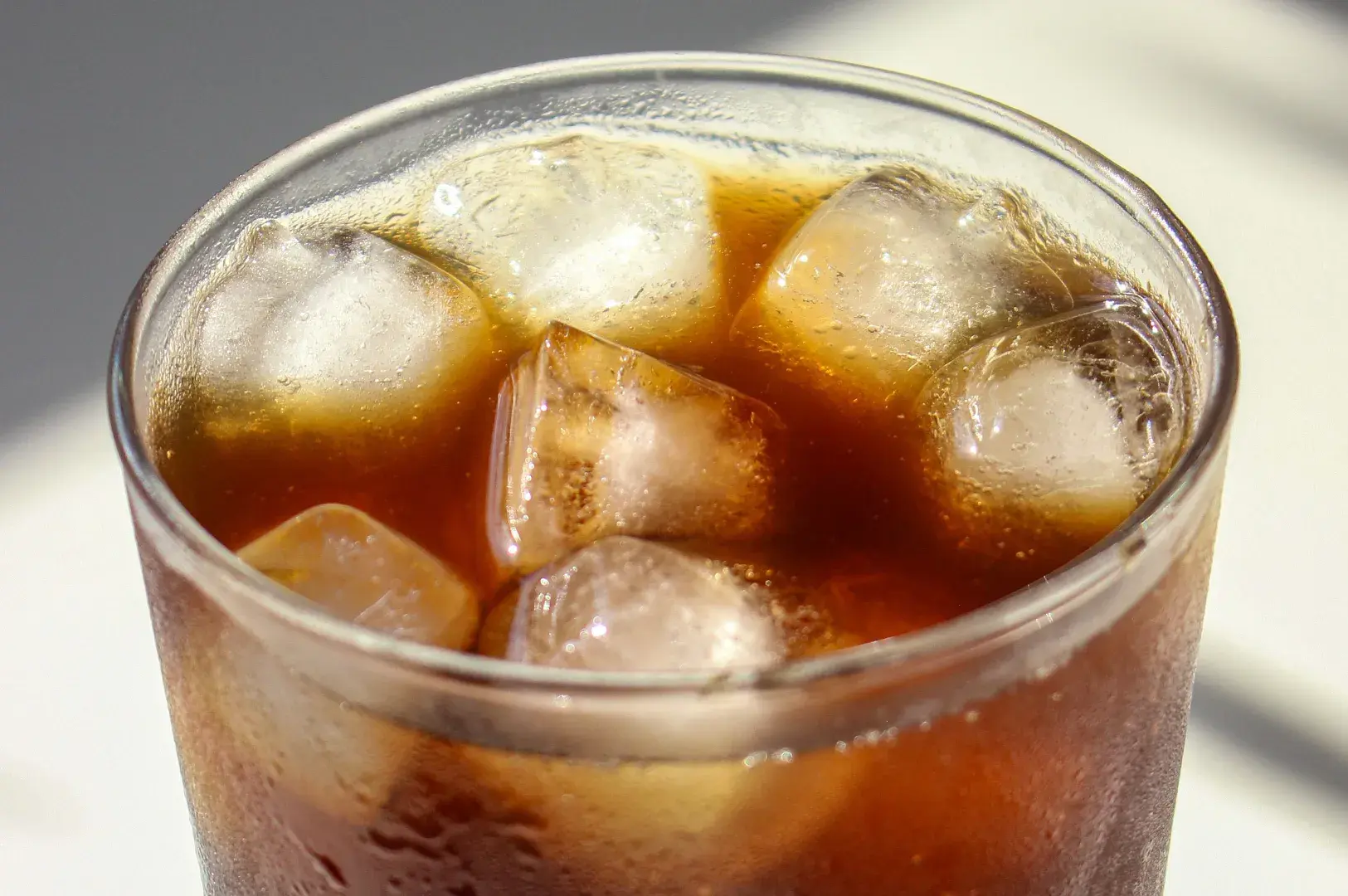
Yes. In moderate amounts, tea can count toward your daily fluid intake.
I think this is where the old warning starts to soften. Tea is mostly water, after all. When you drink a reasonable amount, the fluid you take in outweighs the small extra amount your kidneys might release.
So does tea hydrate you? For the average person drinking normal amounts, the answer leans toward yes. Tea can be an interesting alternative to plain water when it comes to reaching your daily fluid needs, especially if you want more flavor without added sugar or the sodium found in soda.
But here's a soft counterpoint. Just because tea counts doesn't mean it has to replace water entirely. Maybe the better way to think about it is variety. Water as the steady base. Tea as a preferred source of hydration benefits, flavor, and a little ritual to the day.
Practical Hydration Guidance for Tea Lovers with Overactive Bladder or Blood Pressure Concerns
None of this needs to feel like a rulebook. Still, a few gentle considerations might help.
Pay attention to how much you drink at once. Drinking less than about 3.5 to 8 cups of tea in one sitting is unlikely to dehydrate you. Spreading your cups across the day is a simple way to stay well within that range.
Notice your brewing habits. Longer steeping can mean more caffeine. If you tend to leave your tea bag in for ages, you might be getting a stronger cup than you realize.
Know what's in your blend. Herbal teas are generally caffeine free, but blends with yerba mate, guarana, or similar ingredients aren't. A quick look at the label can save you a restless evening.
Keep drinking water in the picture. Especially on hot days or after exercise, plain water is still a simple, reliable way to support adequate hydration. Tea can sit alongside it. Sparkling water or juice with electrolytes can also be good choices.
Listen to your body. If caffeine makes you feel jittery, affects your blood pressure, or sends you to the bathroom often due to an overactive bladder, switching some cups to decaf tea or caffeine free herbal options might feel better.
Mind added sugar and milk. Some people add sugar or milk to their tea. While these can enhance flavor, be mindful of how much sugar or sodium you consume overall.
FAQ: Common Questions About Tea and Hydration

Is green tea a diuretic?
Green tea contains caffeine, so it can have a mild diuretic effect. In moderate amounts, though, it's unlikely to dehydrate you and can still contribute to your fluid intake.
Is black tea more dehydrating than other teas?
Black and oolong tea tend to contain slightly more caffeine than other true teas. But research suggests black tea is as hydrating as water at up to 6 cups a day.
Do herbal teas count as hydrating?
Most herbal teas, like chamomile and peppermint, are generally caffeine free and considered hydrating. Just watch for blends containing caffeinated ingredients.
How much tea is too much for hydration?
Very high caffeine intakes can increase urine production, but the effect depends on the amount of caffeine rather than a fixed number of tea cups. Moderate tea consumption generally contributes to hydration.
Is coffee more of a diuretic than tea?
Coffee usually contains more caffeine per cup than tea. Even so, studies suggest moderate coffee drinking doesn't affect hydration markers much either.
A Gentler Way to Think About Your Cup
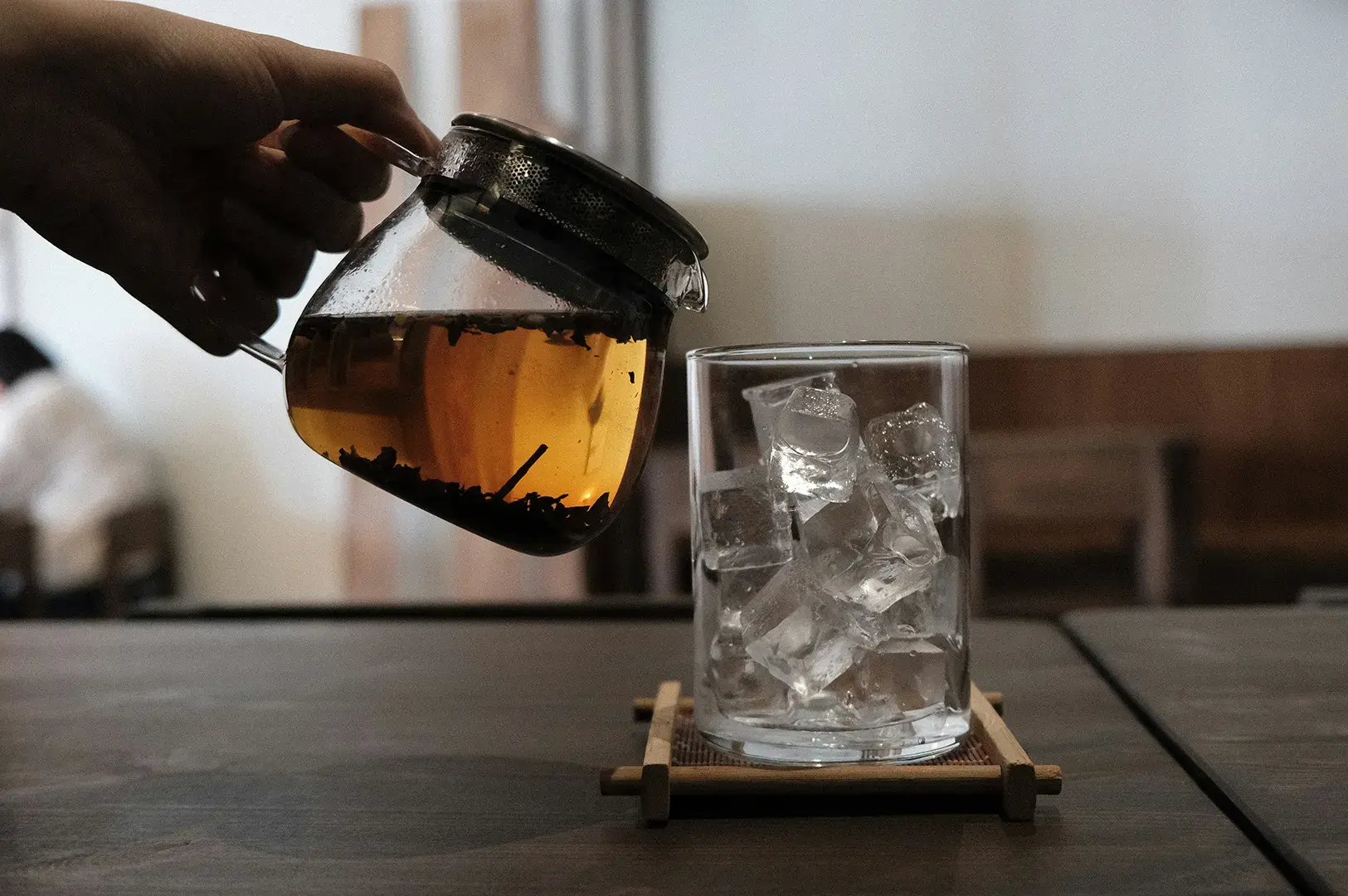
It's funny how a single word like "diuretic" can make us second-guess something so ordinary.
A cup of tea after lunch. A cold glass on a humid afternoon. A warm mug of chamomile before bed.
The science suggests that, for most of us, these moments aren't working against our bodies. Tea has a mild diuretic effect, yes. But in normal amounts, it still hydrates, still counts, still belongs in the day.
Maybe the real question was never is tea a diuretic? Maybe it's how do I want to drink it? With a little attention. With water close by. With enough curiosity to notice what's in the cup.
So pour your next one without the worry. Just notice it a little more.

Raw vs. Ripe: Understanding the Two Paths of Pu Erh Processing
In the vast and ancient world of Chinese tea, few categories carry as much mystery and prestige as pu erh tea. Pu’er tea is renowned for its unique fermentation and aging techniques, which not only develop its complex flavor profiles but also contribute to its cultural significance and traditional production methods. Unlike most teas such…

From Keemun to Darjeeling: A Global Tour of Premium Black Teas
Black tea is more than just a morning ritual; it’s a global phenomenon steeped in rich history, cultural significance, and craftsmanship. From the misty mountains of India to the ancient gardens of China, each cup tells a story of its origin, flavor, and tradition. Throughout history, brewed tea has been cherished in various cultures, with…
-
Understanding Oolong Tea Oxidation Levels: The Spectrum of Oxidation in Tea Classification
When you step into the world of tea, you quickly learn about the main categories: white, green, oolong, and black. For many, green tea is fresh and vegetal, while black tea is bold and malty. But what about oolong? This category seems to defy easy definition, with some oolongs tasting light and floral like a…
-
Beyond Matcha: Exploring the Diverse World of Japanese Green Tea Varieties
Let’s be honest, when you hear “Japanese green tea,” your mind likely pictures a vibrant, frothy bowl of matcha. From trendy matcha lattes in every café to ice cream and desserts, matcha has become the undisputed global face of Japanese tea culture. And for good reason! It’s a delicious, versatile ingredient with numerous health benefits….
-
Silver Needle White Tea: The Delicate Emperor of Chinese Tea
In the vast and storied world of Chinese tea, few varieties command the reverence and prestige of Silver Needle white tea. Celebrated as Bai Hao Yin Zhen (白毫銀針)-meaning “White Hair Silver Needle”-this exceptional Chinese white tea sits atop the hierarchy of not just white tea, but among all tea types. Each slender ‘needle’ is not…
-
Thai Oolong Tea: Thailand’s Oolong Revolution in Ancient Tea Territory
In the shadowy folds of Northern Thailand’s mountains, where cool, misty air hugs the slopes and the morning dew clings to fragrant tea leaves, a revolution is steeping. Once known largely for its role in the Golden Triangle, this region now blossoms as a new epicenter for Thai oolong tea and innovative tea beverages like…
-
Dong Ding Oolong: The Artisanal Craft Behind Taiwan’s Most Famous Tea
Imagine a warm, inviting aroma that fills the room with essence reminiscent of delicate flowers, toasted nuts, honeycomb, chocolate, and ripe stone fruit. The initial scent from a freshly opened tin of Dong Ding Oolong loose leaf tea can feel almost transportive. Upon brewing, the tea’s infusion shines with a brilliant golden colour, and your…
-
Yerba Mate Tea: Argentina’s Ancient Energy Brew and Modern Revival
Picture a sun-drenched plaza in Buenos Aires, where the air hums with laughter and the scent of fresh flowers. In the center, friends gather in a close-knit circle, a cherished gourd filled with fragrant yerba mate tea making its way from hand to hand. Each person sips this herbal tea-brewed from green yerba mate leaves-through…

The Complete Guide to Kenyan Tea Industry Transformation in the Great Rift Valley
Imagine standing at the edge of Kenya’s Great Rift Valley, the birthplace of world-renowned Kenya tea. Here, undulating hills blanket the landscape in a lush sea of deep green, where rows of thriving tea bushes stretch across the horizon. This breathtaking region forms the core of the Kenyan tea industry-a powerhouse producing some of the…
-
Ceylon High Grown Tea: The Bright, Crisp Profiles of Nuwara Eliya
Imagine standing amidst a sea of emerald green on the island of Sri Lanka, where manicured tea bushes climb rolling hills and disappear into a cool, persistent mist. This is the world of Ceylon high grown tea, centred in Nuwara Eliya – a region characterized by bright sunshine in the morning and cool, misty nights….